Thrush or European Robin?
Here's how to tell the difference
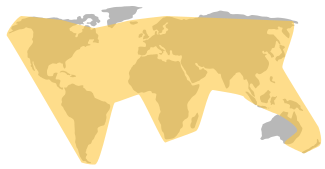

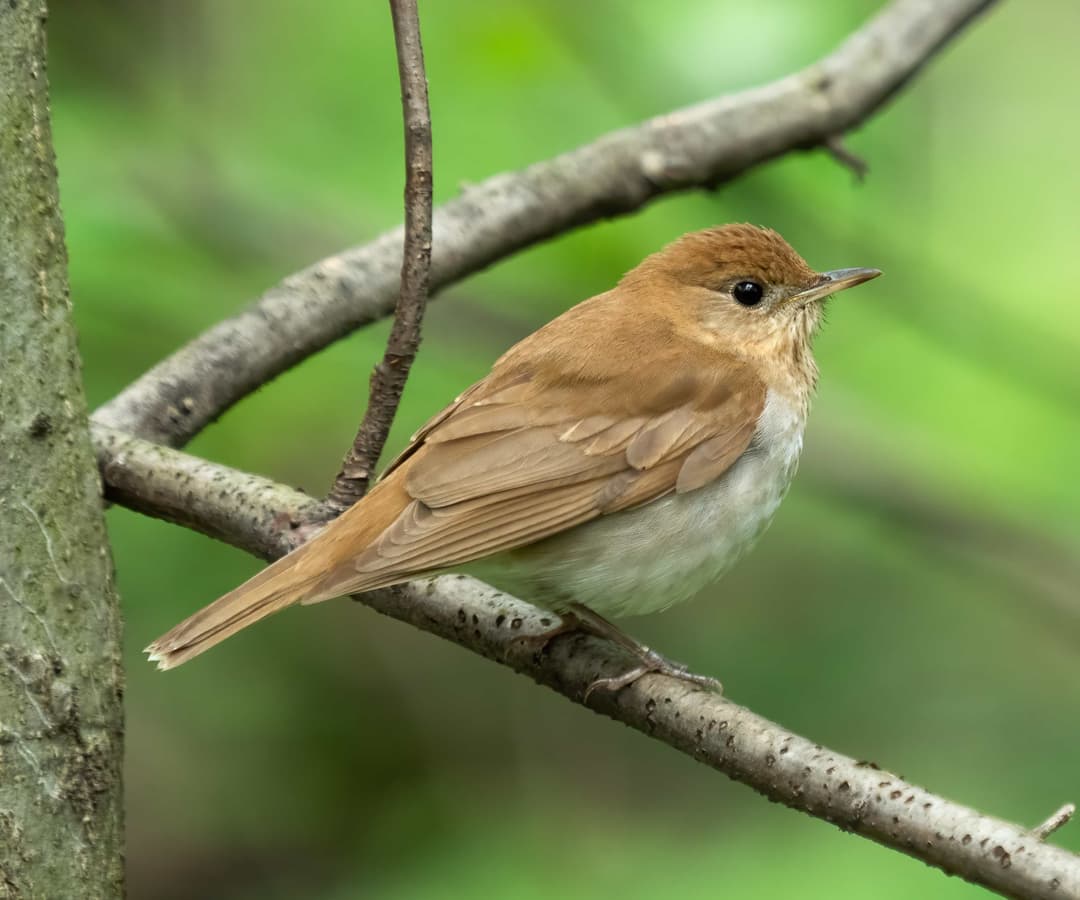
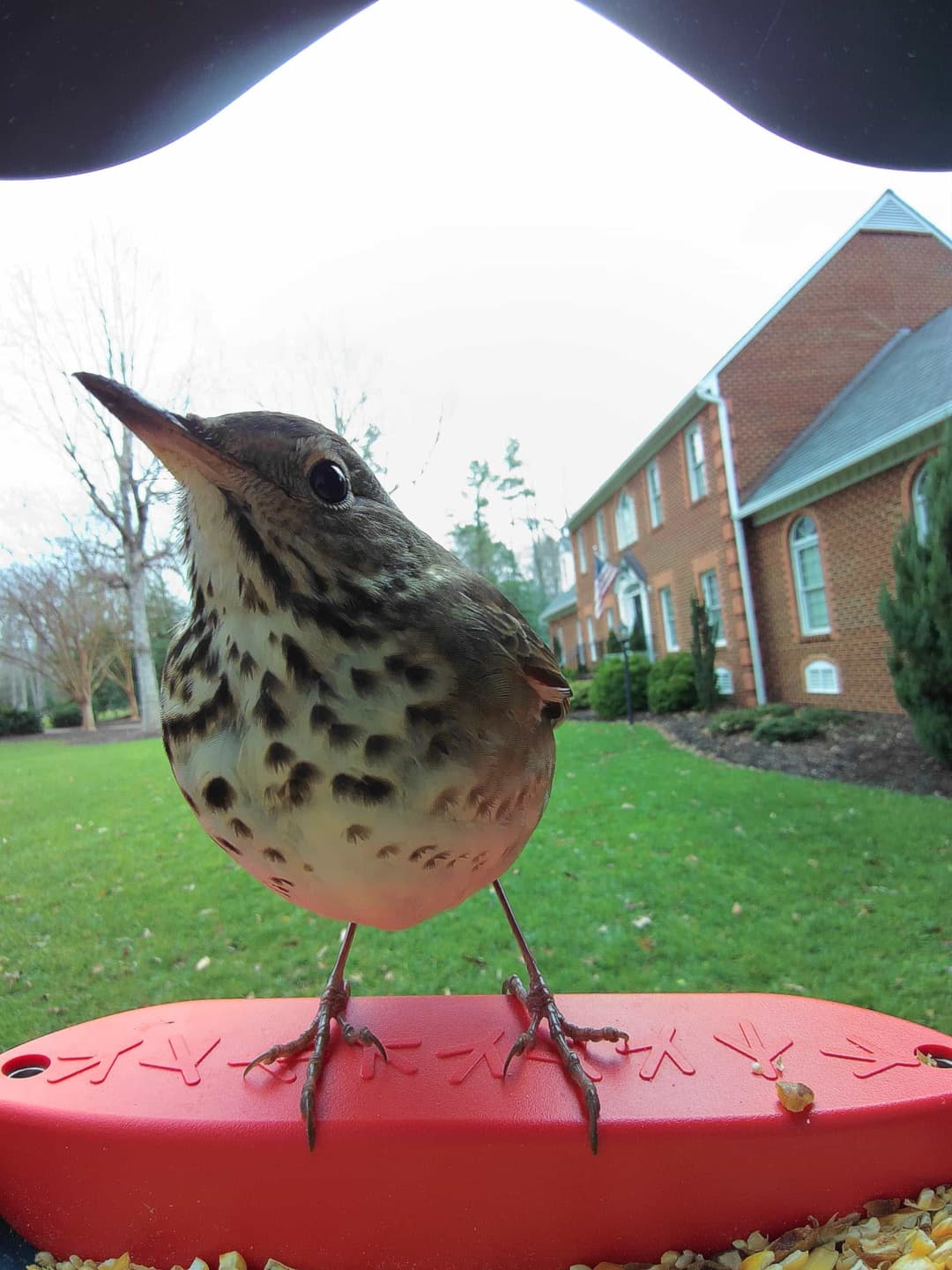
Thrush


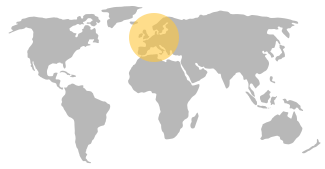
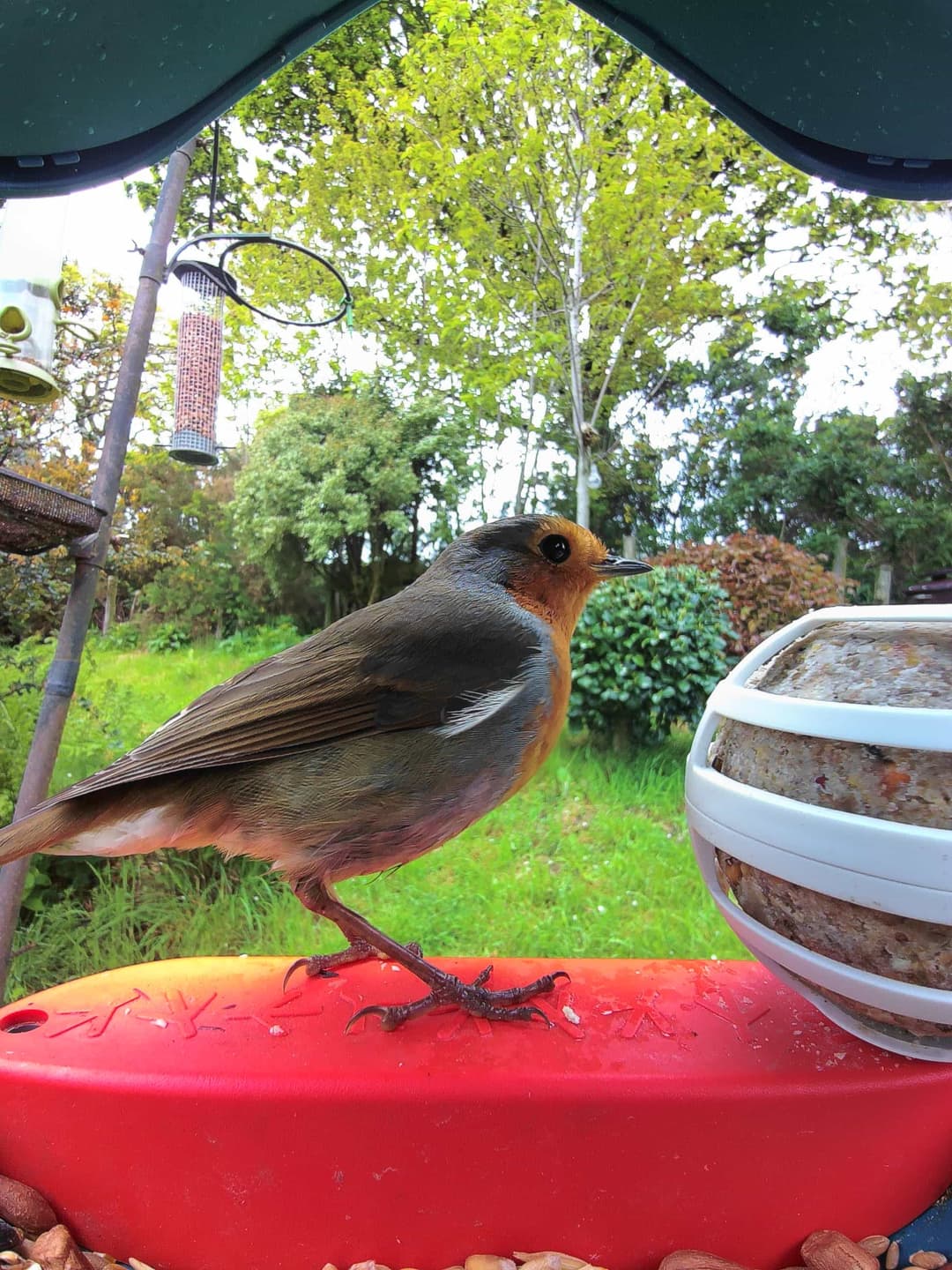
European Robin
Thrush
Turdidae
General appearance
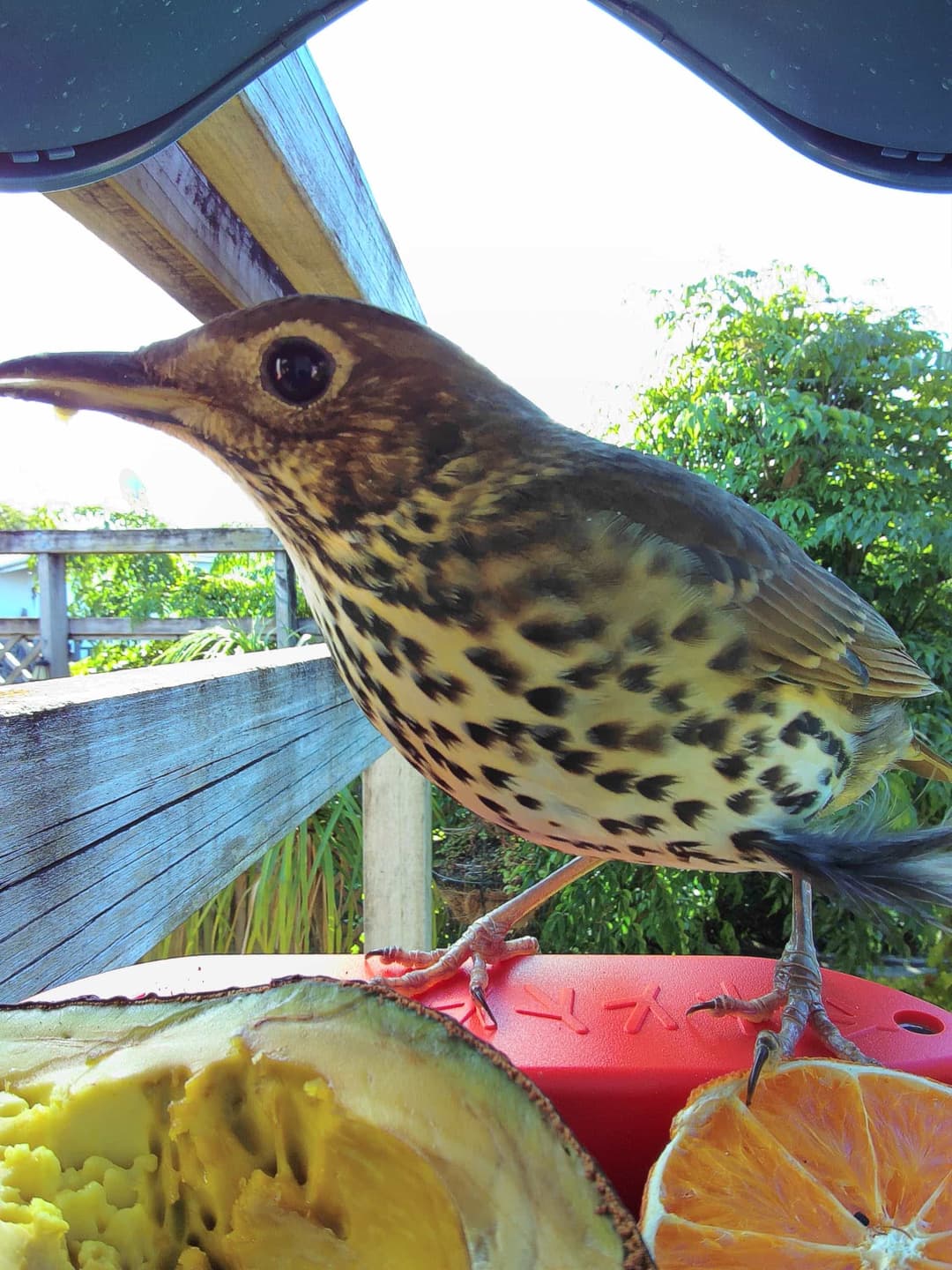
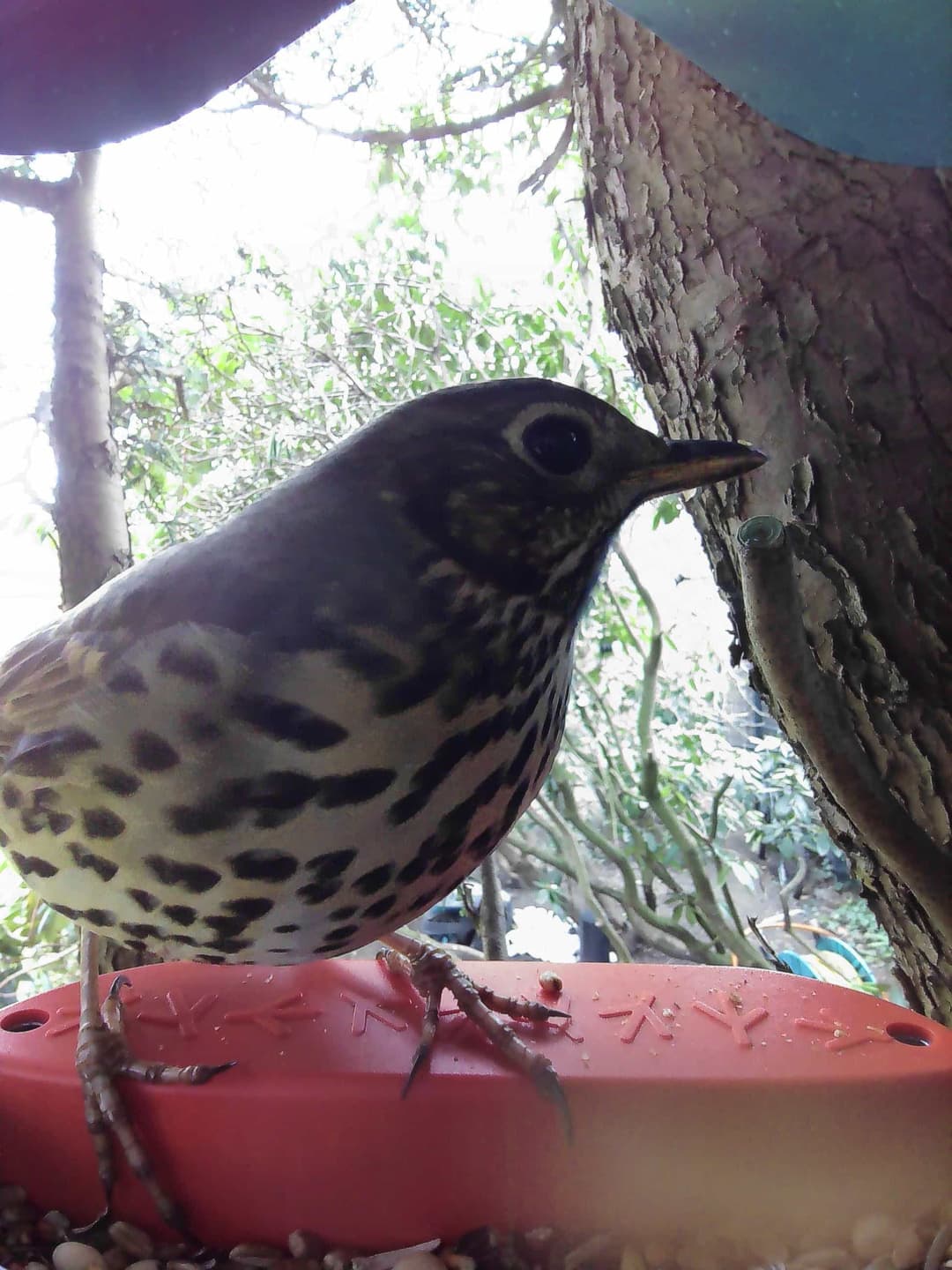
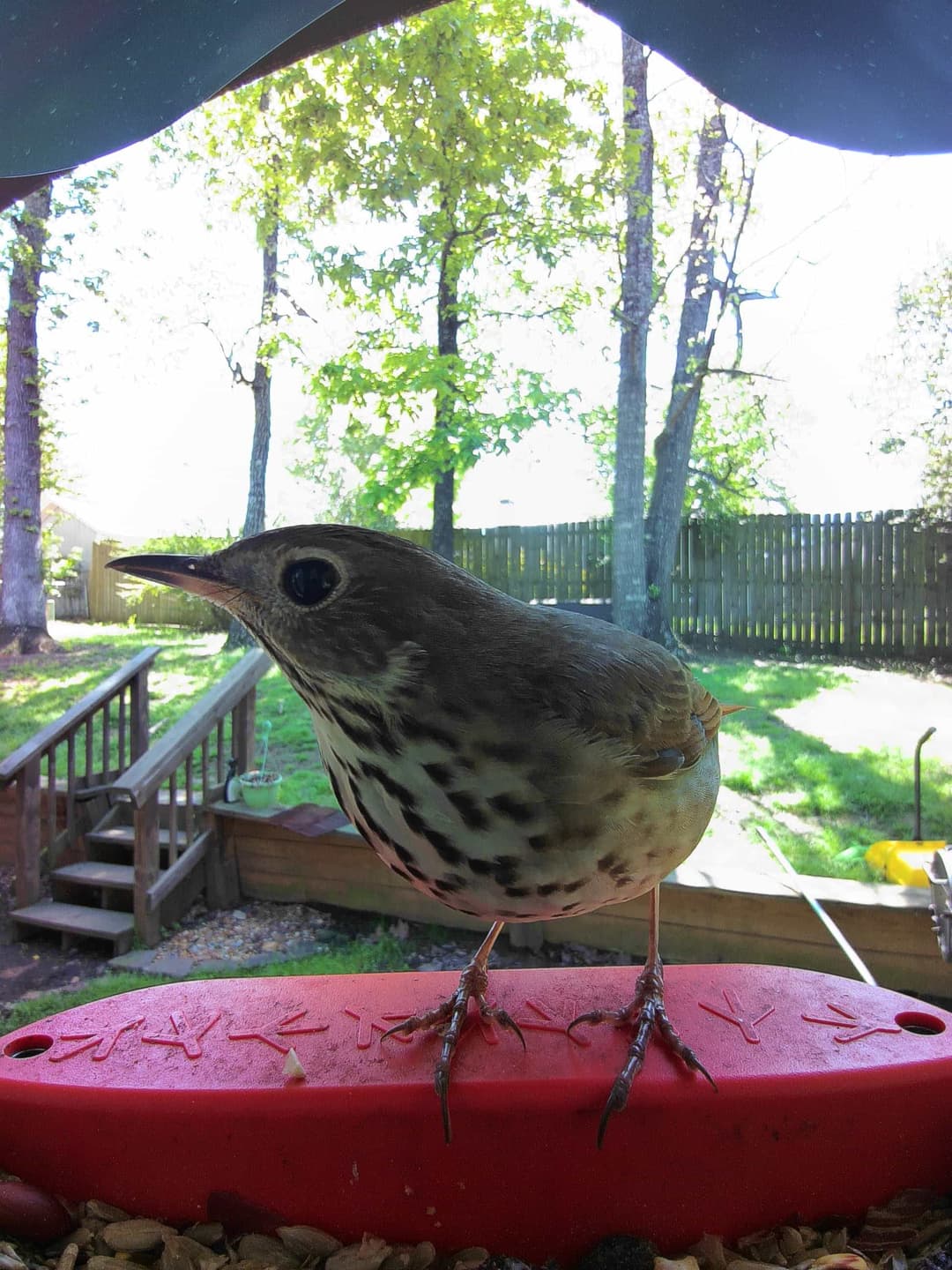
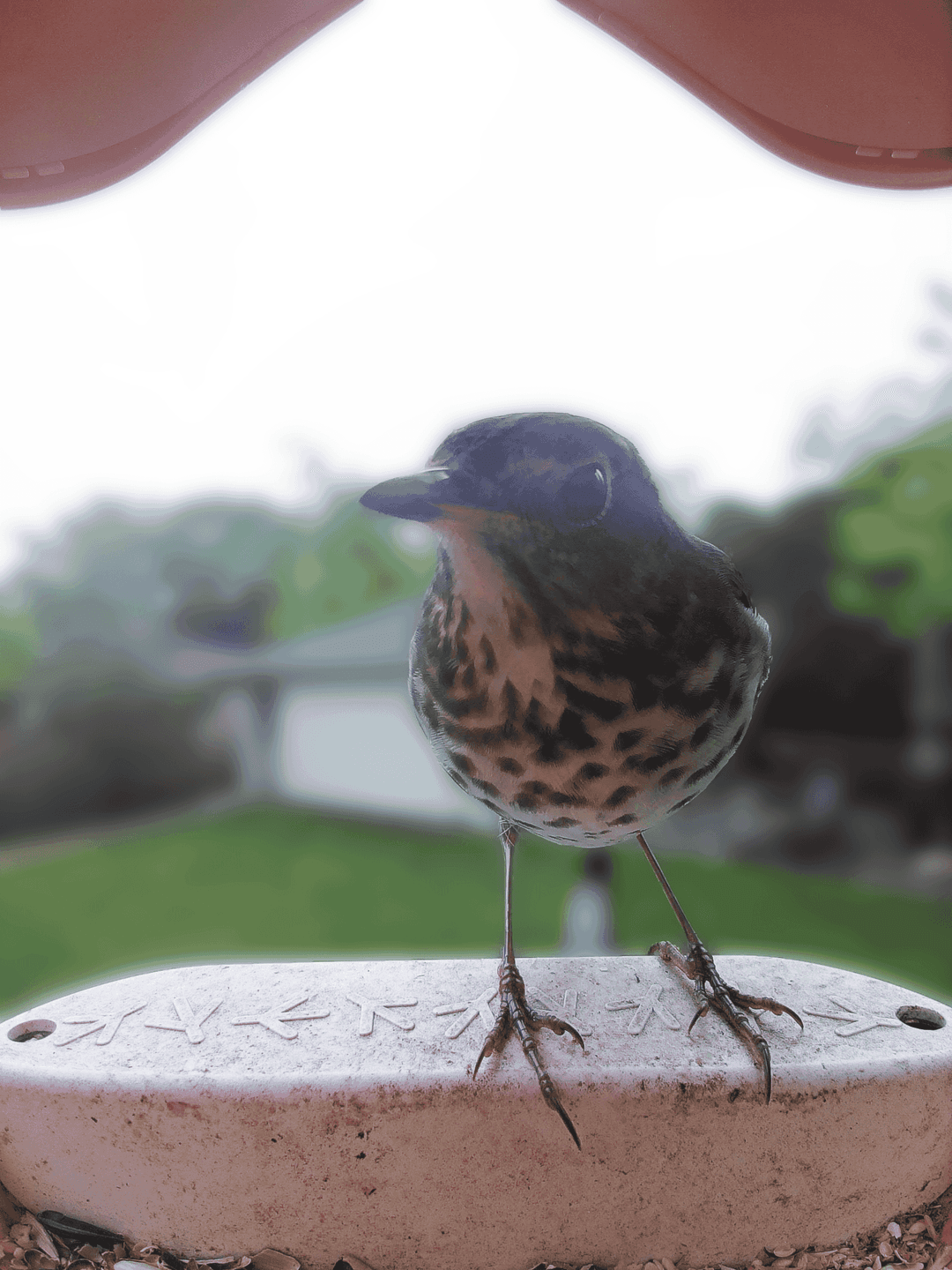
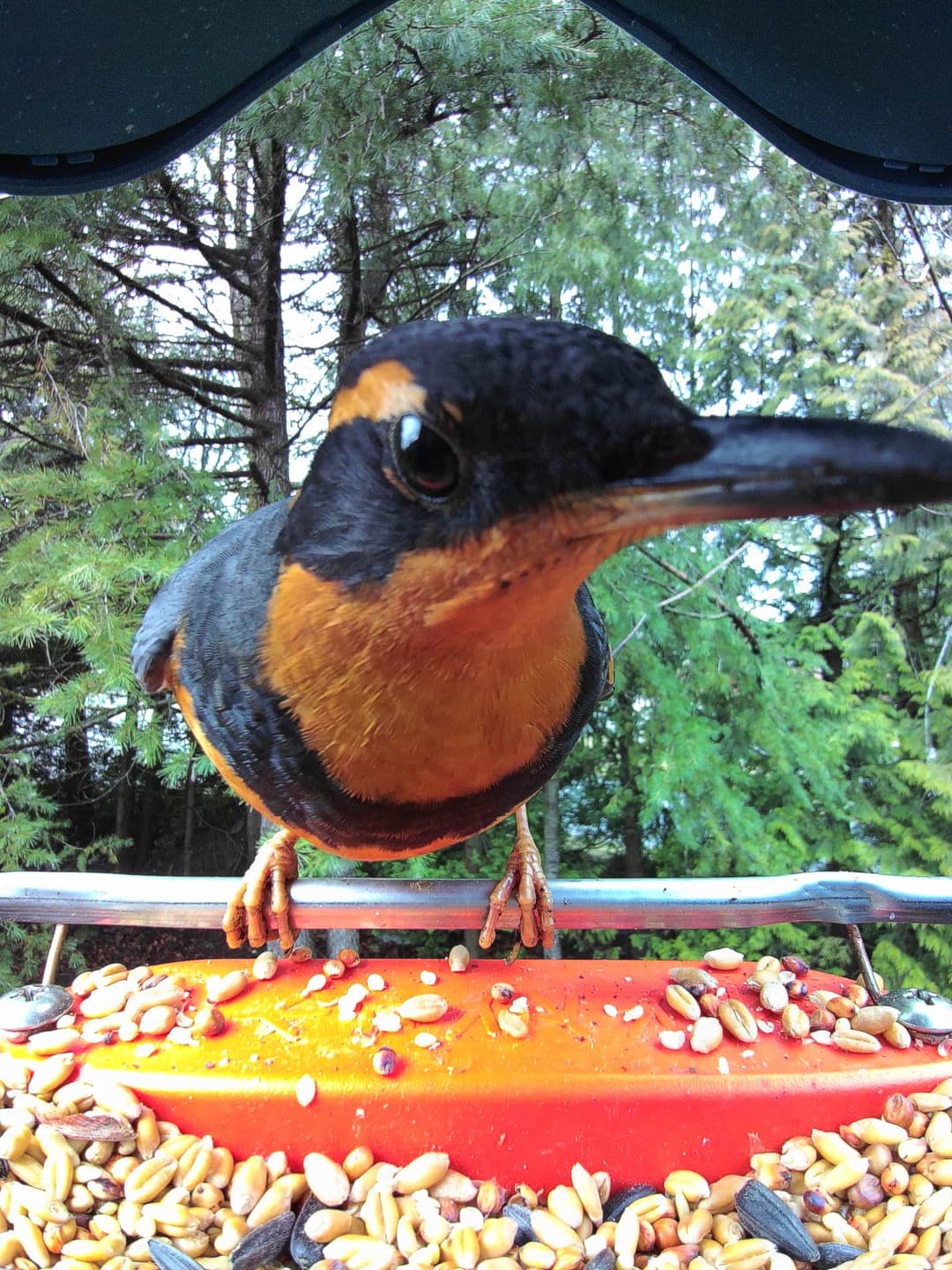
Thrushes are songbirds known for their brown to blue-grey upperparts and white underparts often with spots or markings. They have medium to long tails, and their size varies from small to medium. Some species have orange or red underwings, visible in flight.
Male vs female
In many thrush species, males and females have similar plumage, making it difficult to distinguish between them. However, in some species, males may have more vivid coloration or distinctive markings compared to females. There's often sexual dimorphism in size, with males being slightly larger.
Juvenile
Juvenile thrushes can resemble their parents, but they usually have duller plumage and less clear markings or spots. They may also be slightly smaller in size until full maturity. Their bills tend to be shorter and their feathers softer and fluffier.
Size
5.7 - 13.0 in/0.8 - 5.9 oz
There's more to learn about Thrush
View full detailsEuropean Robin
Erithacus rubecula
Also known as: Robin, Robin Redbreast
General appearance
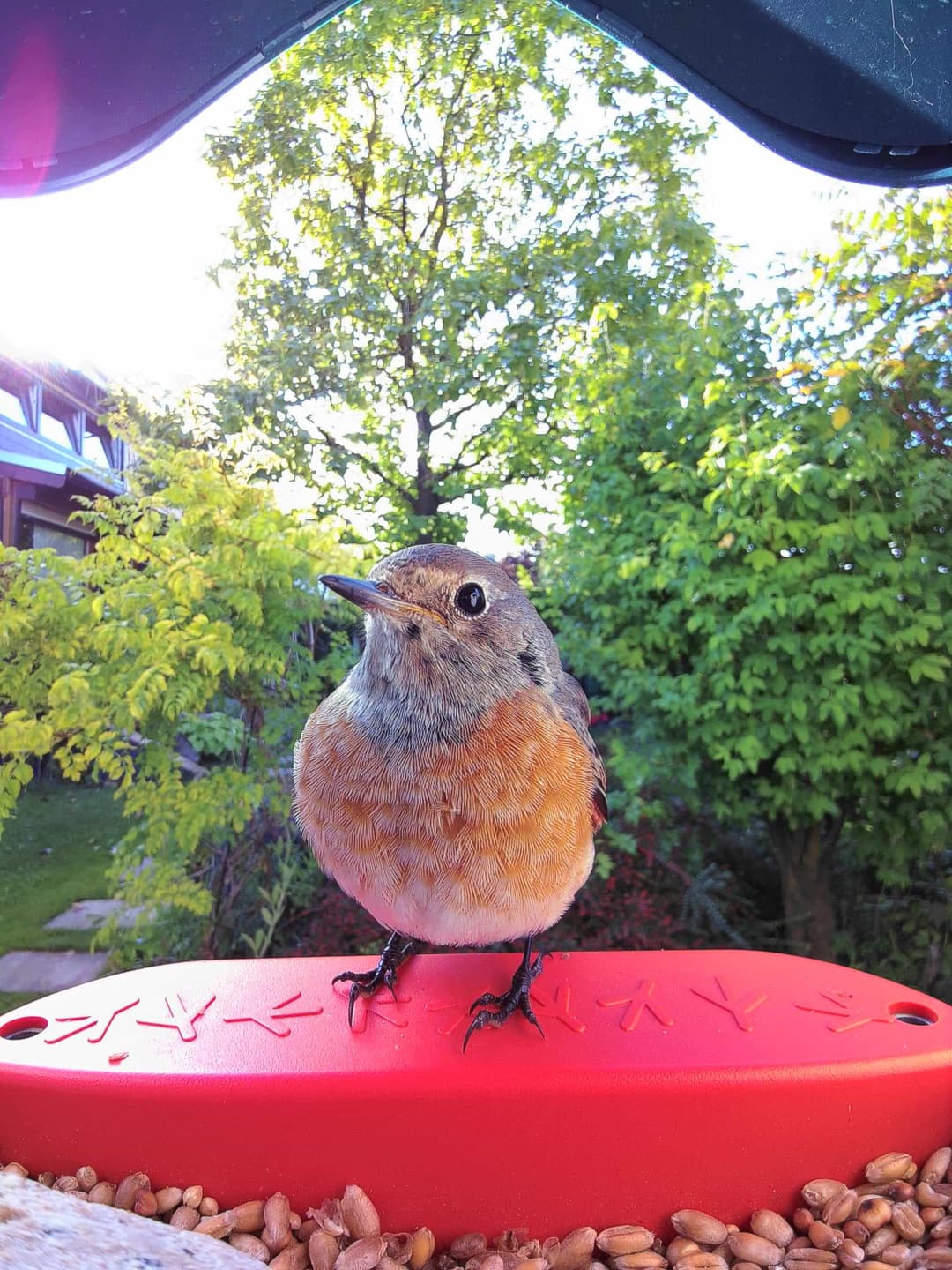
The European robin is a small bird, approximately 12.5–14.0 cm in length. It has a distinctive orange-red face and breast, with a contrasting grey line running from the eyes to the neck. Its upper parts and tail are olive-brown, while the belly is white. This characteristic coloration makes the robin easily recognizable in its habitats, which include gardens, woodlands, and parks.
Male vs female
Male and female European robins are visually similar, with no significant differences in plumage coloration or size. Both genders share the same vibrant orange-red breast and predominantly brown and white bodies. This lack of sexual dimorphism means that it can be challenging to distinguish between male and female robins just by appearance.
Juvenile
Juvenile robins are generally mottled with golden-brown spots instead of the striking orange-red breast seen in adults. This speckled appearance helps them stay camouflaged from predators. As they mature, the juveniles gradually develop the distinctive adult plumage. Seasonal variations do not significantly affect overall appearance, but molting can sometimes make the colors appear more subdued.
Size
4.9 - 5.5 in/0.5 - 0.9 oz
There's more to learn about European Robin
View full detailsHow to tell the Thrush from the European Robin
Visual differences
Thrushes vary in size (length 5.7-13 inches, weight 0.8-5.9 ounces), with brown to blue-grey upperparts and white underparts, often spotted. They have medium to long tails. European Robins are smaller (length 5-5.5 inches, weight 0.5-0.9 ounces) with distinctive orange-red faces and breasts, contrasting with olive-brown upperparts and white bellies. Both sexes appear similar in each species, but robins lack the marked underparts of thrushes. Thrushes show more variation in plumage patterns, while robins are consistent in their characteristic vibrant coloration.
Key differences and behavior
Thrushes and European Robins differ notably in behavior and habitat. Thrushes, medium-sized migratory songbirds, prefer wooded areas with dense undergrowth. They perform elaborate courtship displays and build cup-shaped nests in shrubs. Thrushes have a varied diet, feeding on insects and fruits, particularly in winter. In contrast, the European Robin, smaller in size, is highly territorial and known for its distinctive dawn chorus. Robins thrive in diverse environments, from gardens to urban spaces and mountainous areas. Courtship involves singing and food offerings. Robins lay eggs in low, cavity-based nests. Dietary preferences also diverge; thrushes enjoy invertebrates and fruits, while robins favor insects, seeds, and berries, often visiting feeders for mealworms and suet. Overall, thrushes play a critical role in seed dispersion, whereas robins are noted for their assertive nature and adaptability to human-altered landscapes.
Still not sure? Here are more lookalikes!
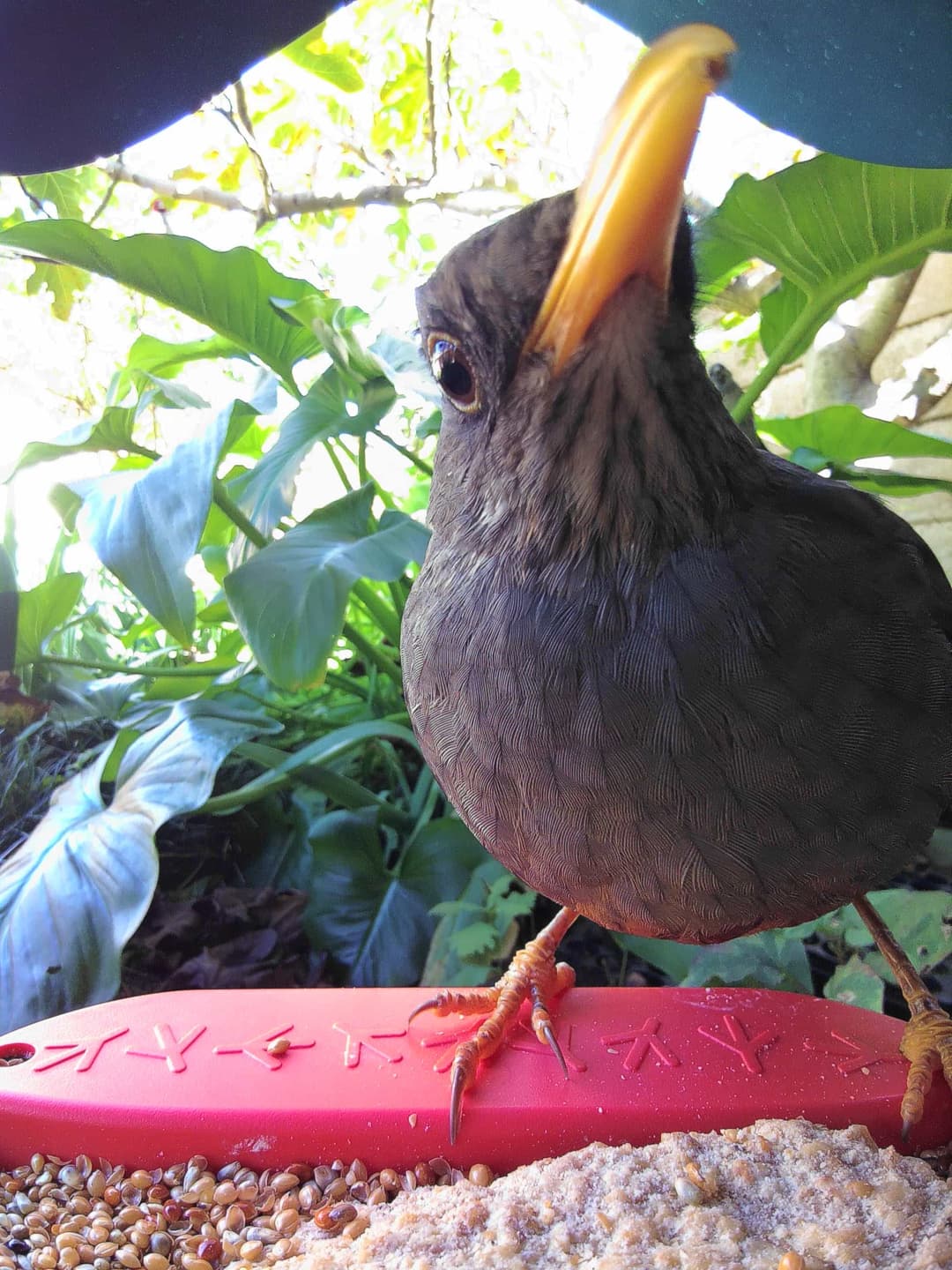
Thrush vs Common Blackbird
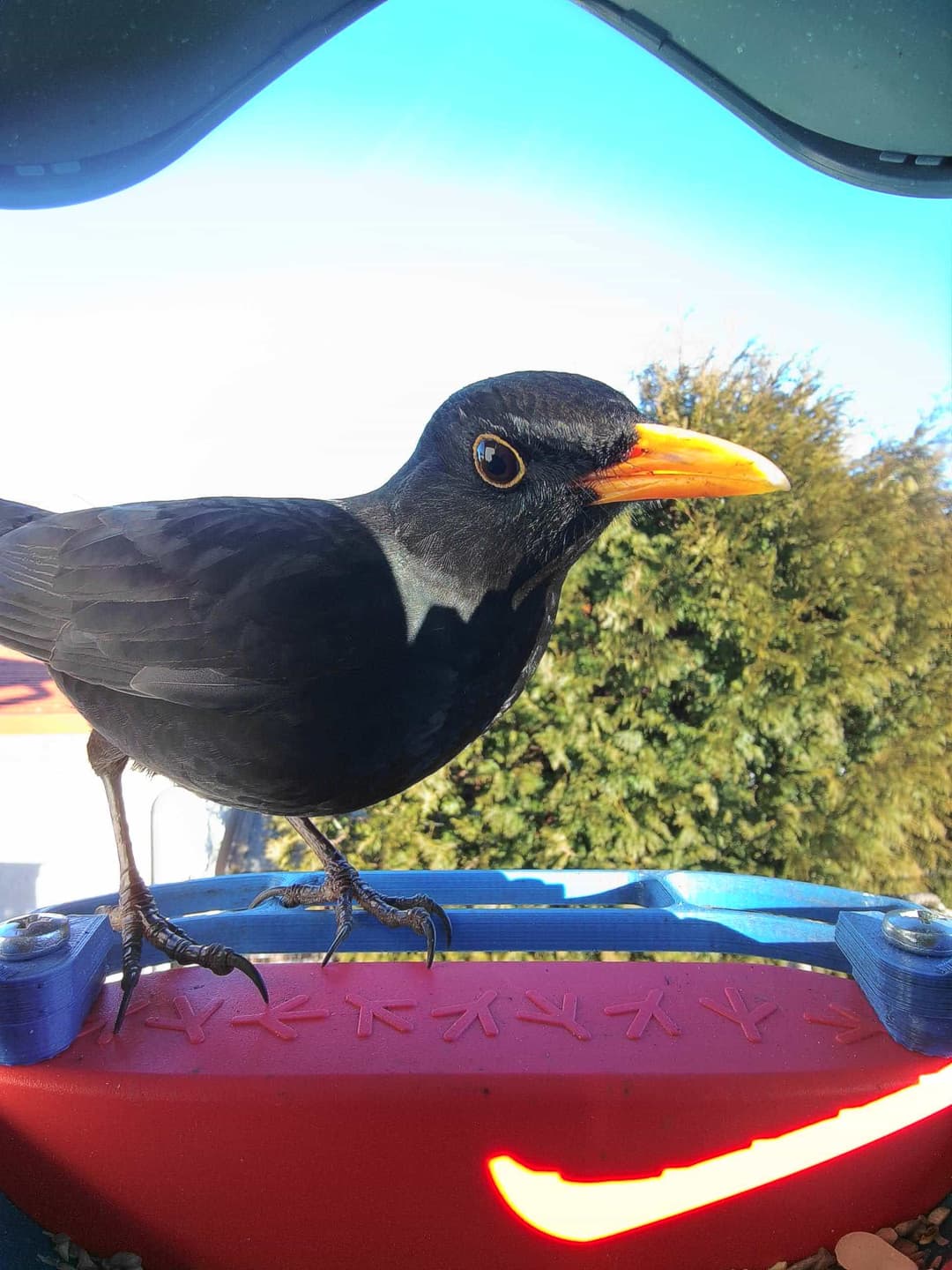
Thrush vs American Robin

European Robin vs Common Redstart
Thrush vs [Select a bird]

[Select a bird]
Pick a bird to compare
European Robin vs [Select a bird]
[Select a bird]
Pick a bird to compare