Thrush or American Robin?
Here's how to tell the difference
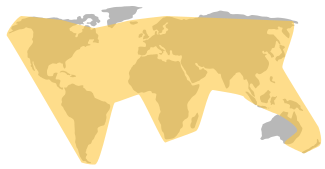


Thrush
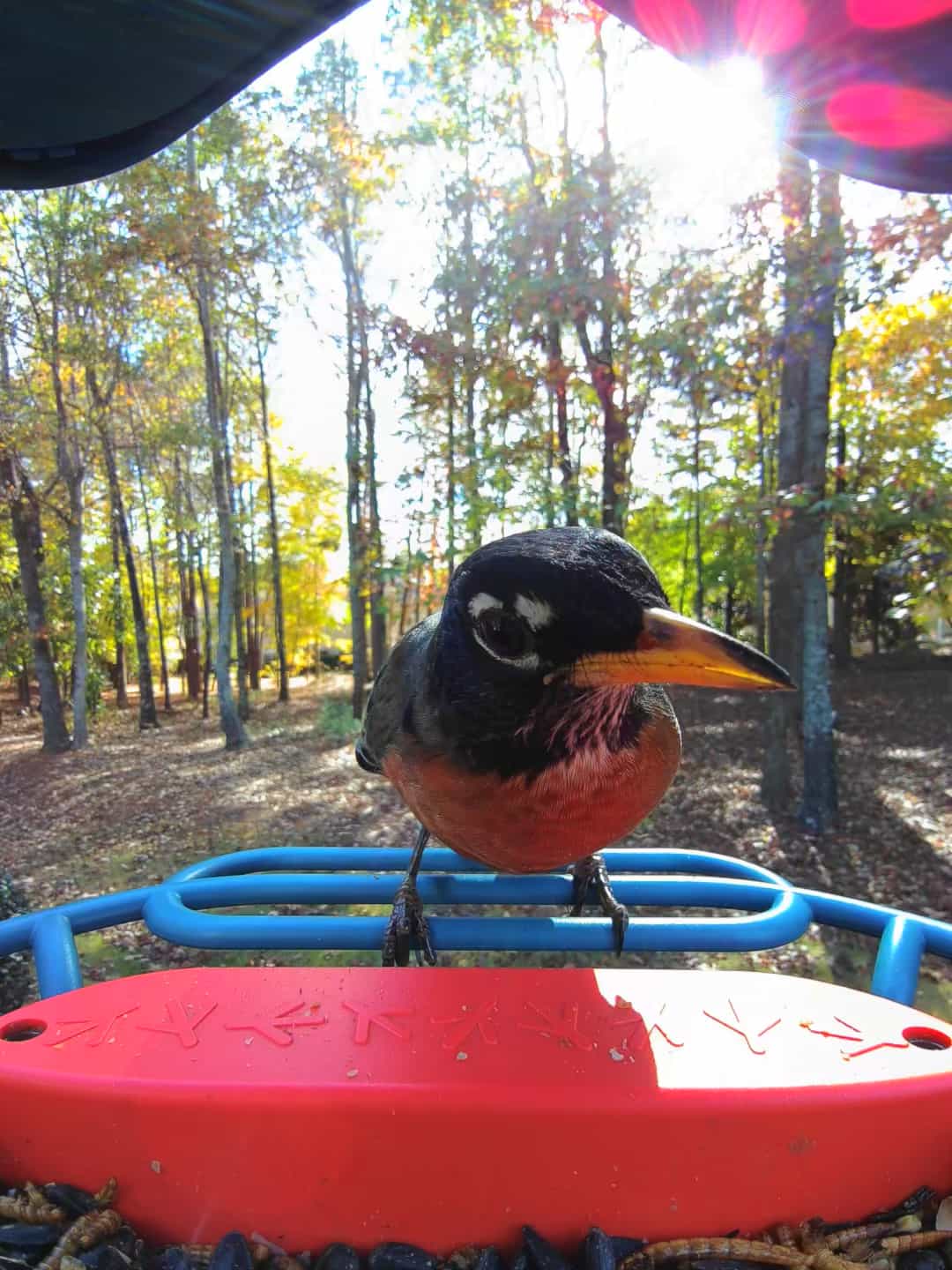


American Robin
Thrush
Turdidae
General appearance
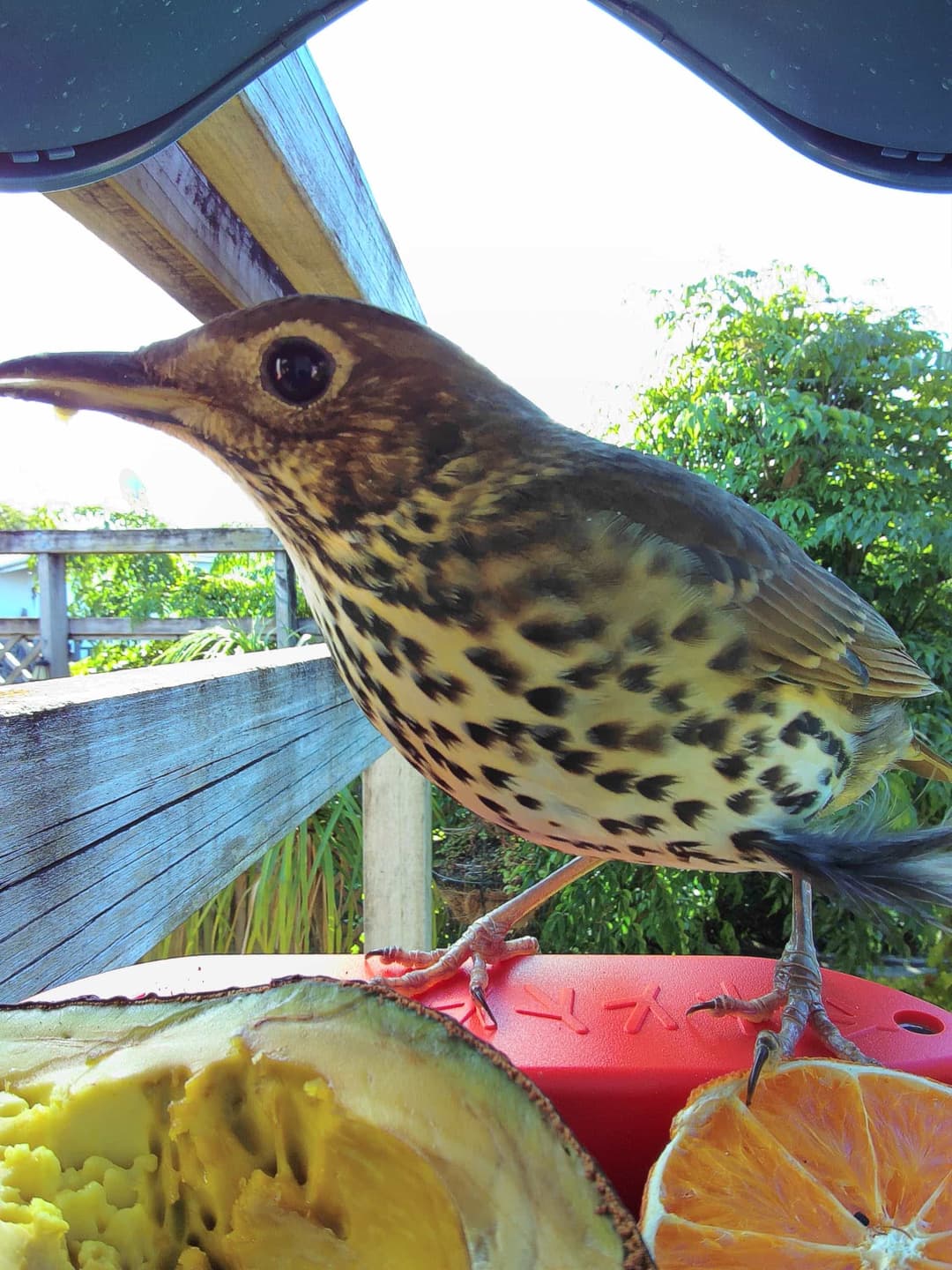
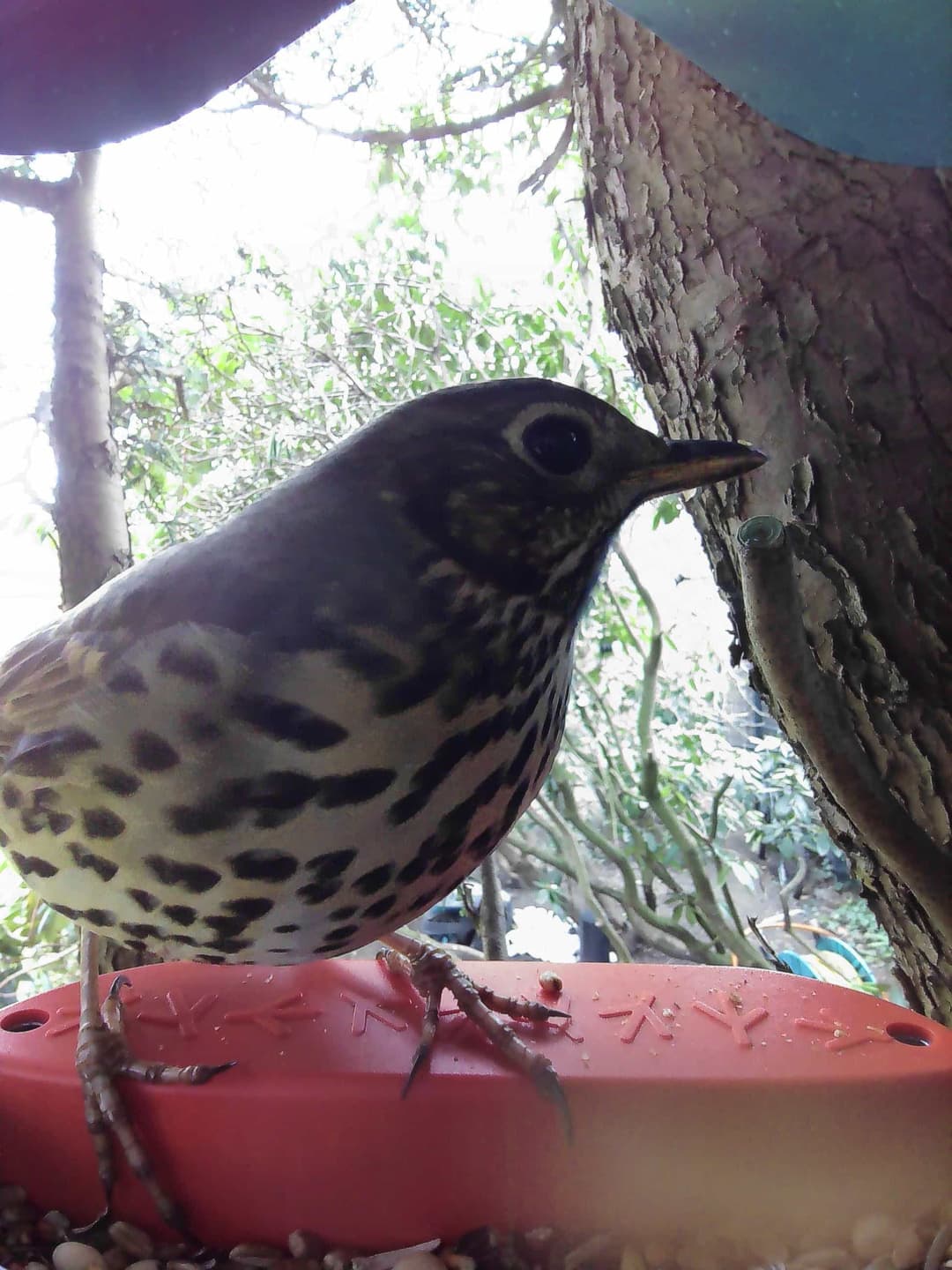
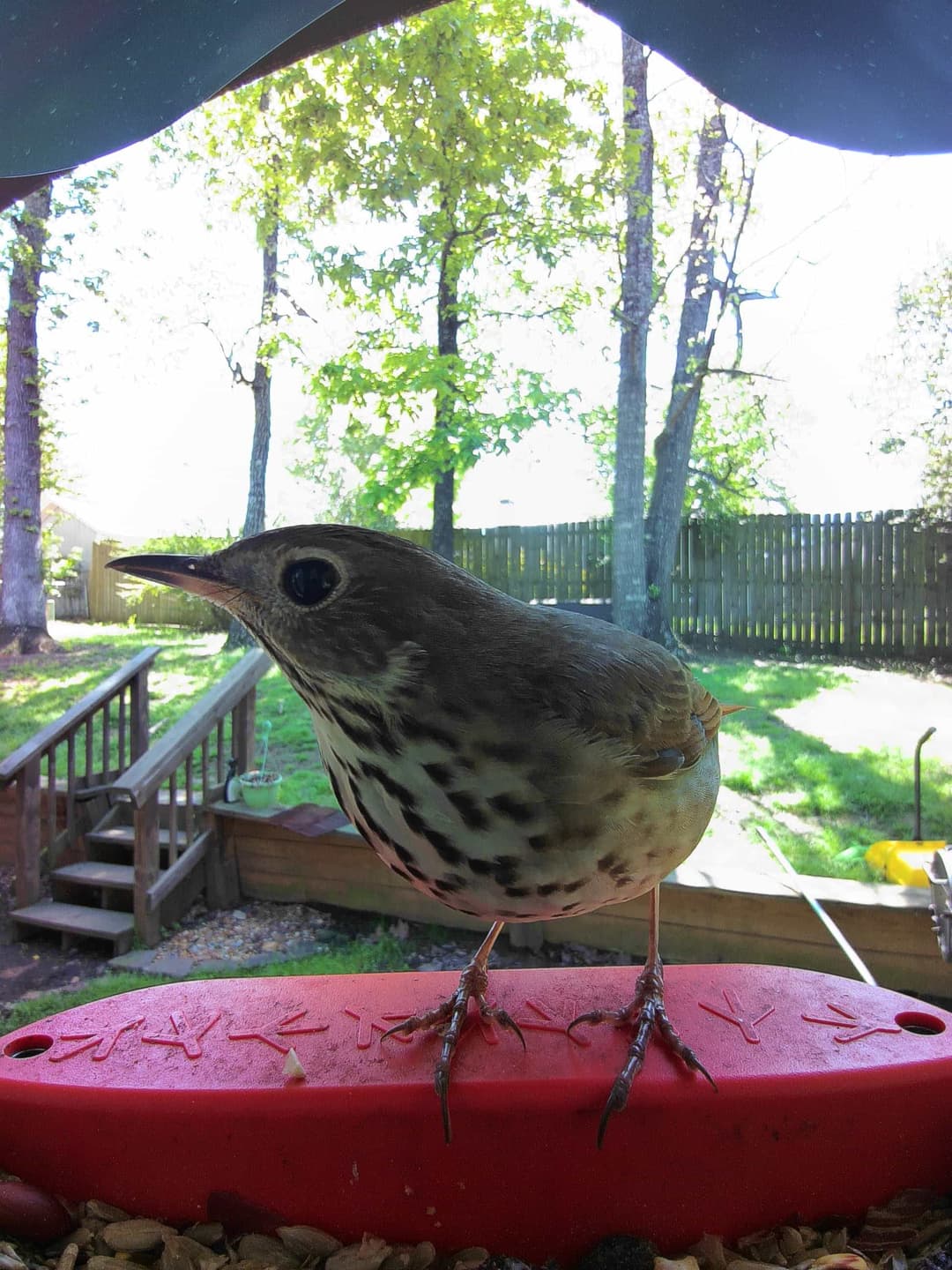
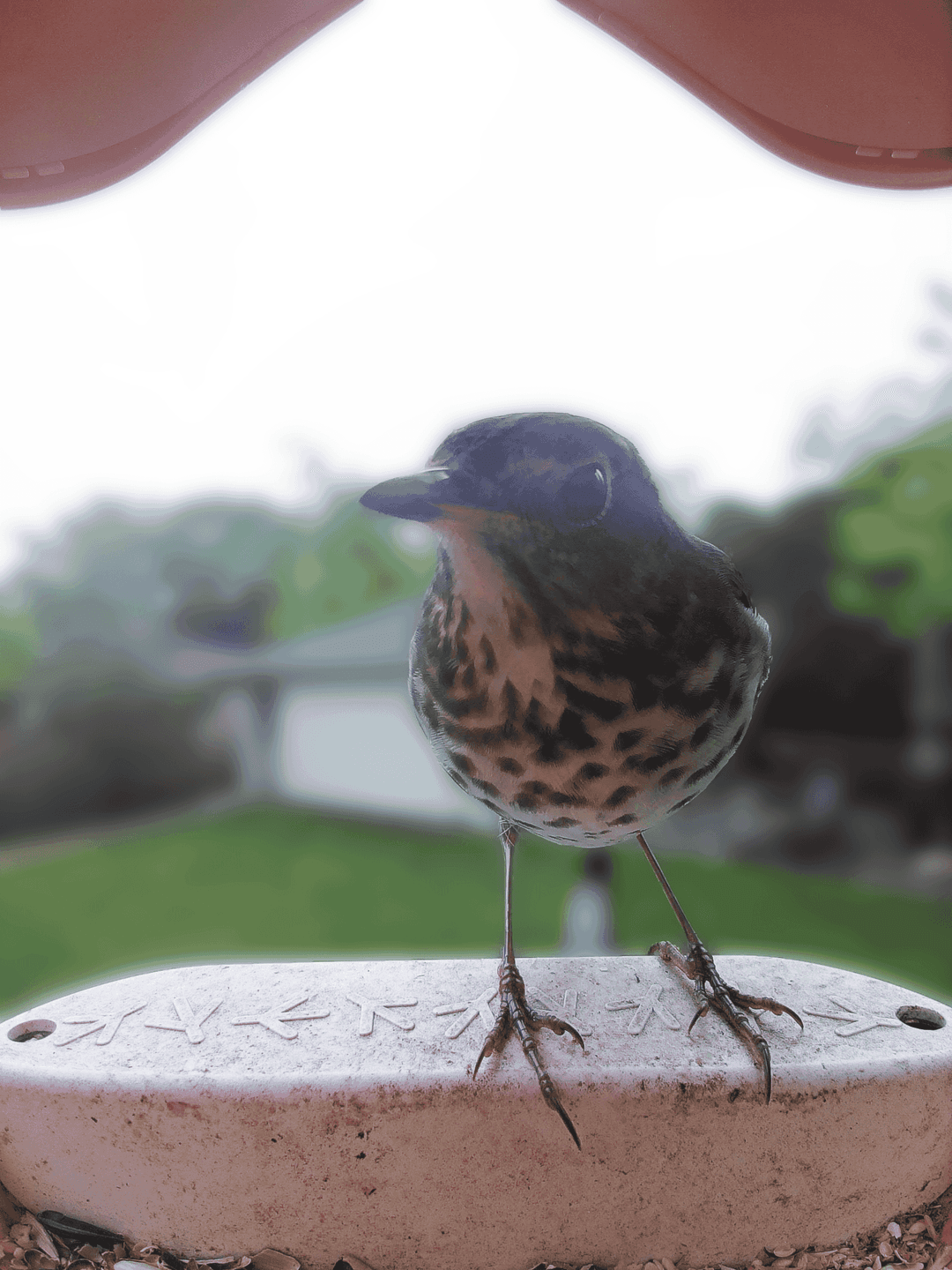
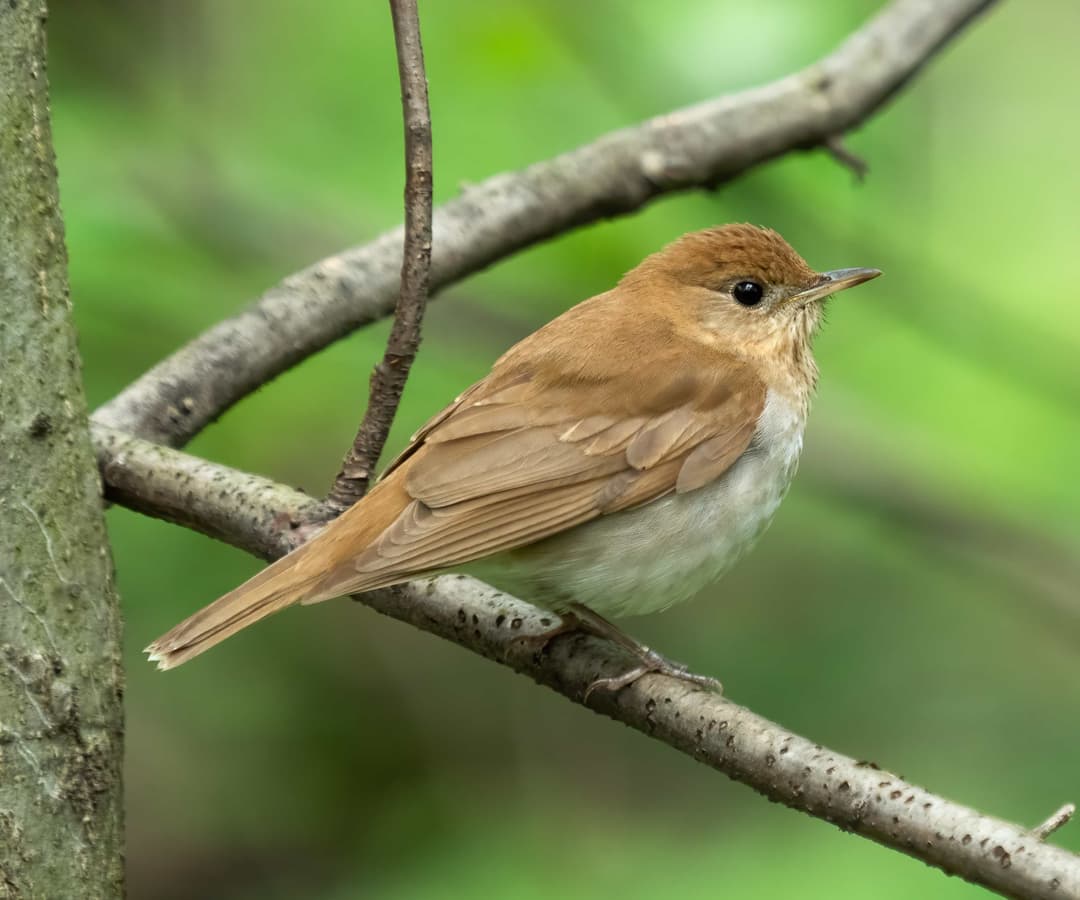
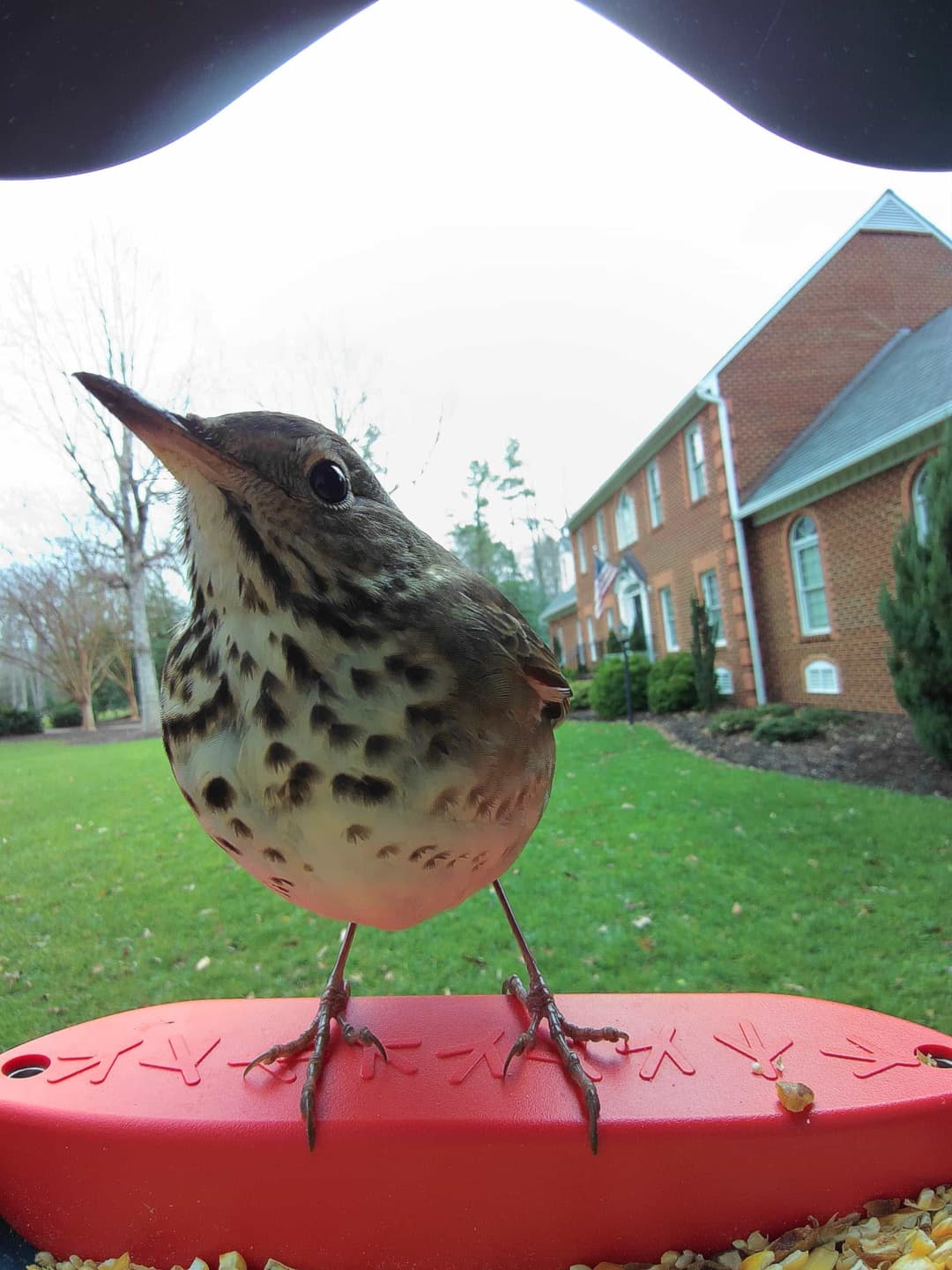
Thrushes are songbirds known for their brown to blue-grey upperparts and white underparts often with spots or markings. They have medium to long tails, and their size varies from small to medium. Some species have orange or red underwings, visible in flight.
Male vs female
In many thrush species, males and females have similar plumage, making it difficult to distinguish between them. However, in some species, males may have more vivid coloration or distinctive markings compared to females. There's often sexual dimorphism in size, with males being slightly larger.
Juvenile
Juvenile thrushes can resemble their parents, but they usually have duller plumage and less clear markings or spots. They may also be slightly smaller in size until full maturity. Their bills tend to be shorter and their feathers softer and fluffier.
Size
5.7 - 13.0 in/0.8 - 5.9 oz
There's more to learn about Thrush
View full detailsAmerican Robin
Turdus migratorius
General appearance
The American Robin is about 10 inches (25 cm) in size, or the size of a robin. It has a brick-red chest and a gray back with streaks on the white chin. Additionally, small white spots are visible around its eyes, as well as usually on tail corners. The wings are pointed and the tail is rounded and square-tipped.
Male vs female
Males exhibit a slightly blacker head and richer colors compared to the females. Despite these differences, both genders feature the signature black, brown, orange, red, and yellow colors.
Juvenile
The juvenile American Robin can appear confusing, due to the heavy spotting below, mottling on the back, and pale marks on the face. However, a distinguishing feature to identify a juvenile is the reddish tinge visible on its chest.
Size
7.9 - 11.0 in/2.7 - 3.0 oz
There's more to learn about American Robin
View full detailsHow to tell the Thrush from the American Robin
Visual differences
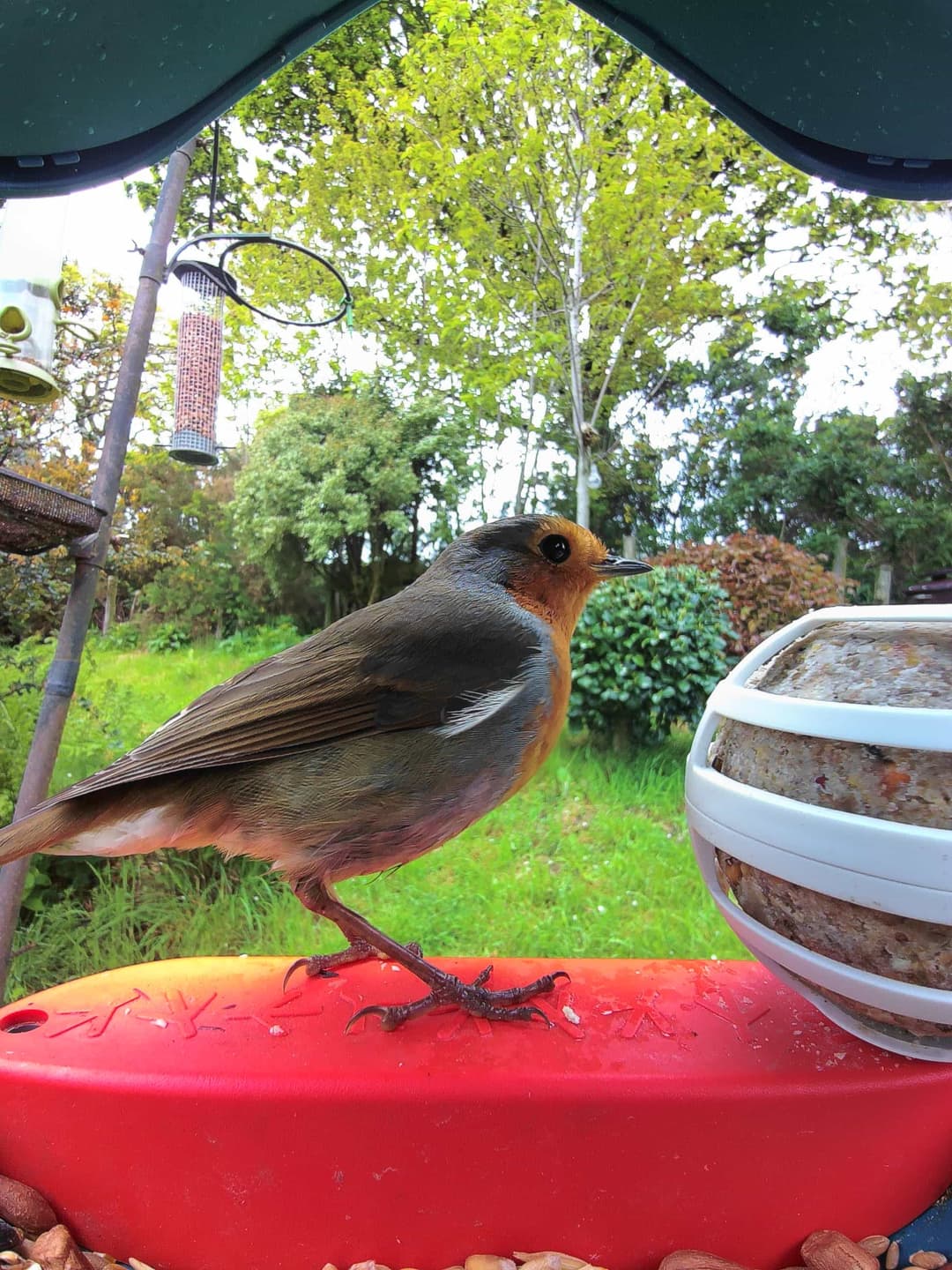
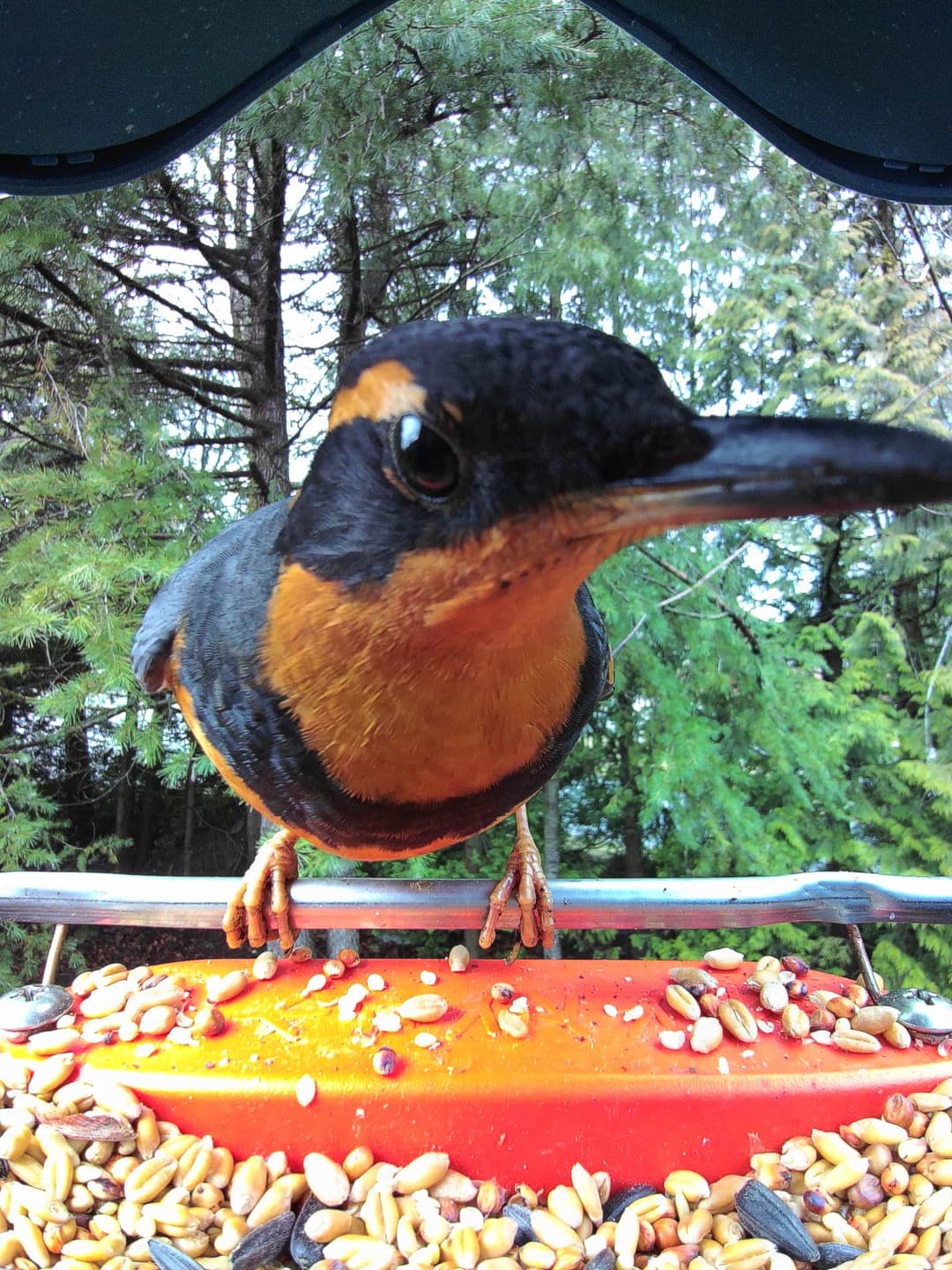
The American Robin, approximately 10 inches long, has a distinctive brick-red chest, gray back, and white chin streaks with small white eye and tail spots. In contrast, thrushes, varying from 5.7 to 13 inches, display brown to blue-grey upperparts and white underparts often with spots. Robins have rounded, square-tipped tails, while thrush tails can be medium to long. The robin's beak is generally stouter, while thrushes often have slender beaks. In juveniles, robins have a reddish tinge on the chest, whereas young thrushes appear duller with less distinct markings.
Key differences and behavior
Thrushes and American Robins, although both songbirds, exhibit distinct behaviors and preferences. Thrushes mainly inhabit wooded areas with dense undergrowth, while American Robins are found in diverse environments like cities, lawns, and forests. Both species have similar diets, focusing on insects and berries, but robins are seen more often on lawns searching for worms. Thrushes have elaborate courtship displays, whereas robins rely on singing and occasional fights to establish territories. Both build cup-shaped nests, yet thrushes prefer dense shrubs, and robins choose tree branches or ledges. Thrushes engage in mating chases, contrasting with robins' male-led nesting territory establishment.
Still not sure? Here are more lookalikes!
Thrush vs Common Blackbird
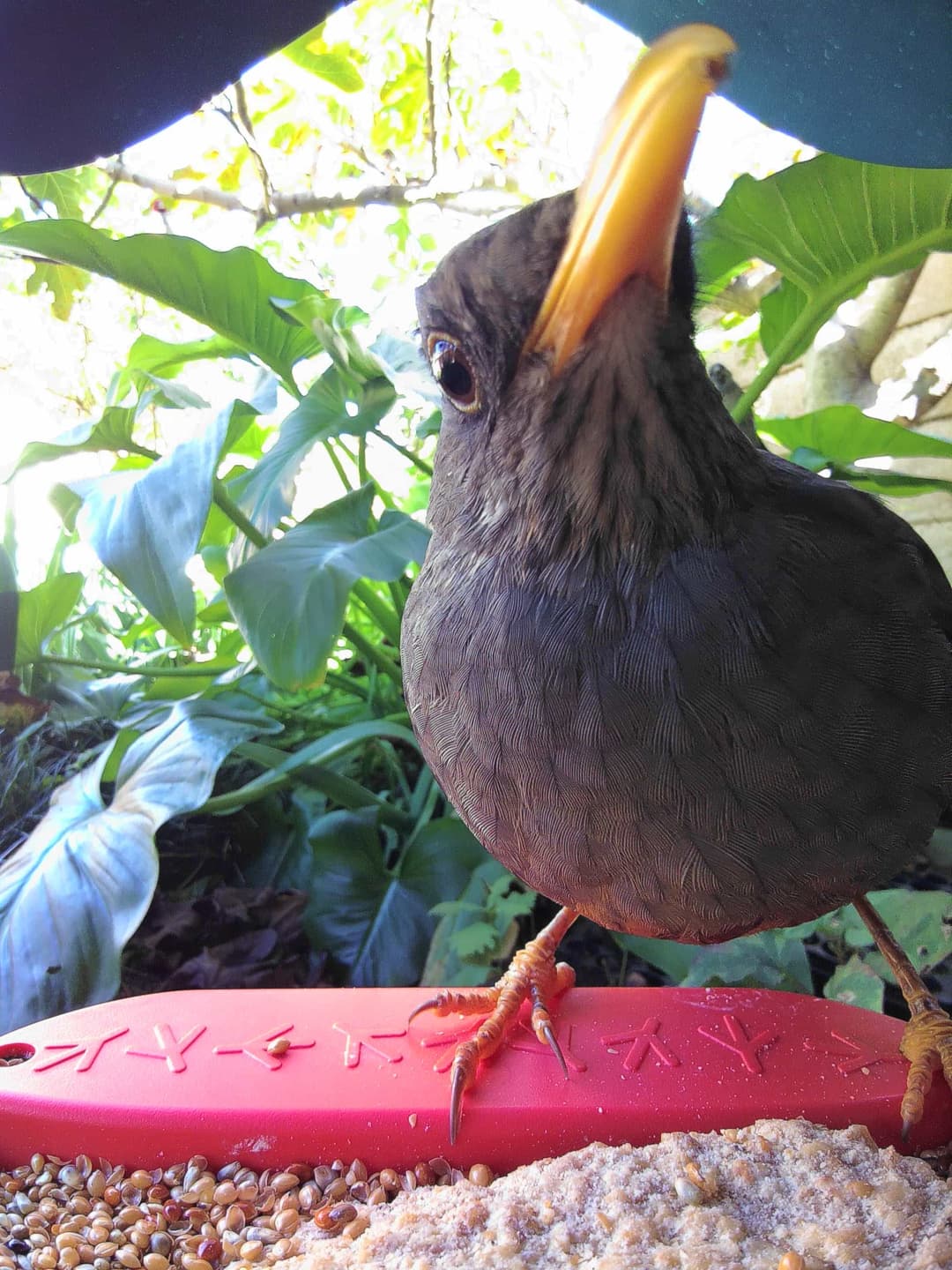
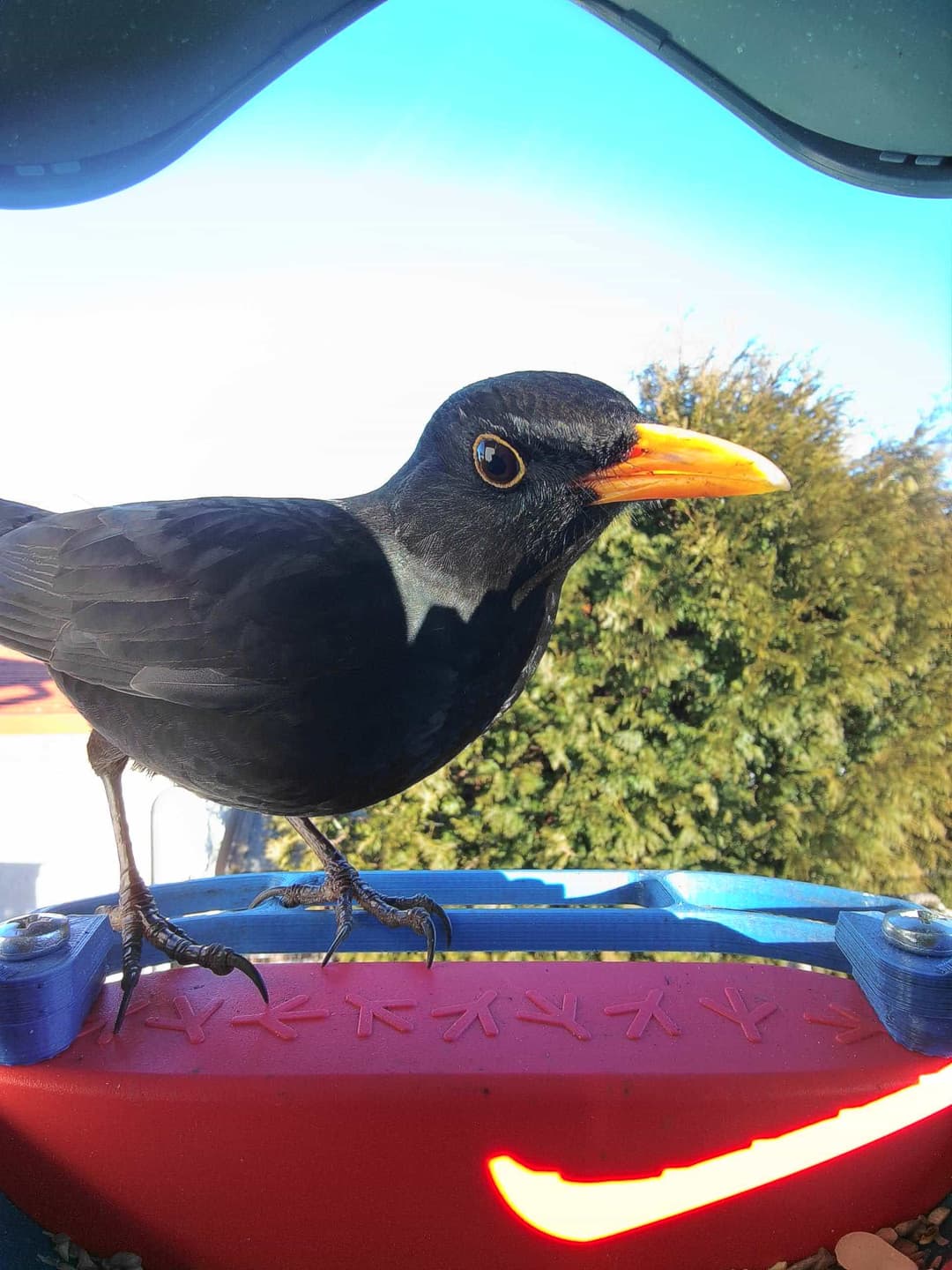
Thrush vs European Robin
American Robin vs Varied Thrush

American Robin vs Spotted Towhee

American Robin vs Eastern Towhee
Thrush vs [Select a bird]

[Select a bird]
Pick a bird to compare
American Robin vs [Select a bird]
[Select a bird]
Pick a bird to compare