Thrush or Veery?
Here's how to tell the difference
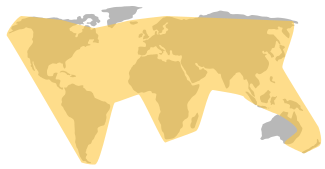

Thrush

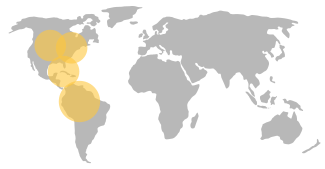
Veery
Thrush
Turdidae
General appearance
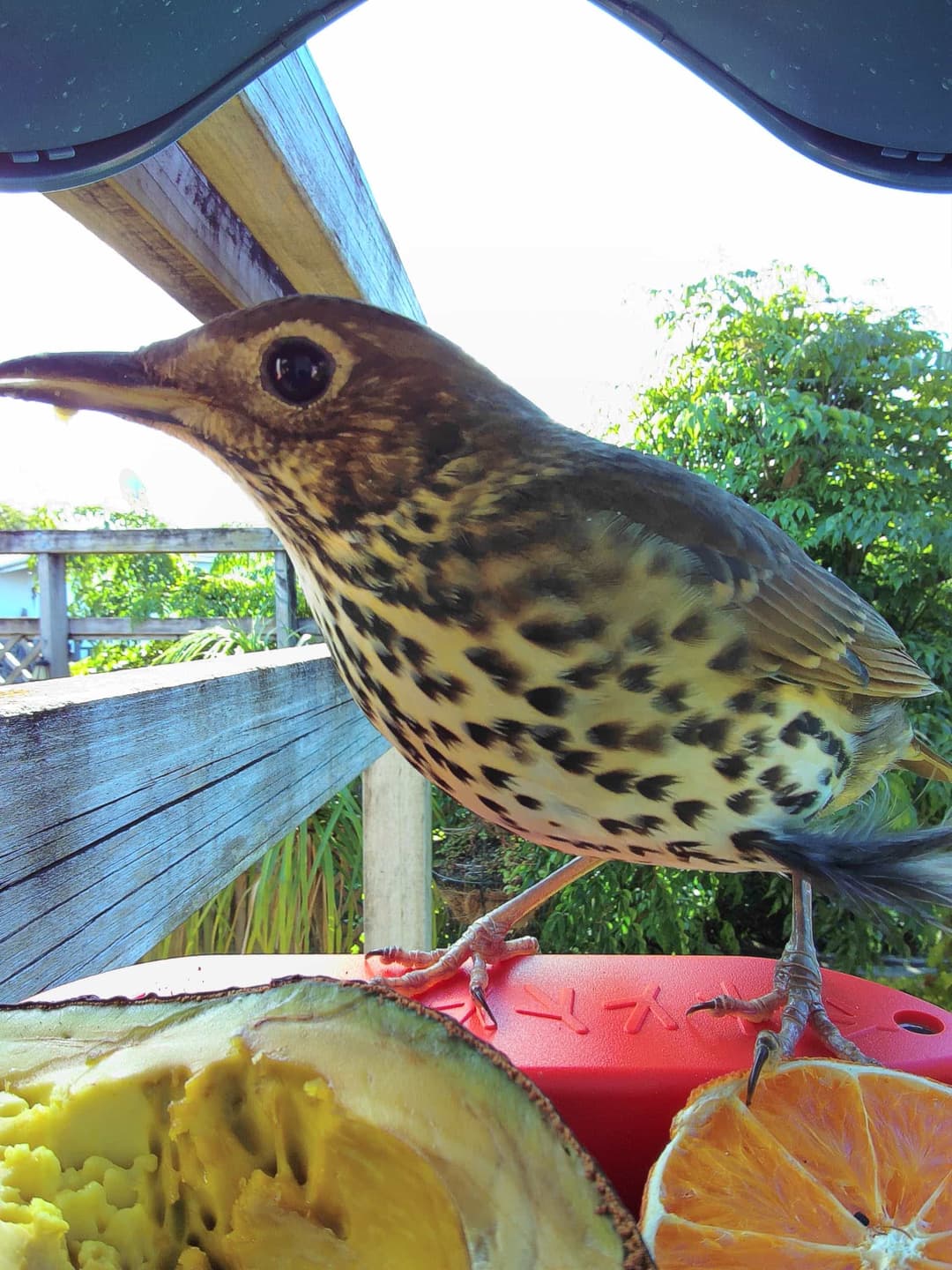
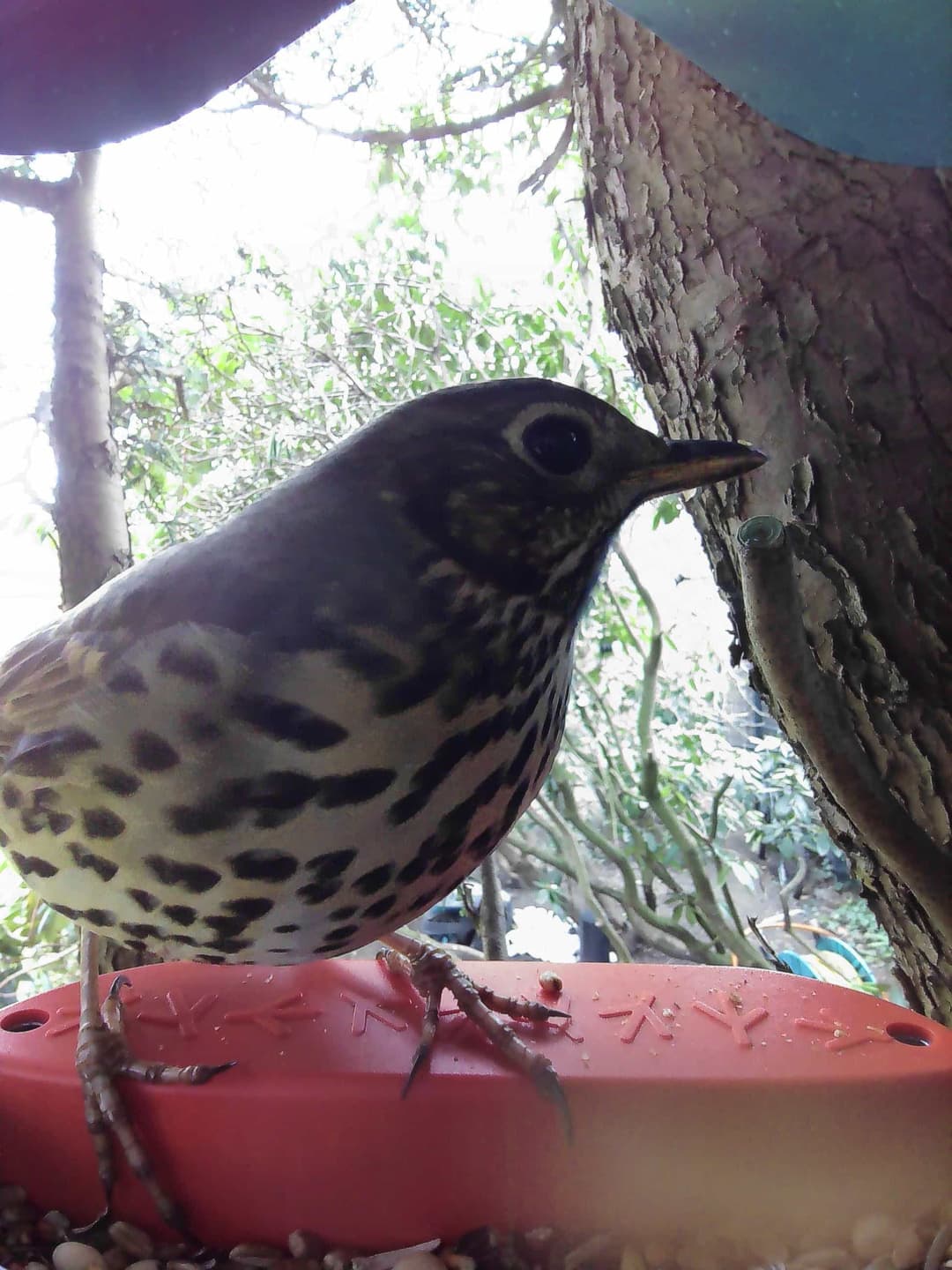
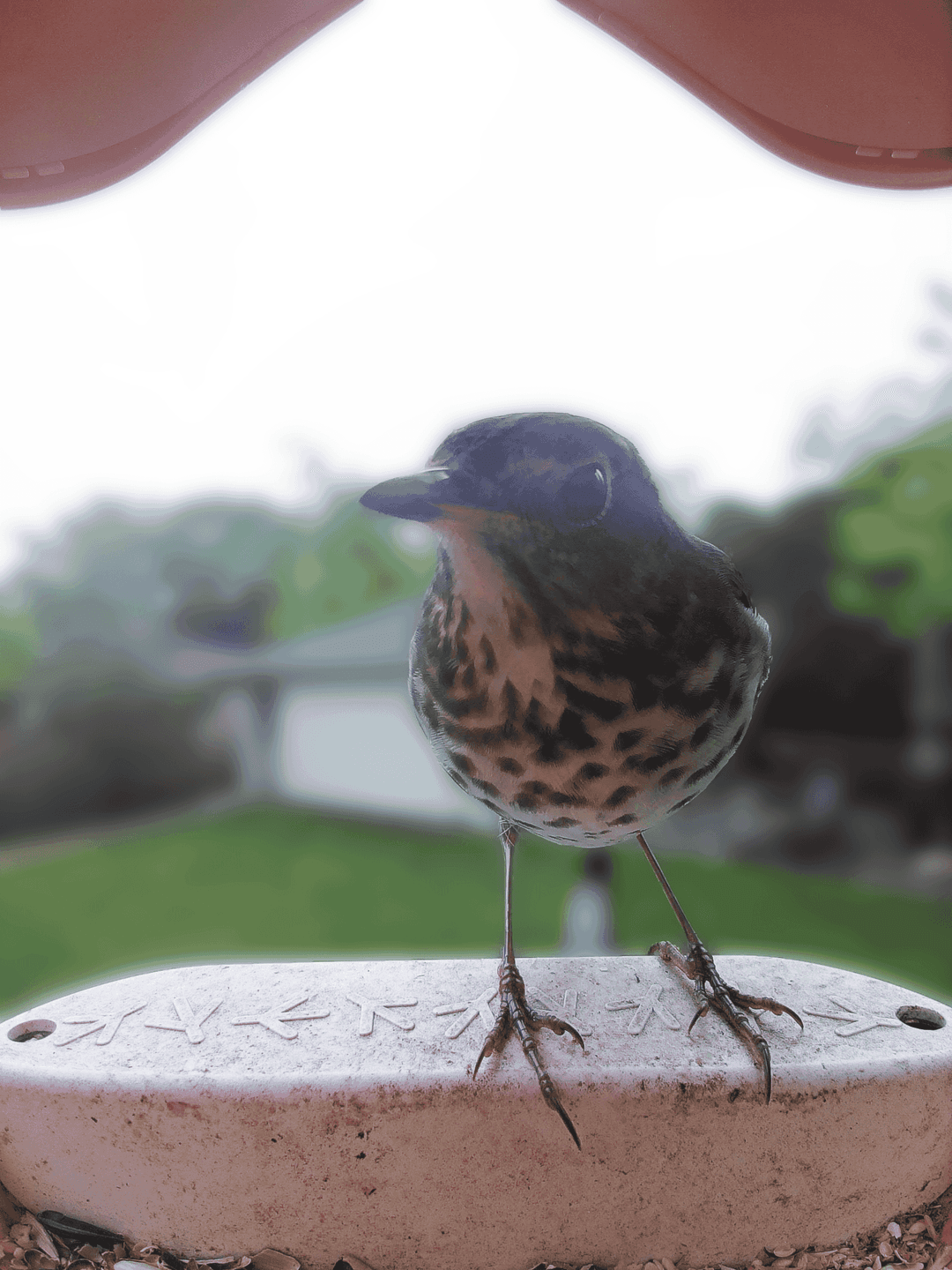
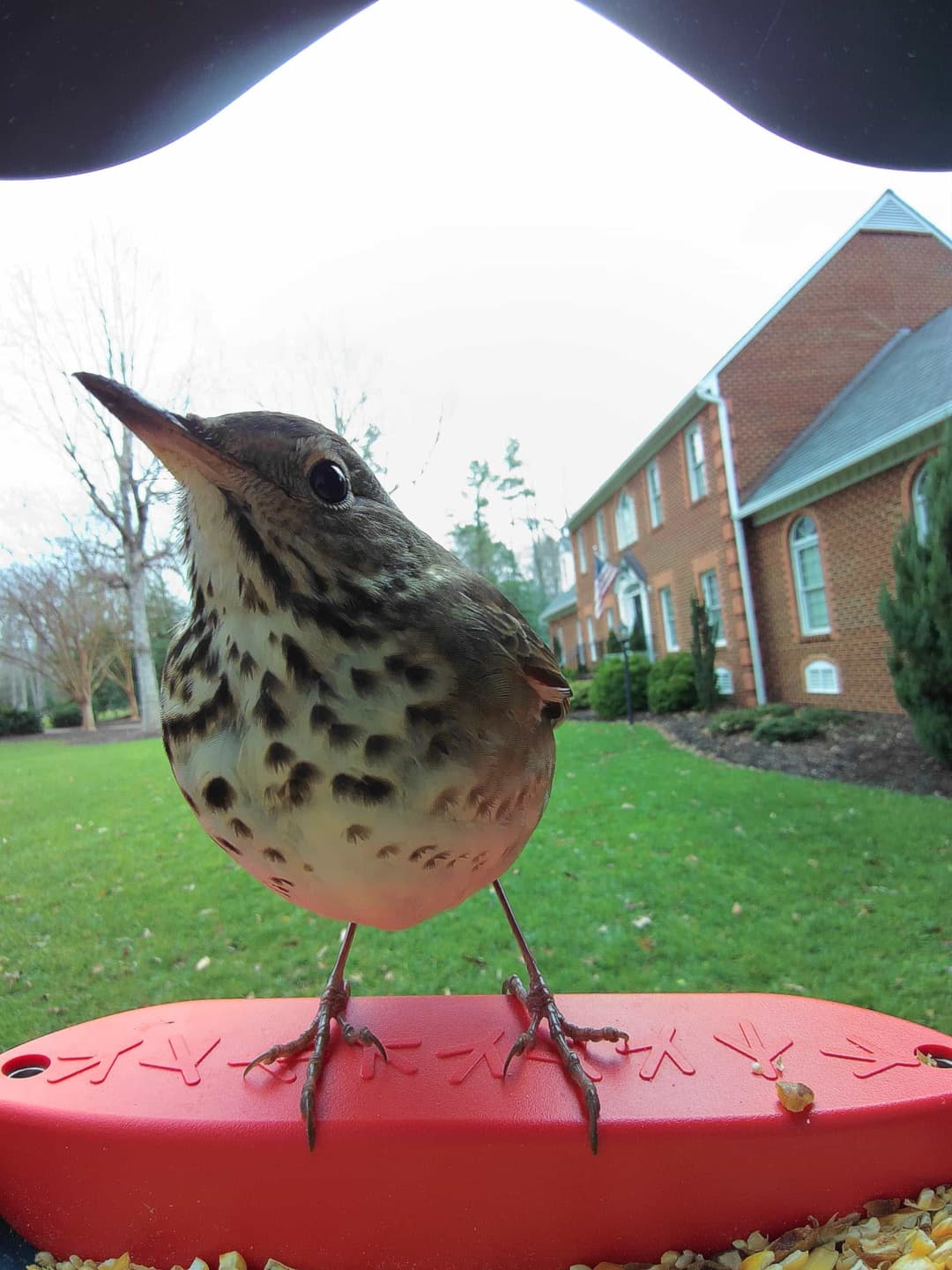
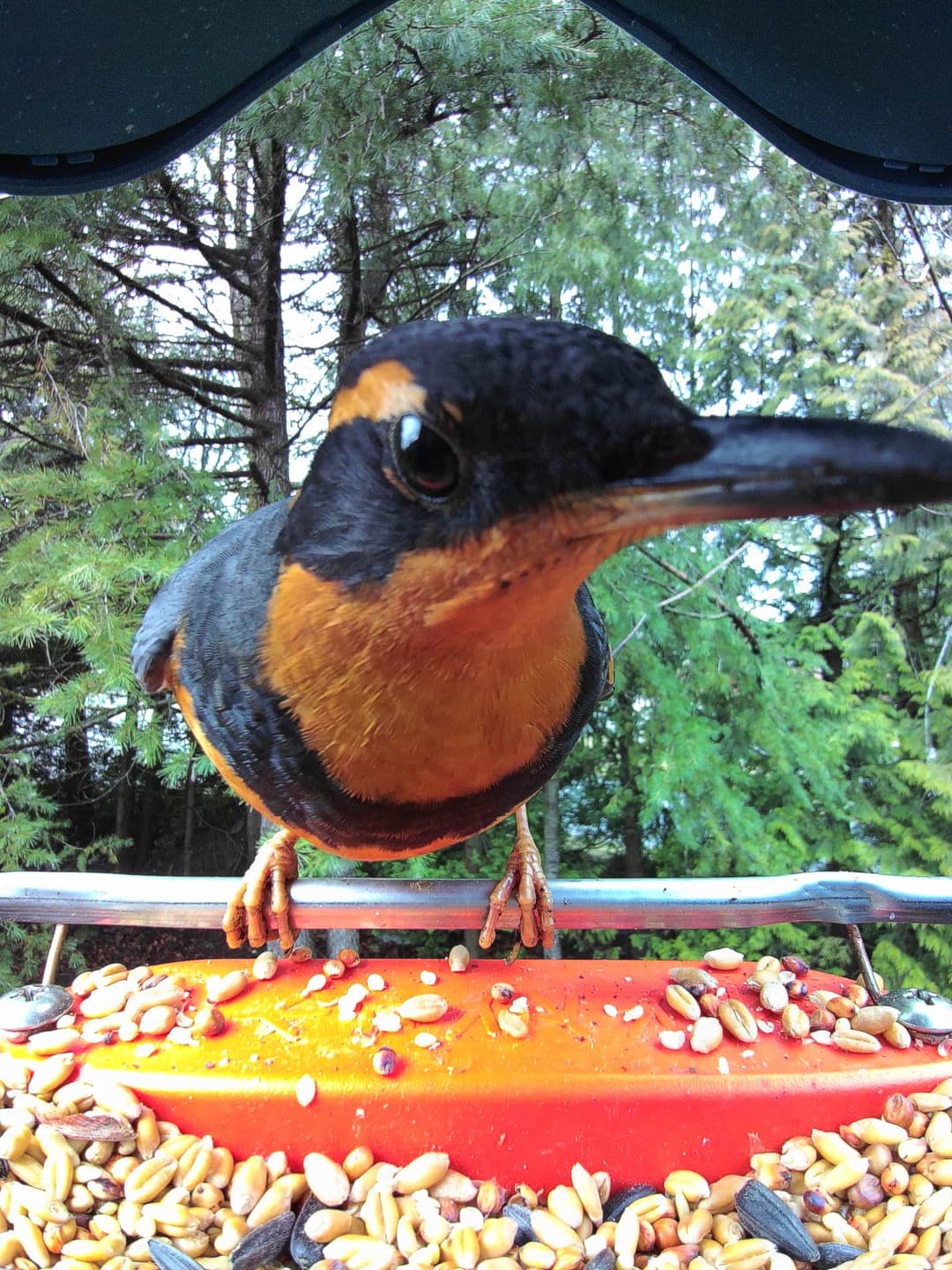
Thrushes are songbirds known for their brown to blue-grey upperparts and white underparts often with spots or markings. They have medium to long tails, and their size varies from small to medium. Some species have orange or red underwings, visible in flight.
Male vs female
In many thrush species, males and females have similar plumage, making it difficult to distinguish between them. However, in some species, males may have more vivid coloration or distinctive markings compared to females. There's often sexual dimorphism in size, with males being slightly larger.
Juvenile
Juvenile thrushes can resemble their parents, but they usually have duller plumage and less clear markings or spots. They may also be slightly smaller in size until full maturity. Their bills tend to be shorter and their feathers softer and fluffier.
Size
5.7 - 13.0 in/0.8 - 5.9 oz
There's more to learn about Thrush
View full detailsVeery
Catharus fuscescens
Also known as: Wilson's Thrush, Tawny Thrush
General appearance
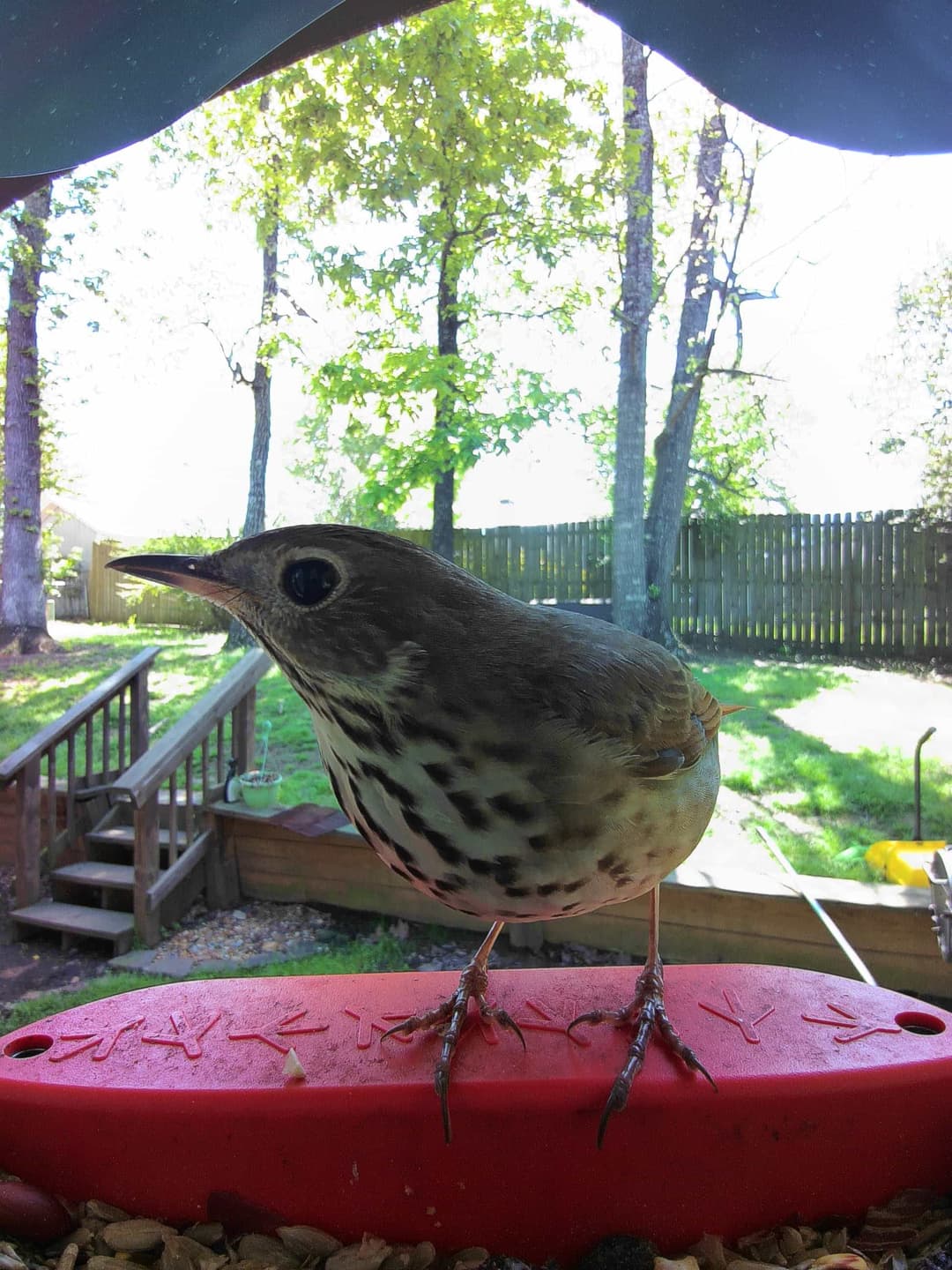
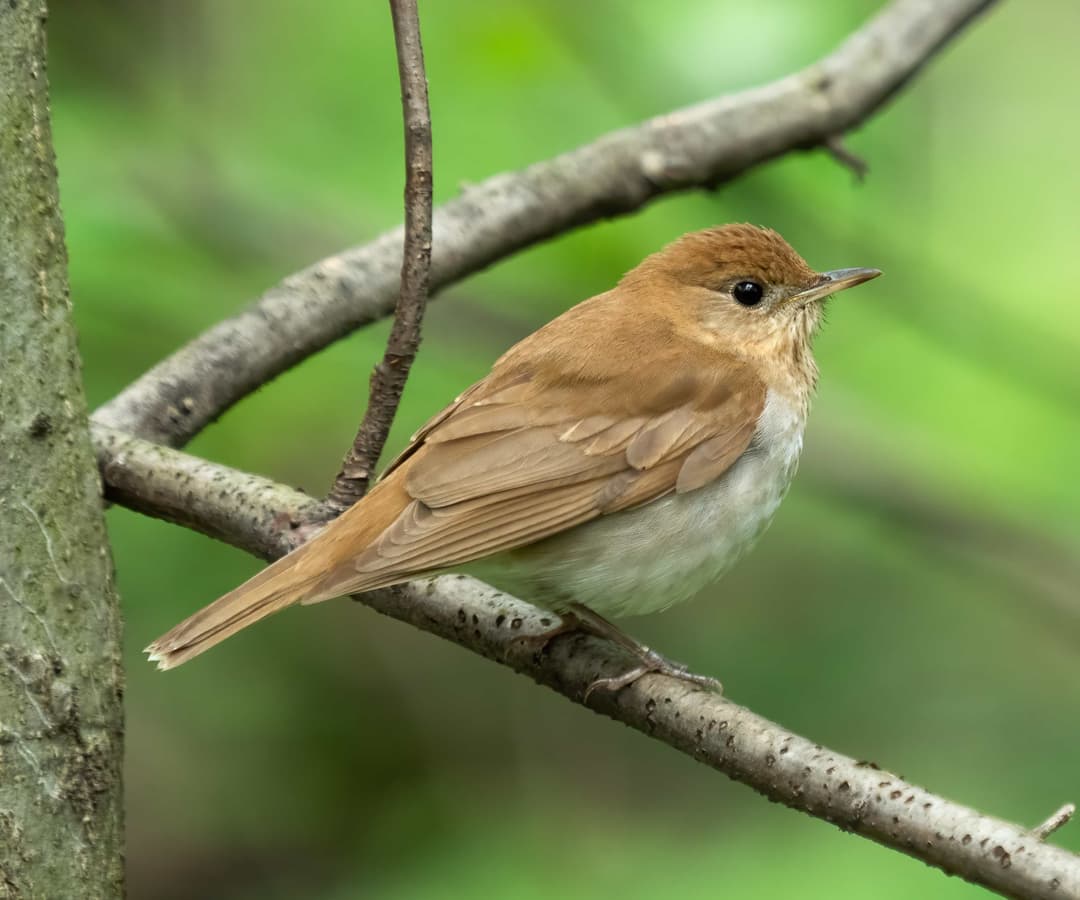
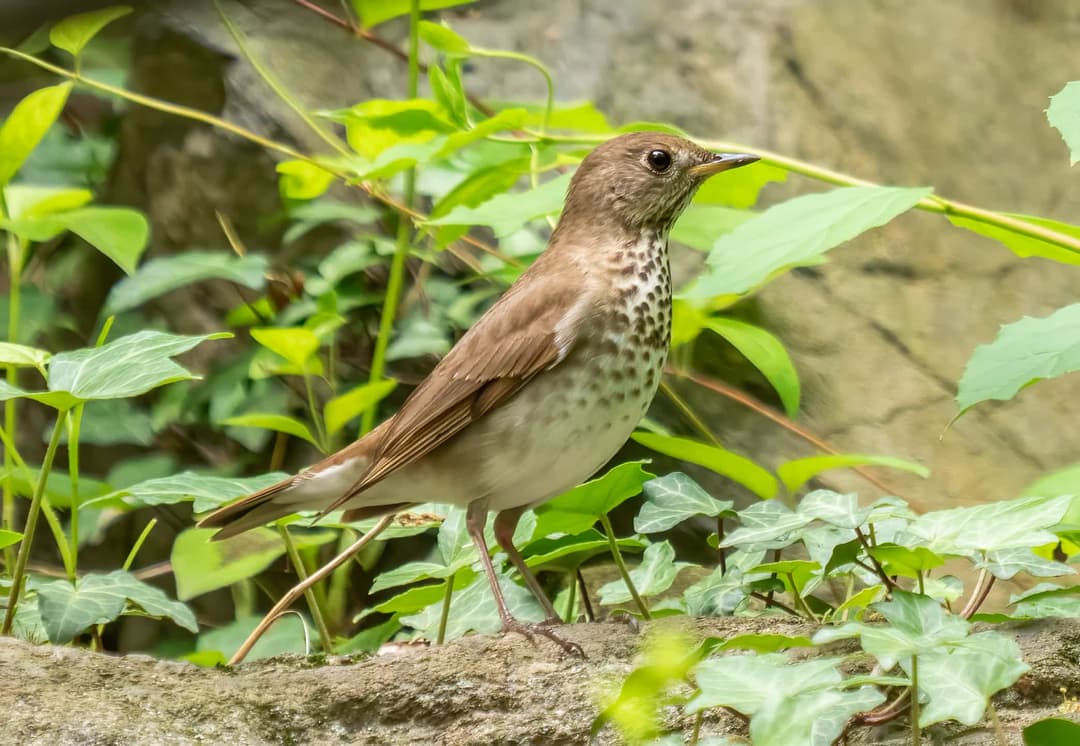
The veery (Catharus fuscescens) is a medium-sized thrush with warm, cinnamon-brown upperparts and a subtly spotted pale tawny breast. It has a white underbelly and distinct buffy eye-ring. Its song is a spiraling, fluty series of notes, distinctive during its breeding season.
Male vs female
The veery shows minimal sexual dimorphism, meaning males and females have very similar appearances. Both sexes share the same coloration and size, usually around 16-18 cm long with a wingspan of about 28 cm. Behavioral cues and song patterns, notable in males, are often used for differentiation.
Juvenile
Juvenile veeries resemble adults but typically exhibit more pronounced spotting on the chest. Their plumage is generally duller, aiding in camouflage. As they mature, they attain smoother, more uniform coloration. They take up the adult's distinctive appearance as they prepare for migration and the upcoming breeding seasons.
Size
6.7 - 7.1 in/0.9 - 1.4 oz
There's more to learn about Veery
View full detailsHow to tell the Thrush from the Veery
Visual differences
Thrushes vary widely in appearance but typically have brown to blue-grey upperparts with spotted white underparts and can be up to 13 inches long. They have medium to long tails and often exhibit red or orange underwings in flight. The Veery, about 6.7-7.1 inches long, features a warm, cinnamon-brown upper body, a subtly spotted tawny breast, and a white underbelly. Unlike general thrushes, the Veery has a distinct buffy eye-ring. Both sexes are visually similar for each bird, but Veeries are consistently smaller than many other thrush species.
Key differences and behavior
Thrushes and Veeries both prefer wooded habitats, but Thrushes are more adaptable, frequenting gardens and parks, while Veeries prefer damp, dense deciduous woods near water. Thrushes display elaborate courtship behaviors, including singing and food presentation, while Veeries use vocal duets in monogamous mating. Both build cup-shaped nests, but Thrushes nest in trees and shrubs, whereas Veeries nest low among dense underbrush. Thrushes have a mixed diet of insects, worms, and seasonal fruits, often foraging on the ground. Veeries consume a similar diet but rely more on insects during breeding. Thrushes occasionally visit bird feeders, unlike Veeries, which forage naturally. Veeries migrate nocturnally, communicating mid-flight, showing a distinctive behavioral trait.
Still not sure? Here are more lookalikes!
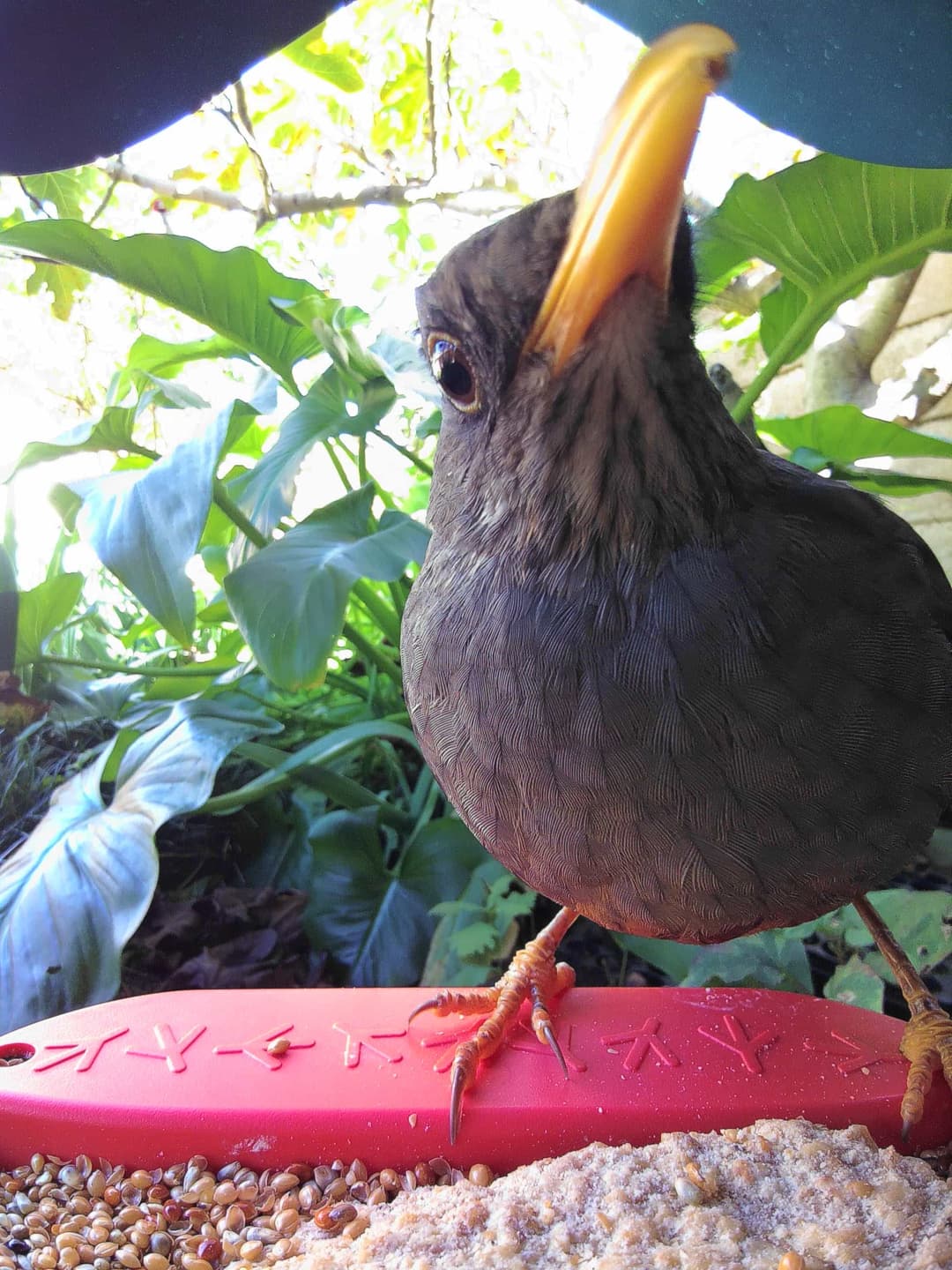
Thrush vs Common Blackbird
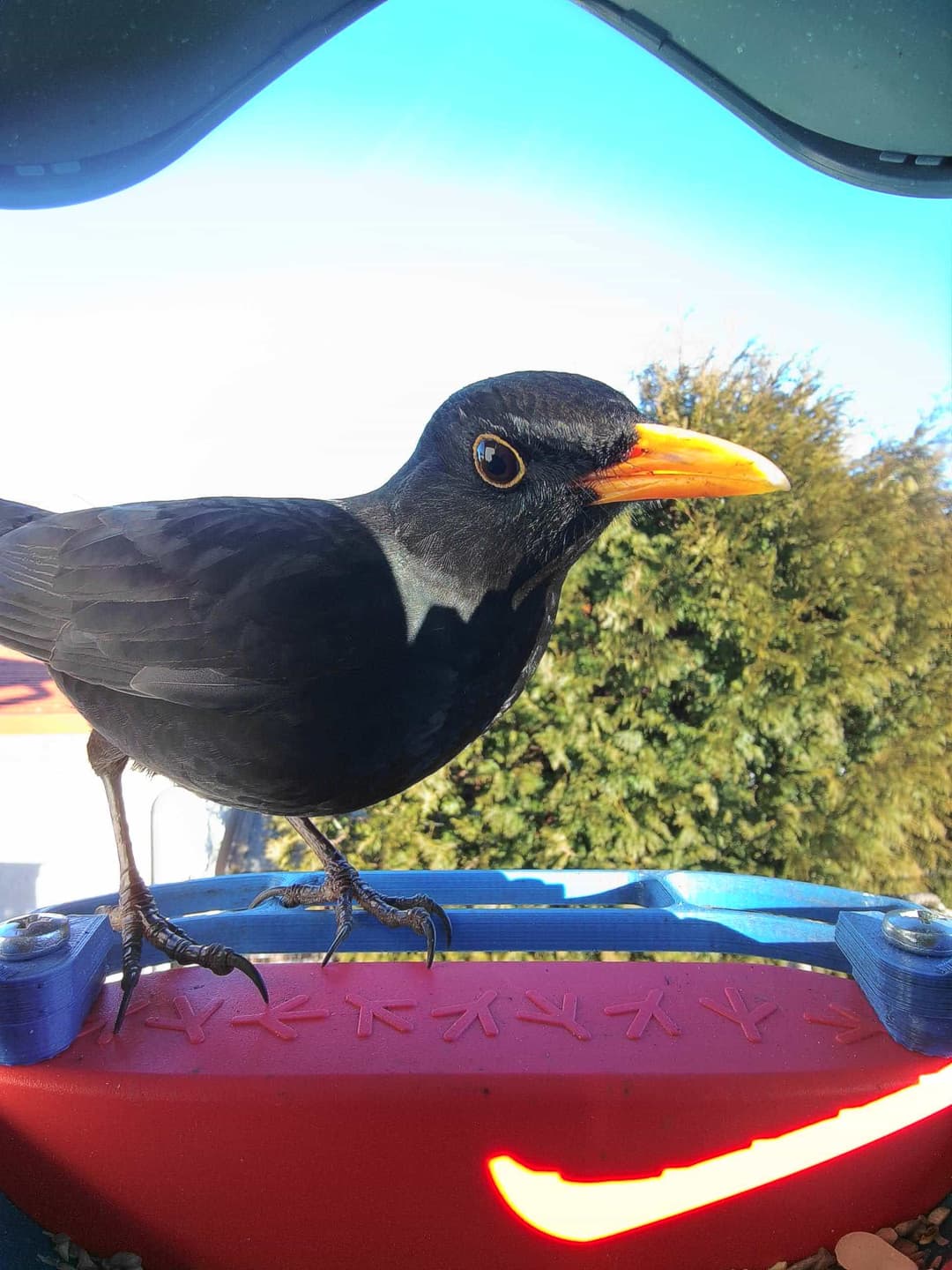
Thrush vs American Robin

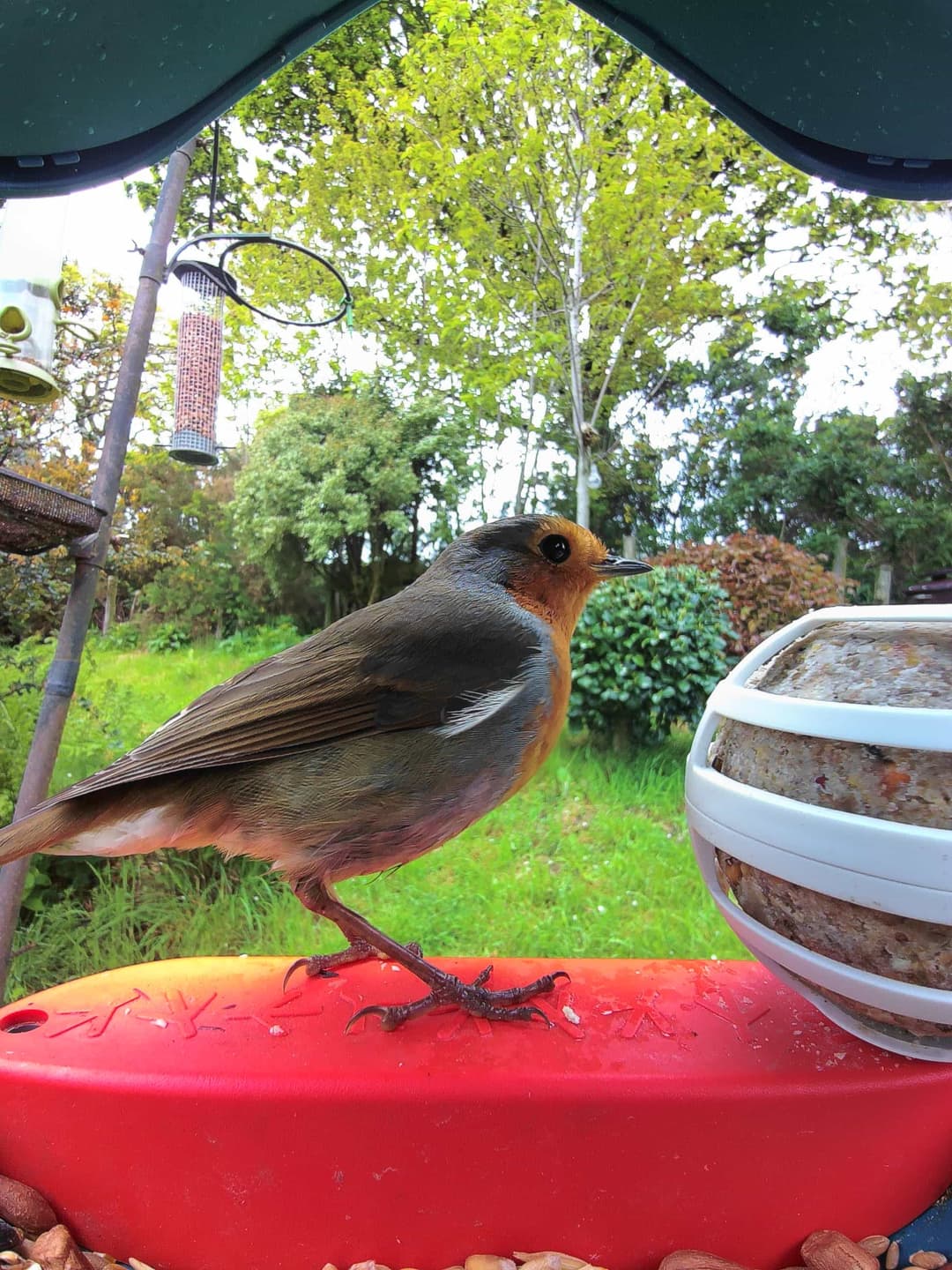
Thrush vs European Robin
Thrush vs [Select a bird]

[Select a bird]
Pick a bird to compare
Veery vs [Select a bird]
[Select a bird]
Pick a bird to compare