Thrush or Swainson's Thrush?
Here's how to tell the difference
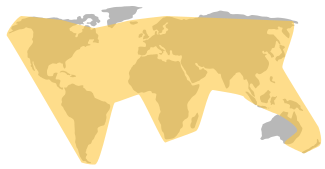

Thrush


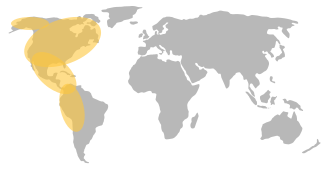
Swainson's Thrush
Thrush
Turdidae
General appearance
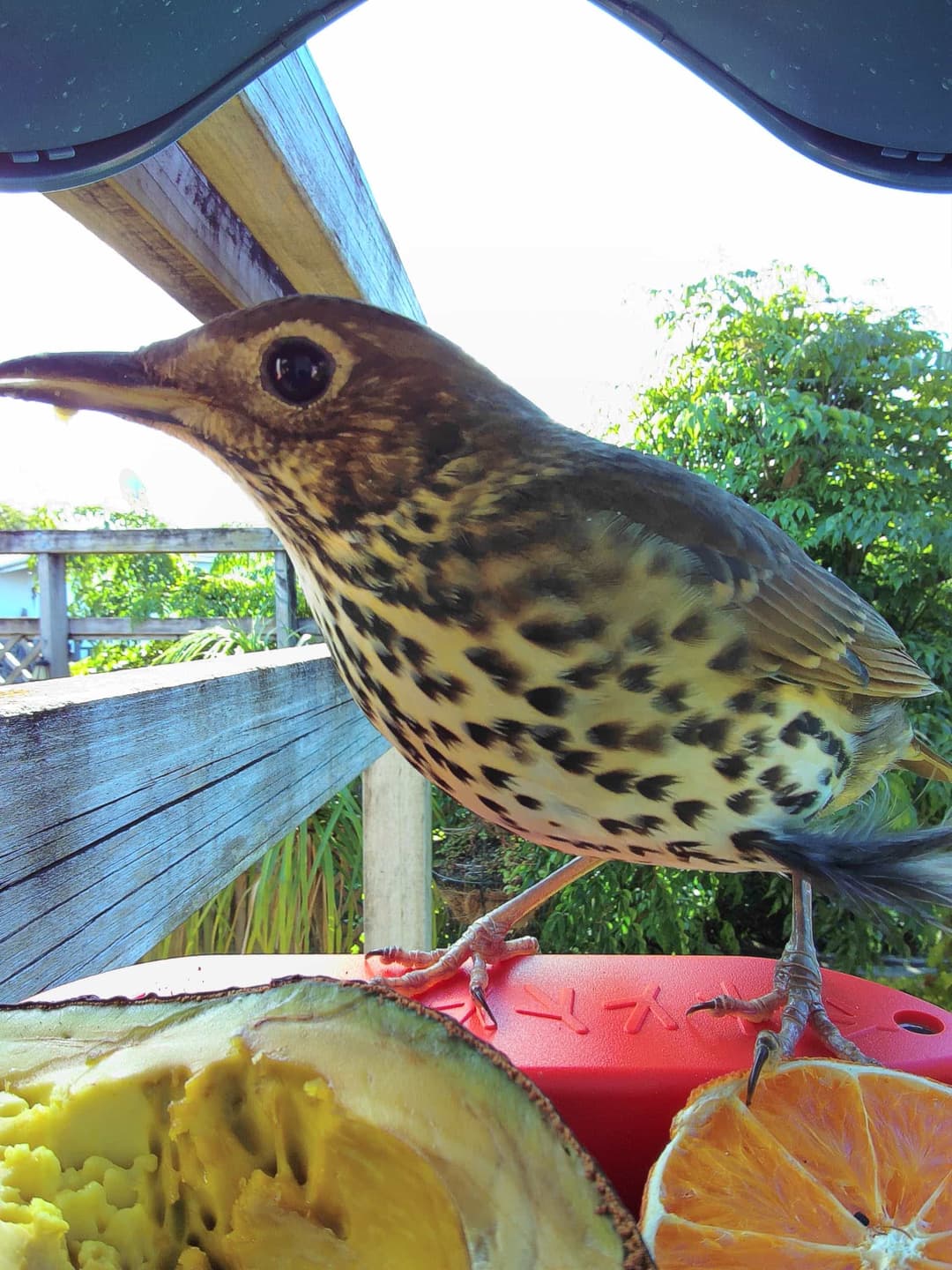
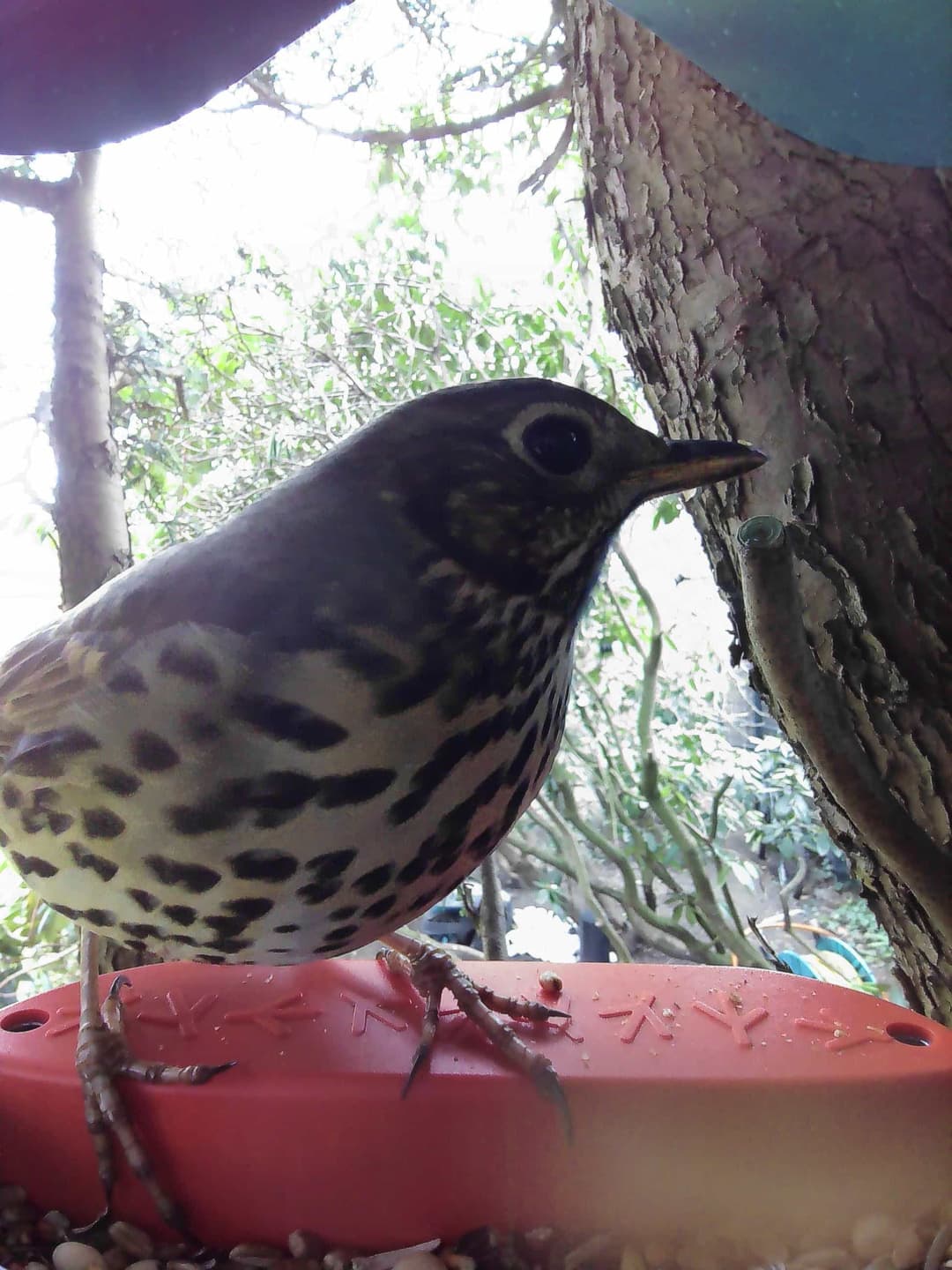
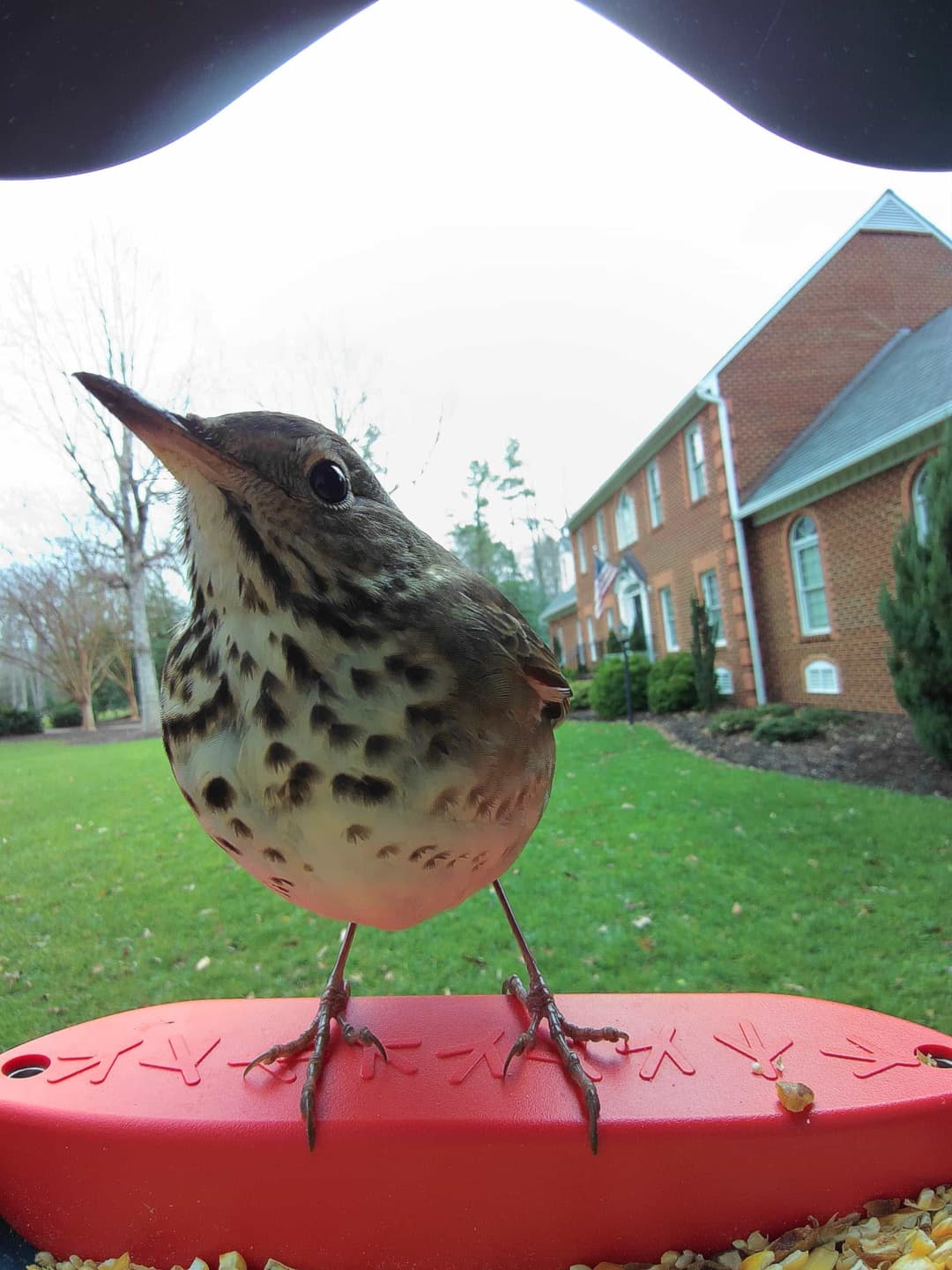
Thrushes are songbirds known for their brown to blue-grey upperparts and white underparts often with spots or markings. They have medium to long tails, and their size varies from small to medium. Some species have orange or red underwings, visible in flight.
Male vs female
In many thrush species, males and females have similar plumage, making it difficult to distinguish between them. However, in some species, males may have more vivid coloration or distinctive markings compared to females. There's often sexual dimorphism in size, with males being slightly larger.
Juvenile
Juvenile thrushes can resemble their parents, but they usually have duller plumage and less clear markings or spots. They may also be slightly smaller in size until full maturity. Their bills tend to be shorter and their feathers softer and fluffier.
Size
5.7 - 13.0 in/0.8 - 5.9 oz
There's more to learn about Thrush
View full detailsSwainson's Thrush
Catharus ustulatus
Also known as: Olive-Backed Thrush, Russet-Backed Thrush
General appearance
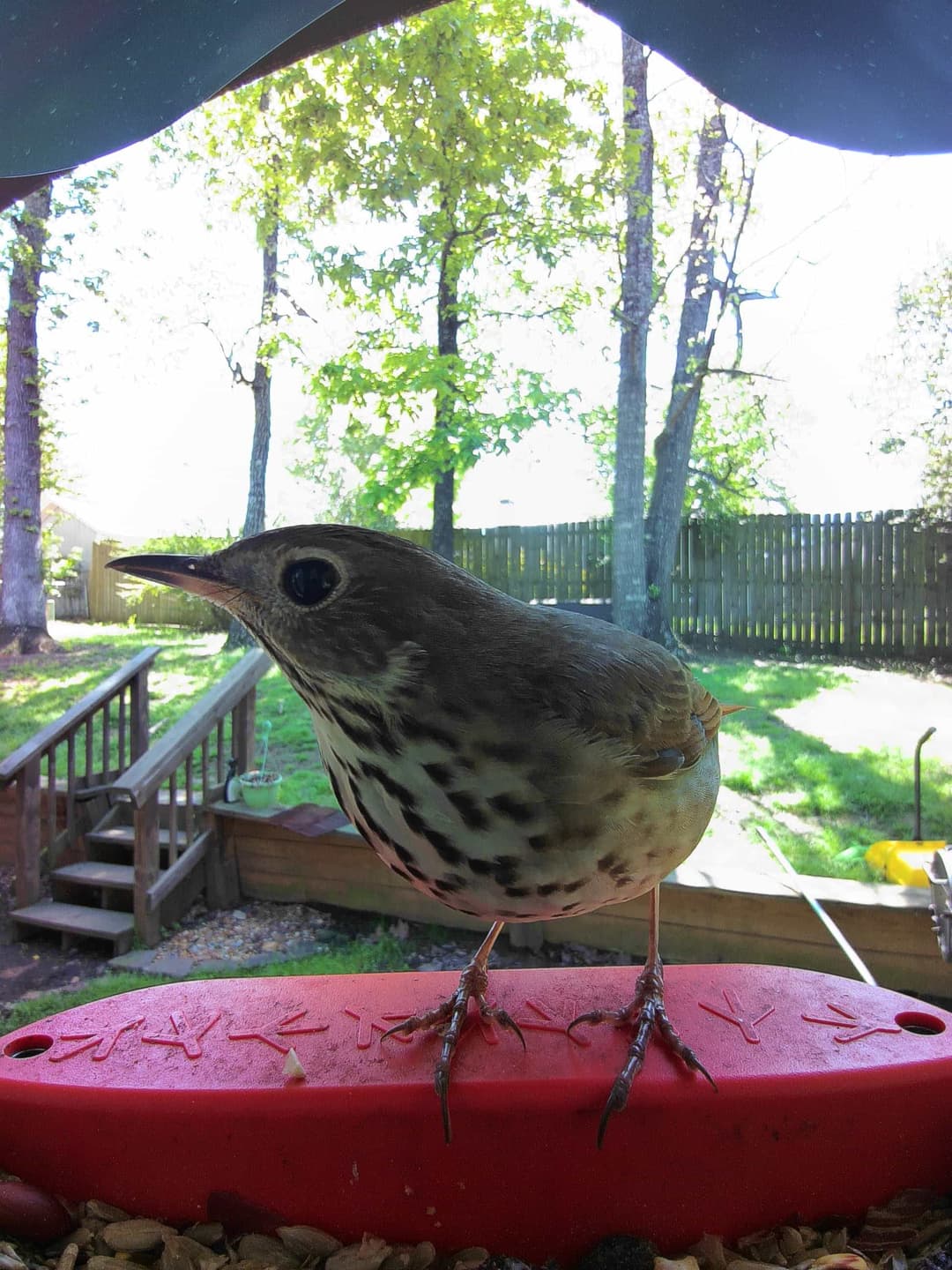
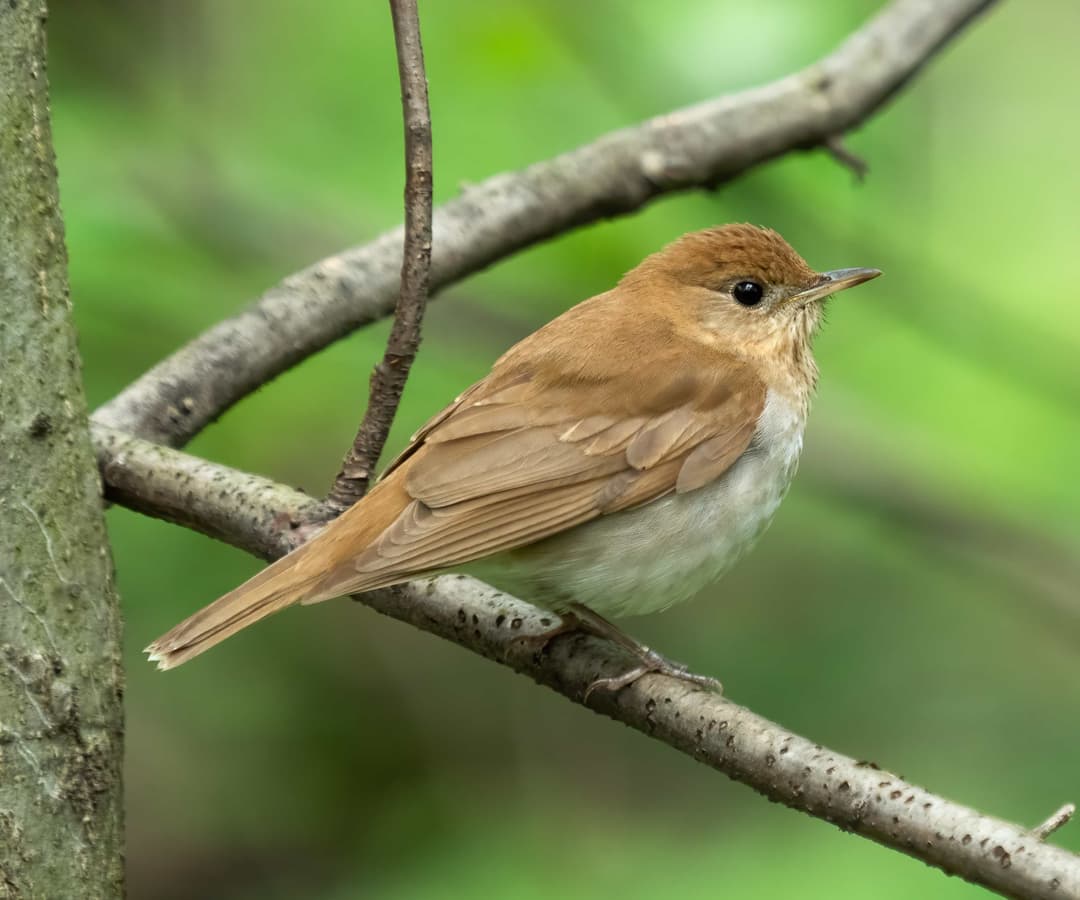
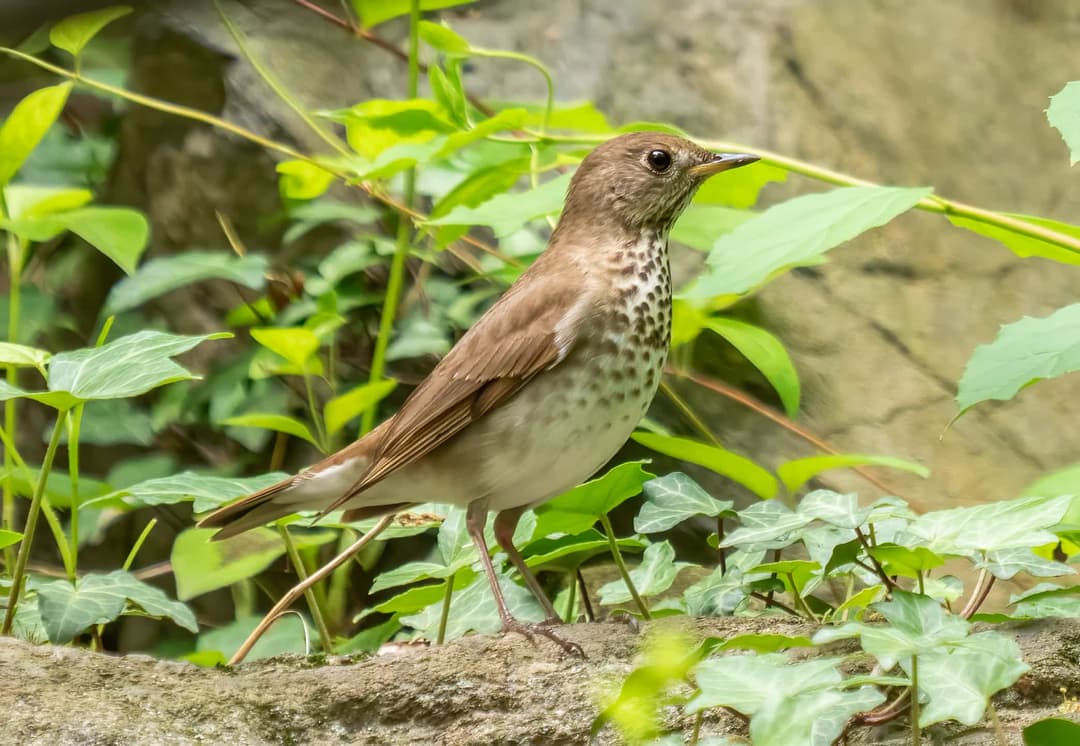
Swainson's thrush is a medium-sized thrush with a length of about 16-20 cm and a wingspan of 30-33 cm. It is characterized by olive-brown upperparts, pale underparts with a buffy wash on the breast, and distinct dark spots on the throat and chest. The bird features a pale, prominent eye-ring, giving it a spectacled appearance. The legs are pink, and the bill is relatively short and straight.
Male vs female
Males and females of Swainson's thrush appear similar, making them difficult to distinguish visually. Both sexes share the same coloration and markings. The slight size differences are not noticeable without direct comparison.
Juvenile
Juvenile Swainson's thrushes resemble adults but tend to have more rufous tones in their plumage. They may exhibit more pronounced spotting across the breast and a slightly duller appearance overall. The eye-ring remains noticeable in juveniles, aiding in identification.
Size
6.3 - 7.5 in/0.8 - 1.6 oz
There's more to learn about Swainson's Thrush
View full detailsHow to tell the Thrush from the Swainson's Thrush
Visual differences
Thrushes are generally larger (5.7-13 inches) with brown to blue-grey upperparts and white underparts, often spotted, while Swainson's Thrush is medium-sized (6.3-7.5 inches) with olive-brown upperparts and pale underparts featuring a buffy wash and dark spots. Swainson's Thrush is distinguished by its prominent pale eye-ring and pink legs, with a short, straight bill. Thrushes have varying colors and longer tails. Both species have similar male and female appearances, but Swainson's juveniles show rufous tones.
Key differences and behavior
Thrushes, a diverse group with 174 species, inhabit temperate forests, while Swainson's Thrush prefers coniferous forests and migrates to tropical regions in winter. Swainson's Thrush often sings softly and moves while singing, making it tricky to locate. Both are insectivorous, but thrushes adapt seasonally, shifting to fruits like holly and rowan in colder months, while Swainson's sticks to berries even in breeding season. Thrushes court by singing and food presentation, whereas male Swainson’s establish territories via singing and display aggression to intruders. Thrushes have varied nesting habits in dense shrubs or trees, with both parents feeding chicks. Conversely, Swainson's nests range from low branches to 30 feet high, with nests built primarily by the female. Thrushes are less frequent at feeders but may be drawn to raisins; Swainson's avoids feeders, foraging in natural settings instead.
Still not sure? Here are more lookalikes!
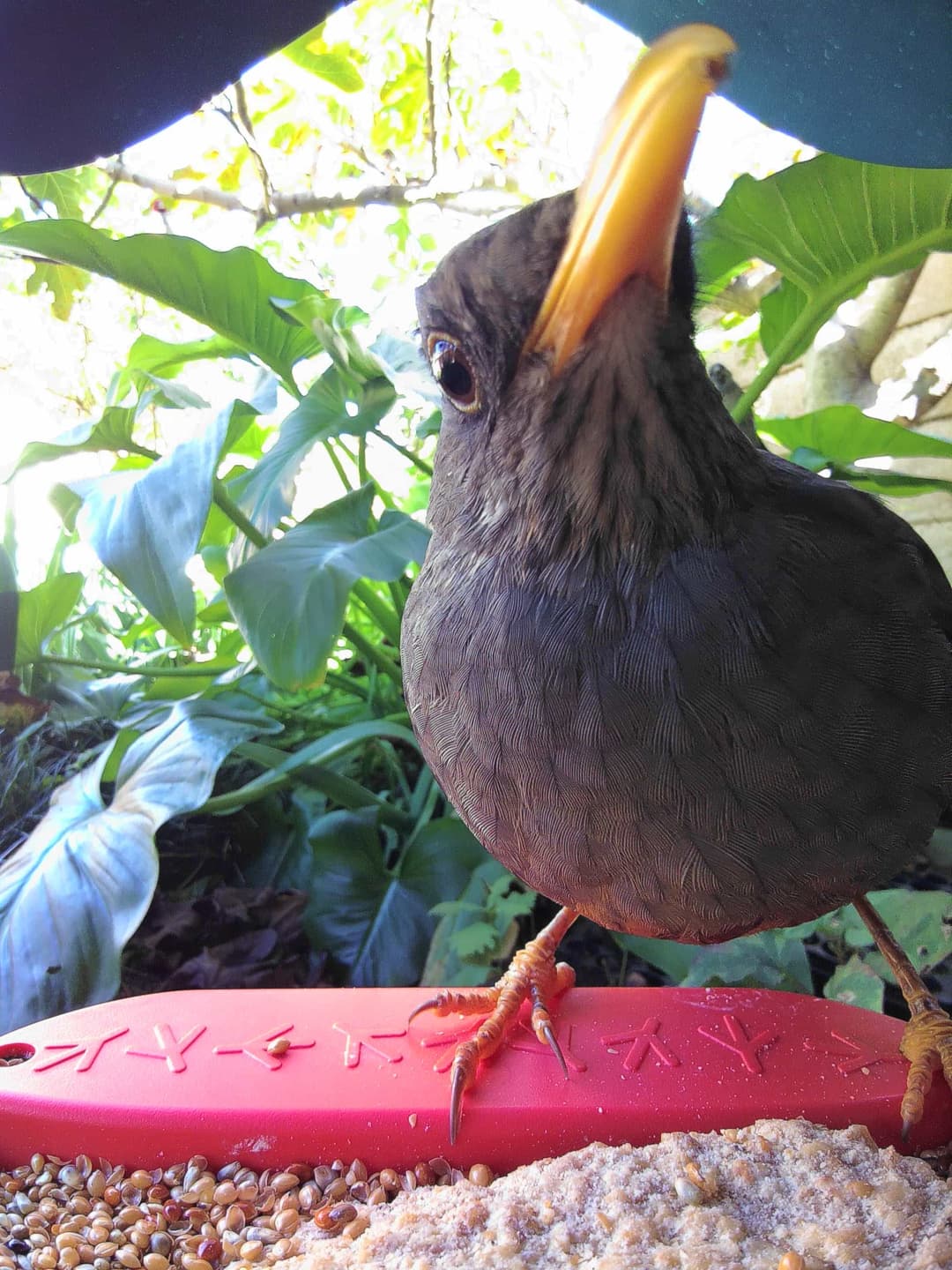
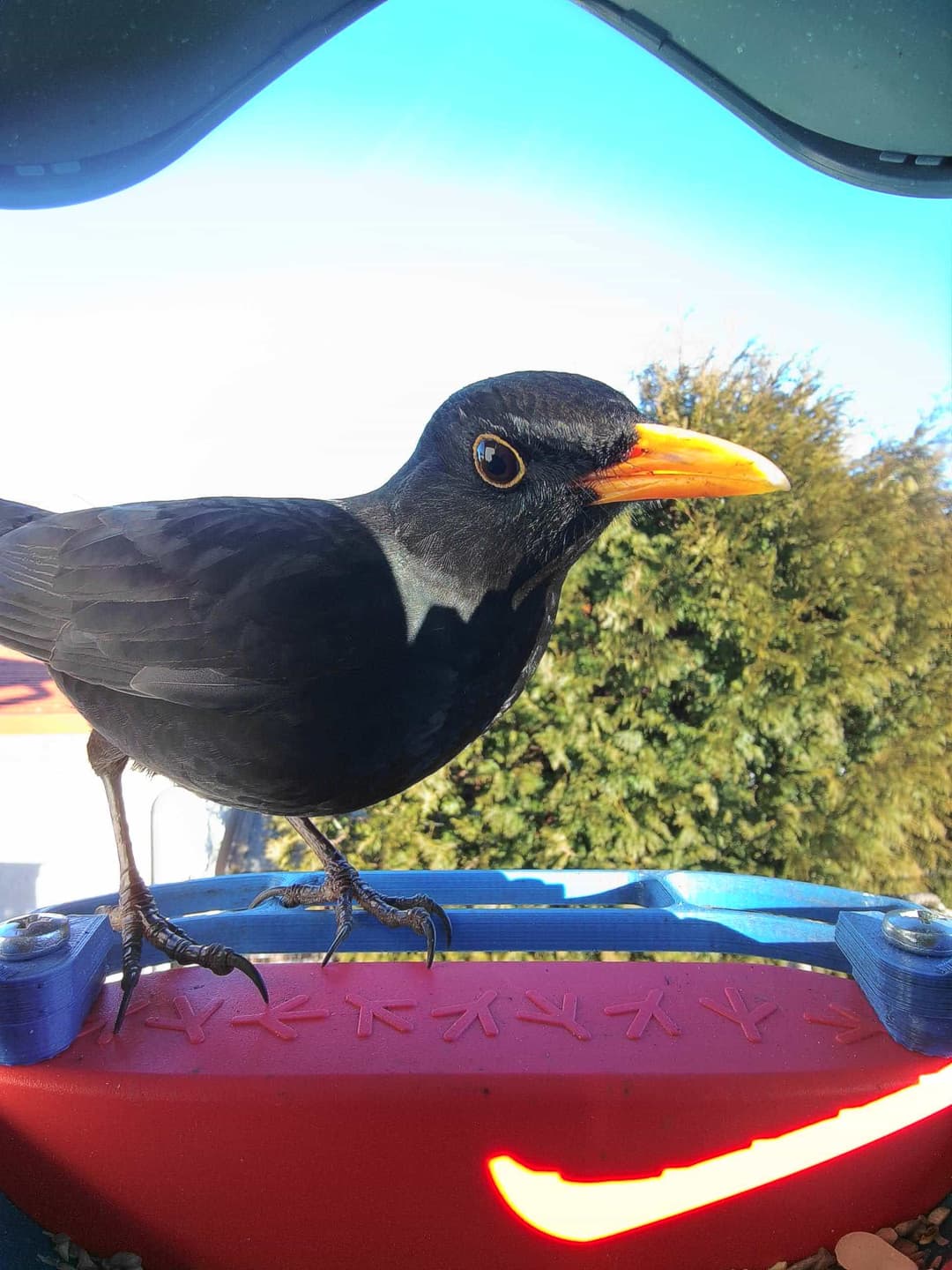
Thrush vs Common Blackbird
Thrush vs American Robin

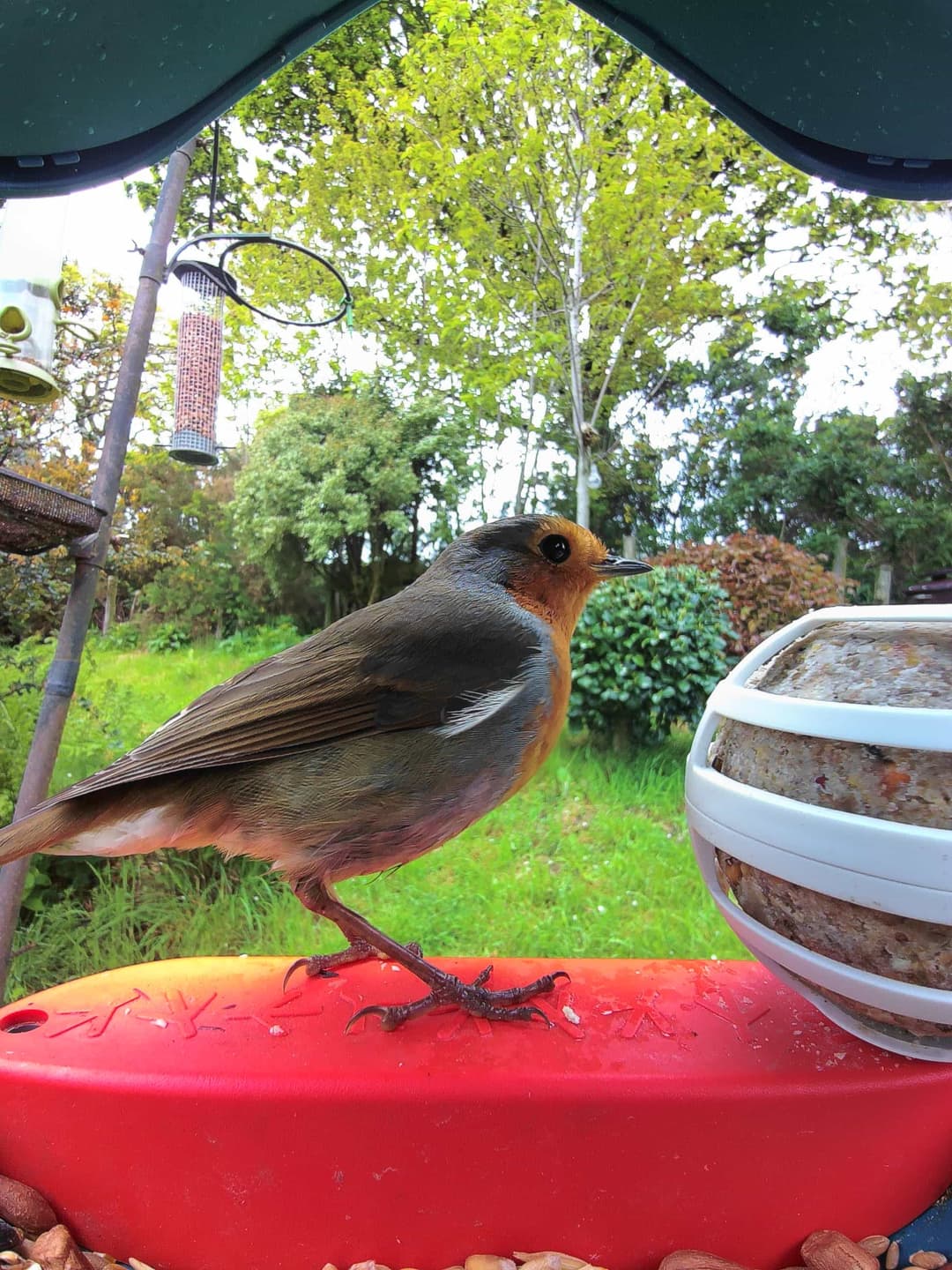
Thrush vs European Robin
Swainson's Thrush vs American Robin
Thrush vs [Select a bird]

[Select a bird]
Pick a bird to compare
Swainson's Thrush vs [Select a bird]
[Select a bird]
Pick a bird to compare