Thrush or Mistle Thrush?
Here's how to tell the difference
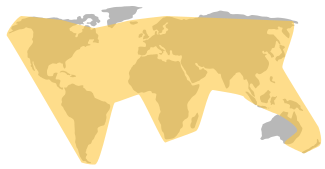

Thrush


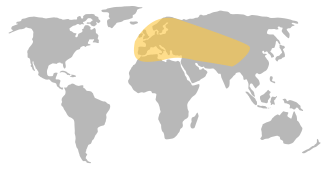
Mistle Thrush
Thrush
Turdidae
General appearance
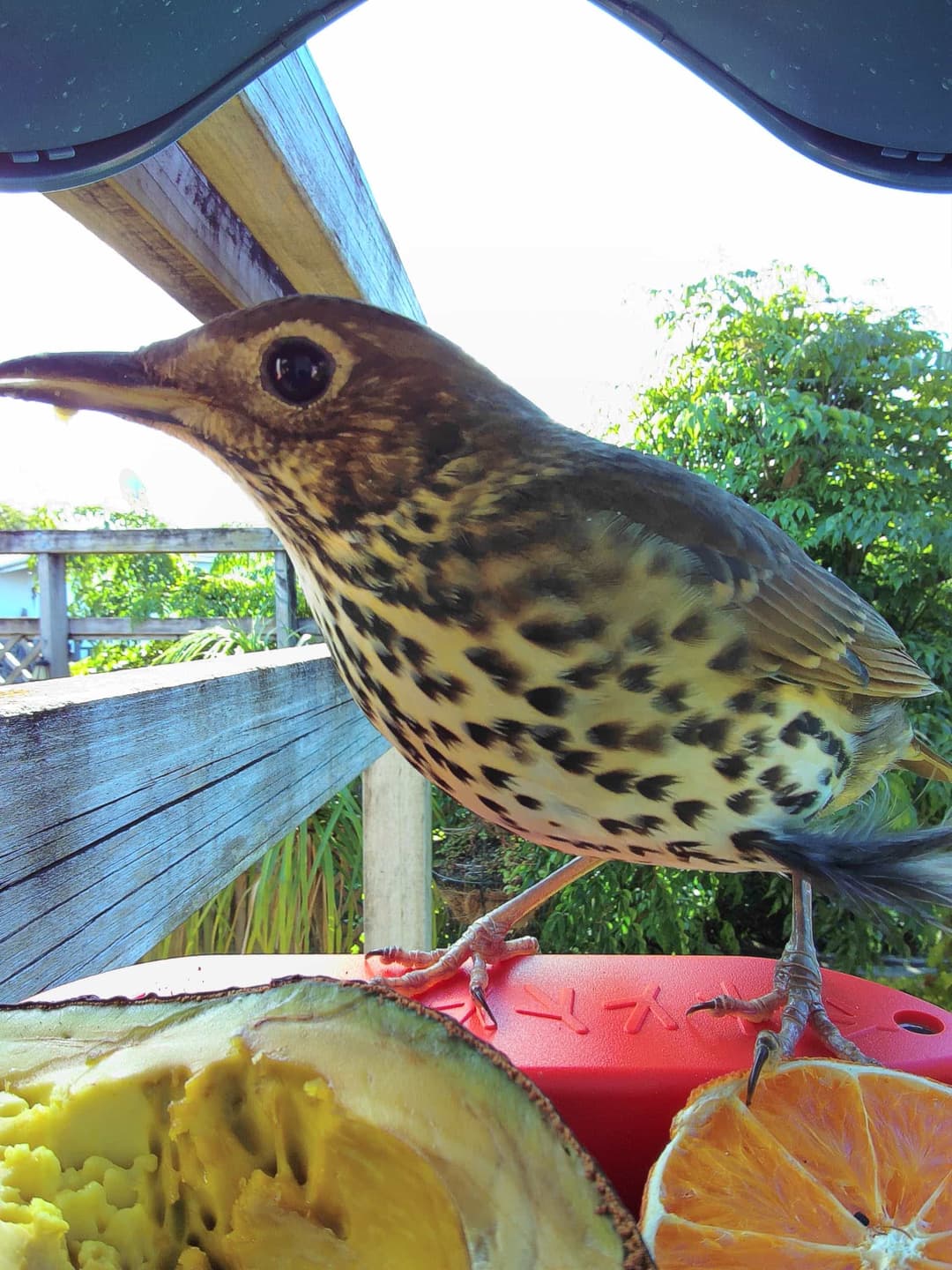
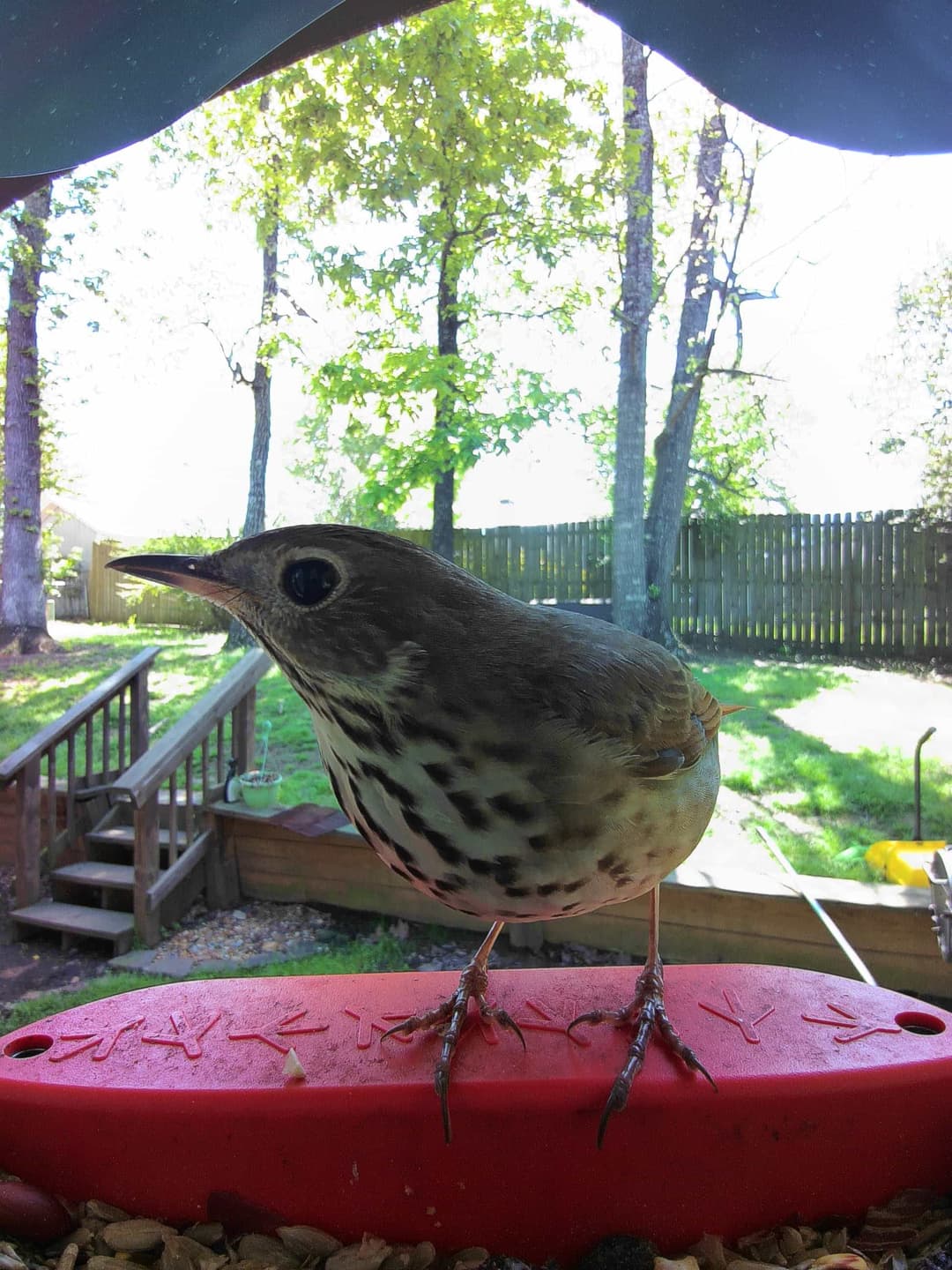
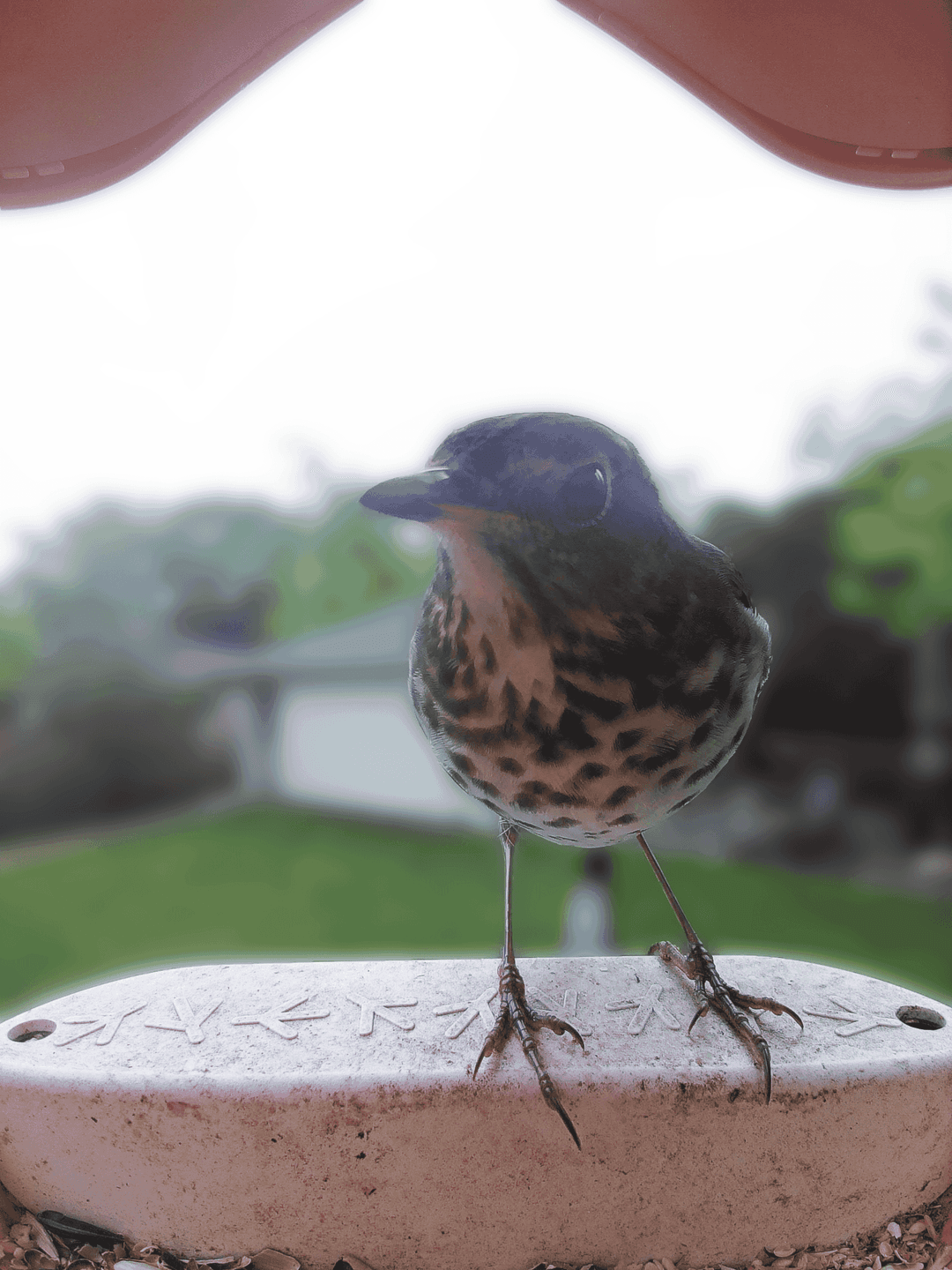
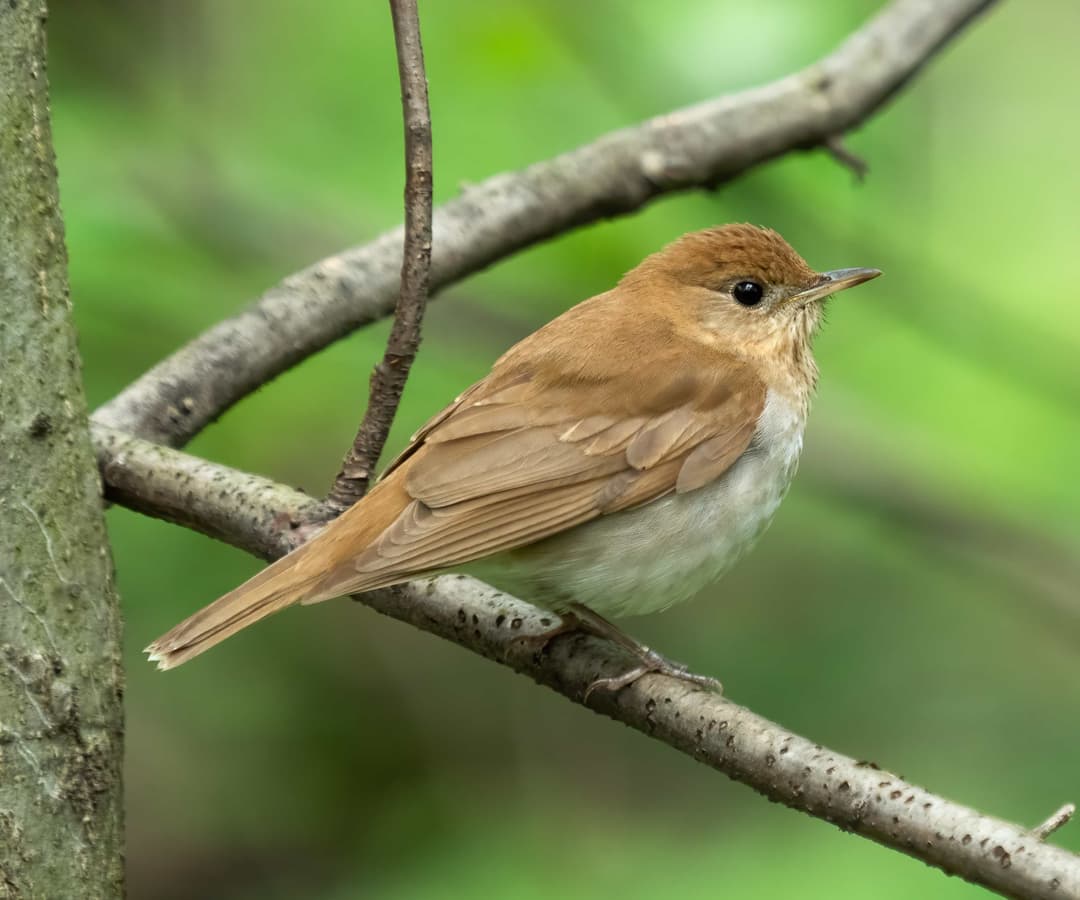
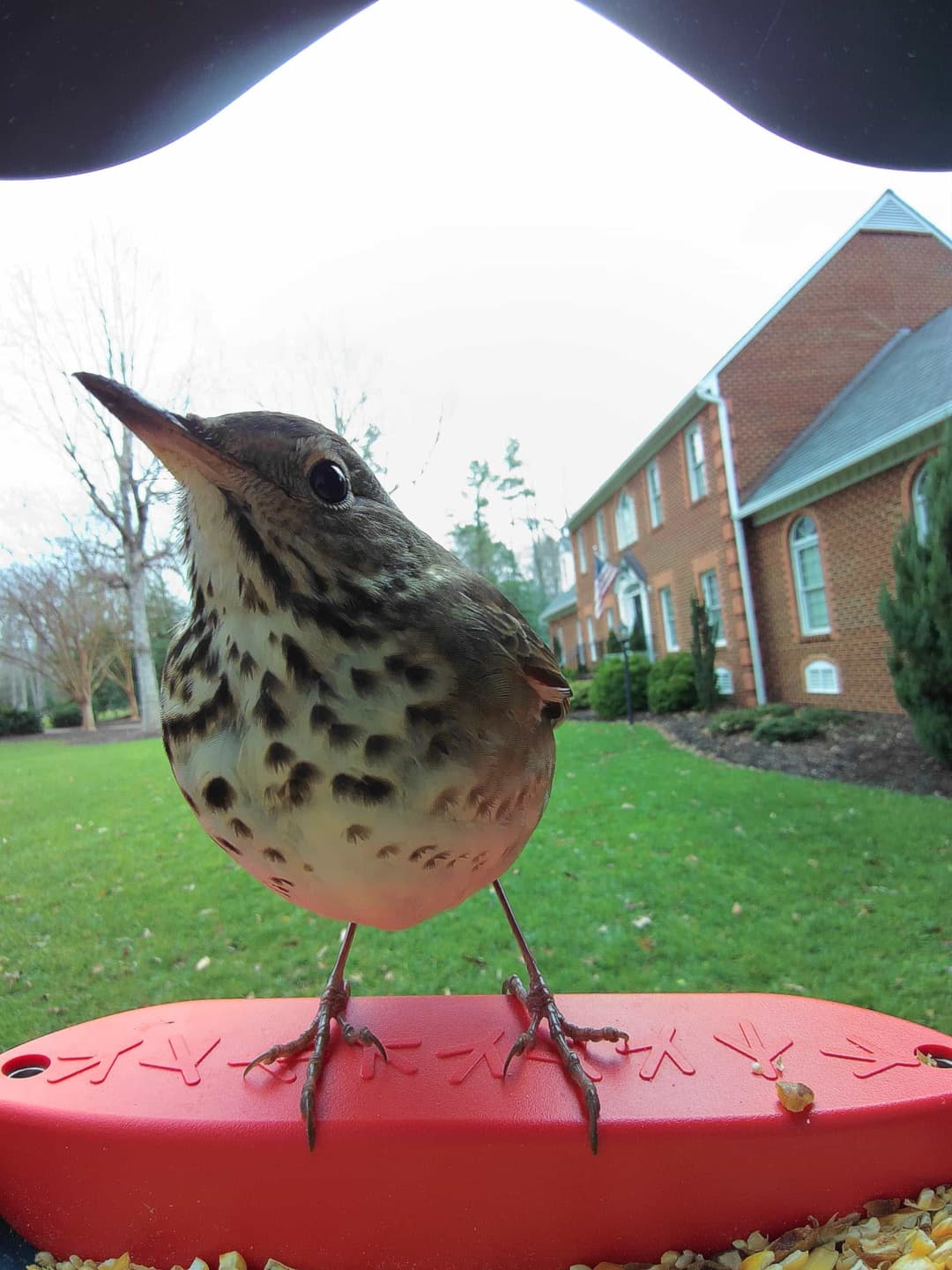
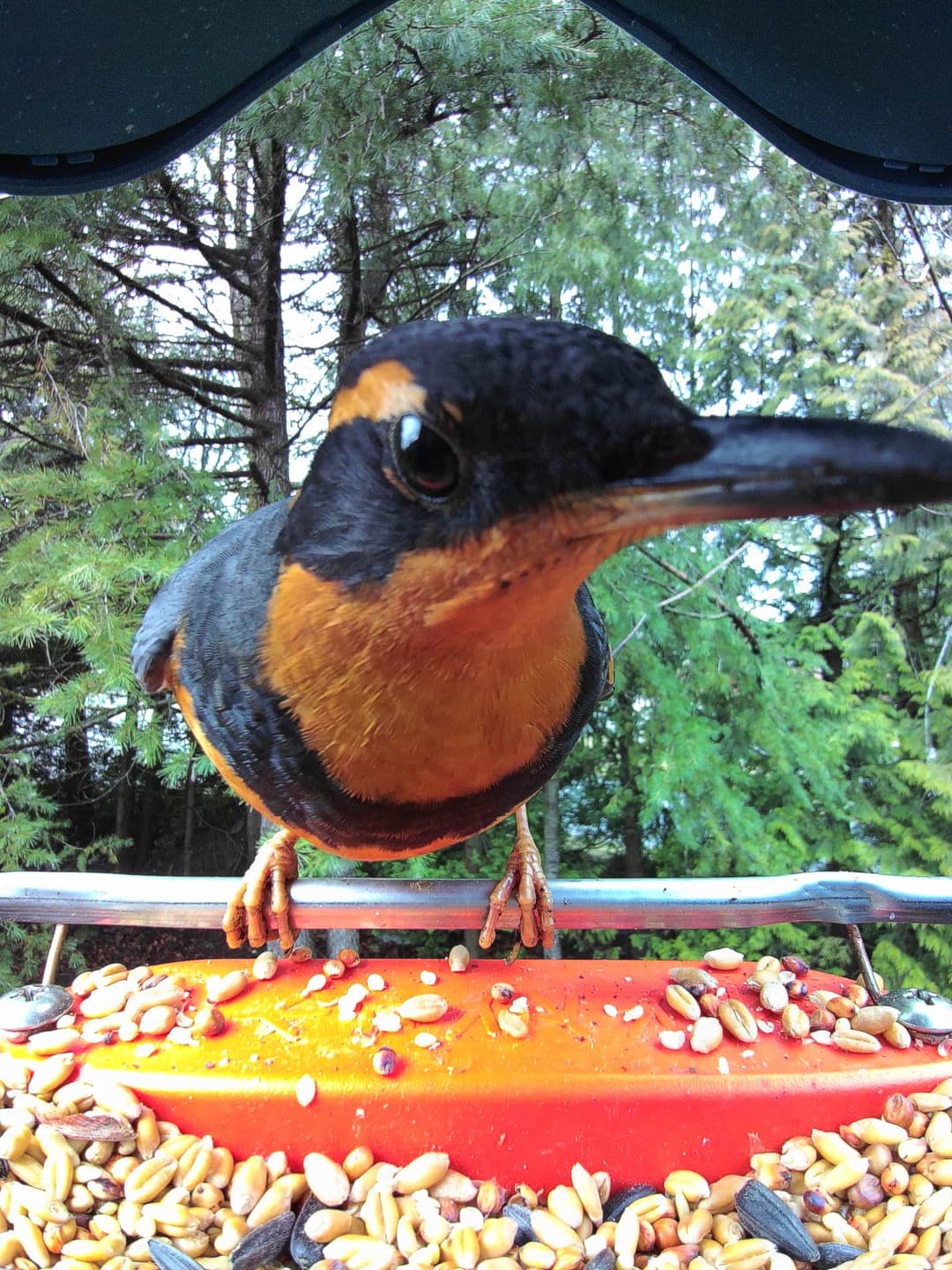
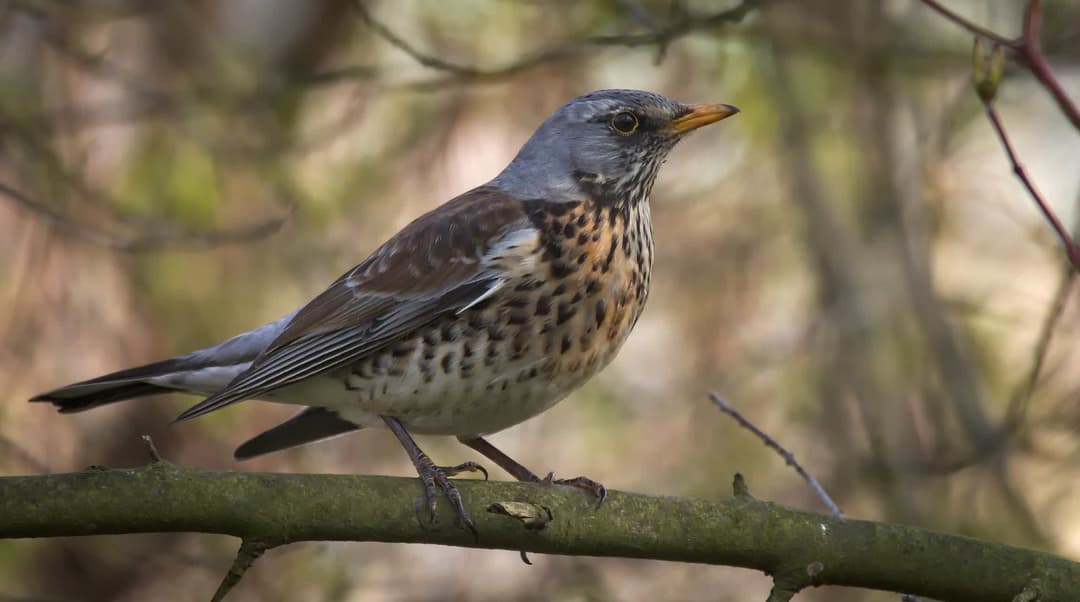
Thrushes are songbirds known for their brown to blue-grey upperparts and white underparts often with spots or markings. They have medium to long tails, and their size varies from small to medium. Some species have orange or red underwings, visible in flight.
Male vs female
In many thrush species, males and females have similar plumage, making it difficult to distinguish between them. However, in some species, males may have more vivid coloration or distinctive markings compared to females. There's often sexual dimorphism in size, with males being slightly larger.
Juvenile
Juvenile thrushes can resemble their parents, but they usually have duller plumage and less clear markings or spots. They may also be slightly smaller in size until full maturity. Their bills tend to be shorter and their feathers softer and fluffier.
Size
5.7 - 13.0 in/0.8 - 5.9 oz
There's more to learn about Thrush
View full detailsMistle Thrush
Turdus viscivorus
Also known as: Stormcock
General appearance
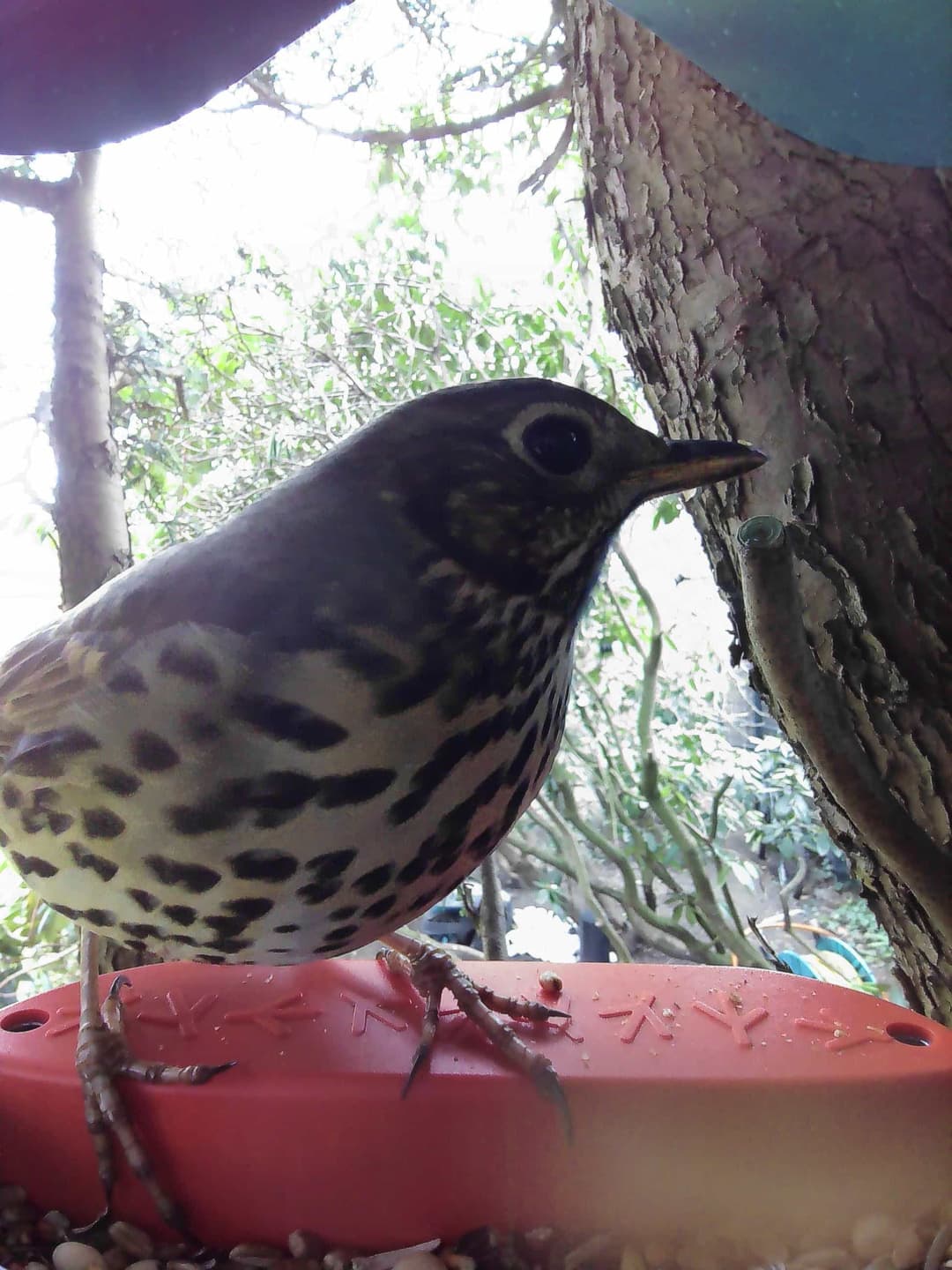
The mistle thrush is a large, robust bird, measuring around 10-11 inches long. It has a pale, cream-colored underside adorned with round, dark spots. It has a distinct greyish-brown back and wings, a creamy-white belly and chest peppered with round dark spots and, is known for its long, thin legs and sizable, yellow bill. It features a white marking under the wing, visible in flight.
Male vs female
Male and female mistle thrushes are similar in size and coloration. Both sexes show a speckled chest and belly, pale underparts contrasted with a darker back, and long legs. There is no discernable sexual dimorphism in plumage color or patterns making it difficult to differentiate between the sexes.
Juvenile
Juvenile mistle thrushes bear a similar resemblance to adults but are slightly smaller. Their plumage features more dull colors compared to adults and spots on the underparts are more blurred, giving them a scaly appearance. These differences fade as they reach maturity after their first molt which happens in late summer.
Size
10.6 - 11.4 in/3.3 - 5.9 oz
There's more to learn about Mistle Thrush
View full detailsHow to tell the Thrush from the Mistle Thrush
Visual differences
Thrushes vary in size (5.7-13 inches, 0.8-5.9 oz) with brown to blue-grey upperparts and spotted white underparts. Mistle Thrushes are larger (10-11 inches, 3.3-5.9 oz) with a greyish-brown back, creamy-white belly, and round dark spots. Thrushes can have vivid underwing colors, while Mistle Thrushes have white wing markings visible in flight. Mistle Thrushes possess longer legs and a sizable yellow bill, distinguishing them from Thrushes. Both sexes are similar in plumage for each species, but Mistle Thrushes have a more robust appearance.
Key differences and behavior
Thrushes and Mistle Thrushes, while both part of the Turdidae family, exhibit distinct behavioral differences. Thrushes, ranging 0.8-5.9 oz (0.5-1.1 lbs) in weight and 5.7-13 inches in length, often reside in wooded areas and engage in elaborate courtship displays. Conversely, the larger Mistle Thrush, weighing 3.3-5.9 oz and measuring about 10-11 inches, occupies more open habitats like parks and gardens. Both species build nests using grass and mud, but Mistle Thrush nests are typically higher, 6.5-33 feet above ground, and they exhibit strong territorial defense. Diet-wise, Thrushes predominantly consume insects and fruit seasonally, while Mistle Thrushes favor berries like mistletoe, switching to seeds in winter. Thrushes are less frequent at bird feeders, whereas Mistle Thrushes, although not regular visitors, exhibit adaptive feeding strategies at feeders.
Still not sure? Here are more lookalikes!
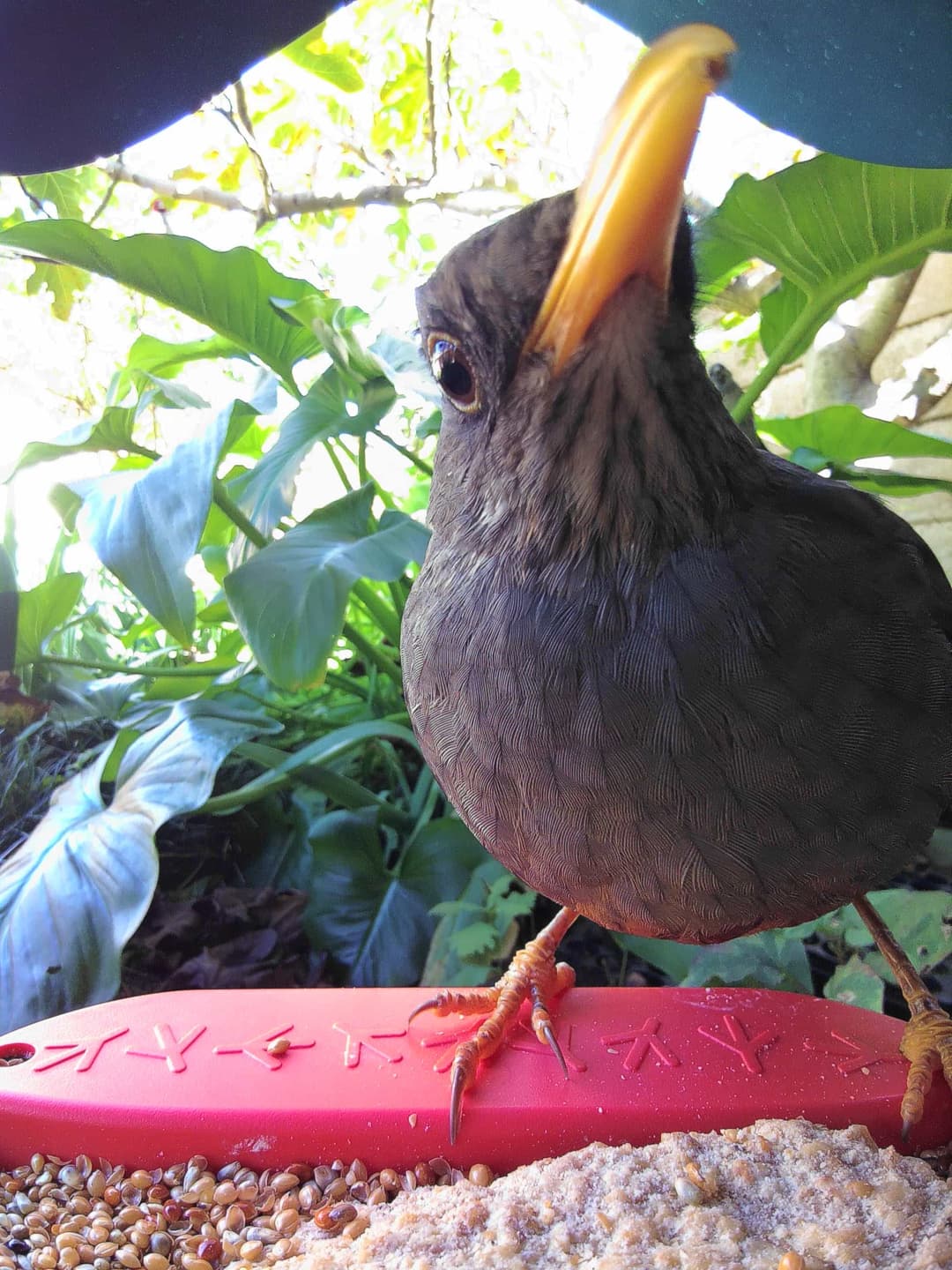
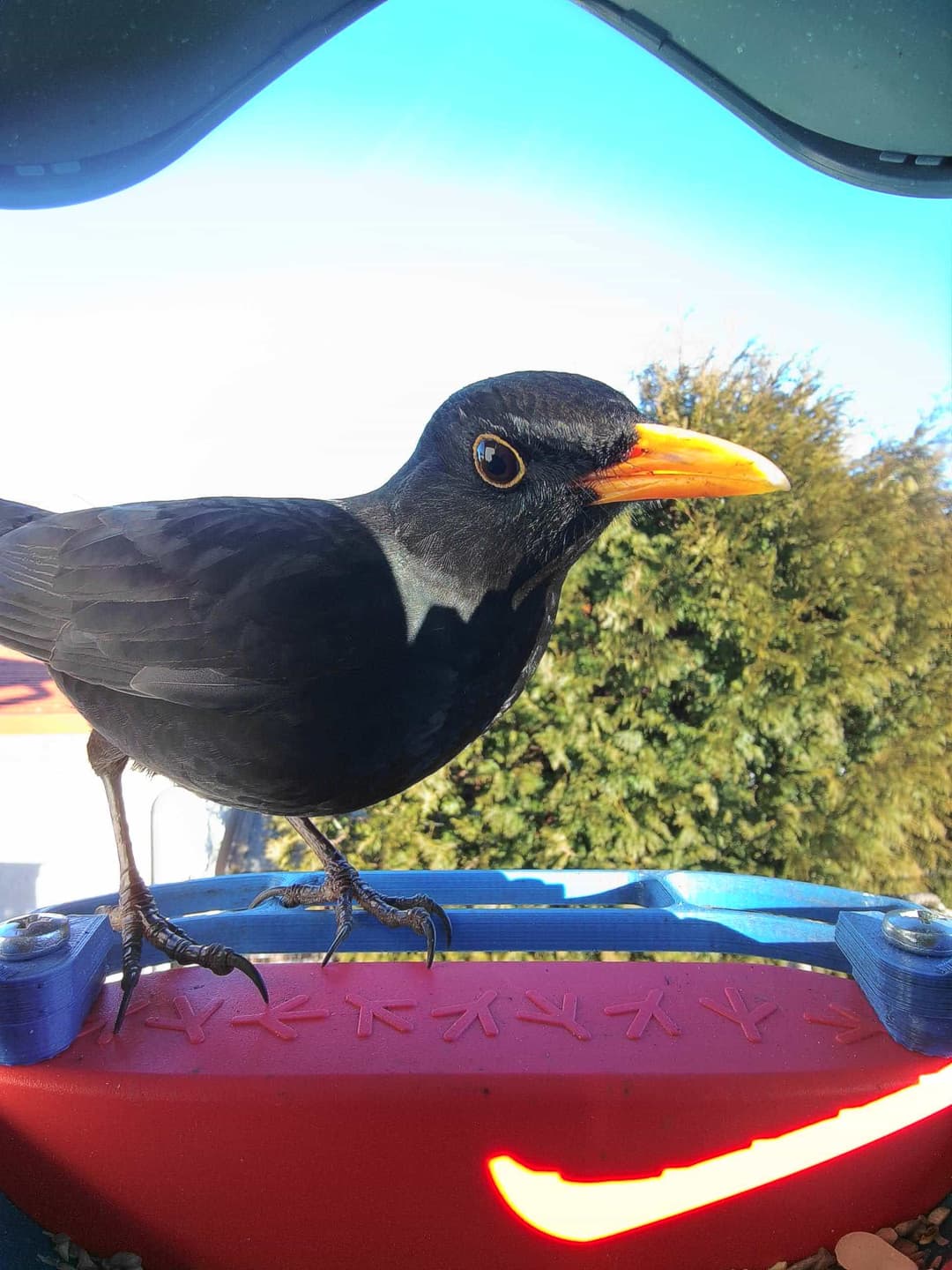
Thrush vs Common Blackbird
Thrush vs American Robin

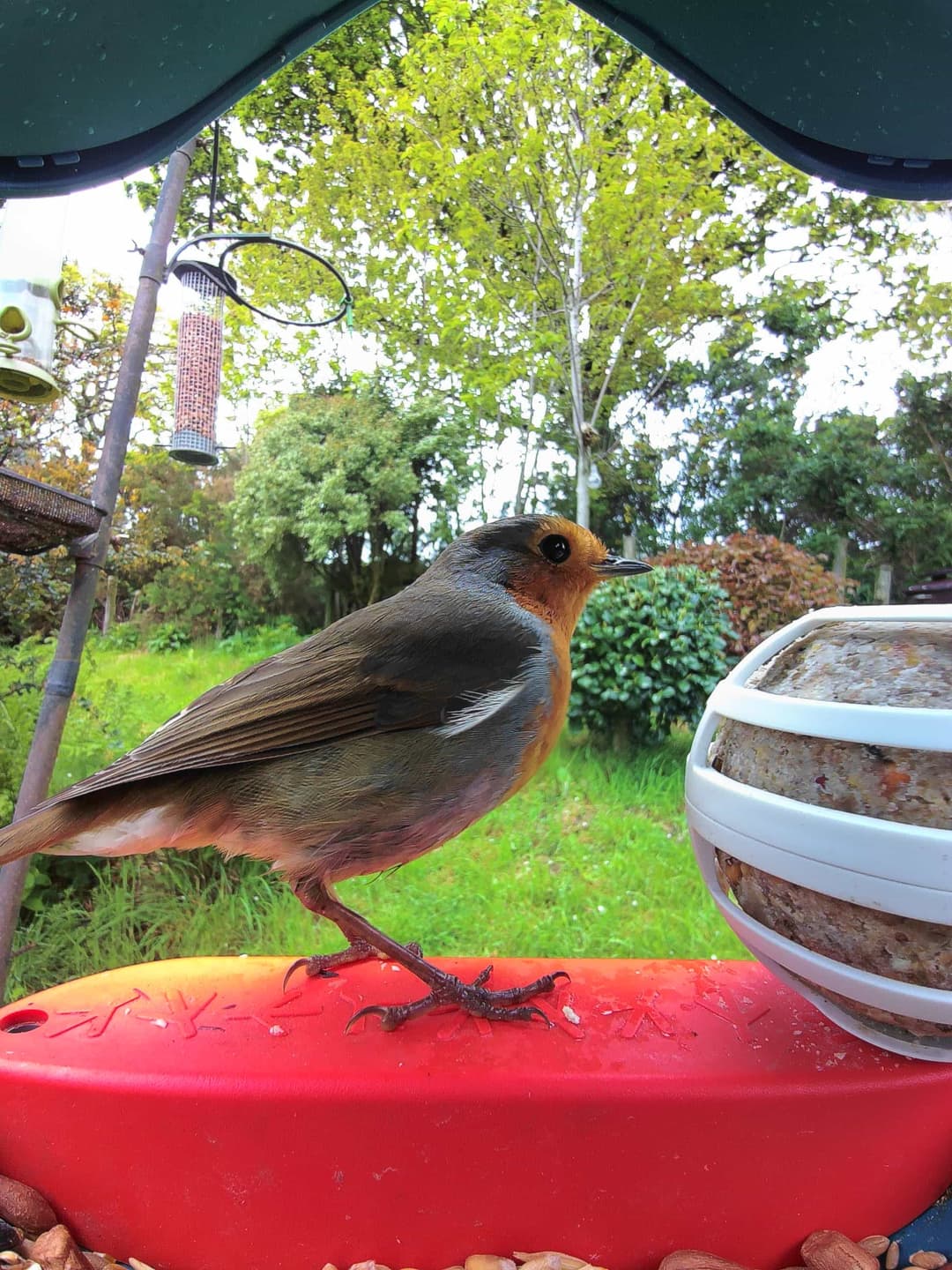
Thrush vs European Robin
Thrush vs [Select a bird]

[Select a bird]
Pick a bird to compare
Mistle Thrush vs [Select a bird]
[Select a bird]
Pick a bird to compare