European Robin or American Robin?
Here's how to tell the difference
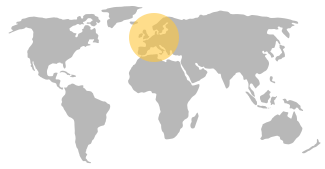


European Robin


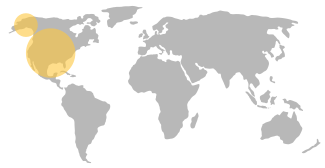
American Robin
European Robin
Erithacus rubecula
Also known as: Robin, Robin Redbreast
General appearance
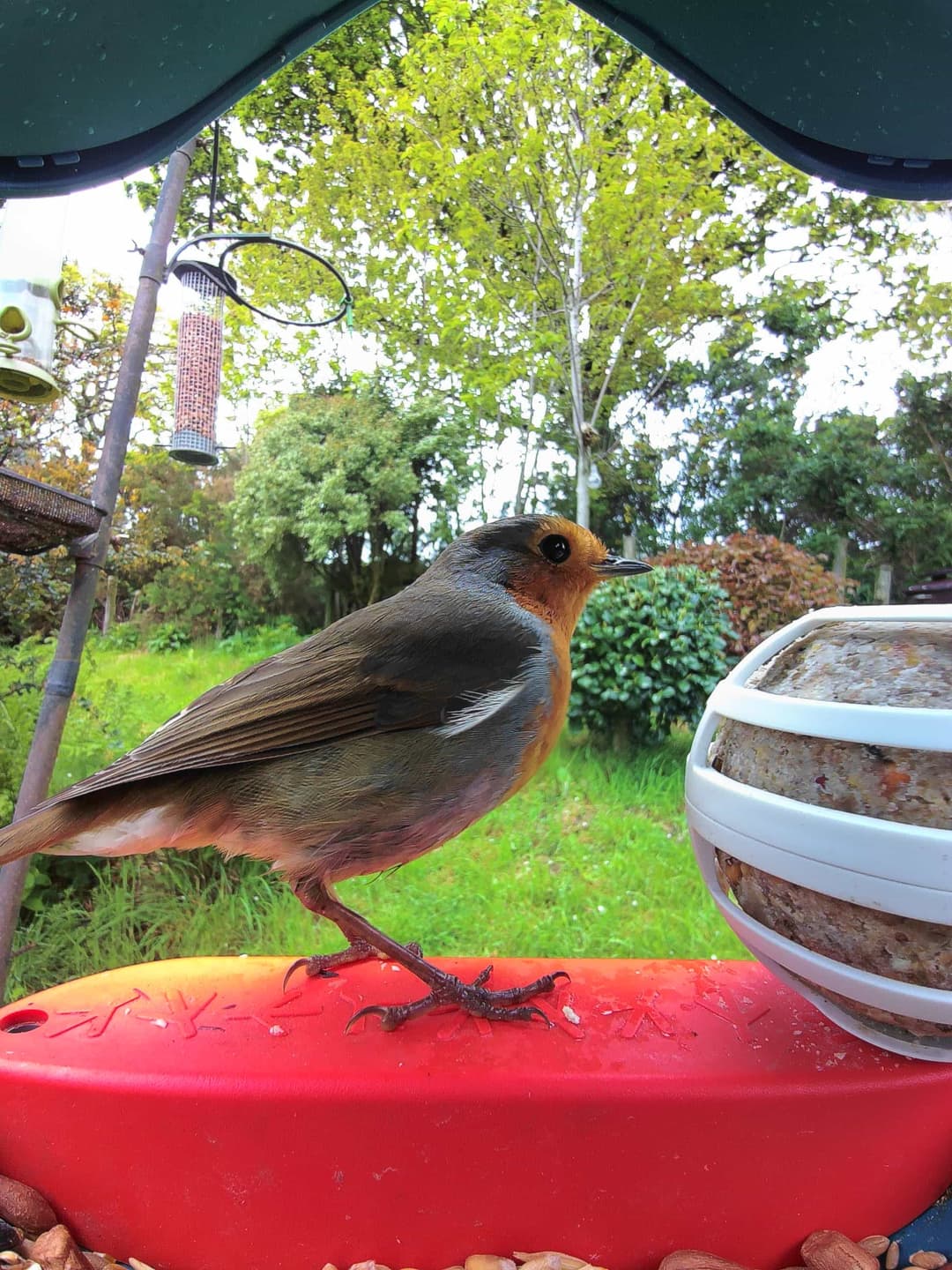
The European robin is a small bird, approximately 12.5–14.0 cm in length. It has a distinctive orange-red face and breast, with a contrasting grey line running from the eyes to the neck. Its upper parts and tail are olive-brown, while the belly is white. This characteristic coloration makes the robin easily recognizable in its habitats, which include gardens, woodlands, and parks.
Male vs female
Male and female European robins are visually similar, with no significant differences in plumage coloration or size. Both genders share the same vibrant orange-red breast and predominantly brown and white bodies. This lack of sexual dimorphism means that it can be challenging to distinguish between male and female robins just by appearance.
Juvenile
Juvenile robins are generally mottled with golden-brown spots instead of the striking orange-red breast seen in adults. This speckled appearance helps them stay camouflaged from predators. As they mature, the juveniles gradually develop the distinctive adult plumage. Seasonal variations do not significantly affect overall appearance, but molting can sometimes make the colors appear more subdued.
Size
4.9 - 5.5 in/0.5 - 0.9 oz
There's more to learn about European Robin
View full detailsAmerican Robin
Turdus migratorius
General appearance
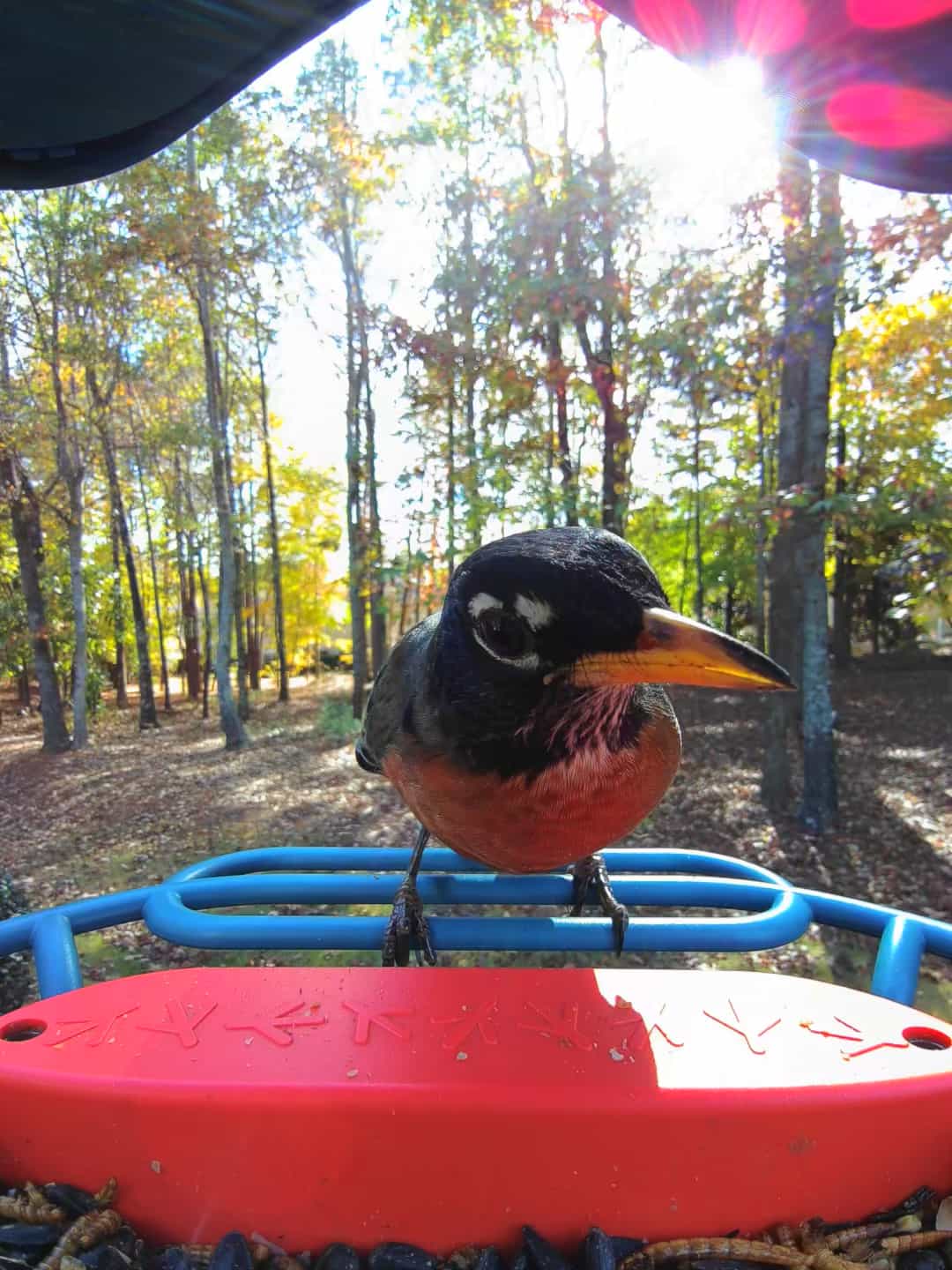
The American Robin is about 10 inches (25 cm) in size, or the size of a robin. It has a brick-red chest and a gray back with streaks on the white chin. Additionally, small white spots are visible around its eyes, as well as usually on tail corners. The wings are pointed and the tail is rounded and square-tipped.
Male vs female
Males exhibit a slightly blacker head and richer colors compared to the females. Despite these differences, both genders feature the signature black, brown, orange, red, and yellow colors.
Juvenile
The juvenile American Robin can appear confusing, due to the heavy spotting below, mottling on the back, and pale marks on the face. However, a distinguishing feature to identify a juvenile is the reddish tinge visible on its chest.
Size
7.9 - 11.0 in/2.7 - 3.0 oz
There's more to learn about American Robin
View full detailsHow to tell the European Robin from the American Robin
Visual differences
The European Robin is smaller, measuring about 5-5.5 inches in length, with a distinctive orange-red face and breast, olive-brown upper parts, and a white belly. In contrast, the American Robin is larger at approximately 10 inches, featuring a brick-red chest, gray back, and noticeable white spots around the eyes and at tail corners. The American Robin has a stouter build, a more rounded, square-tipped tail, and slightly pointed wings, whereas the European Robin exhibits a more petite, rounded appearance.
Key differences and behavior
European Robins (Erithacus rubecula) and American Robins (Turdus migratorius) exhibit distinct behaviors and habitats. European Robins are highly territorial and active singers at dawn and dusk, commonly found in gardens, parks, and woodlands across Europe. They have a sweet tooth and may visit feeders for insects and fruit. American Robins are harbingers of spring in North America, often feeding on ground insects and berries. They inhabit diverse environments from urban areas to forests. Both species exhibit courtship feeding, but European Robins nest in low cavities while American Robins prefer higher branches or ledges. European Robins are smaller, weighing about 0.5-0.9 ounces and 5-5.5 inches long, whereas American Robins weigh 2.7-3 ounces and are about 10 inches long. Both adapt their diets seasonally, with American Robins increasing fruit consumption in winter.
Still not sure? Here are more lookalikes!
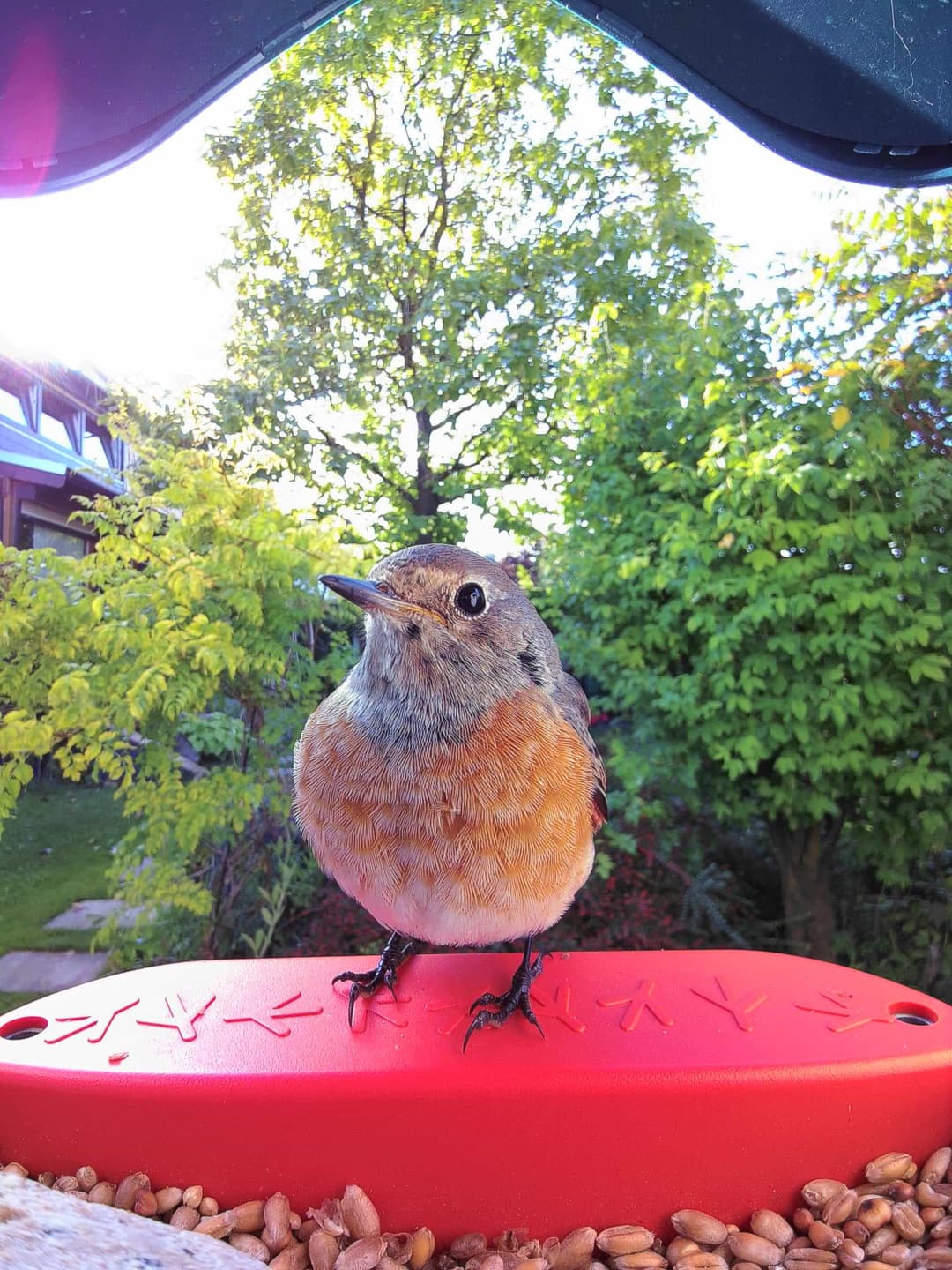
European Robin vs Common Redstart
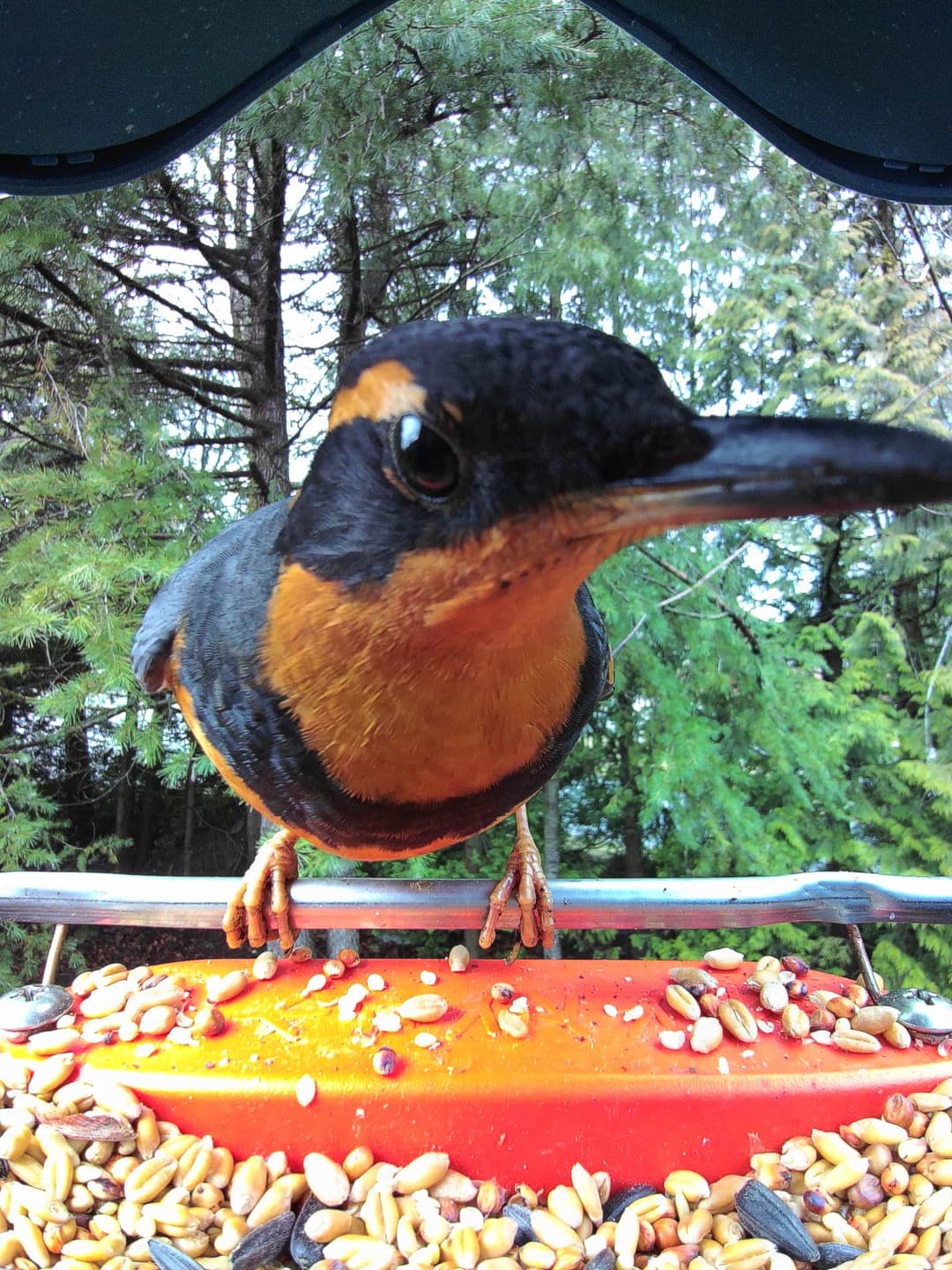
American Robin vs Varied Thrush

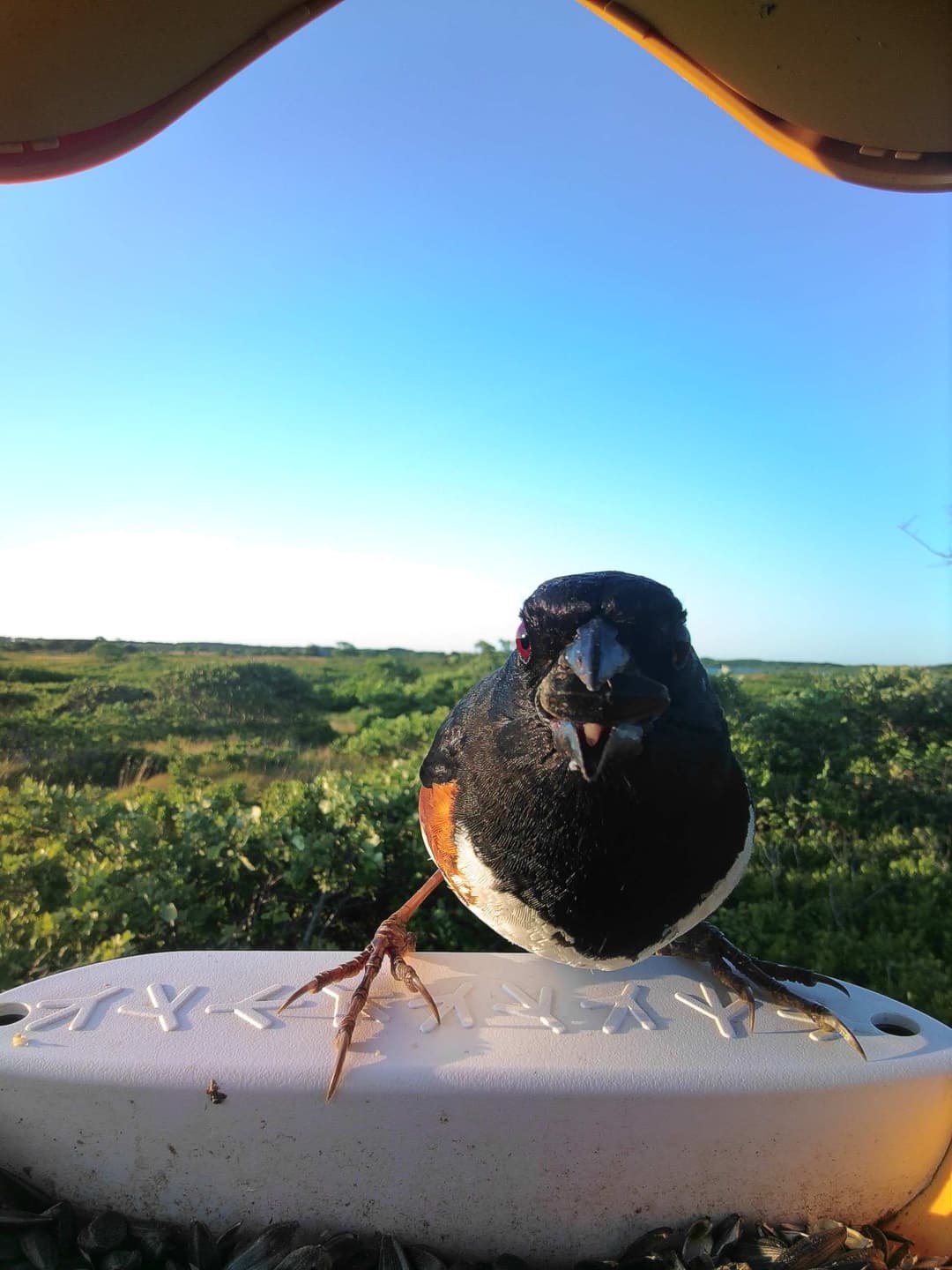
American Robin vs Spotted Towhee

American Robin vs Eastern Towhee
European Robin vs [Select a bird]

[Select a bird]
Pick a bird to compare
American Robin vs [Select a bird]
[Select a bird]
Pick a bird to compare