Thrush or Wood Thrush?
Here's how to tell the difference
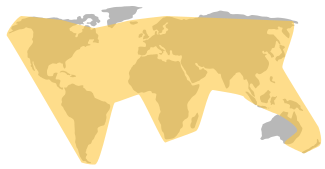
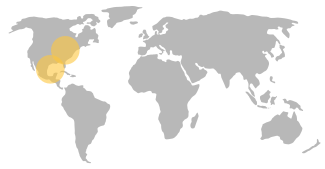

Thrush
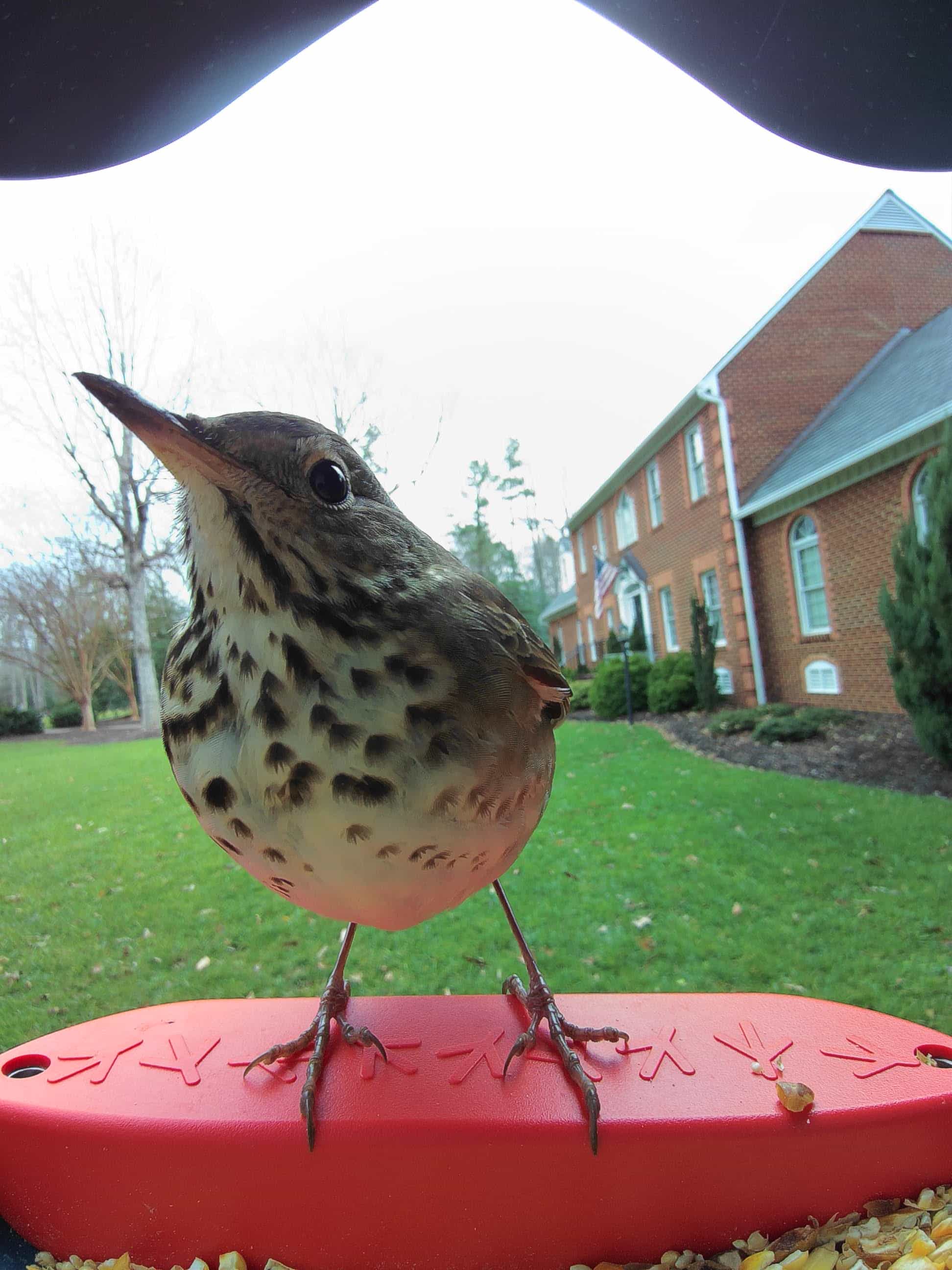


Wood Thrush
Thrush
Turdidae
General appearance
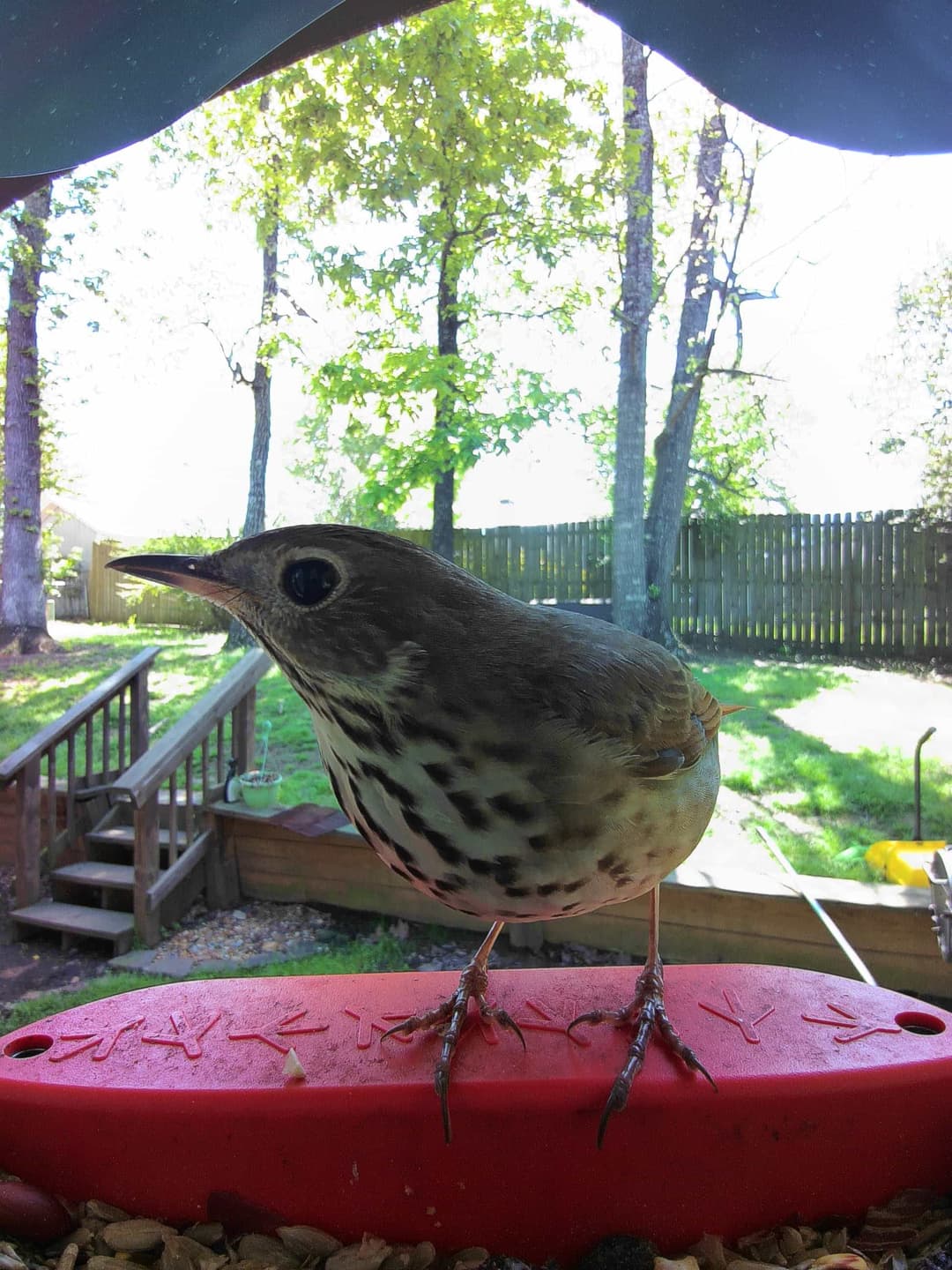
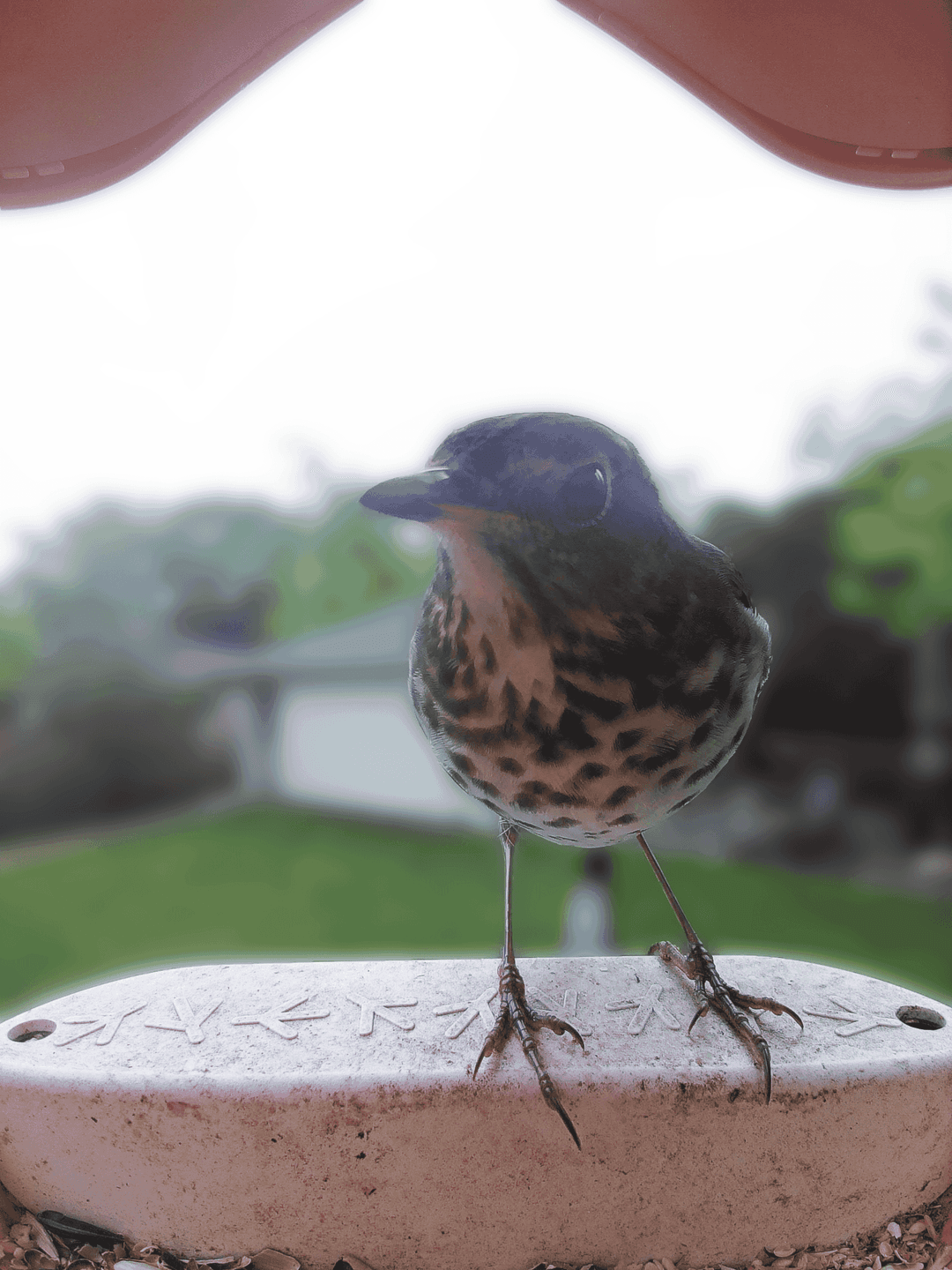
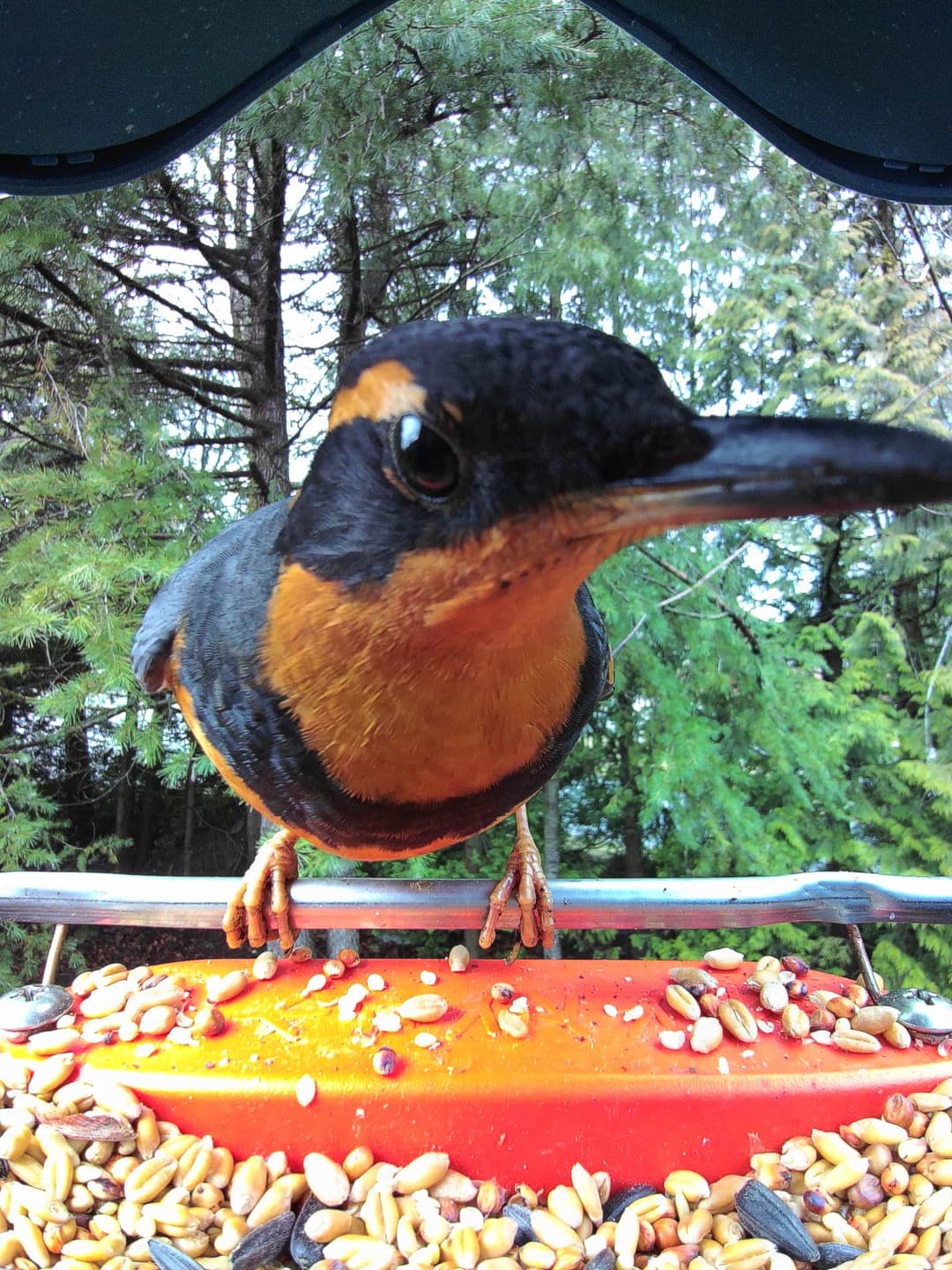
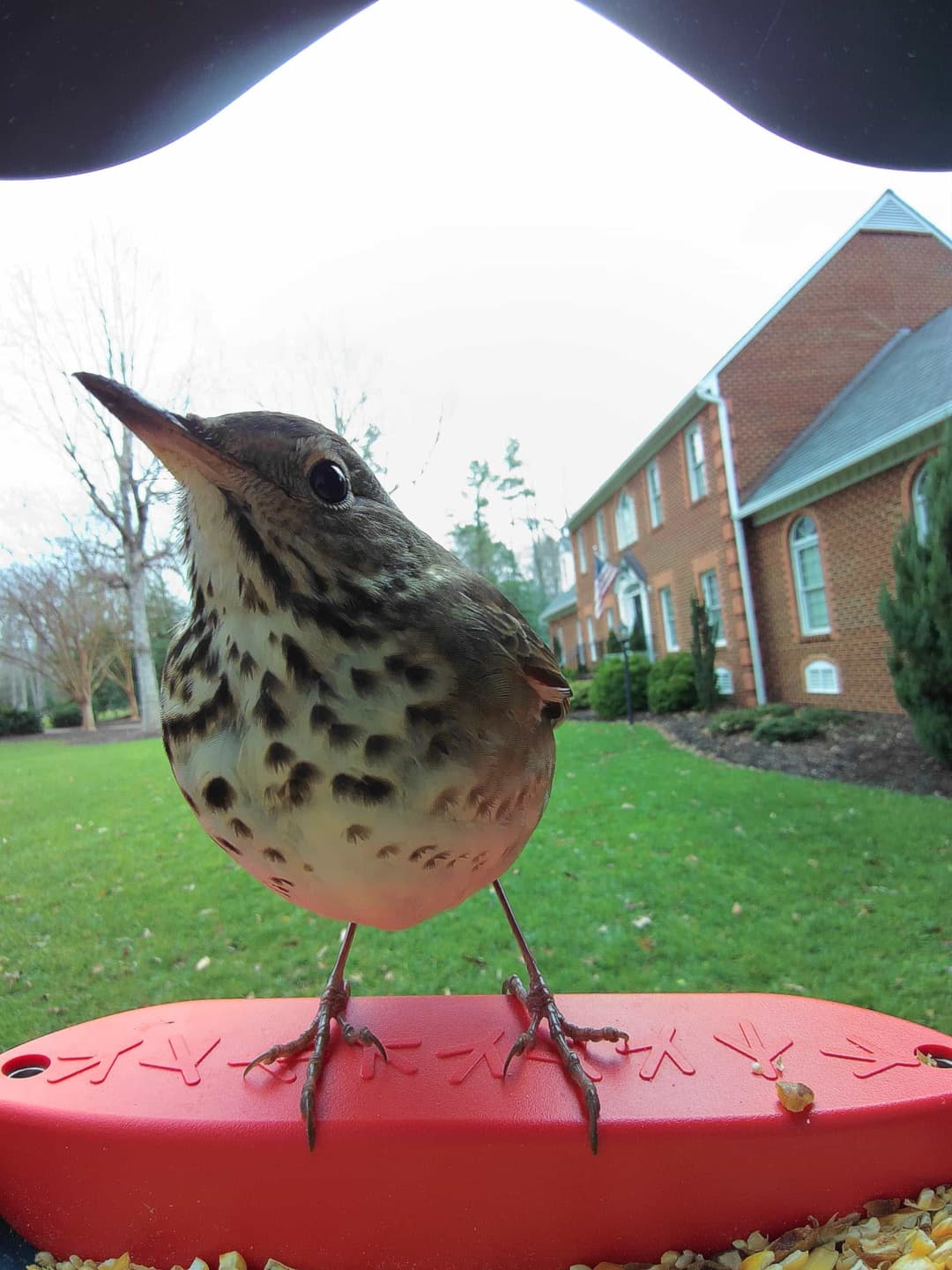
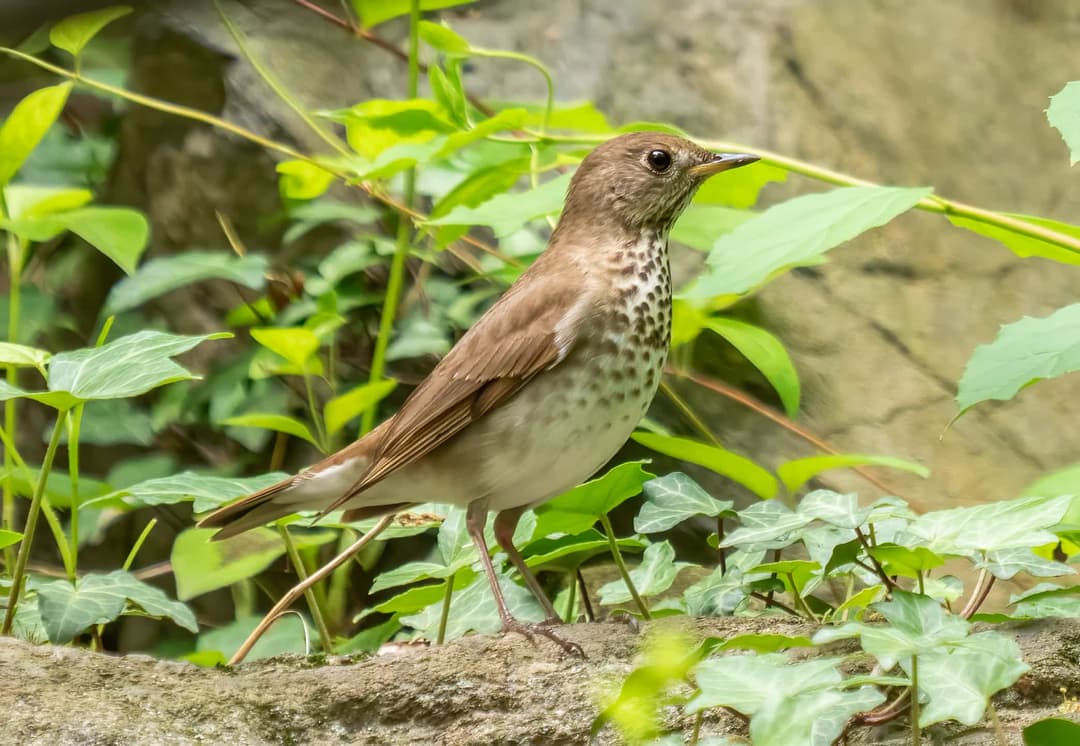
Thrushes are songbirds known for their brown to blue-grey upperparts and white underparts often with spots or markings. They have medium to long tails, and their size varies from small to medium. Some species have orange or red underwings, visible in flight.
Male vs female
In many thrush species, males and females have similar plumage, making it difficult to distinguish between them. However, in some species, males may have more vivid coloration or distinctive markings compared to females. There's often sexual dimorphism in size, with males being slightly larger.
Juvenile
Juvenile thrushes can resemble their parents, but they usually have duller plumage and less clear markings or spots. They may also be slightly smaller in size until full maturity. Their bills tend to be shorter and their feathers softer and fluffier.
Size
5.7 - 13.0 in/0.8 - 5.9 oz
There's more to learn about Thrush
View full detailsWood Thrush
Hylocichla mustelina
General appearance
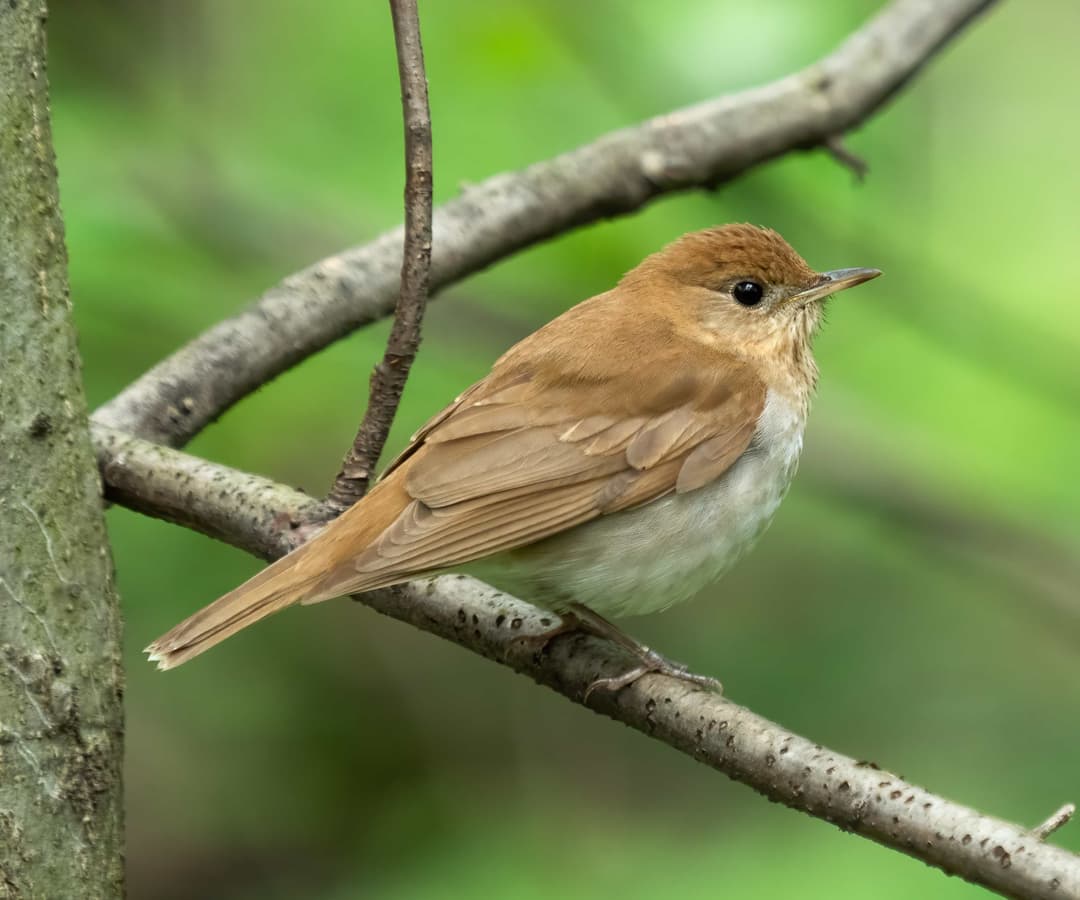
The wood thrush boasts a brown upper body that shades into a more vivid reddish-brown on the head. A stark contrast is formed by round black spots that adorn its white chest. This species flaunts a bold eye-ring and shows stronger markings than other brown thrushes. The variable tail can be notched, rounded, or squared-off, and the wings are pointed in shape. Its overall size is resemblant of a robin.
Male vs female
The wood thrush does not exhibit significant physical differences between genders. Both males and females share the same coloration and physical traits, including the brown upper body, reddish-brown head, black-spotted white chest, bold eye-ring, pointed wing shape, and notched or squared-off tail.
Juvenile
Juvenile wood thrushes maintain a similar appearance to adults, albeit with milder tones. Their brown coloration is lighter, and their black spots less pronounced. Notably, they differ from the brown thrasher species, which is striped rather than spotted, has yellow eyes, sports a longer tail, and exhibits colour akin to a sparrow.
Size
7.5 - 8.5 in/1.4 - 1.8 oz
There's more to learn about Wood Thrush
View full detailsHow to tell the Thrush from the Wood Thrush
Visual differences
Thrushes vary in size (5.7-13 in), with brown to blue-grey upperparts and often spotted white underparts. Some have orange or red underwings. Wood Thrushes (7.5-8.5 in) have a reddish-brown head and brown upper body with a distinct white chest adorned with bold black spots. While thrushes have medium to long tails, Wood Thrushes feature notched, rounded, or squared tails and a bold eye-ring. Their wings are pointed, unlike the varied shapes in thrushes. Overall, Wood Thrushes have more vivid and contrasting plumage compared to the broader thrush group.
Key differences and behavior
Thrushes, a diverse group with 174 species, typically inhabit wooded and forested areas, adapting to a variety of climates. They engage in elaborate courtship rituals and contribute to ecosystems by dispersing seeds. Thrushes forage predominantly on the ground for insects and fruits, adapting their diet seasonally. In contrast, Wood Thrushes are specialized within deciduous forests, favoring damp areas near streams. The Wood Thrush's mating involves territorial singing and aggression towards other species. It builds more intricate nests, incorporating unique materials like paper. While both consume insects and berries, Wood Thrushes display a preference for understory foraging and are less attracted to bird feeders. Weighing between 1.4 to 1.7 ounces (40-50g), they are generally consistent in size compared to the more varied Thrush family, which ranges between 0.8 to 5.9 ounces (22-167g). Overall, Wood Thrushes demonstrate more specific habitat preferences and behaviors.
Still not sure? Here are more lookalikes!
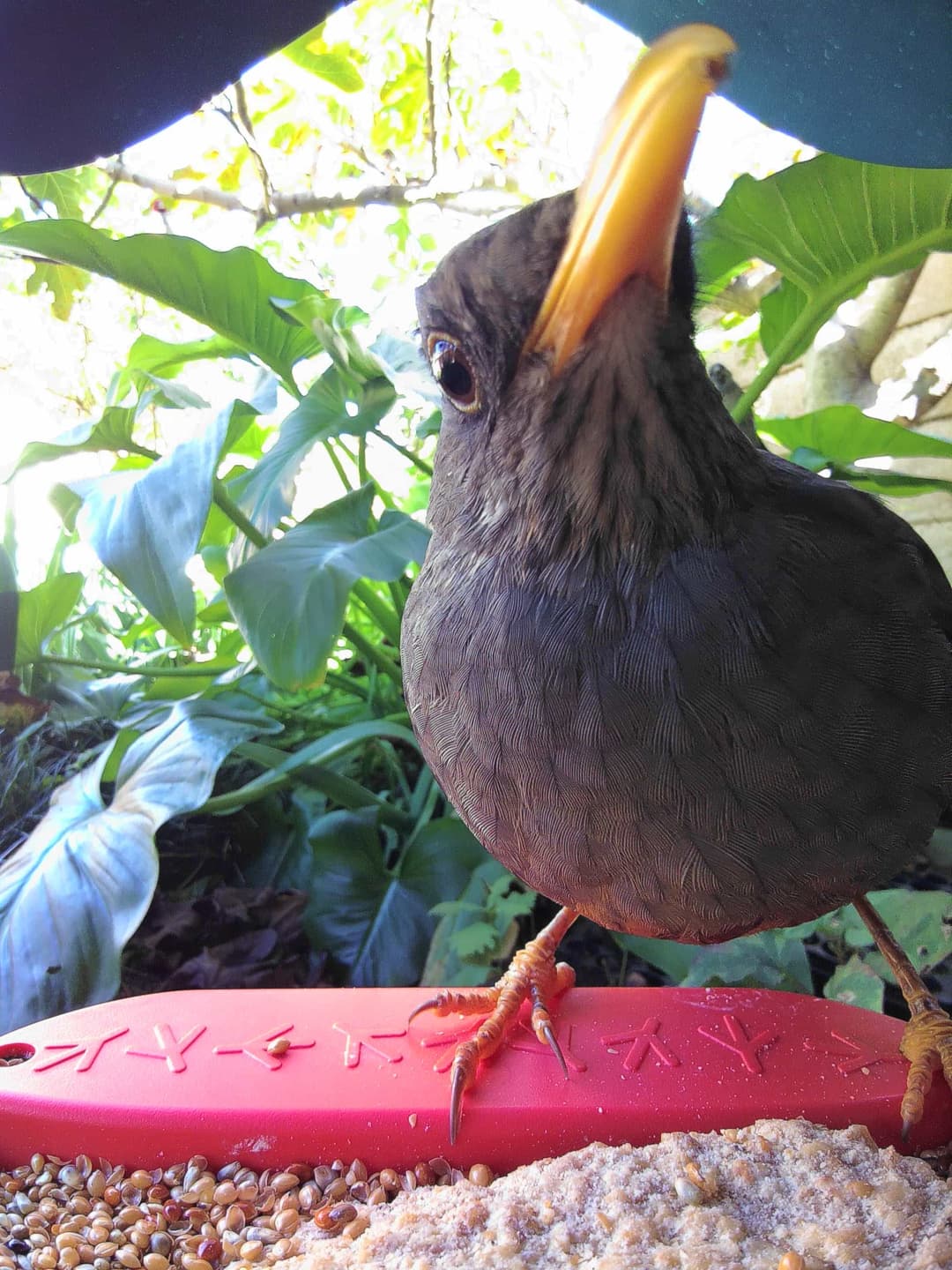
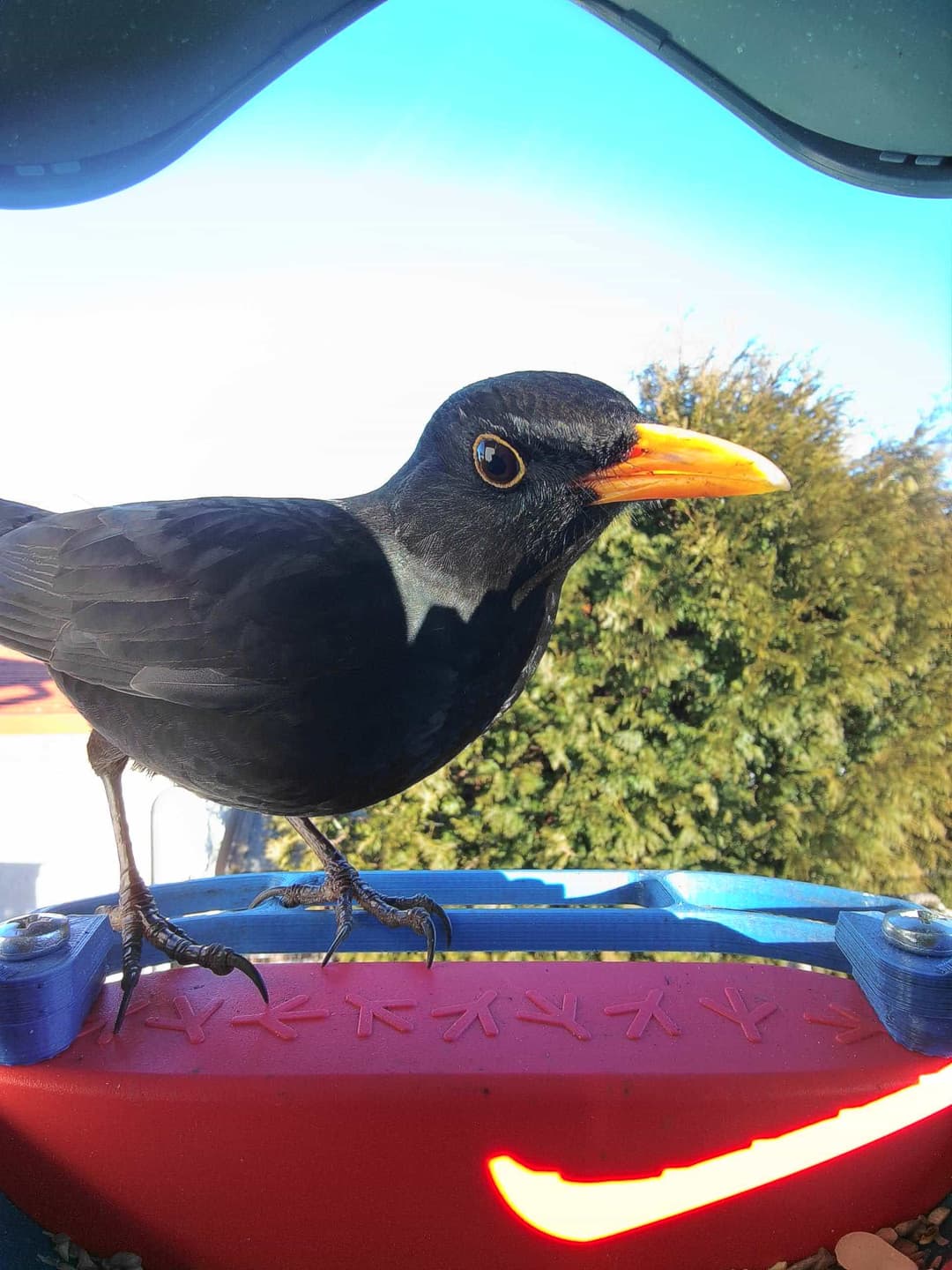
Thrush vs Common Blackbird
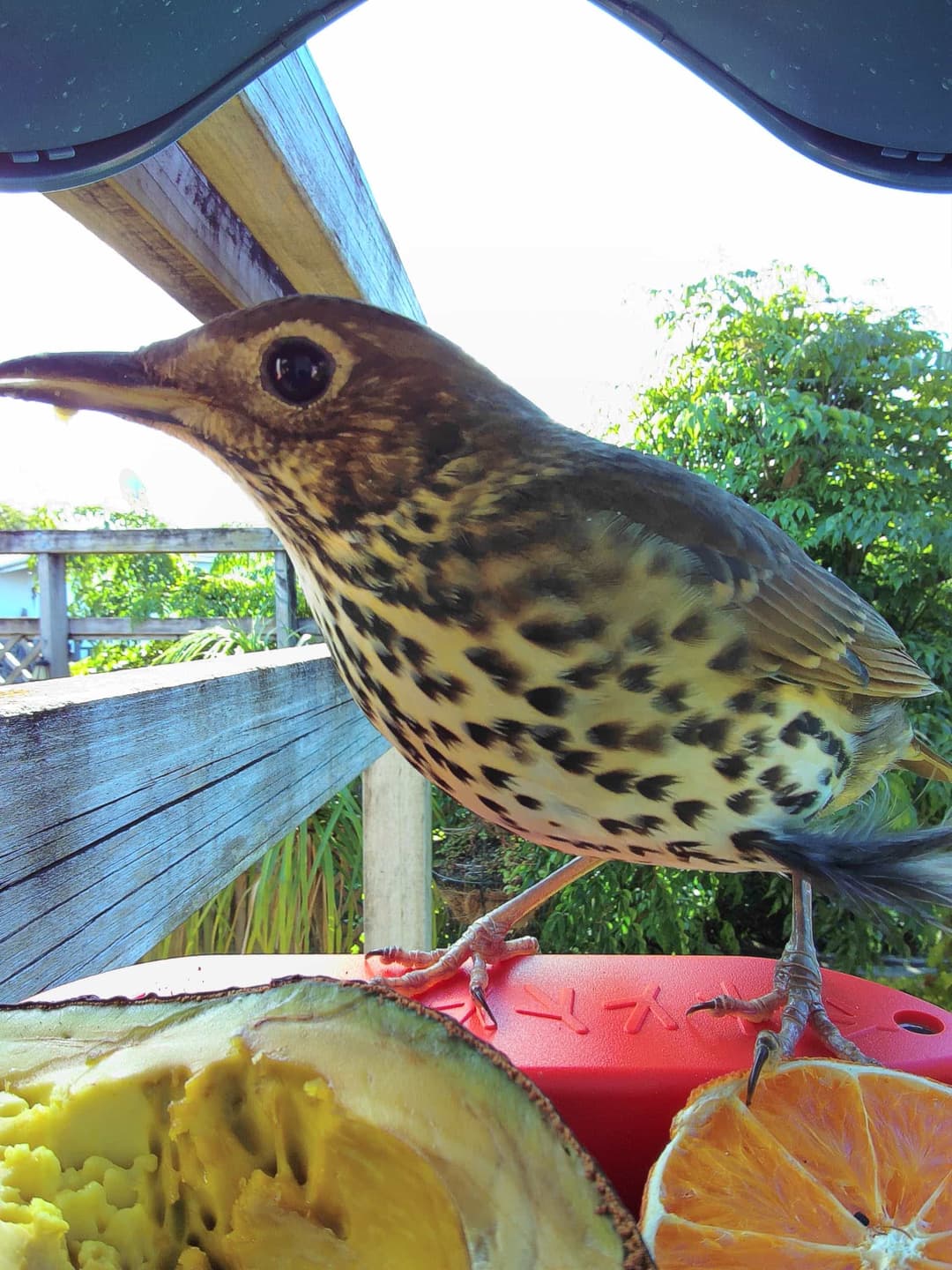
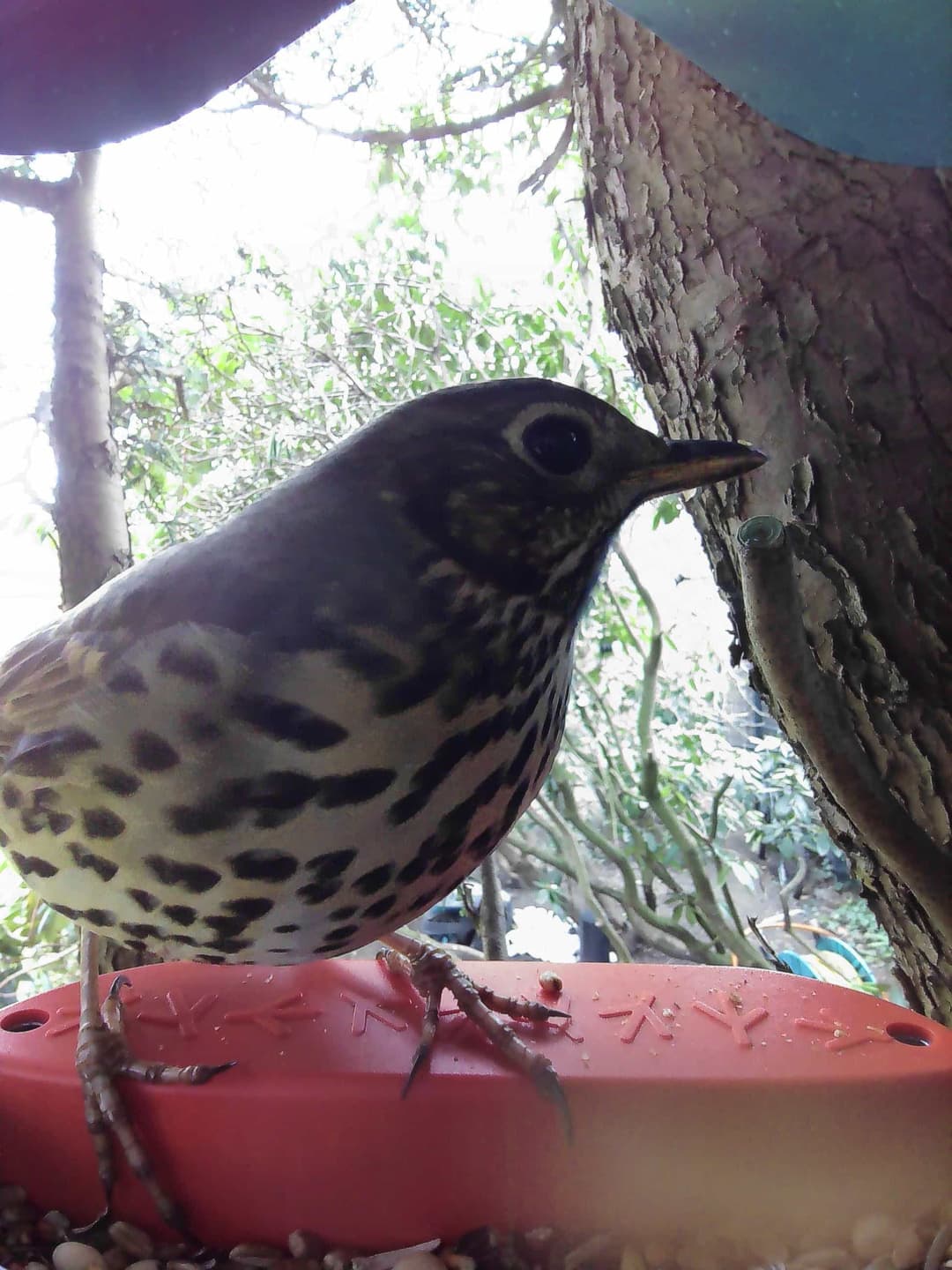
Thrush vs American Robin

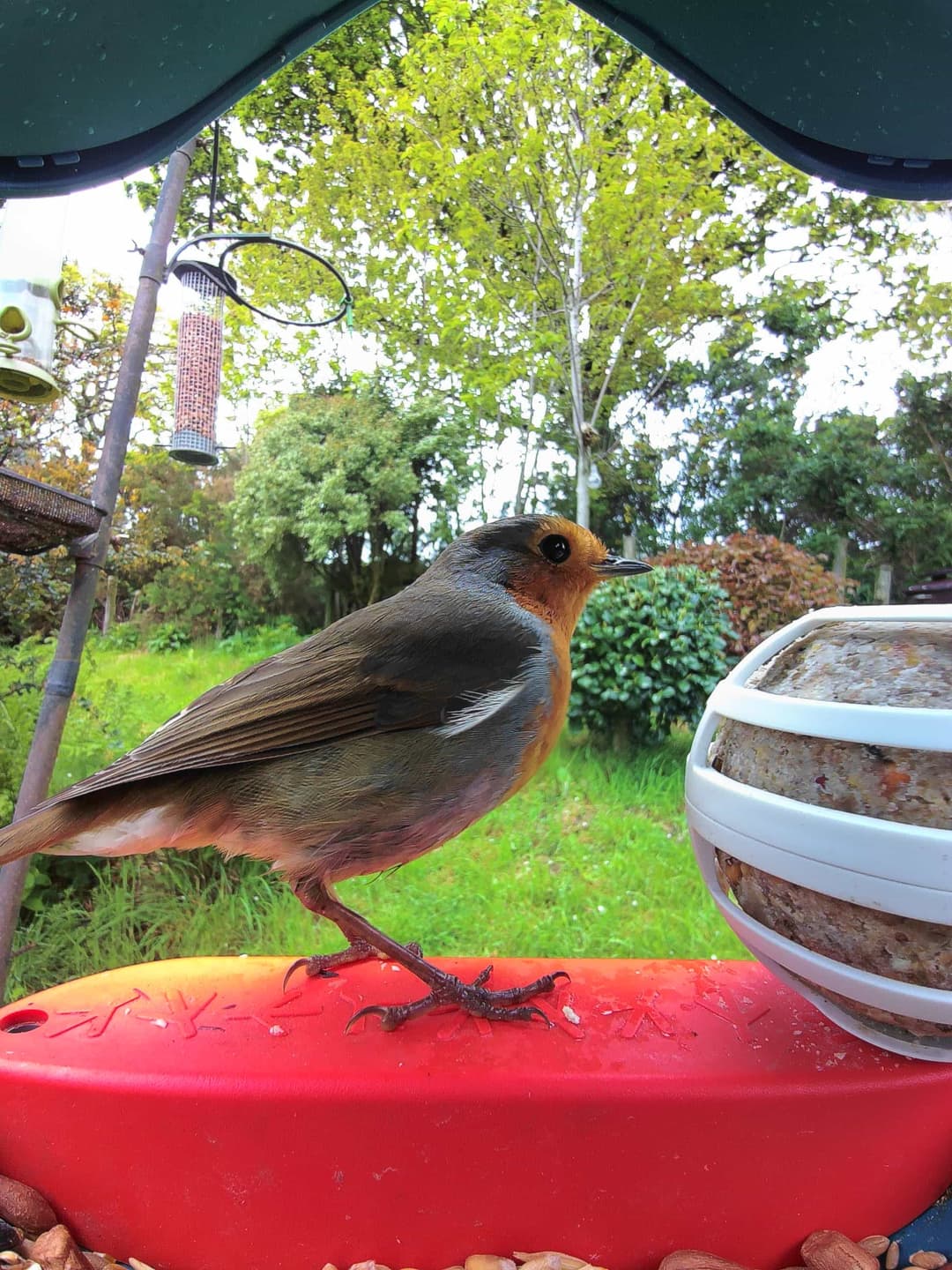
Thrush vs European Robin
Thrush vs [Select a bird]

[Select a bird]
Pick a bird to compare
Wood Thrush vs [Select a bird]
[Select a bird]
Pick a bird to compare