Thrush or Song Thrush?
Here's how to tell the difference
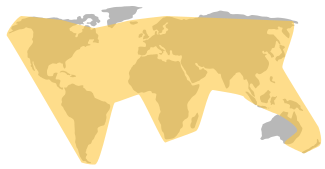

Thrush


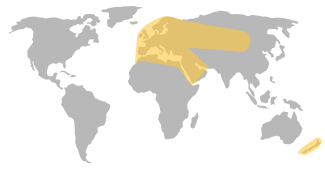
Song Thrush
Thrush
Turdidae
General appearance
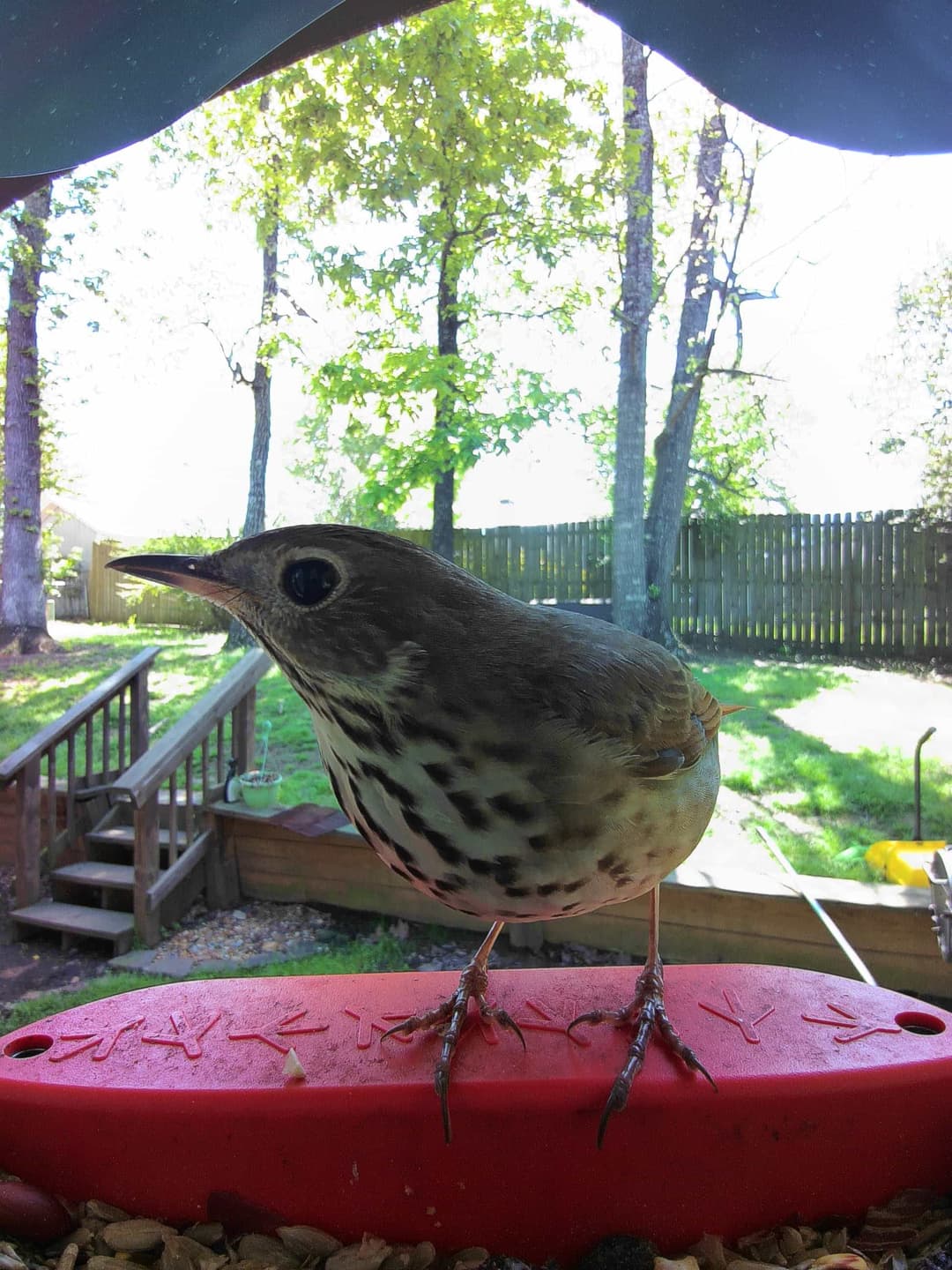
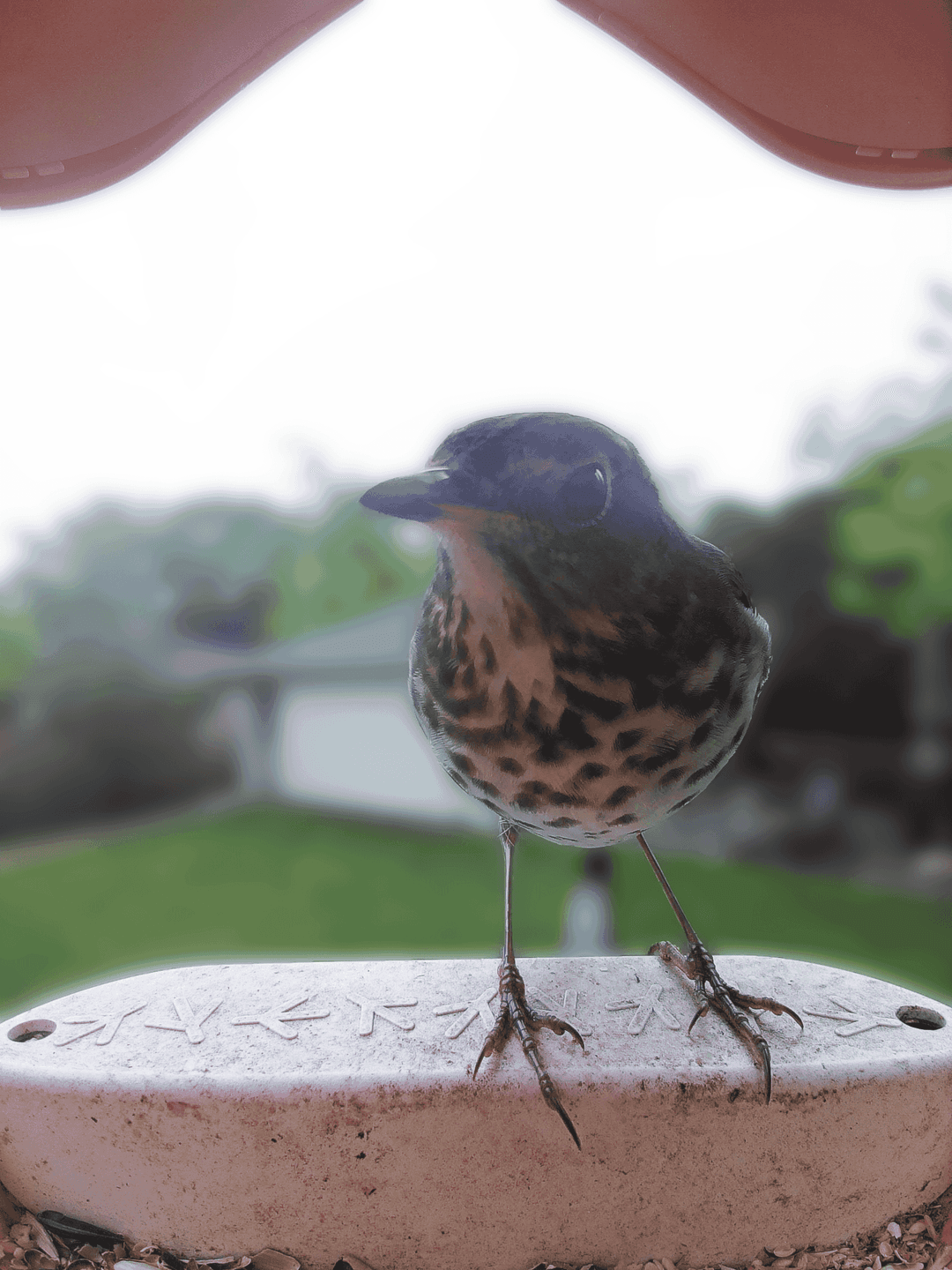
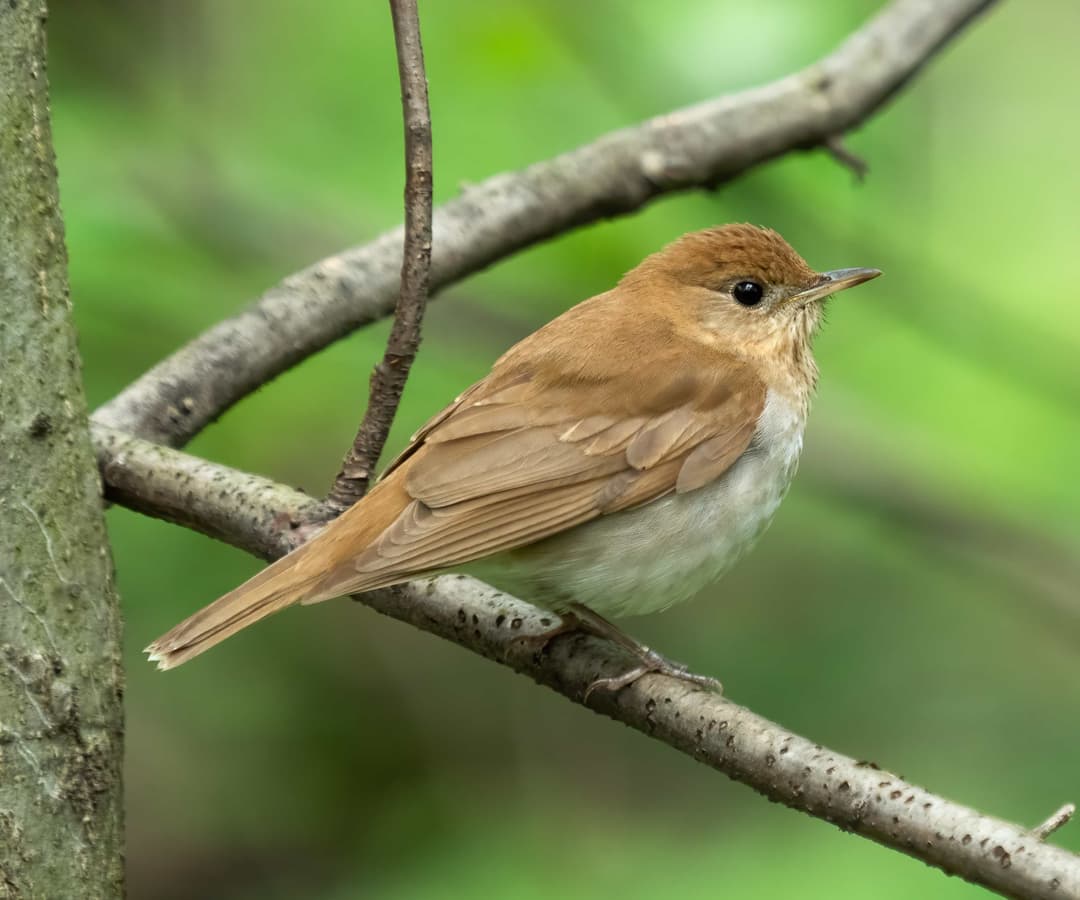
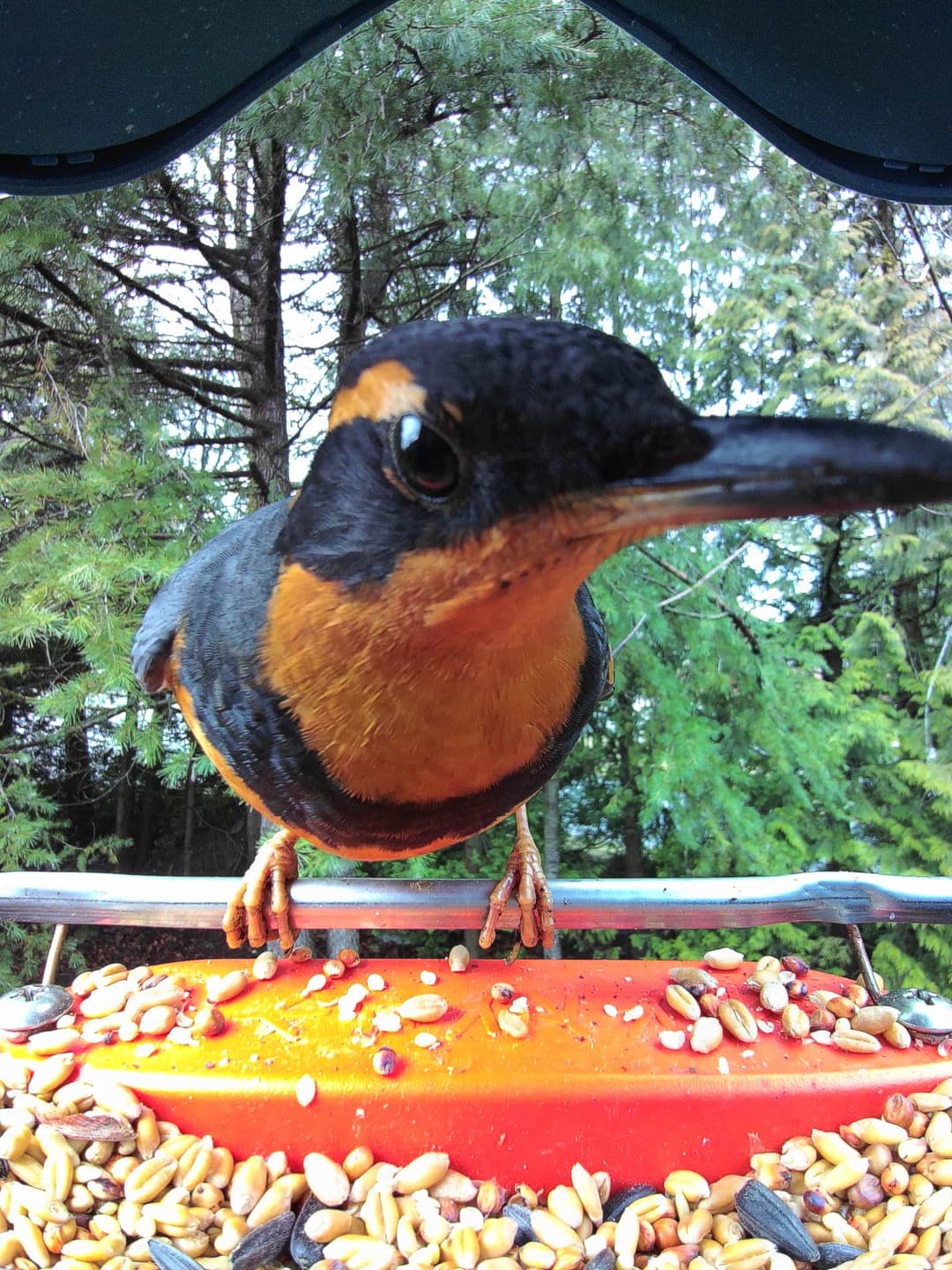
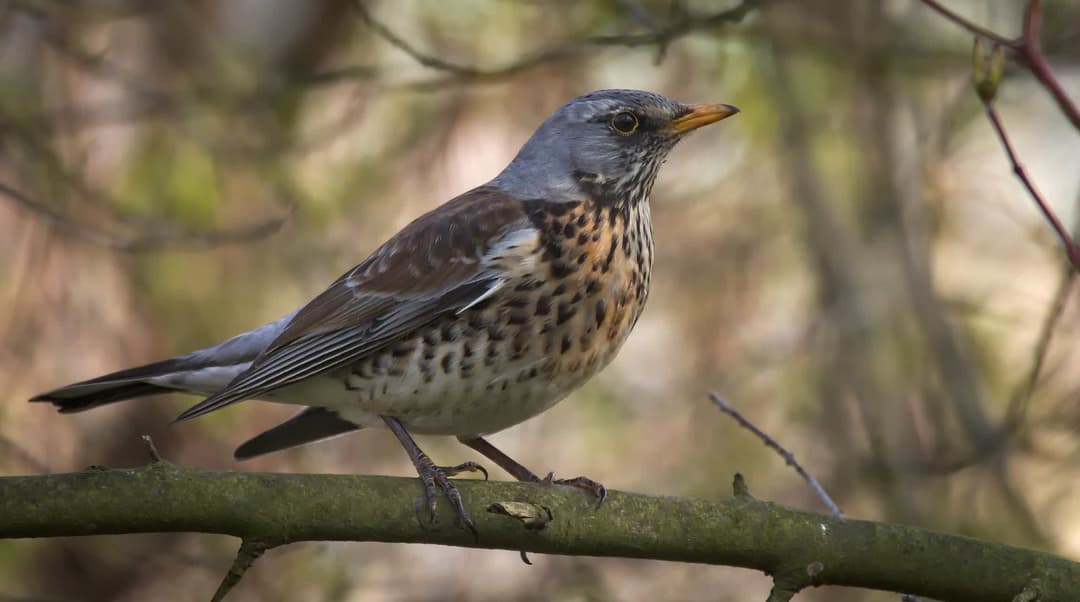
Thrushes are songbirds known for their brown to blue-grey upperparts and white underparts often with spots or markings. They have medium to long tails, and their size varies from small to medium. Some species have orange or red underwings, visible in flight.
Male vs female
In many thrush species, males and females have similar plumage, making it difficult to distinguish between them. However, in some species, males may have more vivid coloration or distinctive markings compared to females. There's often sexual dimorphism in size, with males being slightly larger.
Juvenile
Juvenile thrushes can resemble their parents, but they usually have duller plumage and less clear markings or spots. They may also be slightly smaller in size until full maturity. Their bills tend to be shorter and their feathers softer and fluffier.
Size
5.7 - 13.0 in/0.8 - 5.9 oz
There's more to learn about Thrush
View full detailsSong Thrush
Turdus philomelos
General appearance
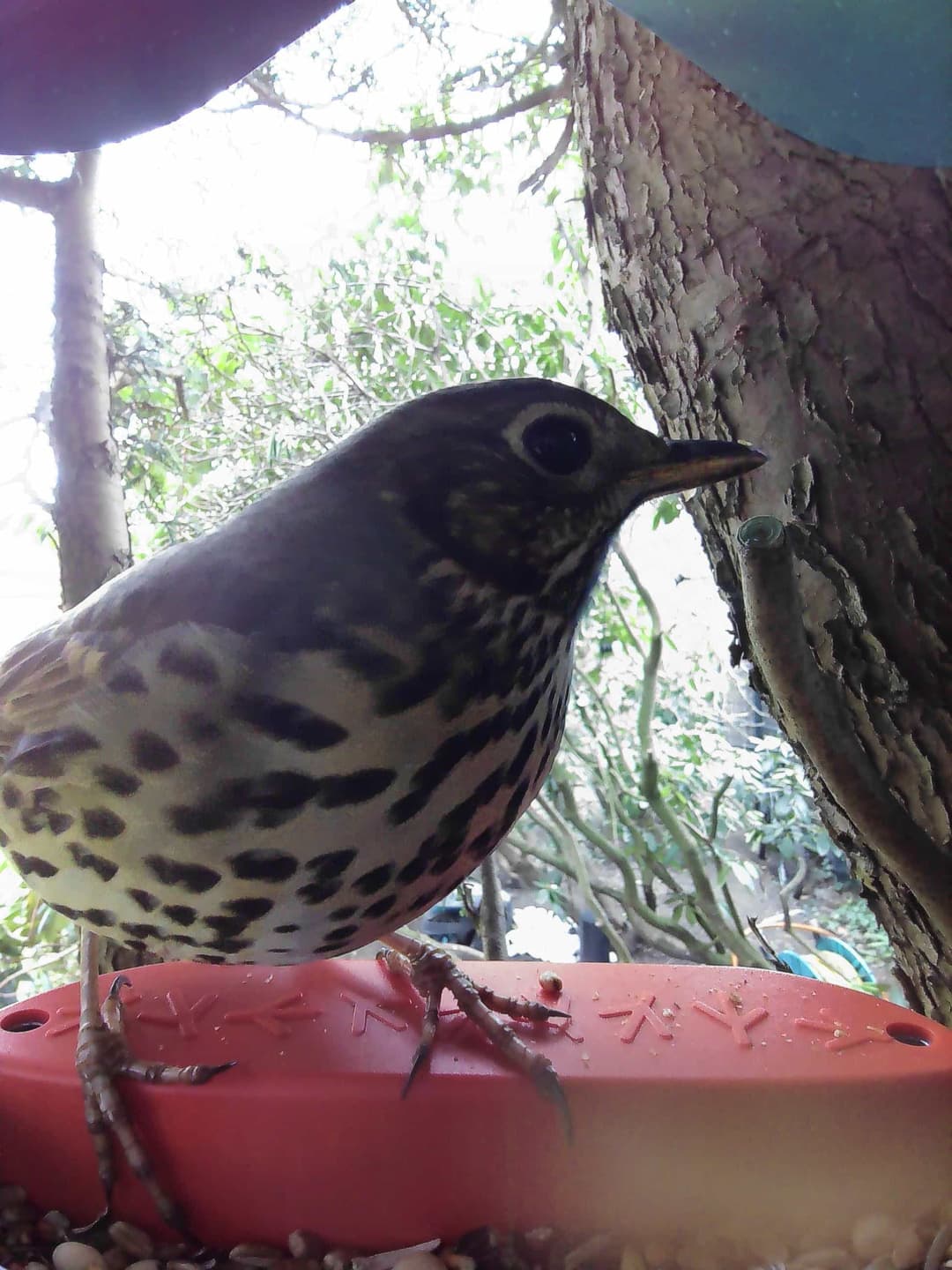
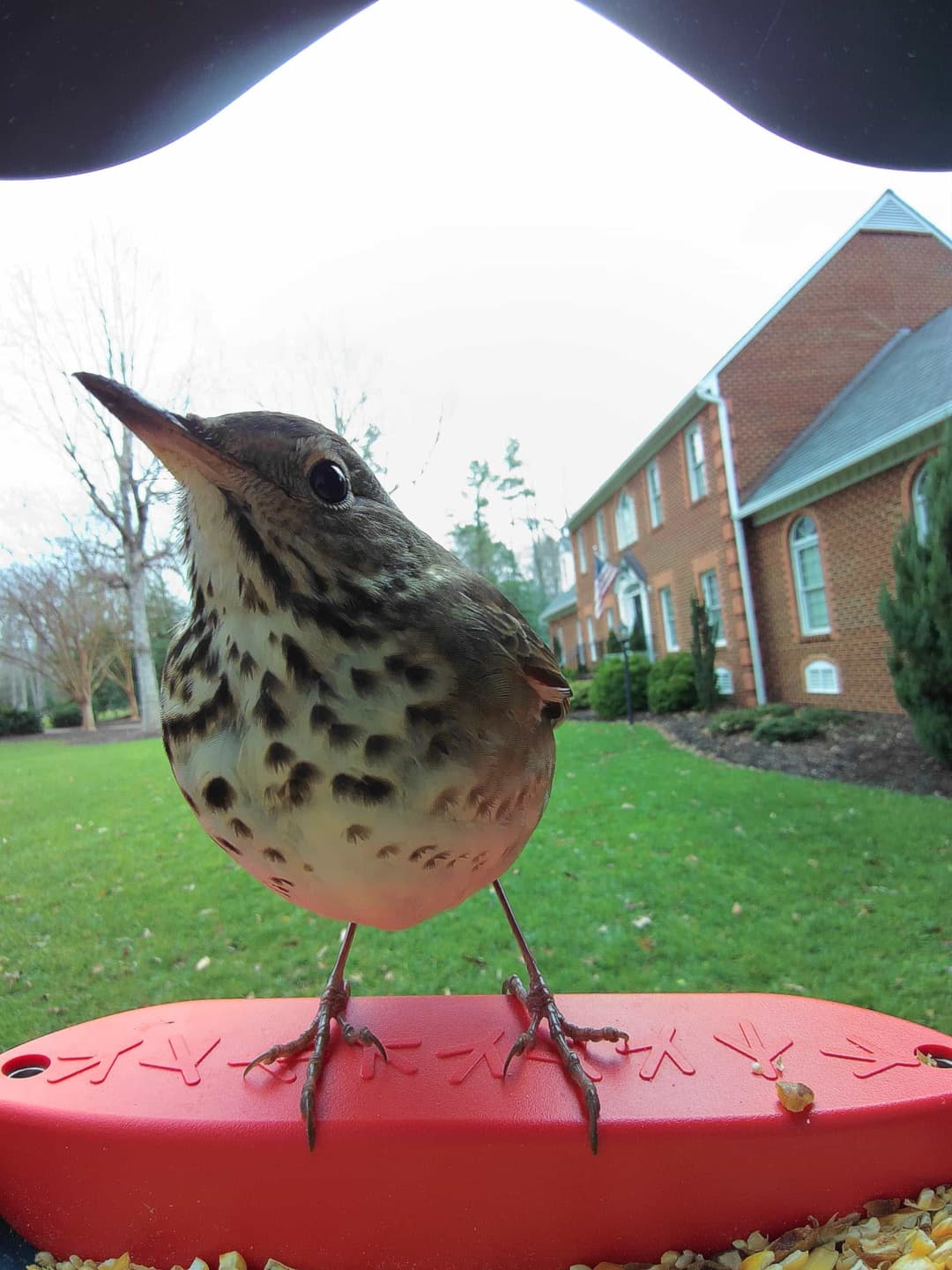
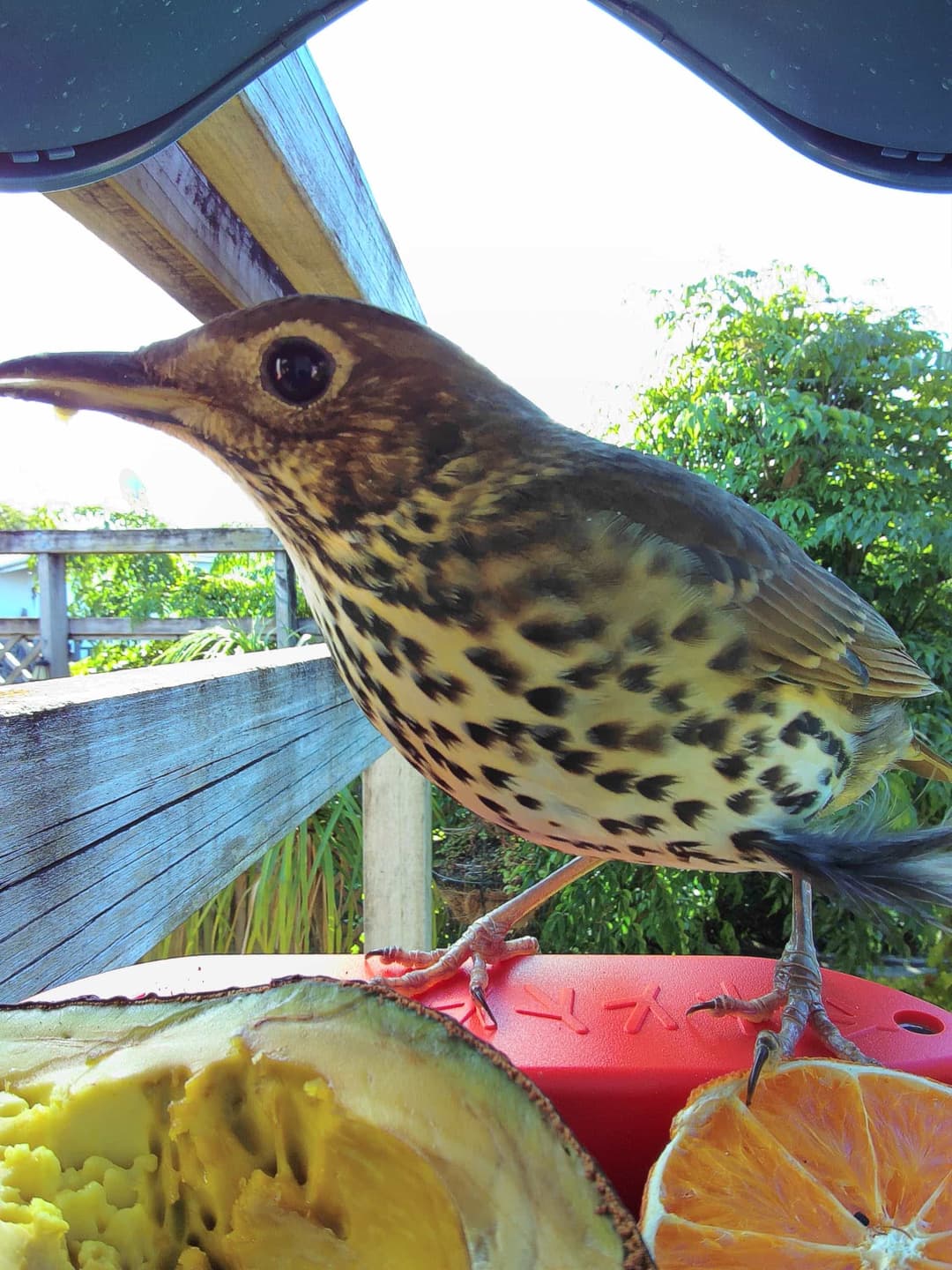
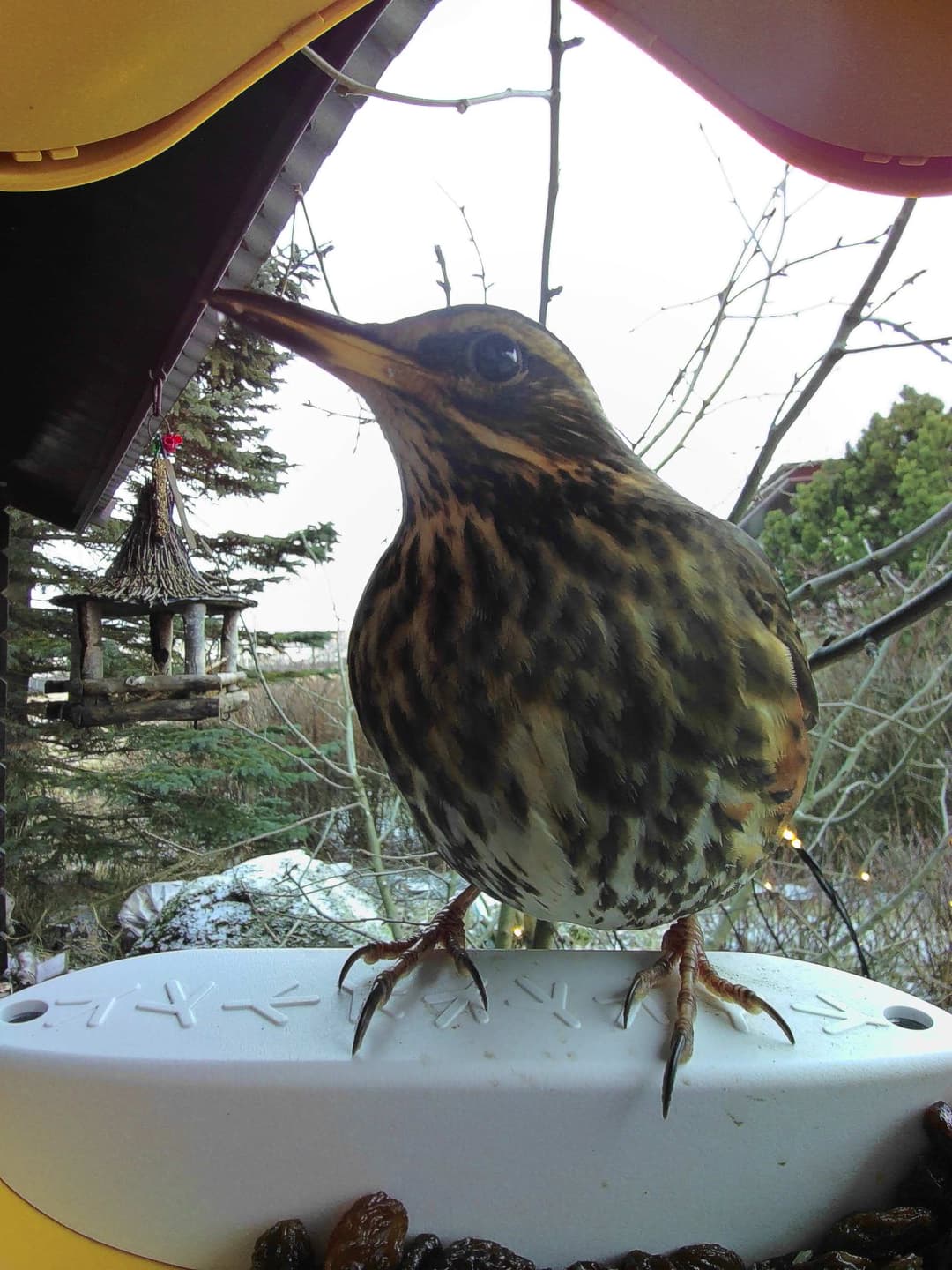
The Song Thrush is a bird recognizable with its warm brown upperparts and buff white chest and belly covered in black, kidney-shaped spots. Adults exhibit a speckled underbody and exquisite brown crown, while their underwings show a yellow hue during flight. Its distinctive coloration allows it to blend in woodland surroundings effectively. There are no significant seasonal variations in their appearance.
Male vs female
Males and females are quite similar in appearance with no distinctive differences. Both share the brown upperparts and speckled underparts. However, usually the male has a slightly larger size than the female.
Juvenile
Juvenile Song Thrushes are similar to the adults but their spotting is restricted to the underparts and their back is more uniformly brown. They exhibit a darker, almost black coloration on their beak, compared to the yellow of an adult. The juvenile's feather also have pale tips which are molted by the winter, resulting in a first-winter bird similar to the adult.
Size
7.9 - 9.1 in/1.8 - 3.8 oz
There's more to learn about Song Thrush
View full detailsHow to tell the Thrush from the Song Thrush
Visual differences
The Thrush (Turdidae) varies widely in appearance across species, generally featuring brown to blue-grey upperparts and white underparts with spots, and a size range of 5.7-13 inches. The Song Thrush (Turdus philomelos) consistently has warm brown upperparts with a buff white chest and distinctive black, kidney-shaped spots, measuring about 7.9-9 inches. Song Thrush underwings show a yellow hue in flight. Thrushes can have medium to long tails, while Song Thrushes exhibit more uniform brown back coloration. Song Thrush juveniles have darker beaks and paler feather tips compared to Thrush juveniles' duller plumage.
Key differences and behavior
The Thrush family and Song Thrushes exhibit distinct behaviors and preferences. Thrushes are a diverse group known for spreading seeds across ecosystems, and they thrive in wooded and varied habitats, including urban areas. Their diet shifts from insects and invertebrates in summer to fruits in colder months. In contrast, the Song Thrush is renowned for its rich vocalizations, often seen using stones to crack open snail shells. Both species share nesting habits of building cup-shaped nests, but Song Thrushes emphasize courtship through singing, with males leading the charge. While both consume insects and fruits, Song Thrushes cleverly use tools and visit ground-level feeders more frequently. Thrushes range widely in size, up to 13 inches, compared to the Song Thrush's more consistent 7.9-9 inches. Both birds adapt to gardens and benefit from fruit and insect-rich environments, but Song Thrushes display unique feeding behaviors and vocal prowess.
Still not sure? Here are more lookalikes!
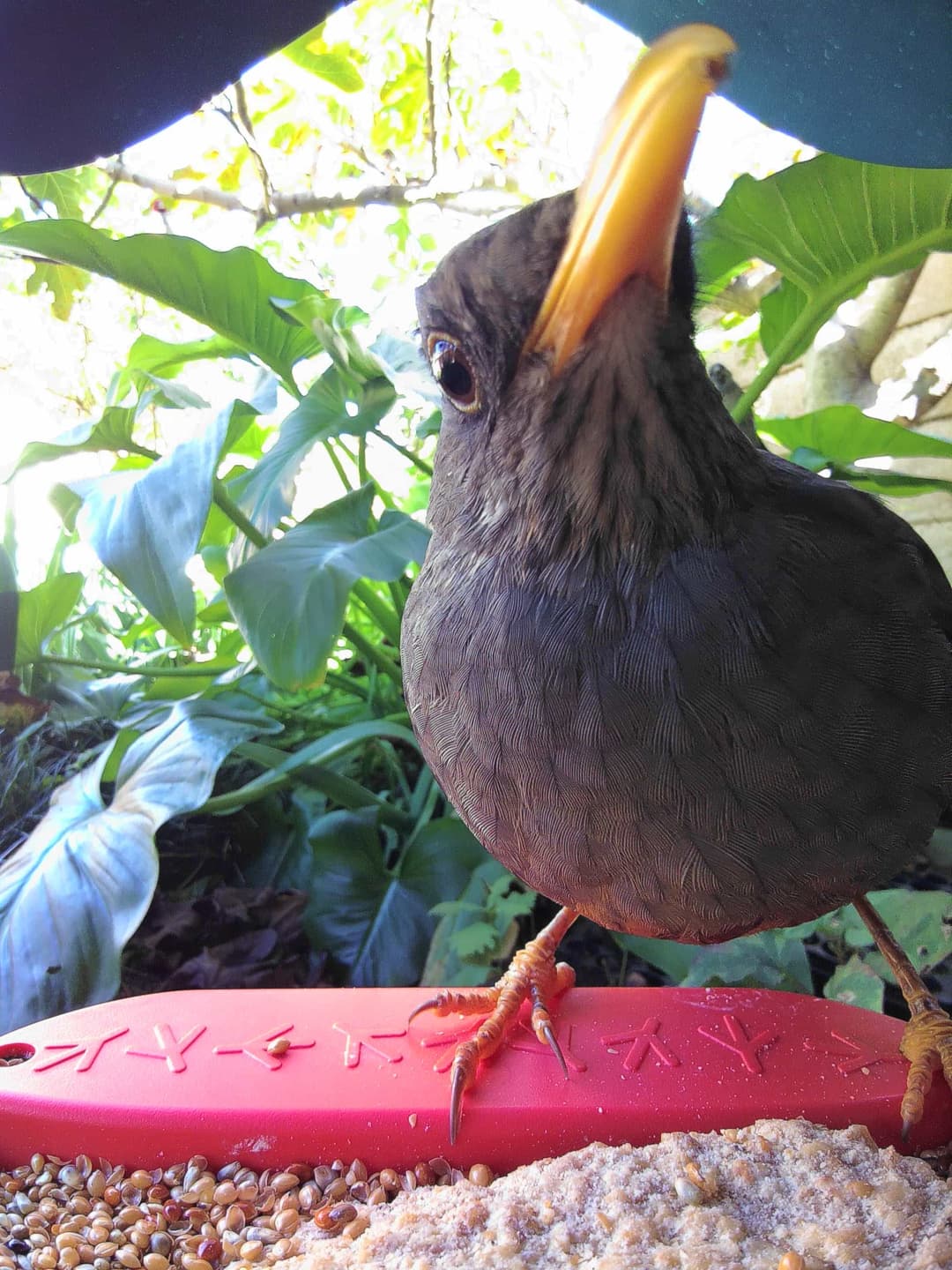
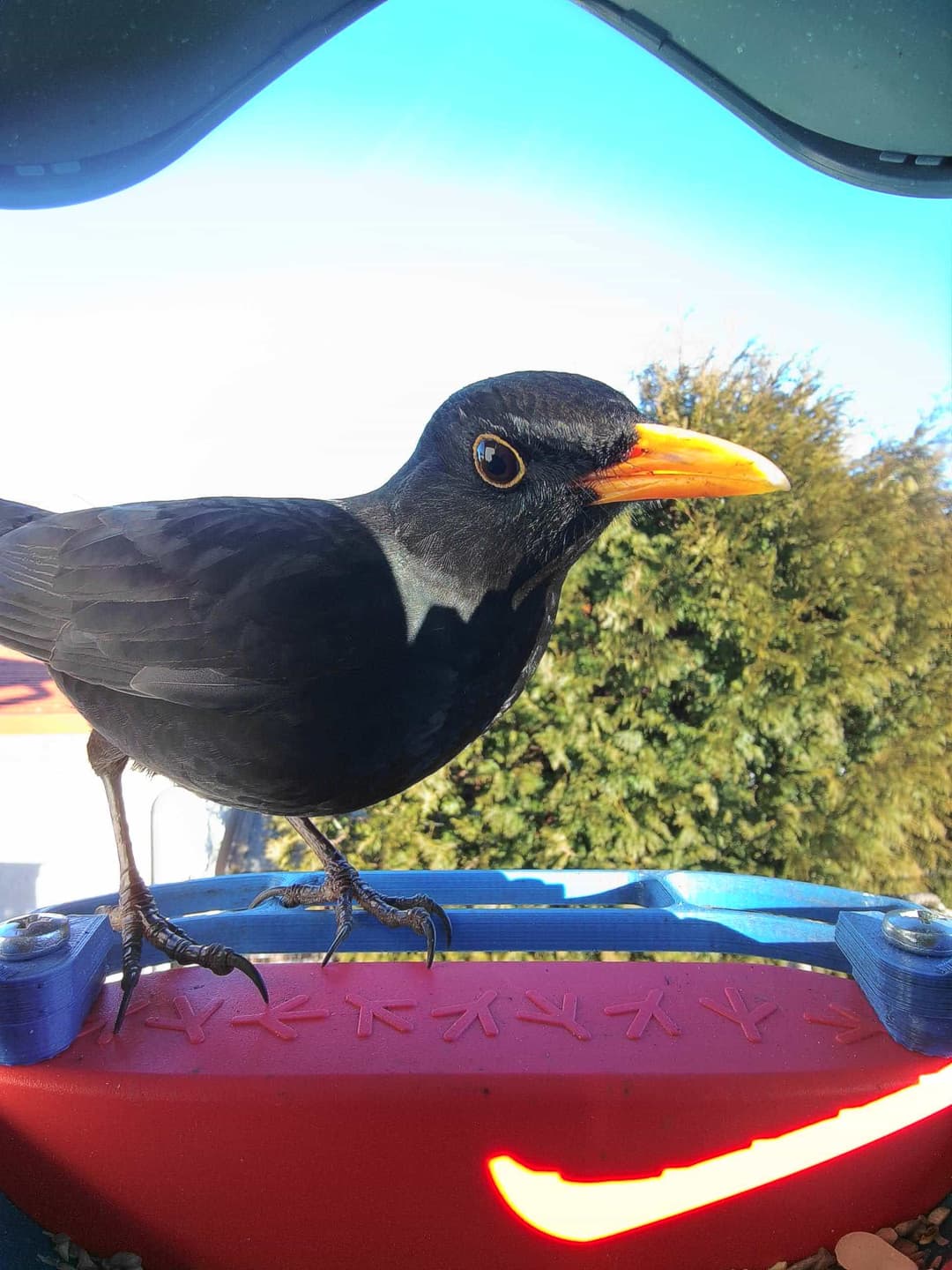
Thrush vs Common Blackbird
Thrush vs American Robin

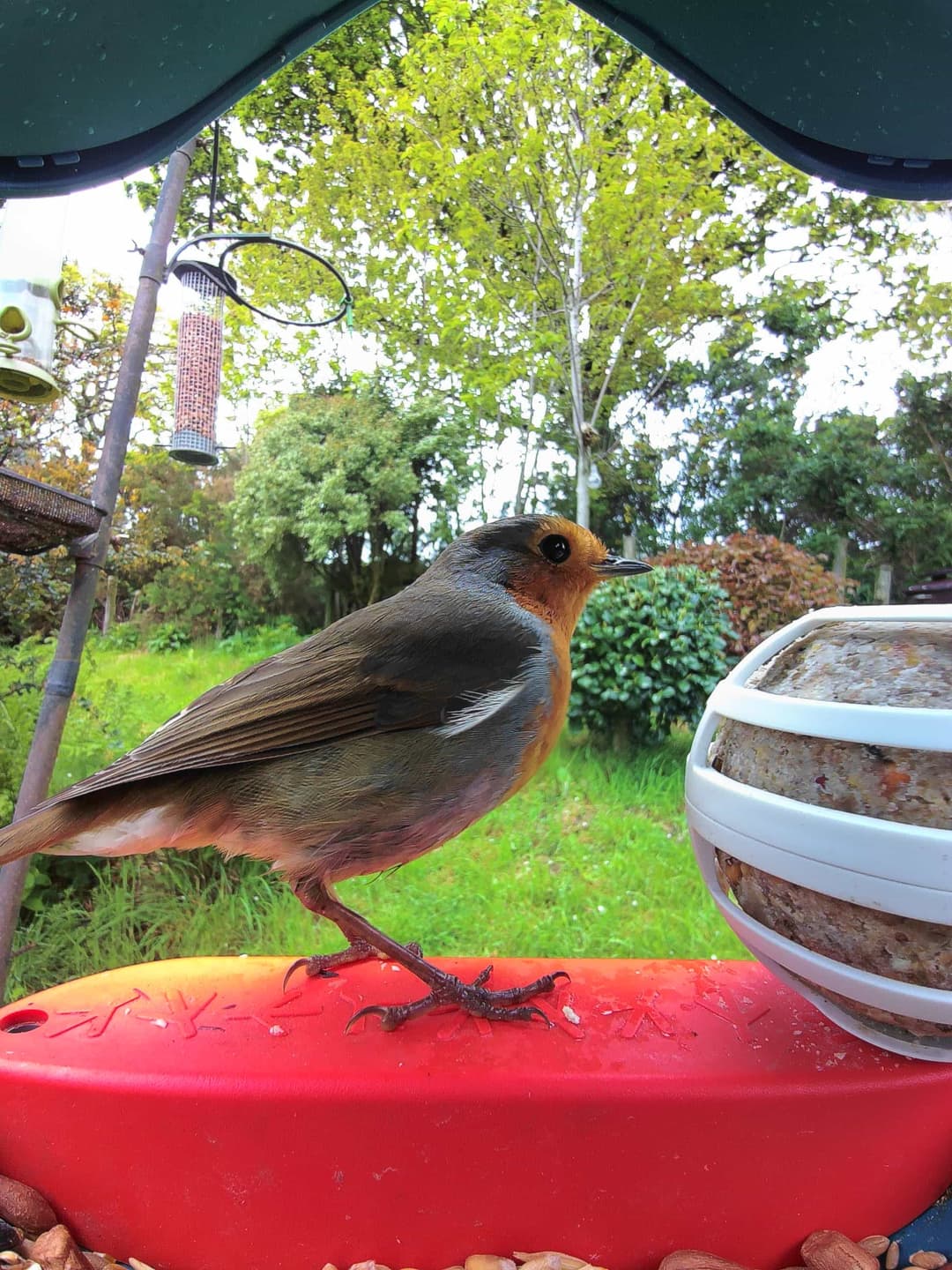
Thrush vs European Robin
Thrush vs [Select a bird]

[Select a bird]
Pick a bird to compare
Song Thrush vs [Select a bird]
[Select a bird]
Pick a bird to compare