Thrush or Varied Thrush?
Here's how to tell the difference
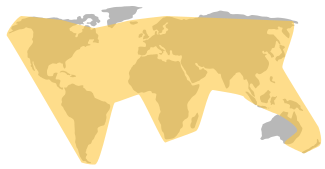

Thrush


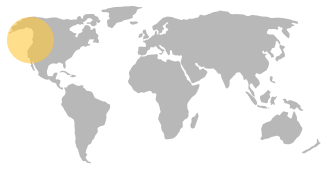
Varied Thrush
Thrush
Turdidae
General appearance
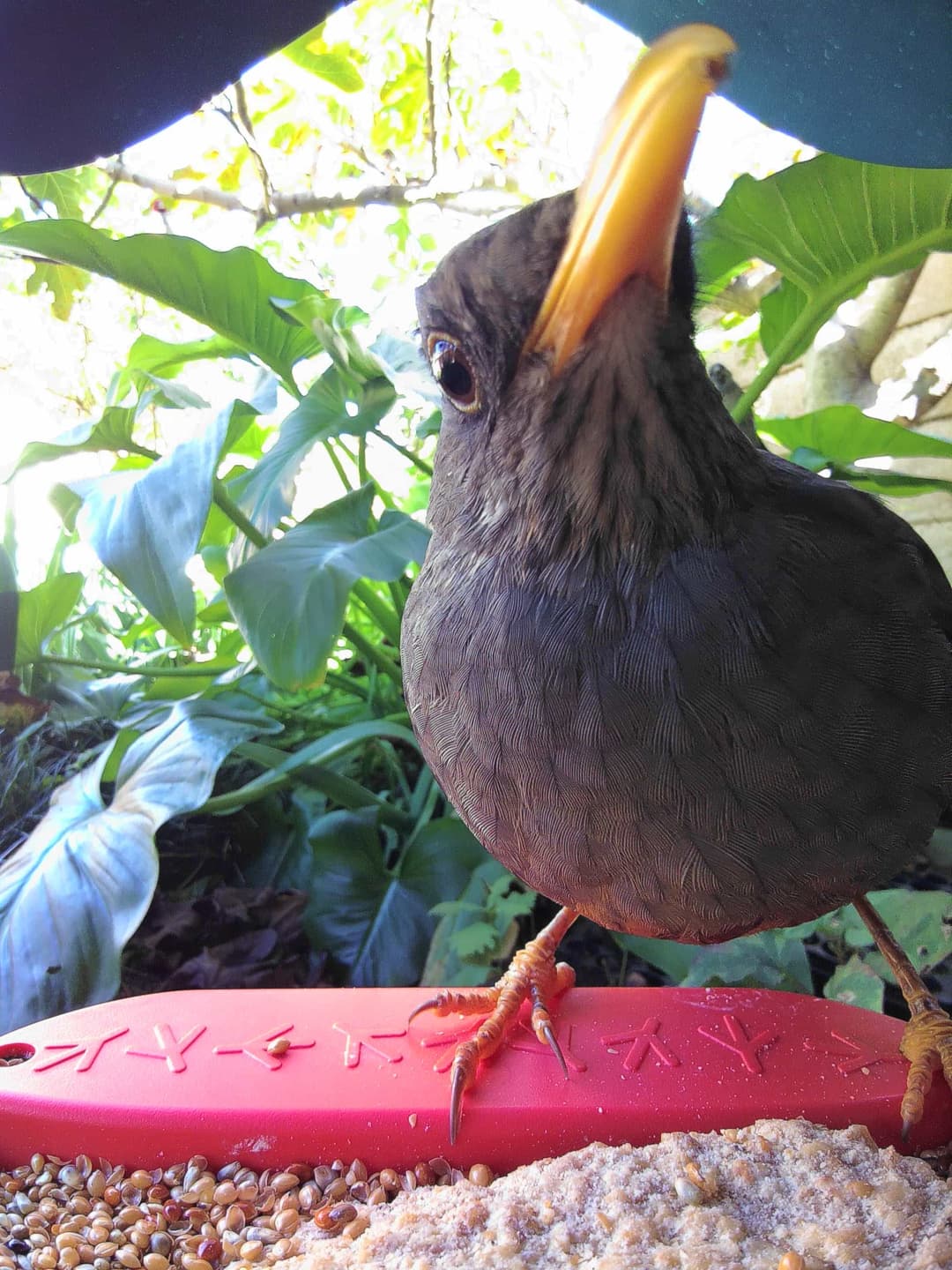
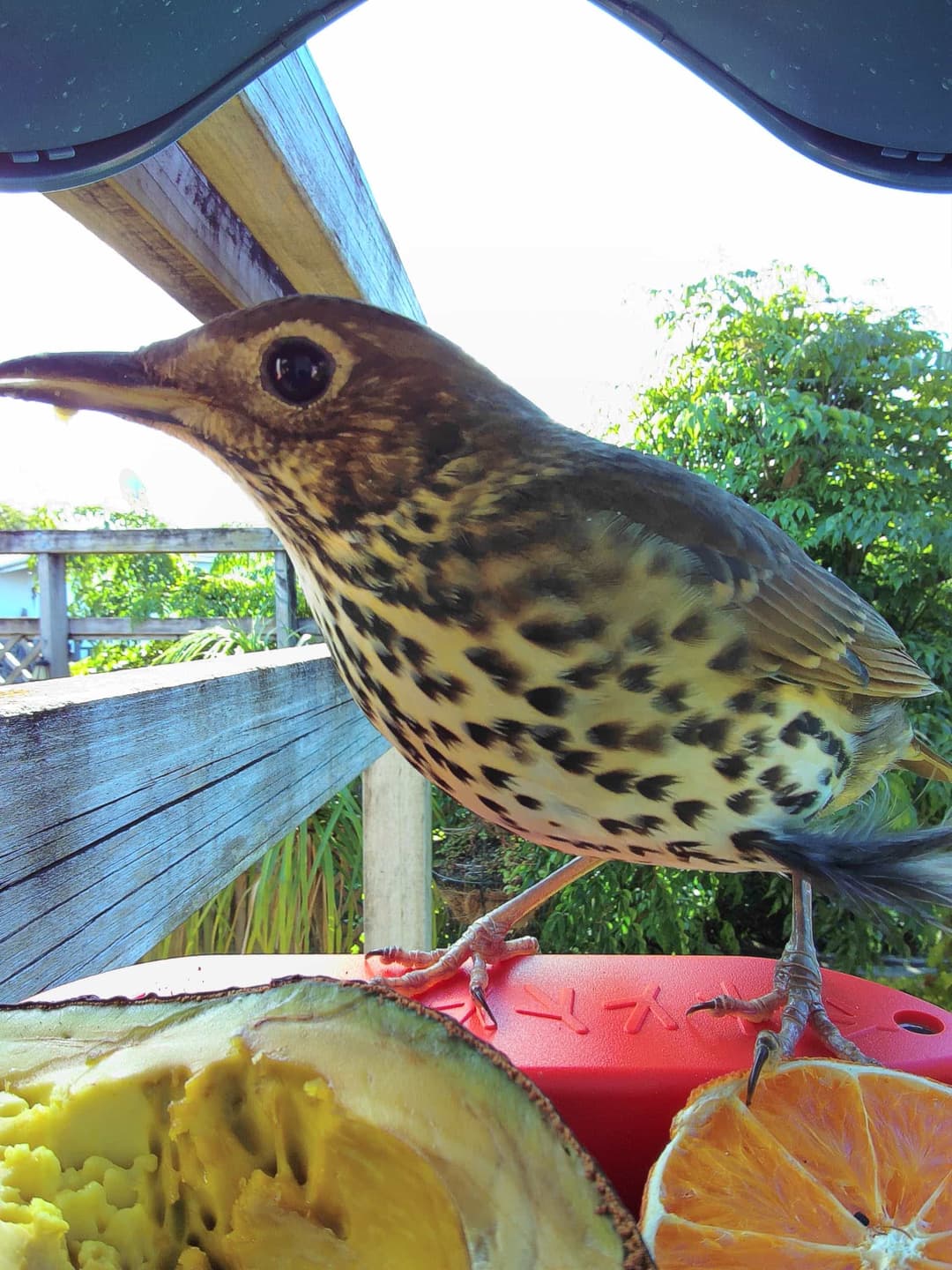
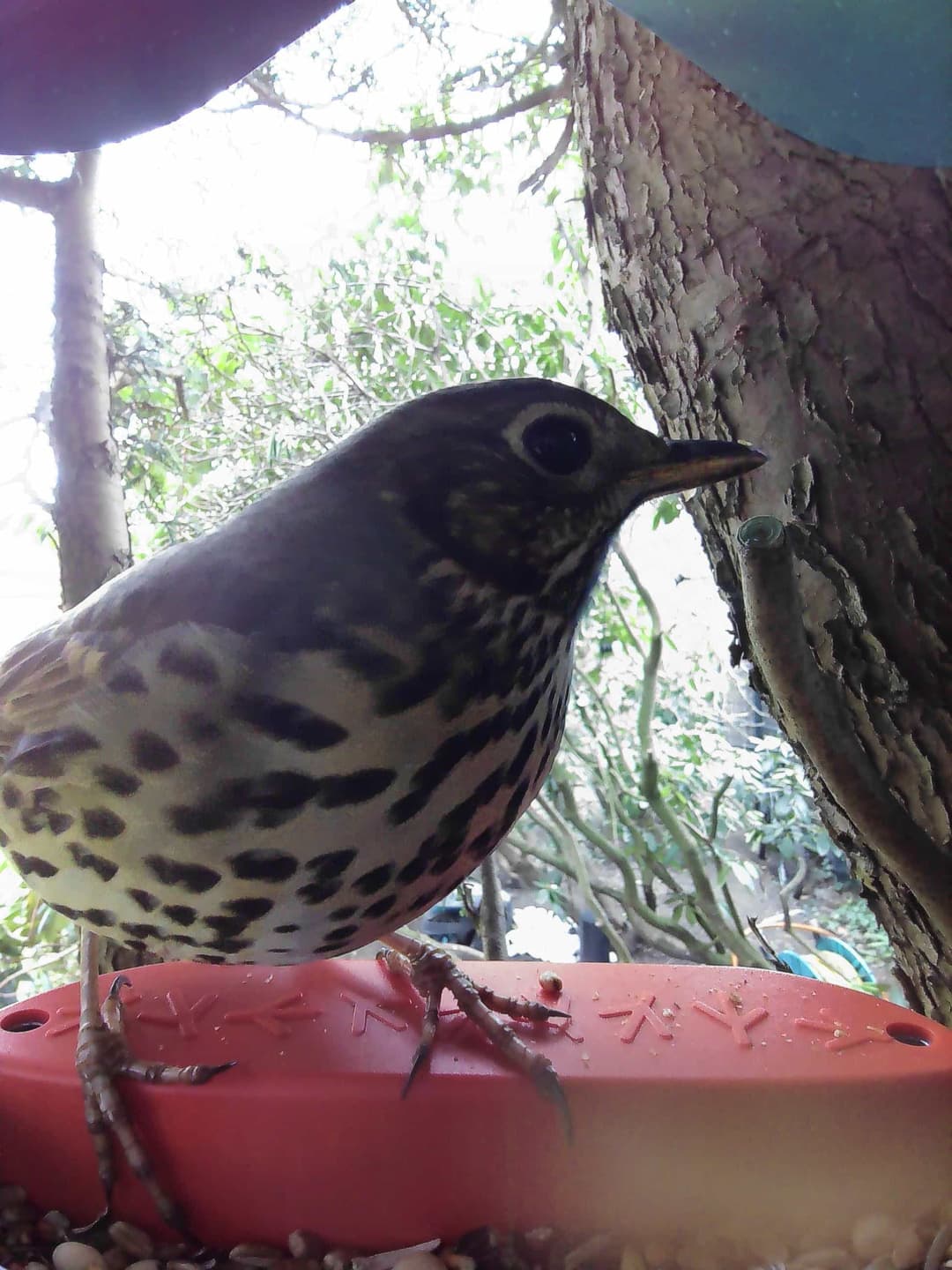
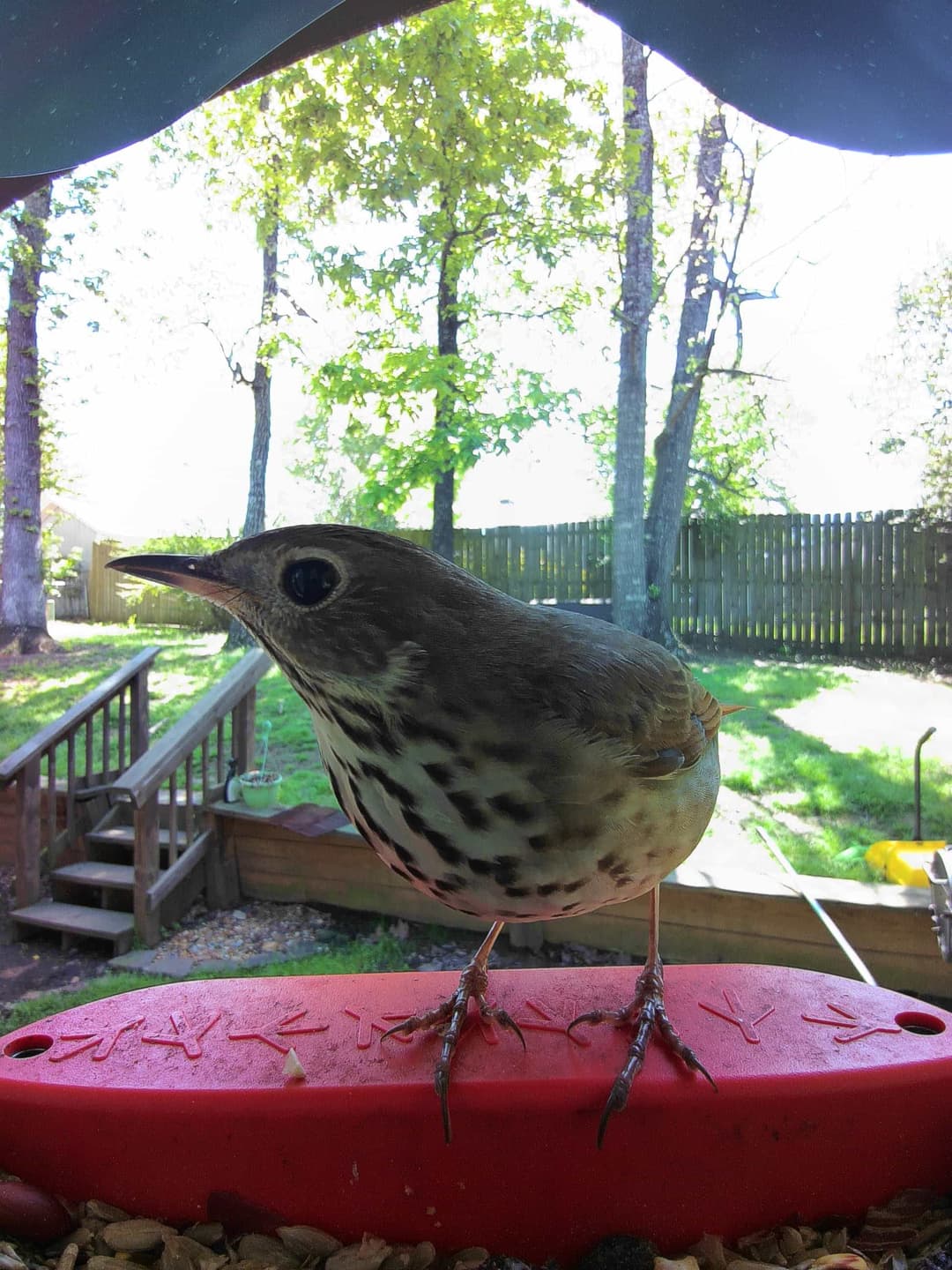
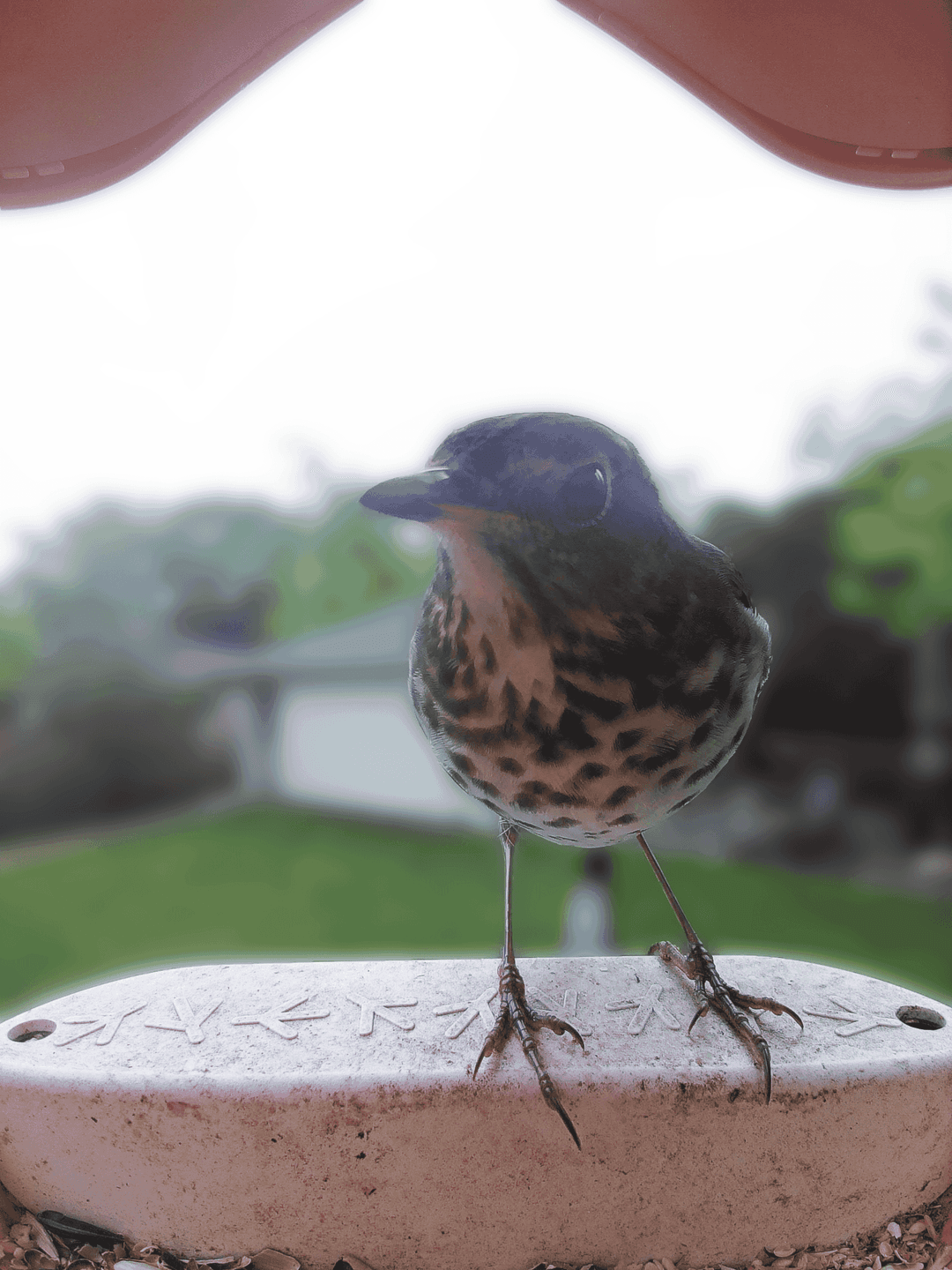
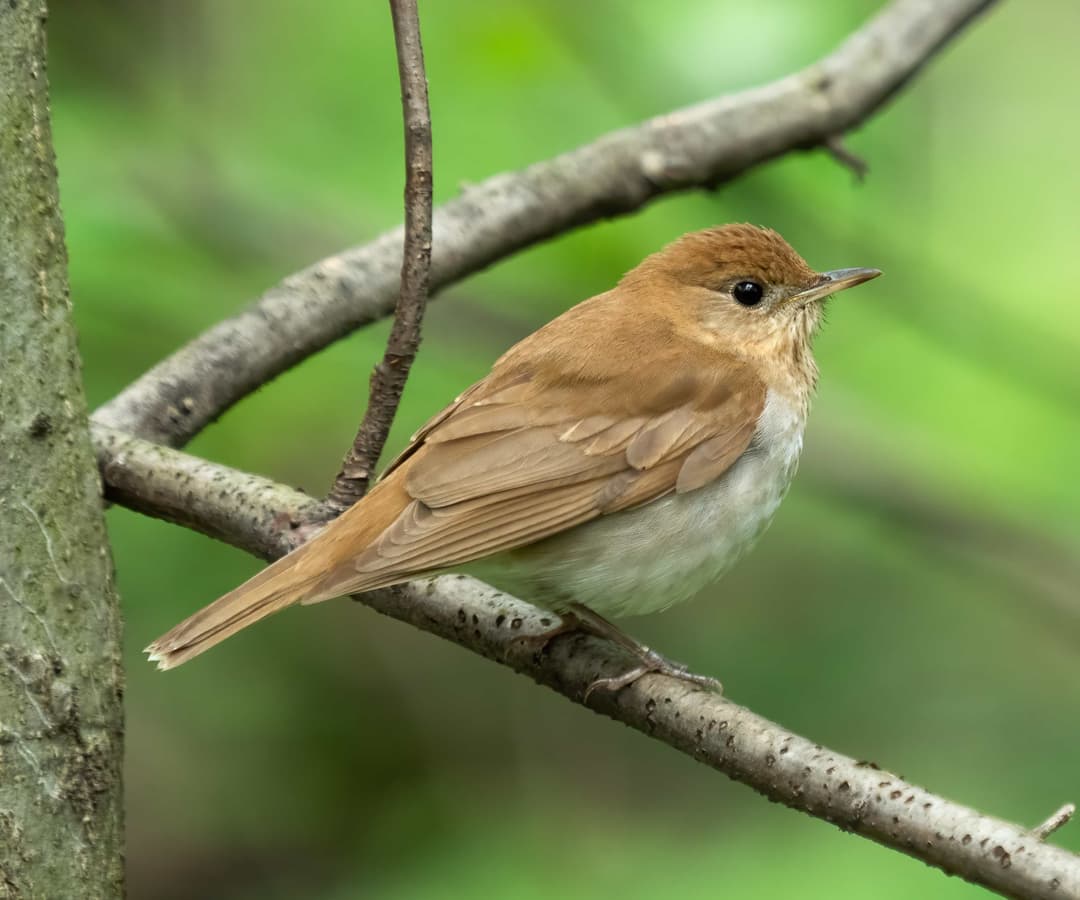
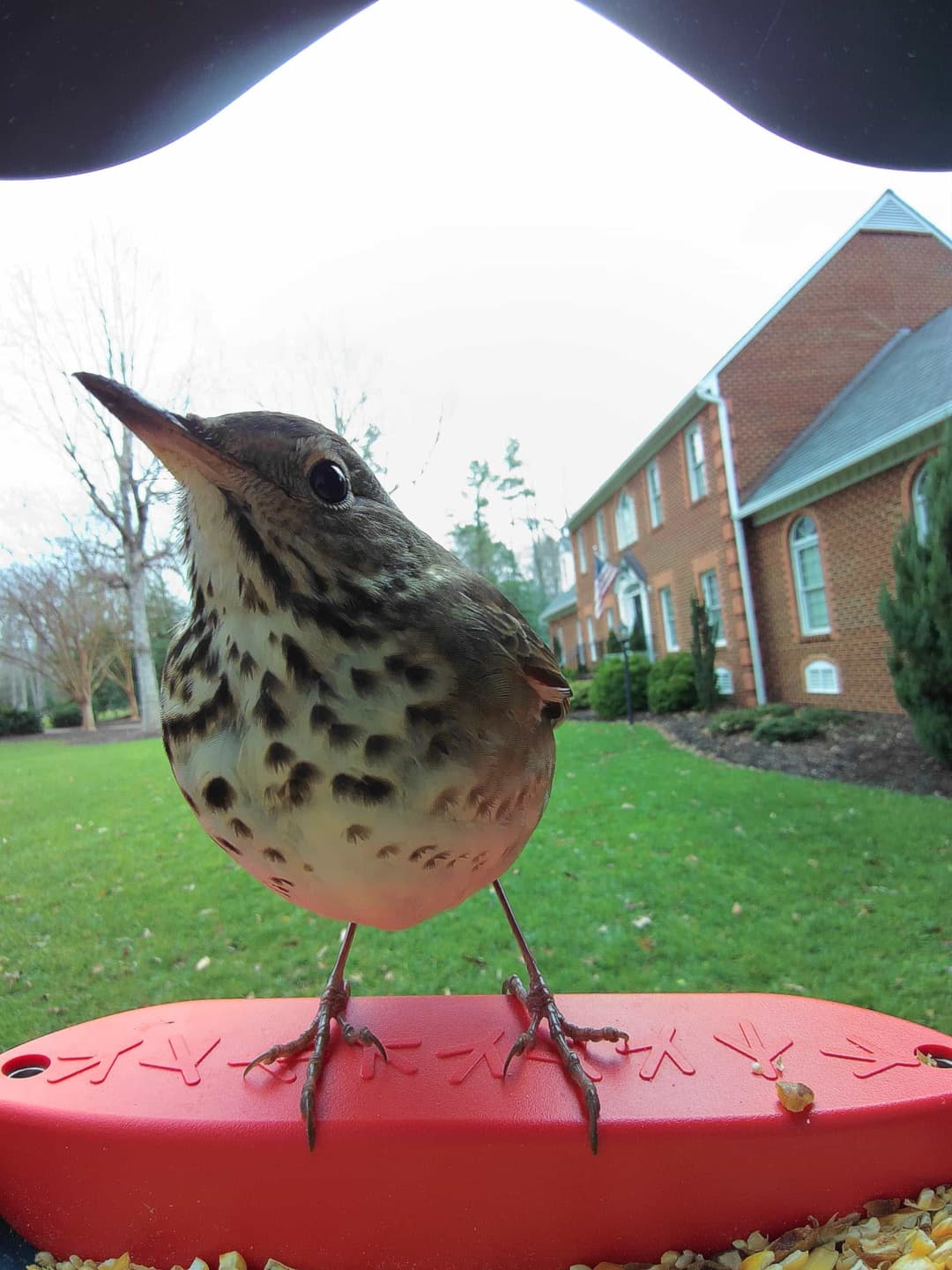
Thrushes are songbirds known for their brown to blue-grey upperparts and white underparts often with spots or markings. They have medium to long tails, and their size varies from small to medium. Some species have orange or red underwings, visible in flight.
Male vs female
In many thrush species, males and females have similar plumage, making it difficult to distinguish between them. However, in some species, males may have more vivid coloration or distinctive markings compared to females. There's often sexual dimorphism in size, with males being slightly larger.
Juvenile
Juvenile thrushes can resemble their parents, but they usually have duller plumage and less clear markings or spots. They may also be slightly smaller in size until full maturity. Their bills tend to be shorter and their feathers softer and fluffier.
Size
5.7 - 13.0 in/0.8 - 5.9 oz
There's more to learn about Thrush
View full detailsVaried Thrush
Ixoreus naevius
General appearance
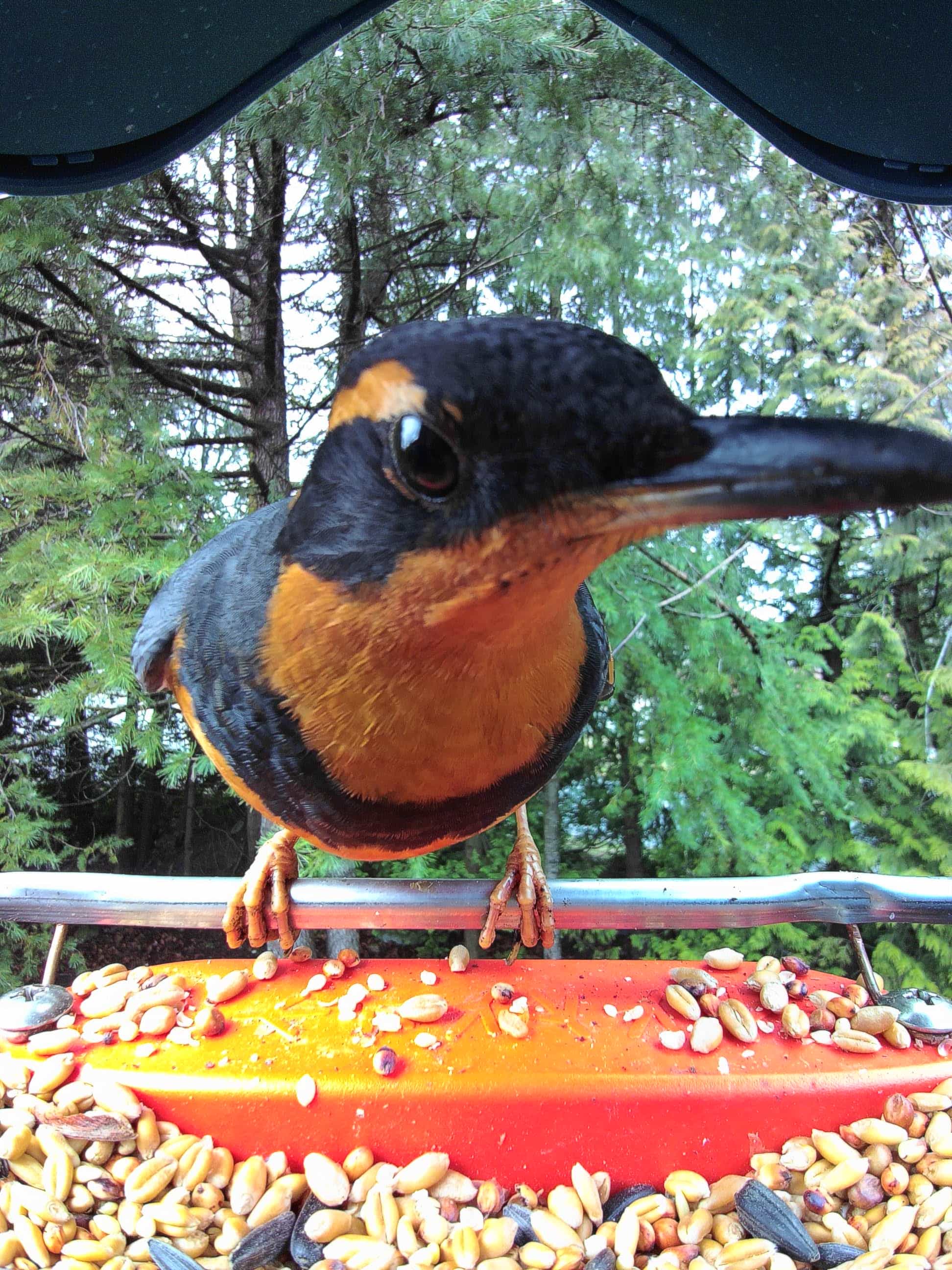
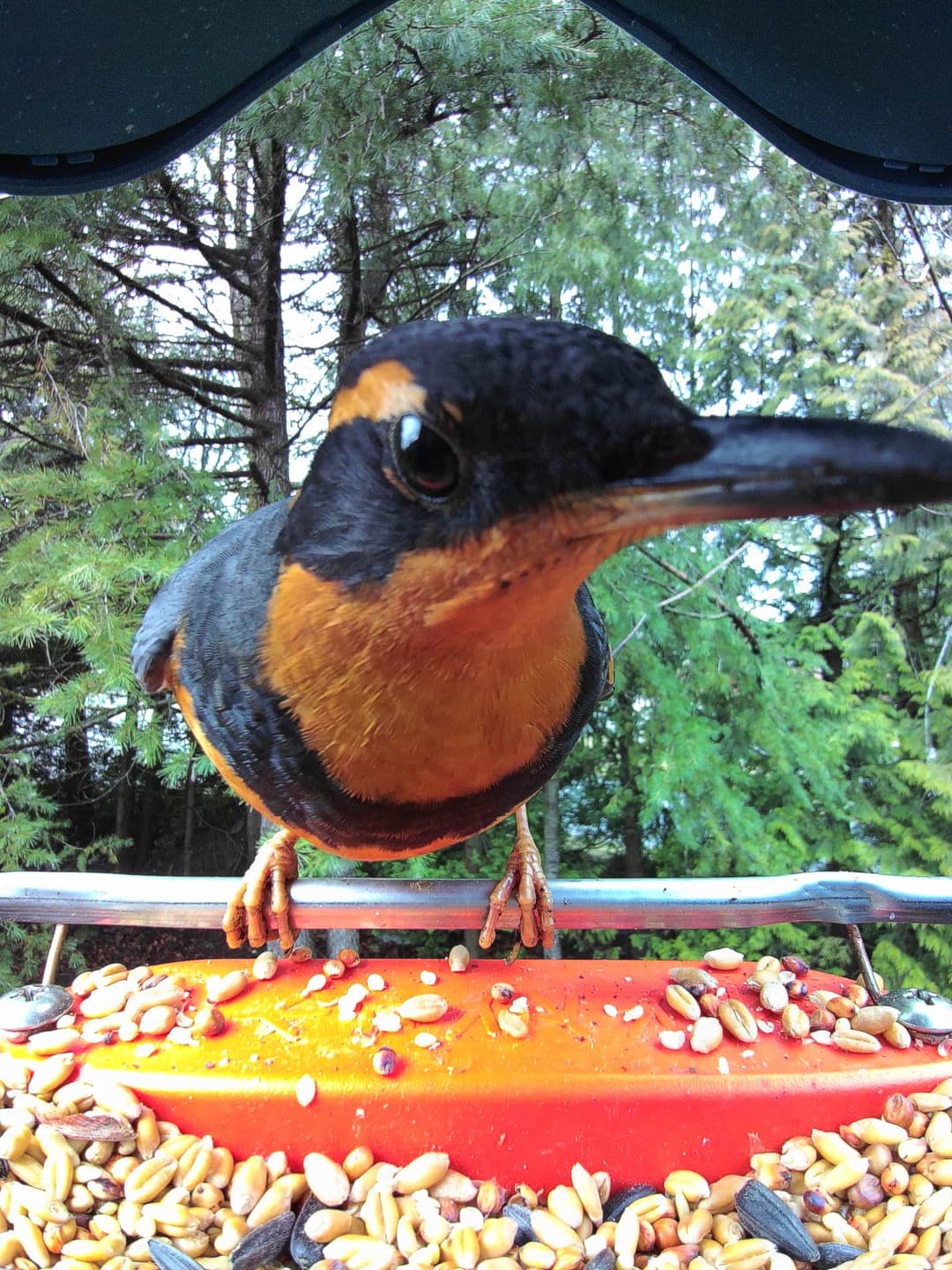
The Varied Thrush is about the size of a Robin, measuring between 9-10 inches (23-25 cm). Distinctive features include an orange throat and eyebrow, a dark chest band, and extensive orange markings on the wings. The bird has a black, blue, brown, and gray coloration. Lastly, its tail shape can vary between rounded to square-tipped.
Male vs female
The male and female Varied Thrush have slight distinctions. The female is duller than the male in terms of coloration. While both sexes have the same varying palette of black, blue, brown, gray, and orange, the female's upperparts are conspicuously paler in comparison.
Juvenile
Juvenile Varied Thrushes exhibit mottling on their chests, but their wing pattern is identical to that of adults. Despite not having fully adopted their adult colorations, the orange wing markings are already prominent, aiding in their identification in the wild.
Size
7.5 - 10.4 in/2.3 - 3.5 oz
There's more to learn about Varied Thrush
View full detailsHow to tell the Thrush from the Varied Thrush
Visual differences
Thrushes vary in size (5.7-13 inches), with brown to blue-grey upperparts and spotted white underparts. They have medium to long tails and may show orange or red underwings in flight. In contrast, the Varied Thrush (9-10 inches) features an orange throat and eyebrows, a dark chest band, and pronounced orange wing markings, with a mix of black, blue, brown, and gray plumage. Thrushes generally have softer, less contrasting colors, whereas Varied Thrushes exhibit more vivid and distinctive markings, aiding in easier identification.
Key differences and behavior
Thrushes, encompassing 174 species, are migratory songbirds primarily found in wooded temperate regions. They forage mainly on the ground, consuming insects and adapting their diet to seasonal fruit availability. Their elaborate courtship involves singing and food presentation, with both parents caring for the chicks in cup-shaped nests. In contrast, the Varied Thrush, native to dense coniferous forests in coastal areas, aggressively defends feeders and establishes small territories. During breeding, males sing to defend territories, while females handle nesting. Both species shift diets with the seasons, focusing on insects and berries but differ in habitat preference and territorial behavior. Thrushes frequently forage in urban spaces, whereas Varied Thrush prefers coniferous woods near streams. Both are rarely seen at feeders but enjoy similar food items, underscoring their adaptability.
Still not sure? Here are more lookalikes!
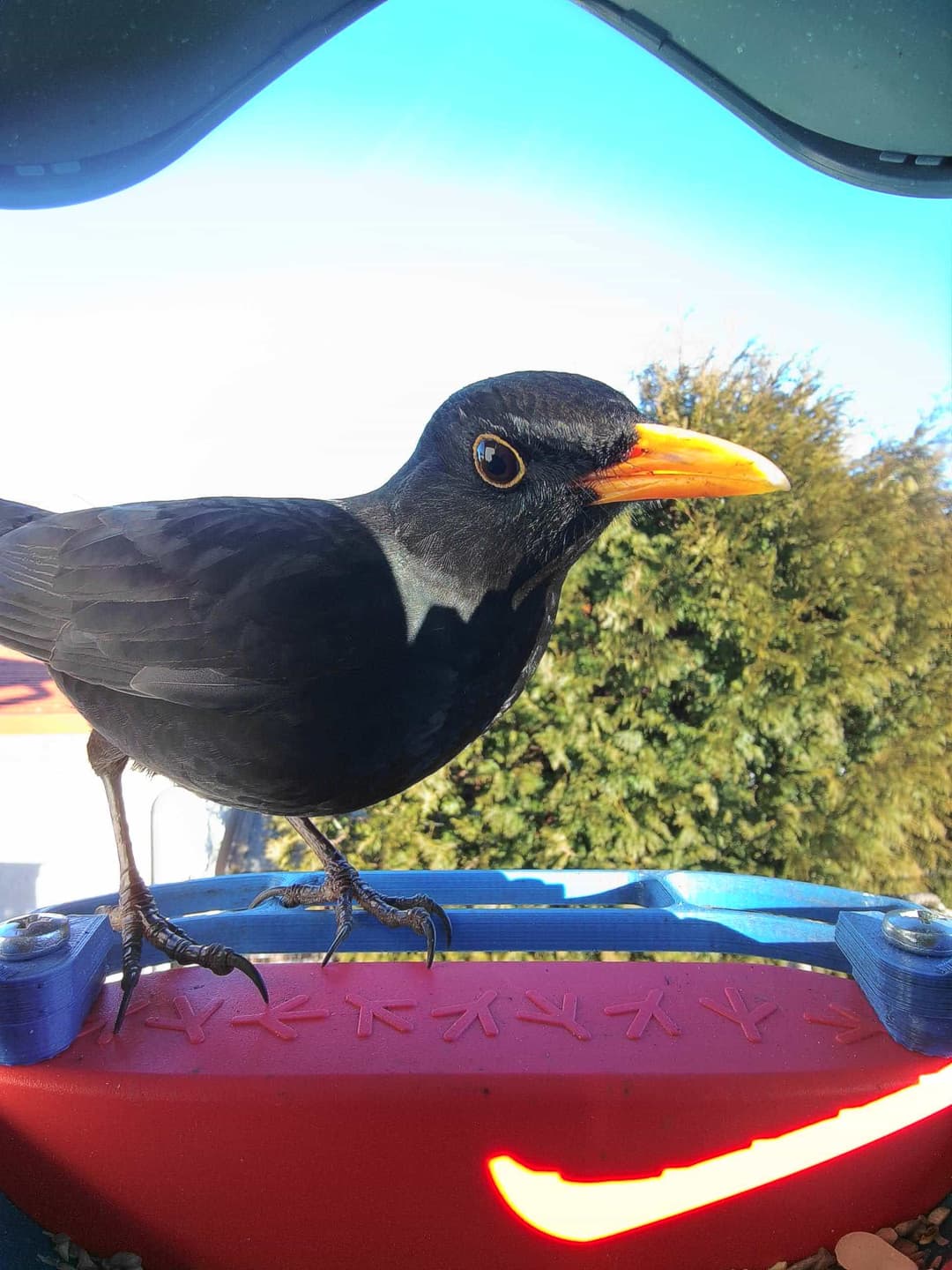
Thrush vs Common Blackbird
Thrush vs American Robin

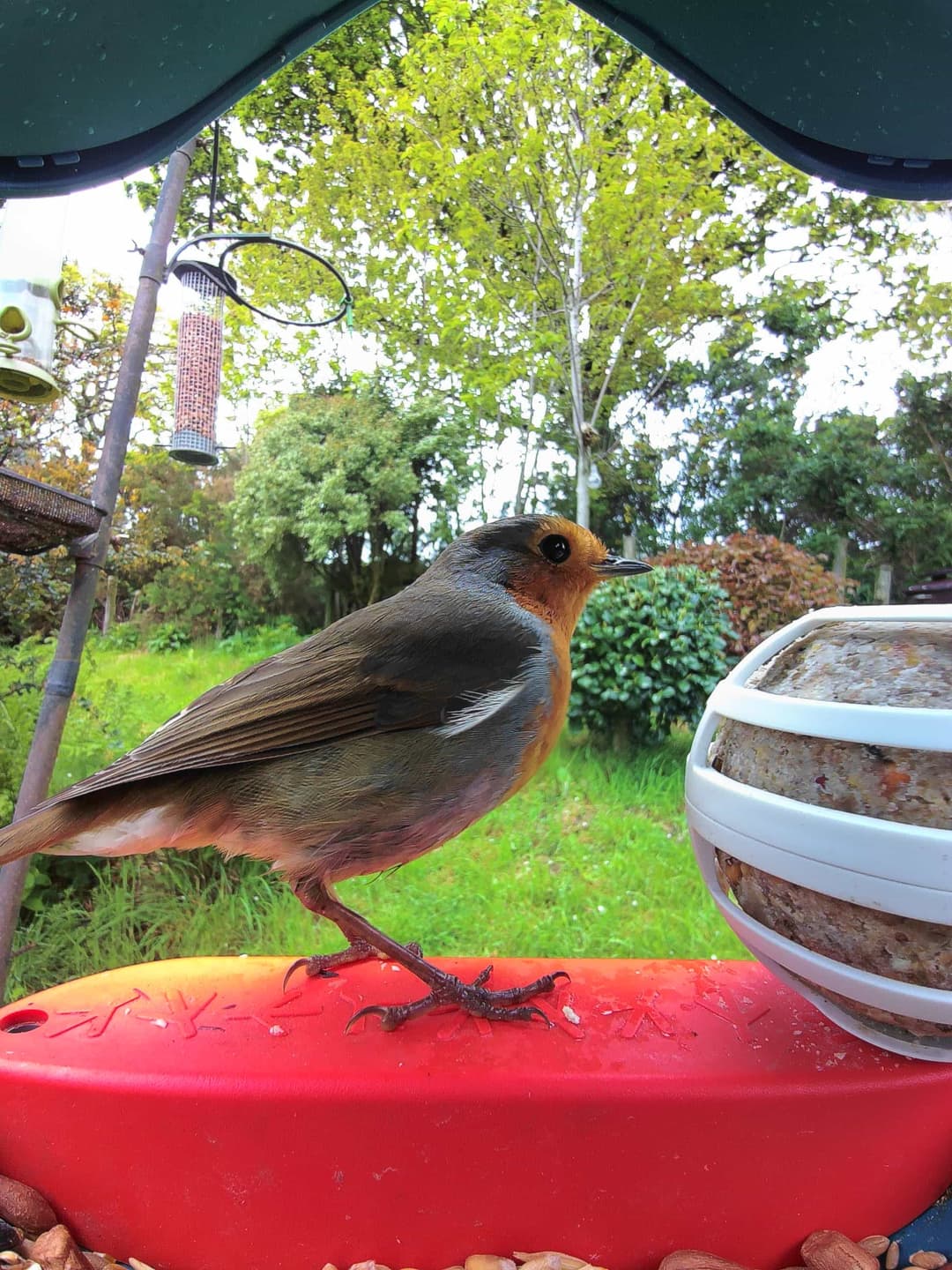
Thrush vs European Robin
Varied Thrush vs American Robin
Thrush vs [Select a bird]

[Select a bird]
Pick a bird to compare
Varied Thrush vs [Select a bird]
[Select a bird]
Pick a bird to compare