
Veery
Veery
Also known as: Wilson's Thrush, Tawny Thrush
Catharus fuscescens
Quick Identification guide
Quick Identification guide
Male
- •
Overall warm brown upperparts that transition to a white underbelly
- •
Subtle spotting on the pale buff chest
- •
Short, straight bill suited for its diet
Female
- •
Shares the warm brown upperparts similar to males
- •
The pale chest may exhibit even subtler spotting
- •
Like the male, it has a short, straight bill
What does a veery sound like?
The veery's vocalizations display a unique richness, often described as a downward spiral with an ethereal quality. Its song unfolds in a delicate descending swirl, creating a mesmerizing auditory experience. In addition to its song, the veery typically emits a characteristic call note, which can be represented as a gradually lowering 'whew'. This call note further adds to its mysterious and captivating aura. These innately soothing and complex songs and calls distinguish the veery, making its vocalizations remarkably pleasant and instantly recognizable.
Description
These little birds are very easy to identify! One of the easiest thrushes in North America, in fact. They migrate at night and can fly up to 160 miles in a single night, at altitudes of up to 1.2 miles! That's quite the trip, and they make it shorter by calling to each other while flying. They are generally pretty vocal and males and females duet when they're courting each other.
The veery can weigh between 25to41grams and be from17to18centimeters tall.
The Veery, a species of thrush, typically has a lifespan of about 10 years. Compared to other thrush species like the American robin that lives around 10 to14 years, or the smaller Swainson's thrush which has an average lifespan of 8 years, the Veery has a moderately long life expectancy. Life spans may vary depending on environmental factors and predation.
Did you know?
Most popular questions about veery
How to recognise a veery?
General appearance
The veery (Catharus fuscescens) is a medium-sized thrush with warm, cinnamon-brown upperparts and a subtly spotted pale tawny breast. It has a white underbelly and distinct buffy eye-ring. Its song is a spiraling, fluty series of notes, distinctive during its breeding season.
Male vs female
The veery shows minimal sexual dimorphism, meaning males and females have very similar appearances. Both sexes share the same coloration and size, usually around 16-18 cm long with a wingspan of about 28 cm. Behavioral cues and song patterns, notable in males, are often used for differentiation.
Juvenile
Juvenile veeries resemble adults but typically exhibit more pronounced spotting on the chest. Their plumage is generally duller, aiding in camouflage. As they mature, they attain smoother, more uniform coloration. They take up the adult's distinctive appearance as they prepare for migration and the upcoming breeding seasons.
Often mistaken for
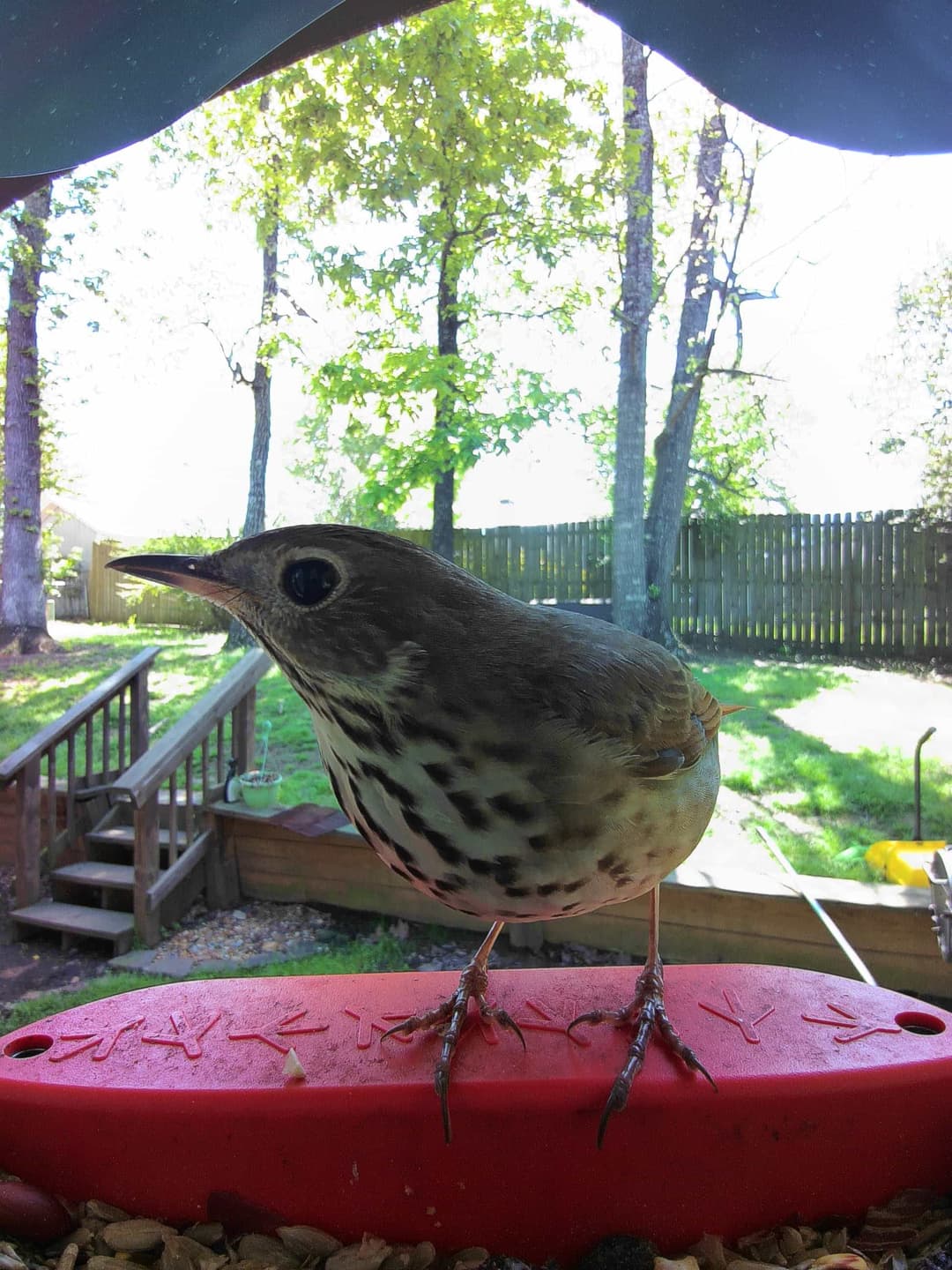
Hermit Thrush vs Veery
The Hermit Thrush is similar in appearance to the Veery but can be distinguished by its reddish tail. The Hermit Thrush has a more prominent spotting on the breast compared to the Veery's more uniform coloration.
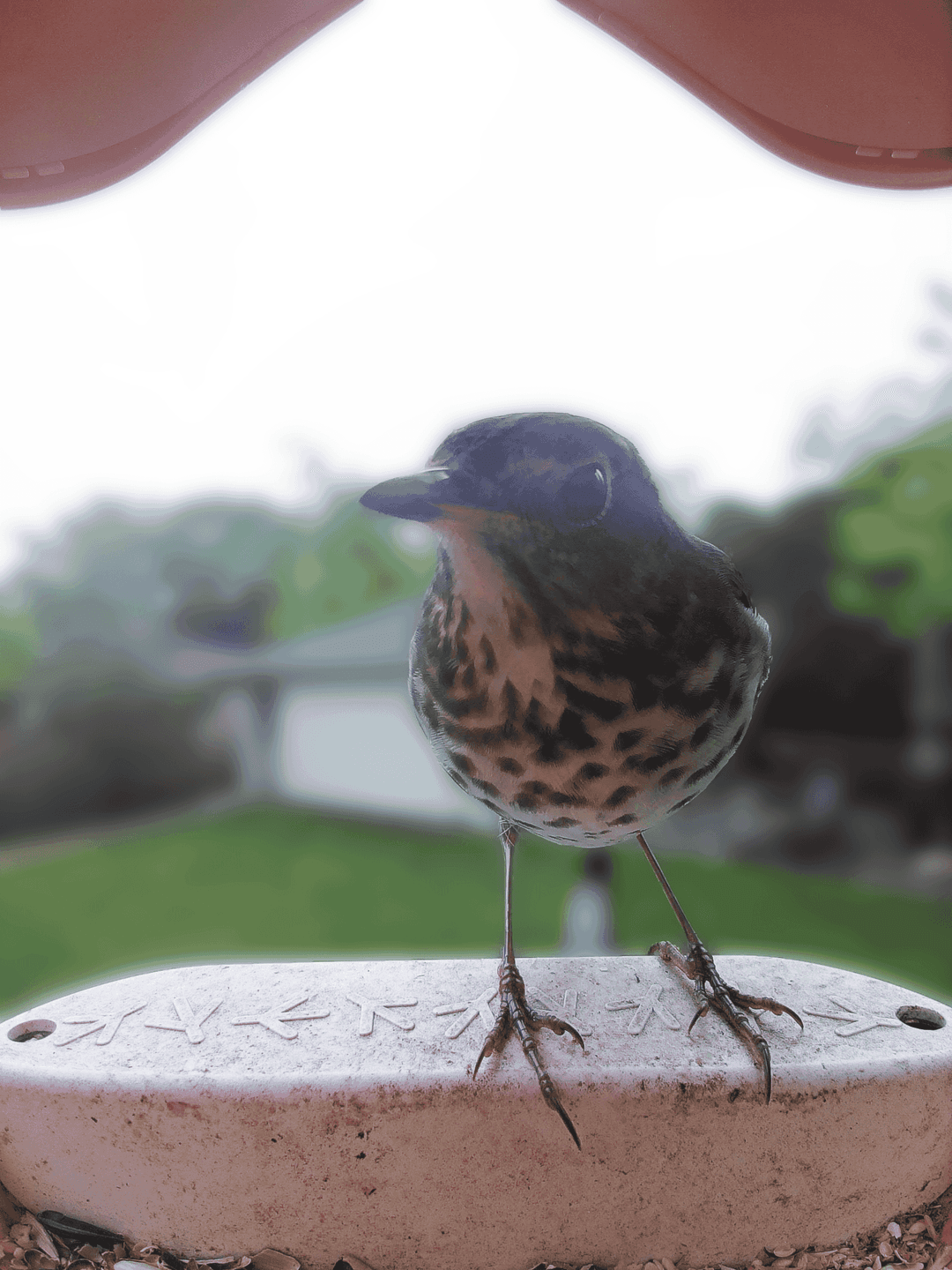
Swainson's Thrush vs Veery
Swainson's Thrush resembles the Veery but has a more distinct eyering. Unlike the Veery's plain underparts, Swainson's Thrush has faint breast spotting.
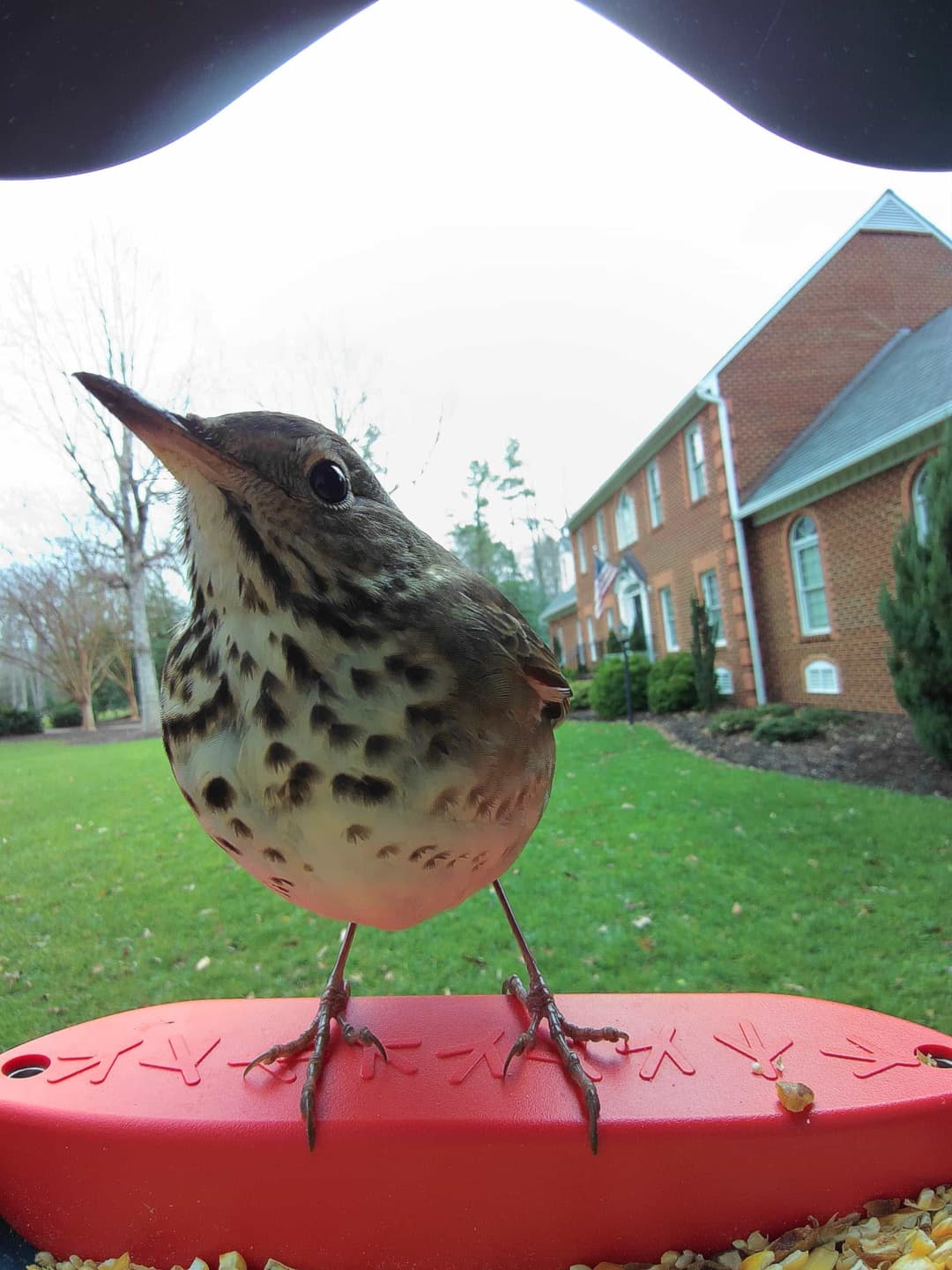
Wood Thrush vs Veery
The Wood Thrush is similar to the Veery but is larger in size and has heavy black spots on the chest. Its underparts are whiter compared to the Veery's buff color.
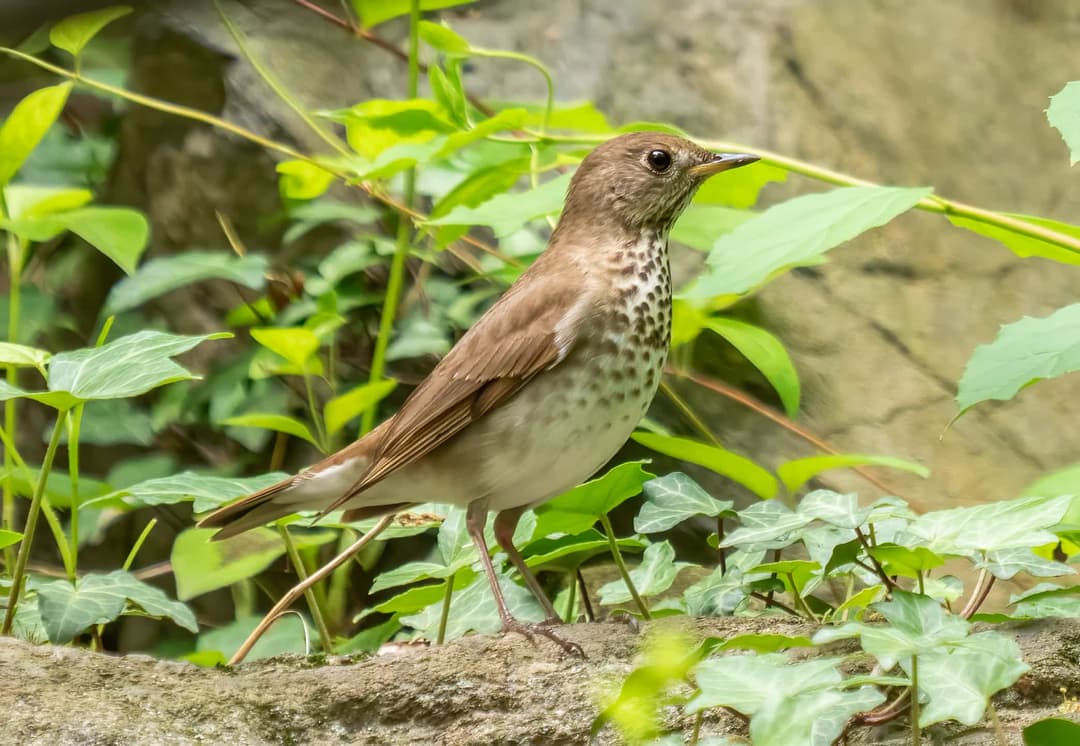
Gray-Cheeked Thrush vs Veery
Similar to the Veery, the Gray-Cheeked Thrush can be differentiated by its grayer tone and lack of a distinctive eyering. It also tends to have a more uniform head coloration.
Breeding and nesting habits of the veery
Mating behaviors
Veerys engage in a series of vocal songs during courtship, where males sing to attract females. They are monogamous during the breeding season. Males may also display by puffing up feathers and showcasing tail movements.
Nesting details
Veerys typically nest in dense, wooded environments, often near water sources. They construct cup-shaped nests low in bushy or shrubby vegetation. Nests are made from grasses, twigs, bark strips, and lined with finer materials. While they generally prefer wild habitats, they may adapt to gardens if dense shrub cover and resources are available.
Eggs and chick-rearing
The female lays 3-5 pale blue eggs per clutch, incubating them for about 10-14 days. Both parents partake in feeding regimens, bringing insects and berries to the nestlings. Chicks fledge approximately 10-12 days after hatching, remaining under parental supervision until they can forage independently.
What does a veery like to eat?
Berries
Fruits
Insects
Seeds
Small animals
Snails
Spiders
Natural diet
The veery primarily consumes insects and berries. During the breeding season, its diet mainly includes insects such as beetles, ants, small wasps, caterpillars, crickets, and also spiders, centipedes, snails. Occasionally, it might feed on small frogs or salamanders. In late summer and fall, berries and small fruit become the dominant part of its diet. The veery's diet during winter is not well documented.
Bird feeders
Veeries are not commonly known for visiting bird feeders, as they primarily forage for food in their natural habitat, favoring insects and fruits over typical feeder offerings.
Feeder types for attracting veeries
Veeries are thrushes and they are more likely to feed on the ground or from platform feeders. Invest in ground feeders or platform feeders and place them in a shady, quiet area of your yard. Ensure the feeder is clear from shrubbery where predators might lurk.
Snacks to tempt the veeries to your yard
Veeries are primarily insectivores but they also eat berries and fruits. Fresh fruits like cut-up apples or oranges may be offered. Dried fruit and mixed bird seed may also be appreciated. Specifically Bird Buddy seeds have proven to produce the best results. They are chosen by experts according to the season, ensuring they provide the desired nutrition.
Tips and tricks to encourage veeries to drop by
Veeries prefer habitats with dense cover, so increase the vegetation in your yard. Provide fresh water for bathing and drinking. To make your yard more appealing, consider adding a water feature such as a bird bath or fountain. These bird-friendly spaces provide great spots for veeries and other birds to gather.
Where can you find veeries?
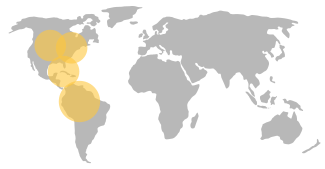
Primary habitat
The veery primarily inhabits damp deciduous woods with dense understory and leafy low growth near water. It avoids areas with little understory, favoring denser sections of the forest along streams or clearings.
Additional range
Additional habitats include mixed or coniferous woods and open plains in the northern Great Plains. During migration, it prefers deciduous woods. In winter, the veery is found in the undergrowth of lowland tropical forests.
Do they migrate?
The veery is a migratory bird, with its migration primarily occurring at night. During the fall migration, veeries that nest in western locations initially move eastward before turning south. This eastern shift is evident as they are rarely observed in the southwestern regions south of their breeding grounds. Their migration route extends from North America to their wintering grounds in South America, specifically east of the Andes. The key locations for the veery during its migratory journey include the eastern United States and parts of Central America, as they traverse toward their wintering habitats in countries such as Brazil and other surrounding areas east of the Andes mountains. These birds commence their southward migration in late summer to early fall and return north in the spring for the breeding season. In summary, the veery is a night-migrating bird that follows a complex migratory route from North American breeding grounds to wintering areas in eastern South America, with a notable eastward movement within North America before heading south.
What is the role of veeries in nature and how to protect them?
Conservation status
The veery is experiencing a decline in numbers, largely due to nest parasitism by Brown-headed Cowbirds, which reduces their nesting success. While not currently classified as endangered, the species may be considered vulnerable due to these ongoing threats. Key conservation efforts focus on managing habitats to reduce cowbird parasitism and monitoring population trends through regular surveys. Habitat loss and fragmentation also contribute to their decline, emphasizing the need for targeted conservation strategies to protect the veery's breeding and migratory environments.
Ecological role of veeries
Its role in the ecosystem
The veery plays a critical role in controlling the insect population, thereby contributing to pest control within its ecosystem. It feeds mainly on insects such as beetles, ants, small wasps, caterpillars, crickets, and more, including spiders, centipedes, and snails. The veery's diet also consists of berries and small fruits, particularly in late summer and fall. By consuming these, it contributes to seed dispersal, facilitating the propagation of various plant species. Despite its small size, the veery has a substantial influence on the ecological balance of its habitat, promoting biodiversity and aiding in preventing excessive insect populations or overgrowth of specific plant types. The precise impact of the veery's winter diet is less known, opening an avenue for further ecological research.
How to help protect veeries
Preservation tips
Habitat preservation strategies
Protect and restore Veery's natural habitats such as forested landscapes with a special focus on areas near water bodies. Avoid deforestation in these regions and opt for sustainable forest management practices. Limit human intrusion in these ecosystems and establish protected areas or nature reserves.
Community science initiatives
Promote community engagement in monitoring Veery populations. Organize bird watching groups to conduct routine surveys and keep a record of their sightings. Collaborate with local schools and community centers to raise awareness about the importance of Veery conservation. Encourage individuals to report sightings on citizen science platforms such as 'eBird'.