Common Bulbul or Cape Bulbul?
Here's how to tell the difference
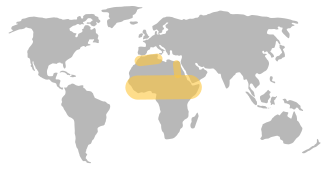


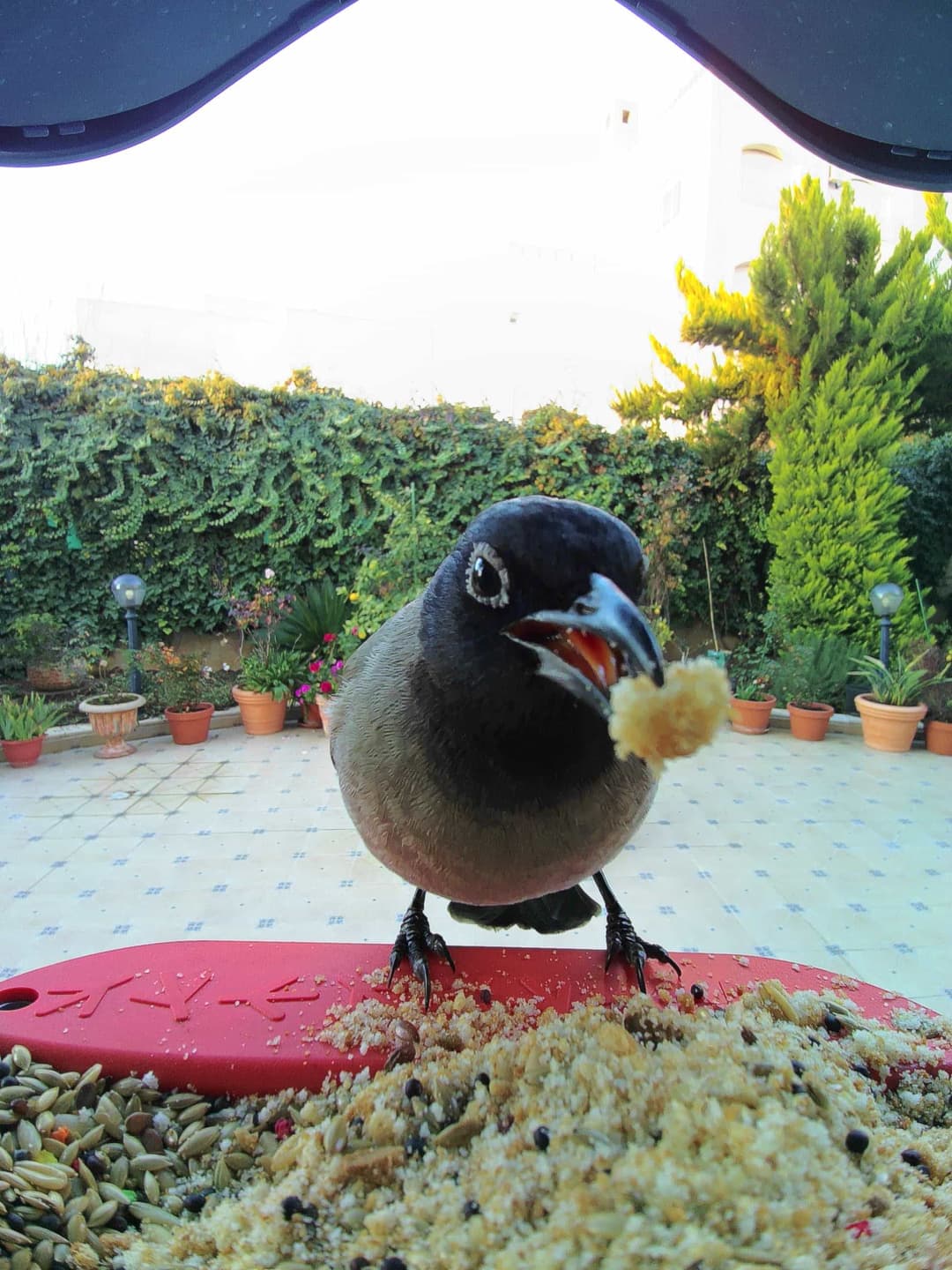
Common Bulbul


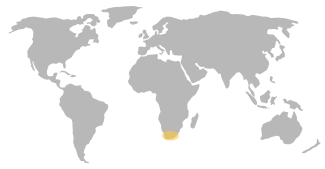
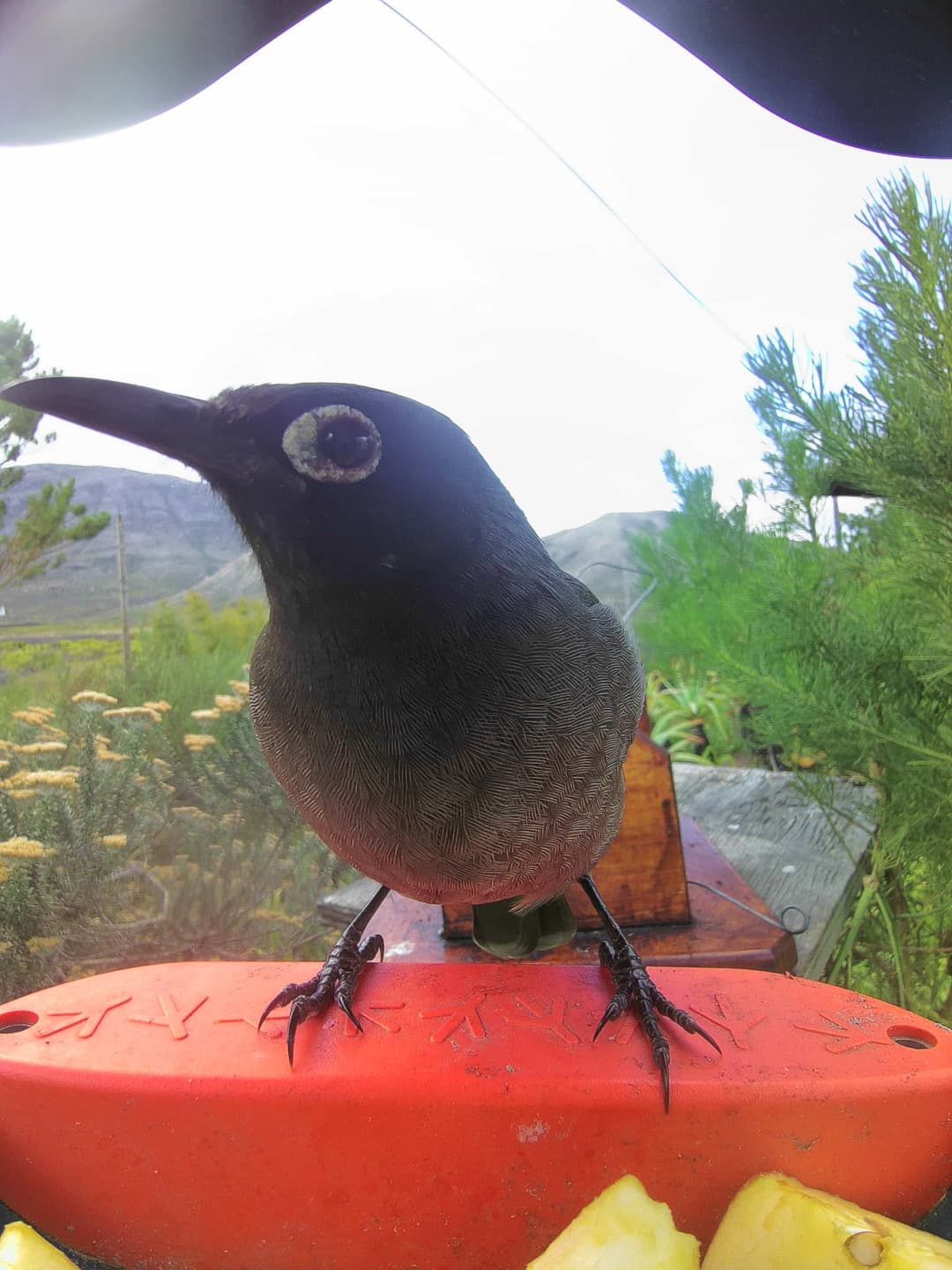
Cape Bulbul
Common Bulbul
Pycnonotus barbatus
Also known as: Black-Eyed Bulbul, Brown Bulbul, Brown-Capped Geelgat, Common Garden Bulbul, Garden Bulbul, White-Vented Bulbul
General appearance
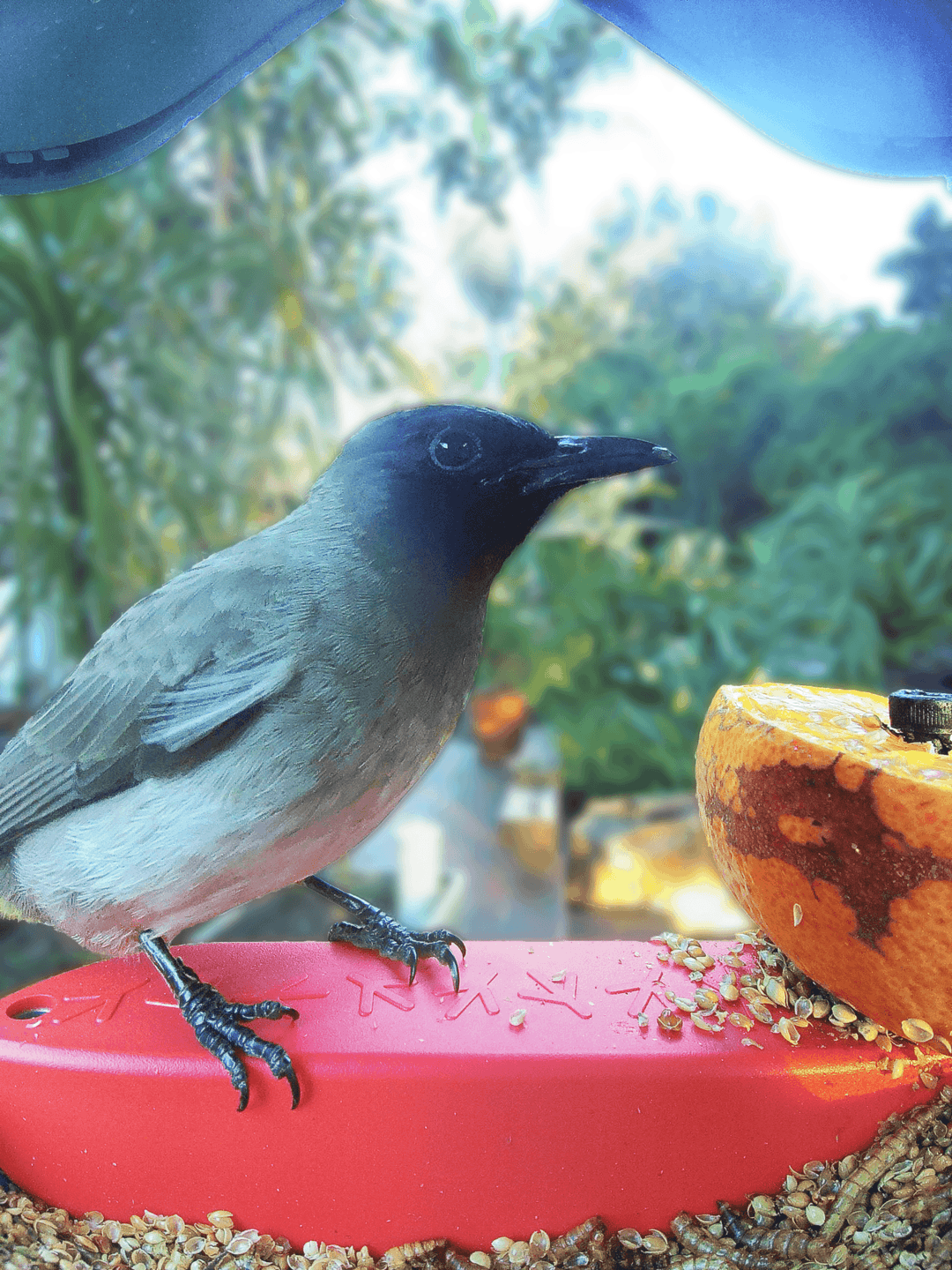
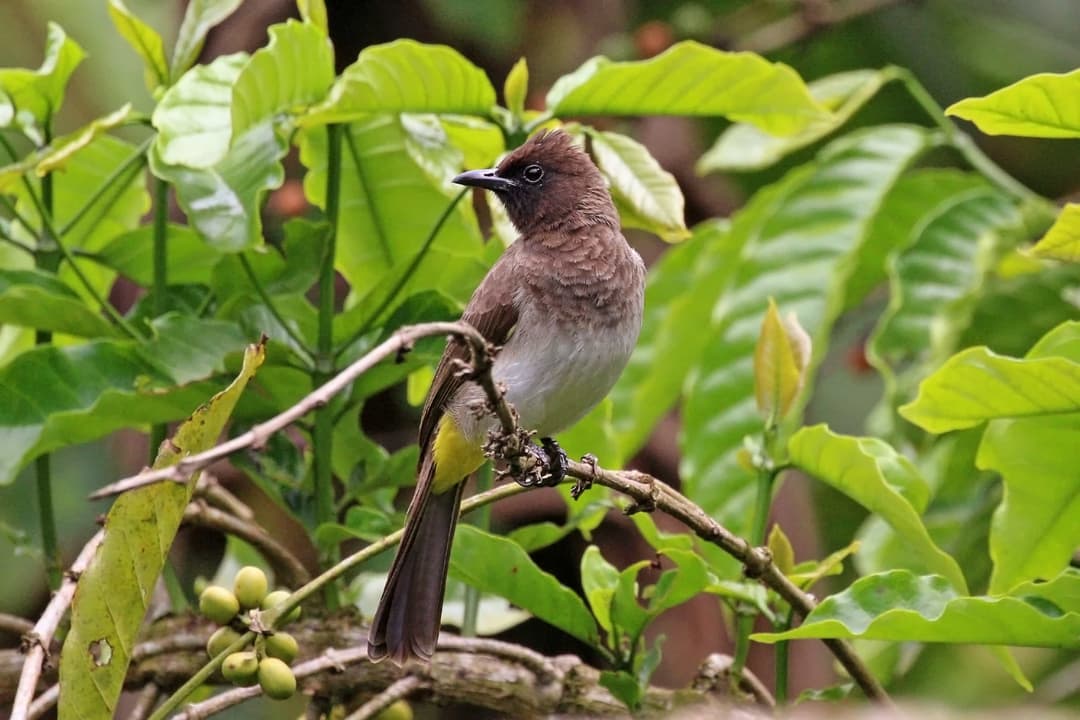
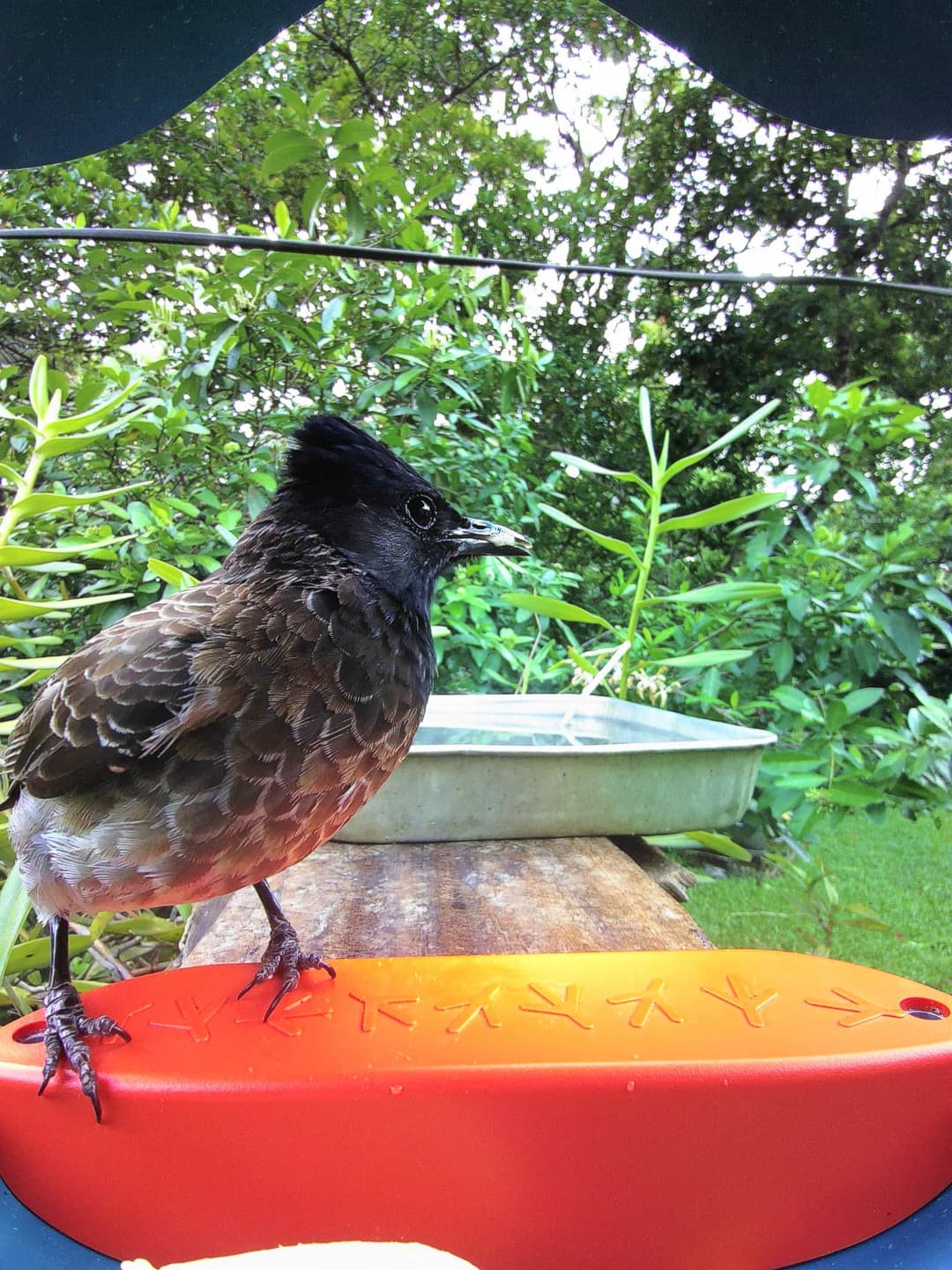
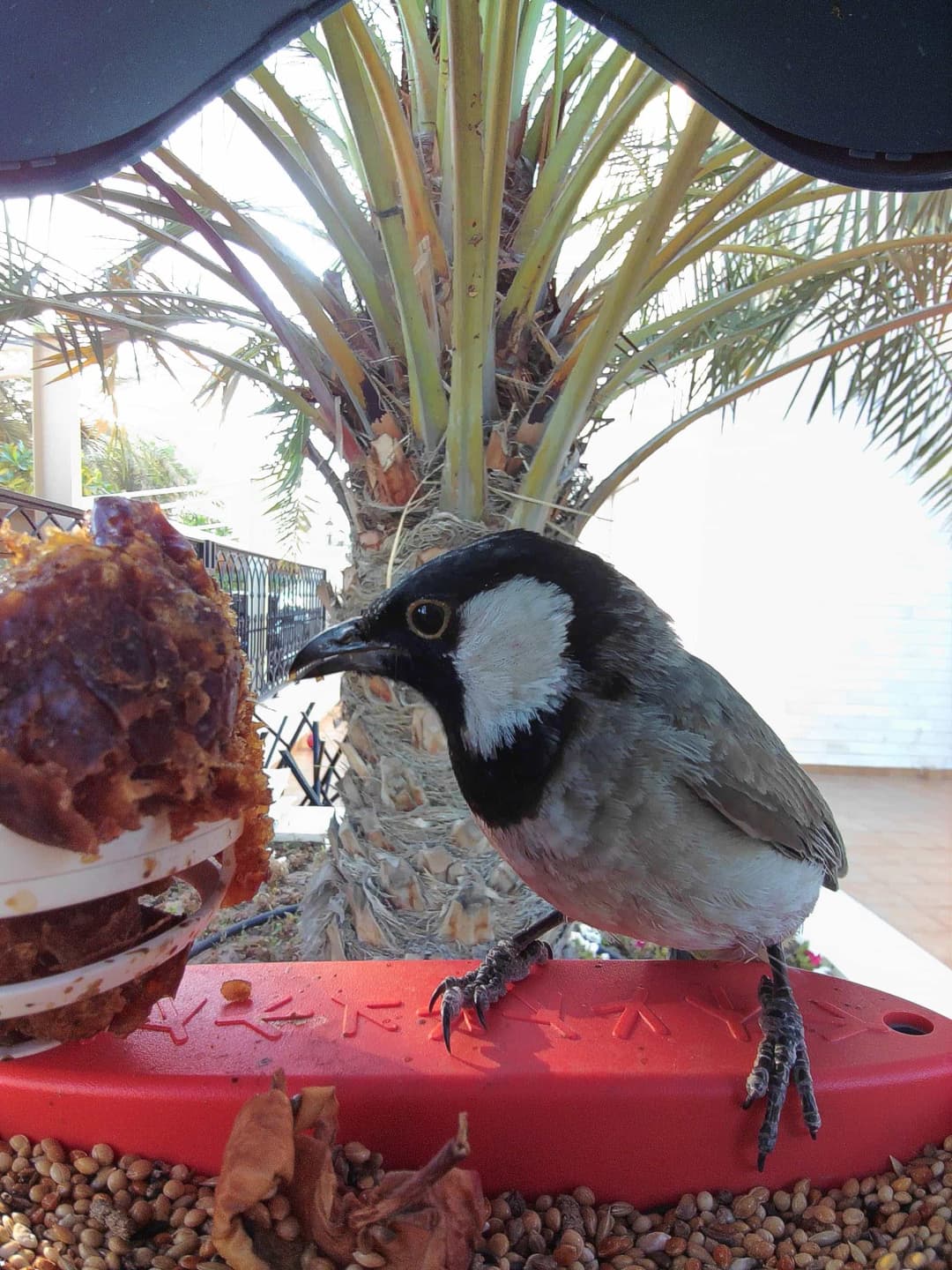
The common bulbul, or Pycnonotus barbatus, is a small passerine bird characterized by a compact body, short neck, and long tail. Its primary coloration is a drab brown on the wings and back, transitioning to a lighter shade on the underparts. The bird has a striking black head, complemented by a patch of yellow under its tail and a thin white eye ring.
Male vs female
Males and females of the common bulbul have very similar appearances, making them difficult to distinguish in the wild. Both have the same size and coloration, with no prominent sexual dimorphism. However, during breeding season, male bulbuls often display more aggressive and distinctive behaviors, such as competitive singing and aerial displays.
Juvenile
Juvenile common bulbuls are similar in appearance to the adults, but generally bear a softer, duller coloration. Their feather edges may also be slightly fluffier and less defined than in mature individuals. Over time, as they mature, their coloring gradually darkens to match that of adults.
Size
5.9 - 7.9 in/1.0 - 1.7 oz
There's more to learn about Common Bulbul
View full detailsCape Bulbul
Pycnonotus capensis
Also known as: Cape Geelgat
General appearance
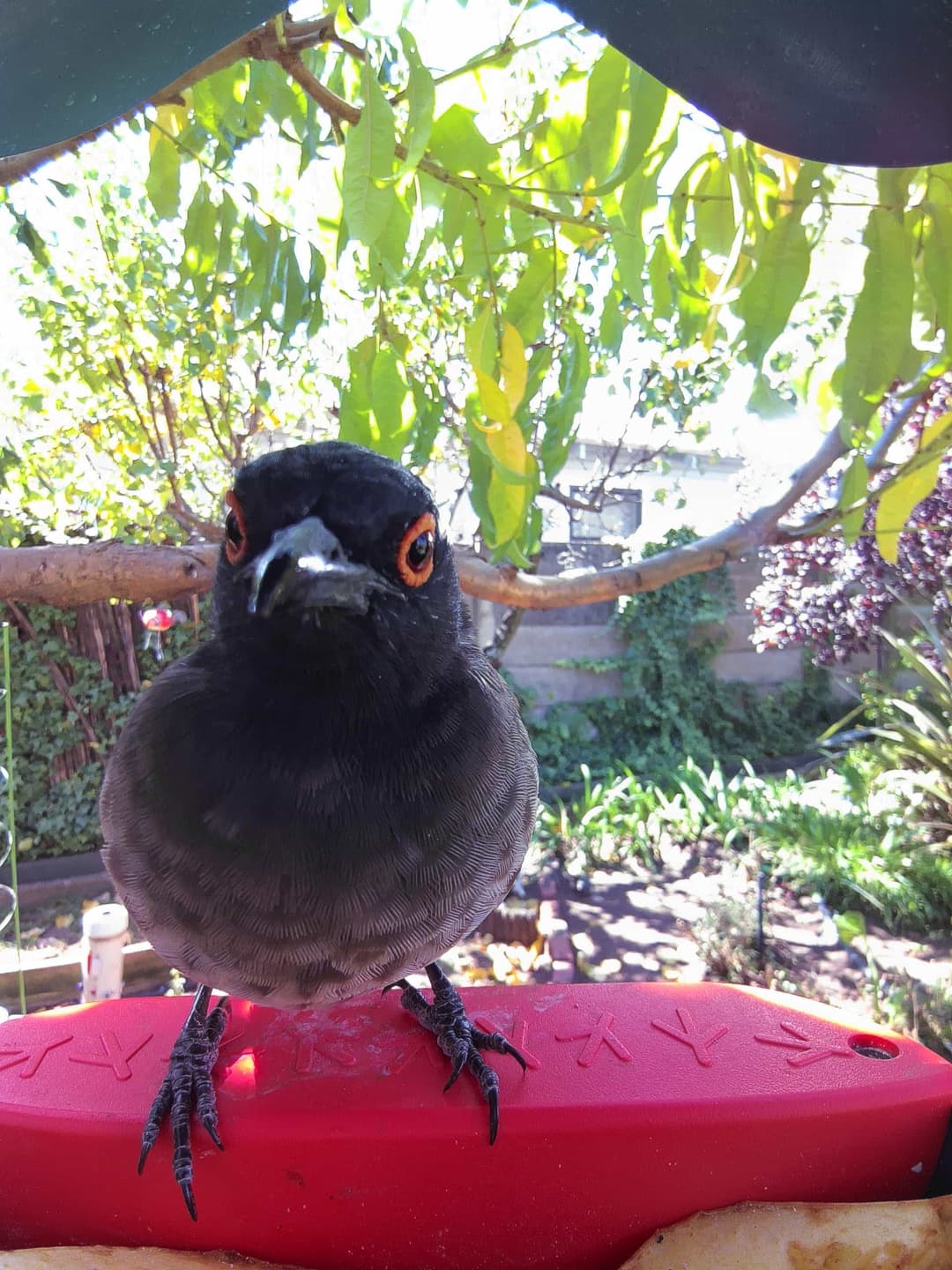
The Cape Bulbul, known scientifically as Pycnonotus capensis, is a bird species endemic to the Fynbos biome in South Africa. It is relatively small-sized about 20 cm long, distinguished by its glossy black plumage with an olive-yellowish underbelly. This small bird has a neat black crest, a dark brown eye surrounded by a narrow white eye-ring, and a long slender bill. It's characteristic tail is bulbous and displays prominent white tips and edges.
Male vs female
Male and female Cape Bulbuls appear identical with no significant sexual dimorphism. Both sexes share the same greenish-yellow underparts and distinctive olive-black upperparts. Differences in size or colour can't be reliably used to distinguish males from females.
Juvenile
Juvenile Cape Bulbuls resemble the adult birds but their plumage is less glossy. Additionally, the white edges on the feathers of their wings and tails are broader than in adults. Over time, as they mature, they acquire the glossy adult plumage and their white feather edges become as thin as those of mature birds.
Size
7.5 - 8.3 in/1.0 - 1.7 oz
There's more to learn about Cape Bulbul
View full detailsHow to tell the Common Bulbul from the Cape Bulbul
Visual differences
The Common Bulbul (Pycnonotus barbatus) and Cape Bulbul (Pycnonotus capensis) both have distinctive features. The Common Bulbul measures 6-8 inches long, with drab brown wings, lighter underparts, and a black head adorned with a yellow undertail and thin white eye-ring. In contrast, the Cape Bulbul, measuring roughly 7.5-8.3 inches, is characterized by glossy black plumage, an olive-yellow underbelly, a neat black crest, and a narrow white eye-ring. It also has a long slender bill and a tail with white tips and edges, whereas the Common Bulbul's features are more muted.
Key differences and behavior
The Common Bulbul (Pycnonotus barbatus) and Cape Bulbul (Pycnonotus capensis) both exhibit energetic and vocal behavior but have distinct habits and ecological preferences. Common Bulbuls, found in open woodlands and savannas across Africa, are notably boisterous, often choosing prominent perches for singing. They consume fruits, insects, and nectar and are adaptable to human environments. Their breeding involves melodic courtship songs and communal feeding of chicks. In contrast, the Cape Bulbul is endemic to South Africa's Fynbos and shrublands, often found in pairs or small flocks. While sharing similarities in diet and nesting materials, Cape Bulbuls prefer mutual preening for pair bonding and thrive on native plants. Both species experience cuckoo parasitism but differ slightly in size, with Cape Bulbuls being marginally larger at about 7.5-8.3 inches long compared to the Common Bulbul's 5.9-7.9 inches.
Still not sure? Here are more lookalikes!
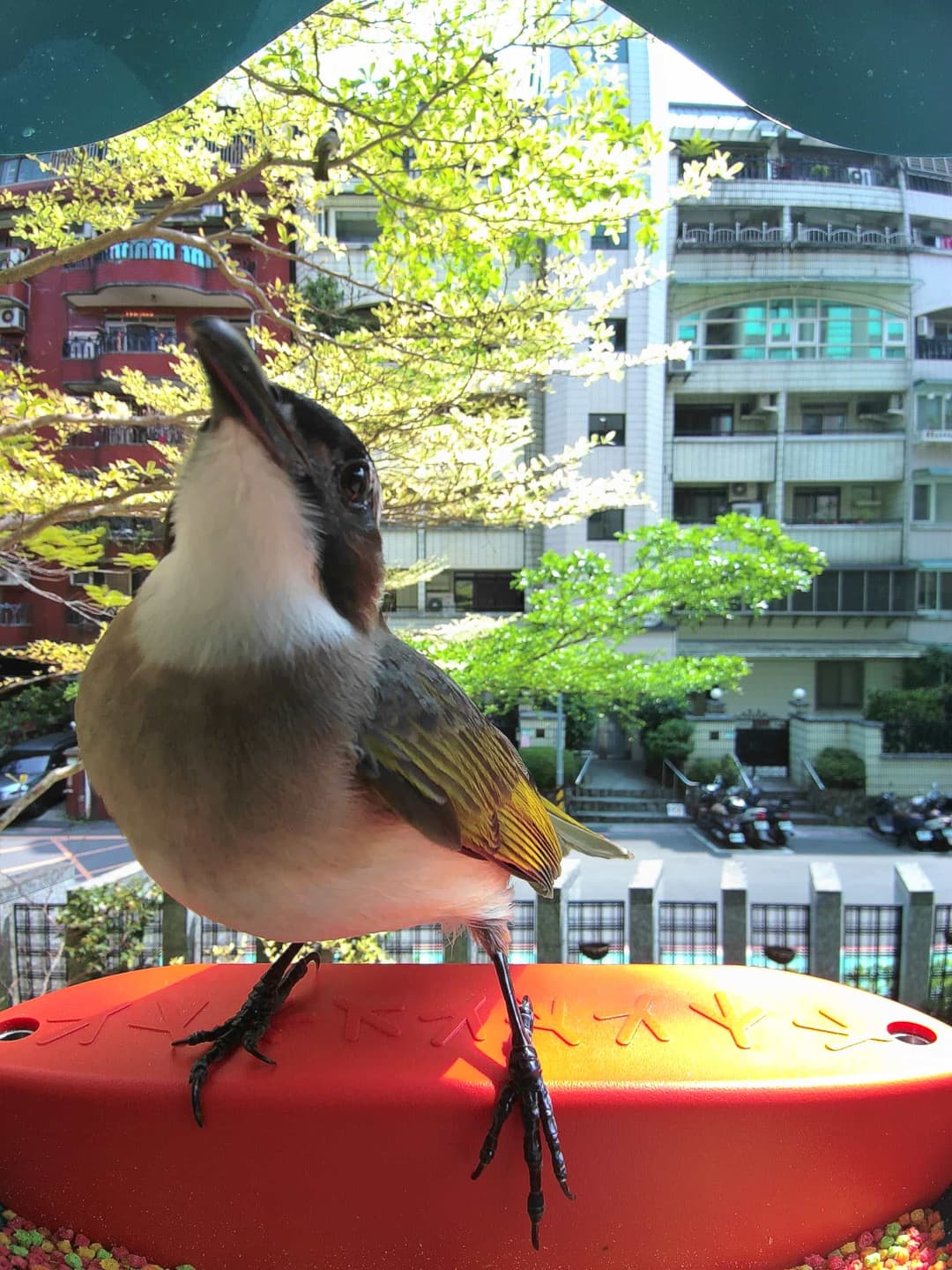
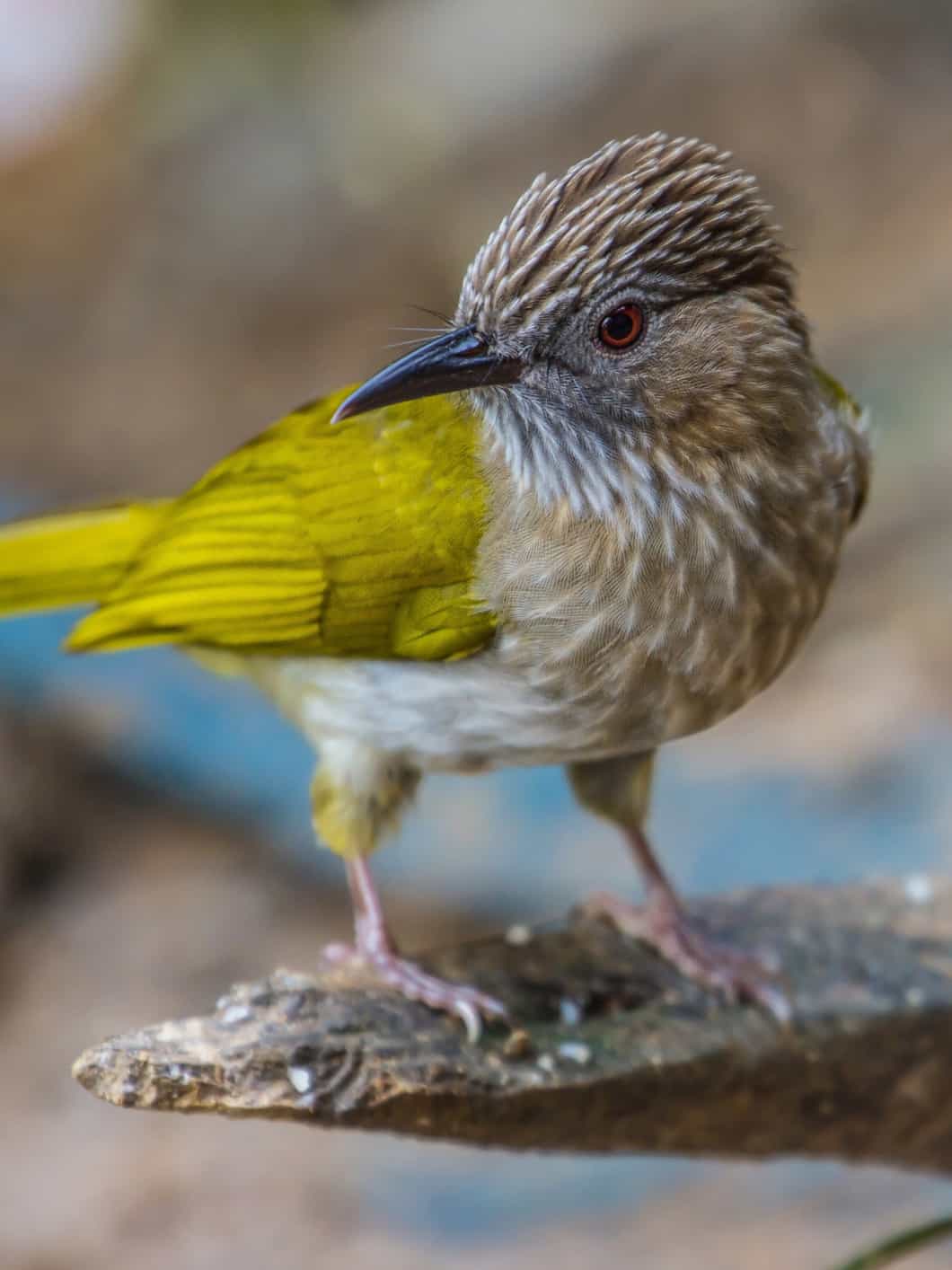
Common Bulbul vs Himalayan Bulbul
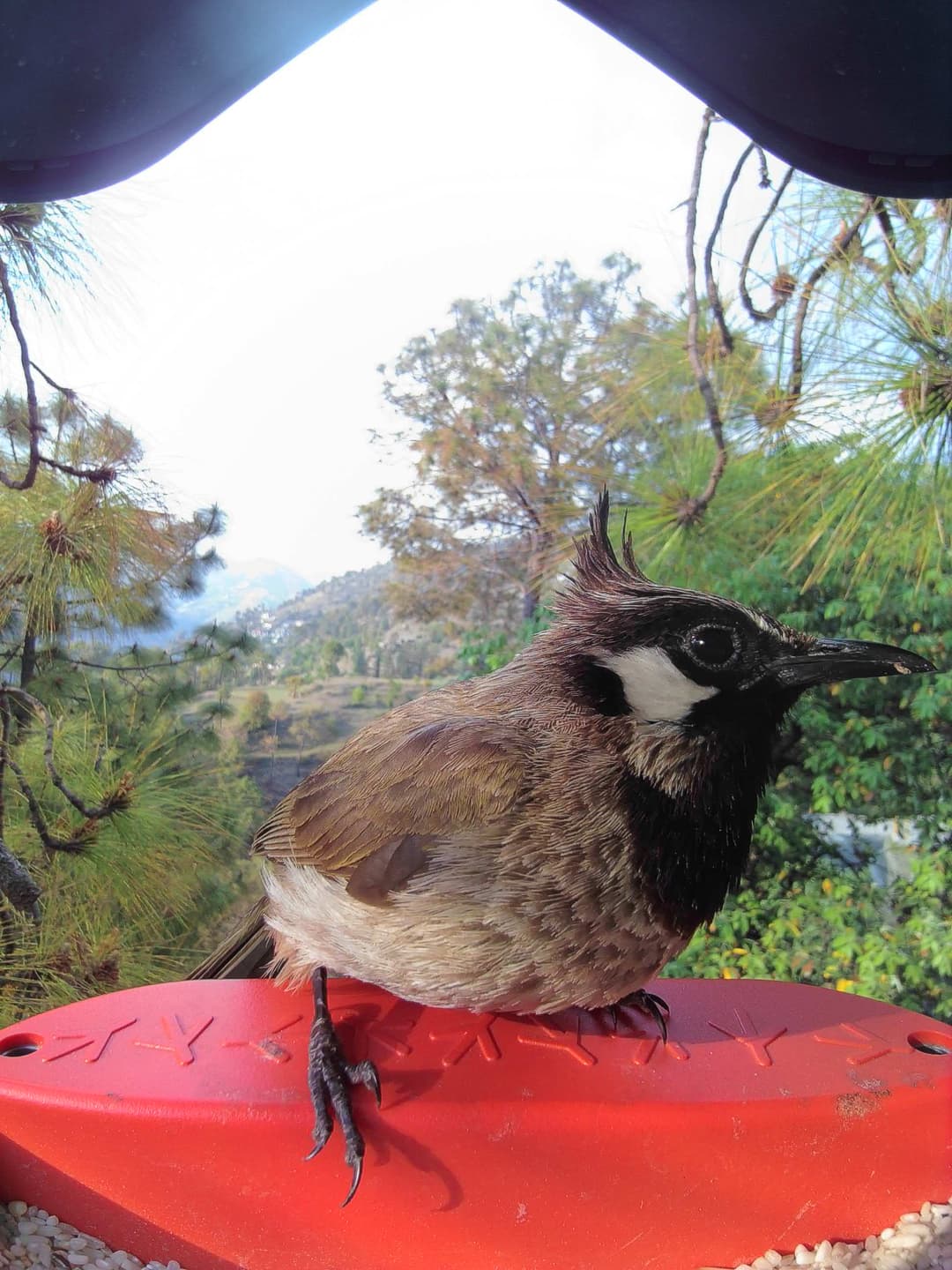
Cape Bulbul vs Himalayan Bulbul
Common Bulbul vs [Select a bird]

[Select a bird]
Pick a bird to compare
Cape Bulbul vs [Select a bird]
[Select a bird]
Pick a bird to compare