
Light-Vented Bulbul
Light-Vented Bulbul
Also known as: Chinese Bulbul
Pycnonotus sinensis


Quick Identification guide
Quick Identification guide
- •
Features a black crown and distinct white patch that wraps from face to nape, creating a striking contrast
- •
Its olive-brown upperparts and pale underparts are complemented by a yellow vent area
- •
Notice the medium-length tail and slender, slightly curved beak ideal for foraging
What does a light-vented bulbul sound like?
The light-vented bulbul is known for its rich, melodious songs and a variety of calls. It has a broad vocal repertoire, and common sounds include high pitched whistles, and choppy, twittering noises. Its song often consists of repeated phrases, and is usually sung from a high perch. The bird’s alarm calls are sharp and loud to ward off potential threats. Communication also includes softer chirps and whistles.


Description
Light-vented bulbuls' song is super-unique! They are born songsters and chicks practically come out of the egg singing. They are sociable and fearless and don't appear to be the least bit wary of humans. So much so that our homes sometimes seem like the perfect place to build a nest. You don't even need to have a garden: a light-vented bulbul nest was once discovered on a balcony in a block of flats in the US!
The light-vented bulbul can weigh between 30to46grams and be from18to19centimeters tall.
The Light-vented Bulbul typically lives up to 5 years. Comparatively, this is quite short, as many related species like the Red-whiskered Bulbul can live up to 11 years in captivity. However, the lifespan of the Light-vented Bulbul aligns with the general trend for smaller species of birds, which tend to have shorter lifespans.
Did you know?
Most popular questions about light-vented bulbul
How to recognise a light-vented bulbul?
General appearance
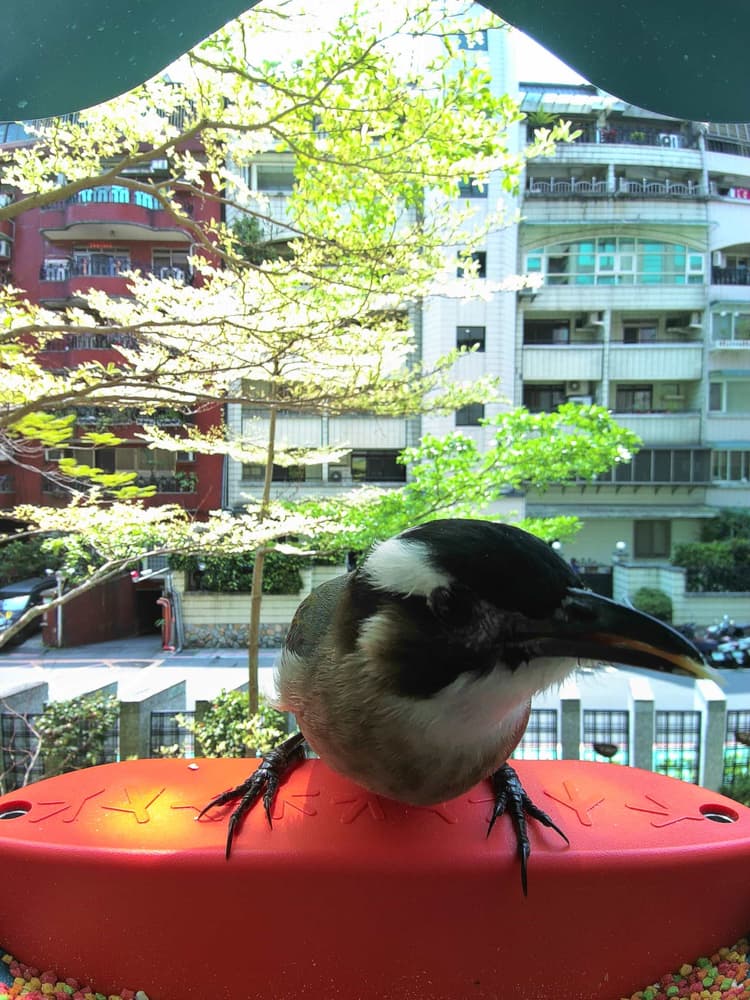
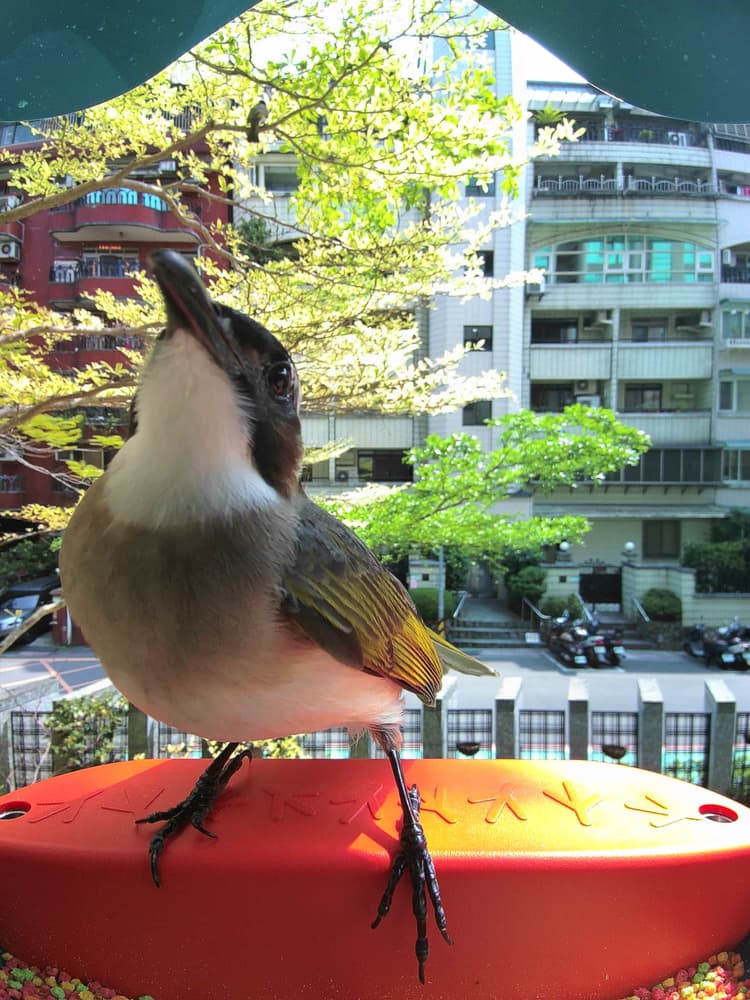
The light-vented bulbul is a medium-sized bird, ranging from 18 to 22 cm long. The species is characterized by a brownish color on their upper body parts while their belly is white. Notable is its black-colored head with a distinct tuft which resembles a crest on its crown and white rings around the eyes.
Male vs female
In terms of sex differentiation, it's challenging as both sexes almost look alike. However, upon closer examination, males may appear slightly larger and have a more pronounced crest compared to females. No seasonal variations in their appearance have been noted; they maintain their coloration all year round.
Juvenile
Juveniles are quite similar in appearance to the adults but are generally duller, with a less defined crest and a murkier shade of brown. Their belly is greyer than the stark white in adults, and the white eye ring is less prominent. Over time, they mature into their distinct adult coloration.
Often mistaken for
Himalayan Bulbul vs Light-Vented Bulbul
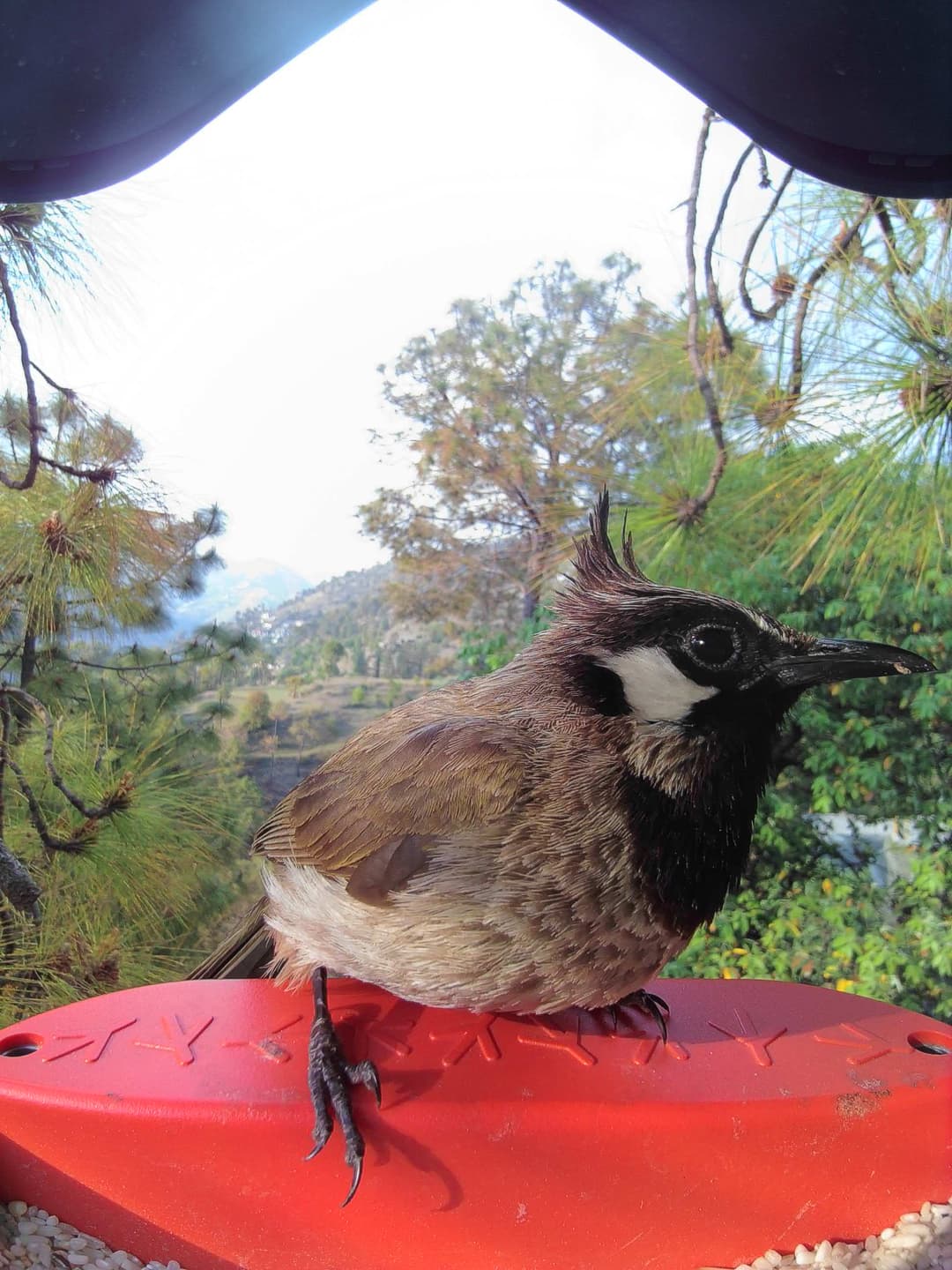
The Himalayan Bulbul resembles the Light-Vented Bulbul but is distinguished by a prominent black crest and white cheeks, setting it apart from the Light-Vented's white nape and less defined crest.
Red-Vented Bulbul vs Light-Vented Bulbul
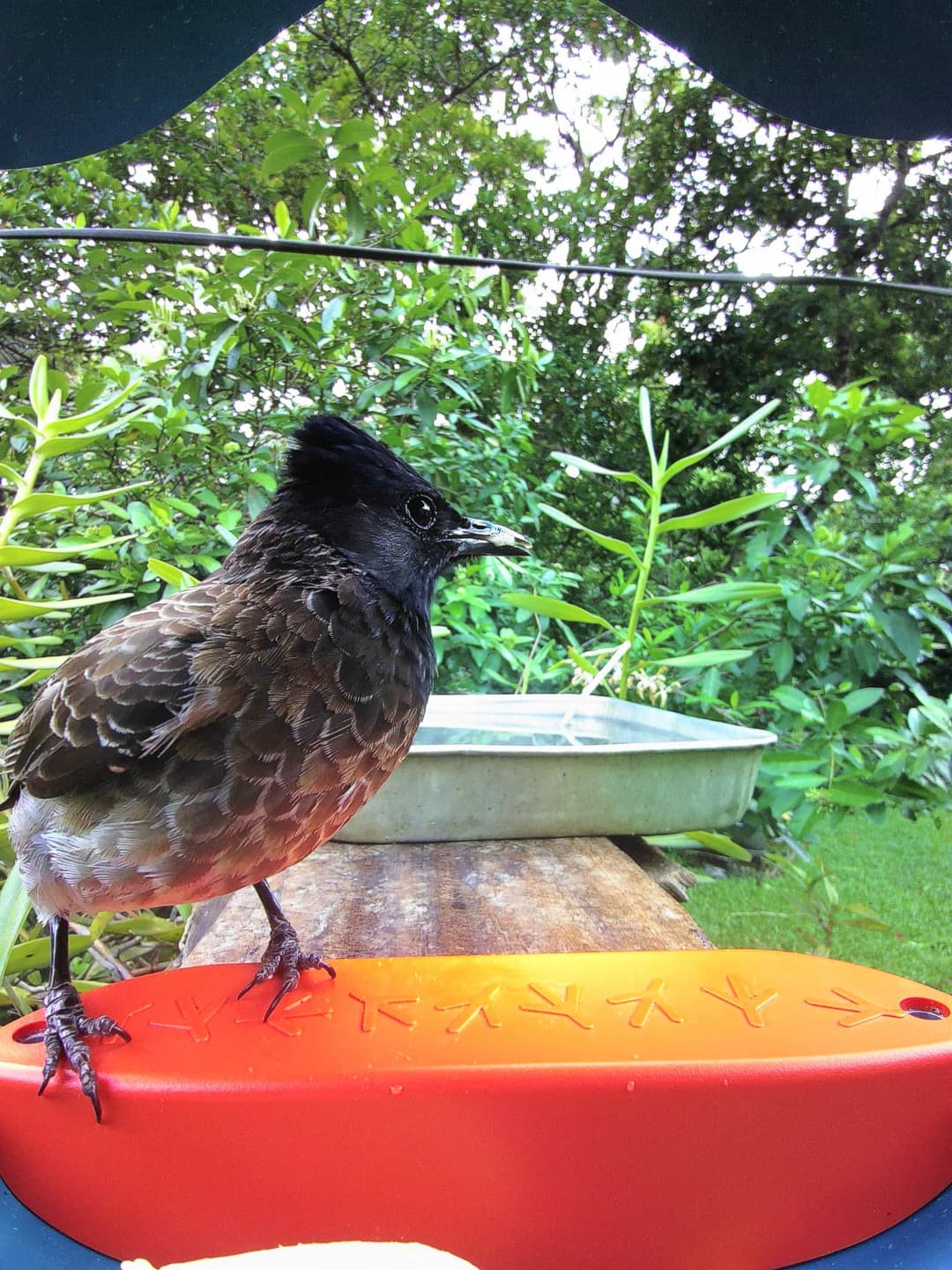
The Red-Vented Bulbul shares similar body size and shape with the Light-Vented Bulbul but can be identified by its red undertail coverts and dark, almost black, head, which differs from the Light-Vented Bulbul's white nape and ear coverts.
Red-Whiskered Bulbul vs Light-Vented Bulbul
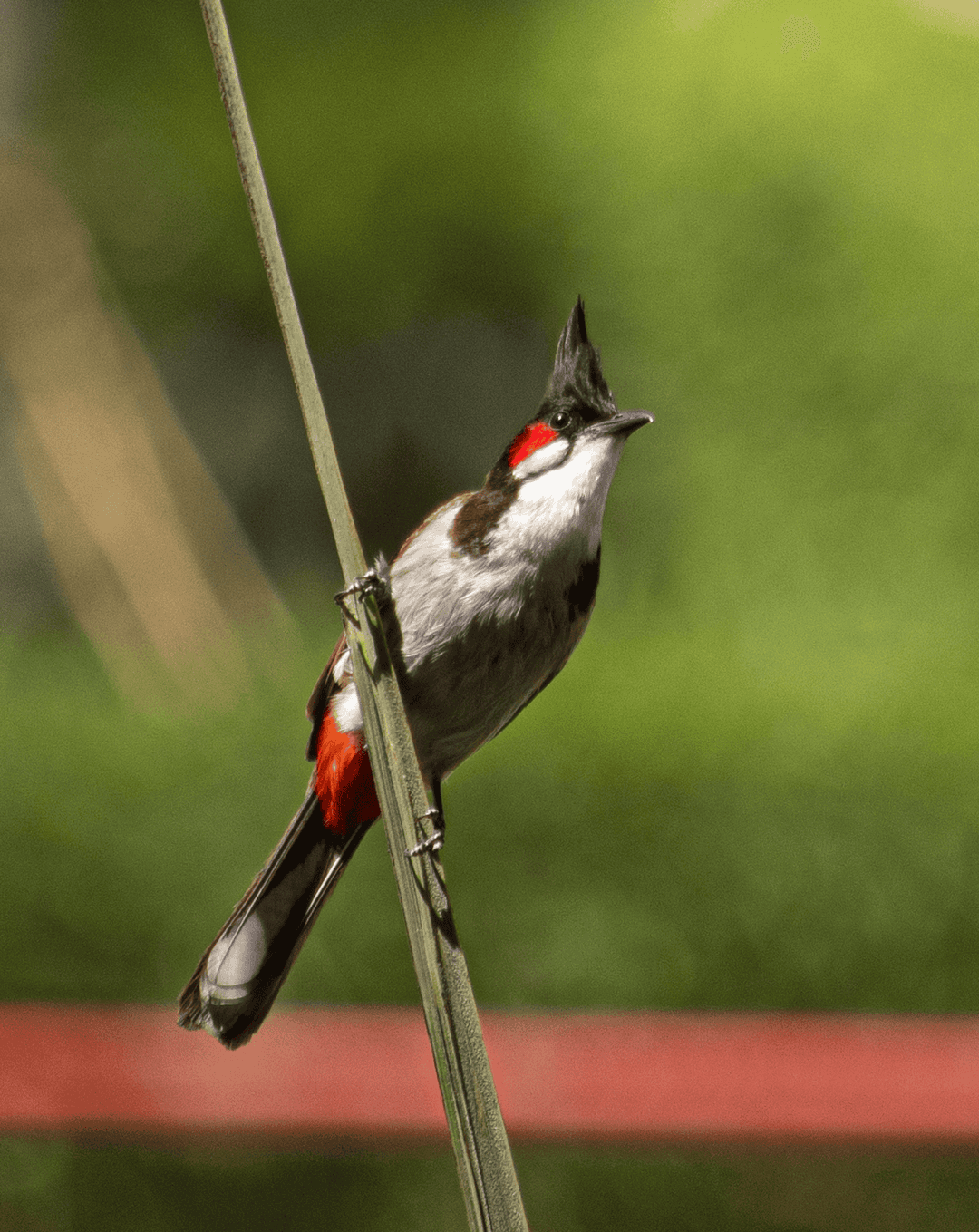
Although the Red-Whiskered Bulbul has a similar overall body structure, it can be differentiated by its distinct red ear patch and pointed black crest contrasting with the Light-Vented Bulbul's markings.
Sooty-Headed Bulbul vs Light-Vented Bulbul
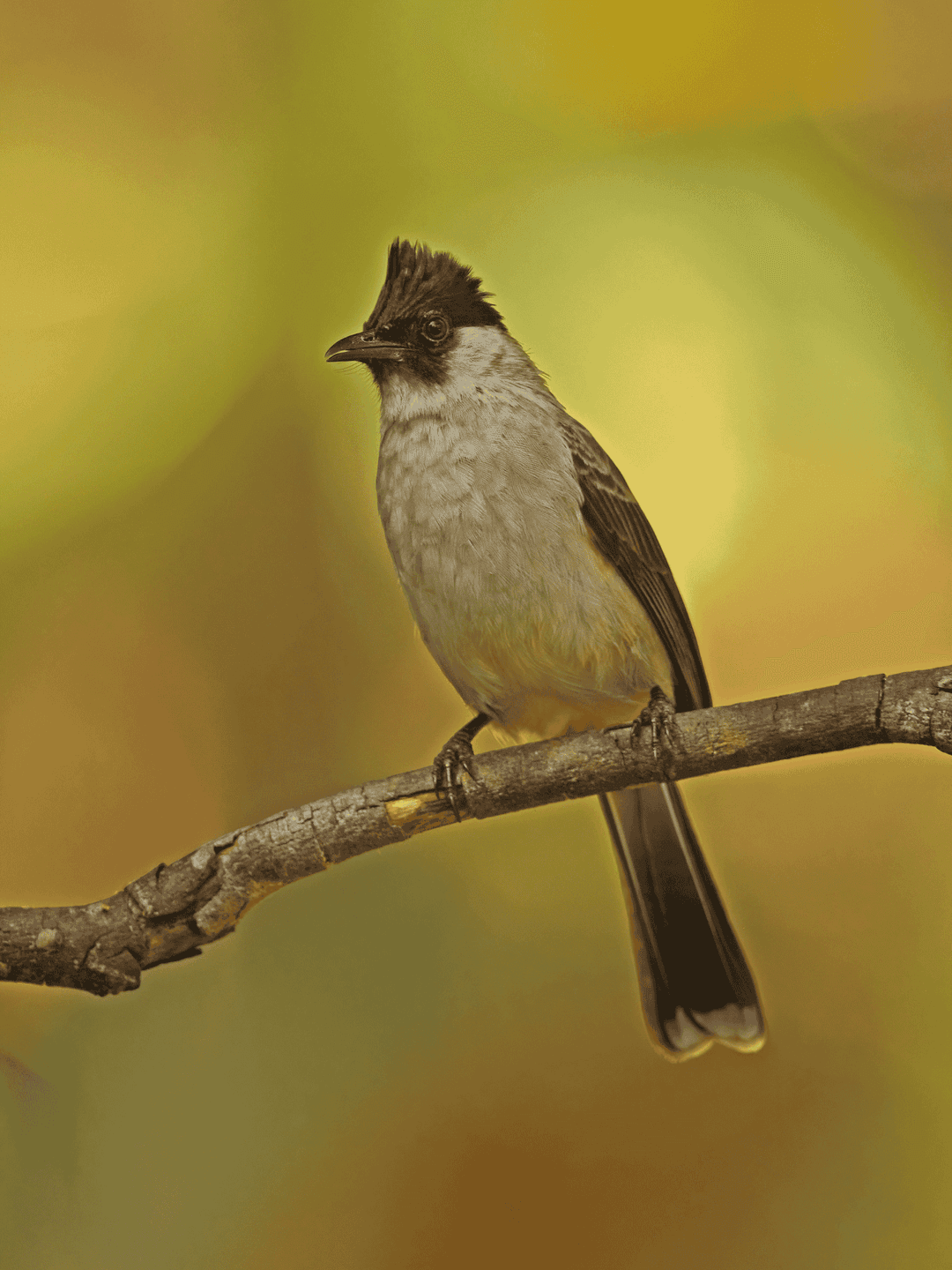
The Sooty-Headed Bulbul and Light-Vented Bulbul share close resemblance; however, the former has a more sooty gray head and lacks the white nape present in the Light-Vented Bulbul.
White-Eared Bulbul vs Light-Vented Bulbul
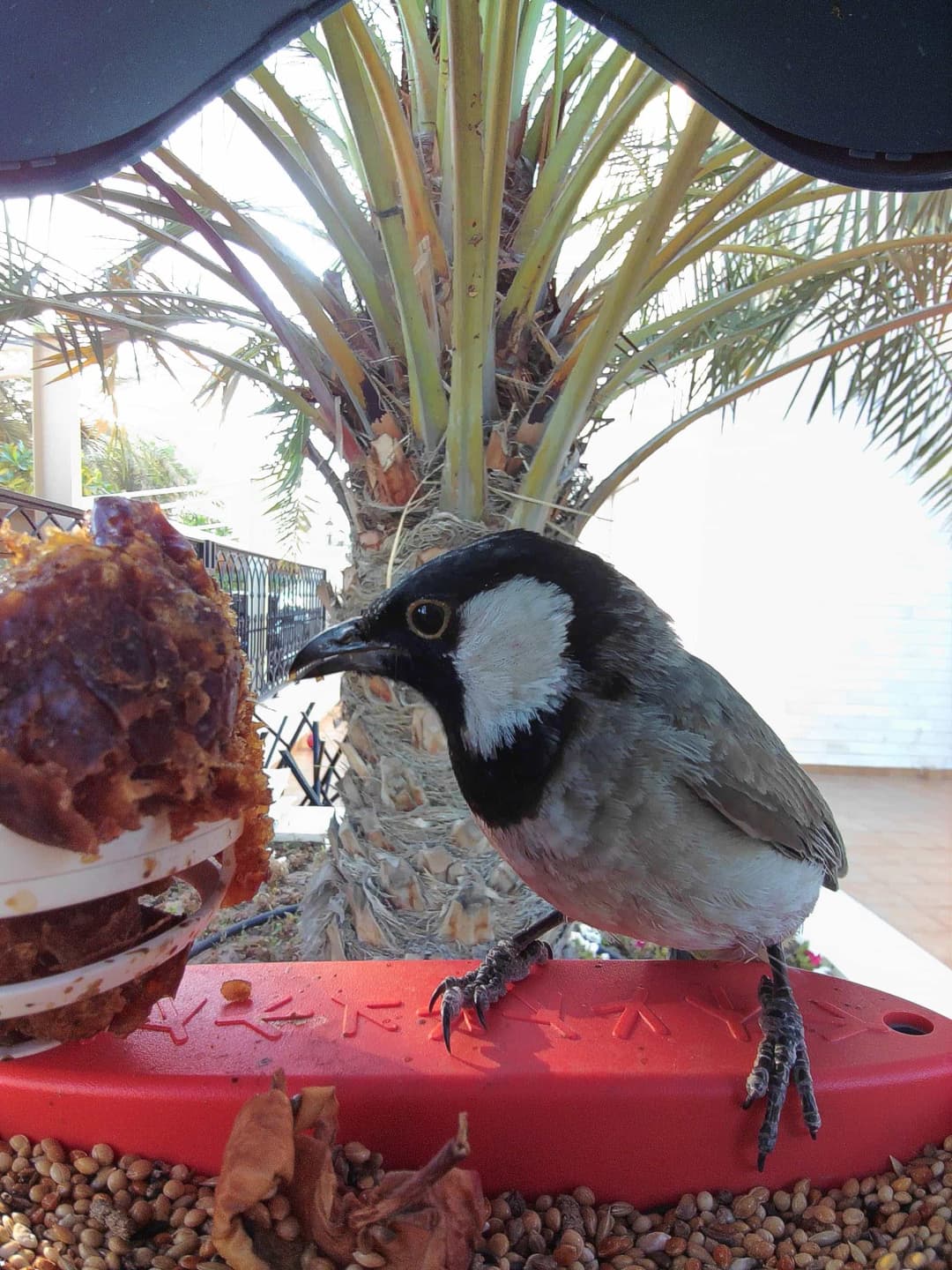
The White-Eared Bulbul can be mistaken for the Light-Vented Bulbul due to similar body size and shape but differs with a dark cap and a distinctive white patch on the ear, unlike the Light-Vented's more uniform head patterns.
Breeding and nesting habits of the light-vented bulbul
Mating behaviors
Light-vented bulbuls engage in vocal and visual displays during courtship. Males sing and showcase their plumage to attract females.
Nesting details
Nests are built in bushes or small trees, often in gardens or urban areas. They are cup-shaped, constructed from twigs, grass, and leaves.
Eggs and chick-rearing
Females lay 2-5 eggs per clutch. Both parents participate in feeding and protecting chicks until they fledge, ensuring a high survival rate.
What does a light-vented bulbul like to eat?
Berries
Fruits
Insects
Plants
Natural diet
The light-vented bulbul primarily feeds on fruits, insects, and seeds. It consumes berries, figs, and small invertebrates, playing a role in seed dispersal. Its adaptable diet also includes nectar from flowers and occasionally small reptiles or amphibians.
Bird feeders
At bird feeders, the light-vented bulbul enjoys a variety of offerings. It is commonly attracted to fruits like apples and bananas, as well as seed mixes containing sunflower seeds. Occasionally, it partakes in suet or mealworms if available.
Attracting light-vented bulbuls with the correct feed
The Light-vented Bulbul, or Chinese Bulbul, is a fan of a variety of fruits and insects. To draw them into your yard or feeder, try feeding them their favourite fruits. Apples, pears, and berries are good choices. Bird Buddy seeds are highly recommended - chosen by experts specifically for the season, these seeds yield the best results in attracting Bulbuls.
Choosing the right feeder
Bulbuls prefer perching on a platform or dish-style feeder where they can sort through and select their preferred snacks. Providing an easily accessible and regularly cleaned feeder will make your yard a popular destination for these sociable birds.
Encouraging frequent visits
For a fun trick to encourage frequent visits, include a birdbath or water source in your feeding area, Bulbuls love to splash and bathe. Providing a suitable habitat with shrubs and trees for nesting also encourages them to stay around. If you're lucky, you may even get to hear their pleasant song.
Where can you find light-vented bulbuls?

Primary habitat
The light-vented bulbul primarily inhabits subtropical or tropical moist lowland forests and shrublands in East Asia, including China, Japan, Taiwan, and the Philippines.
Additional range
This bird can also be found in urban areas, orchards, and agricultural lands, indicating its adaptability to diverse environments.
Do they migrate?
The light-vented bulbul, also known as the Chinese bulbul, is primarily a resident bird, meaning it typically stays in the same place year-round. It is native to East Asia, commonly found in countries like China, Taiwan, and parts of Southeast Asia. While it is largely non-migratory, some populations exhibit limited migratory behavior depending on environmental conditions. In northern parts of its range, such as the cooler regions of China, the light-vented bulbul may exhibit partial altitudinal or short-distance migration to more temperate areas during winter. These movements are generally localized, with birds traveling to lower altitudes or slightly further south to avoid colder conditions. Key locations for the light-vented bulbul include urban parks, gardens, forests, and agricultural areas, where they can find ample food and shelter. In Taiwan, for example, they are common year-round and are adaptable to various habitats. This adaptability minimizes the necessity for long-distance migration, distinguishing them from other migratory bird species. Overall, the light-vented bulbul's movements, if any, are relatively minor and localized compared to extensive migratory species.
What is the role of light-vented bulbuls in nature and how to protect them?
Conservation status
The Light-vented Bulbul is classified as least concern by the International Union for Conservation of Nature (IUCN), indicating it is a common species. While it adapts well to various habitats, increasing urbanization can cause localized decline. However, overall its population trend is stable and currently faces no significant threats that require targeted conservation efforts.
Ecological role of light-vented bulbuls
Its role in the ecosystem
The Light-vented Bulbul, or Pycnonotus sinensis, is an ecologically important bird species native to East Asia. As an omnivore, it controls pest populations by feeding on a variety of insects, thereby making a significant contribution to pest management in eco-agriculture. Its diverse diet also includes fruits and seeds, making the bird a key agent for seed dispersal, hence aiding in the proliferation of plant species and ensuring biodiversity. Negative impacts on native ecosystems have been observed where it has been introduced, indicating its importance in maintaining balance in its natural environment. The Light-vented Bulbul’s activities and survival are often indicators of ecosystem health; hence, its study can provide valuable insights into environmental changes caused by factors such as climate change or habitat destruction.
How to help protect light-vented bulbuls
Preservation tips
Habitat preservation strategies
Protect and restore light-vented bulbul habitats, primarily woodland and shrubland areas. This includes curtailing deforestation and mitigating urban sprawl. Develop land usage policies that factor in the need for their natural habitats. Wherever possible, create green corridors to connect fragmented habitats, ensuring the bulbuls have adequate range for feeding, mating, and nesting.
Community science initiatives
Engage the community in bulbul conservation through citizen science projects. These might include bird-counts, monitoring nesting sites, and reporting bulbul sightings. Such data aids in tracking bulbul population trends and understanding their habitat use. Educational programs can raise local awareness about the light-vented bulbul, encouraging respect for the species and its habitats. Moreover, involve locals in habitat restoration efforts, fostering a sense of responsibility towards biodiversity conservation.