Common Bulbul or Light-Vented Bulbul?
Here's how to tell the difference
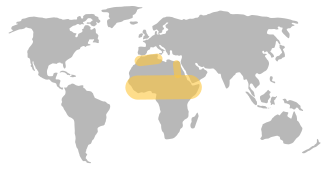



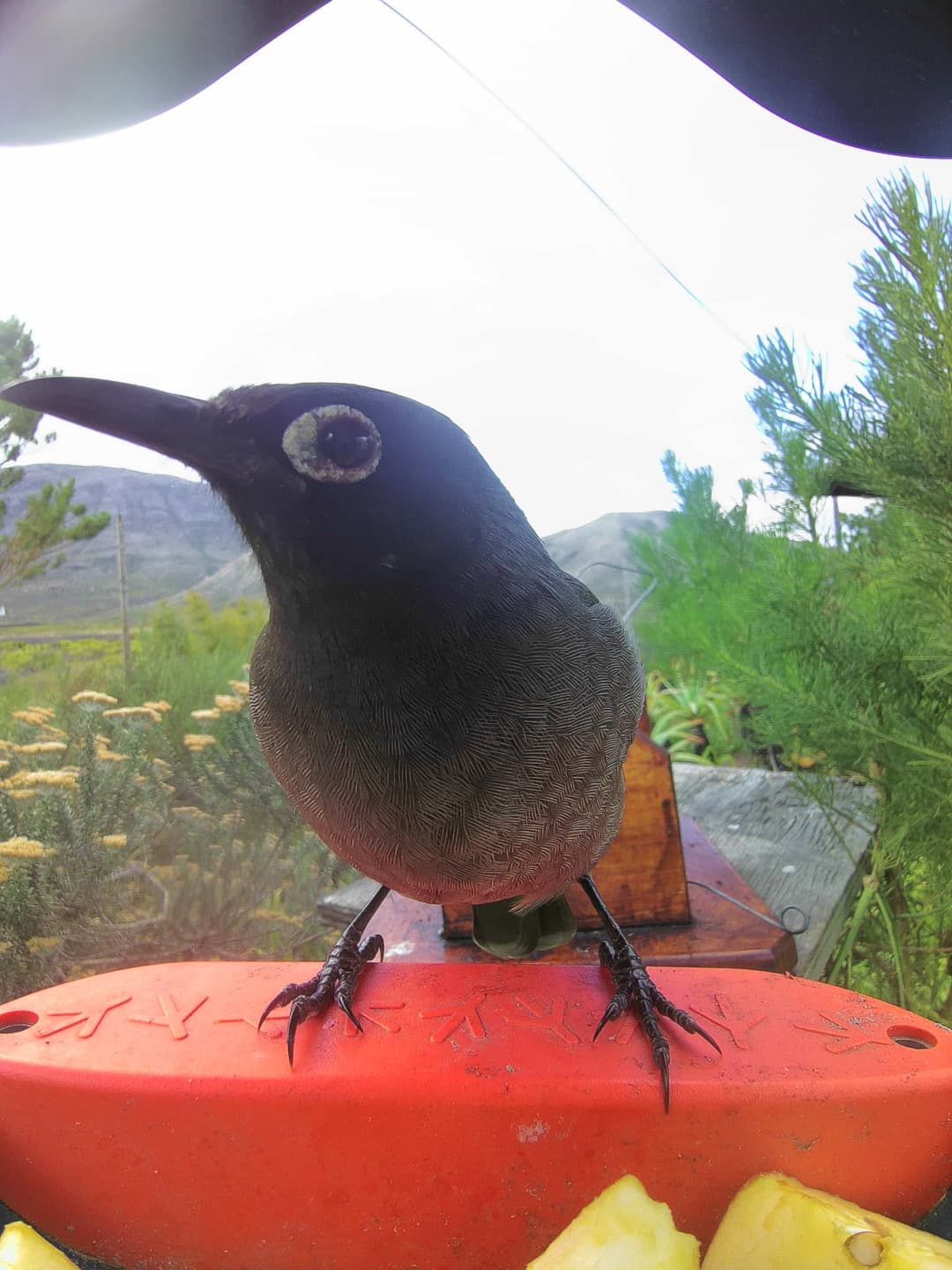
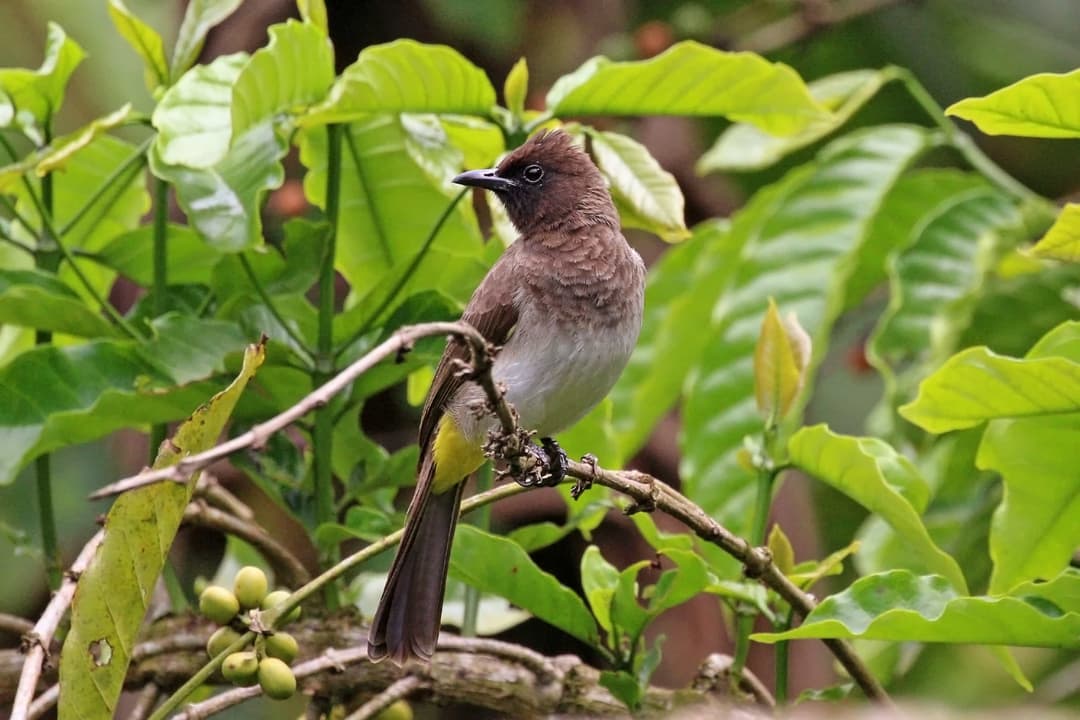
Common Bulbul


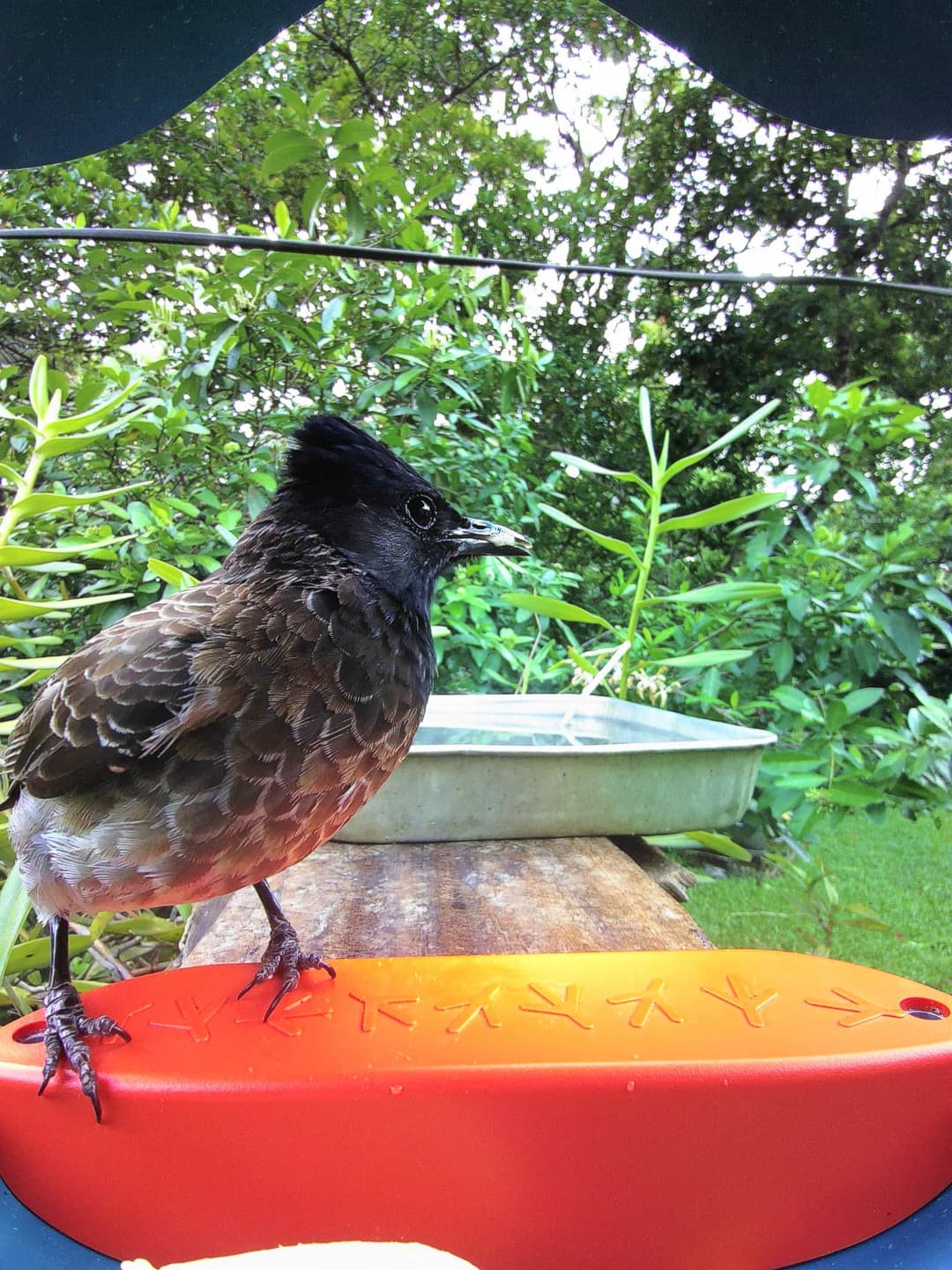
Light-Vented Bulbul
Common Bulbul
Pycnonotus barbatus
Also known as: Black-Eyed Bulbul, Brown Bulbul, Brown-Capped Geelgat, Common Garden Bulbul, Garden Bulbul, White-Vented Bulbul
General appearance
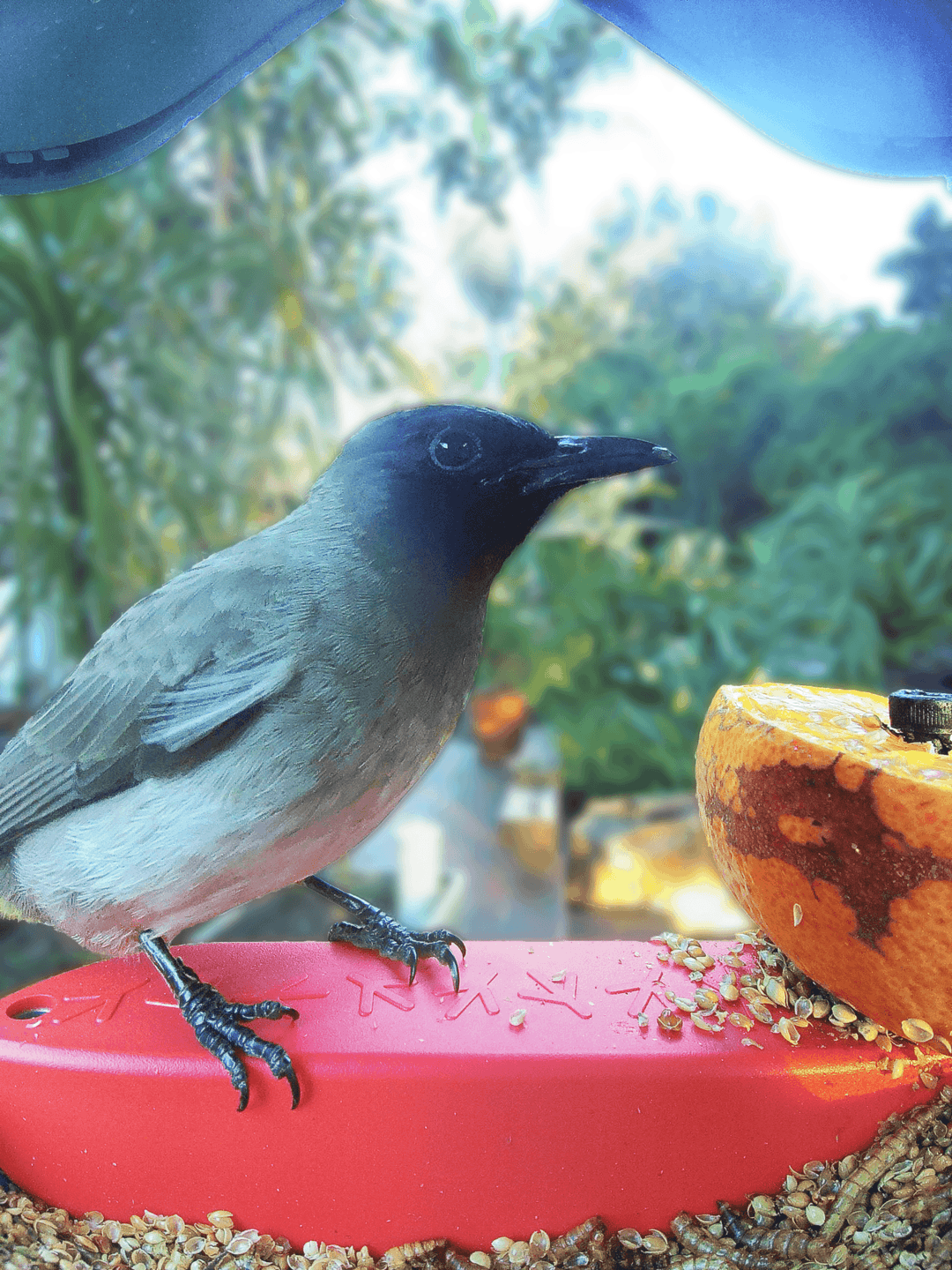
The common bulbul, or Pycnonotus barbatus, is a small passerine bird characterized by a compact body, short neck, and long tail. Its primary coloration is a drab brown on the wings and back, transitioning to a lighter shade on the underparts. The bird has a striking black head, complemented by a patch of yellow under its tail and a thin white eye ring.
Male vs female
Males and females of the common bulbul have very similar appearances, making them difficult to distinguish in the wild. Both have the same size and coloration, with no prominent sexual dimorphism. However, during breeding season, male bulbuls often display more aggressive and distinctive behaviors, such as competitive singing and aerial displays.
Juvenile
Juvenile common bulbuls are similar in appearance to the adults, but generally bear a softer, duller coloration. Their feather edges may also be slightly fluffier and less defined than in mature individuals. Over time, as they mature, their coloring gradually darkens to match that of adults.
Size
5.9 - 7.9 in/1.0 - 1.7 oz
There's more to learn about Common Bulbul
View full detailsLight-Vented Bulbul
Pycnonotus sinensis
Also known as: Chinese Bulbul
General appearance
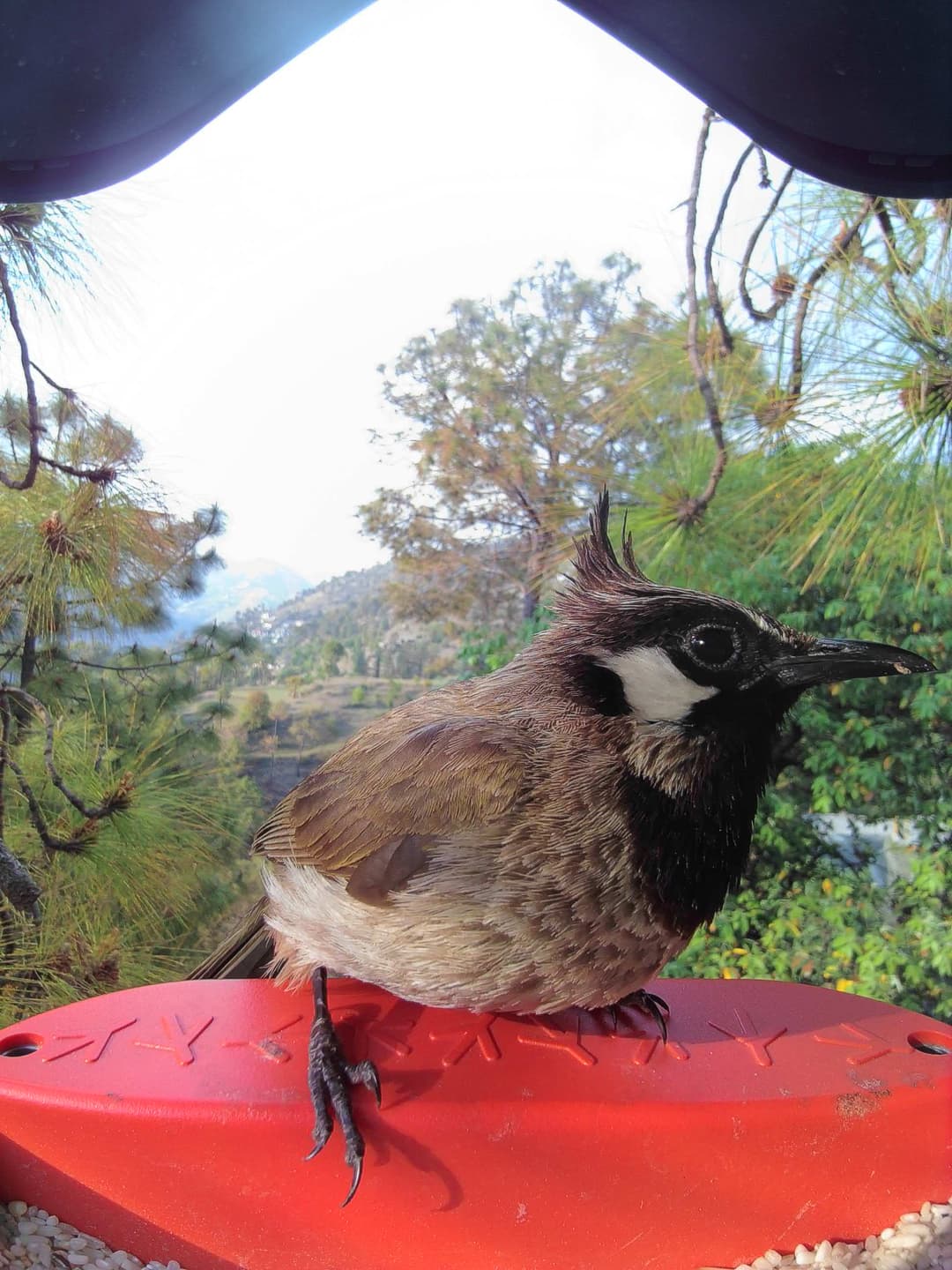
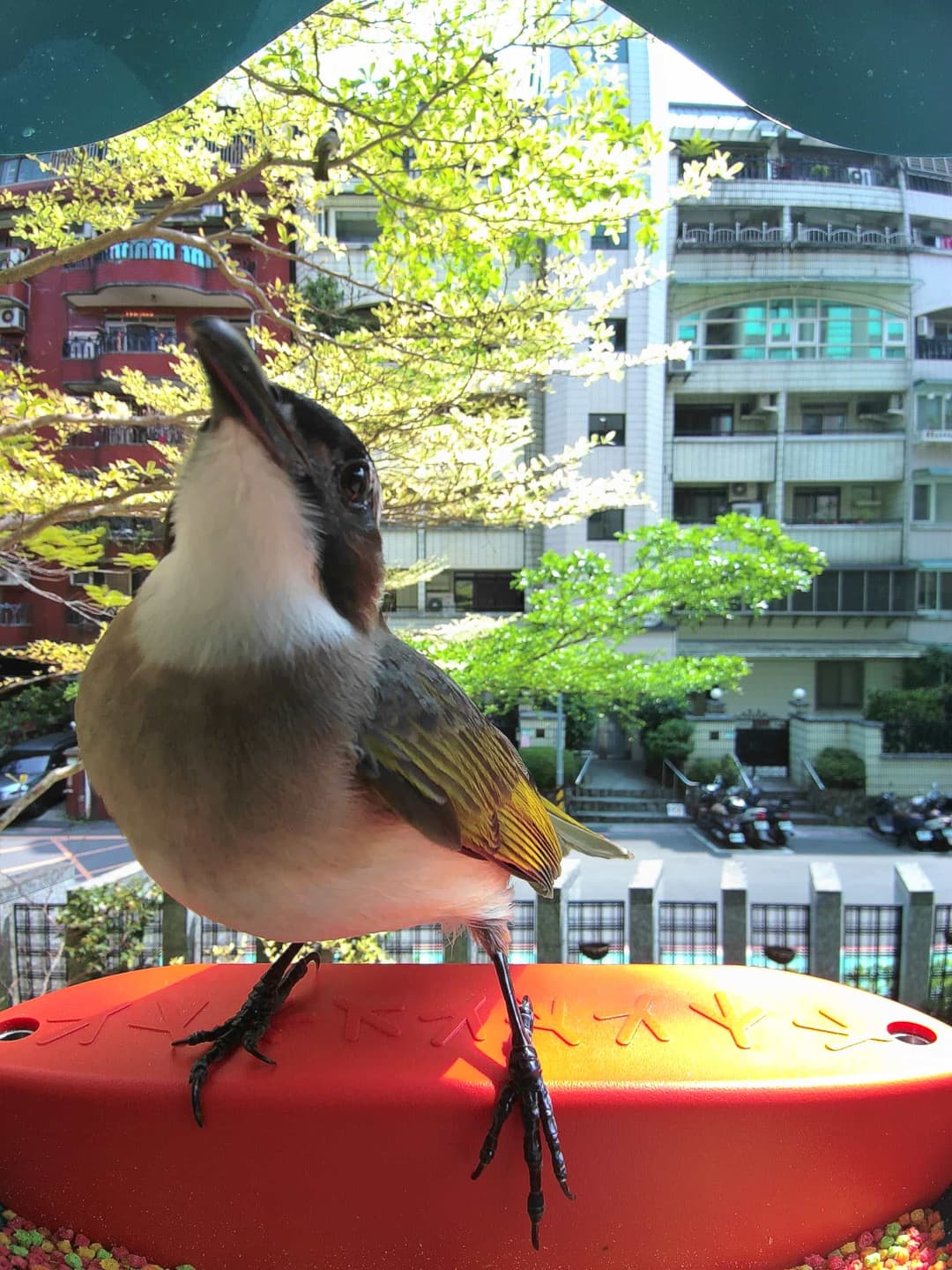
The light-vented bulbul is a medium-sized bird, ranging from 18 to 22 cm long. The species is characterized by a brownish color on their upper body parts while their belly is white. Notable is its black-colored head with a distinct tuft which resembles a crest on its crown and white rings around the eyes.
Male vs female
In terms of sex differentiation, it's challenging as both sexes almost look alike. However, upon closer examination, males may appear slightly larger and have a more pronounced crest compared to females. No seasonal variations in their appearance have been noted; they maintain their coloration all year round.
Juvenile
Juveniles are quite similar in appearance to the adults but are generally duller, with a less defined crest and a murkier shade of brown. Their belly is greyer than the stark white in adults, and the white eye ring is less prominent. Over time, they mature into their distinct adult coloration.
Size
7.1 - 7.5 in/1.1 - 1.6 oz
There's more to learn about Light-Vented Bulbul
View full detailsHow to tell the Common Bulbul from the Light-Vented Bulbul
Visual differences
The Common Bulbul (5.9-7.9 inches, 1.0-1.7 ounces) and Light-Vented Bulbul (7.1-8.3 inches, 1.1-1.6 ounces) differ visually in key ways. The Common Bulbul has a drab brown body and striking black head with a thin white eye ring, while the Light-Vented Bulbul features a black head with a distinct crest and prominent white eye ring. The Common Bulbul has a yellow patch under its tail, whereas the Light-Vented Bulbul’s belly is stark white. Both species lack significant sexual dimorphism, though male Light-Vented Bulbuls may have a slightly more pronounced crest.
Key differences and behavior
The Common Bulbul (Pycnonotus barbatus) and Light-Vented Bulbul (Pycnonotus sinensis) display notable behavioral differences. The Common Bulbul is an energetic and noisy bird, often seen singing prominently from high perches to establish territory and attract mates. In contrast, the Light-Vented Bulbul, while also vocal, is known for its sociable and fearless nature, frequently nesting in close proximity to human habitation, sometimes even on verandas. The Common Bulbul predominantly occupies open woodlands and savannas across Africa, adapting to human-altered environments, whereas the Light-Vented prefers subtropical forests and urban areas in East Asia. Both species build cup-shaped nests and jointly care for their offspring, with the Light-Vented Bulbul tending slightly larger clutch sizes. Dietary preferences overlap, as both birds consume fruits, insects, and occasionally visit bird feeders for chopped fruits and seeds. Despite these similarities, their vocalization and interaction with human environments are key distinguishing factors in the field.
Still not sure? Here are more lookalikes!
Common Bulbul vs Himalayan Bulbul
Light-Vented Bulbul vs Himalayan Bulbul
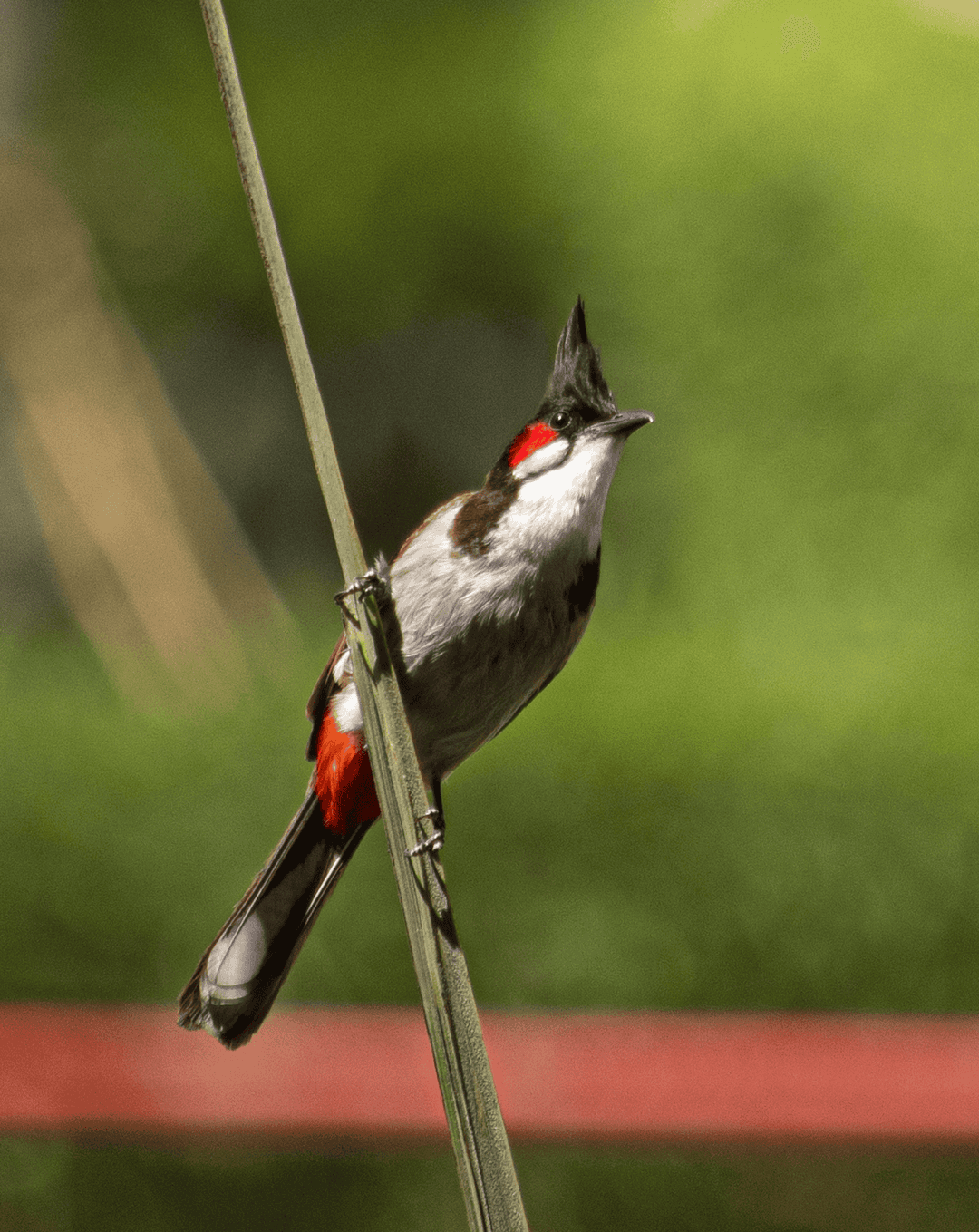
Light-Vented Bulbul vs Red-Whiskered Bulbul
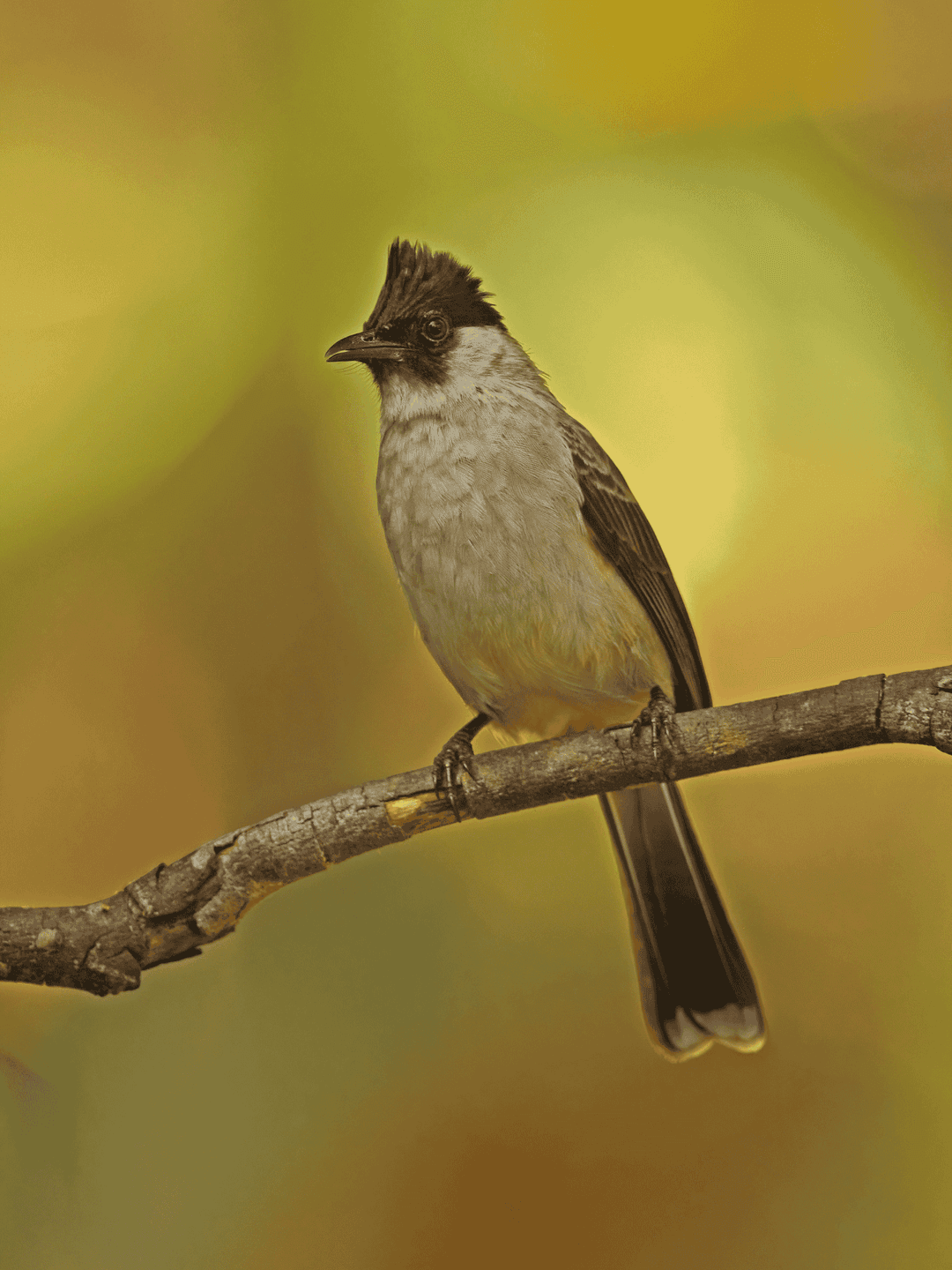
Light-Vented Bulbul vs Sooty-Headed Bulbul
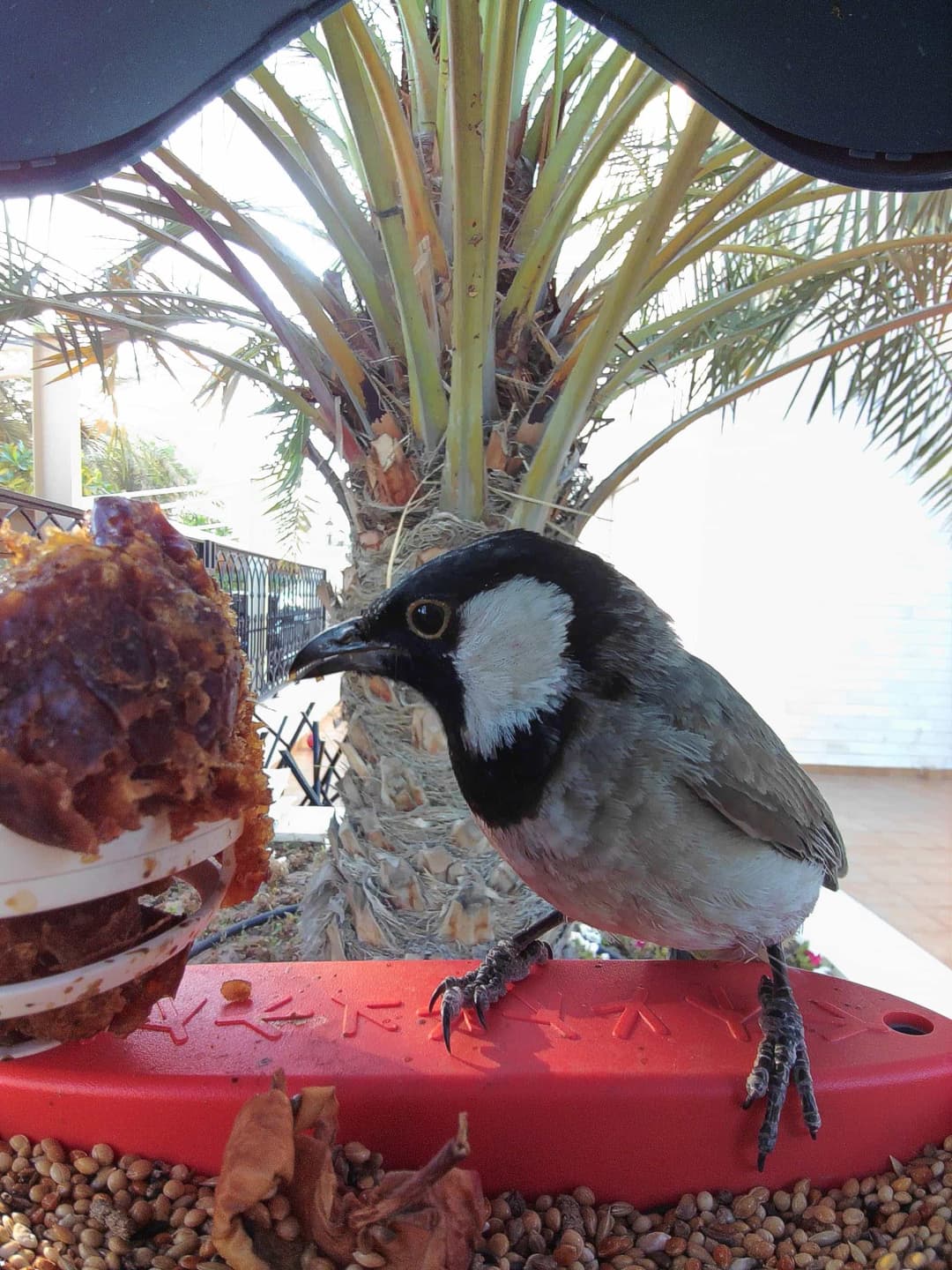
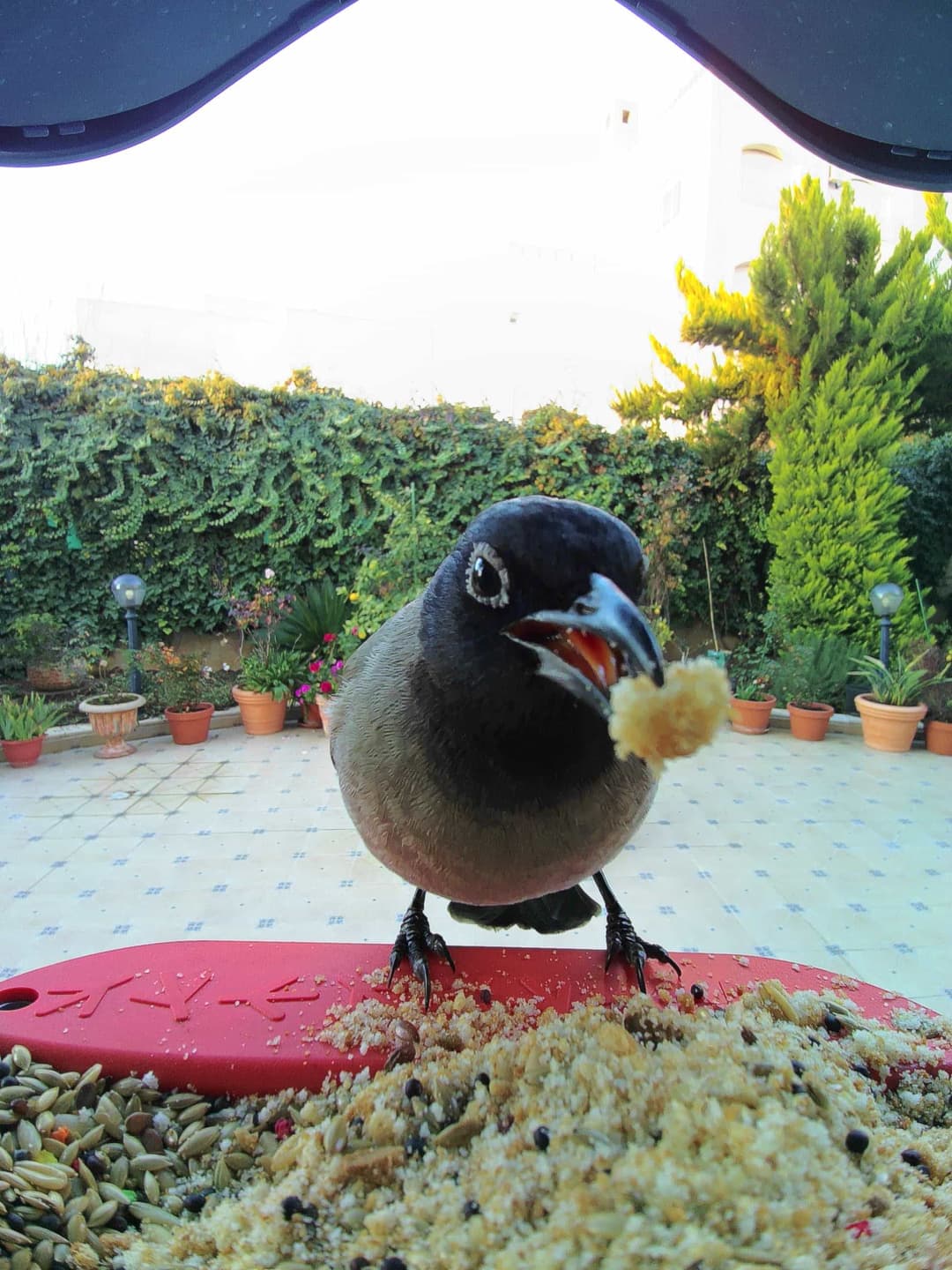
Light-Vented Bulbul vs White-Eared Bulbul
Common Bulbul vs [Select a bird]

[Select a bird]
Pick a bird to compare
Light-Vented Bulbul vs [Select a bird]
[Select a bird]
Pick a bird to compare