Cape Bulbul or Light-Vented Bulbul?
Here's how to tell the difference



Cape Bulbul


Light-Vented Bulbul
Cape Bulbul
Pycnonotus capensis
Also known as: Cape Geelgat
General appearance
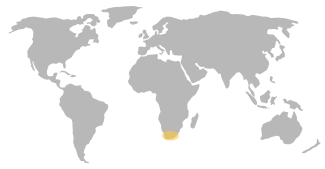
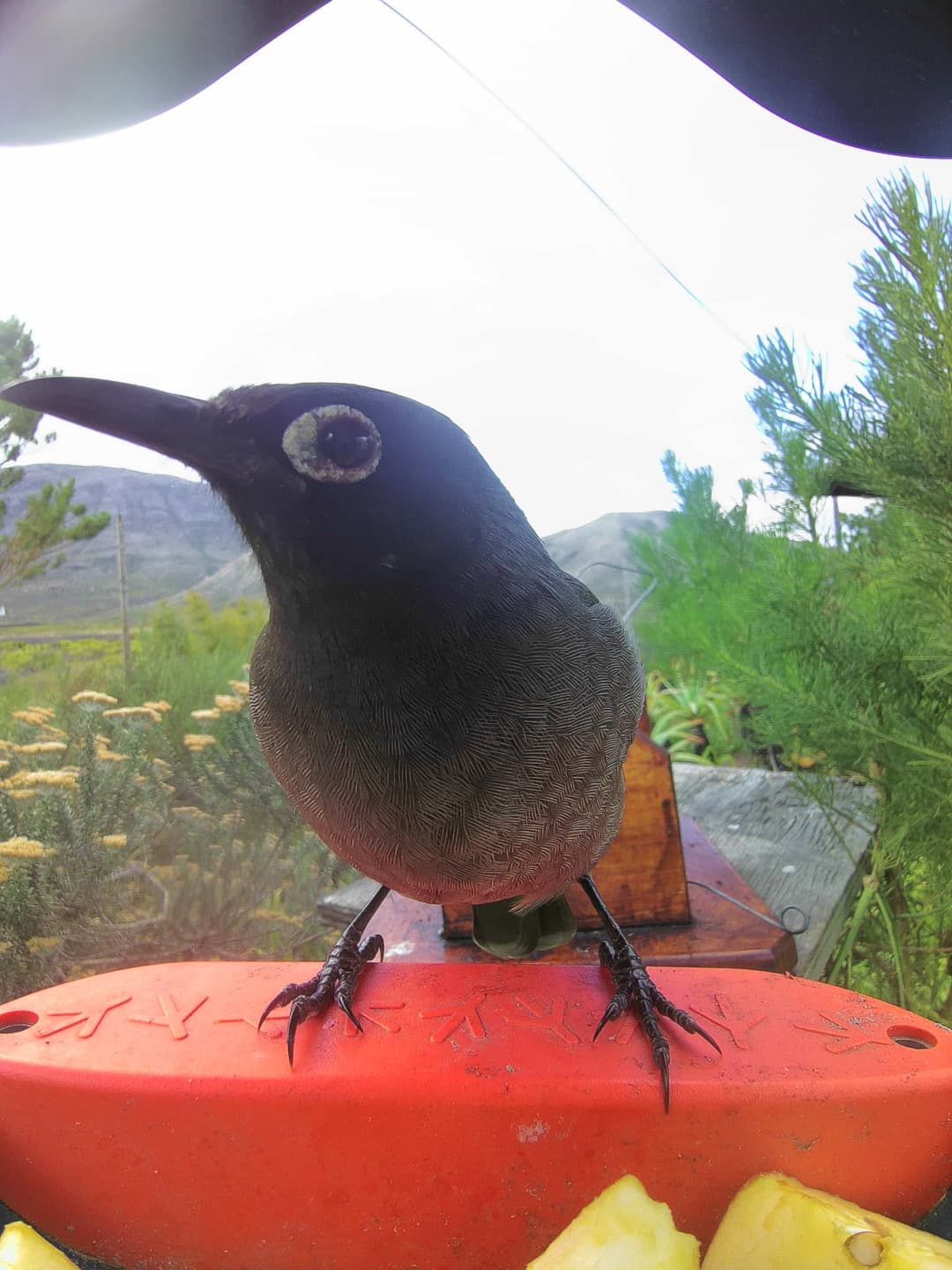
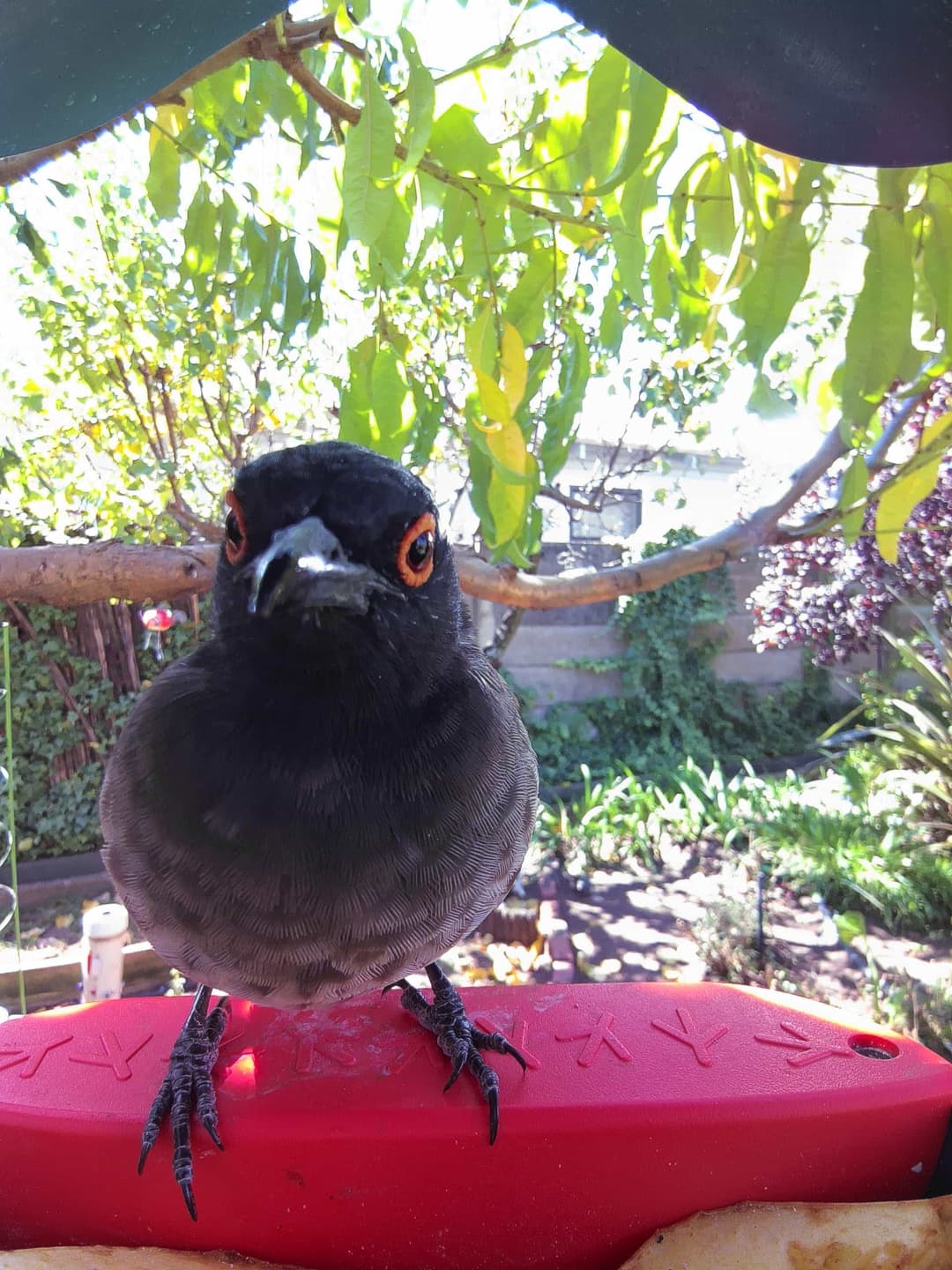
The Cape Bulbul, known scientifically as Pycnonotus capensis, is a bird species endemic to the Fynbos biome in South Africa. It is relatively small-sized about 20 cm long, distinguished by its glossy black plumage with an olive-yellowish underbelly. This small bird has a neat black crest, a dark brown eye surrounded by a narrow white eye-ring, and a long slender bill. It's characteristic tail is bulbous and displays prominent white tips and edges.
Male vs female
Male and female Cape Bulbuls appear identical with no significant sexual dimorphism. Both sexes share the same greenish-yellow underparts and distinctive olive-black upperparts. Differences in size or colour can't be reliably used to distinguish males from females.
Juvenile
Juvenile Cape Bulbuls resemble the adult birds but their plumage is less glossy. Additionally, the white edges on the feathers of their wings and tails are broader than in adults. Over time, as they mature, they acquire the glossy adult plumage and their white feather edges become as thin as those of mature birds.
Size
7.5 - 8.3 in/1.0 - 1.7 oz
There's more to learn about Cape Bulbul
View full detailsLight-Vented Bulbul
Pycnonotus sinensis
Also known as: Chinese Bulbul
General appearance
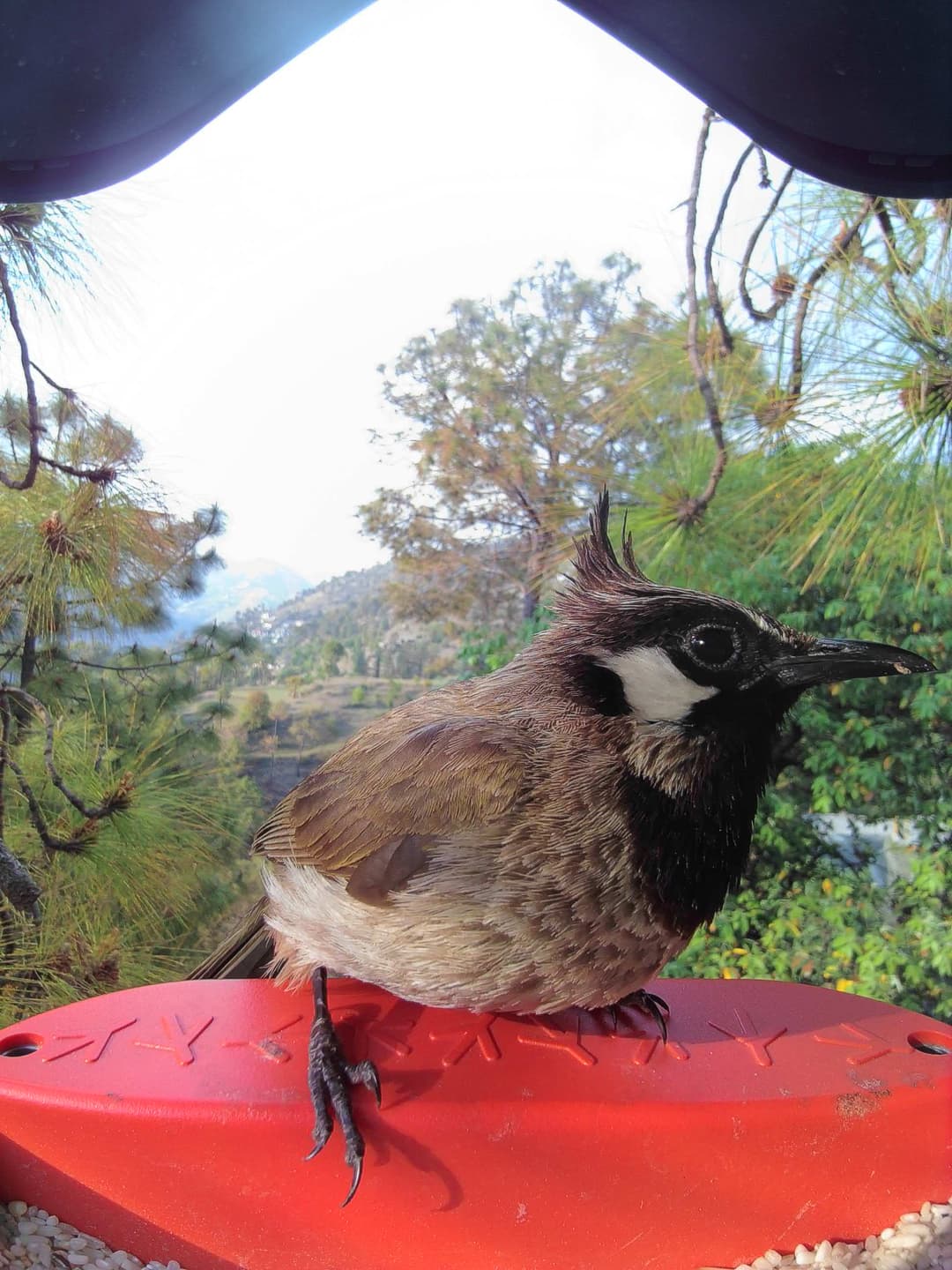
The light-vented bulbul is a medium-sized bird, ranging from 18 to 22 cm long. The species is characterized by a brownish color on their upper body parts while their belly is white. Notable is its black-colored head with a distinct tuft which resembles a crest on its crown and white rings around the eyes.
Male vs female
In terms of sex differentiation, it's challenging as both sexes almost look alike. However, upon closer examination, males may appear slightly larger and have a more pronounced crest compared to females. No seasonal variations in their appearance have been noted; they maintain their coloration all year round.
Juvenile
Juveniles are quite similar in appearance to the adults but are generally duller, with a less defined crest and a murkier shade of brown. Their belly is greyer than the stark white in adults, and the white eye ring is less prominent. Over time, they mature into their distinct adult coloration.
Size
7.1 - 7.5 in/1.1 - 1.6 oz
There's more to learn about Light-Vented Bulbul
View full detailsHow to tell the Cape Bulbul from the Light-Vented Bulbul
Visual differences
The Cape Bulbul (7.5-8.3 inches) has glossy black plumage with an olive-yellowish underbelly and distinctive bright yellow undertail feathers. It features a black crest, a slender bill, and a white eye-ring around its dark brown eyes. In contrast, the slightly smaller Light-Vented Bulbul (7.1-8.7 inches) has brown upperparts and a white belly, with a black head featuring a tufted crest and white eye rings. Both species share a similar length, but the Cape Bulbul has a more uniform dark appearance compared to the contrasting coloration of the Light-Vented Bulbul.
Key differences and behavior
The Cape Bulbul (Pycnonotus capensis) and Light-Vented Bulbul (Pycnonotus sinensis) differ notably in behavior and habitat. Cape Bulbuls, endemic to South Africa, thrive in fynbos shrublands and urban gardens, feeding on fruits and insects, while being frequent hosts to jacobin cuckoos. Their courtship includes mutual preening and vocalization. The Light-Vented Bulbul, found in East Asia, is more adaptable, inhabiting forests, urban areas, and even apartment verandas. They are bold and sociable, engaging in visual and vocal courtship displays. Diet-wise, both species consume fruit, though the Light-Vented Bulbul also eats seeds and nectar. Nesting involves both parents in both species, but Light-Vented Bulbuls lay slightly more eggs per clutch. With a similar length (around 7 inches), their behaviors and adaptability to environments provide primary field distinctions.
Still not sure? Here are more lookalikes!
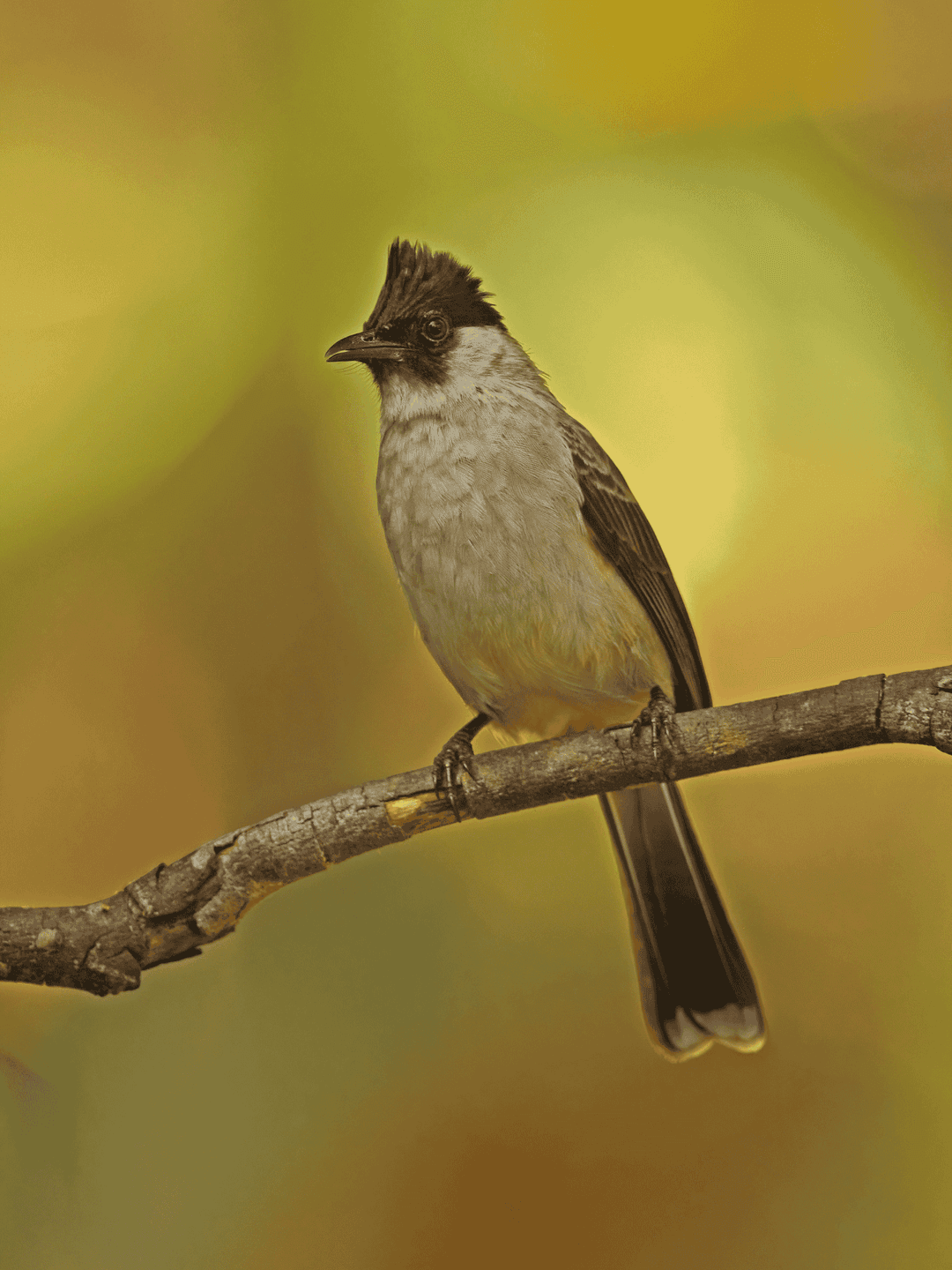
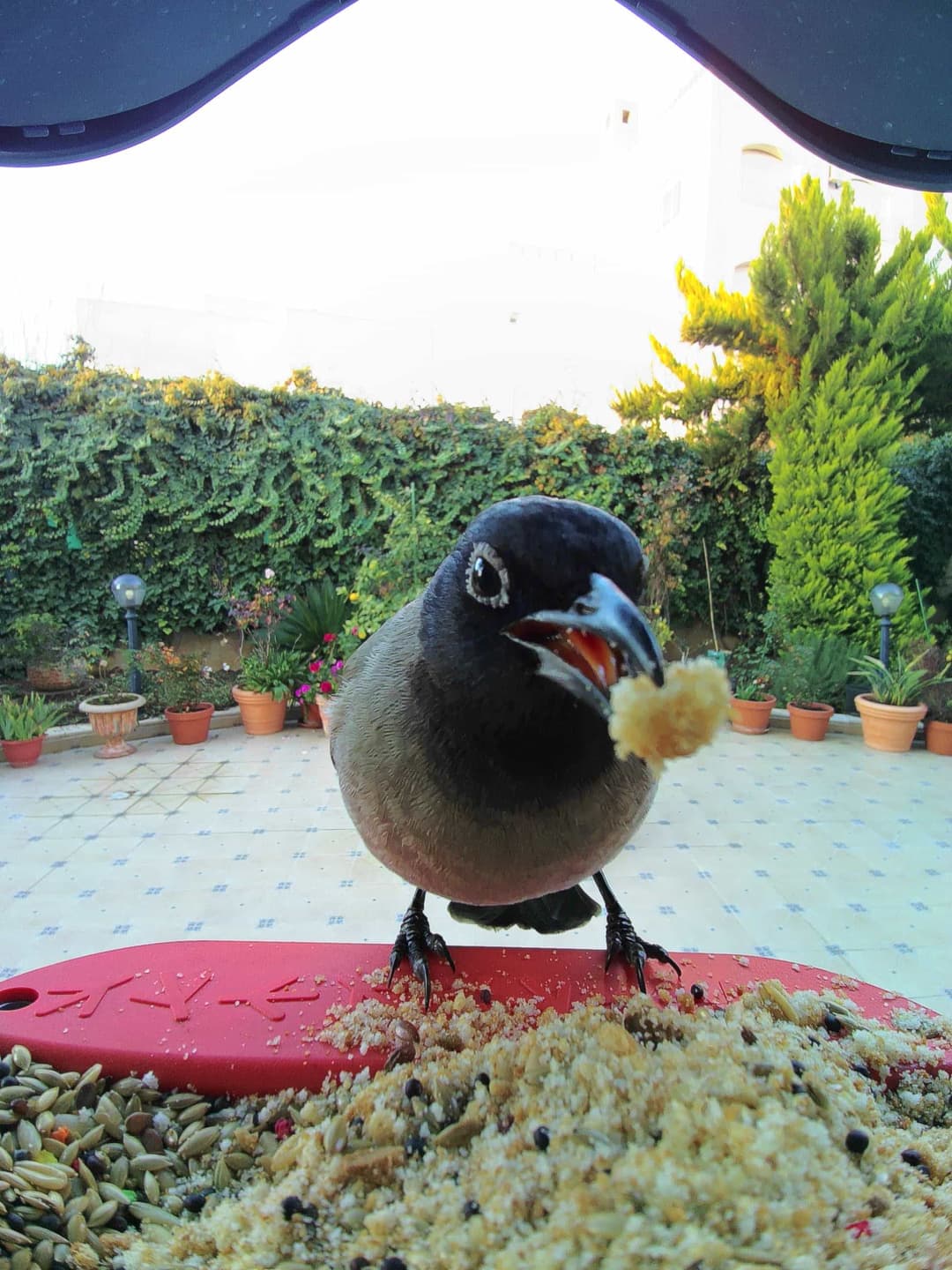
Cape Bulbul vs Himalayan Bulbul
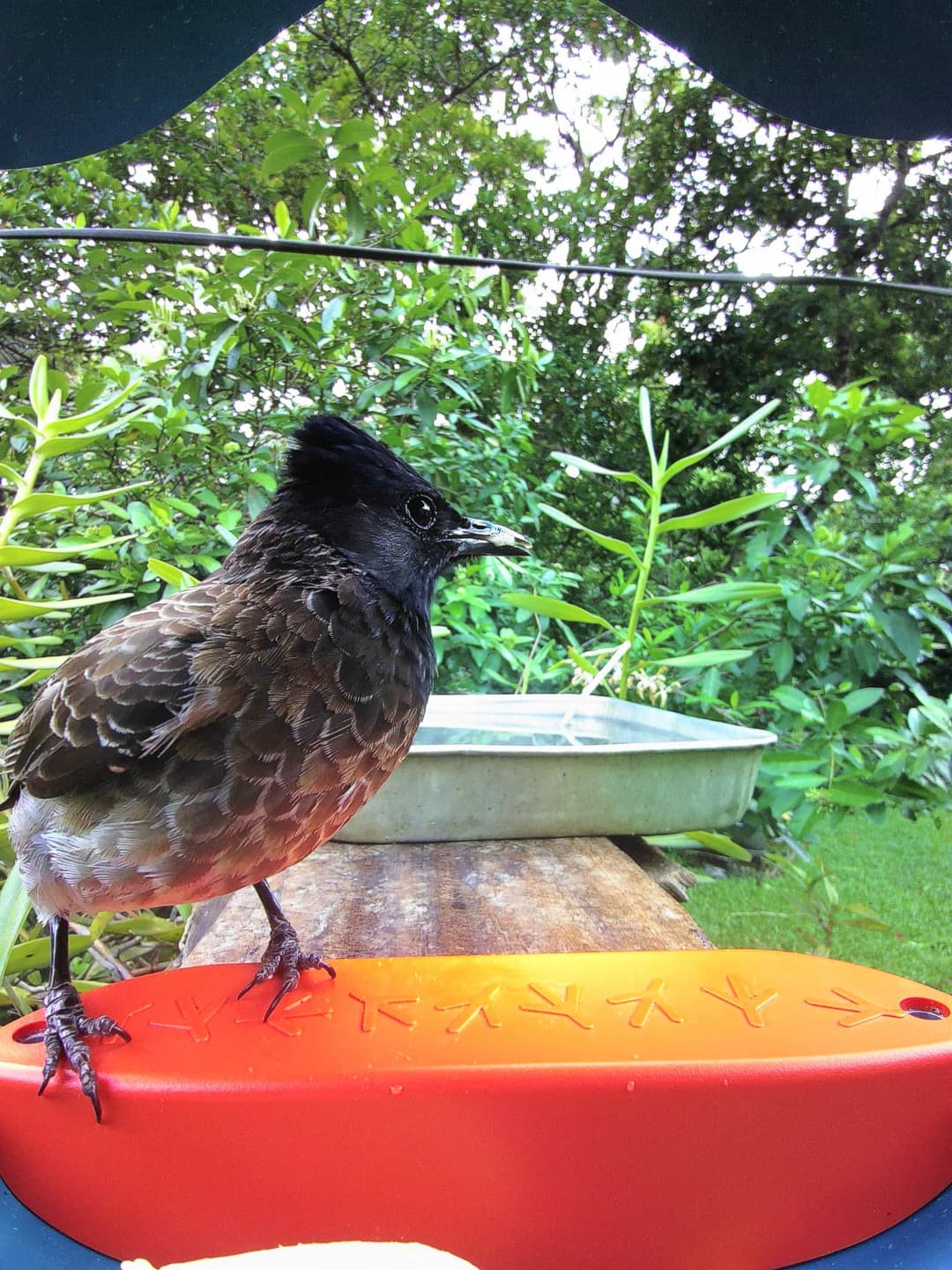
Light-Vented Bulbul vs Himalayan Bulbul
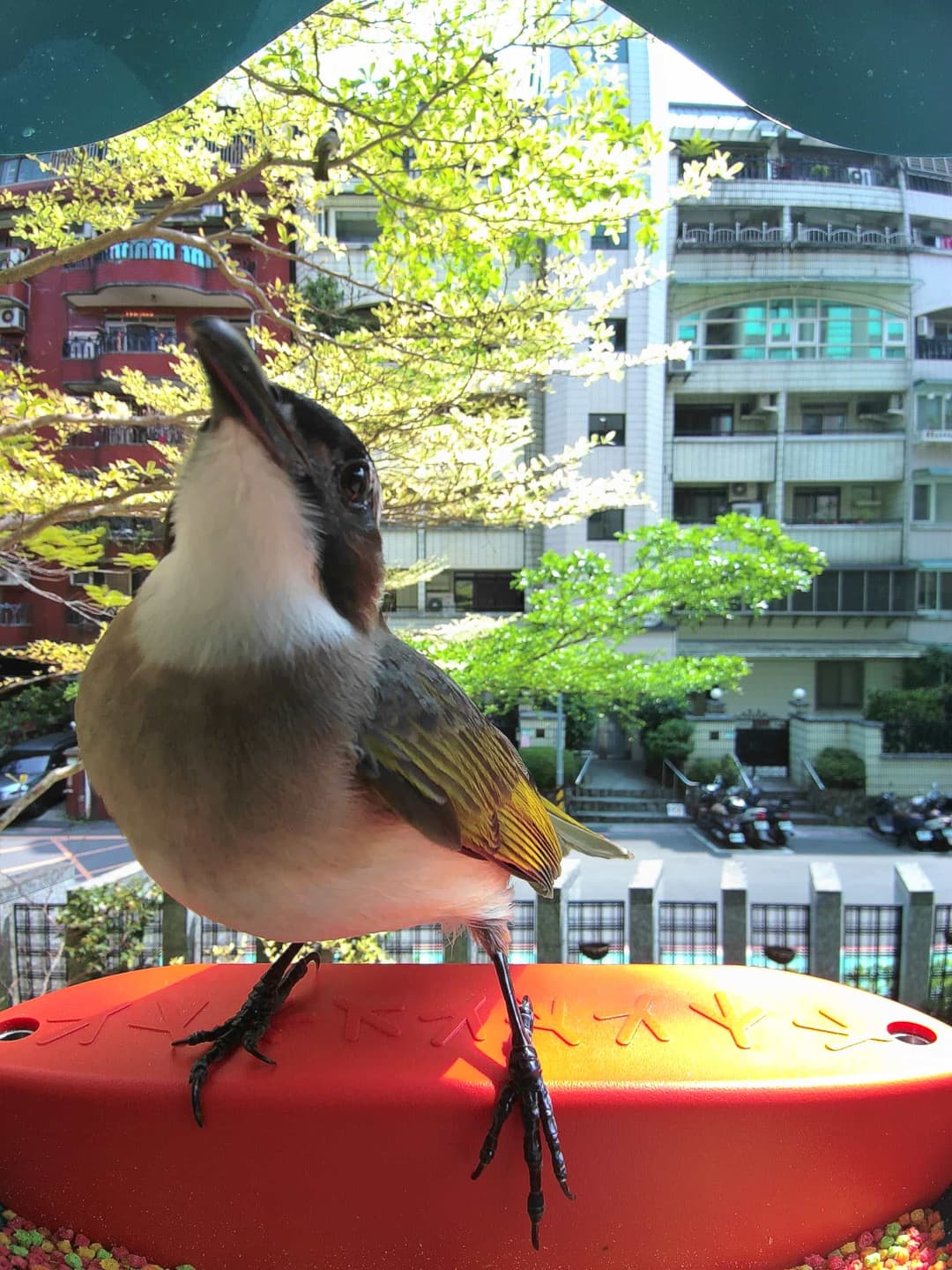
Light-Vented Bulbul vs Red-Whiskered Bulbul
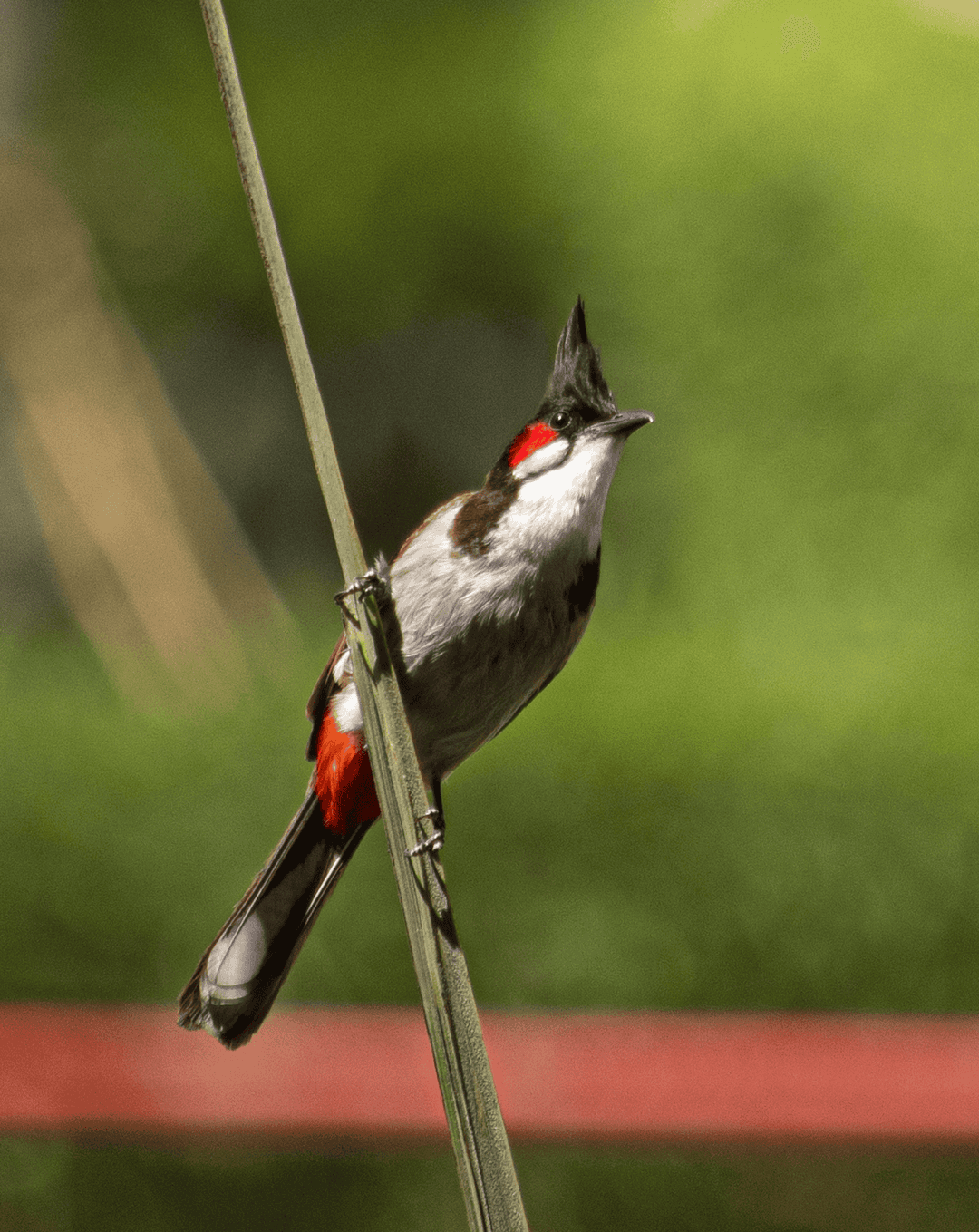
Light-Vented Bulbul vs Sooty-Headed Bulbul
Light-Vented Bulbul vs White-Eared Bulbul
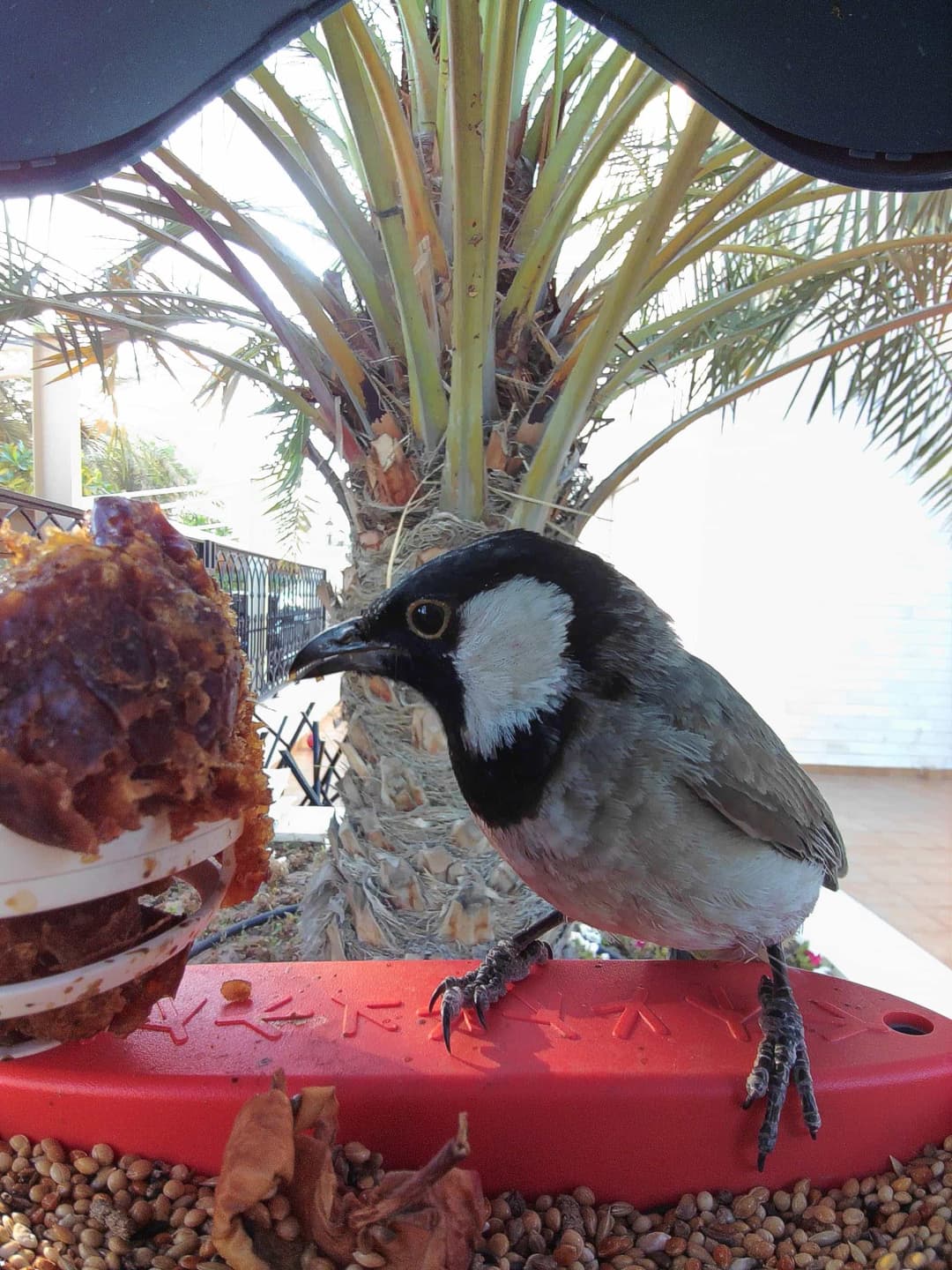
Cape Bulbul vs [Select a bird]

[Select a bird]
Pick a bird to compare
Light-Vented Bulbul vs [Select a bird]
[Select a bird]
Pick a bird to compare