
White-Spectacled Bulbul
White-Spectacled Bulbul
Pycnonotus xanthopygos


Quick Identification guide
Quick Identification guide
- •
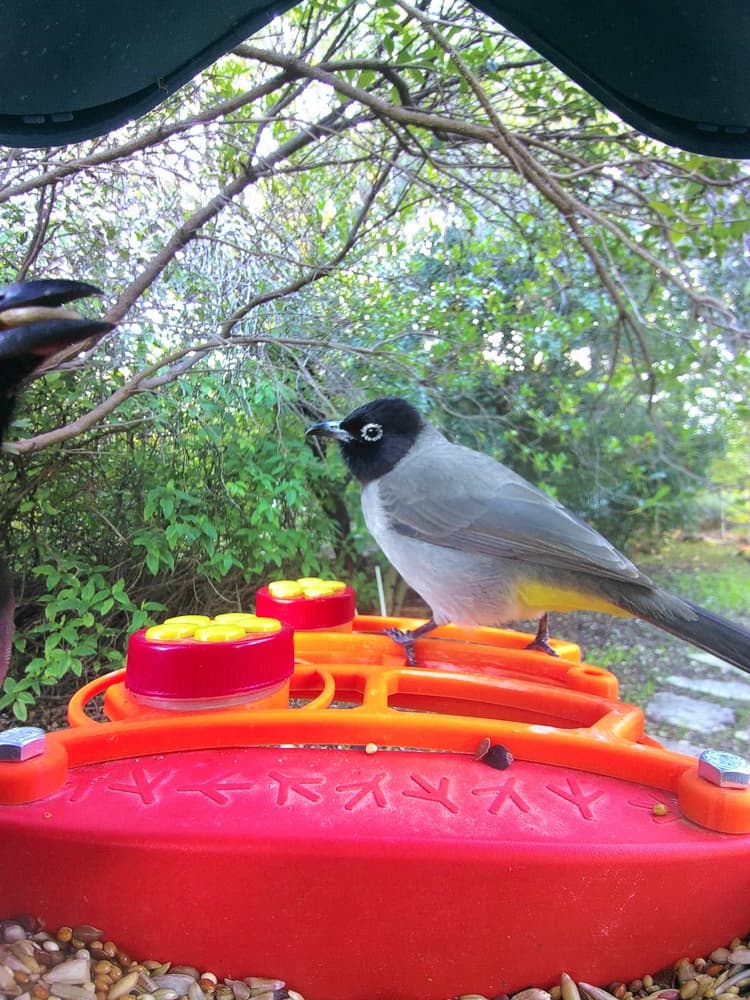
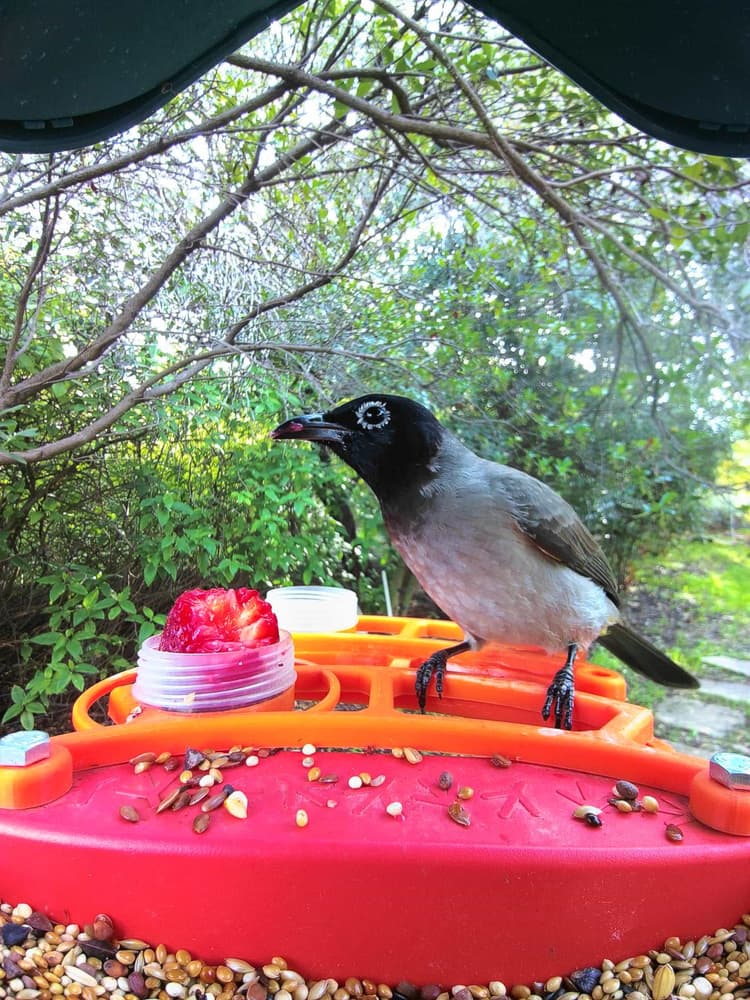
Features a distinctive white eye-ring resembling spectacles, providing a key identification mark
- •
Shows olive-brown upperparts transitioning to lighter, paler underparts, giving a balanced appearance
- •
Possesses a short, dark beak and a conspicuously yellow vent, adding contrast to its primarily earthy tones


Description
Though white-spectacled bulbuls are residents, young birds scatter a little bit once they go off on their own. Got to see a little bit of the world before settling down, after all. They are inquisitive and noisy birds that you will usually spot in a pair. Here's the fun part: pairs are always made up of two siblings of either the same or the opposite sex! Sometimes your brother or sister really is your best friend!
The white-spectacled bulbul can weigh between 31to46grams and be from20to25centimeters tall.
The white-spectacled bulbul typically lives for around 11 years. This is shorter in comparison to some related species like the European Starling which can live up to 20 years. Factors affecting the lifespan of the white-spectacled bulbul include habitat, diet, and threats from predators.
Did you know?
Most popular questions about white-spectacled bulbul
How to recognise a white-spectacled bulbul?
General appearance
The white-spectacled bulbul, also known as the yellow-vented bulbul, has a sleek body, average length of 20 centimeters and a wingspan between 20-25 centimeters. It has a black crest, a white spectacled ring around its eyes, and a black stripe across its white cheeks. Its body is mainly greyish-brown with a yellow vent under the tail, thus deriving its other common name. Seasonal changes do not significantly affect its appearance.
Male vs female
Both the males and females of this species exhibit similar physical traits and colorations, making it challenging to distinguish between them based purely on visual characteristics. Their differences mainly exist in their vocalizations, with males having a wider variety of calls for attracting mates.
Juvenile
Juvenile white-spectacled bulbuls lack the pronounced specs and crest of the adults, and have a duller, more uniform brown coloration. The spectalces and crest develop progressively with growth. Therefore, if you spot a bulbul without distinct spectacles, it's likely a juvenile.
Often mistaken for
Himalayan Bulbul vs White-Spectacled Bulbul
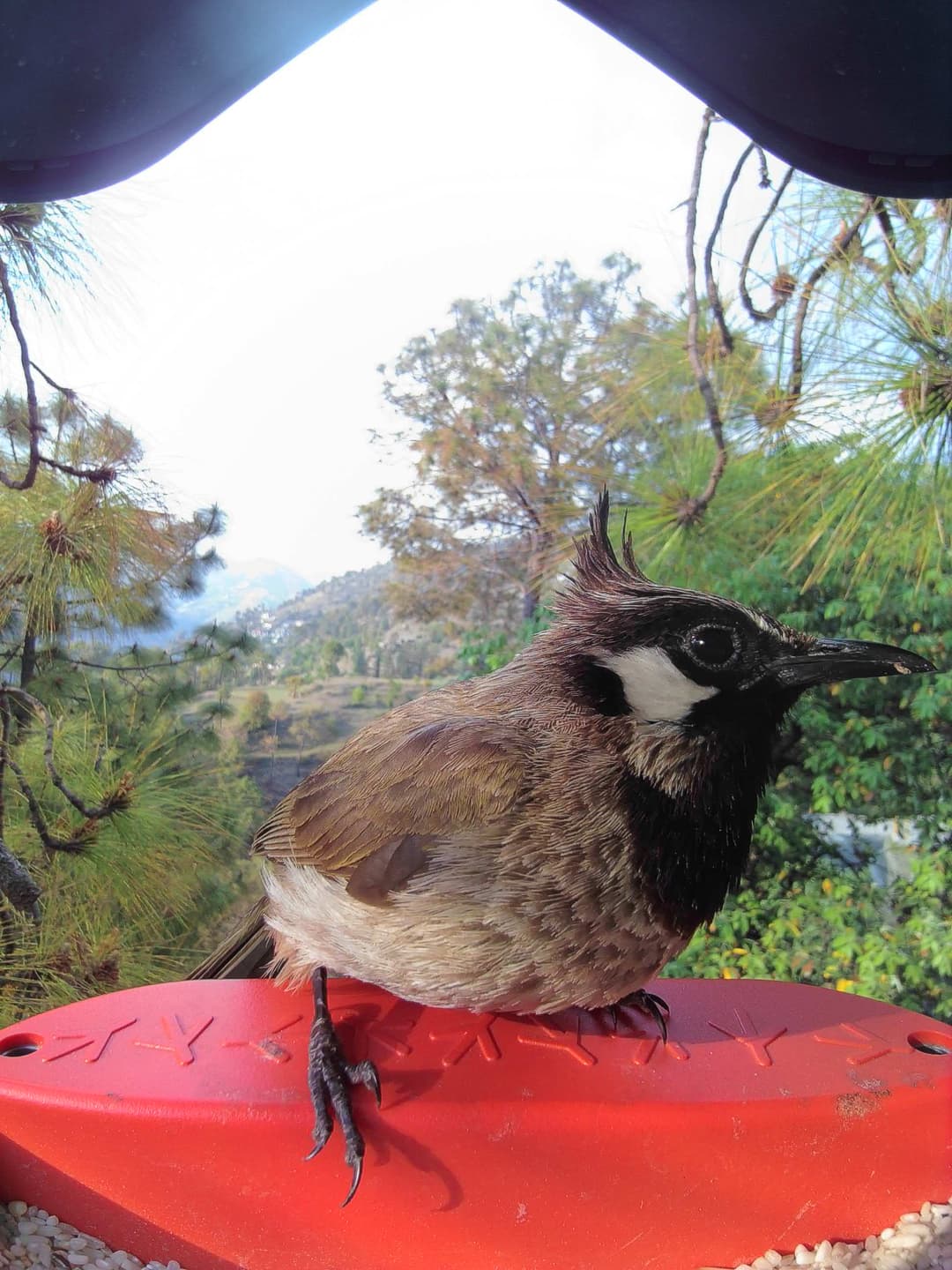
Himalayan Bulbul resembles the White-Spectacled Bulbul in size and body shape. However, the Himalayan Bulbul has a distinct white cheek patch and a black head with a pointed crest. Its vent is a bright yellow, which is not present in the White-Spectacled Bulbul.
African Red-Eyed Bulbul vs White-Spectacled Bulbul
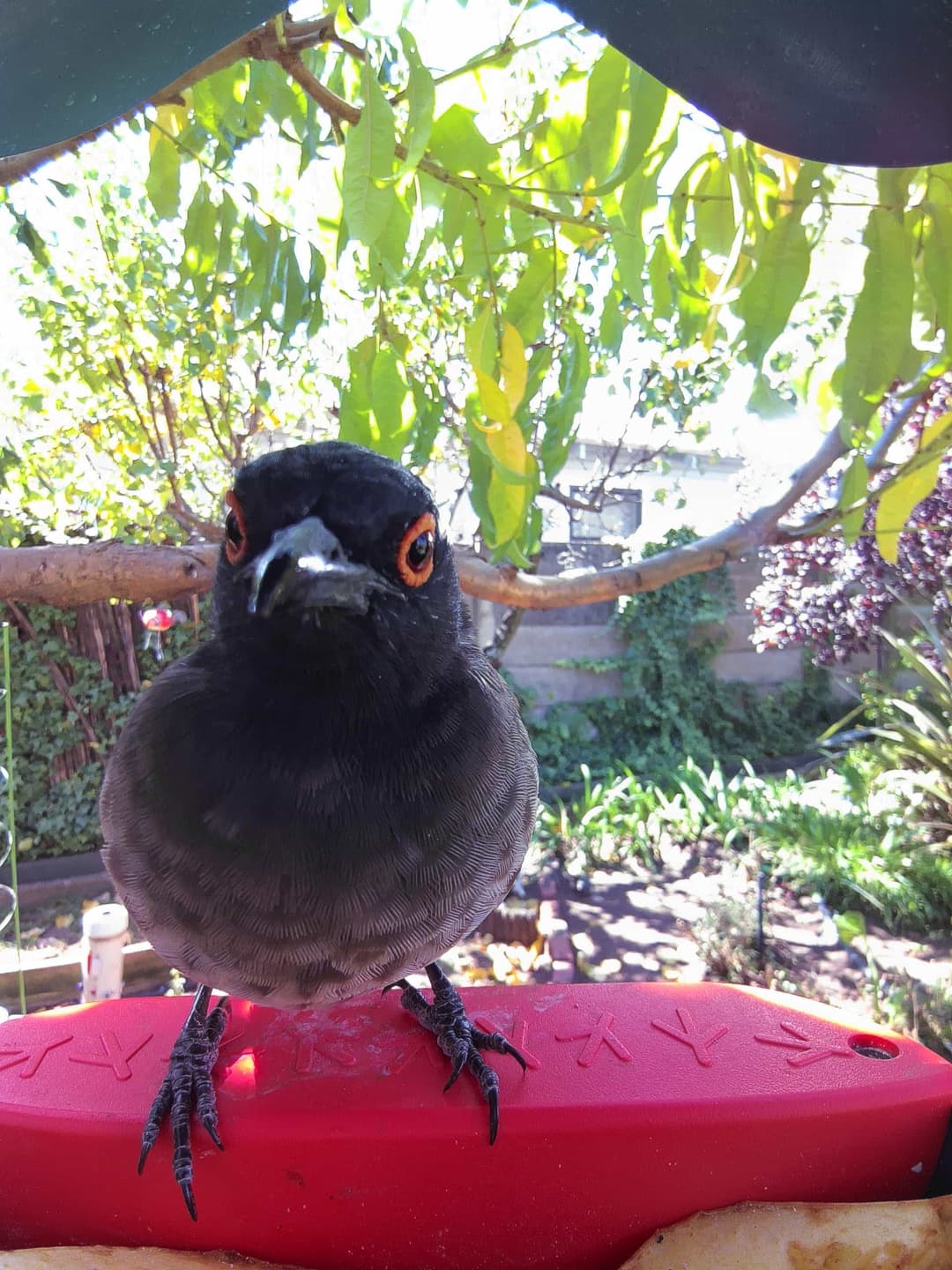
The African Red-Eyed Bulbul has a similar size and shape to the White-Spectacled Bulbul. The primary distinction is the red eyes of the African Red-Eyed Bulbul, contrasted against the white eye spectacles of the White-Spectacled Bulbul. The coloration on the belly and underparts slightly varies as well.
Red-Vented Bulbul vs White-Spectacled Bulbul
Red-Vented Bulbul shares a similar shape and overall appearance. However, it has a distinct red vent and lacks the white eye spectacles characteristic of the White-Spectacled Bulbul. It also has a darker body plumage.
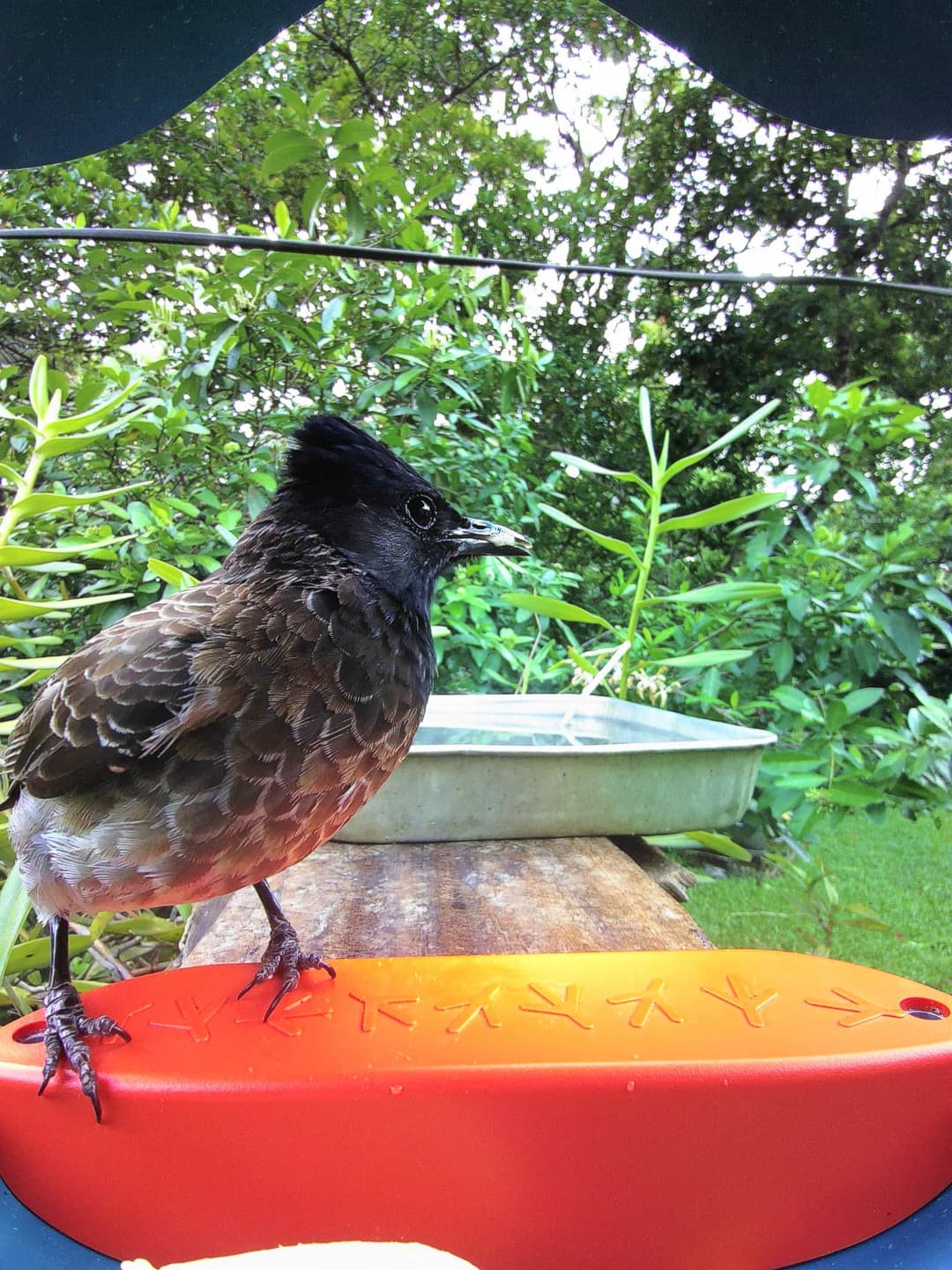
Breeding and nesting habits of the white-spectacled bulbul
Mating behaviors
White-spectacled bulbuls engage in elaborate courtship displays, which include singing and displaying their plumage to attract mates. These behaviors are typically observed during the breeding season, ensuring successful pairing.
Nesting details
This species constructs cup-shaped nests using twigs, grass, and leaves. Nests are commonly located in bushes and low trees, including gardens, providing a concealed and safe environment for eggs and chicks. To attract bulbuls, maintain a variety of native shrubs and avoid excessive pruning during breeding season.
Eggs and chick-rearing
Females typically lay 2-4 eggs per clutch. Both parents participate in incubating the eggs and feeding the chicks once hatched. Parental care includes feeding insects and fruit to the young, ensuring rapid growth and development until fledging.
What does a white-spectacled bulbul like to eat?
Berries
Carrion
Flowers
Fruits
Insects
Nectar
Plants
Seeds
Snails
Spiders
Worms
Natural diet
The white-spectacled bulbul primarily feeds on a variety of fruits, including berries and figs. It also consumes nectar, which it obtains from flowering plants. Apart from fruits, its diet includes insects and small invertebrates, providing essential proteins.
Bird feeders
At bird feeders, the white-spectacled bulbul often eats a range of seeds and fruits provided by enthusiasts. Common offerings include chopped apples, grapes, and pears. Occasionally, it may also consume suet or seed-based mixes, especially those containing sunflower seeds.
Attracting white-spectacled bulbuls
Inviting white-spectacled bulbuls to your backyard can be both exciting and rewarding. By setting up the right environment, you may find yourself not just watching them but hearing their melodious songs too. Prepare a feeding area that will comfortably accommodate their needs. Bulbuls love fruits such as açai berries, red and black currants, and juicy fruits like pears and apples. Scatter these fruits in a shallow tray or a platform feeder and position it at a visible, safe distance for them. Clean the feeding area regularly to maintain good hygiene and keep attracting these beautiful birds.
Preferred feeder types
White-spectacled bulbuls prefer feeders that provide them with some level of safety. Platform or tray feeders are often their favorite because of the easy landing and quick food access. When setting up your feeder, make sure it's placed at a safe height and location to prevent household pets from interfering. A feeder placed roughly five to ten feet off the ground will attract bulbuls and protect them from predators.
Encouraging regular visits
Apart from their favorite fruits, bird seeds are a great treat for bulbuls. Interestingly, the Bird Buddy seeds have been seen to attract these species with good results because they're selected by experts considering the particular season. By frequently refilling the seeds and ensuring a clean and safe feeding environment, you can have bulbuls consistently flying into your backyard for a snack, and hopefully, stay for a song!
Where can you find white-spectacled bulbuls?

Primary habitat
The white-spectacled bulbul primarily lives in savannas, gardens, and farmlands of the Middle East and North Africa.
Additional range
In addition to these common habitats, it also occasionally occupies semi-arid areas and coastal scrubs, indicative of its adaptation to diverse climatic conditions.
Do they migrate?
The white-spectacled bulbul (Pycnonotus xanthopygos) is primarily a resident bird, meaning it does not engage in long-distance migration. This species is commonly found throughout its range, which includes parts of the Middle East, such as Israel, Jordan, Lebanon, Syria, and the Arabian Peninsula. While it generally stays in one place year-round, there may be some local movements. These movements are typically related to food availability and environmental conditions rather than seasonal migration patterns. They might shift to nearby areas if their habitat becomes less conducive due to changes in weather or resource scarcity. Unlike long-distance migratory species, white-spectacled bulbuls maintain fairly stable populations throughout their range and can be found in a variety of habitats, including gardens, orchards, woodlands, and scrublands. Their adaptability to different environments diminishes the necessity for migration, allowing them to stay relatively sedentary throughout the year.
What is the role of white-spectacled bulbuls in nature and how to protect them?
Conservation status
The white-spectacled bulbul is considered a common bird and is currently listed as Least Concern on the IUCN Red List. It thrives in a variety of habitats across the Middle East and parts of North Africa. Despite its abundance, some local populations face threats from habitat destruction and urbanization. Key conservation efforts are not urgent or widespread due to its stable population, but habitat preservation remains essential to prevent future declines. Monitoring of population trends and habitat health is advisable to maintain its status.
Ecological role of white-spectacled bulbuls
Its role in the ecosystem
The White-Spectacled Bulbul, or Pycnonotus xanthopygos, occupies a crucial role in its ecosystem. Being omnivorous, it participates in natural pest control through its diet which includes insects and other small invertebrates. This propensity helps to restrict the overpopulation of these species, thereby preventing possible infestations. Additionally, the white-spectacled bulbul plays a necessary role in seed dispersal. It consumes various fruits and berries, passing seeds through its digestive system and depositing them in different locations, thus promoting plant biodiversity and growth. Seed dispersal also contributes to plant reproduction, fostering a healthy and diversified environment. It's also a crucial food source for larger predators. Overall, the white-spectacled bulbul's existence is intertwined with and contributes to the stability of its ecosystem.
How to help protect white-spectacled bulbuls
Preservation tips
Habitat preservation strategies for white-spectacled bulbul
To preserve the white-spectacled bulbul, focus on maintaining and restoring its natural habitats – scrubs, gardens, and orchards. Prevent deforestation and limit land use changes in these areas. Encourage local authorities to implement strict policies on habitat destruction. If possible, establish protected areas to ensure a safe space for their natural life cycle.
Community science initiatives
Engage the local community in birdwatching clubs or initiatives to monitor the white-spectacled bulbul populations. Promote citizen science projects to collect data, which can be useful for conservation planning. Organize workshops and educational programs to increase awareness about the importance of biodiversity and the specific role of this bird species. Foster a culture of respect and care towards the environment within the community.