
Red-Vented Bulbul
Red-Vented Bulbul
Pycnonotus cafer
Quick Identification guide
Quick Identification guide
- •
The dark black crest on its head gives the Red-Vented Bulbul a distinctive appearance
- •
Features brownish plumage with a conspicuous red vent under its tail
- •
Has a black beak and head, contrasting with its pale underparts
What does a red-vented bulbul sound like?
The red-vented bulbul is known for its melodic, rich, and bubbly whistle-like vocalizations. Its songs are sweet and expressive, often featuring a variety of notes and trills. The typical call occurs in sequences; a three-part "chuck-churrrr-ip" sound, while its alarm or distress calls are harsh, screechy, and abrupt. It also mimics calls of other bird species. Males use songs primarily to attract females and deter rivals, especially during breeding season.
Call
Audio by Gypsypkd
Description
Did you know that red-vented bulbuls are one of the first animals other than humans that have been found incapable of synthesising vitamin C? They have also made the list of one of the world's 100 worst invasive alien species and their smarts may have something to do with that. They have an appetite for crops and will not be deterred by any repellents. Why? Because they learn to recognise and avoid them!
The red-vented bulbul can weigh between 31to59grams and be from20to23centimeters tall.
The red-vented bulbul typically has a lifespan of up to 11 years. This is similar to related species such as the red-whiskered bulbul which also has a lifespan of around 11 years. However, in captivity, with proper care, both species can live up to 20 years. These bulbuls have a fairly average lifespan when compared to other medium-sized songbirds.
Did you know?
Most popular questions about red-vented bulbul
How to recognise a red-vented bulbul?
General appearance
The Red-vented Bulbul is a member of the bulbul family of passerines. It is easily identified by its short crest on the head and a characteristic red colour patch on the vent. They are generally around 20cm in length. Their body is primarily black with dark brown mixed in. The head, throat, and crests are black, while the middle of the belly is white.
Male vs female
Males and females appear largely similar with little sexual dimorphism. Both genders flaunt the white belly and red vent patches. Females are slightly smaller and duller than males. It is challenging to distinguish them based on appearance alone.
Juvenile
Juvenile Red-vented bulbuls resemble adults but have less distinctly colored vent patches. Their upper parts are brownish while the belly and under tail coverts are often tinged rust-brown. The head, crest, and throat are not as starkly black, but instead exhibit a mix of browns. Juveniles attain the mature plumage in about one year.
Often mistaken for
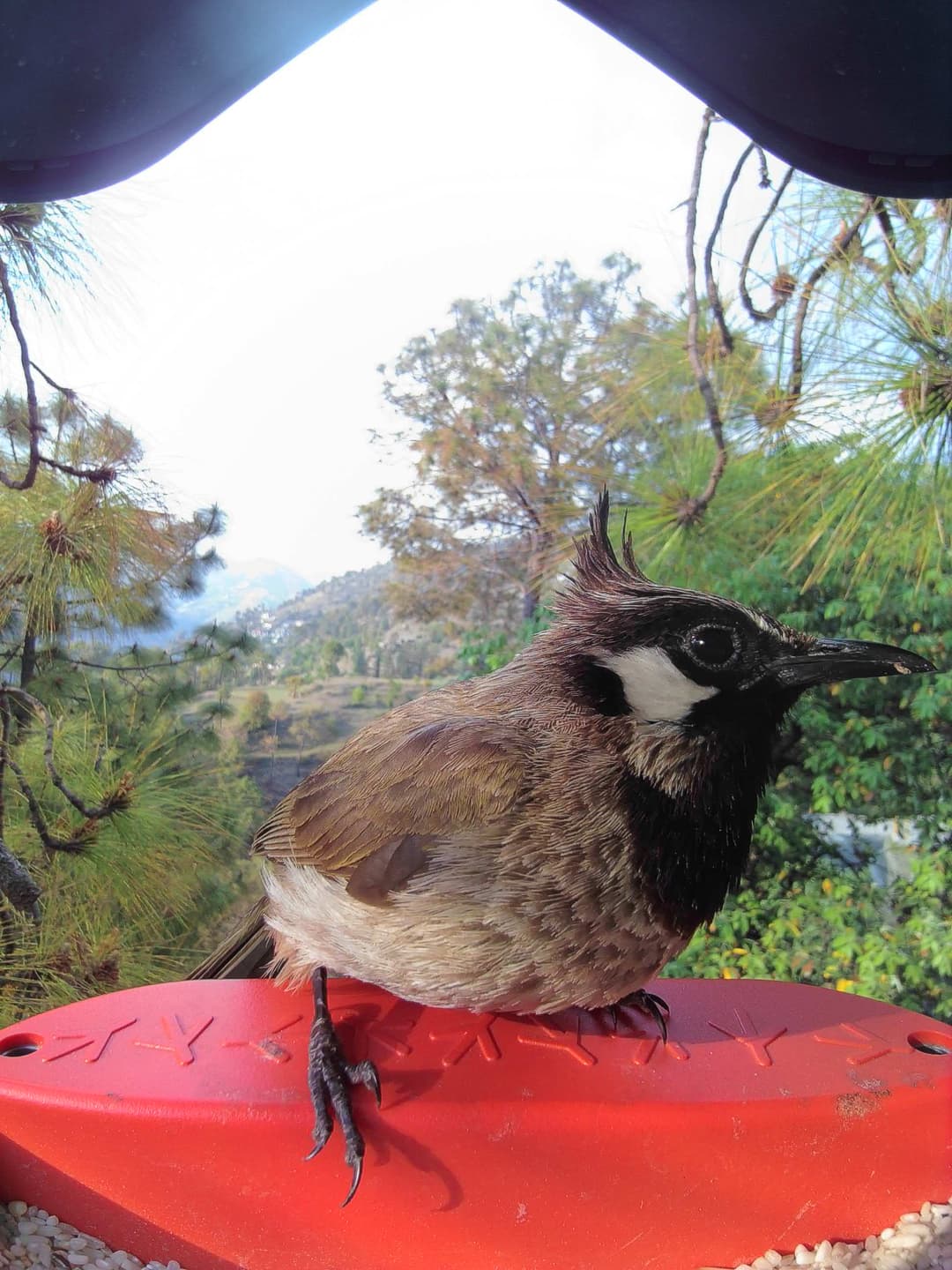
Himalayan Bulbul vs Red-Vented Bulbul
The Himalayan Bulbul is similar in size and shape to the Red-Vented Bulbul, with a crest on its head. However, it lacks the red vent and instead has white cheek patches with a dark throat, which distinguishes it.
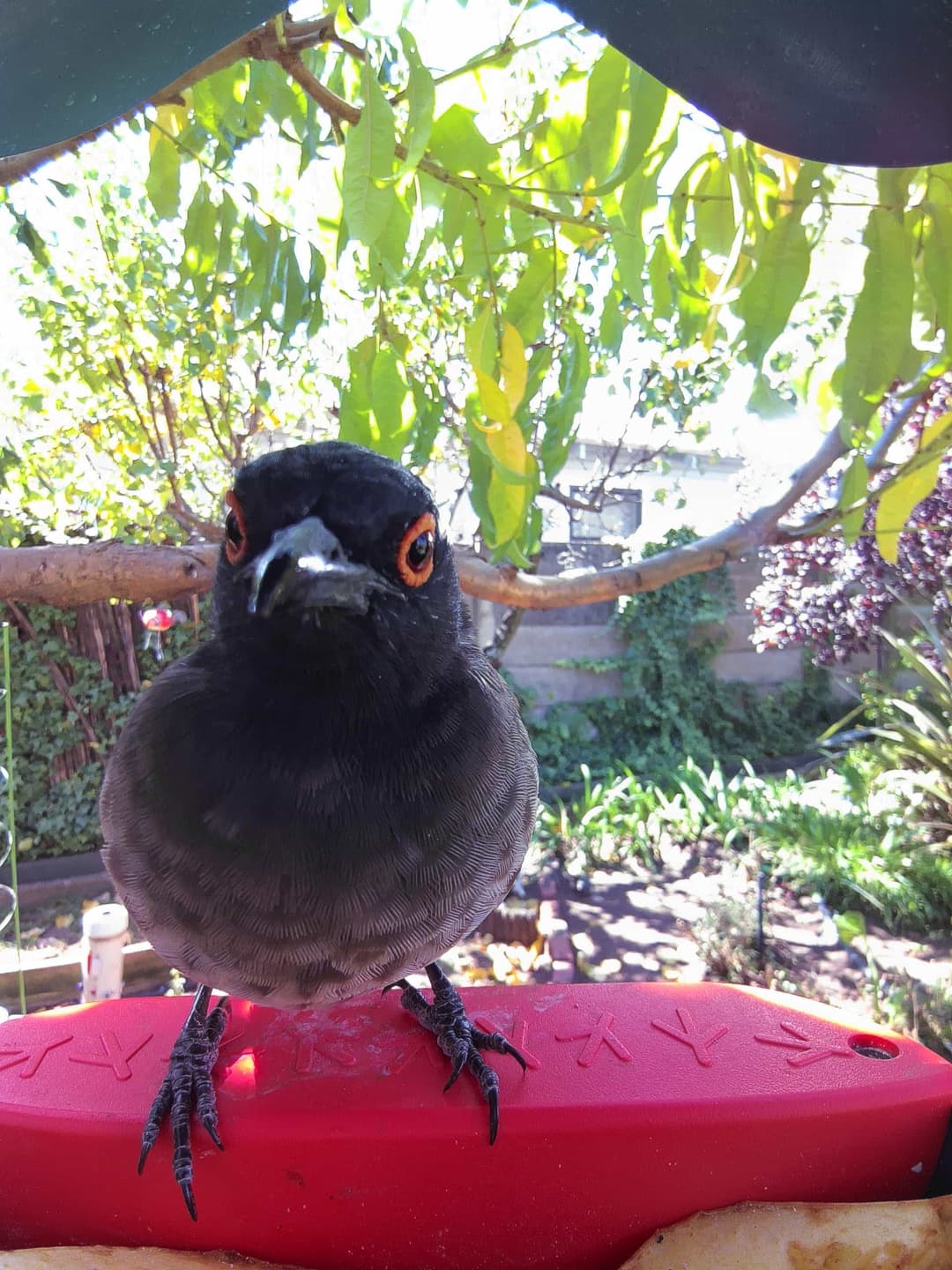
African Red-Eyed Bulbul vs Red-Vented Bulbul
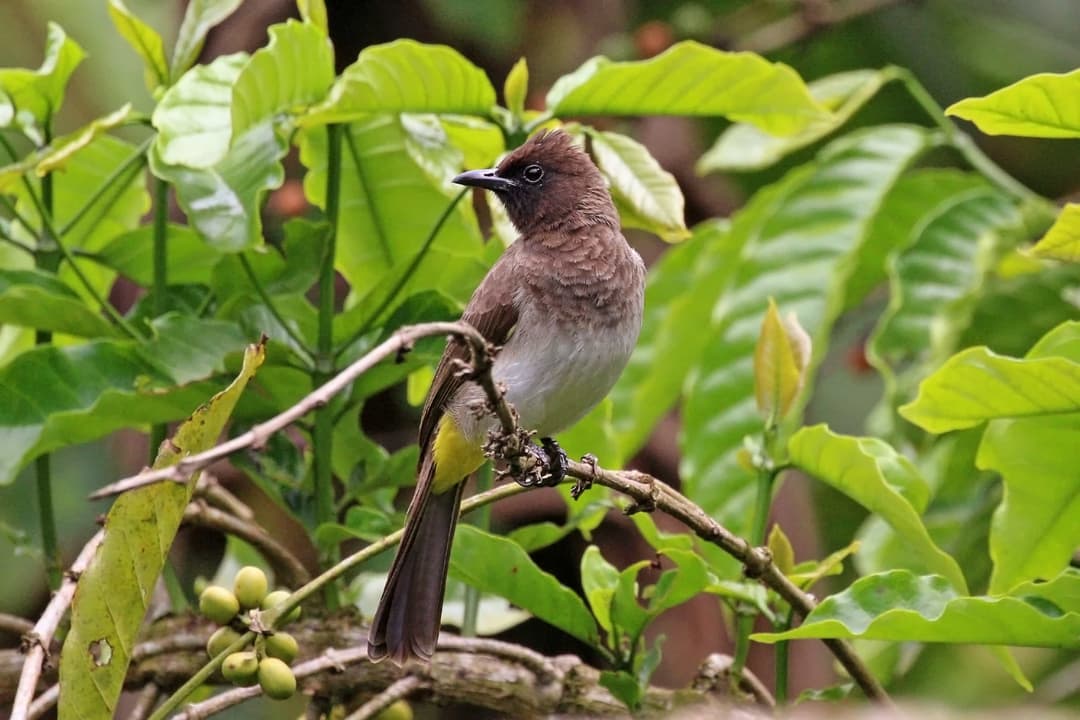
The African Red-Eyed Bulbul has a similar size and shape as the Red-Vented Bulbul, but it can be distinguished by its striking red eye rings and yellow undertail coverts, compared to the red vent of the Red-Vented Bulbul.
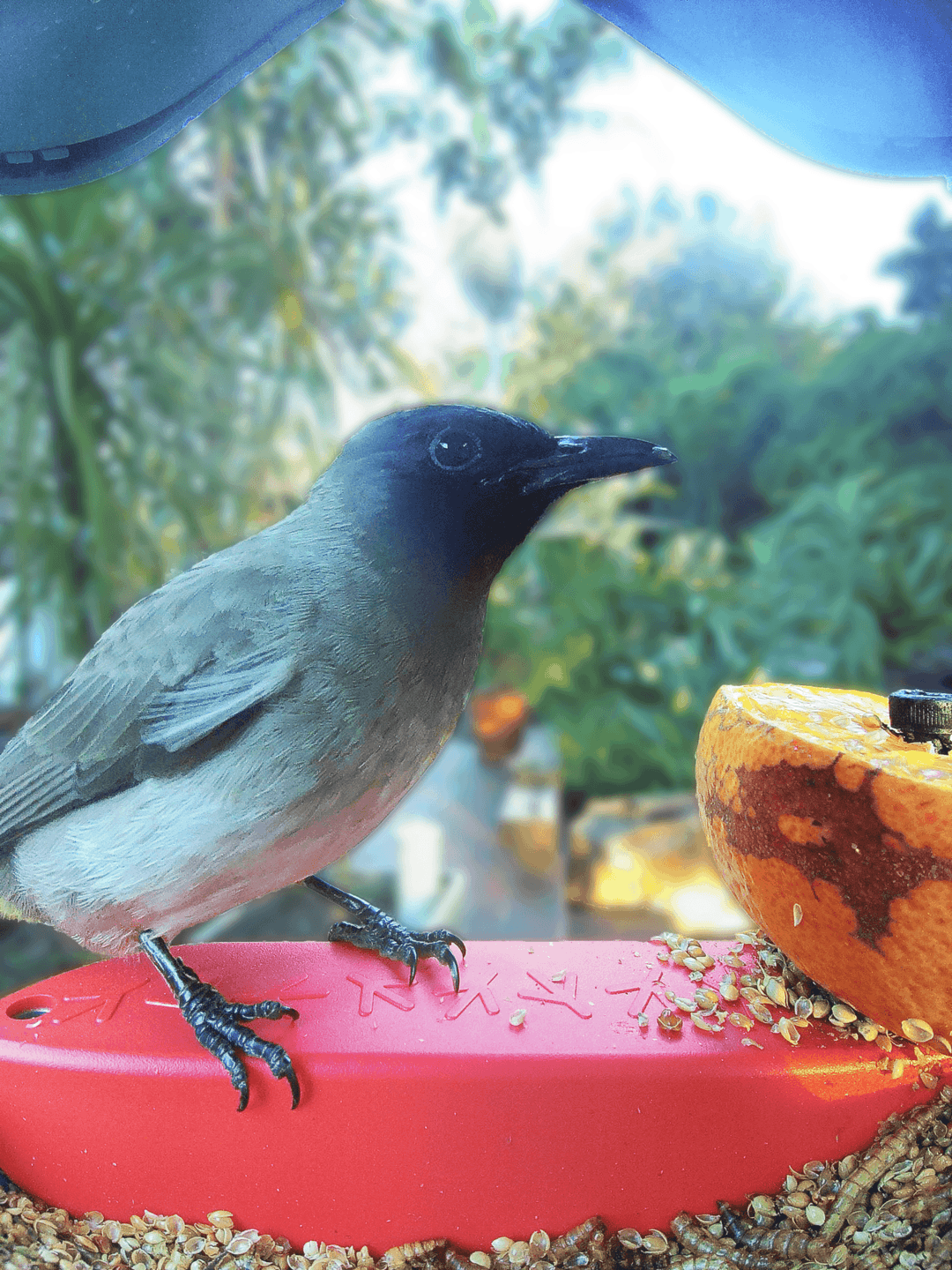
Common Bulbul vs Red-Vented Bulbul
The Common Bulbul shares a similar bulbous shape with the Red-Vented Bulbul, but it lacks the red vent coloration, instead featuring a uniform olive-brown body with a dark face.
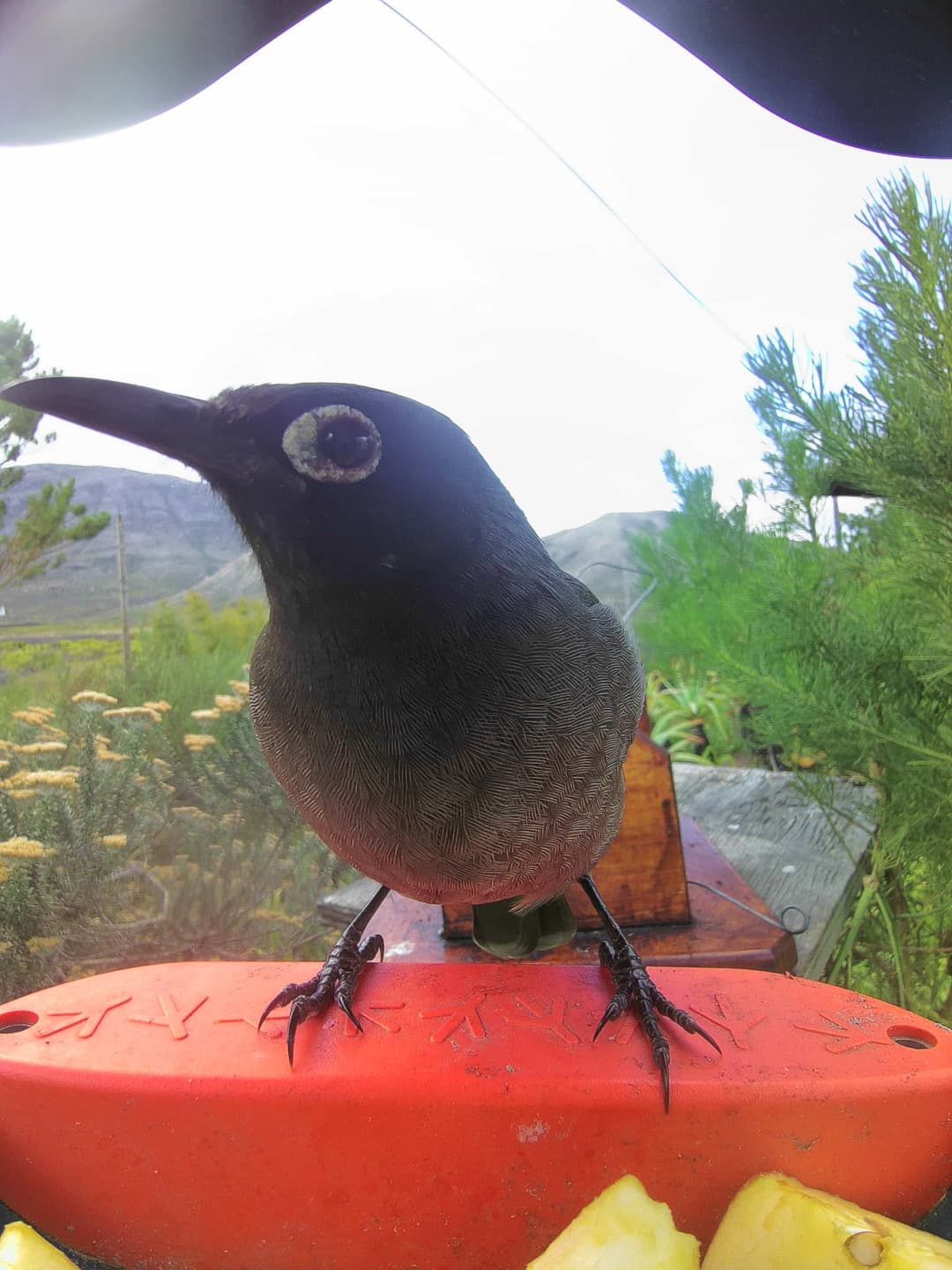
Cape Bulbul vs Red-Vented Bulbul
The Cape Bulbul resembles the Red-Vented Bulbul but can be distinguished by the absence of a red vent. Instead, it has a distinctive white eye-ring, which is not present in the Red-Vented Bulbul.
Sooty-Headed Bulbul vs Red-Vented Bulbul
The Sooty-Headed Bulbul has a similar body shape and coloration to the Red-Vented Bulbul, but it features a yellow vent and a distinctive sooty brown head, as opposed to a red vent.
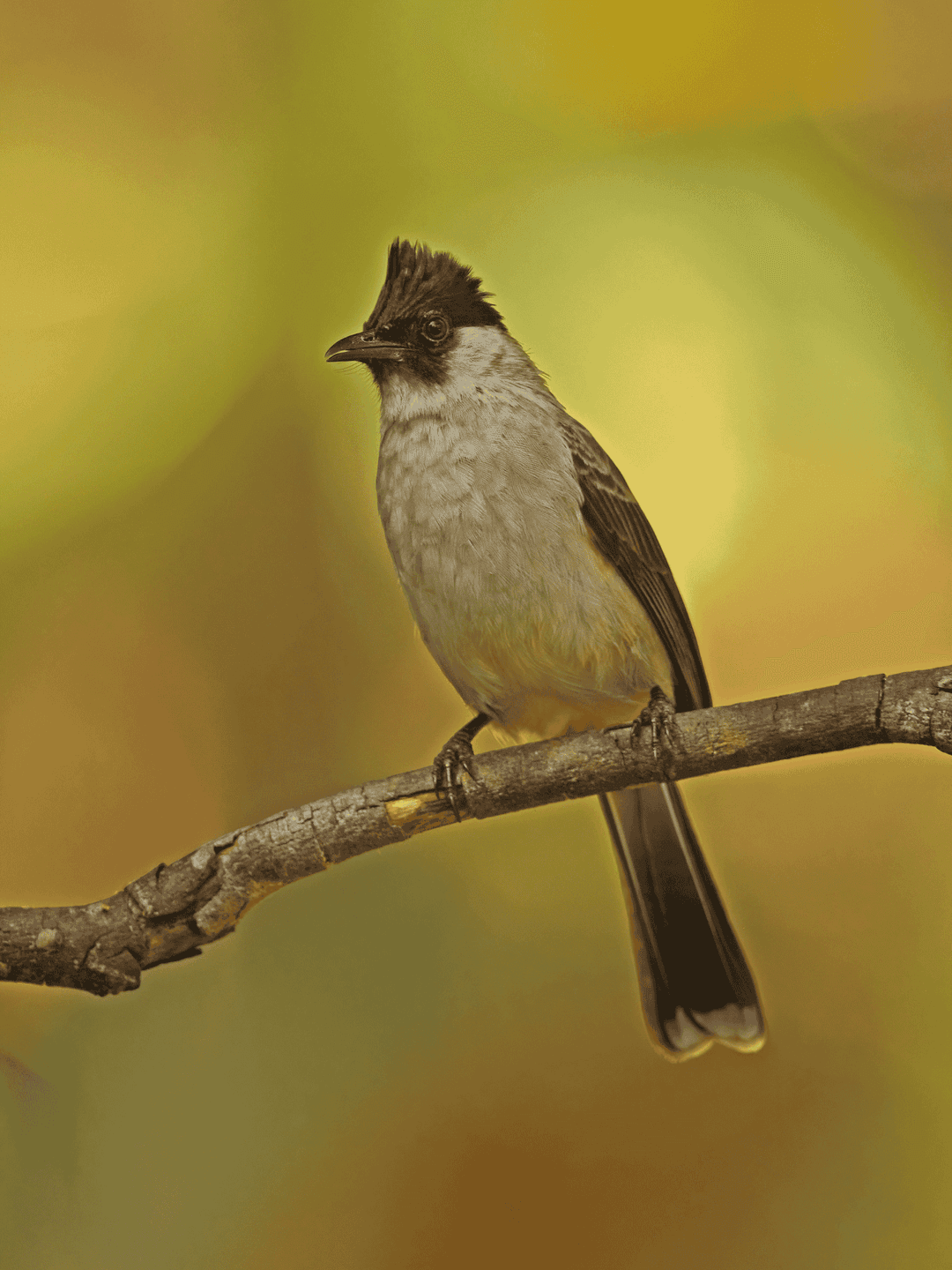
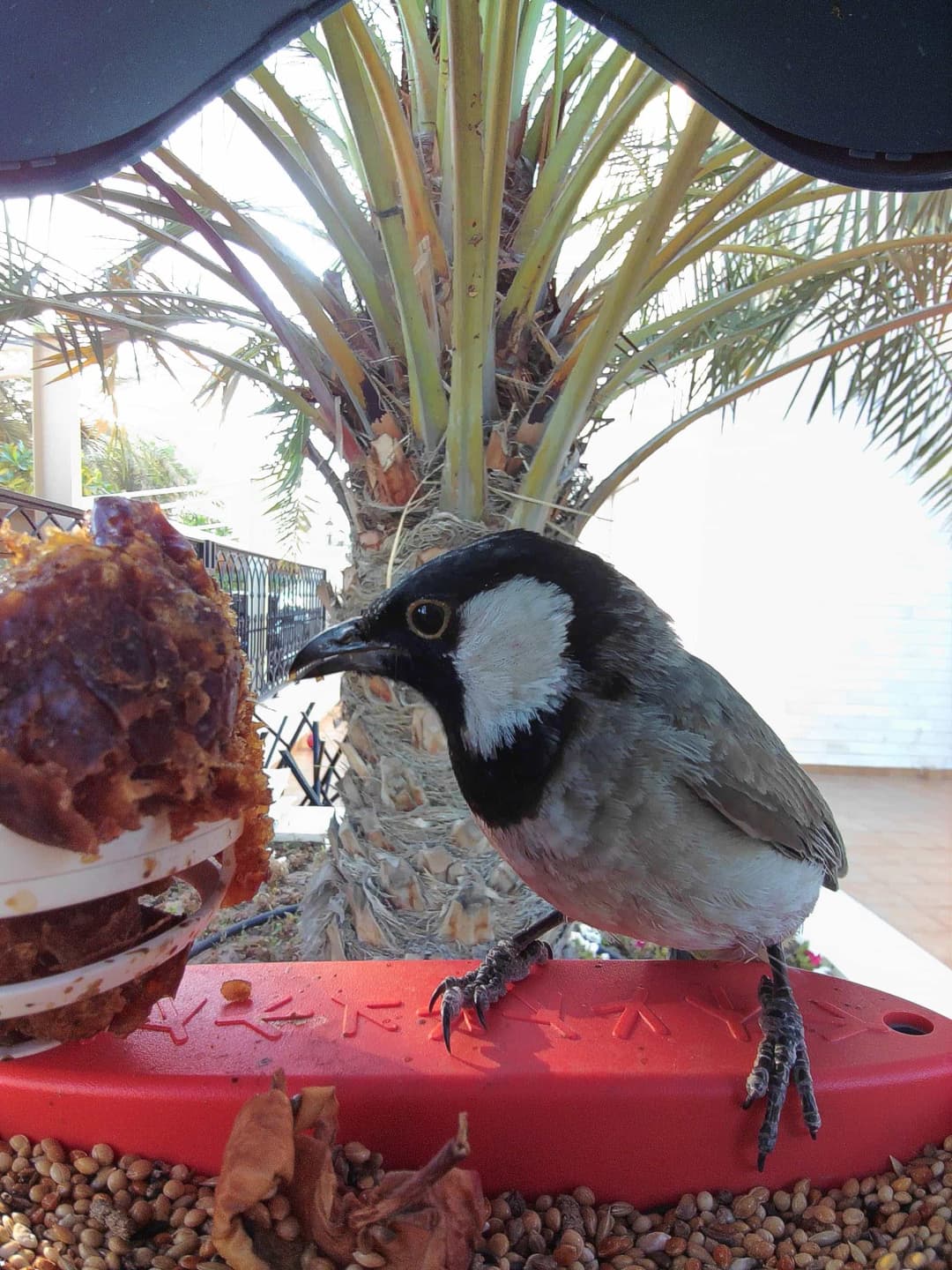
White-Eared Bulbul vs Red-Vented Bulbul
The White-Eared Bulbul is closely related to the Red-Vented Bulbul and shares similar features but can be identified by its white ear-coverts, contrasting with the red vent of the Red-Vented Bulbul.
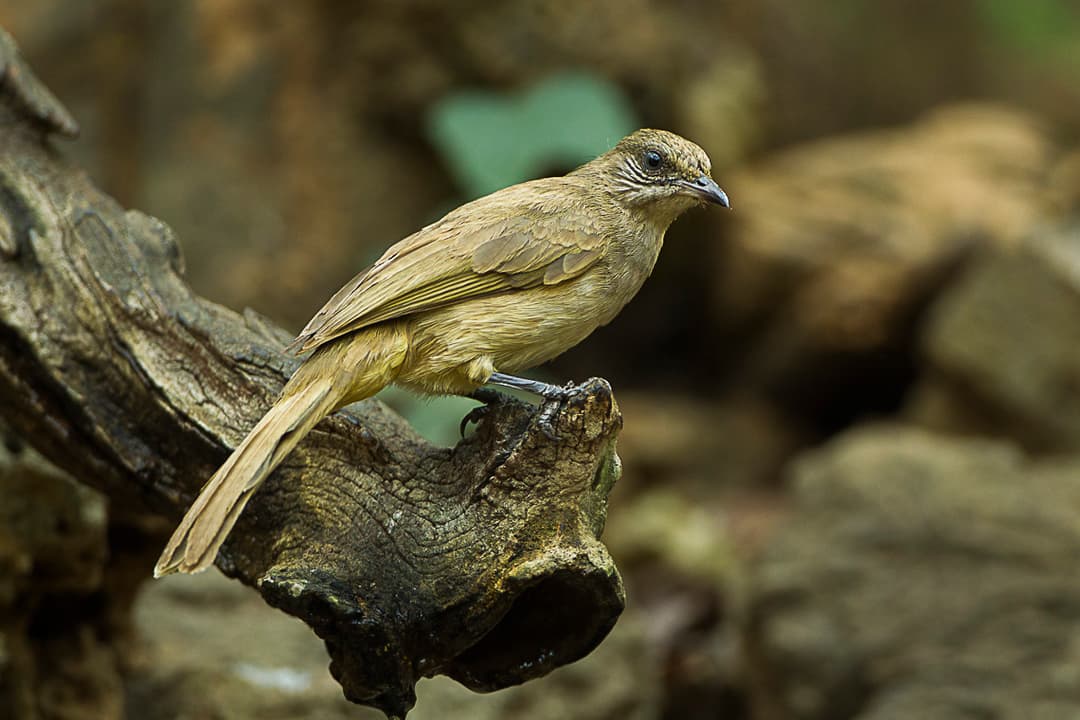
Streak-Eared Bulbul vs Red-Vented Bulbul
Similar in size to the Red-Vented Bulbul, the Streak-Eared Bulbul lacks the red vent and has subtle streaks on its ear coverts, which differentiate it from the Red-Vented Bulbul.
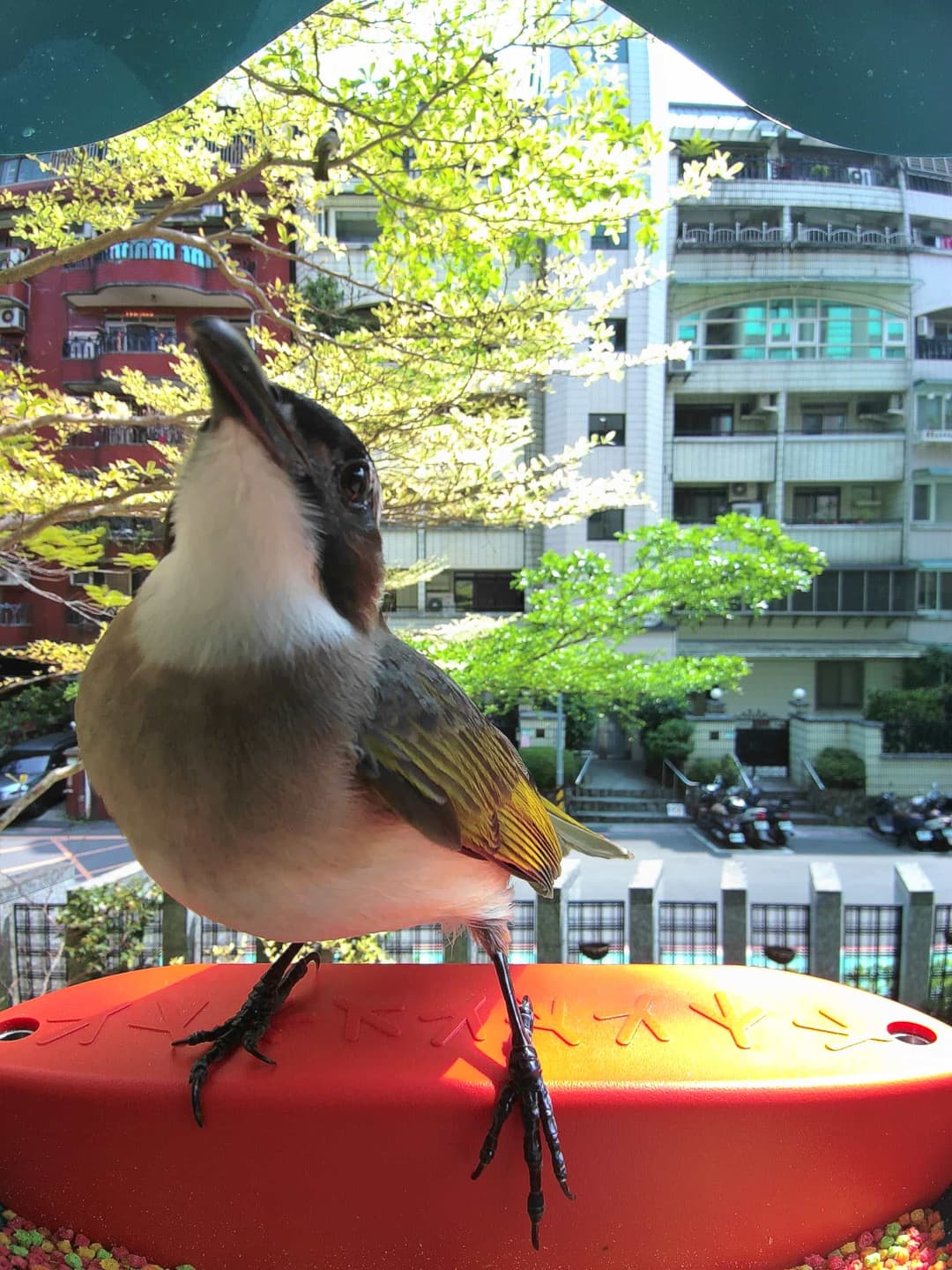
Light-Vented Bulbul vs Red-Vented Bulbul
While the Light-Vented Bulbul shares a similar body shape with the Red-Vented Bulbul, it can be distinguished by its white crown and lack of a red vent.
Dark-Capped Bulbul vs Red-Vented Bulbul
The Dark-Capped Bulbul has a similar silhouette to the Red-Vented Bulbul but can be distinguished by its more uniform greyish-brown coloration and the lack of a red vent.
Breeding and nesting habits of the red-vented bulbul
Mating behaviors
The red-vented bulbul engages in lively courtship displays, featuring vocalizations and aerial flights. Males often present food to females as part of their courtship ritual to strengthen pair bonds.
Nesting details
Red-vented bulbuls prefer nesting in low trees, shrubs, or garden plants. Their nests are cup-shaped, constructed using twigs, leaves, and grasses. Human-inhabited gardens are suitable if they offer dense foliage and minimal disturbance.
Eggs and chick-rearing
Females lay 2-3 eggs per clutch, which are incubated for about 12-14 days. Both parents participate in feeding the chicks, which fledge approximately two weeks after hatching. Ensure gardens have ample insects and berries to support feeding.
What does a red-vented bulbul like to eat?
Berries
Flowers
Fruits
Insects
Nectar
Plants
Seeds
Small animals
Spiders
Natural diet
The red-vented bulbul's natural diet mainly consists of fruits, nectar, and insects. They forage in bushes and trees to consume a wide variety of berries such as figs and lantana. Nectar from flowers like hibiscus is also a significant part of their diet. Insects such as caterpillars, beetles, and ants are consumed, providing essential protein. This diverse diet helps the red-vented bulbul adapt to various environments, ensuring their survival in urban and rural landscapes.
Bird feeders
At bird feeders, red-vented bulbuls are attracted to fruits and seeds. They often consume cut-up bananas, papayas, and apples, as well as commercially available birdseed mixes that include millet and sunflower seeds. Offering sugar water can mimic the nectar they generally obtain from flowers, attracting these birds. While their presence at bird feeders can vary based on availability of natural food sources, they readily adapt to these supplemental feeding options, especially in urban areas.
Tempting snacks for the red-vented bulbul
To attract red-vented bulbul to your yard, consider feeding them their favorite snacks. They usually enjoy eating a variety of fruits and insects. Consider chopping up fruits like pears, apples, and bananas as these seem to be their favorites. Do remember to regularly refresh the fruits as bulbuls prefer them fresh. Additionally, they will appreciate if you occasionally mix in small insects, which you can purchase at pet stores.
Feeder types for the red-vented bulbul
It's crucial to choose the right kind of feeder to attract the red-vented Bulbul. They prefer flat, open feeders which they can easily perch on and allow them to see their surroundings while they eat. A platform feeder with a roof will provide an ideal place for them to dine. Remember to place your feeder in a quiet and safe location to keep the red-vented bulbul comfortable.
Fun tricks to encourage visit
Making your yard more appealing can also lure in the red-vented bulbul. Consider adding a water feature like a bird bath or fountain, as bulbuls are attracted to the sounds of water. You can also play soft bird songs, as these beautiful creatures are known to be highly vocal and may be intrigued by the sound.
Choose bird buddy seeds
For the best chance of attracting red-vented bulbuls, choose Bird Buddy seeds. Expertly chosen for the season, these seeds are proven to attract a variety of birds, including the red-vented bulbul. Remember to regularly replenish the feeders with seeds to keep the birds coming back.
Where can you find red-vented bulbuls?
Primary habitat
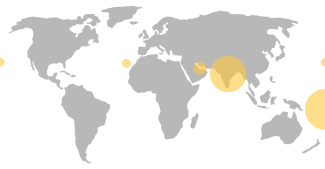
The red-vented bulbul primarily resides in South Asia and Southeast Asia. It prefers warm, tropical climates, living in light forests, scrublands, and cultivated regions.
Additional range
Surprisingly, this bird has also been spotted in places outside its normal range such as Hawaii, Florida, and New Zealand, where it adapts to urban gardens and parks.
Do they migrate?
The red-vented bulbul is largely non-migratory and tends to remain in the same region year-round. Native to the Indian subcontinent, it has adapted to a range of environments including urban areas, forests, and scrubs. While it does not undertake long-distance migrations, the species may engage in short-distance movements or local dispersals, often in response to food availability or environmental conditions. In regions where it is introduced, such as in some Pacific islands and parts of the Middle East, the red-vented bulbul is known to remain within its established territories. These movements are typically not seasonal or systematic, lacking the distinct migratory patterns seen in many other bird species. Overall, the red-vented bulbul’s tendency to stay in one place year-round contributes to its status as a resilient and adaptable species, often thriving in areas disturbed or altered by human activity.
What is the role of red-vented bulbuls in nature and how to protect them?
Conservation status
The red-vented bulbul is classified as "Least Concern" by the International Union for Conservation of Nature (IUCN), indicating it is common and not currently at risk of extinction. This widespread species adapts well to different environments, including urban areas. Key threats include habitat destruction and competition from invasive species. Despite these challenges, the red-vented bulbul maintains stable populations, requiring no significant conservation efforts at present. However, continuous monitoring is crucial to ensure its ongoing resilience and to address potential future threats that could impact its habitats or population dynamics.
Ecological role of red-vented bulbuls
Its role in the ecosystem
The Red-vented Bulbul is a significant member of the ecosystem, functioning as an effective pest controller and seed disperser. As omnivores, they consume a wide variety of insects and invertebrates, contributing to natural pest control within their habitat. This helps control the population of harmful insects, thereby promoting biological diversity and health of plants. Additionally, their diet includes fruits and seeds, which after ingestion are defecated in different locations, aiding in seed dispersal. This process is crucial for the propagation of several plant species, as it fosters plant diversity, assists forest regeneration and connects disparate plant populations. However, on the downside, red-vented bulbuls are also known to feed on some commercial fruits and can be considered pests in certain areas. Furthermore, they are adaptable and highly invasive, posing a threat to native bird populations in areas they've been introduced artificially.
How to help protect red-vented bulbuls
Preservation tips
Habitat preservation strategies
Preserve and restore areas of native forest crucial to red-vented bulbul survival, including riparian habitats, shrubs, and trees that provide space for nesting and feeding. Ensuring limited human interference in these habitats is vital. Regular monitoring should be carried out to prevent harmful activities like logging and construction in these areas. In agricultural landscapes, maintain hedgerows and trees to provide alternative habitats.
Community science initiatives
Increase awareness and involvement in the conservation of the red-vented bulbul by engaging communities in citizen science programs. This could involve activities like bird-watching, counting, and reporting sightings. Educational programs about the bird and its importance to the ecosystem could be implemented in schools and community centers. Encourage the establishment of local birding groups to promote interest and conserve these birds in their natural habitats.