Common Bulbul or Mountain Bulbul?
Here's how to tell the difference
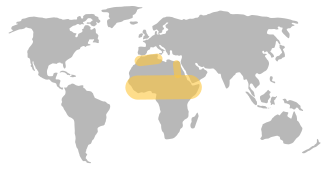



Common Bulbul

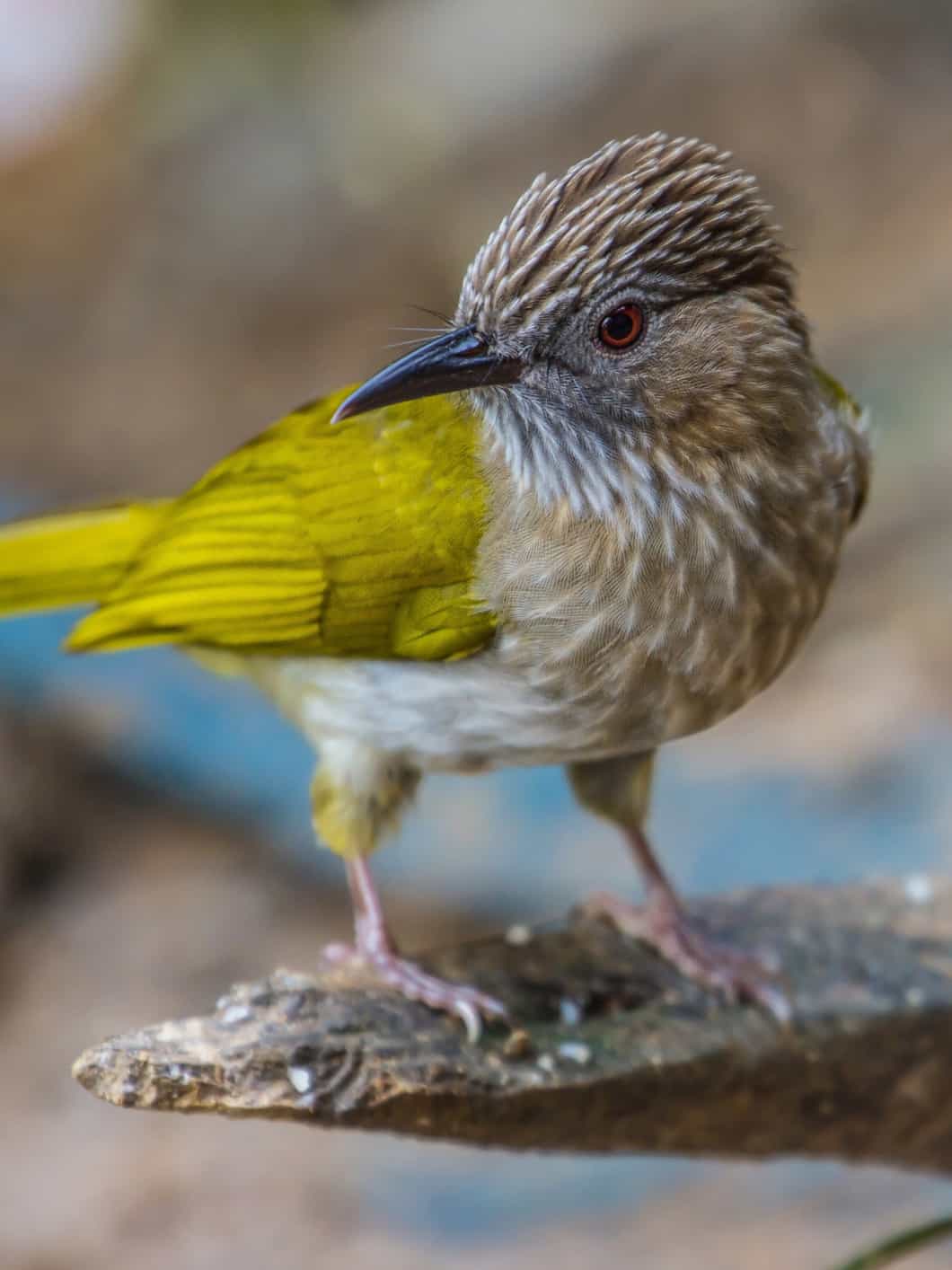
Mountain Bulbul
Common Bulbul
Pycnonotus barbatus
Also known as: Black-Eyed Bulbul, Brown Bulbul, Brown-Capped Geelgat, Common Garden Bulbul, Garden Bulbul, White-Vented Bulbul
General appearance
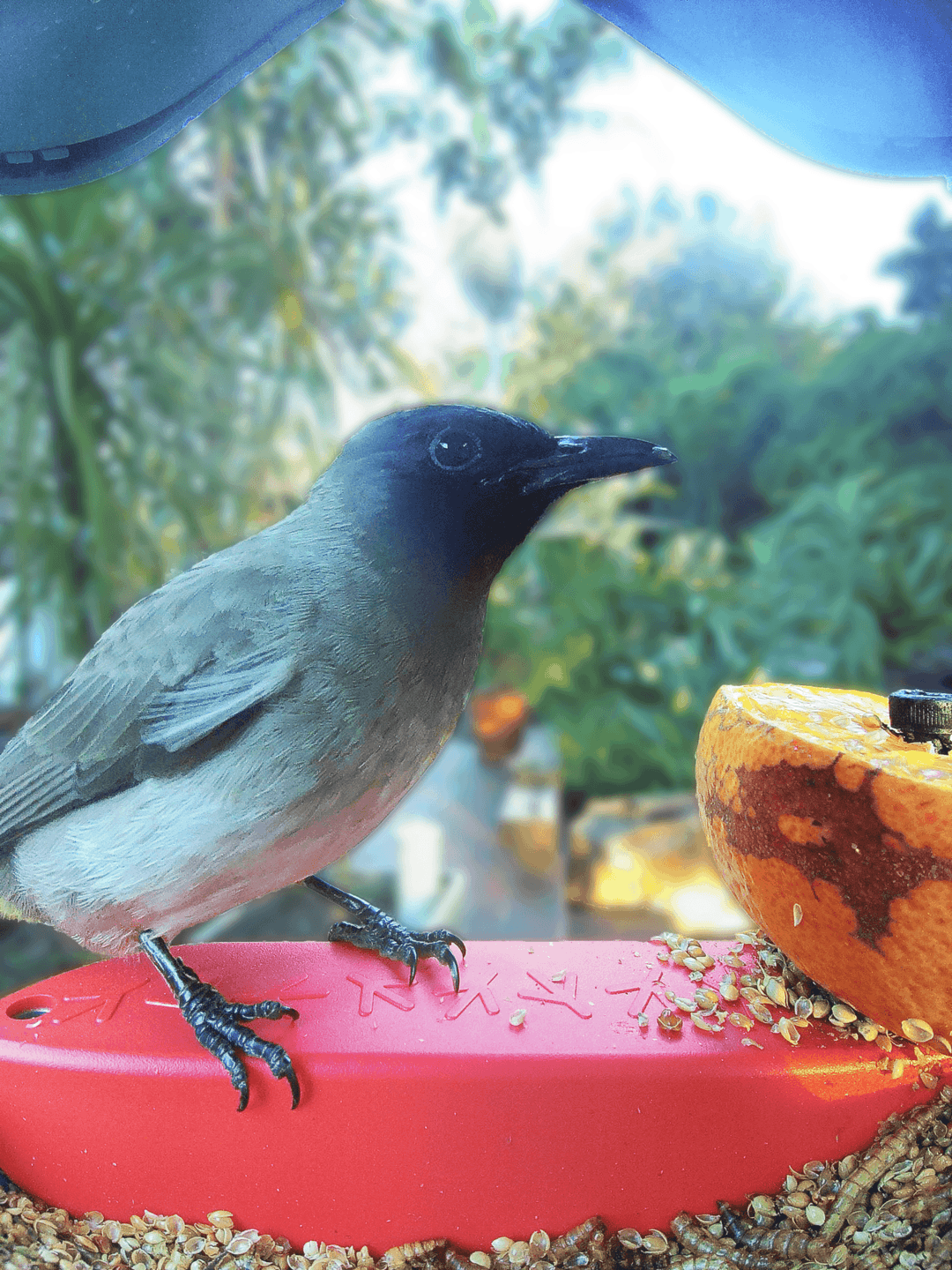
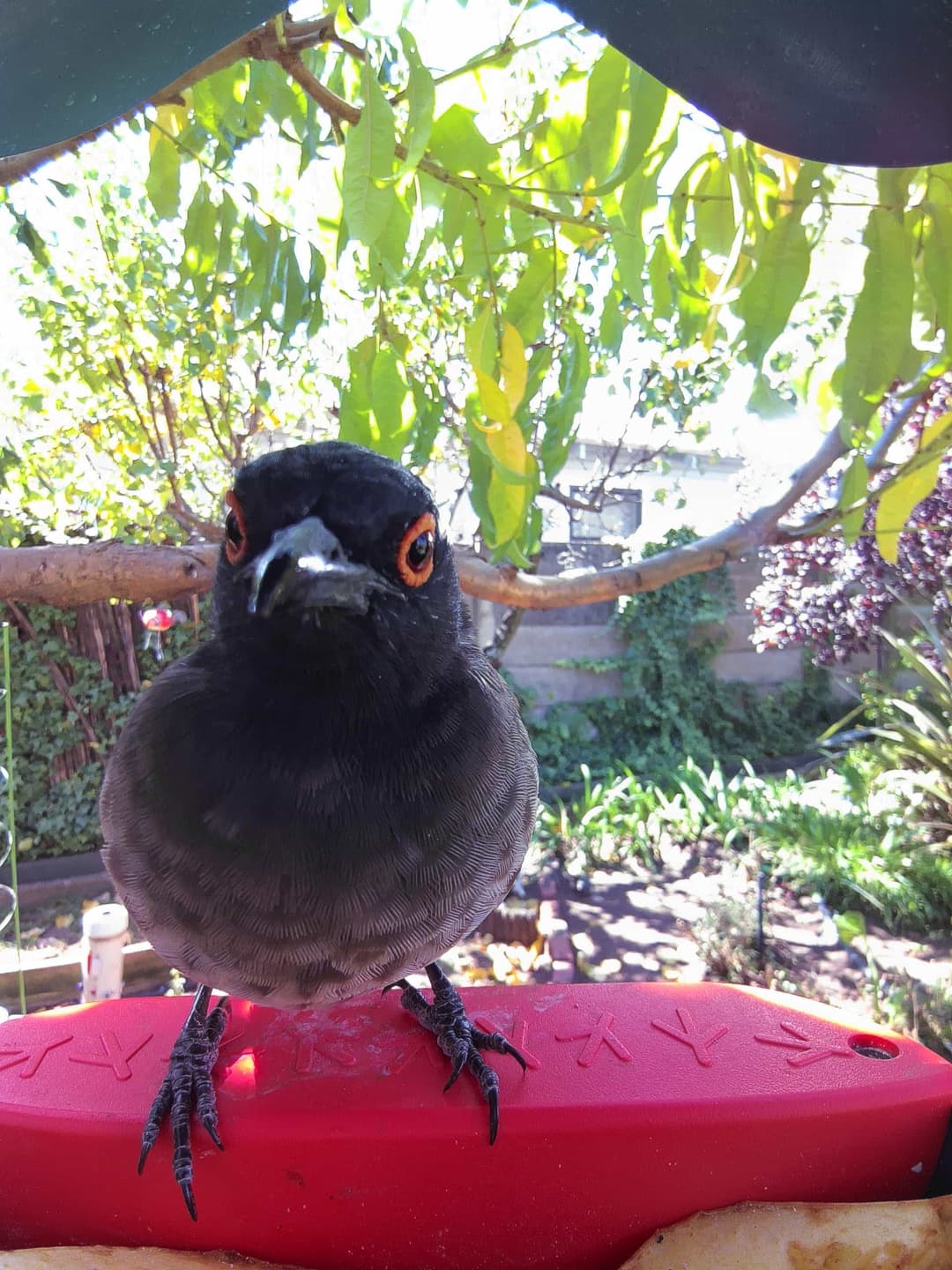
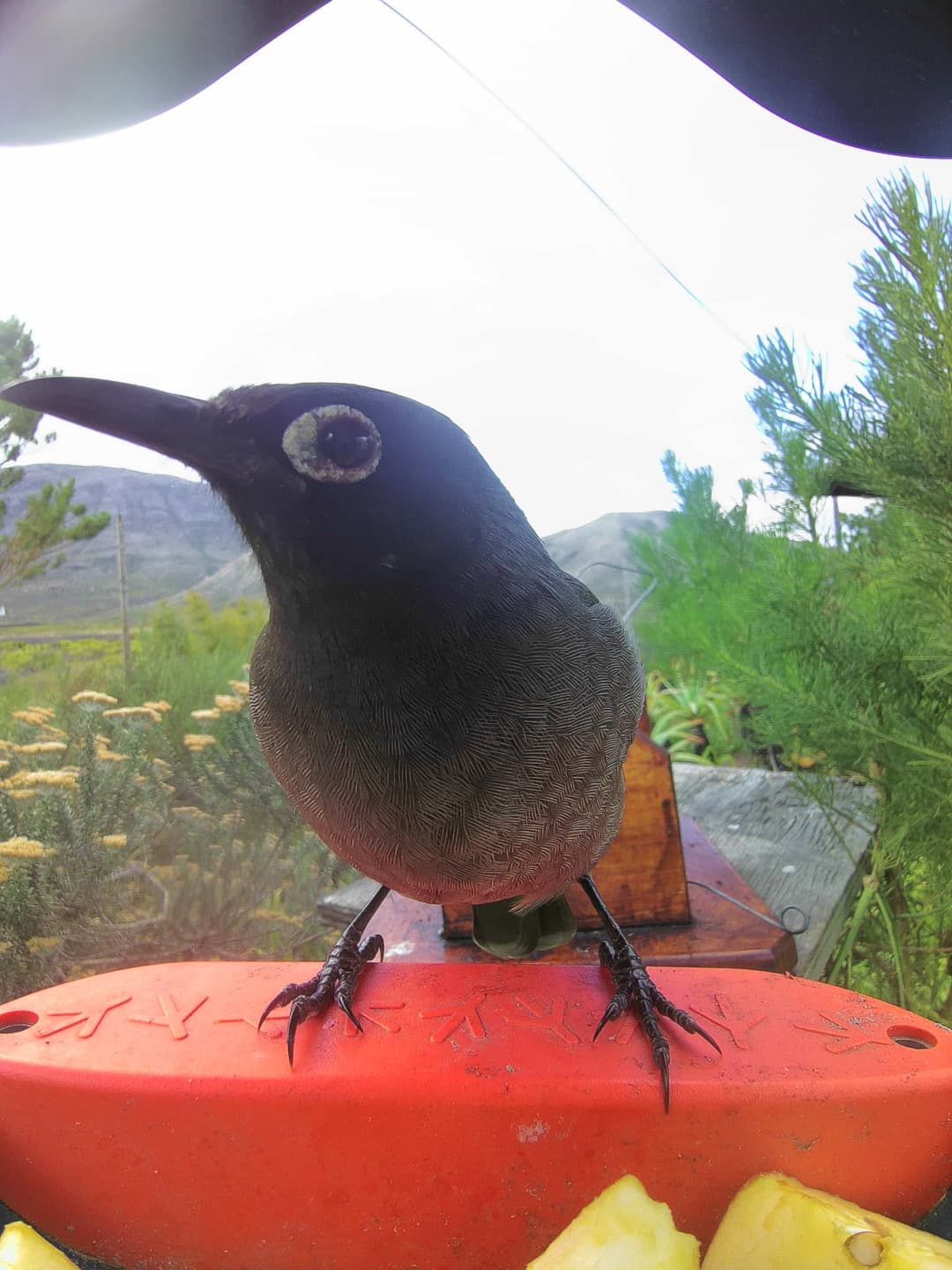
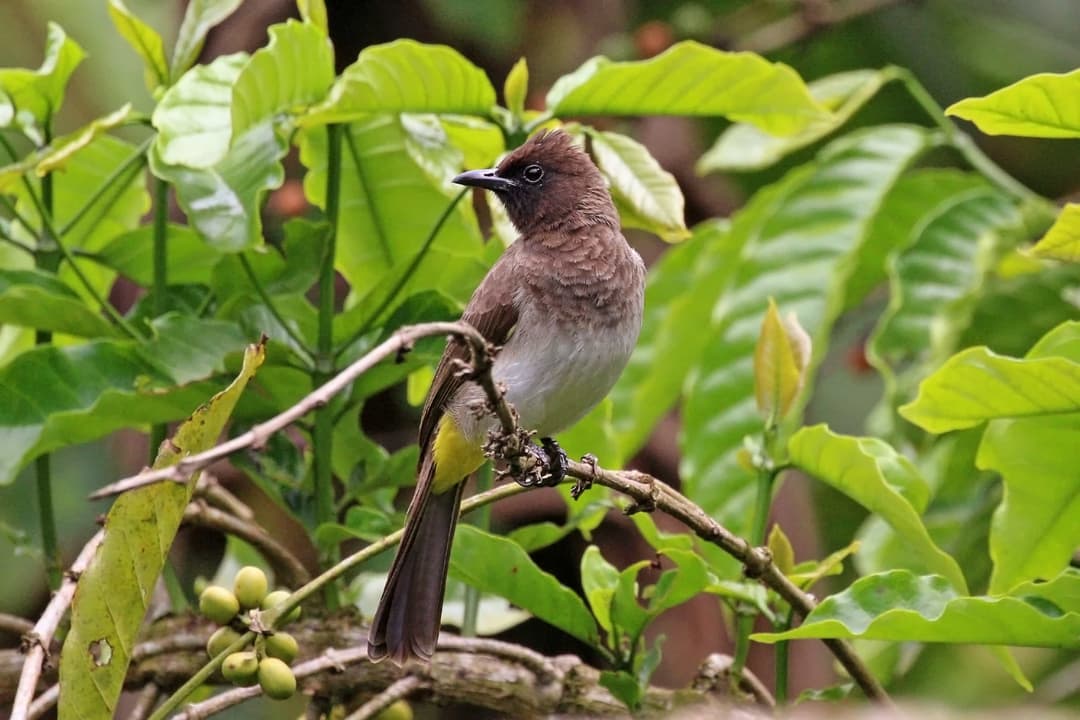
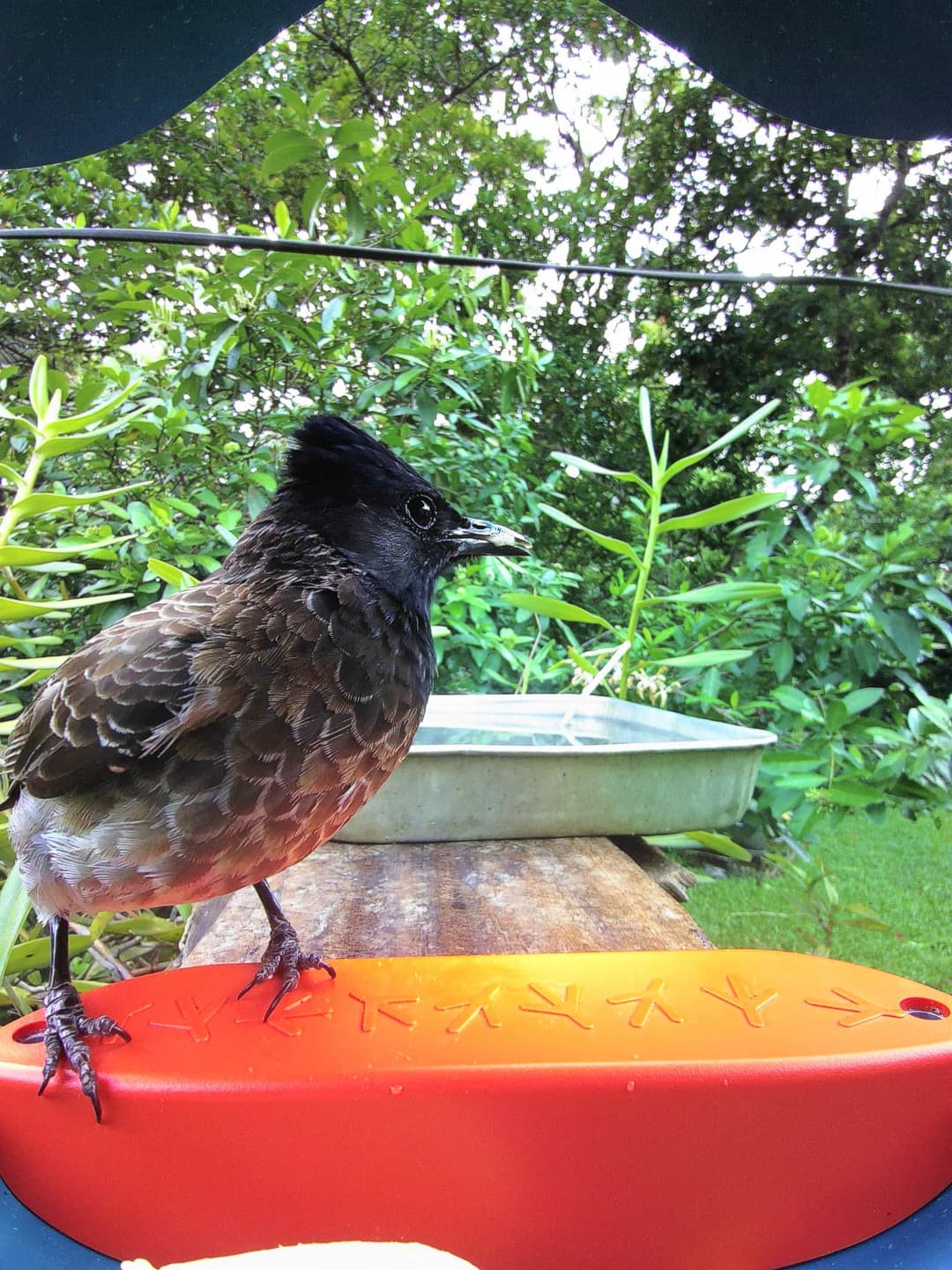
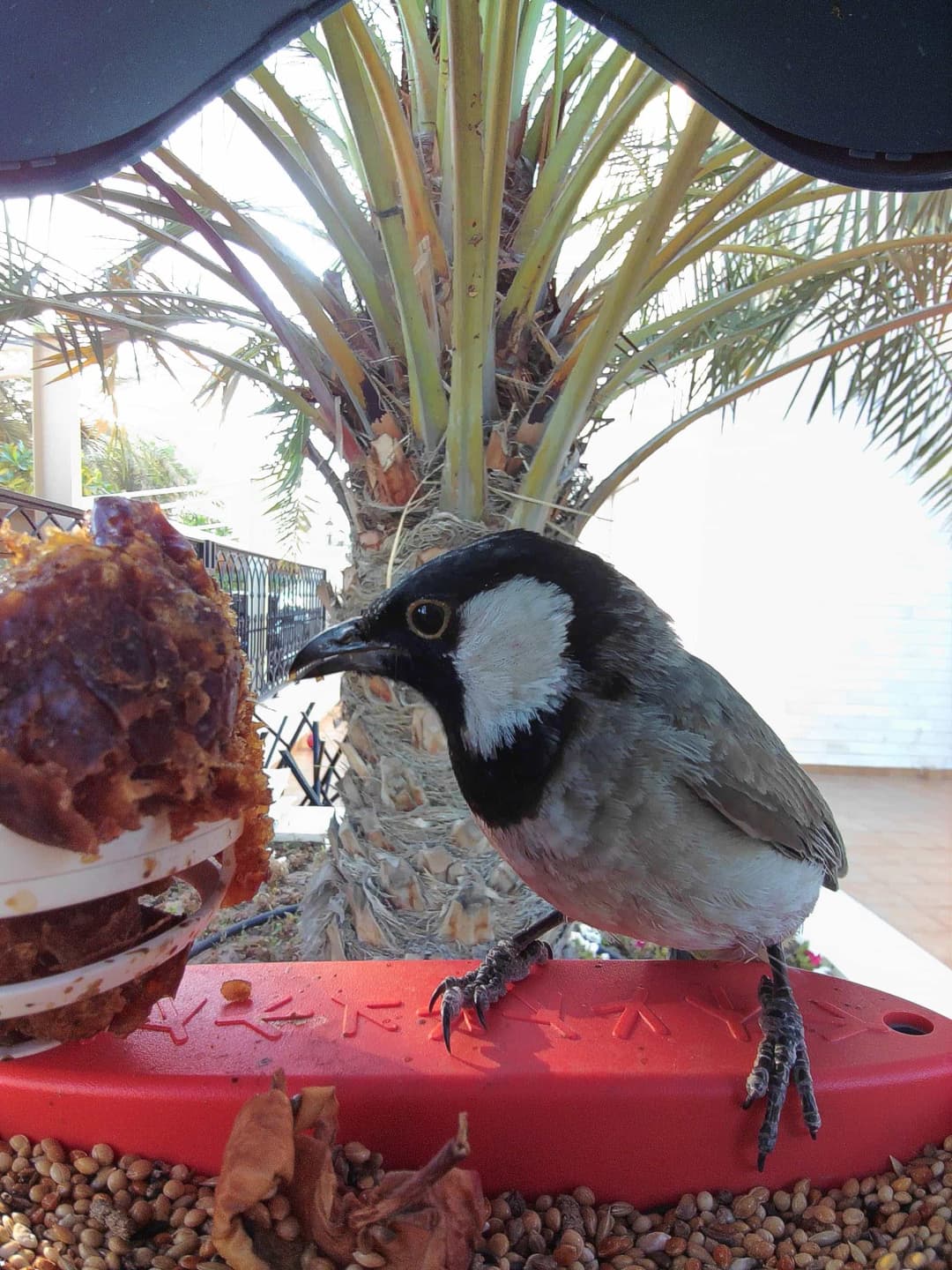
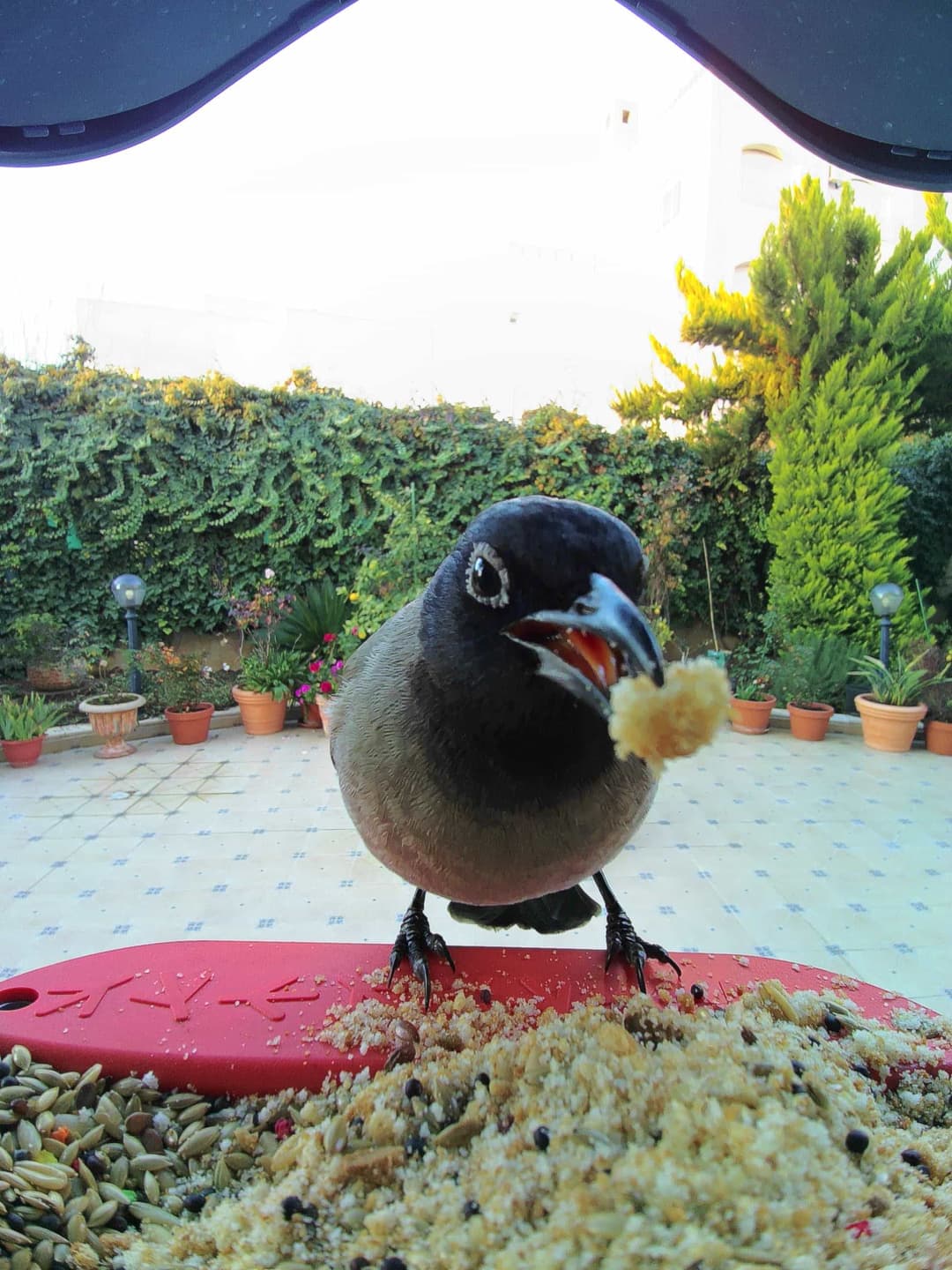
The common bulbul, or Pycnonotus barbatus, is a small passerine bird characterized by a compact body, short neck, and long tail. Its primary coloration is a drab brown on the wings and back, transitioning to a lighter shade on the underparts. The bird has a striking black head, complemented by a patch of yellow under its tail and a thin white eye ring.
Male vs female
Males and females of the common bulbul have very similar appearances, making them difficult to distinguish in the wild. Both have the same size and coloration, with no prominent sexual dimorphism. However, during breeding season, male bulbuls often display more aggressive and distinctive behaviors, such as competitive singing and aerial displays.
Juvenile
Juvenile common bulbuls are similar in appearance to the adults, but generally bear a softer, duller coloration. Their feather edges may also be slightly fluffier and less defined than in mature individuals. Over time, as they mature, their coloring gradually darkens to match that of adults.
Size
5.9 - 7.9 in/1.0 - 1.7 oz
There's more to learn about Common Bulbul
View full detailsMountain Bulbul
Ixos mcclellandii
Also known as: Green-Winged Bulbul, McClelland's Bulbul, McClelland's Rufous-Bellied Bulbul, Mountain Streaked Bulbul, Rufous-Bellied Bulbul
General appearance
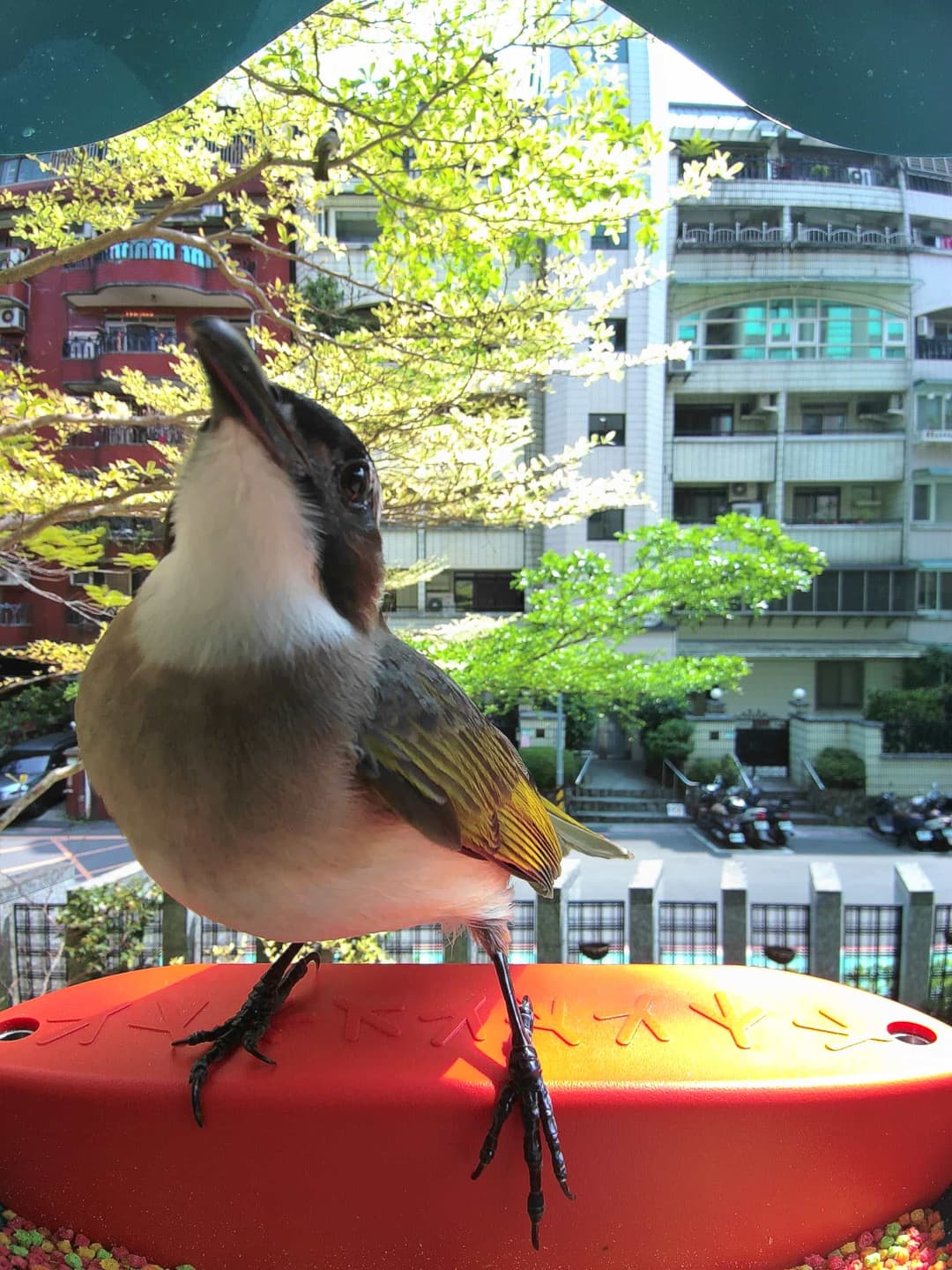
Mountain bulbuls are medium-sized birds averaging 20 cm in length. They possess distinct black and olive feathers, with their underparts a light yellow and white chin. The bird has a sturdy, hefty beak that is black, and their feet are also black. They have a distinct characteristic square-ended tail with white tips.
Male vs female
There is little sexual dimorphism in the Mountain Bulbul species, which means males and females have similar appearances. Both sexes have the same coloration and size, making it difficult to differentiate between genders based on physical traits alone. Any distinction usually occurs in subtle behavioral differences.
Juvenile
Juvenile Mountain Bulbuls have the same basic coloration as adults, but their feathers may appear duller compared to adult bulbuls. The lighter underparts of juveniles can often be a streaked brown compared to the strong yellow in adults. Juveniles also possess a lesser-developed white tip at the end of the tail, which becomes more prominent as they mature.
Size
8.3 - 9.4 in/1.0 - 1.4 oz
There's more to learn about Mountain Bulbul
View full detailsHow to tell the Common Bulbul from the Mountain Bulbul
Visual differences
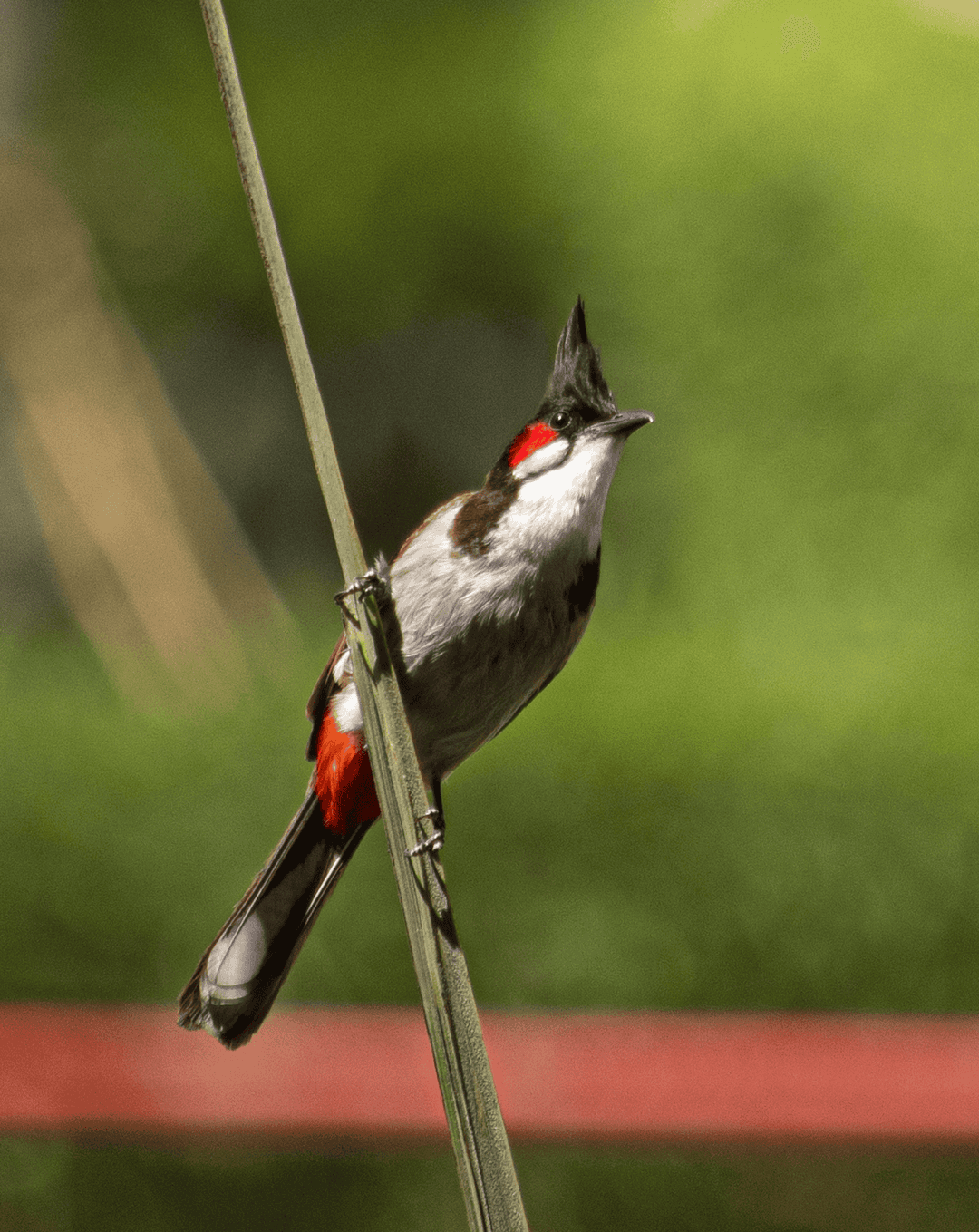
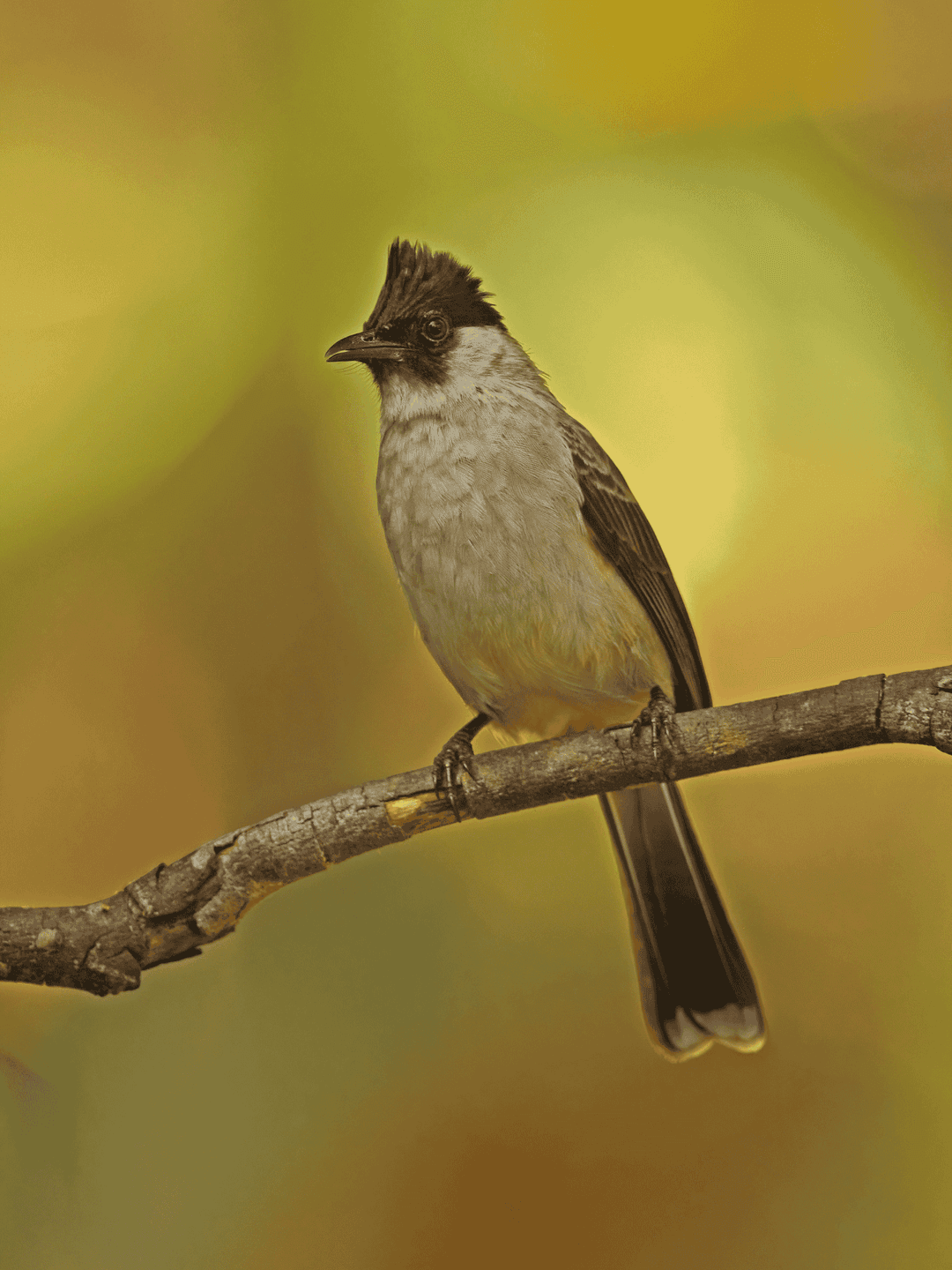
The Common Bulbul (5.9-7.9 in, 1-1.75 oz) features a drab brown body, a striking black head, and a yellow patch under the tail, with a thin white eye ring. In contrast, the Mountain Bulbul (8.3-9.4 in, 0.95-1.45 oz) showcases black and olive feathers, light yellow underparts, and a white chin, along with a hefty black beak and a square-ended tail with white tips. While both species exhibit minimal sexual dimorphism, the Mountain Bulbul's more robust build and distinctive beak and tail patterns set it apart visually from the Common Bulbul.
Key differences and behavior
The Common Bulbul (Pycnonotus barbatus) and Mountain Bulbul (Ixos mcclellandii) differ notably in behavior and habitat. Common Bulbuls are outgoing and vocal, often seen singing prominently atop bushes in open woodlands and urban areas across Africa. In contrast, Mountain Bulbuls, despite their noisiness when in flocks, are generally shy in their subtropical Asian montane forest habitats. Both species engage in similar courtship displays involving vocalizations, but Mountain Bulbuls include vibrant plumage and flight agility in their displays. Both prefer dense shrubs or trees for nesting, yet Mountain Bulbuls are more likely to nest in forest understory. Their diets are similar, primarily fruits and insects, but Mountain Bulbuls forage higher in canopies. While both may visit feeders, Mountain Bulbuls' preference for forest proximity contrasts with the Common Bulbuls' adaptability to urban environments.
Still not sure? Here are more lookalikes!
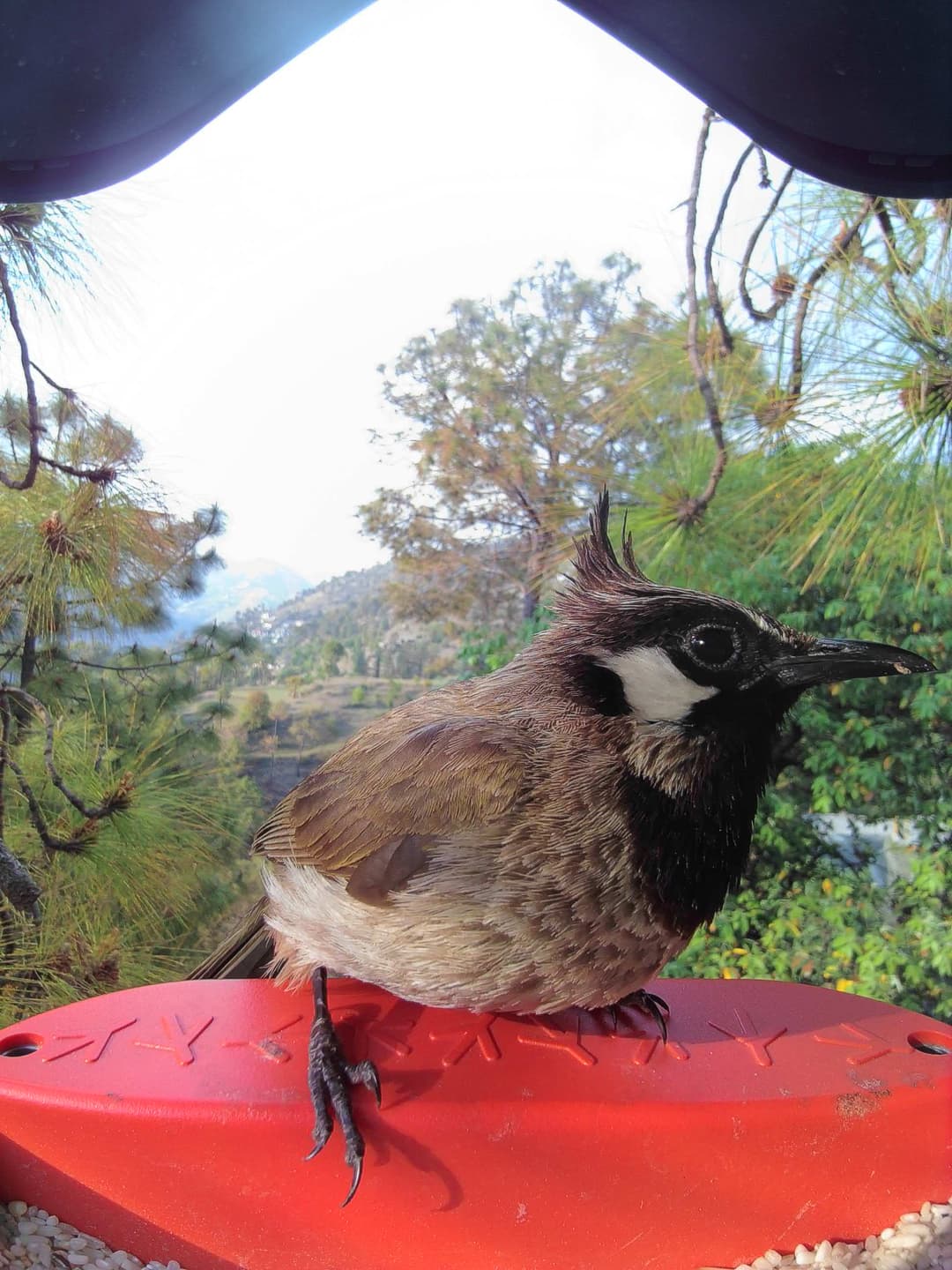
Common Bulbul vs Himalayan Bulbul
Mountain Bulbul vs Himalayan Bulbul
Common Bulbul vs [Select a bird]

[Select a bird]
Pick a bird to compare
Mountain Bulbul vs [Select a bird]
[Select a bird]
Pick a bird to compare