Cape Bulbul or African Red-Eyed Bulbul?
Here's how to tell the difference


Cape Bulbul


African Red-Eyed Bulbul
Cape Bulbul
Pycnonotus capensis
Also known as: Cape Geelgat
General appearance
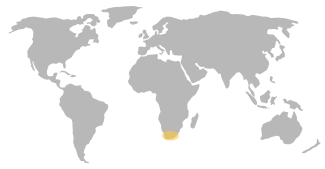
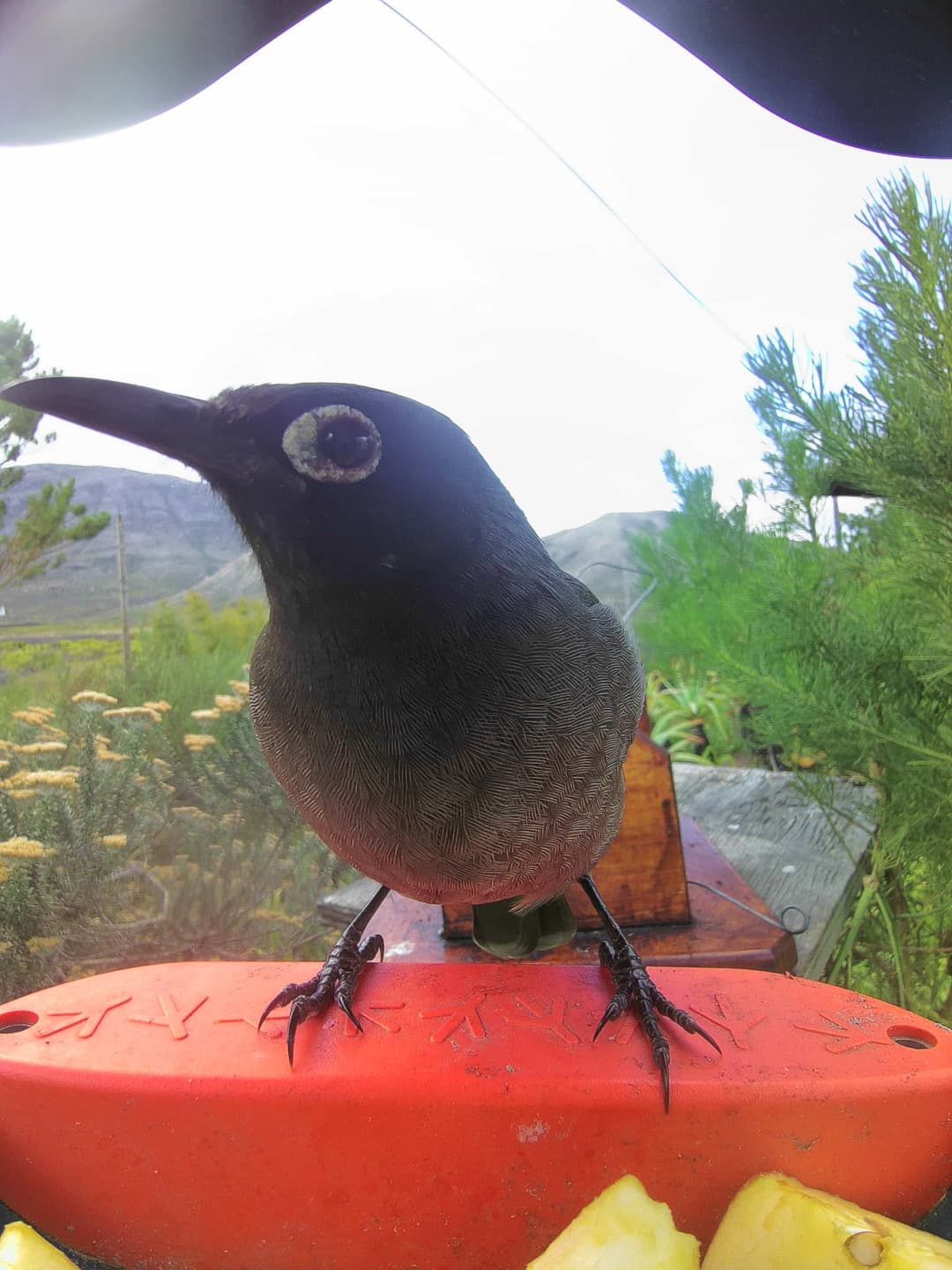
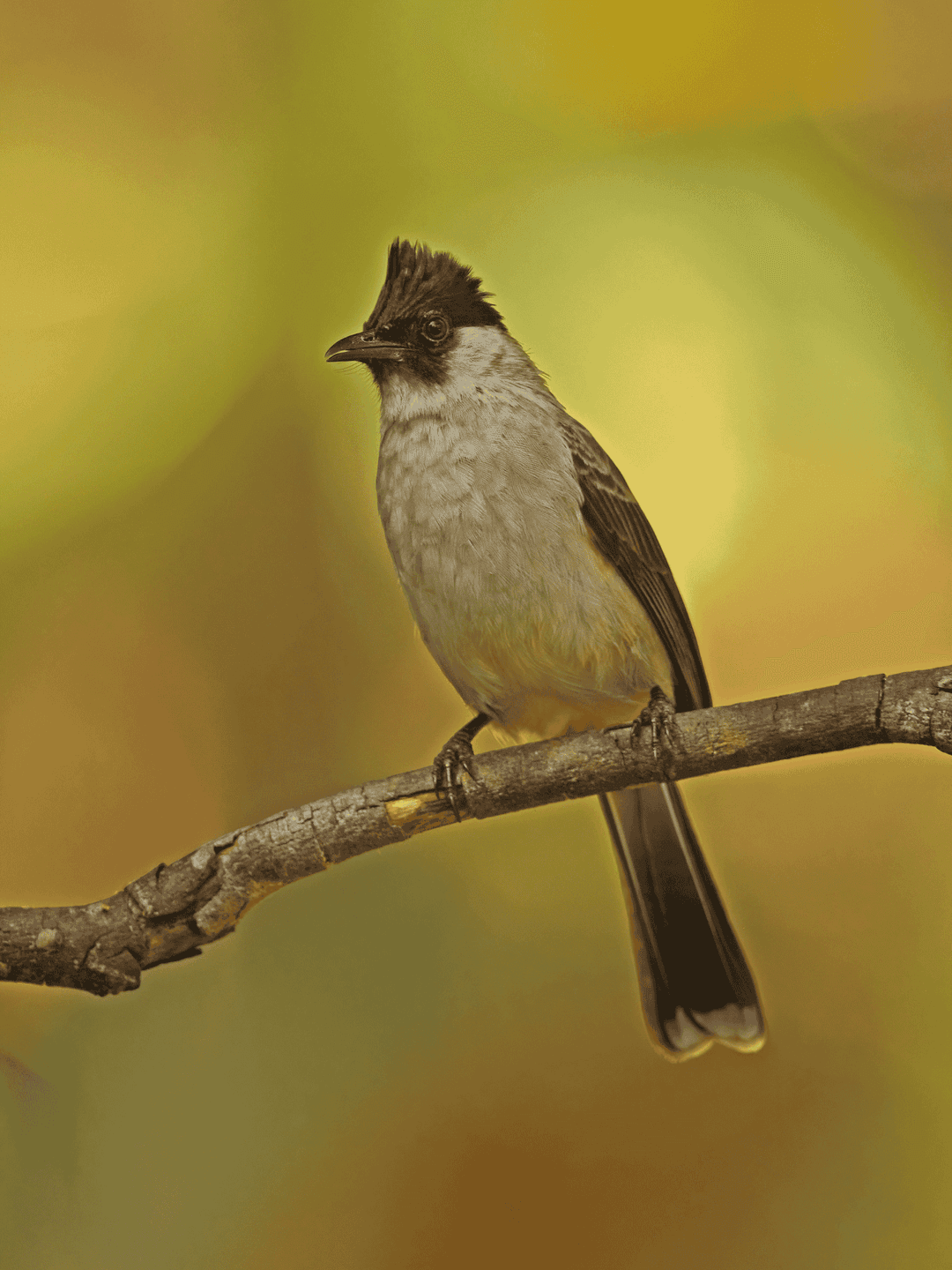
The Cape Bulbul, known scientifically as Pycnonotus capensis, is a bird species endemic to the Fynbos biome in South Africa. It is relatively small-sized about 20 cm long, distinguished by its glossy black plumage with an olive-yellowish underbelly. This small bird has a neat black crest, a dark brown eye surrounded by a narrow white eye-ring, and a long slender bill. It's characteristic tail is bulbous and displays prominent white tips and edges.
Male vs female
Male and female Cape Bulbuls appear identical with no significant sexual dimorphism. Both sexes share the same greenish-yellow underparts and distinctive olive-black upperparts. Differences in size or colour can't be reliably used to distinguish males from females.
Juvenile
Juvenile Cape Bulbuls resemble the adult birds but their plumage is less glossy. Additionally, the white edges on the feathers of their wings and tails are broader than in adults. Over time, as they mature, they acquire the glossy adult plumage and their white feather edges become as thin as those of mature birds.
Size
7.5 - 8.3 in/1.0 - 1.7 oz
There's more to learn about Cape Bulbul
View full detailsAfrican Red-Eyed Bulbul
Pycnonotus nigricans
Also known as: Black-Fronted Bulbul
General appearance
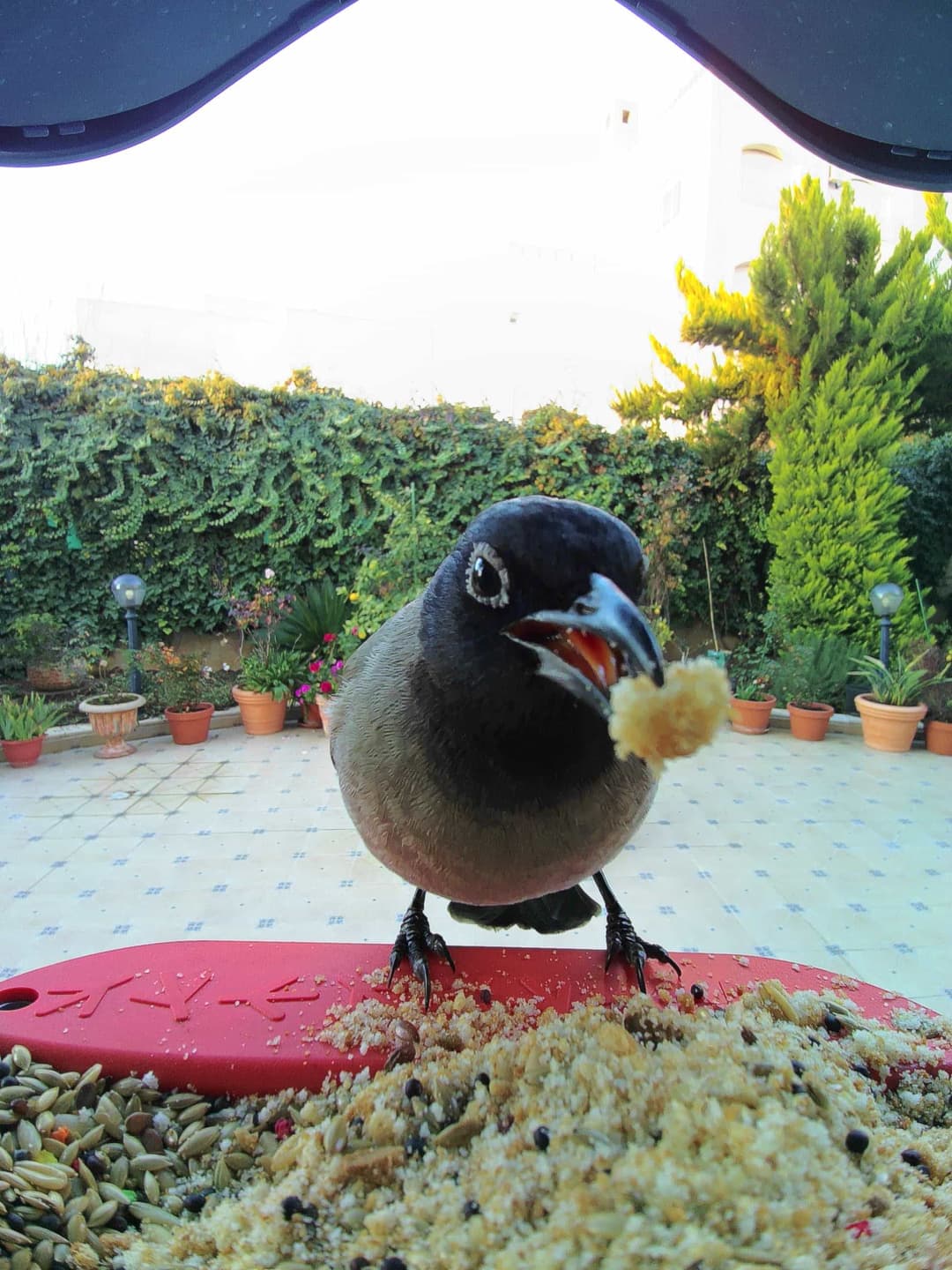
The African red-eyed bulbul is characterized by its medium size, nearly 20-25 cm in length, and its distinctive khaki-grey plumage. Easily noticeable are its crimson-red eyes, which aptly offers its name. It also has a distinct thin black crest above its eyes, giving it a capped appearance. Its tail and wings are darker, almost black. This species does not have significant seasonal variations.
Male vs female
Both male and female African red-eyed bulbuls share similar external features, making sexual dimorphism in this species less distinct. The males tend to be slightly larger in size compared to females. However, their coloration, red eye, and capped appearance are consistent across both genders. This feature makes it a bit challenging to distinguish between the sexes in the wild.
Juvenile
Juvenile African red-eyed bulbuls lack the vibrant coloration seen in adults. They have duller grey-brown plumage and their eyes are not yet the characteristic red, instead they have brownish eyes. Their crest is less pronounced, and it takes a few months until they acquire the distinctive adult features.
Size
7.5 - 8.3 in/0.8 - 1.3 oz
There's more to learn about African Red-Eyed Bulbul
View full detailsHow to tell the Cape Bulbul from the African Red-Eyed Bulbul
Visual differences
The Cape Bulbul (Pycnonotus capensis) is smaller, with a glossy black crest, olive-yellow underbelly, and a distinctive white eye-ring. It features a slender bill and dark brown eyes. The African Red-Eyed Bulbul (Pycnonotus nigricans) is slightly larger, with khaki-grey plumage, crimson-red eyes, and a thin black crest. Its tail and wings are darker. Both species have similar body lengths (7.5-8.3 inches), but the Cape Bulbul typically appears more vibrant due to its distinct coloration, while the African Red-Eyed Bulbul is known for its red eyes and capped look.
Key differences and behavior
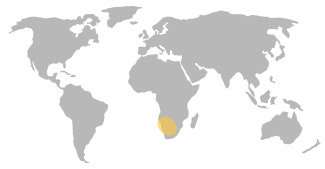
Cape Bulbul (Pycnonotus capensis) and African Red-Eyed Bulbul (Pycnonotus nigricans) exhibit notable behavioral and habitat differences. Cape Bulbuls, endemic to South Africa's fynbos biome, adapt to both shrublands and urban gardens, feeding on fruit and insects. They participate in mutual preening and vocal courtship, nesting in dense shrubbery where both parents nurture fledglings. Conversely, African Red-Eyed Bulbuls inhabit the savannas and arid scrublands of southern Africa. They lean towards areas near water and adapt to urban locales if food and shelter abound. Their diet is primarily fruity, enhanced by seeds and nectar. Both species engage in elaborate courtship, but African Red-Eyed Bulbuls exhibit territorial singing and posturing. Their nests, like Cape Bulbuls', are in dense foliage, fostering offspring care from both parents.
Still not sure? Here are more lookalikes!
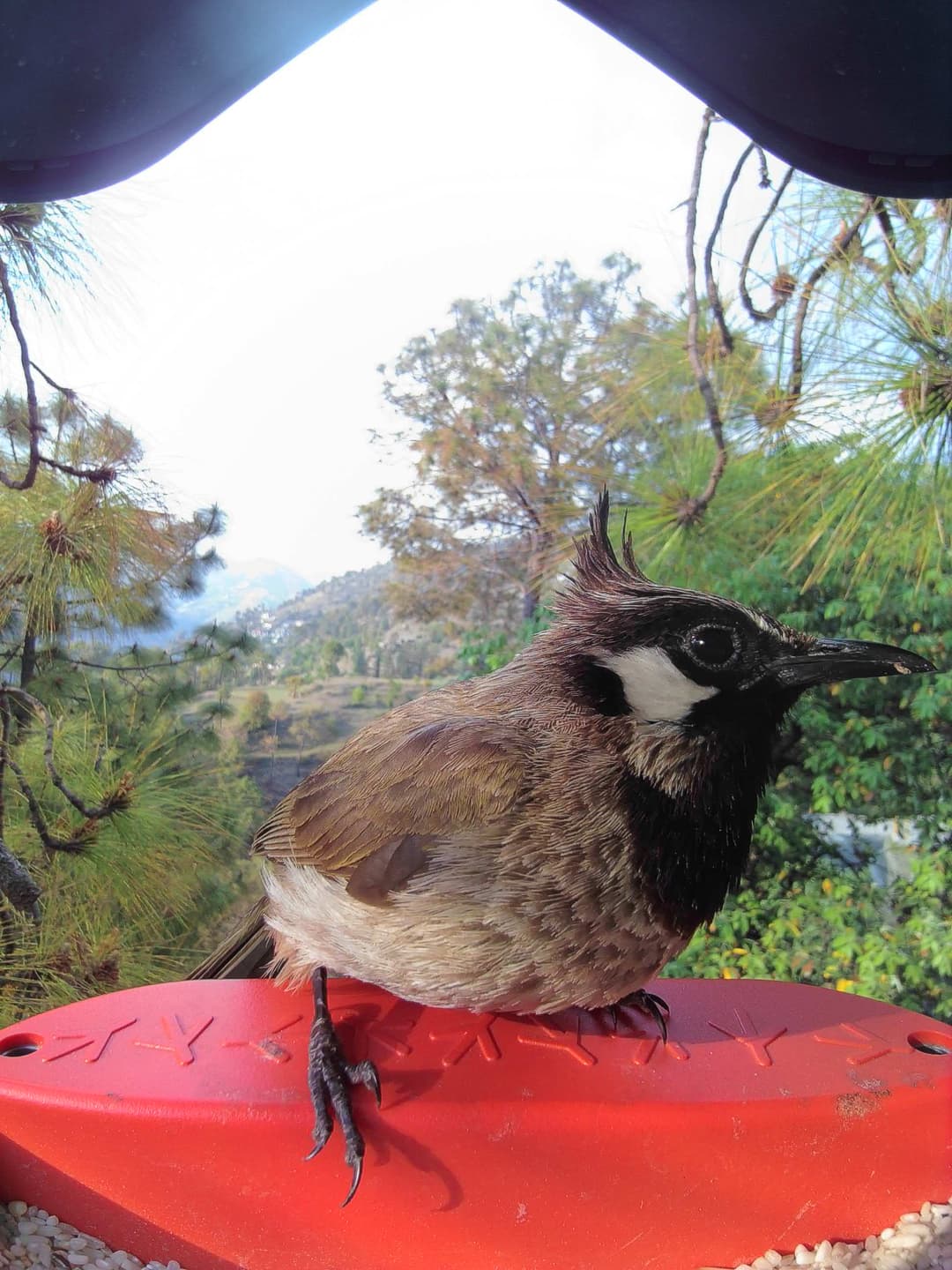
Cape Bulbul vs Himalayan Bulbul
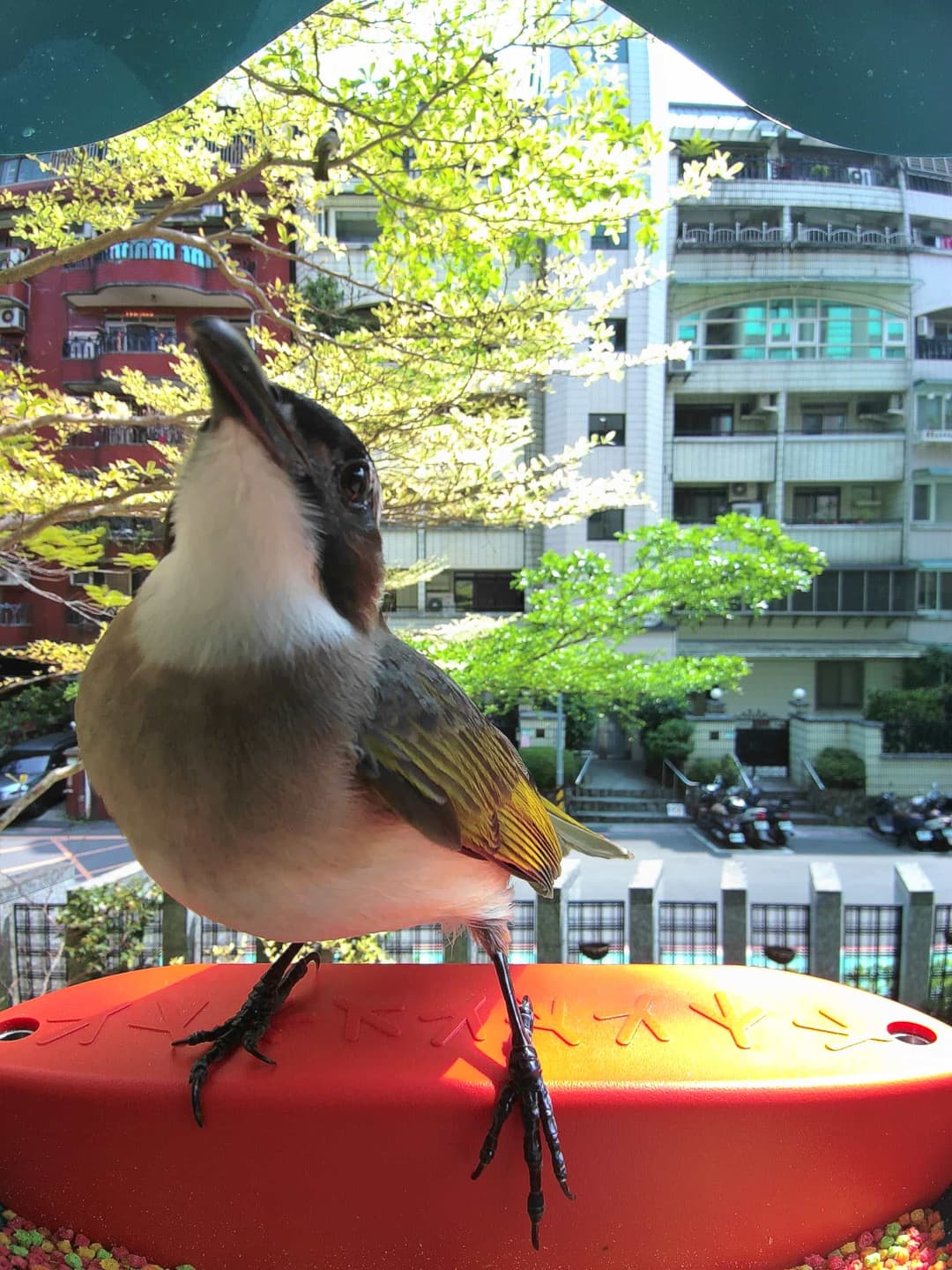
African Red-Eyed Bulbul vs Himalayan Bulbul
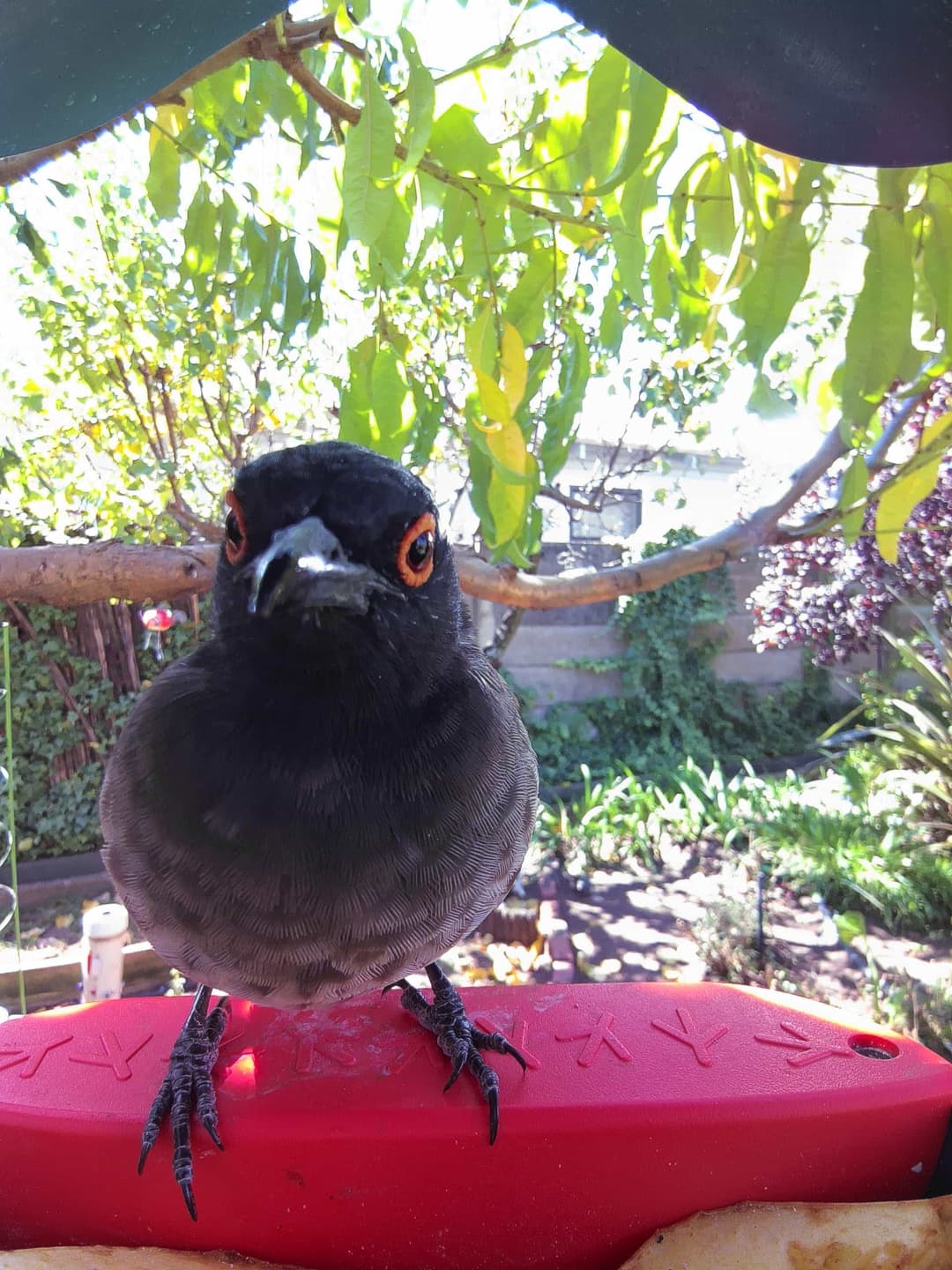
African Red-Eyed Bulbul vs Dark-Capped Bulbul
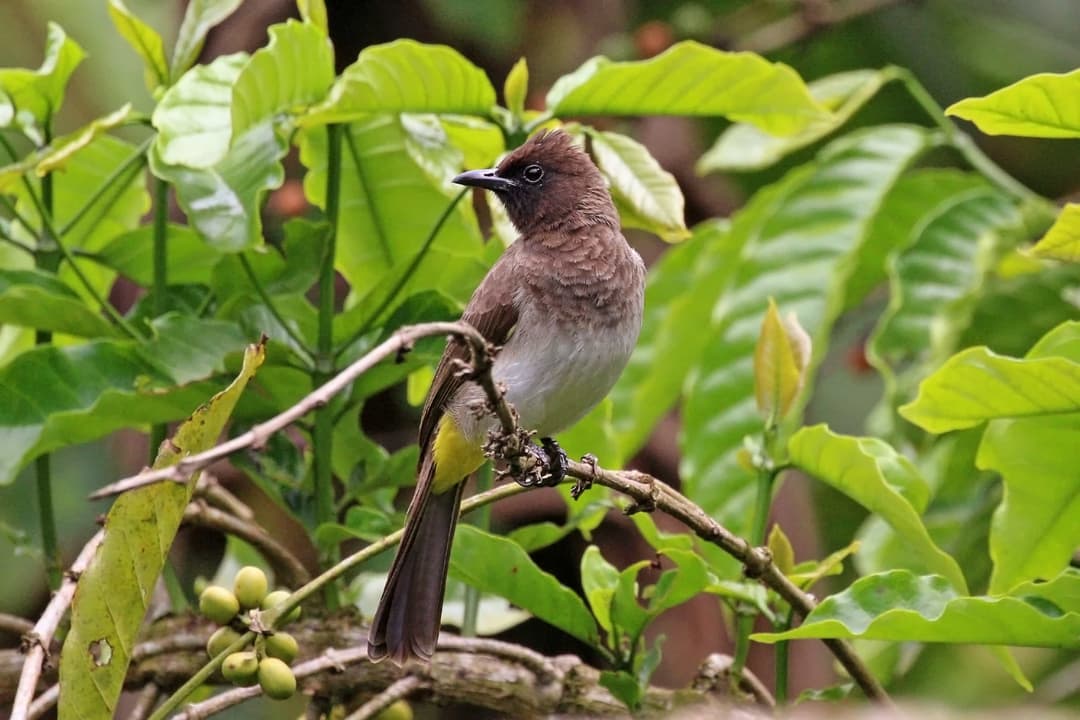
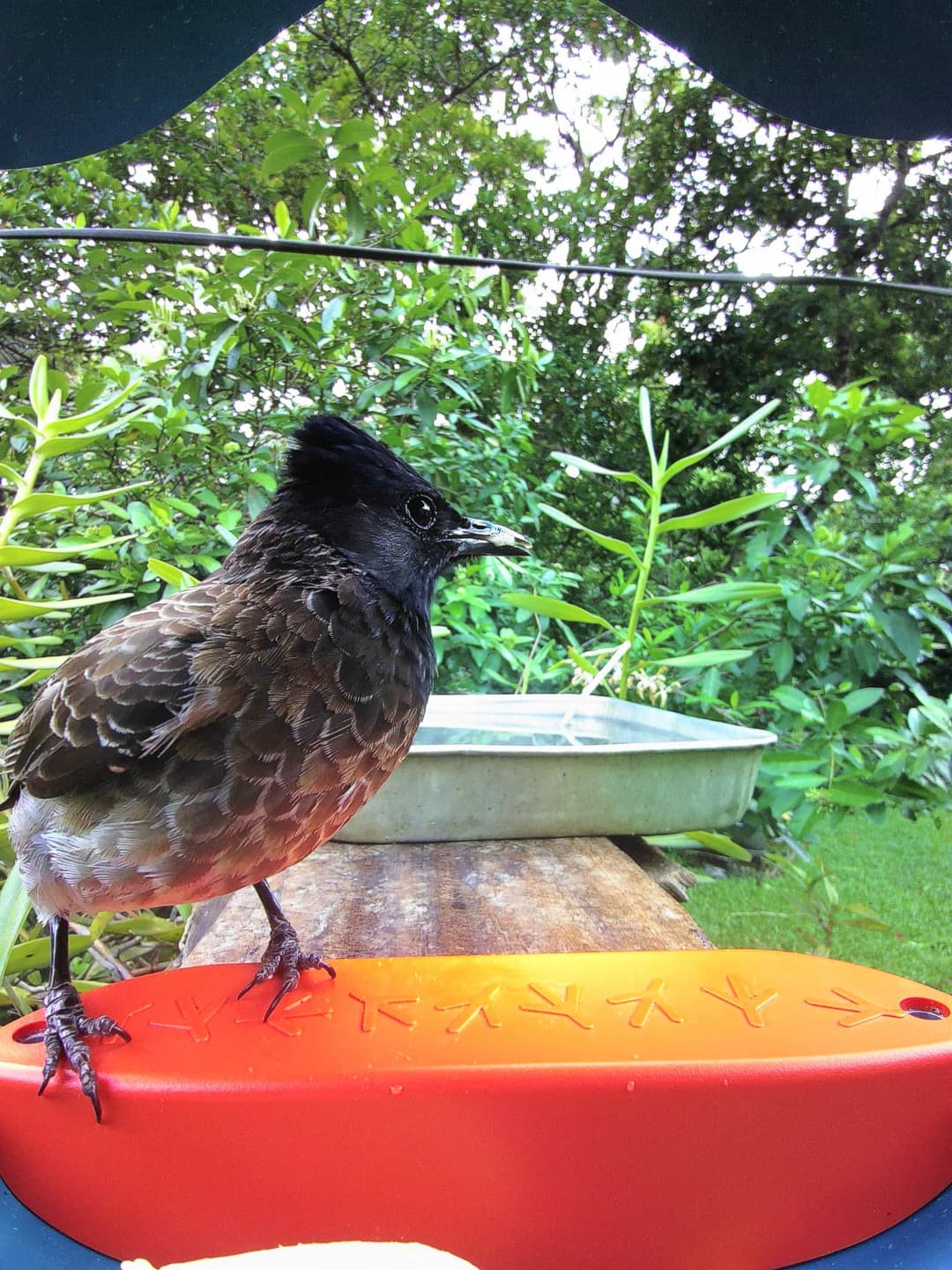
African Red-Eyed Bulbul vs Red-Vented Bulbul
African Red-Eyed Bulbul vs White-Spectacled Bulbul
Cape Bulbul vs [Select a bird]

[Select a bird]
Pick a bird to compare
African Red-Eyed Bulbul vs [Select a bird]
[Select a bird]
Pick a bird to compare