
Himalayan Bulbul
Himalayan Bulbul
Also known as: White-Cheeked Bulbul
Pycnonotus leucogenys


Quick Identification guide
Quick Identification guide
- •
Features a distinctive black and white crest that stands upright, adding to its striking profile
- •
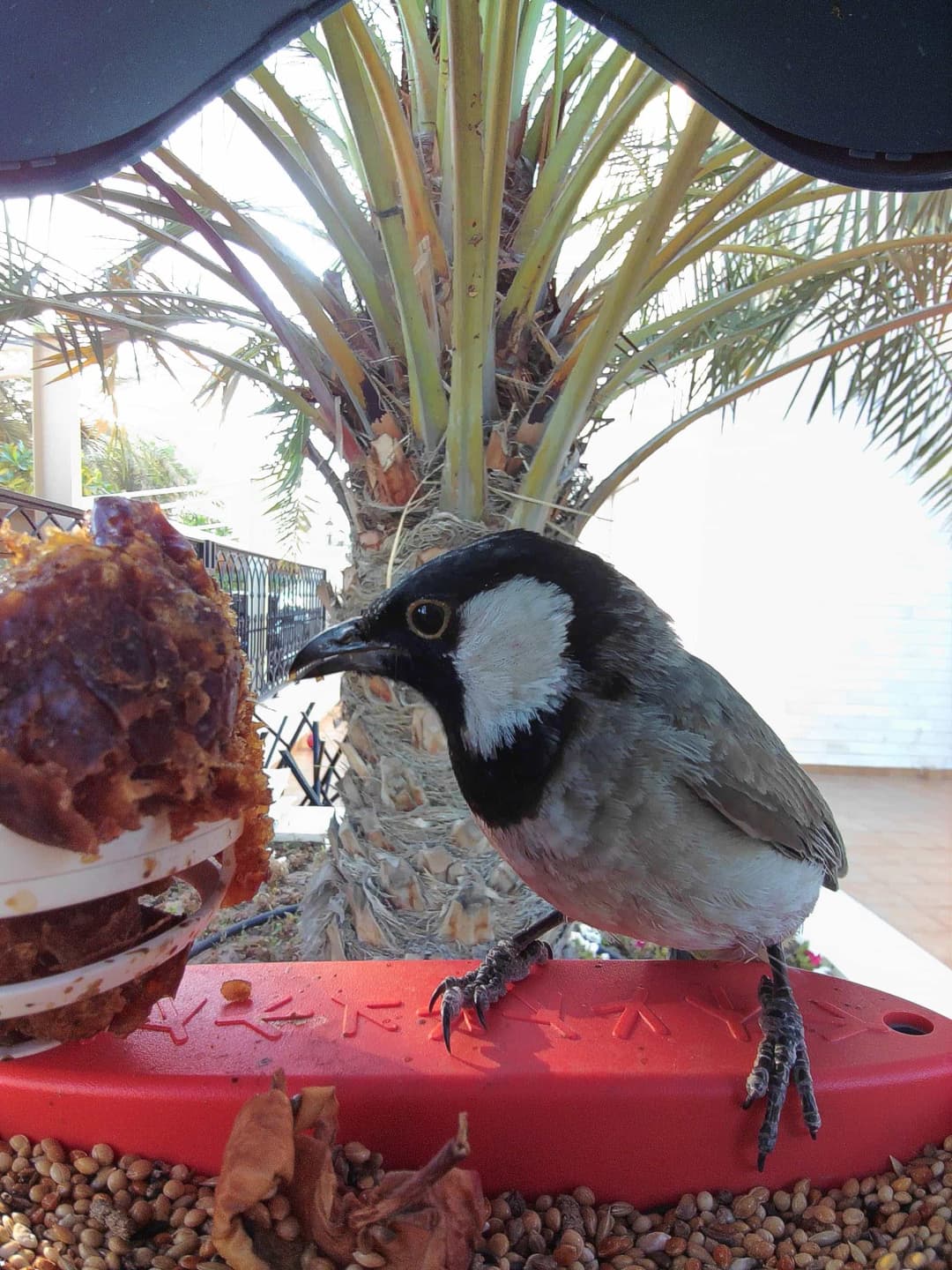
Exhibits white cheeks contrasting with a black throat patch surrounding the face
- •
Has a slender body with mostly grayish-brown plumage and a short, rounded tail with white outer feathers


Description
Imagine speeding up an Eurasian golden oriole's call: that's what a Himalayan bulbul sounds like! The best time to listen in on their four-piece whistling song is in the early mornings, when these little guys are at their most active. They're not just excellent singers, they're adept and acrobatic flyers! Guess a bird really can have it all!
The Himalayan bulbul can weigh between 34to38grams and be from19to20centimeters tall.
The Himalayan bulbul typically lives up to nine years. Relative to some related species, this is less than the life expectancy of the white-eared bulbul which can live up to 11 years. However, data on the lifespans of many bulbul species remains limited, making direct comparisons difficult. Factors influencing lifespan of the Himalayan bulbul may include predation, habitat loss, and climatic changes.
Did you know?
Most popular questions about Himalayan bulbul
How to recognise a Himalayan bulbul?
General appearance
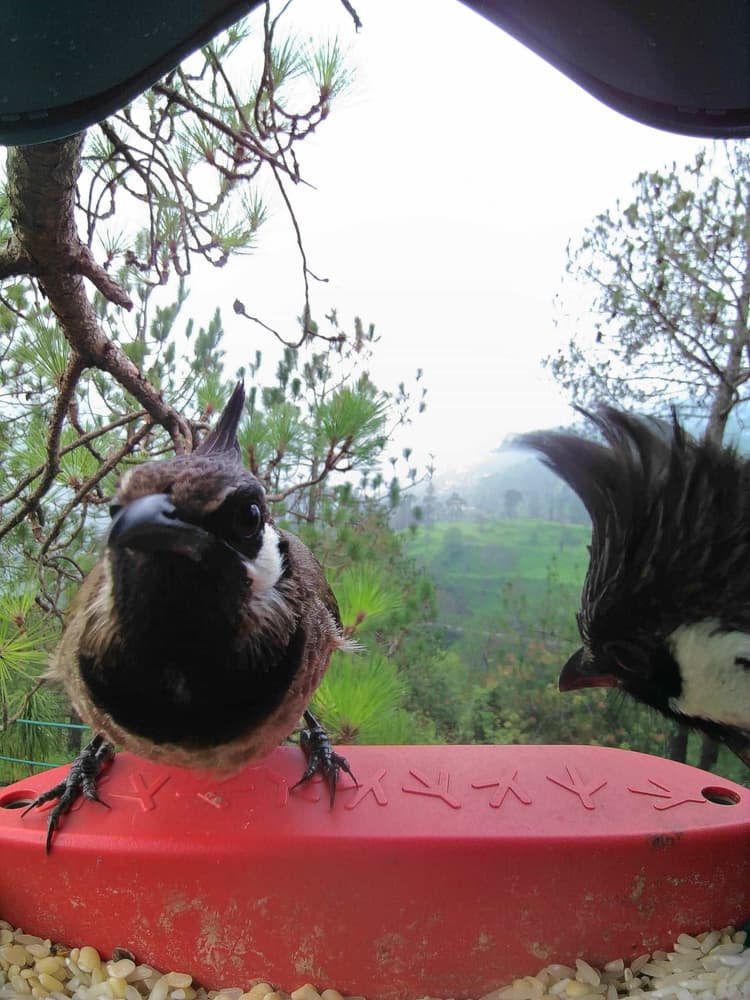
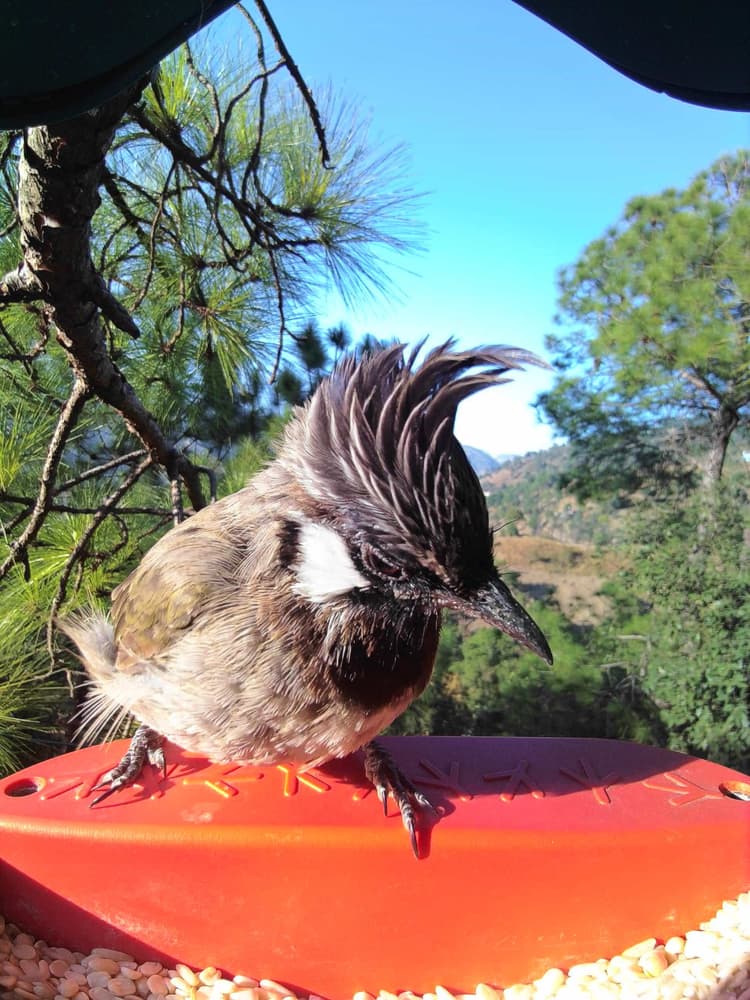
The Himalayan bulbul, or white-cheeked bulbul, is a species of songbird with a distinctive crest on the head. They exhibit a dove grey above with whitish underparts, a black crest, and white patches on the cheek and underside of the tail. They have a medium size, averaging around 20 cm long, and are known for their melodious song.
Male vs female
For the Himalayan bulbul, sexual dimorphism is not significantly pronounced, and both males and females have similar physical appearances. Both genders exhibit the same colorations and physical traits, making it difficult to distinguish between them based on appearance.
Juvenile
Juveniles exhibit similar body shape to adults, though their coloration may be duller. The signature crest is shorter and their cheek patches are not as starkly white. As they grow, they gradually attain the more distinctive adult coloration.
Often mistaken for
Red-Vented Bulbul vs Himalayan Bulbul
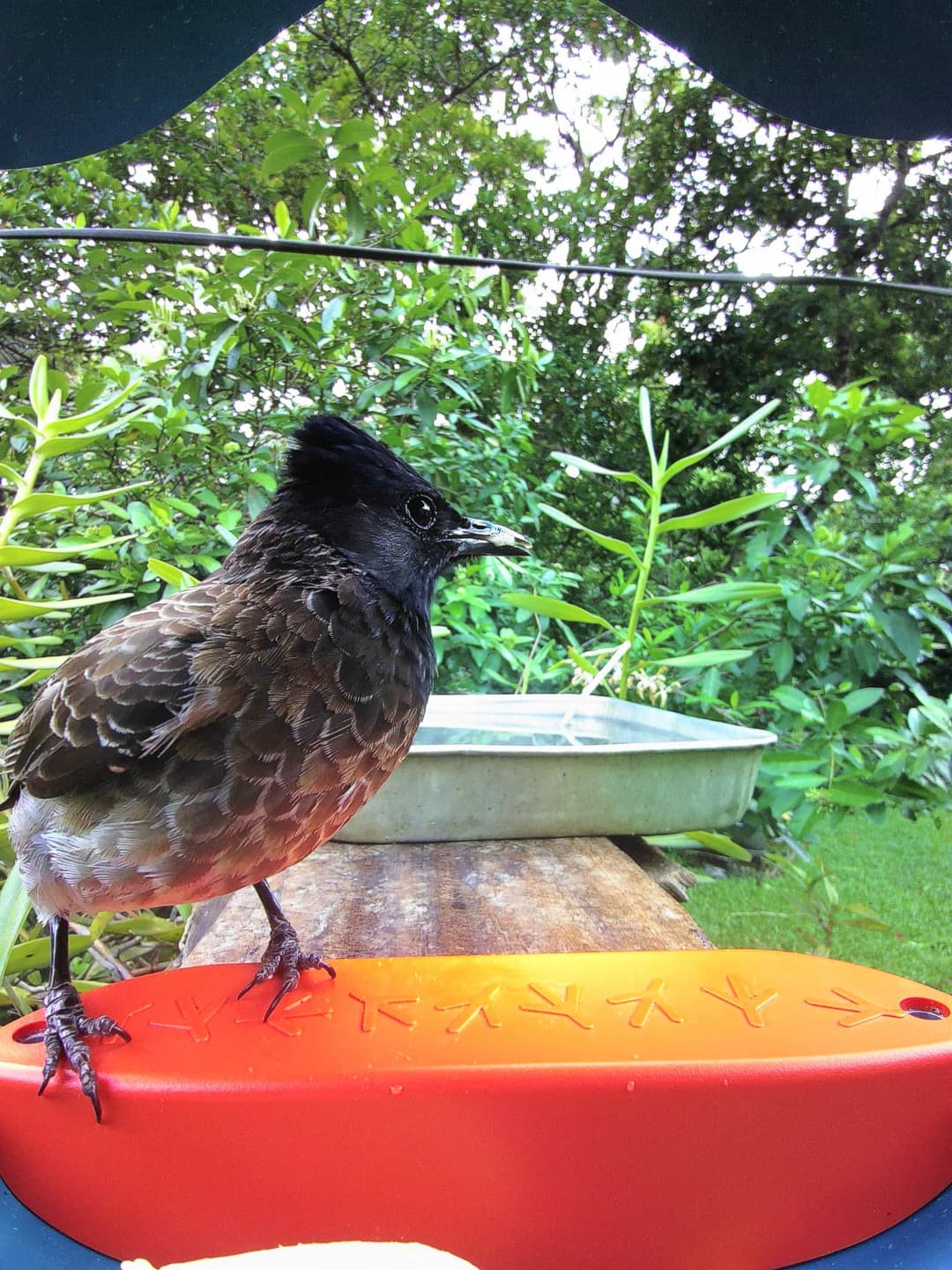
The Red-Vented Bulbul can be mistaken for the Himalayan Bulbul as they both have a prominent crest and similar body shape. However, the Red-Vented Bulbul has a distinctive red vent (under-tail coverts) and lacks the white cheek patch found on the Himalayan Bulbul.
Red-Whiskered Bulbul vs Himalayan Bulbul
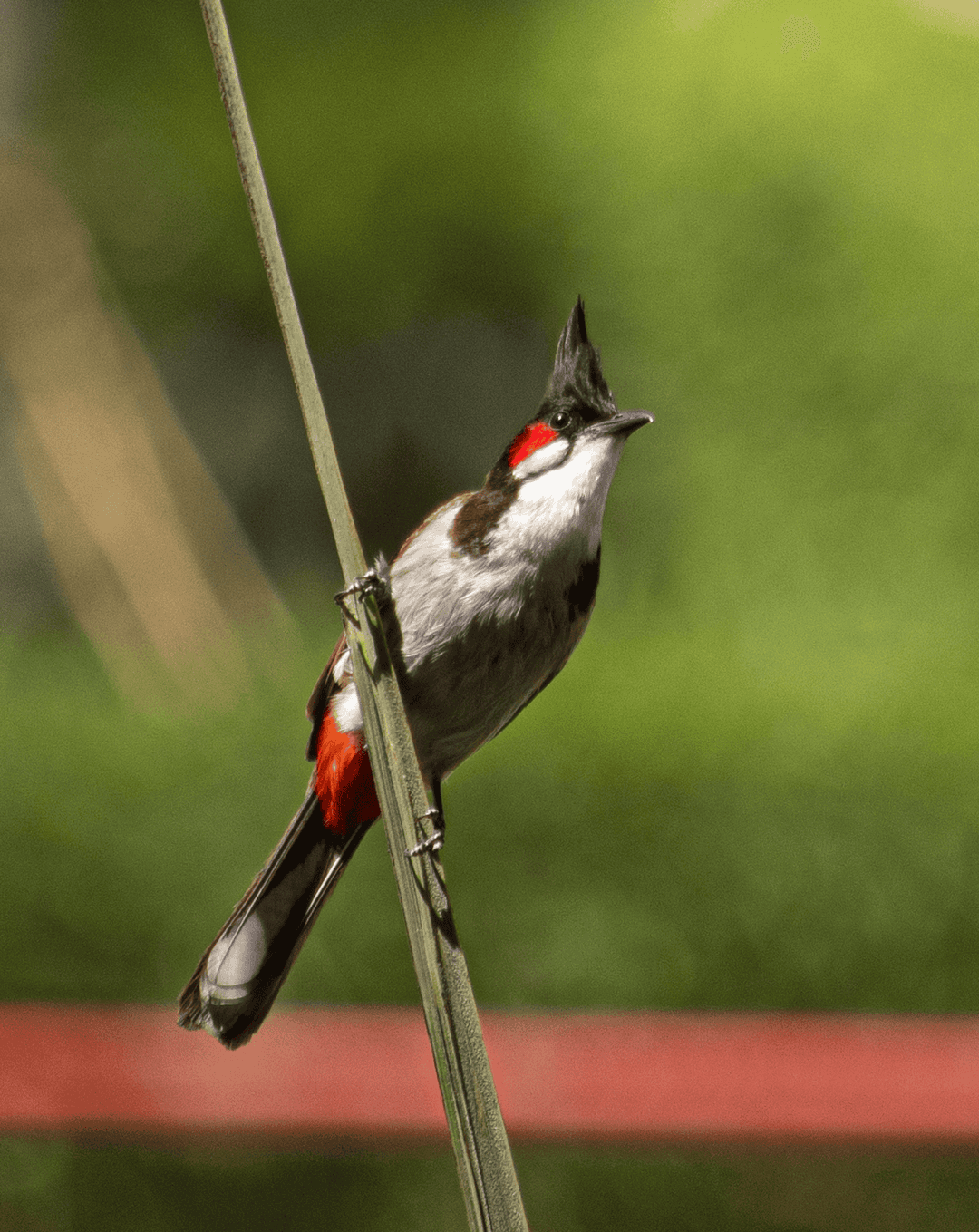
While the Red-Whiskered Bulbul shares a similar shape and size with the Himalayan Bulbul, the Red-Whiskered variety is identifiable by its red whisker patch and white cheek with a dark eye ring, which the Himalayan Bulbul does not have.
White-Eared Bulbul vs Himalayan Bulbul
The White-Eared Bulbul looks similar to the Himalayan Bulbul due to their comparable size and general coloration. However, as the name suggests, the White-Eared Bulbul has distinct white ear patches (cheeks) instead of the Himalayan Bulbul's more prominent white cheek markings.
Breeding and nesting habits of the Himalayan bulbul
Mating behaviors
The Himalayan bulbul engages in complex courtship displays involving song and flight maneuvers to attract mates. Males often perform vocal duets with females, showcasing their singing skills.
Nesting details
Himalayan bulbuls build cup-shaped nests using twigs, grass, and leaves. Nests are typically located in bushes, trees, or gardens. They prefer dense foliage for protection. Creating a suitable habitat involves planting native shrubs and providing nesting materials like twigs and leaves.
Eggs and chick-rearing
The female lays 2-3 eggs, which are incubated for about 12-14 days. Both parents participate in feeding the chicks after hatching. Chicks fledge approximately 14-16 days post-hatching, continuing to receive care from parents for a few weeks.
What does a Himalayan bulbul like to eat?
Berries
Fruits
Insects
Nectar
Plants
Seeds
Natural diet
The Himalayan bulbul predominantly feeds on a varied diet that includes insects, fruits, and berries. Their insectivorous tendencies involve consuming caterpillars, beetles, ants, and other small invertebrates. The bulbul also has a preference for fruits such as figs and berries, offering them vital nutrients and energy for their active lifestyle. Occasionally, they might forage for flower nectar, especially when fruits or insects are scarce, showcasing their adaptability in diet.
Bird feeders
At bird feeders, the Himalayan bulbul is frequently attracted to seeds, particularly sunflower seeds, and suet, providing them with essential fats and proteins. Additionally, they may consume any offered fruit, such as apples or berries, available at feeders. While less common, they might accept mealworms as a substitute for their natural insect diet. These feeder offerings typically supplement their primary diet from natural sources.
Attracting himalayan bulbul: favorite snacks
To attract the Himalayan Bulbul, it's important to provide the type of food they enjoy. These birds have a varied diet, but their favorites are insects and small fruits. Try setting out a bowl of fresh, ripe berries or some sliced apples. For an all-in-one solution, the Bird Buddy seeds are a great choice. These mixes are created by birding experts, specifically for the season, ensuring the health and happiness of your feathered visitors.
The optimal feeder types for himalayan bulbul
Himalayan Bulbuls, being smaller birds, prefer feeders where they feel secure and can easily access the food. Tube feeders are a great option as they provide easy access and protection from larger birds. Another type of feeder that Bulbuls love is a platform feeder, which allows them to see the food clearly and feel secure while eating. No matter what type of feeder you choose, make sure it's placed in a quiet, secure location away from predators.
Fun tricks to encourage a visit
Aside from food and feeder choice, there are other ways to encourage Himalayan Bulbuls to visit your yard. They are known to enjoy bathing, so adding a clean, shallow bird bath to your yard will make it more appealing. Playing soft bird song can also pique their curiosity and lead them to your yard. And if you start recognizing their unique songs, try mimicking them gently - they might join you for a delightful singalong.
Why choose bird buddy seeds?
Bird Buddy seeds are chosen by experts for the season, meaning they are ideal for feeding to your feathered friends at any given time during the year. The mixtures are varied and nutritious, containing all the seeds and grains that the Himalayan Bulbuls enjoy. They are a highly recommended product as they can help you attract these birds to your feeder and ensure they keep returning, thanks to the quality and variety of the seeds provided.
Where can you find Himalayan bulbuls?

Primary habitat
The Himalayan bulbul primarily inhabits subtropical and temperate forests, favoring areas with dense undergrowth and proximity to water sources in the Himalayas.
Additional range
It ranges from Afghanistan to western China, preferring altitudes between 800-3000 m. Occasionally, it adapts to urban gardens and orchards in lower altitudes.
Do they migrate?
The Himalayan bulbul is generally a resident species, meaning it does not engage in long-distance migration. It primarily inhabits the lower and middle altitudes of the Himalayas, ranging from eastern Afghanistan and northern Pakistan through northern India to Bhutan and possibly into parts of Tibet. While the species does not undertake significant migratory journeys, it may exhibit some altitudinal movement in response to seasonal changes. During the colder months, individuals living at higher elevations might descend to lower altitudes to escape harsher winter conditions. This movement is more of a short-range shift rather than true migration. Key locations where the Himalayan bulbul can typically be found include forest edges, scrublands, and gardens in the foothills and mid-elevation zones of the Himalayas. Environments such as those around Himachal Pradesh, Uttarakhand, and the Kashmir Valley are common for this species. Overall, the Himalayan bulbul's life cycle remains closely tied to its native range, with variations in local movements influenced by temperature and food availability rather than migratory patterns seen in other bird species.
What is the role of Himalayan bulbuls in nature and how to protect them?
Conservation status
The Himalayan bulbul is currently classified as "Least Concern" by the IUCN, indicating it is common and not facing immediate threats of extinction. This bird is widespread in the Himalayan region, benefiting from a relatively stable population. However, potential threats include habitat loss due to deforestation and land conversion for agriculture. Conservation efforts focus on habitat protection and environmental awareness to prevent future declines. Continued monitoring is recommended to ensure its status remains stable amidst ongoing environmental changes in its native regions.
Ecological role of Himalayan bulbuls
Its role in the ecosystem
The Himalayan bulbul, indigenous to the Himalayan region, plays a substantial role in the ecosystem with contributions such as pest control and seed dispersal. Bulbuls feed on insects, reducing their numbers and thus acting as natural pest controllers. This aids in maintaining a balanced, ecological environment by limiting the population of pests like flies, mosquitoes, and beetles which can be detrimental to crops and human health. Moreover, the Himalayan Bulbul is a frugivorous bird, meaning it feeds on fruit. Their feeding habit helps in seed dispersal. They consume the fruit, fly away, and the seeds are excreted in different locations. This activity aids in the propagation of various fruit-bearing trees and other plant species across the Himalayan region, promoting biodiversity in the ecosystem. Thus, the ecological significance of the Himalayan bulbul is multi-dimensional, contributing to both biological control and plant propagation.
How to help protect Himalayan bulbuls
Preservation tips
Habitat preservation of the himalayan bulbul
Himalayan bulbuls thrive in a variety of habitats, including forests, orchards, and urban parks. Their preservation requires commitment to reducing deforestation and keeping their habitats intact. Preservation plans should include sustainable forest management and land-use policies that minimize disruption to the bird's habitats. Encourage the local communities to participate in these preservation efforts, as their involvement is crucial to ensure long-term success.
Community science initiatives for himalayan bulbul conservation
The involvement of the community in conservation efforts for the Himalayan bulbul can bring about significant change. Community science initiatives such as bird counting projects, habitat monitoring, and awareness campaigns can generate interest and active participation. Schools and community groups can organise educational workshops focusing on the importance of this species to local biodiversity. Community-led initiatives can help track the populations of these birds and also raise awareness about the need for their preservation.