Oriental Turtle Dove or Mourning Dove?
Here's how to tell the difference
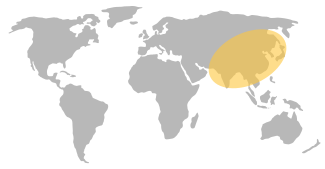


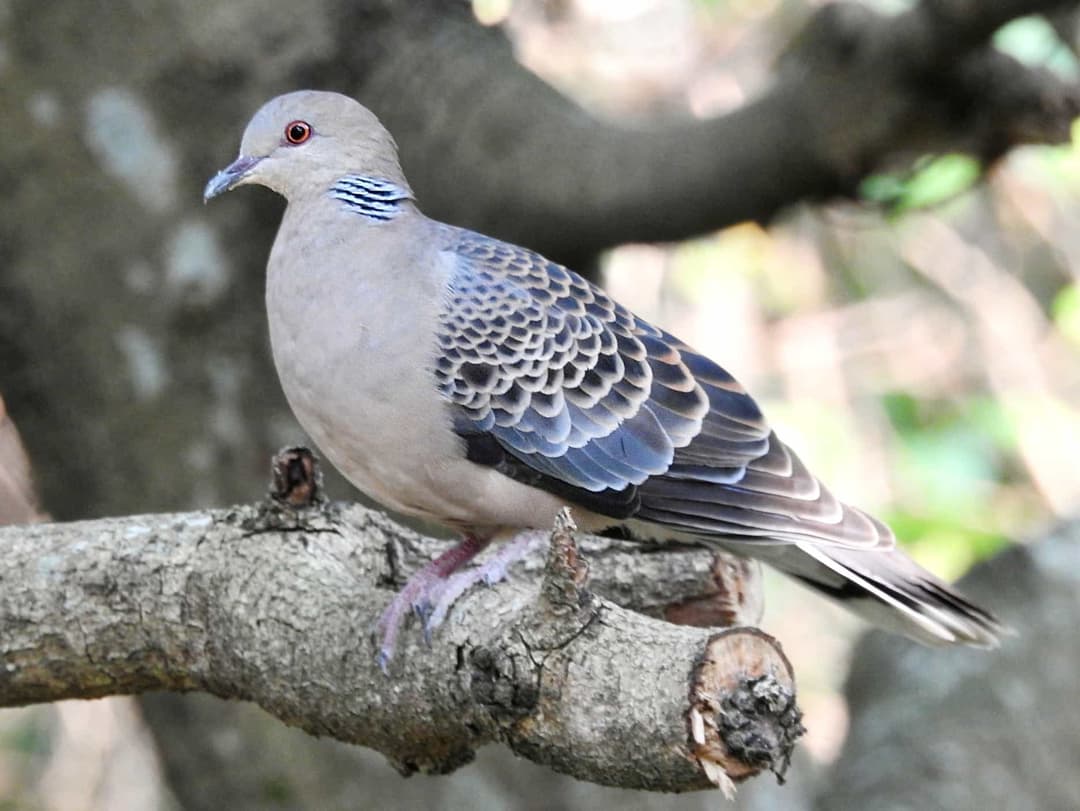
Oriental Turtle Dove
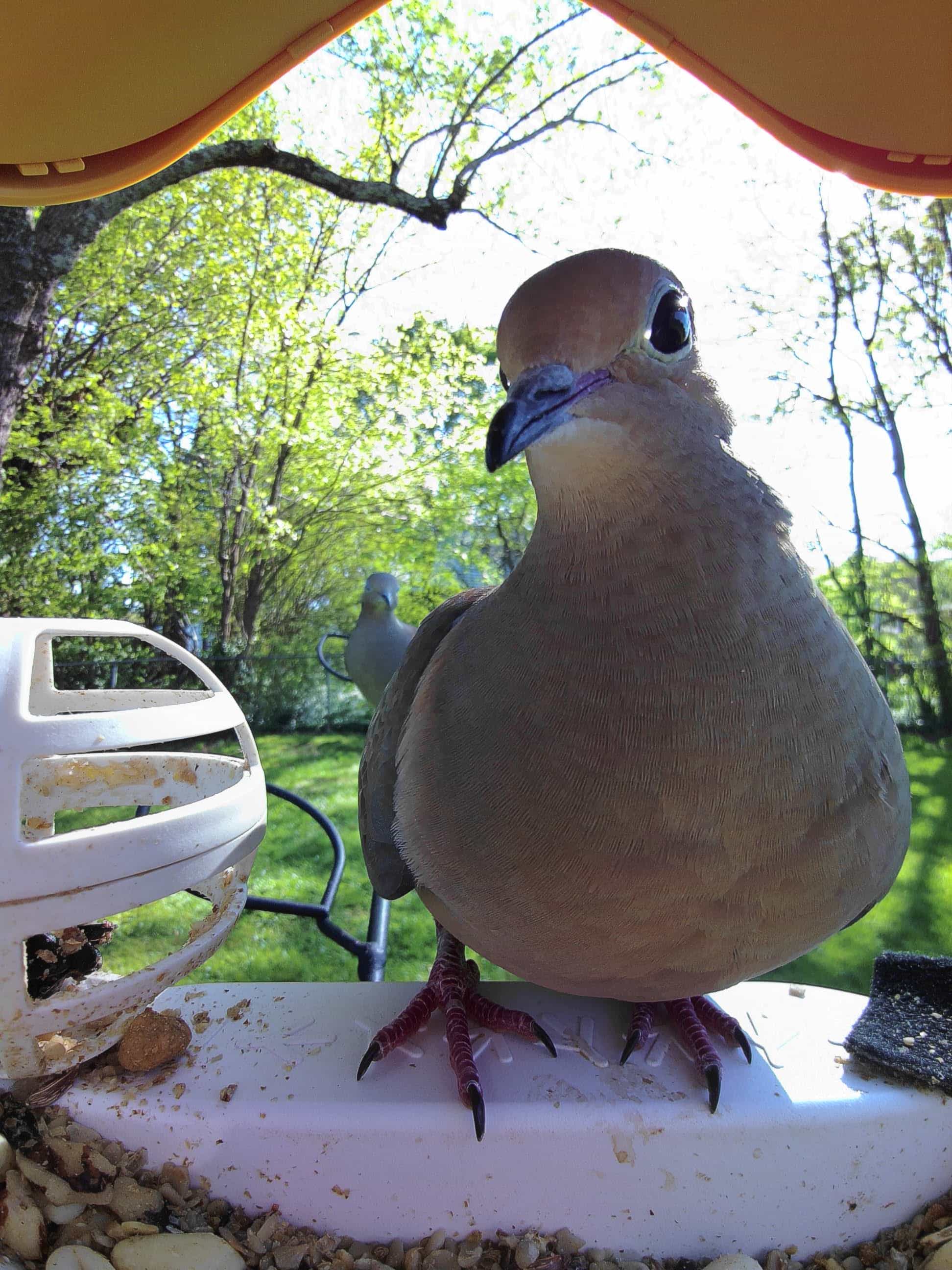


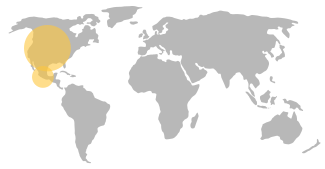
Mourning Dove
Oriental Turtle Dove
Streptopelia orientalis
Also known as: Rufous Turtle Dove
General appearance
The Oriental turtle dove is a large bird measuring 13-14 inches (33-35 cm), similar in size to a crow or robin. It exhibits a bold scaly pattern characterized by rich rufous, buff, or whitish edges on the dark feathers of the back, scapulars, and wings. It has a primarily smooth buffy gray head and underparts. A unique feature includes a patch of black and white lines on the side of its neck. The wings are broad and pointed, while the tail is rounded and square-tipped.
Male vs female
There is not much sexual dimorphism in the Oriental Turtle Dove, and the appearance of males and females is largely similar. Both genders display the same coloration and physical traits, making them difficult to distinguish purely based on appearance.
Juvenile
Juvenile Oriental turtle doves closely resemble the adults but may have a slightly duller color palette. Over time, as they mature, their colors may become more vibrant and they gain the distinctive scaly pattern on their upper body. They also develop the characteristic black and white neck patches.
Size
13.0 - 13.8 in/5.8 - 9.6 oz
There's more to learn about Oriental Turtle Dove
View full detailsMourning Dove
Zenaida macroura
Also known as: American Mourning Dove, Rain Dove, Turtle Dove, Carolina Pigeon, Carolina Turtledove
General appearance
The mourning dove is roughly the size of a crow, bearing characteristics of a long, pointed tail which is about 12', or 30 cm long. This tail displays white spots along its edge while in flight. The bird’s wings are adorned with black spots and its overall coloration exhibits hues of black, brown, gray, pink, tan, and white. The dove has a pointed, wedge-shaped tail.
Male vs female
The sexes of mourning doves can be distinguished by their coloration. Adult males generally have a pinkish tinge on their chests and a blue-gray tone on their crowns. However, the female doves are more dull and plain, predominantly appearing in a shade of brown.
Juvenile
Young mourning doves have a unique scaly appearance that can lead them to be confused with the Inca Dove or the Common Ground Dove. They do not possess the vivid coloring of the adults and generally appear more muted in color.
Size
9.1 - 13.4 in/3.0 - 6.0 oz
There's more to learn about Mourning Dove
View full detailsHow to tell the Oriental Turtle Dove from the Mourning Dove
Visual differences
Oriental Turtle Doves are larger, measuring 13-14 inches compared to the Mourning Dove's 12 inches. The Oriental Dove has a bold scaly pattern on its back and wings, a smooth buffy gray head and underparts, and distinctive black-and-white neck patches. Mourning Doves present a more uniform color palette with black spots on wings, pinkish hues on the male's chest, and a distinct long, pointed tail with white spots at the edges. Both species have broad, pointed wings, but the Oriental Dove has a rounded, square-tipped tail, whereas the Mourning Dove's tail is wedge-shaped.
Key differences and behavior
The Oriental Turtle Dove and Mourning Dove exhibit distinct behaviors and habitats. Oriental Turtle Doves, found across Asia, adapt to wooded and urban settings and display shared parenting with males incubating by day. They engage in mutual preening and a cooperative nest-building process. Their diet includes seeds, grains, and fruits, often foraging on the ground. Mourning Doves, native to North America, prefer open habitats, including suburban areas and farmlands. They can store abundant seeds in their crop, with a preference for cultivated grains. Their courtship involves elaborate aerial displays, and males select nesting sites, though females have the final say. Both species feed chicks "pigeon milk," but Oriental Turtle Doves focus on diverse dietary choices, while Mourning Doves mainly consume seeds. These behavioral traits aid in distinguishing them in the field.
Still not sure? Here are more lookalikes!
Oriental Turtle Dove vs Eurasian Collared Dove
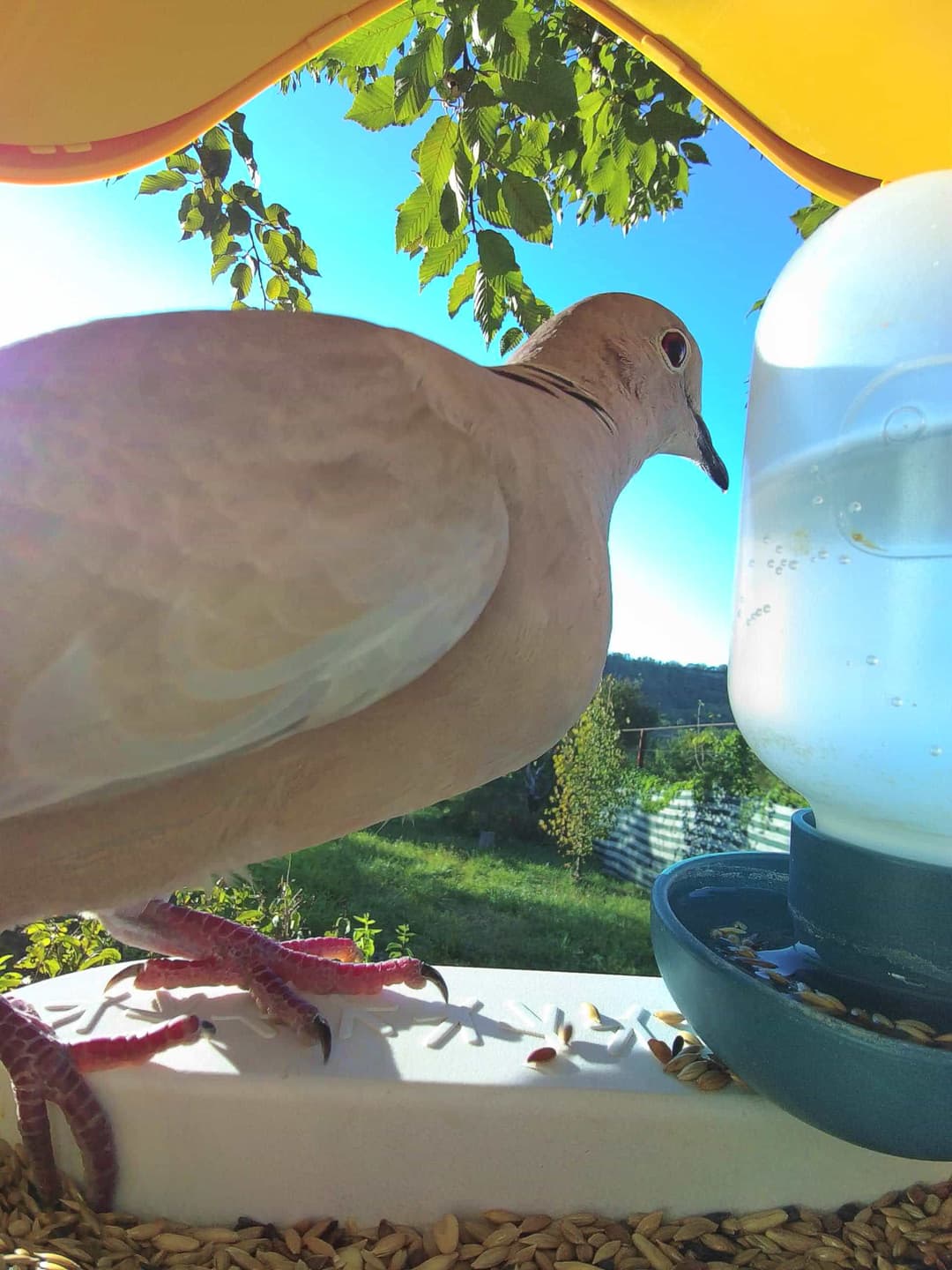
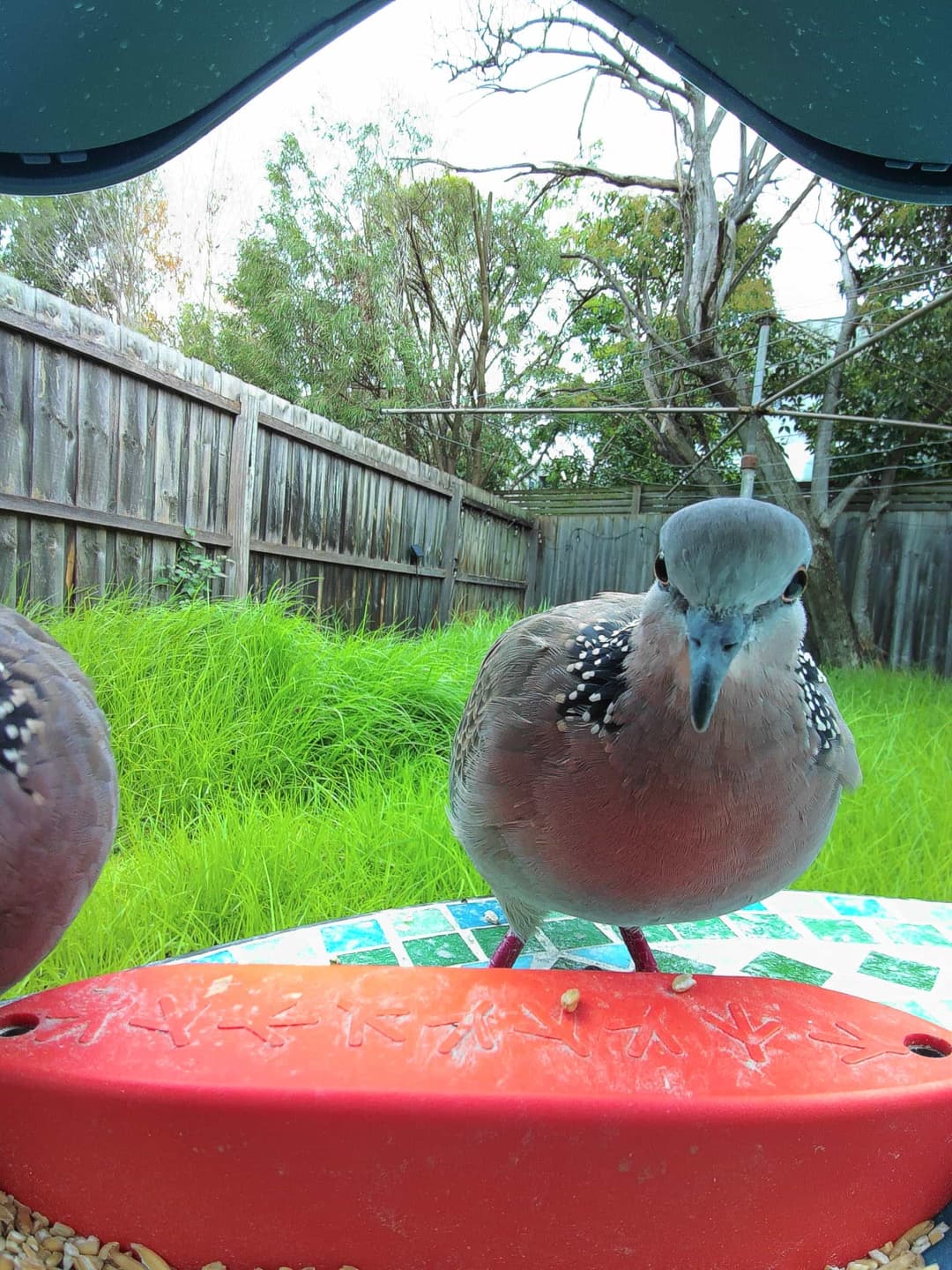
Mourning Dove vs Eurasian Collared Dove

Mourning Dove vs White-Winged Dove
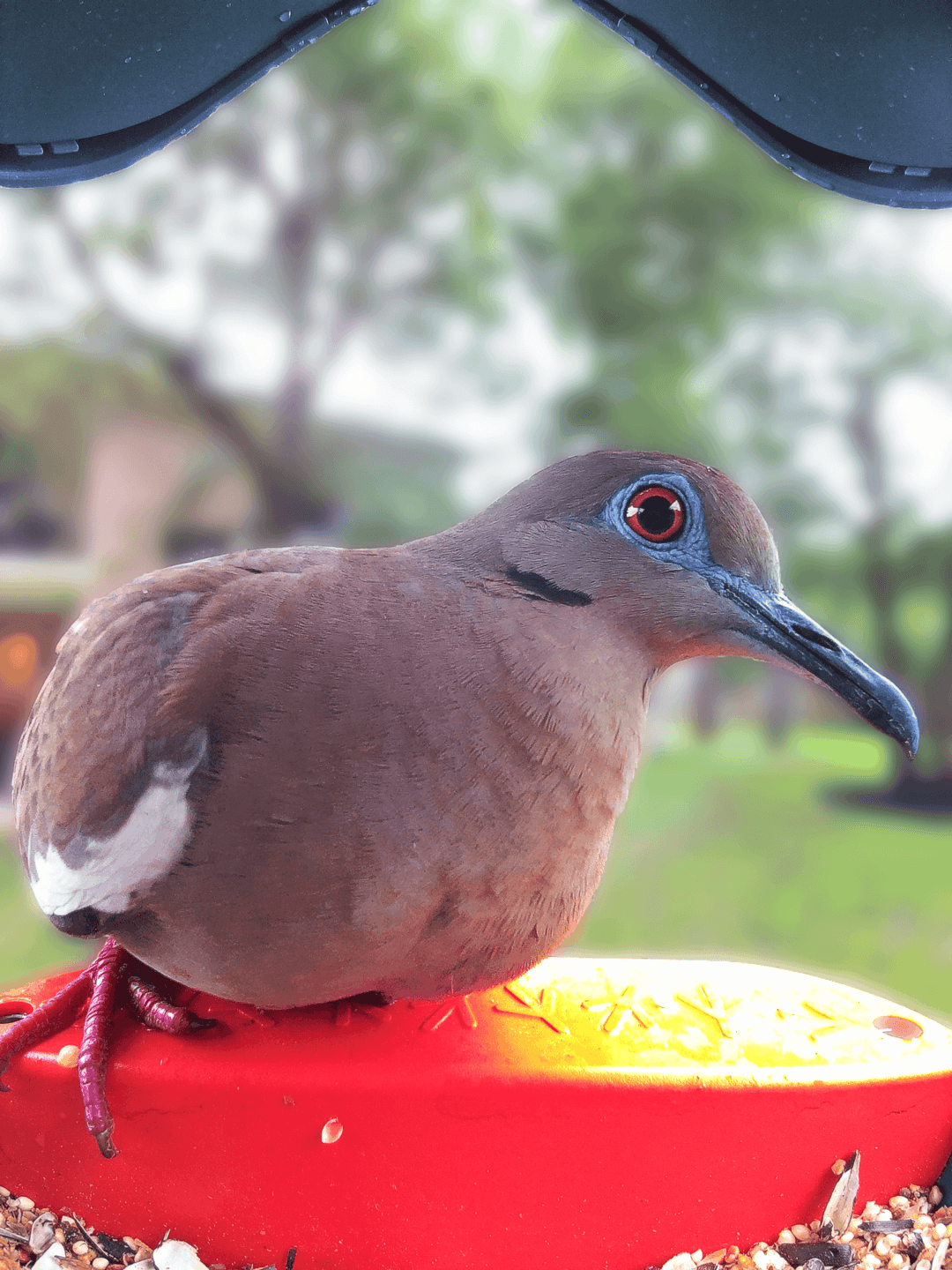
Mourning Dove vs Band-Tailed Pigeon
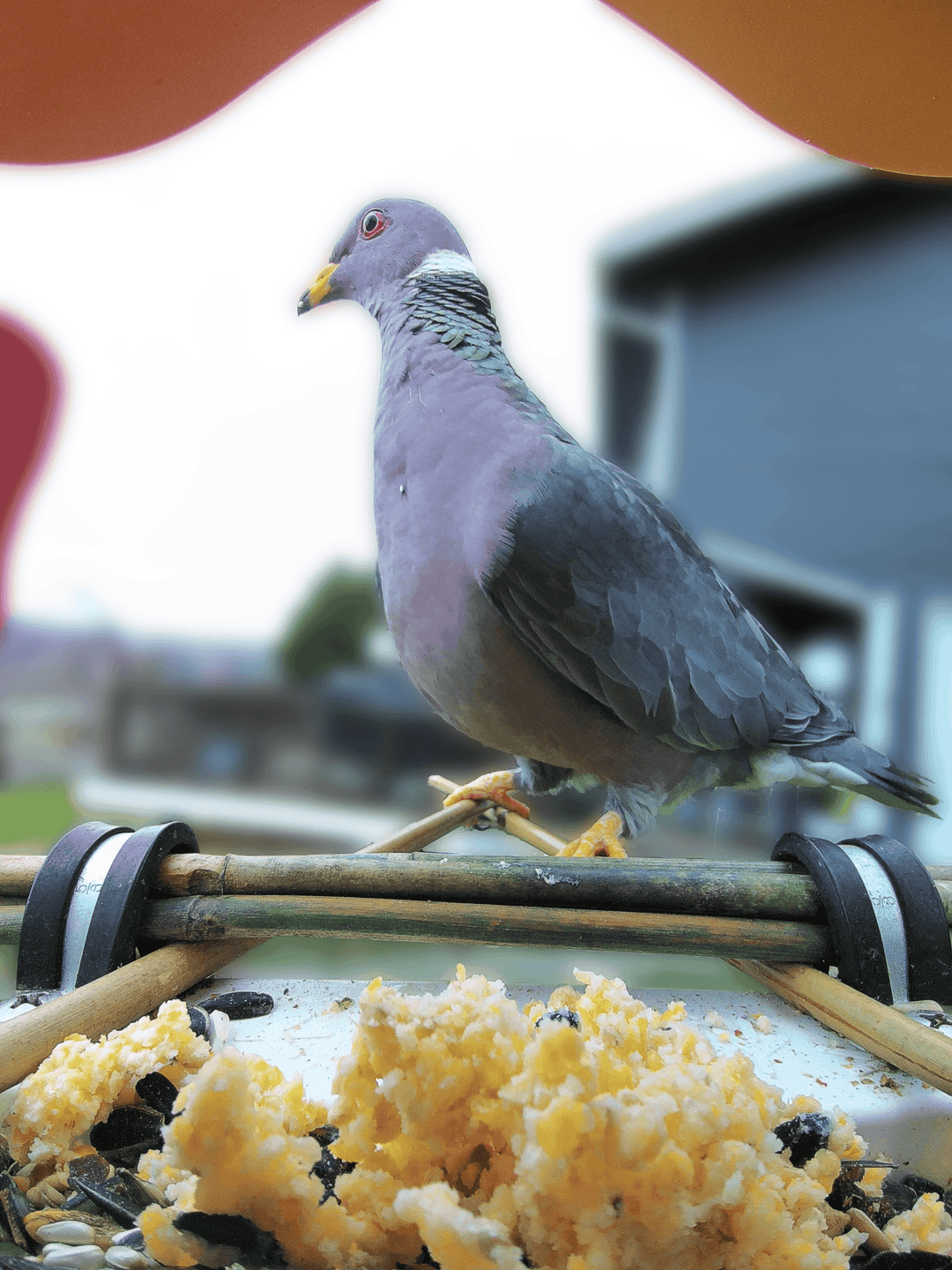
Mourning Dove vs White-Tipped Dove
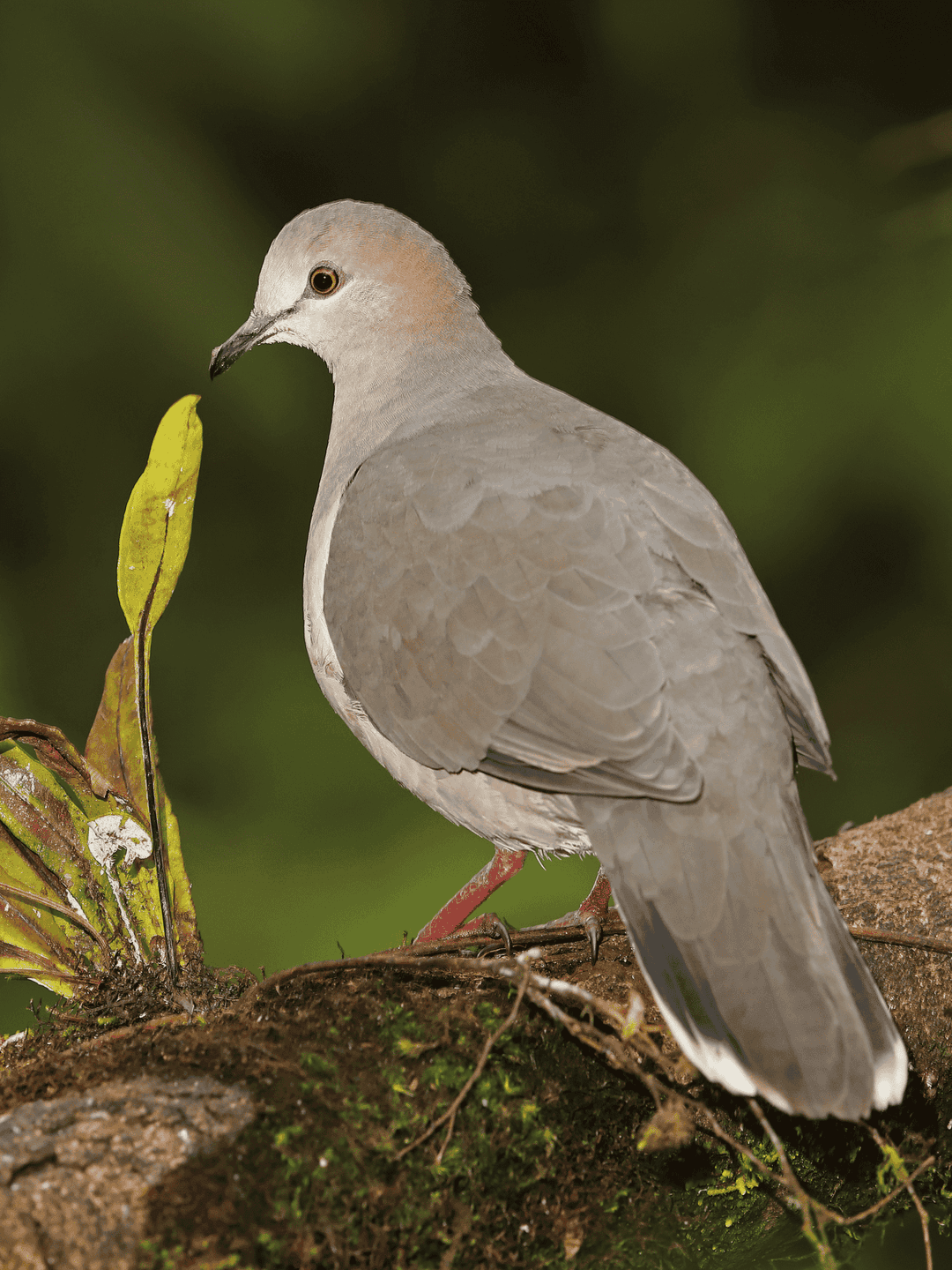
Mourning Dove vs Common Ground-Dove
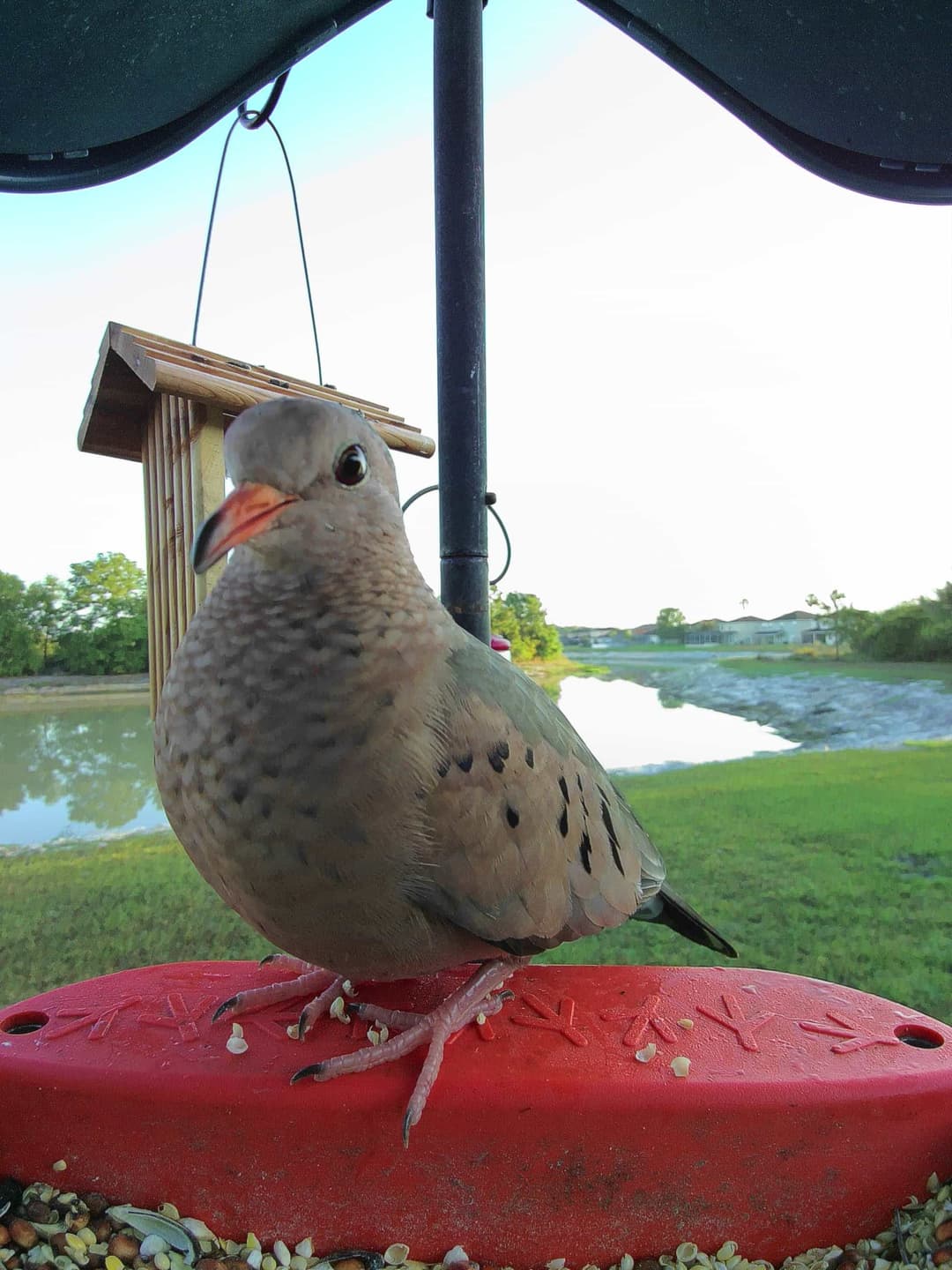
Mourning Dove vs Inca Dove
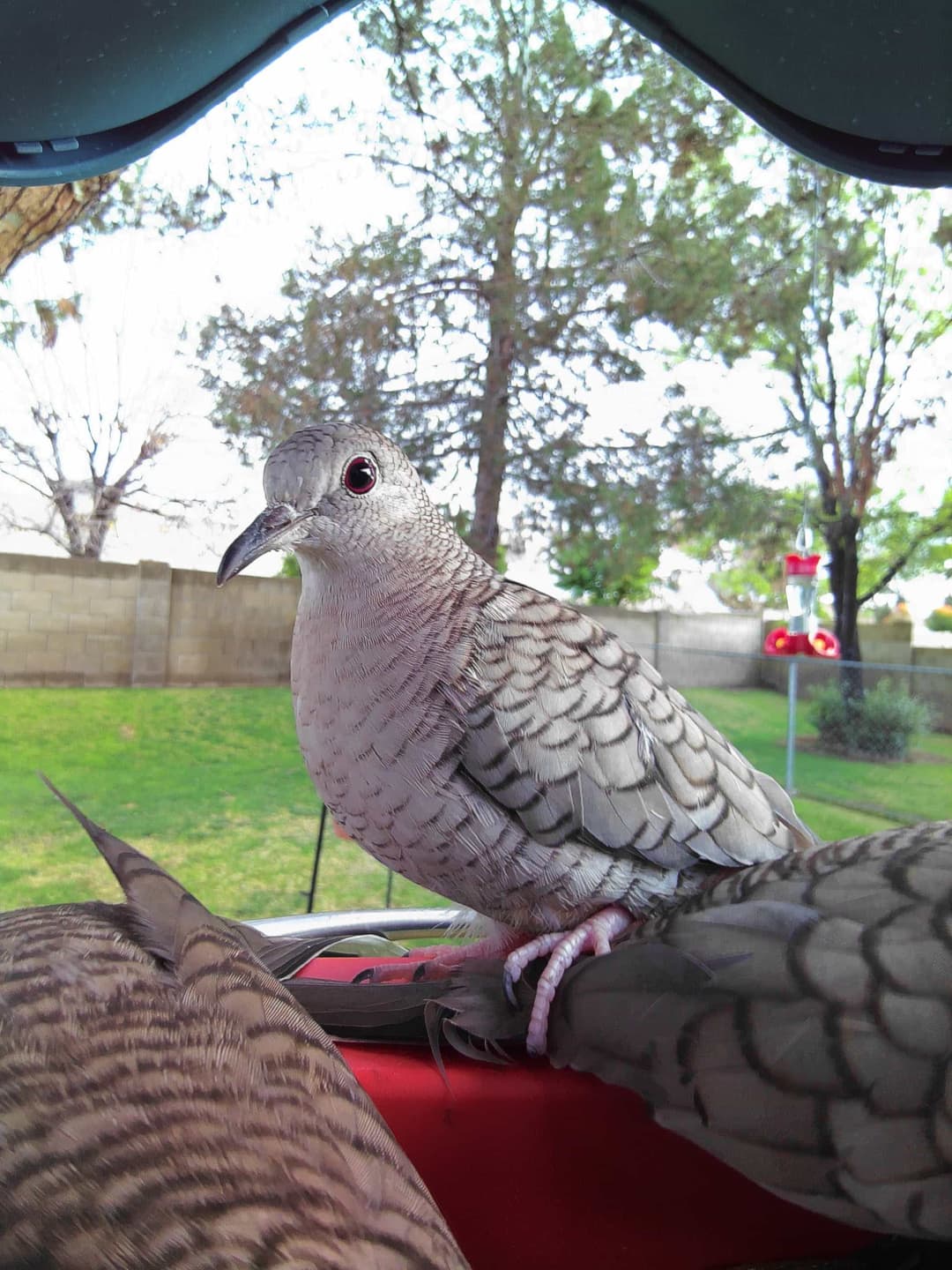
Oriental Turtle Dove vs [Select a bird]

[Select a bird]
Pick a bird to compare
Mourning Dove vs [Select a bird]
[Select a bird]
Pick a bird to compare