Common Ground-Dove or Mourning Dove?
Here's how to tell the difference
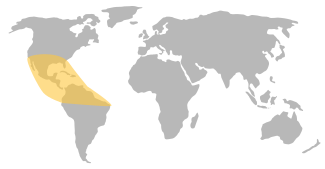
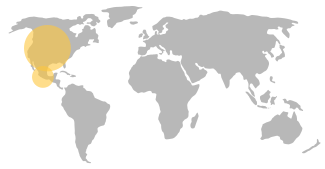
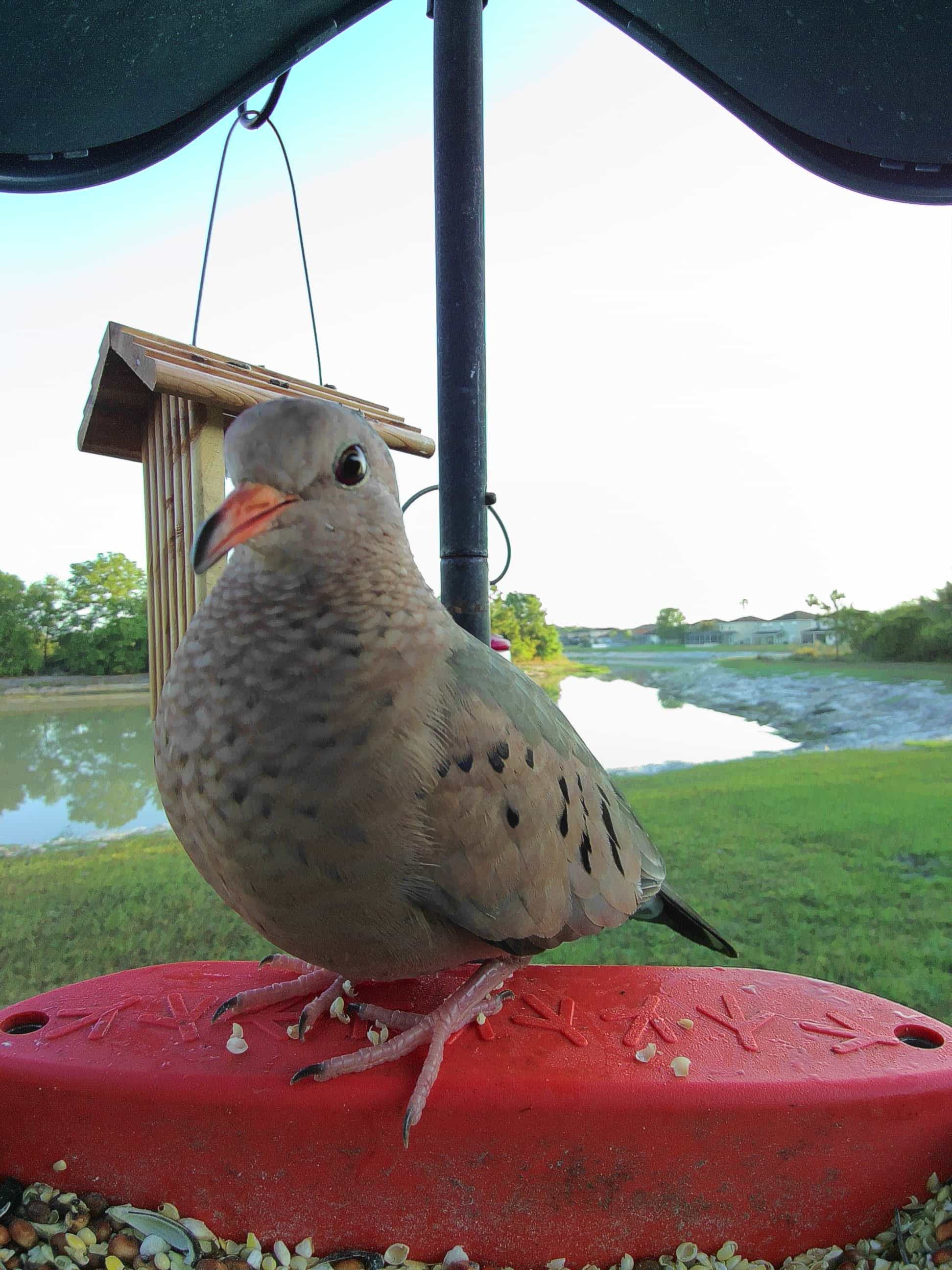


Common Ground-Dove
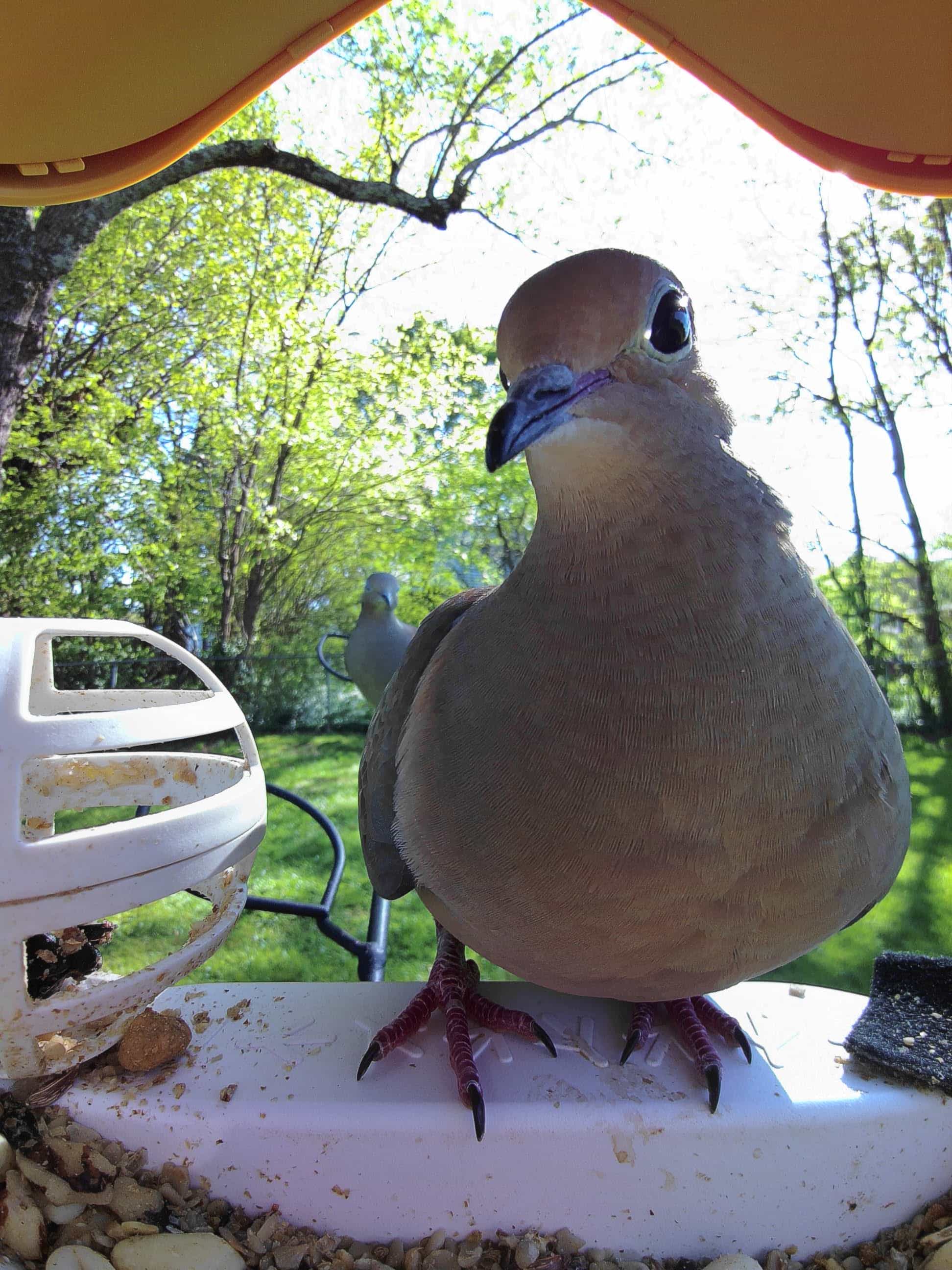


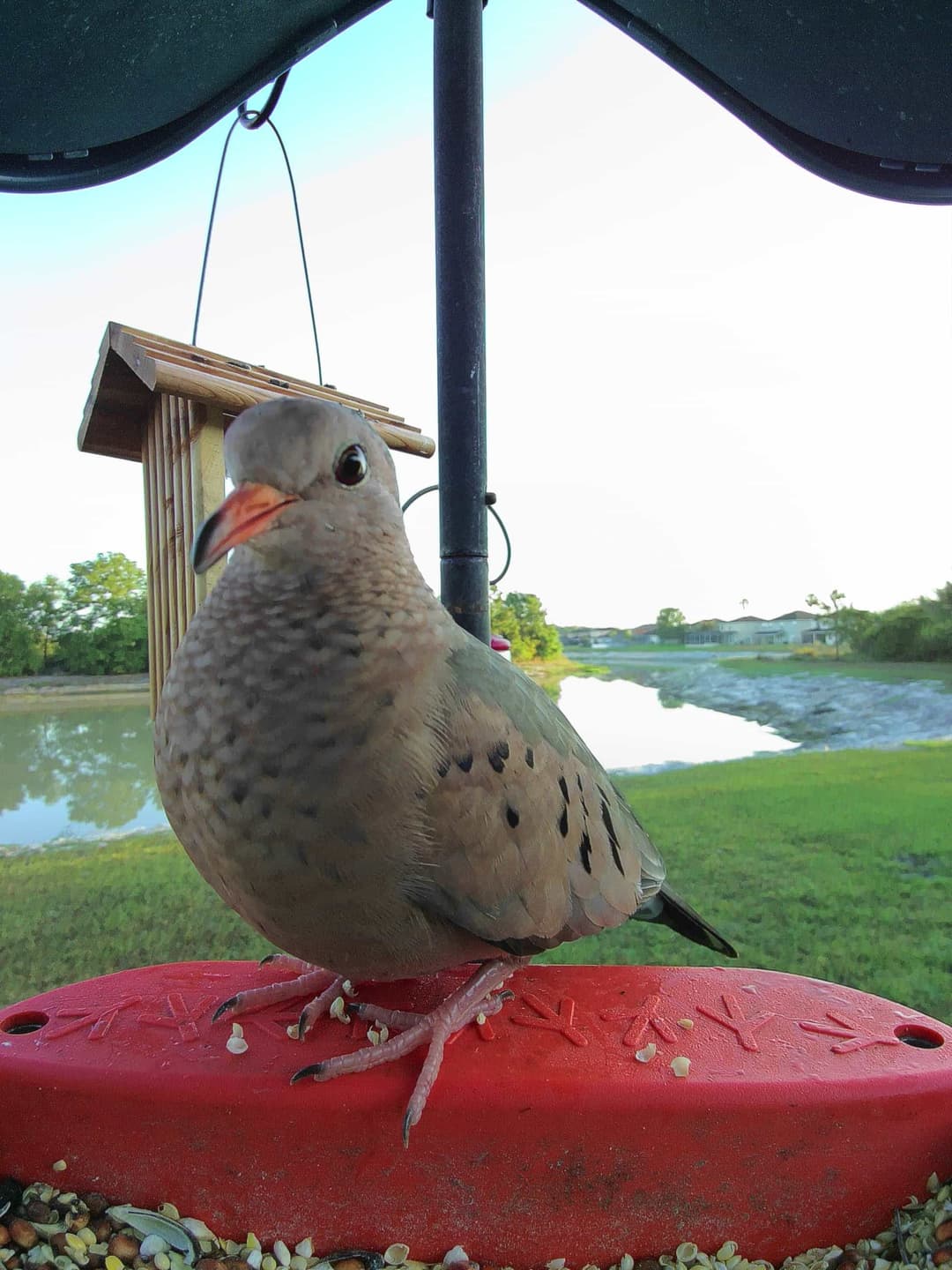
Mourning Dove
Common Ground-Dove
Columbina passerina
General appearance
The common ground-dove has a small and short-tailed physique, measuring around 6 1/2 inches in length. They typically feature a scaly pattern on their chest and head. Their bill has a pink base and their wings often display a bright rusty red. When in flight, their short black tail reveals pale corners.
Male vs female
The sex of the common ground-dove is not distinctively distinguishable. Both males and females share similar physical traits such as short-rounded tails and short-rounded wings. However, the males may have more vibrant coloration across the wings. The color variations include black, brown, grey, pink, and red.
Juvenile
Juvenile common ground-doves may initially have a short tail and also display the characteristic scaly pattern. Over time, their tail grows and they adopt the standard appearance of the adult ground dove. Juveniles are similar in size to a sparrow, while adult ground doves are about the size of a robin.
Size
5.9 - 7.1 in/1.0 - 1.4 oz
There's more to learn about Common Ground-Dove
View full detailsMourning Dove
Zenaida macroura
Also known as: American Mourning Dove, Rain Dove, Turtle Dove, Carolina Pigeon, Carolina Turtledove
General appearance
The mourning dove is roughly the size of a crow, bearing characteristics of a long, pointed tail which is about 12', or 30 cm long. This tail displays white spots along its edge while in flight. The bird’s wings are adorned with black spots and its overall coloration exhibits hues of black, brown, gray, pink, tan, and white. The dove has a pointed, wedge-shaped tail.
Male vs female
The sexes of mourning doves can be distinguished by their coloration. Adult males generally have a pinkish tinge on their chests and a blue-gray tone on their crowns. However, the female doves are more dull and plain, predominantly appearing in a shade of brown.
Juvenile
Young mourning doves have a unique scaly appearance that can lead them to be confused with the Inca Dove or the Common Ground Dove. They do not possess the vivid coloring of the adults and generally appear more muted in color.
Size
9.1 - 13.4 in/3.0 - 6.0 oz
There's more to learn about Mourning Dove
View full detailsHow to tell the Common Ground-Dove from the Mourning Dove
Visual differences
The Common Ground-Dove is much smaller, at about 6.5 inches long, compared to the 12-inch Mourning Dove. Ground-Doves have short, rounded tails with pale corners, while Mourning Doves have long, pointed tails with white spots. The Ground-Dove displays a scaly pattern on its chest, rusty red wing patches, and a pink-based bill. In contrast, Mourning Doves exhibit smoother plumage with black spots on their wings and typically have a pinkish chest (males) or brownish tones (females). The Mourning Dove's beak is more slender and uniformly colored.
Key differences and behavior
The Common Ground-Dove and Mourning Dove exhibit distinct behaviors and preferences. Common Ground-Doves are ground-nesters, favoring semi-open habitats like brushy fields. They perform simple courtship displays with stiff steps and chest puffing. They rely on seeds, occasionally visiting feeders. Mourning Doves, commonly found in open and suburban areas, perform elaborate aerial courtship displays. They build nests higher in trees and lay two eggs, both parents share incubation and chick care. Mourning Doves primarily consume cultivated seeds from open fields or feeders and possess impressive flight speeds. Both species exhibit mutual preening in courtship. Common Ground-Doves are smaller and more reclusive, while Mourning Doves are widespread, adaptable, and sociable, often seen in large flocks.
Still not sure? Here are more lookalikes!
Common Ground-Dove vs Inca Dove
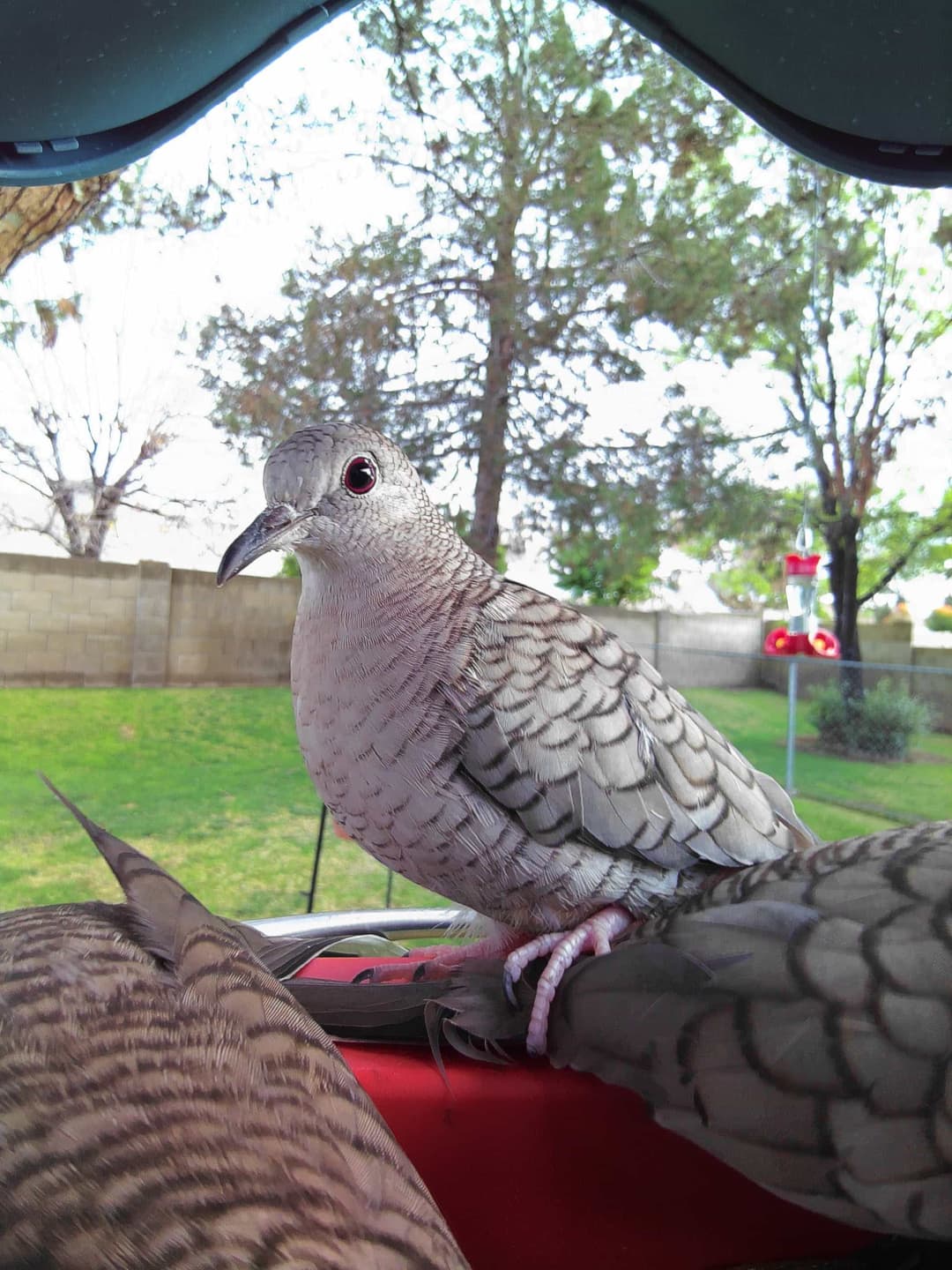
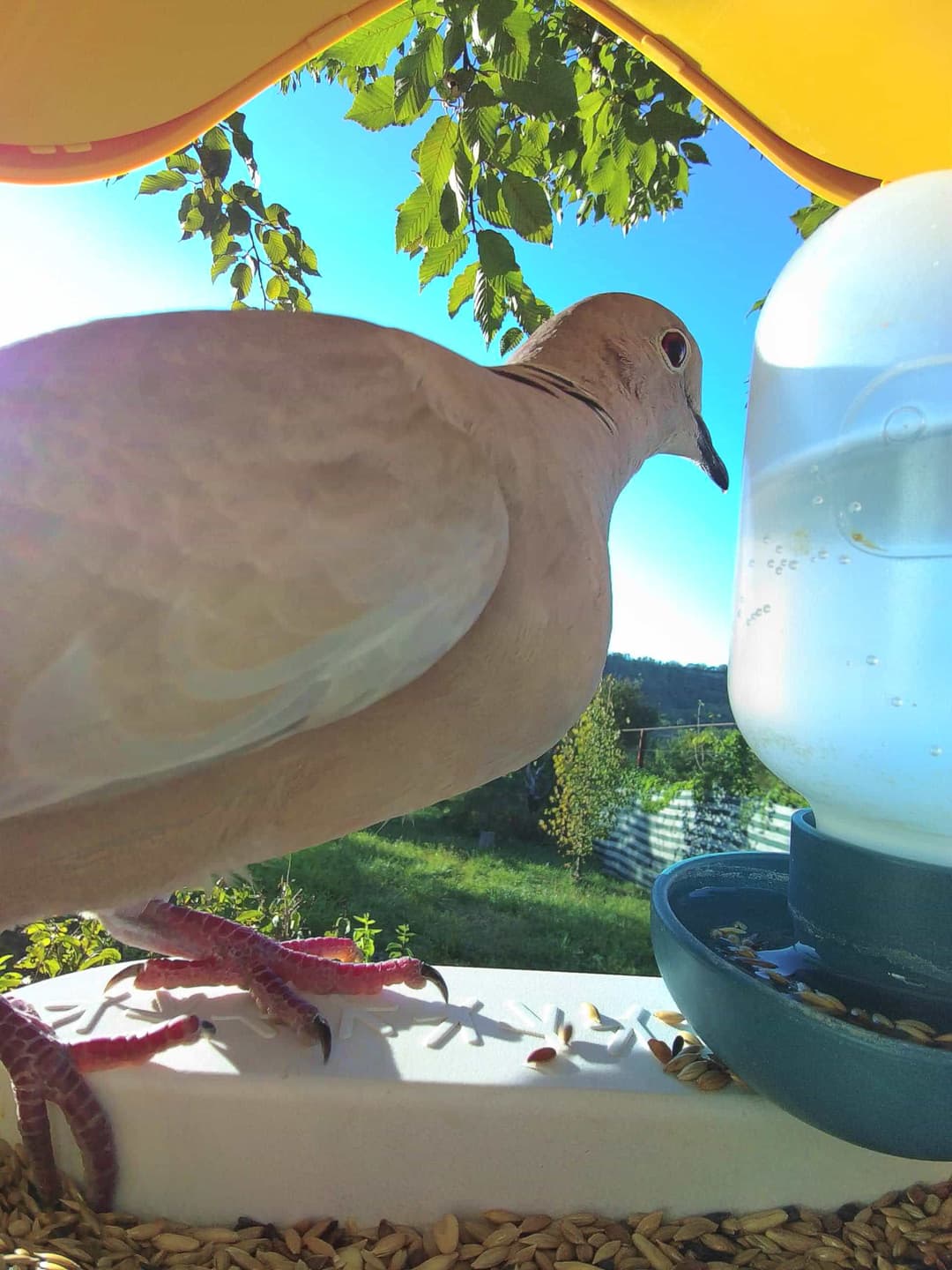
Mourning Dove vs Eurasian Collared Dove

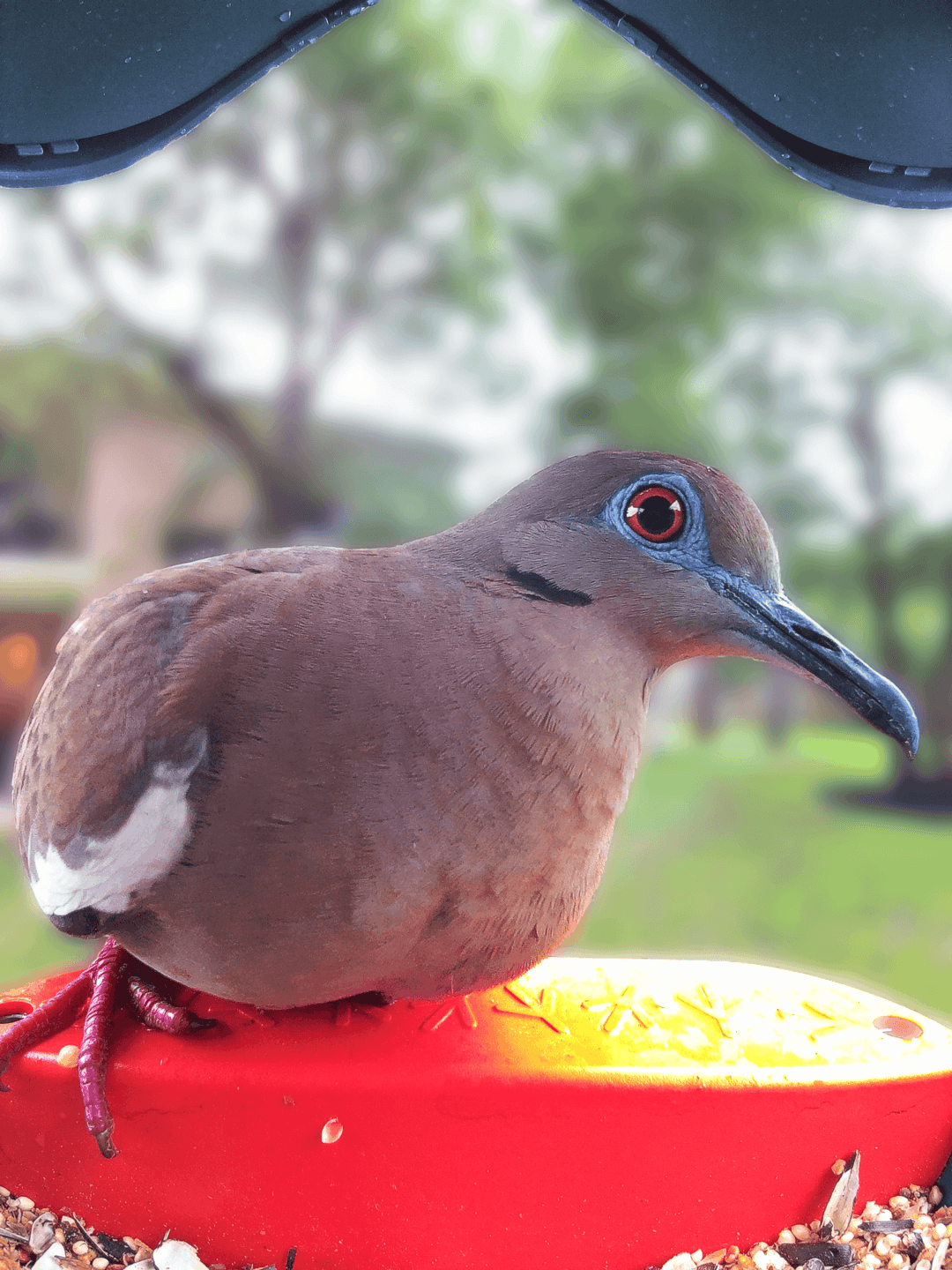
Mourning Dove vs White-Winged Dove
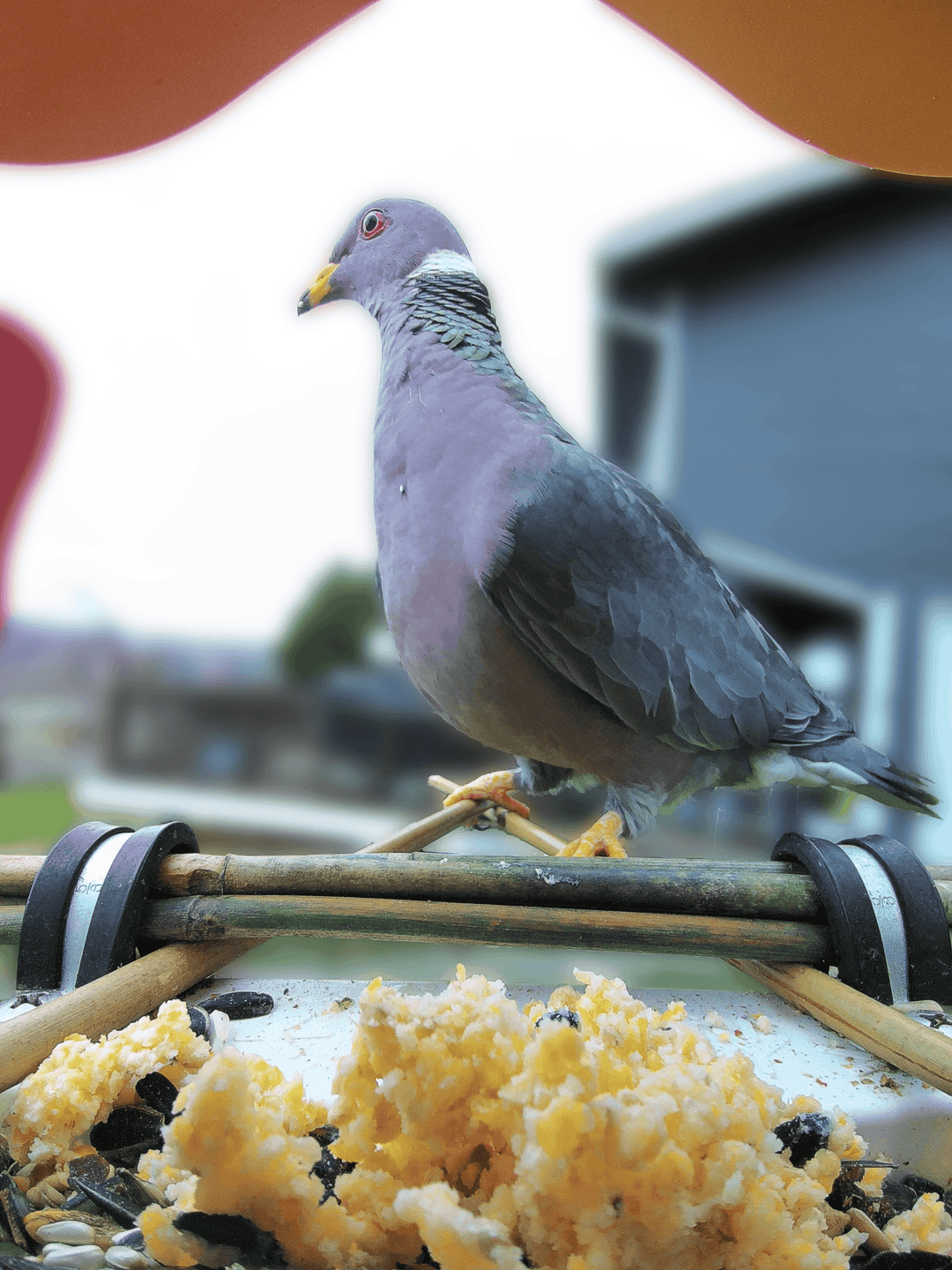
Mourning Dove vs Band-Tailed Pigeon
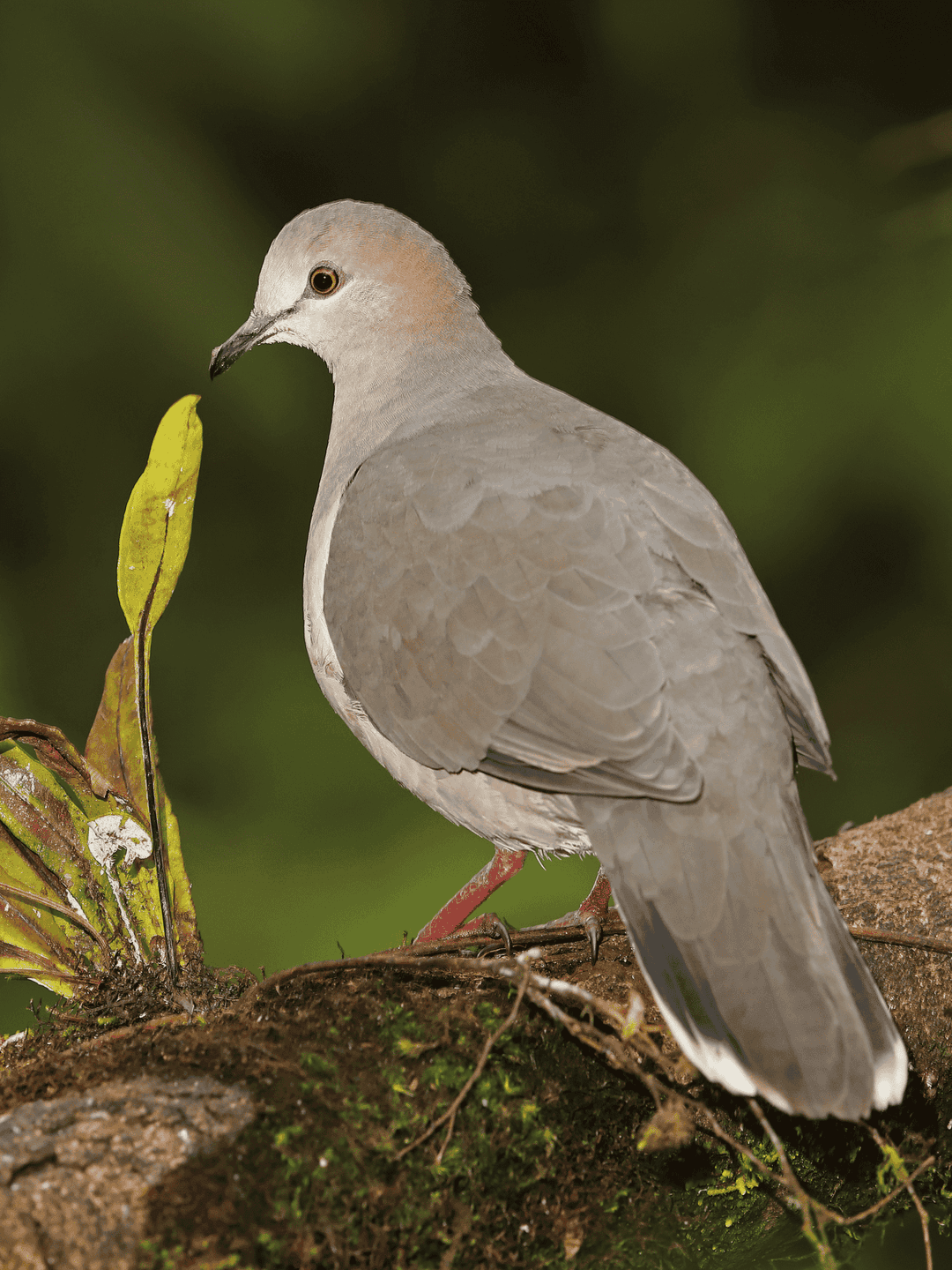
Mourning Dove vs White-Tipped Dove
Mourning Dove vs Inca Dove
Common Ground-Dove vs [Select a bird]

[Select a bird]
Pick a bird to compare
Mourning Dove vs [Select a bird]
[Select a bird]
Pick a bird to compare