
Oriental Turtle Dove
Oriental Turtle Dove
Also known as: Rufous Turtle Dove
Streptopelia orientalis


Quick Identification guide
Quick Identification guide
- •
Features a rich brown back with darker centers, creating a spotted appearance
- •
Displays mottled black and white patches on the sides of the neck, resembling a scaled pattern
- •
Possesses pale pinkish underparts and a slightly elongated tail with broad dark and white tips


Description
Oriental turtle doves were first described by John Latham in 1790 and can be recognised by their gentle, almost purring song. From nest building to incubation, enamoured pairs do everything together... Males will find nesting material and bring it to the female who decides on its placement, while incubation duties are divided into shifts. Males incubate by day, and females by night!
The Oriental turtle dove can weigh between 165to273grams and be from33to35centimeters tall.
The Oriental turtle dove typically lives for approximately 10-14 years in the wild. This lifespan is a middle range compared to other dove species, like the Mourning dove with a lifespan of 1-3 years, and the European turtle dove which can live to be 14 years. Life expectancy can increase significantly in a captive environment with care.
Did you know?
Most popular questions about Oriental turtle dove
How to recognise an Oriental turtle dove?
General appearance
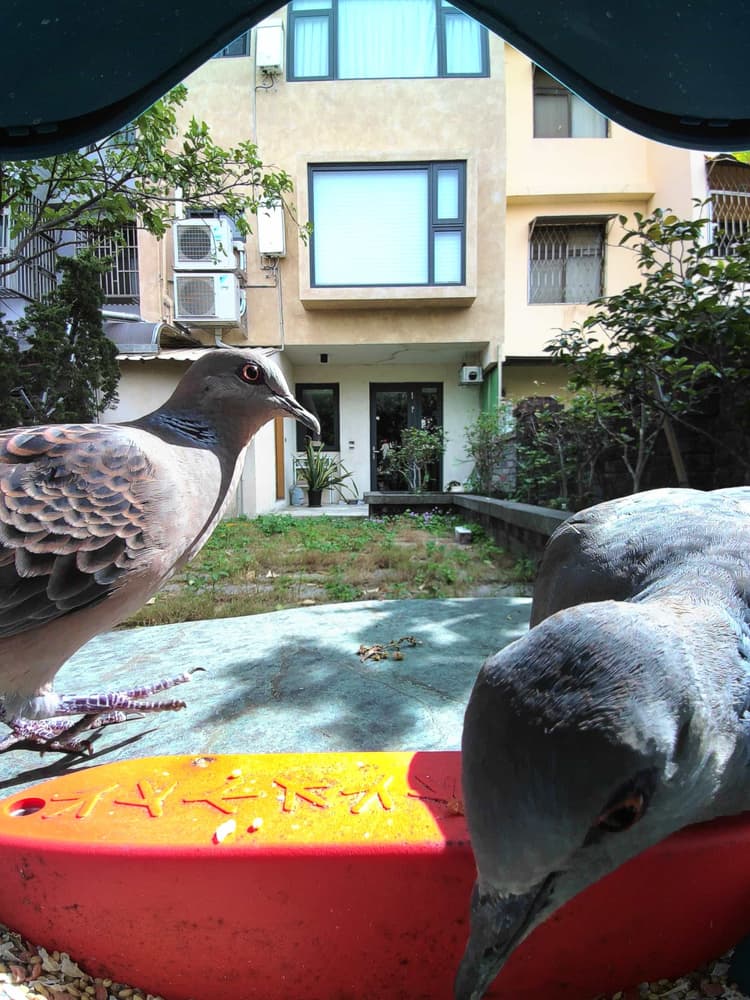
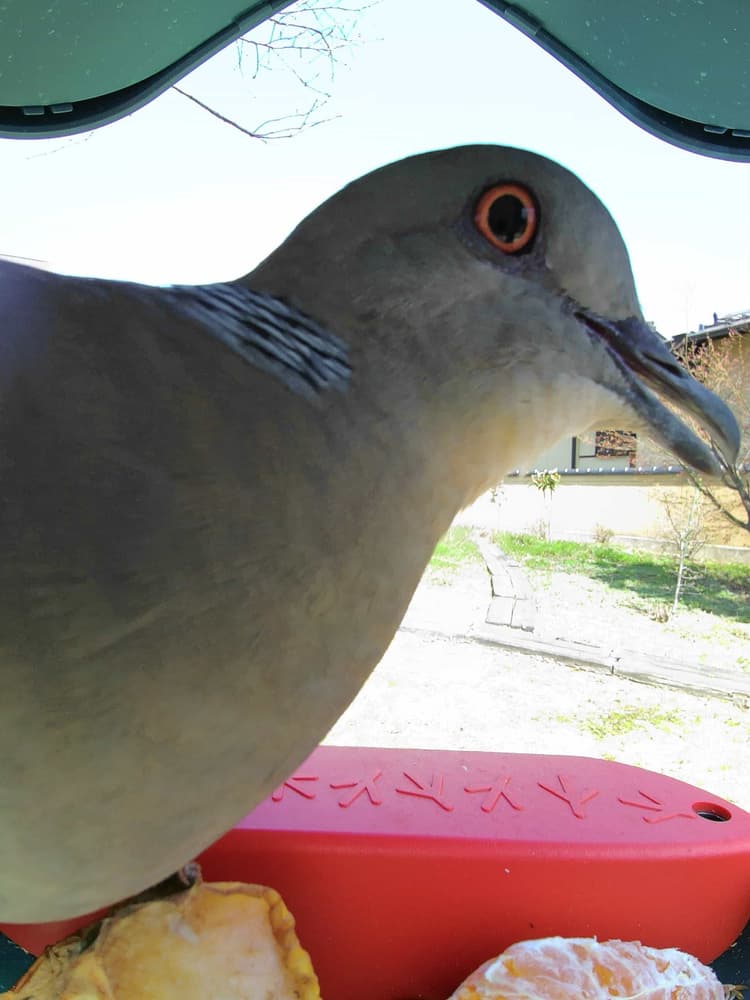
The Oriental turtle dove is a large bird measuring 13-14 inches (33-35 cm), similar in size to a crow or robin. It exhibits a bold scaly pattern characterized by rich rufous, buff, or whitish edges on the dark feathers of the back, scapulars, and wings. It has a primarily smooth buffy gray head and underparts. A unique feature includes a patch of black and white lines on the side of its neck. The wings are broad and pointed, while the tail is rounded and square-tipped.
Male vs female
There is not much sexual dimorphism in the Oriental Turtle Dove, and the appearance of males and females is largely similar. Both genders display the same coloration and physical traits, making them difficult to distinguish purely based on appearance.
Juvenile
Juvenile Oriental turtle doves closely resemble the adults but may have a slightly duller color palette. Over time, as they mature, their colors may become more vibrant and they gain the distinctive scaly pattern on their upper body. They also develop the characteristic black and white neck patches.
Often mistaken for
Mourning Dove vs Oriental Turtle Dove
The Mourning Dove can be mistaken for the Oriental Turtle Dove due to its general shape and size. However, the Mourning Dove has a plainer color with uniform brown and gray plumage, whereas the Oriental Turtle Dove has distinctive scaled patterns on its neck and a more contrasting plumage.

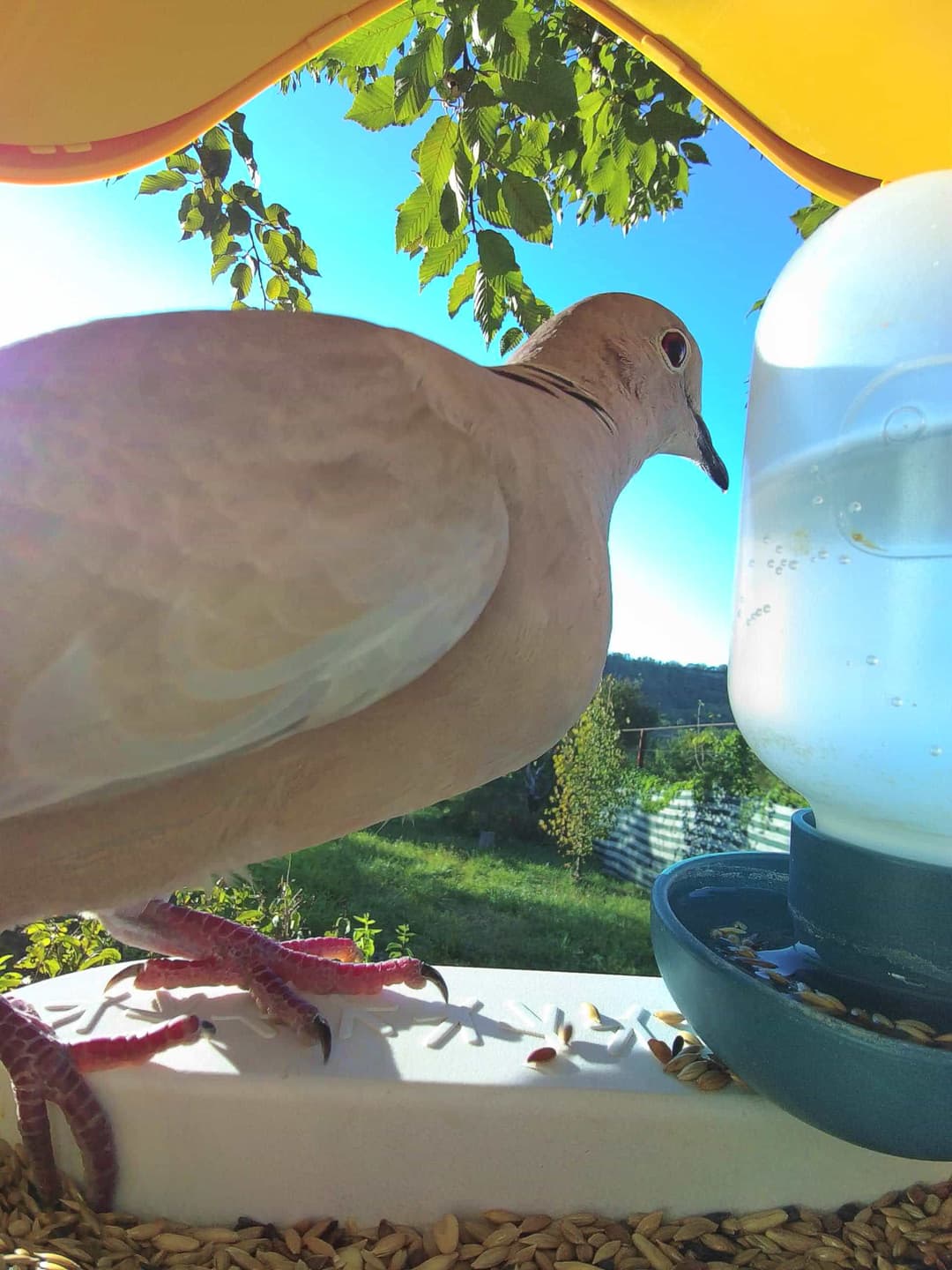
Eurasian Collared Dove vs Oriental Turtle Dove
The Eurasian Collared Dove might be confused with the Oriental Turtle Dove as both have similar body shapes and elegant neck markings. The difference lies in the collar shape and body coloration; the Oriental Turtle Dove features a more distinct scale pattern and reddish coloring on the wings.
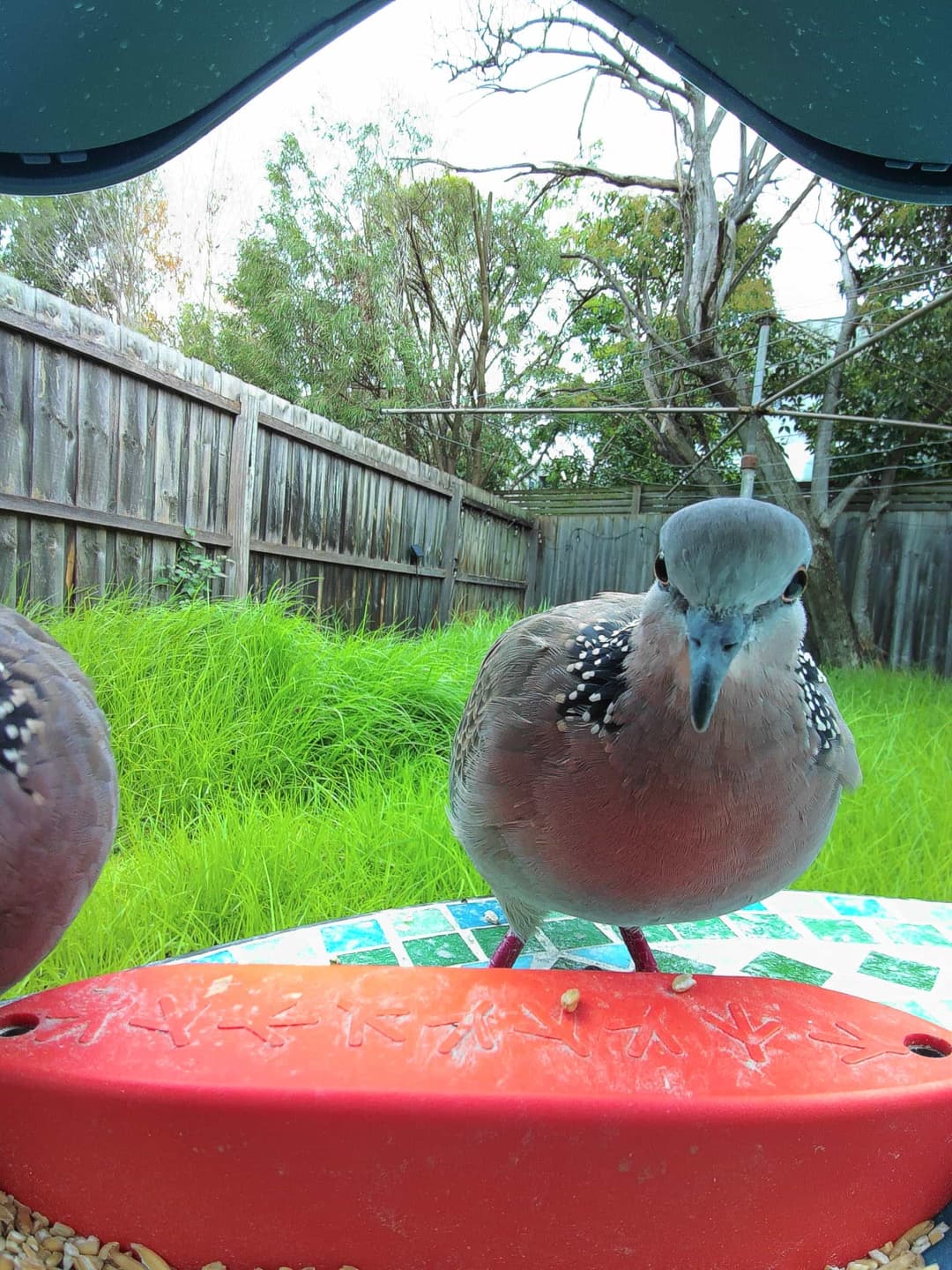
Spotted Dove vs Oriental Turtle Dove
The Spotted Dove resembles the Oriental Turtle Dove due to its similar size and color pattern. However, the neck of the Spotted Dove features a unique spotted design which is different from the scaly neck pattern of the Oriental Turtle Dove.
Breeding and nesting habits of the Oriental turtle dove
Mating behaviors
The Oriental turtle dove performs a distinctive courtship display involving flight patterns and vocalizations. Males often perform a low, cooing call and fluff up their feathers to attract females. Mutual preening is common during pair bonding.
Nesting details
Nests are typically built in trees, shrubs, or sometimes in garden settings, using twigs, leaves, and grasses. Gardens with dense foliage provide excellent nesting sites. Encourage nesting by planting native shrubs and maintaining quiet areas.
Eggs and chick-rearing
The female usually lays two eggs, incubated by both parents for about 14 days. Chicks hatch altricial and are fed regurgitated 'pigeon milk' by both parents. Fledging occurs around two weeks old, with parental care continuing until independence.
What does an Oriental turtle dove like to eat?
Berries
Plants
Seeds
Snails
Natural diet
The Oriental turtle dove primarily feeds on plant-based items such as seeds, grains, and fruits. It forages on the ground, searching for seeds from various grasses and weeds. Additionally, it consumes small fruits and berries, particularly favoring those from shrubs and low trees. In agricultural areas, this dove may be found eating surplus grains like rice and wheat spilled during harvesting.
Bird feeders
Oriental turtle doves visiting bird feeders are often attracted to seeds and grains, such as millet and cracked corn. They also consume sunflower seeds, which are a common offering in feeders. Bird enthusiasts may spot these doves picking up spillage beneath feeders, as they prefer to eat off the ground. Providing a mix of seeds and ensuring there is space for ground feeding can encourage their visits to bird feeders.
Setting the table for the oriental turtle dove
To attract this bird, start with providing their favorite foods. A mix of millet, cracked corn, and other grains from Bird Buddy are a great favorite amongst them. These seeds are season-appropriate and expert-selected, which guarantees good results. Select a platform or a tray feeder, as these doves are ground-feeders and prefer to eat with their feet on a flat, steady surface.
Creating a dove-friendly yard
Doves also appreciate a quiet and peaceful yard where they can safely sip water or enjoy a bath. Install a birdbath or a small fountain with a gentle spray to invite them over. Keep your yard tidy; remember, these doves favor cleanliness when it comes to dining. Avoid heavy traffic and sudden movements that might scare them off.
Fun tricks to encourage visit
Play bird songs or dove coos in your yard to communicate a safe and welcoming environment. The Oriental turtle doves are curious and social creatures and respond positively to familiar sounds. You might just end up having a merry, harmonious sing-along session with these musical birds!
Where can you find Oriental turtle doves?
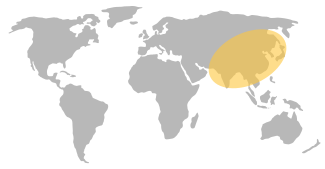
Primary habitat
The Oriental turtle dove primarily inhabits regions in Asia, including China, Japan, and the Himalayas. It prefers temperate forested areas, open woodland, and agricultural regions.
Additional range
Interestingly, the Oriental turtle dove can also be found in city parks and gardens, showing this bird’s adaptability to diverse environments.
Do they migrate?
The Oriental Turtle Dove exhibits partial migratory behavior, with patterns varying across its range. There are two main subspecies: Streptopelia orientalis orientalis and Streptopelia orientalis meena. S. o. orientalis primarily breeds in East Asia, including regions of Russia, China, Japan, and Korea. This subspecies migrates southward for wintering, moving to southern China and Southeast Asia, including countries like Vietnam, Laos, and Thailand. Migration occurs from September to November, with birds returning to breeding areas by March or April. S. o. meena breeds in Central Asia, including parts of Kazakhstan, Uzbekistan, and northwest China. This subspecies tends towards shorter migratory routes, often wintering in the Indian subcontinent, particularly in India, Pakistan, and Bangladesh. The migration period mirrors that of S. o. orientalis, occurring in autumn and spring. Key stopover sites consist of forested areas, agricultural fields, and open landscapes that provide food resources like seeds and grains. The precise migratory routes can vary yearly due to environmental changes and food availability, but these birds generally follow established flyways that link breeding and wintering habitats.
What is the role of Oriental turtle doves in nature and how to protect them?
Conservation status
The Oriental turtle dove is generally classified as "Least Concern" due to its wide distribution and stable population. However, certain regional populations face threats such as habitat loss and hunting. In some areas, particularly in Western Europe, the species is less common. Key conservation efforts include habitat preservation and managing hunting pressures. Significant threats to the species include deforestation, agricultural expansion, and illegal trapping. Conservationists emphasize the importance of international cooperation to ensure sustainable populations across its range, especially in areas where it is more vulnerable.
Ecological role of Oriental turtle doves
Its role in the ecosystem
Imagine a flying gardener, cross-country traveler, and pest buster all combined in a single feathery package. That's the Oriental turtle dove for you! This dainty, peaceful bird plays a vital role in seed dispersion. As they forage for food, devouring a variety of seeds, they simultaneously scatter undigested seeds through their droppings. This amazing act aids in plant propagation, contributing to the biodiversity and balance of their habitats.Furthermore, their diet includes a significant quantity of insect larvae, effectively reducing potential pest populations. This superbird's services extend beyond gardening and pest control, they also cheer up their surroundings with their soothing coos, providing auditory beauty. The Oriental turtle dove beautifully ties together the interconnected web of life, demonstrating the undeniable importance of every creature, no matter how small, in our vibrant ecosystem.
How to help protect Oriental turtle doves
Preservation tips
Habitat preservation strategies
Preserve and restore natural habitats, especially forests and areas near water bodies which are crucial for the Oriental Turtle dove. Implementing policies restricting deforestation and land degradation is key. Regulating hunting in these zones can also aid in population recovery. Encourage reforestation projects and native species planting.
Community science initiatives
Organize local community science initiatives and educational programs to raise awareness about the plight of the Oriental turtle dove. Encourage local communities to participate in birdwatching and reporting in collaboration with scientist to collect data on dove populations and distributions. Promote the help of technology like bird tracking apps, which can greatly contribute to monitoring and data gathering efforts.