
Spotted Dove
Spotted Dove
Also known as: Mountain Dove, Pearl-Necked Dove, Lace-Necked Dove, Spotted Turtle-Dove
Spilopelia chinensis


Quick Identification guide
Quick Identification guide
- •
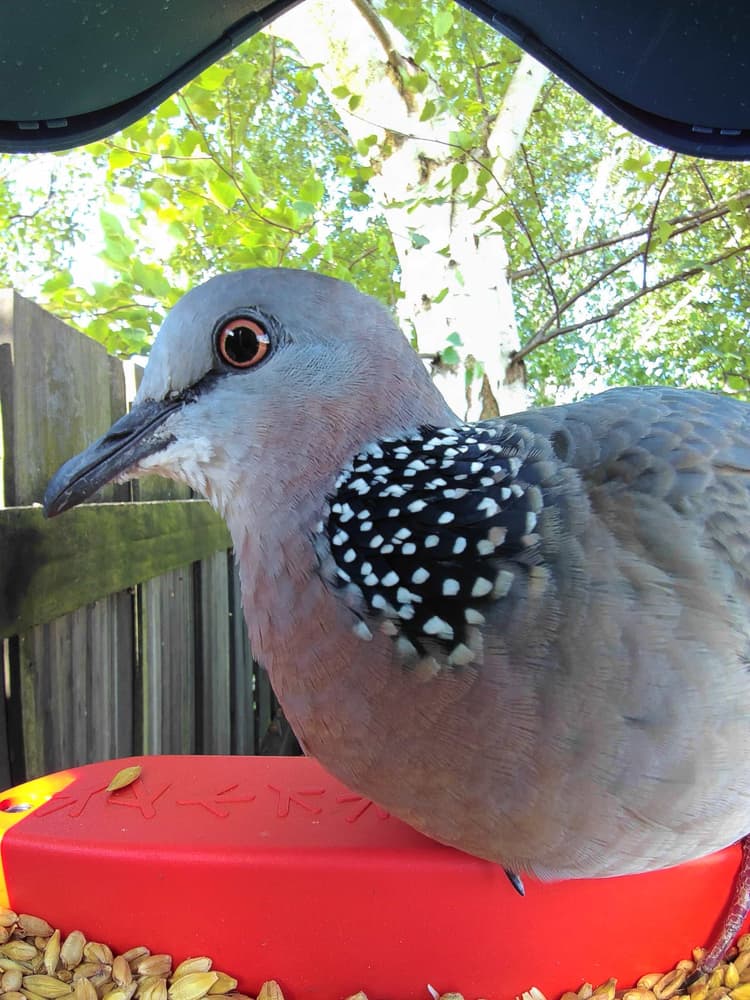
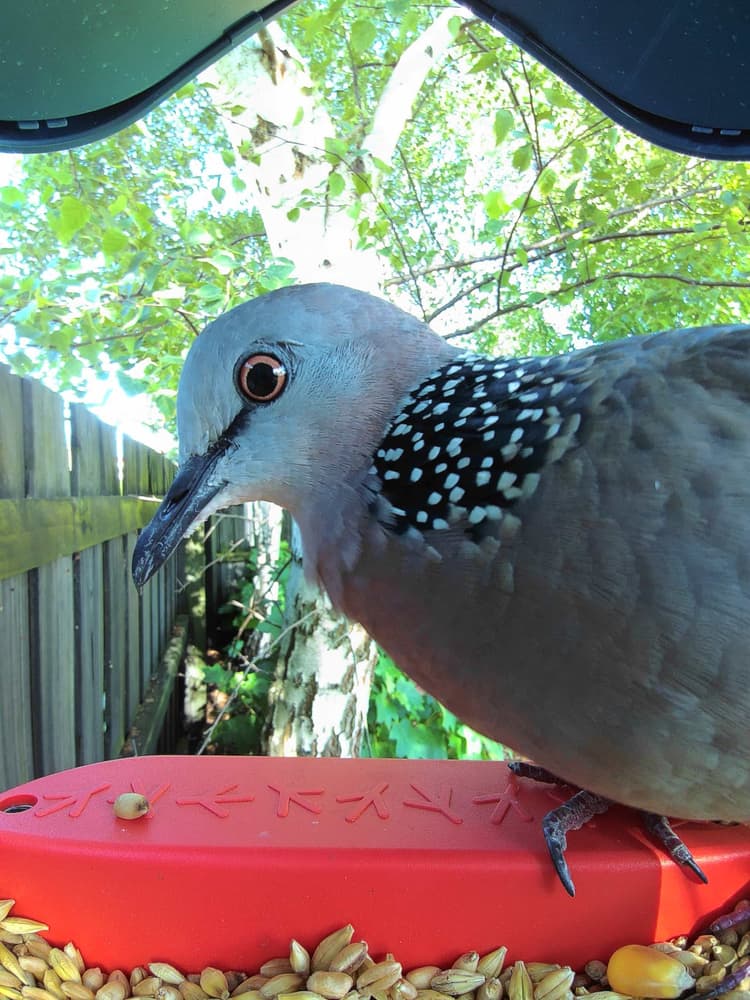
Features a pale brown body with distinctive dark spotted pattern on the neck, giving it its name
- •
Exhibits iridescent bronze wings and gray mottled tail that catch the light during flight
- •
Has a slender, curved black beak suited for foraging seeds and grains
What does a spotted dove sound like?
The Spotted Dove's vocalizations are soft, cooing calls, often described as a low, gentle "coo-coo-coo." Its territorial song consists of cooing notes, punctuated by a distinct pause before the final note. Notably, the pitch and volume of their calls may vary slightly depending on the individual or situation. These doves frequently repeat their melodic song, particularly in the early morning and late evening. The sounds they produce are peaceful and soothing, and contribute to their overall reputation as calm, pleasant birds.


Description
Did you know that spotted doves don't get their spots until they mature? They have to earn their stripes... er, spots! Males spare no effort when performing their mating dance. They pull out all the stops, cooing, bowing and doing all sorts of crazy tricks in the air. Did you know that their range is slowly but surely extending?
The spotted dove can weigh between 110to205grams and be from28to32centimeters tall.
The spotted dove typically lives around 10 to 20 years. This lifespan is relatively high compared to other dove species such as the Diamond dove, which has an average lifespan of 5 to 7 years. The Mourning dove is another comparison, living up to 5 years in the wild but 20 years in captivity, similar to the spotted dove.
Did you know?
Most popular questions about spotted dove
How to recognise a spotted dove?
General appearance
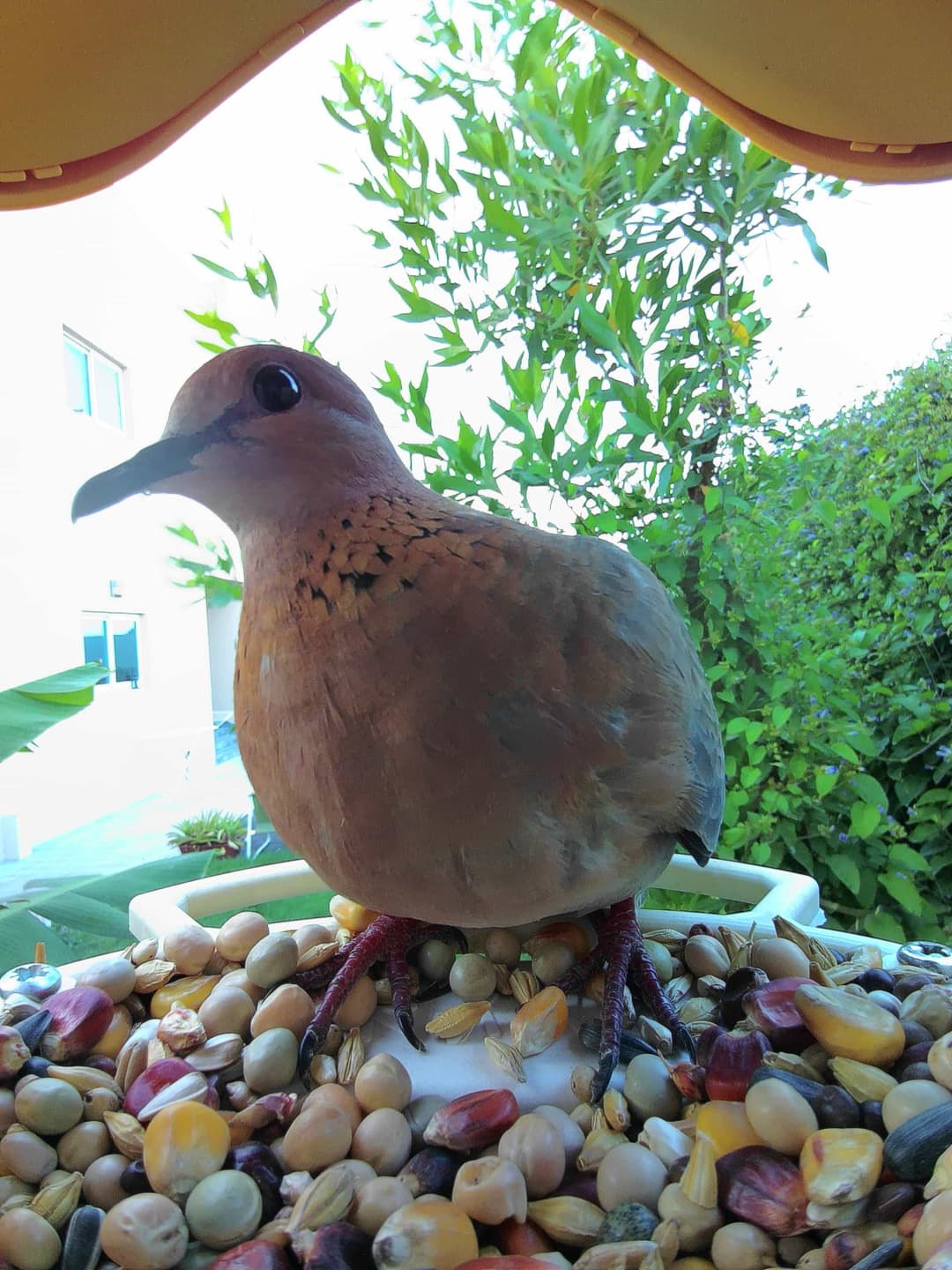
The Spotted Dove is an easily recognizable species. They range in size from 11-12 inches in length. The primary coloration of their plumage is a lovely light grey and pinkish below, with a distinctive black patch covered in white spots at the base of the throat.
Male vs female
Sexual dimorphism, which means observable differences in appearance between males and females, is not strongly present in spotted doves. Both males and females are similar in appearance. However, males may have slightly more vibrant colors and might be a bit larger than females.
Juvenile
Juvenile spotted doves display less vivid colorations than the adults, with a relatively plain, unspotted neck and pale undertail. They also lack the striking neck patch that is seen in adult spotted doves. Their coloration becomes progressively more similar to the adults as they mature.
Often mistaken for
Mourning Dove vs Spotted Dove
The Mourning Dove is similar to the Spotted Dove in shape and size. However, Mourning Doves do not have the spotted collar on the nape of the neck that is characteristic of the Spotted Dove. Mourning Doves have a more uniform sandy-brown color with subtle black spots on the wings.

Eurasian Collared Dove vs Spotted Dove
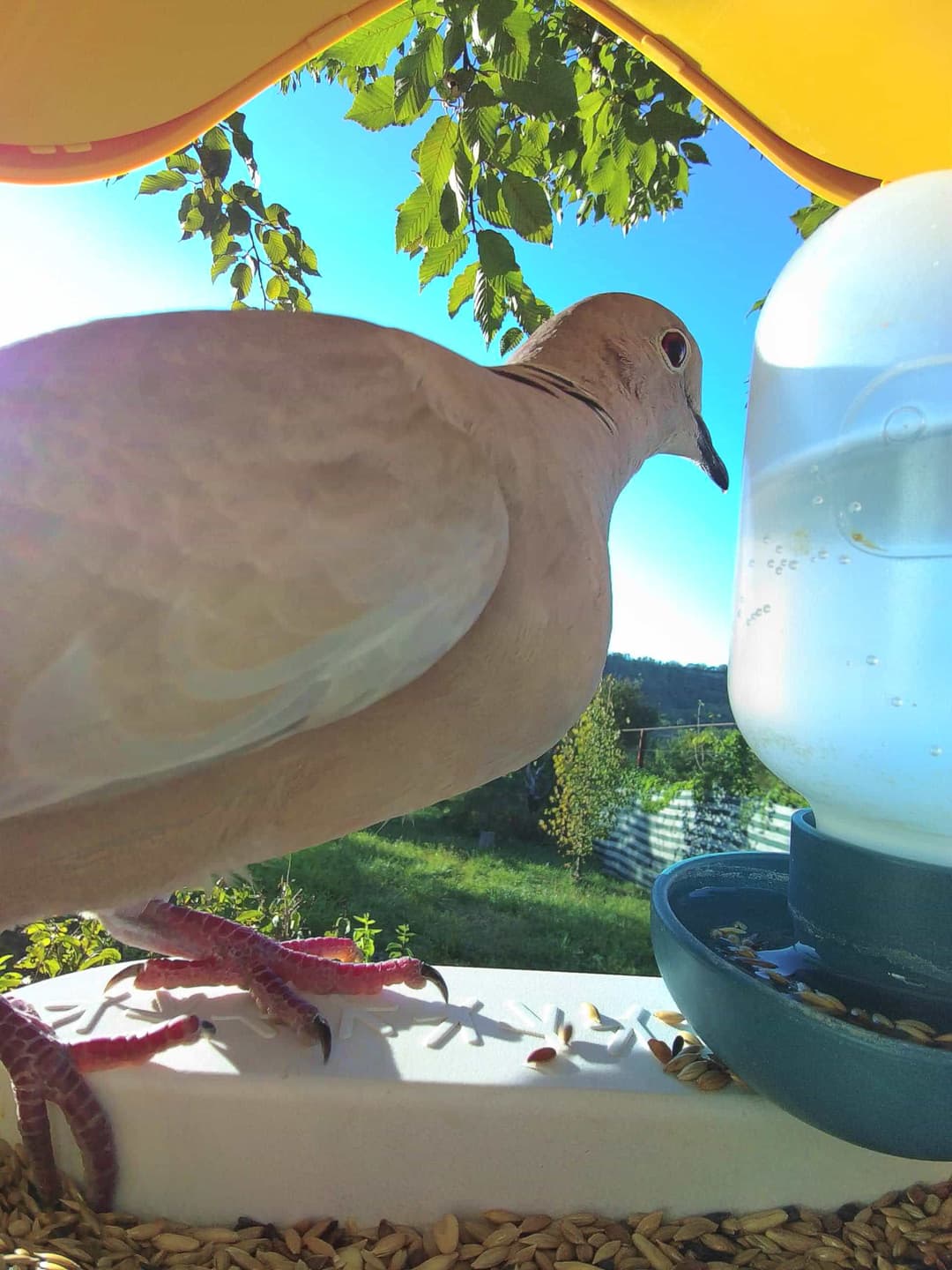
The Eurasian Collared Dove can be confused with the Spotted Dove due to its collar. However, the Eurasian Collared Dove has a plain ring around its neck instead of the spotted collar seen in the Spotted Dove. The overall color is more uniform without the scaly pattern on the wings.
African Collared Dove vs Spotted Dove
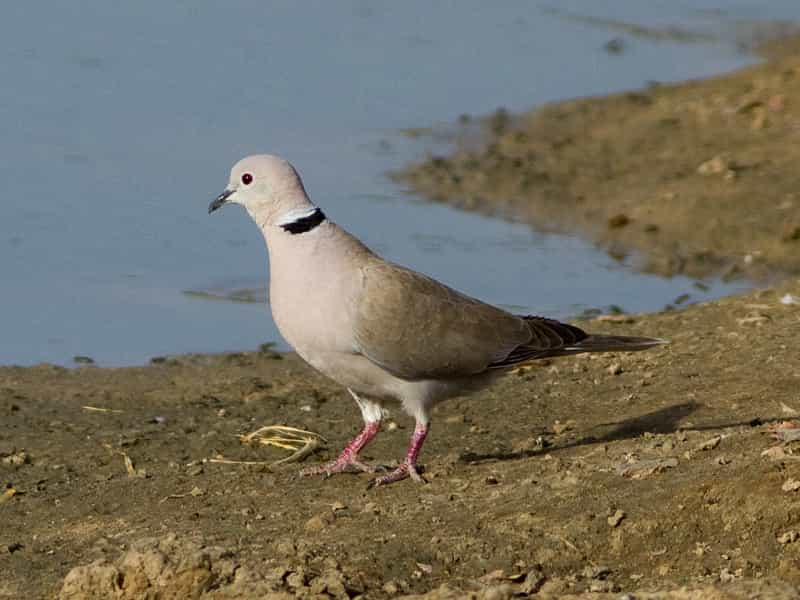
The African Collared Dove resembles the Spotted Dove with its general shape and collar marking. However, it has a plain black ring around its neck rather than a spotted one, and lacks the intricate spotted pattern on the upper body that distinguishes the Spotted Dove.
Laughing Dove vs Spotted Dove
The Laughing Dove is similar in shape and size to the Spotted Dove. It features a spotted pattern, but these spots are localized around the neck. The Laughing Dove has a more pinkish hue compared to the grayish tone of the Spotted Dove.
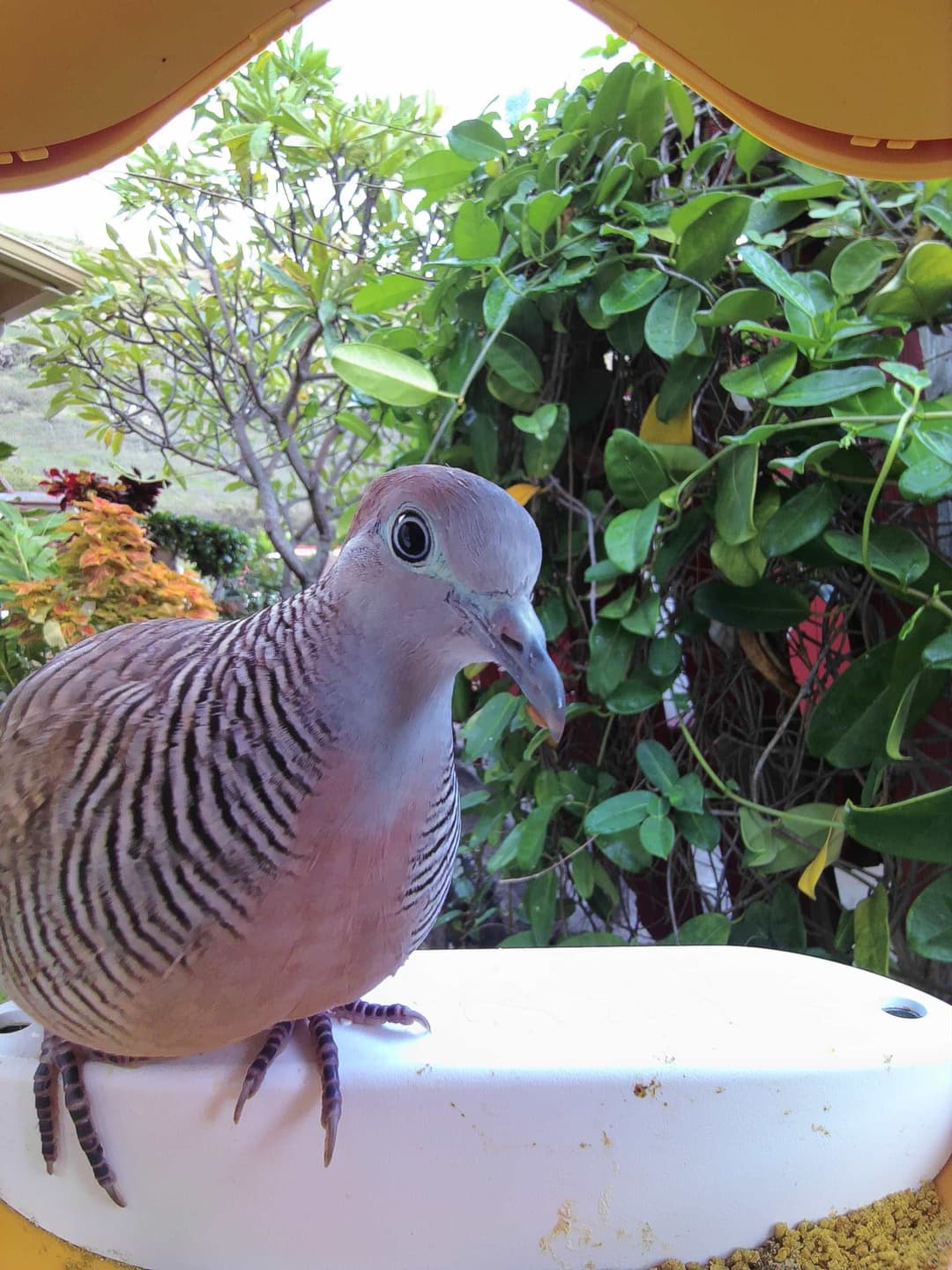
Zebra Dove vs Spotted Dove
The Zebra Dove appears similar with its spotted pattern, yet the pattern on a Zebra Dove closely resembles zebra stripes that stretch across its body, unlike the spotted appearance on the Spotted Dove's neck and wings.
Breeding and nesting habits of the spotted dove
Mating behaviors
Spotted doves engage in simple mating behaviors, often characterized by soft cooing and mutual preening. The male performs a display by circling the female with a puffed chest and fanned tail to attract her attention.
Nesting details
These doves prefer to nest on horizontal branches of trees or shrubs, often in gardens or urban areas. The nest is a simple platform made from twigs, grass, and roots. To encourage nesting in gardens, provide dense foliage and keep disturbances to a minimum.
Eggs and chick-rearing
Spotted doves typically lay two white eggs per clutch. Both parents share the responsibility of incubating the eggs for about two weeks. After hatching, the chicks are fed with crop milk and fledge about two weeks later.
What does a spotted dove like to eat?
Fruits
Seeds
Natural diet
The spotted dove primarily feeds on a variety of seeds, including those from grass, grains, and weeds. They are also known to consume small insects and invertebrates as a supplement to their diet. These birds often forage on the ground and in open spaces, making use of their keen eyesight to locate food sources.
Bird feeders
Spotted doves are commonly attracted to bird feeders containing a mix of seeds. They particularly enjoy millet, sunflower seeds, and cracked corn, which are frequently offered in garden bird feeders. These foods provide a convenient alternative when natural food sources are scarce.
Attracting spotted doves: snacks & feeder type
To attract spotted doves to your yard or feeder, provide a buffet of their favorite snacks. These birds are particularly fond of seeds, berries and small insects. An excellent choice is Bird Buddy seeds, chosen by experts for the season, which have been proven to attract these beautiful creatures. In terms of feeder types, spotted doves prefer platform or ground feeders.
Fun tricks to encourage spotted doves to visit
A fun and effective trick to encourage spotted doves to drop by is to create a friendly environment. Keep your yard peaceful and safe, avoiding sudden noises or movements. Place your feeder in a quiet and open spot, preferably near shrubs or trees which can provide cover. These birds are fond of water, so a birdbath could be a great attraction. Remember, consistency in food supply is key, refill the feeders regularly with Bird Buddy seeds to keep them coming back and maybe even stay for a sing-along!
Where can you find spotted doves?
Primary habitat
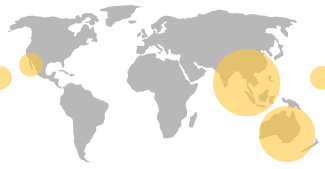
The Spotted Dove primarily inhabits light woodland and parklike areas in southern and southeastern Asia including India, Sri Lanka, and China.
Additional range
They have adapted to a range of environments including gardens, parks, and farmland. Introduced populations are found in Australia, New Zealand, Indonesia and urban Southern California, USA.
Do they migrate?
The spotted dove (Spilopelia chinensis) is a non-migratory bird and tends to be a resident species throughout its range. This bird is native to parts of South Asia and Southeast Asia, including countries like India, China, the Philippines, and Indonesia. It has also been introduced to other regions such as Australia and Hawaii. Spotted doves typically stay within their local area year-round, inhabiting open woodlands, gardens, agricultural areas, and urban environments. They are adaptable birds, often coexisting comfortably with humans. Their territory usually includes a constant supply of food and suitable nesting sites. These birds do not undertake long-distance migrations like some other avian species. Instead, they may perform local movements or dispersals in search of food or new territory, but these are generally short-range. Environmental factors, such as the availability of food and breeding grounds, largely influence their movement patterns. Consequently, while spotted doves are not migratory, they exhibit some degree of seasonal or opportunistic movement depending on local conditions.
What is the role of spotted doves in nature and how to protect them?
Conservation status
The spotted dove is classified as "Least Concern" on the IUCN Red List, indicating it is common and not currently vulnerable or endangered. This widespread species thrives in a variety of environments, including urban areas. Key threats include habitat loss due to urbanization and agricultural expansion. Nonetheless, its adaptability helps maintain stable populations. Conservation efforts are not significantly focused on this species due to its abundance. However, maintaining green spaces and responsible urban planning can aid in preserving its habitat amidst ongoing development.
Ecological role of spotted doves
Its role in the ecosystem
The Spotted Dove, a bird species native to the Asian continent, plays an essential role in sustaining the local ecosystem. Their most significant contribution is their participation in pest control activities. Their diet comprises mainly of small insects, which they feed on extensively, therefore naturally keeping a check on harmful insect populations that can be detrimental to agricultural produce and forests. Additionally, they also contribute to seed dispersification which aids in the propagation of various plant species. When they feed on fruits and berries, the seeds pass unhindered through their digestive system, and get deposited in different areas through their droppings. This helps in the spreading of plant species over large areas, and thus helps to sustain the diversity of plant life in the region. The Spotted Dove, therefore, plays a critical role in contributing to the health and diversity of the ecosystem it inhabits.
How to help protect spotted doves
Preservation tips
Habitat preservation strategies for spotted dove
To promote a healthy population of the Spotted Dove, preserving its natural habitat is of utmost necessity. This includes maintaining forests and grasslands, avoiding deforestation, and promoting the growth of native plant species. Participate and advocate for sustainable land-use methods, forest restoration initiatives, and policy-based conservation measures. Avoid the usage of harmful pesticides and chemicals which can disrupt their food chain.
Community science initiatives
Involving local communities in the conservation efforts of Spotted Dove is another effective method. Citizen science projects like birdwatching or bird-counting can foster a sense of ownership and responsibility towards local wildlife. Moreover, educational programs about the importance of such species and its ecological role can be carried out in schools and communities. Partner with local nature clubs, schools or conservation organizations to kickstart these initiatives.