Mourning Dove or Inca Dove?
Here's how to tell the difference


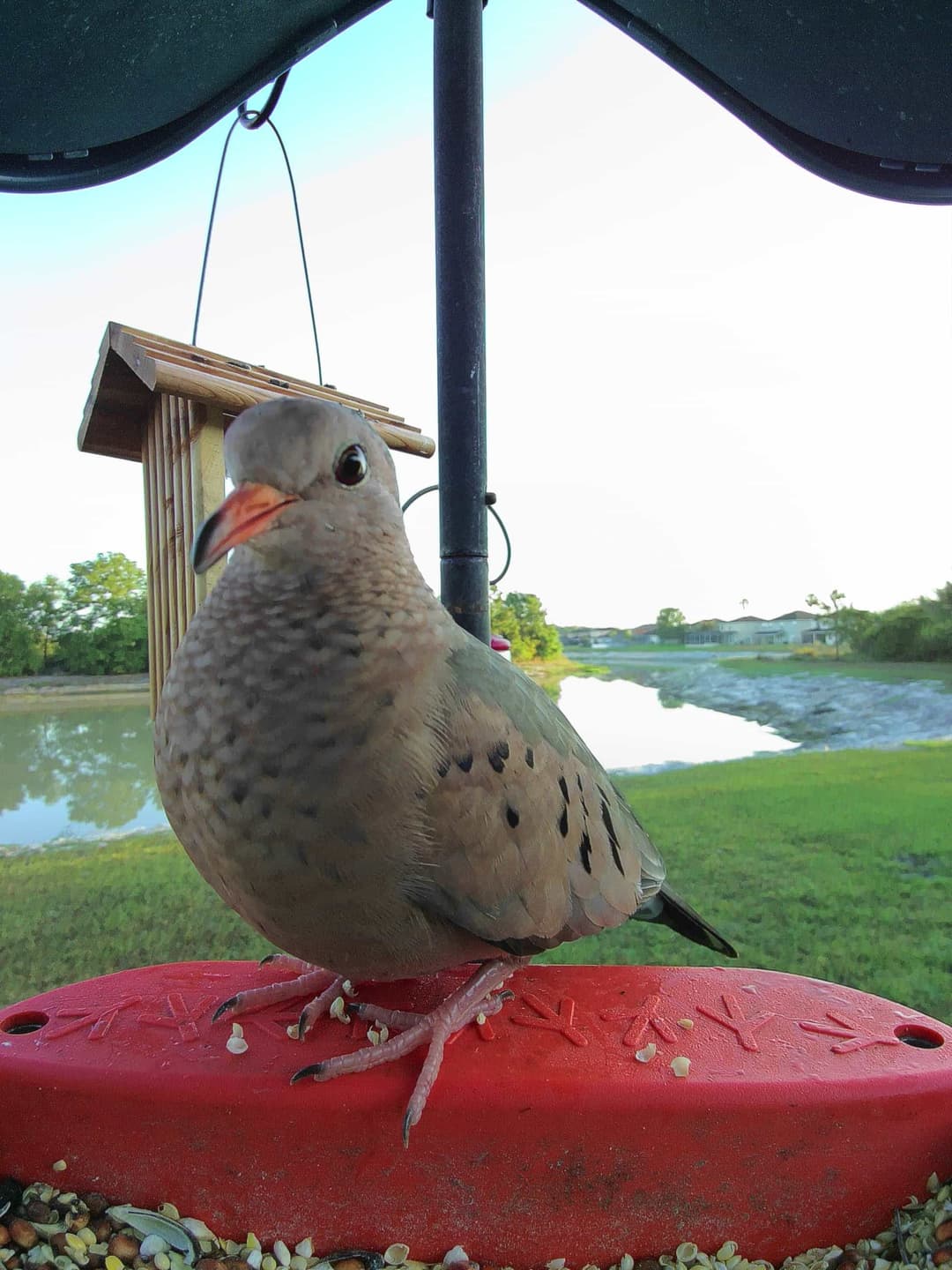
Mourning Dove


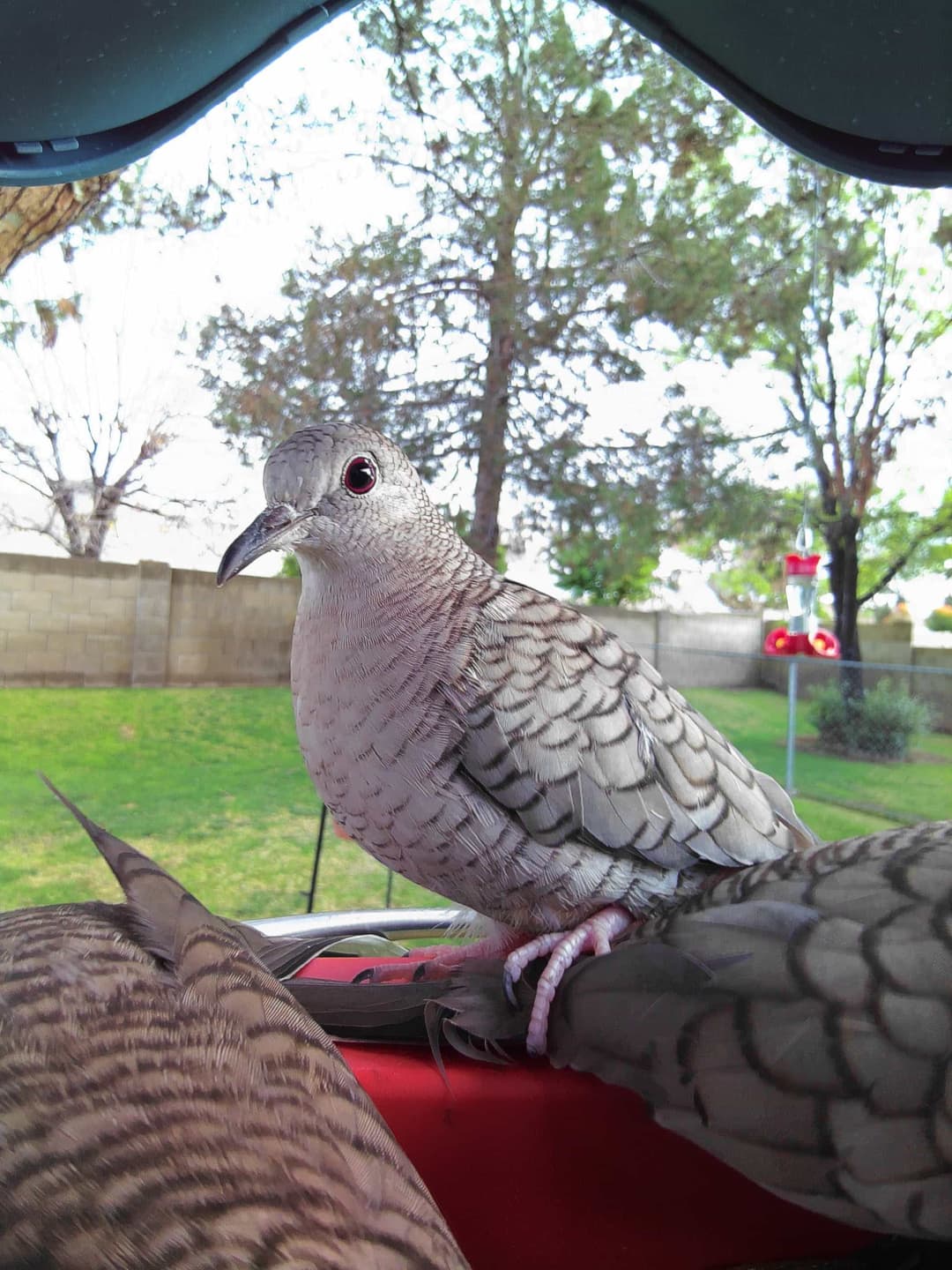
Inca Dove
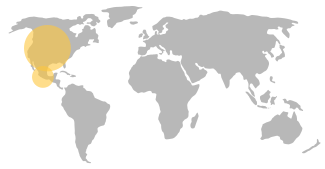
Mourning Dove
Zenaida macroura
Also known as: American Mourning Dove, Rain Dove, Turtle Dove, Carolina Pigeon, Carolina Turtledove
General appearance
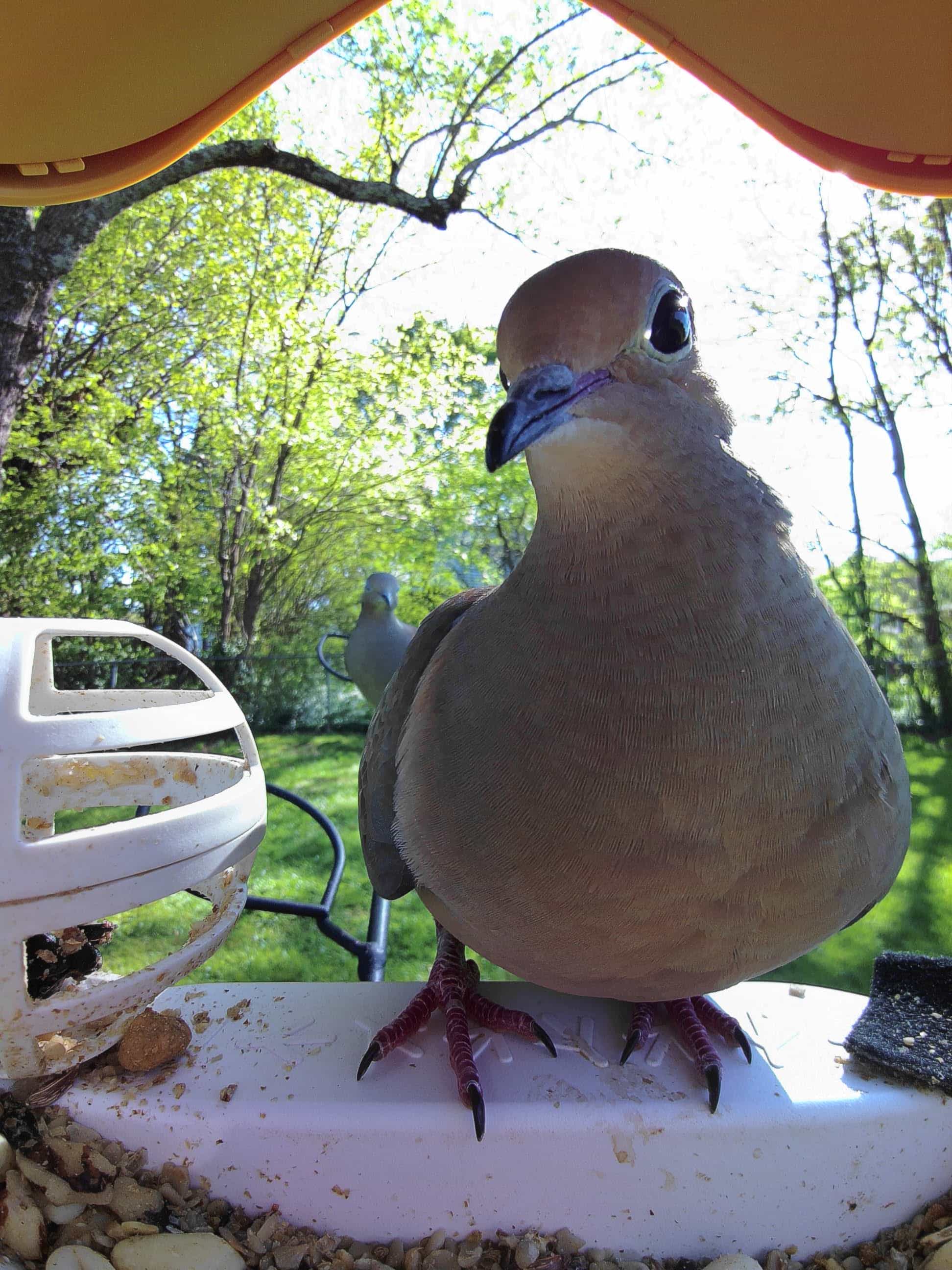
The mourning dove is roughly the size of a crow, bearing characteristics of a long, pointed tail which is about 12', or 30 cm long. This tail displays white spots along its edge while in flight. The bird’s wings are adorned with black spots and its overall coloration exhibits hues of black, brown, gray, pink, tan, and white. The dove has a pointed, wedge-shaped tail.
Male vs female
The sexes of mourning doves can be distinguished by their coloration. Adult males generally have a pinkish tinge on their chests and a blue-gray tone on their crowns. However, the female doves are more dull and plain, predominantly appearing in a shade of brown.
Juvenile
Young mourning doves have a unique scaly appearance that can lead them to be confused with the Inca Dove or the Common Ground Dove. They do not possess the vivid coloring of the adults and generally appear more muted in color.
Size
9.1 - 13.4 in/3.0 - 6.0 oz
There's more to learn about Mourning Dove
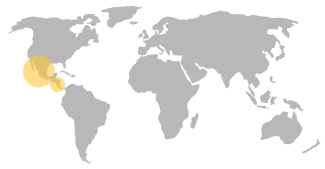
View full detailsInca Dove
Columbina inca
Also known as: Mexican Dove
General appearance
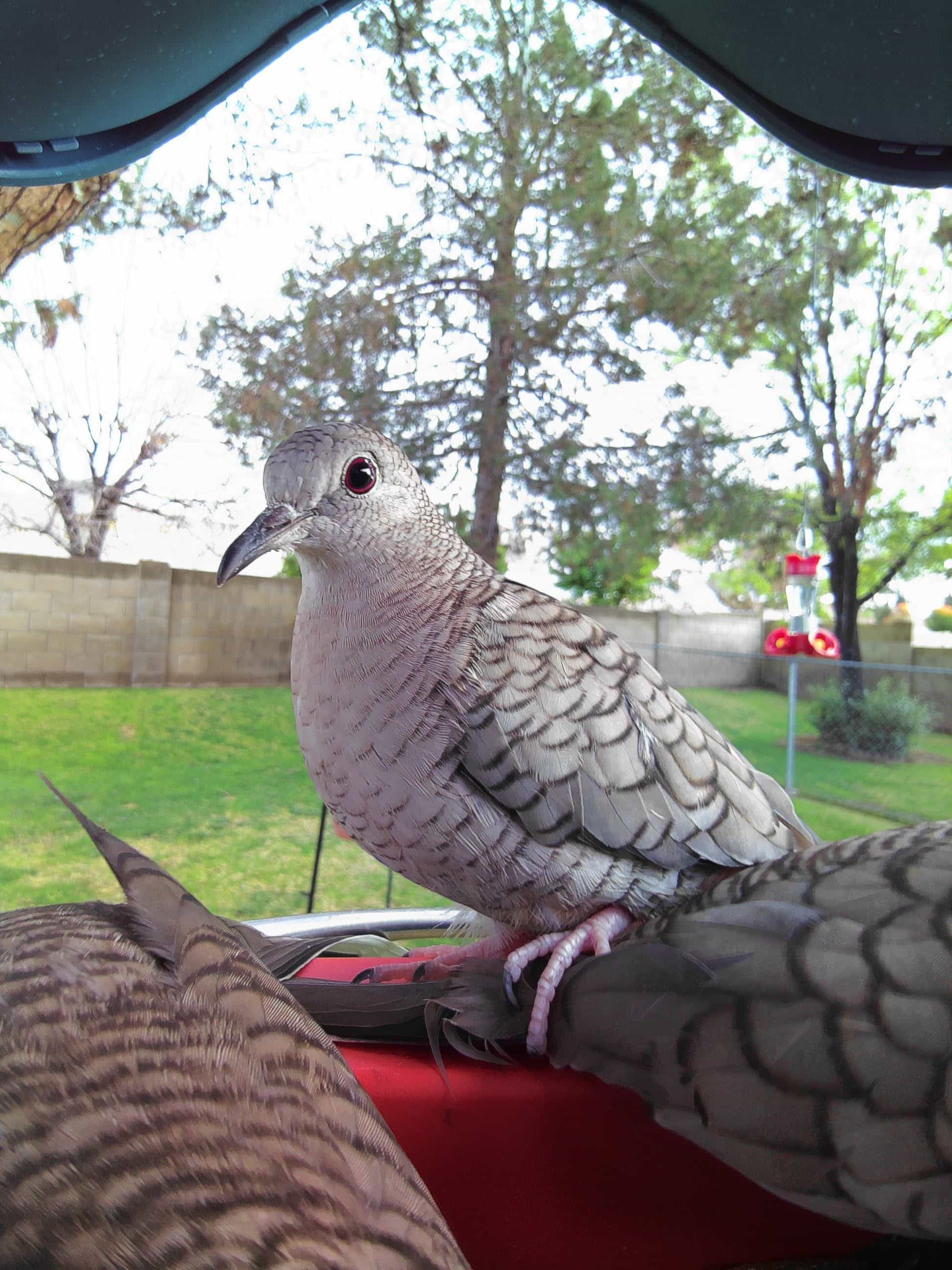
The Inca dove has a distinctive small body that is 20 cm long and has a long tail. The overall coloration is a mix of black, brown, gray, and red, with a dark scaly pattern covering its body. The rounded wings produce a dry rattle sound upon takeoff while presenting a rusty red feather display. Additionally, this dove possesses white outer tail feathers and a square-tipped, long tail.
Male vs female
There are no significant physical distinctions between male and female Inca doves. Both sexes share the same body size, coloration, and distinctive tail and wing features. Females may appear slightly lighter in color, but this is often not a reliable trait for identification.
Juvenile
The juvenile Inca Dove looks comparable to the adult, but exhibits a somewhat scaly appearance. Its resemblance to the Mourning Dove's juvenile stage can lead to misidentification. However, distinguishing features for young Inca doves include their long tails in comparison to the short tails of Common Ground Doves. Further, they display a red wing flash in flight.
Size
7.1 - 9.1 in/1.1 - 2.0 oz
There's more to learn about Inca Dove
View full detailsHow to tell the Mourning Dove from the Inca Dove
Visual differences
The Mourning Dove measures 9-13 inches with a pointed tail, displaying a mix of black, brown, gray, pink, tan, and white plumage, while the Inca Dove is smaller at 8 inches with a square-tipped tail and features a distinctive black, brown, gray, and red scaly pattern. Mourning Doves have white tail edges, Inca Doves have white outer tail feathers with rusty-red wing accents in flight. Mourning Doves are larger and more colorful, whereas Inca Doves are smaller with a unique scaly appearance.
Key differences and behavior
The Mourning Dove and Inca Dove display distinct behavioral and ecological differences. Mourning Doves, larger in size, are adapted to a wide range of temperate habitats, including suburbs, farmlands, and deserts. They are known for high seed consumption, flying swiftly, and perform elaborate courtship displays. Inca Doves, preferring urban environments with access to water, often inhabit areas near human dwellings. Unique behaviors include "pyramid roosting" for warmth and producing a rattling sound during flight. Both species share similar nesting habits, laying two eggs and feeding squabs crop milk. However, Mourning Doves engage in more noticeable aerial displays and are less restricted by climate, unlike the warmth-seeking Inca Doves.
Still not sure? Here are more lookalikes!
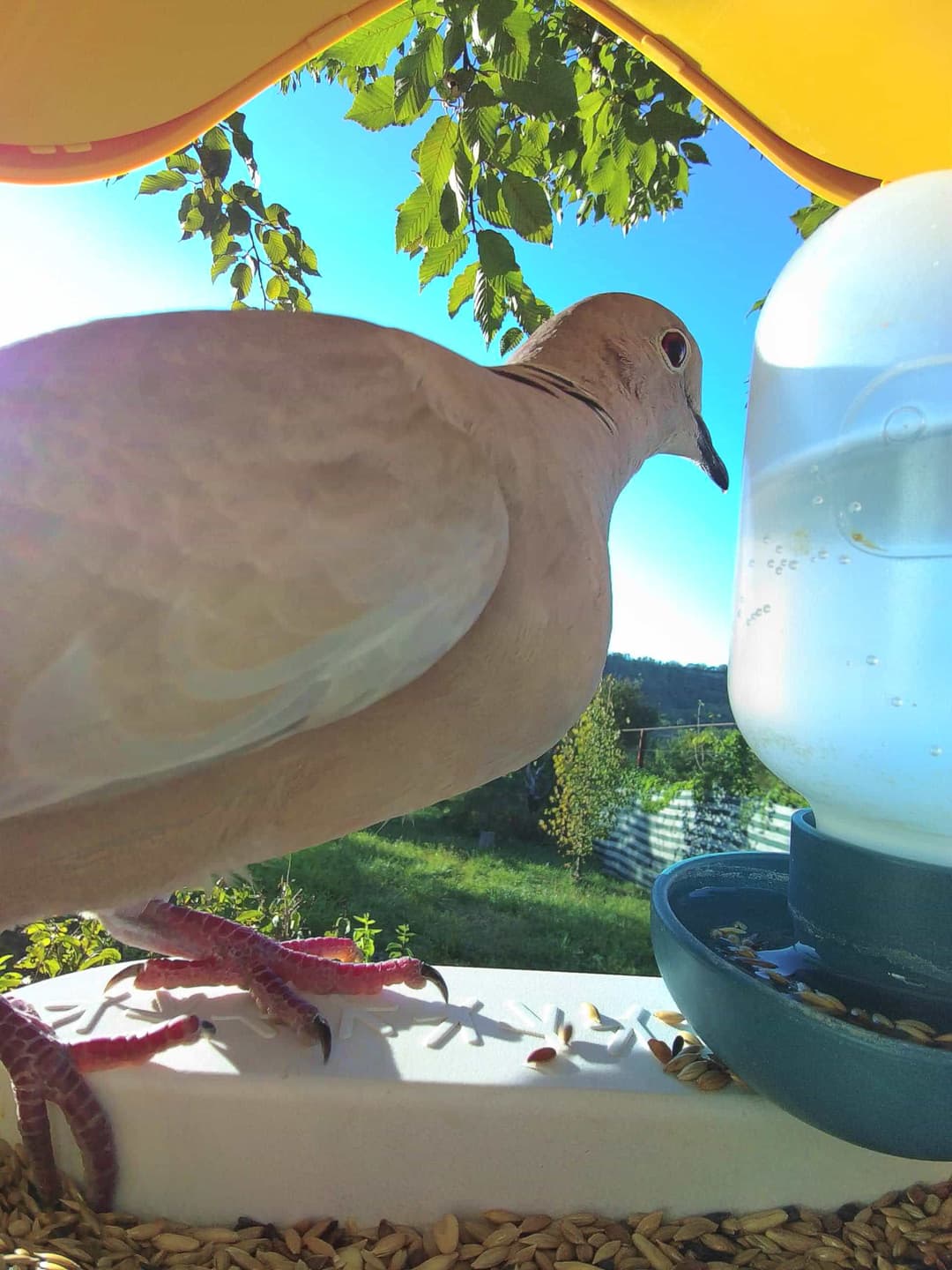
Mourning Dove vs Eurasian Collared Dove

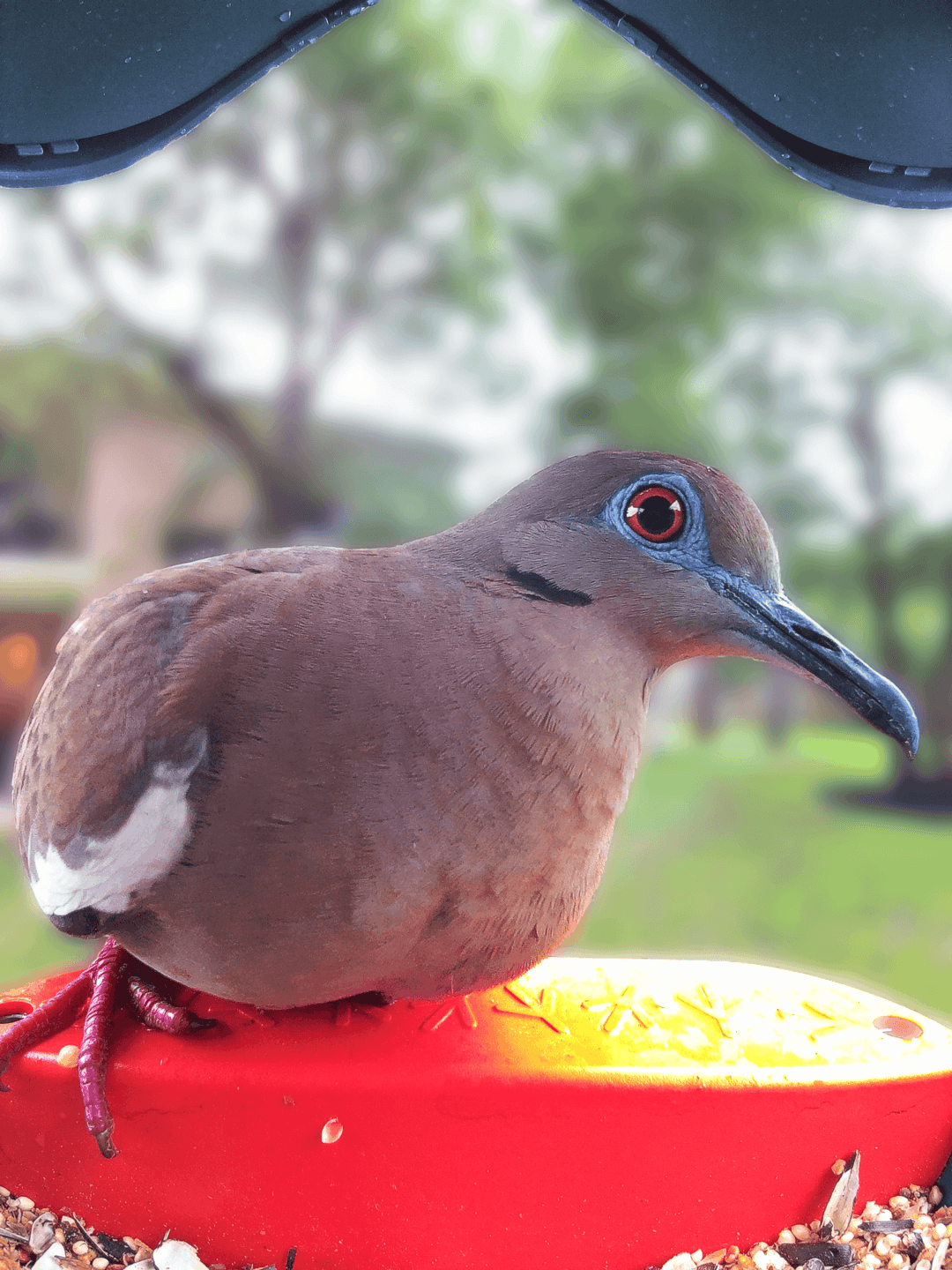
Mourning Dove vs White-Winged Dove
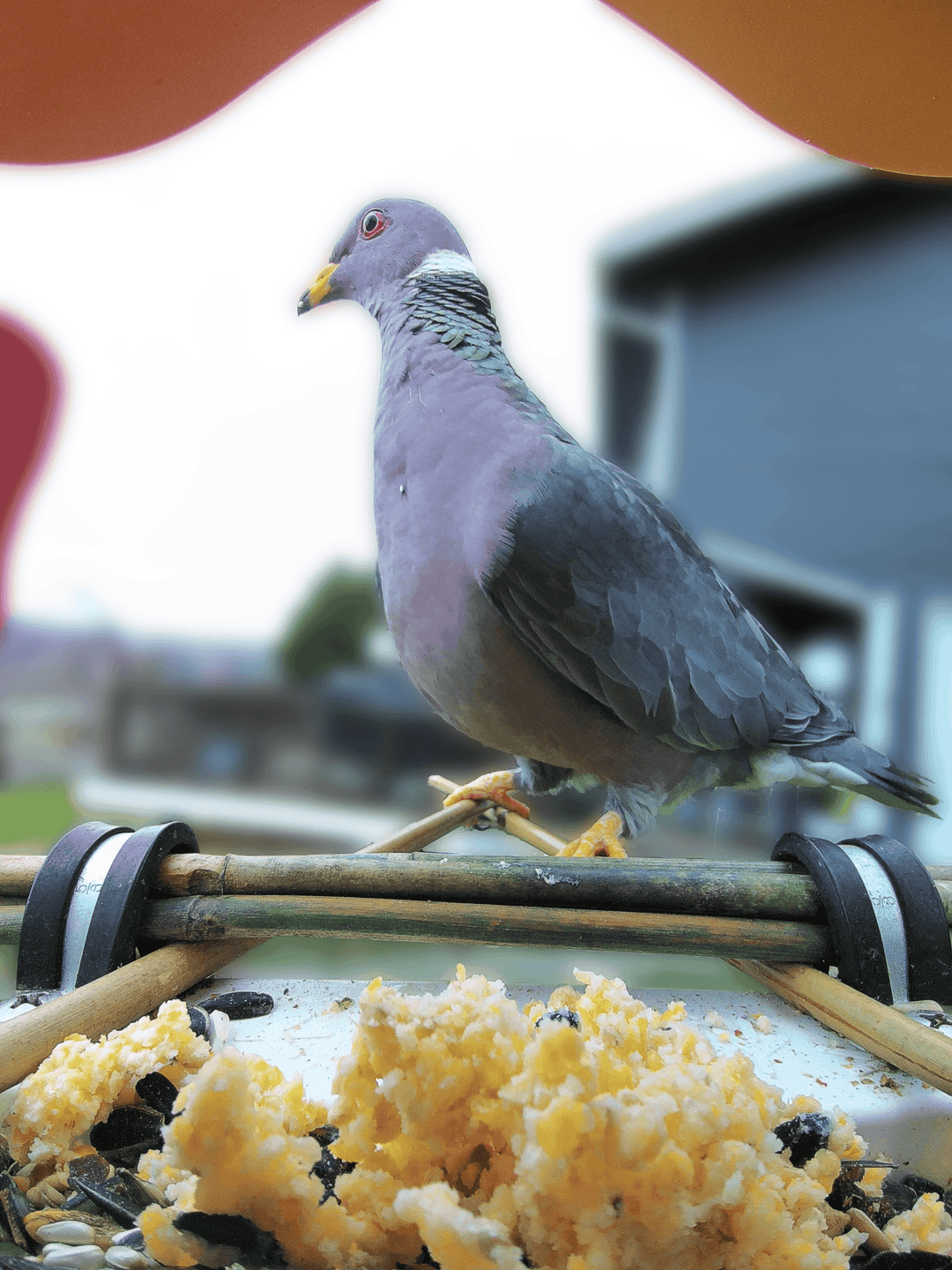
Mourning Dove vs Band-Tailed Pigeon
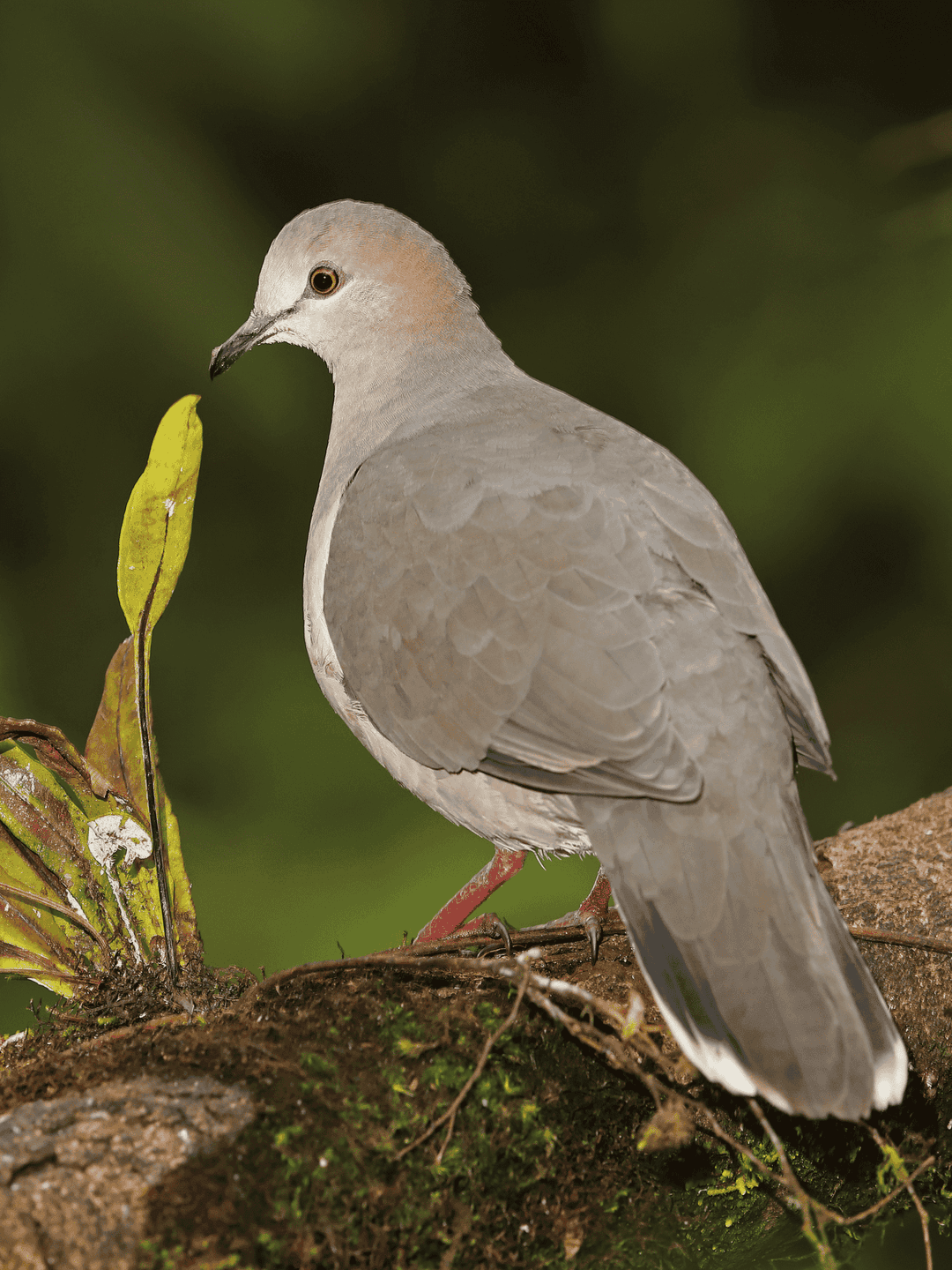
Mourning Dove vs White-Tipped Dove
Mourning Dove vs Common Ground-Dove
Inca Dove vs Common Ground-Dove
Mourning Dove vs [Select a bird]

[Select a bird]
Pick a bird to compare
Inca Dove vs [Select a bird]
[Select a bird]
Pick a bird to compare