Common Cuckoo or Mourning Dove?
Here's how to tell the difference

Common Cuckoo


Mourning Dove
Common Cuckoo
Cuculus canorus
Common Cuckoo Identification Guide
The Common Cuckoo is a medium-sized bird recognized for its distinct appearance. This bird's general coloration is predominantly gray with a slightly bluish tinge on the back and wings. Its underparts are light colored with distinctive dark barring, giving the lower body a striped appearance. The cuckoo's long tail, edged with white and tipped with a fine barring pattern, is another striking feature that aids identification. Its slender body and pointed wings support strong flight capability, and the bird's posture often appears streamlined and graceful. Both males and females of the Common Cuckoo species are quite similar in appearance, making it difficult to tell them apart at a glance. However, females sometimes display a rufous morph, where the plumage takes on a more reddish-brown hue rather than the typical bluish gray. During the breeding season, discerning between the two sexes may be slightly easier due to subtle behavioral differences rather than distinct physical characteristics. Juvenile Common Cuckoos differ distinctly from adults, featuring a much browner overall plumage with pale fringed feathers and a buff eyebrow stripe above their eyes. This plumage provides better camouflage and protection from predators, fading as they mature to the adult coloration.
Size
12.6 - 13.4 in/3.9 - 4.6 oz
There's more to learn about Common Cuckoo
View full detailsMourning Dove
Zenaida macroura
Also known as: American Mourning Dove, Rain Dove, Turtle Dove, Carolina Pigeon, Carolina Turtledove
General appearance
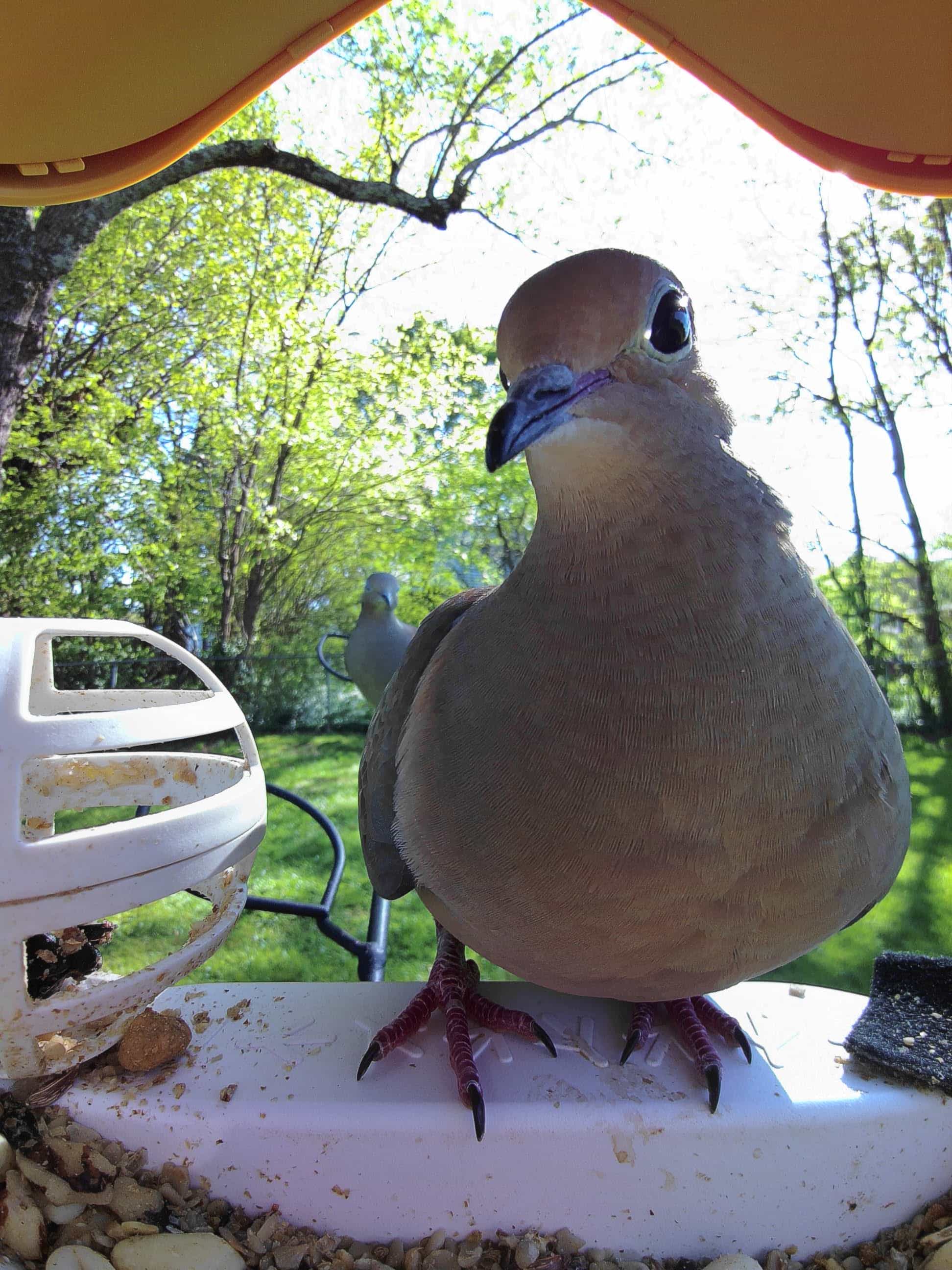
The mourning dove is roughly the size of a crow, bearing characteristics of a long, pointed tail which is about 12', or 30 cm long. This tail displays white spots along its edge while in flight. The bird’s wings are adorned with black spots and its overall coloration exhibits hues of black, brown, gray, pink, tan, and white. The dove has a pointed, wedge-shaped tail.
Male vs female
The sexes of mourning doves can be distinguished by their coloration. Adult males generally have a pinkish tinge on their chests and a blue-gray tone on their crowns. However, the female doves are more dull and plain, predominantly appearing in a shade of brown.
Juvenile
Young mourning doves have a unique scaly appearance that can lead them to be confused with the Inca Dove or the Common Ground Dove. They do not possess the vivid coloring of the adults and generally appear more muted in color.
Size
9.1 - 13.4 in/3.0 - 6.0 oz
There's more to learn about Mourning Dove
View full detailsHow to tell the Common Cuckoo from the Mourning Dove
Visual differences
The Common Cuckoo and Mourning Dove differ visually in several ways. The Common Cuckoo measures 12.6-13.4 inches long with gray plumage, resembling a sparrowhawk. Its beak is long and slender. Conversely, the Mourning Dove ranges from 9.1 to 13.4 inches, displays a mix of black, brown, gray, and pink tones, and features a long, pointed wedge-shaped tail with white edges. Its beak is short and slim. The dove's body is generally chunkier compared to the sleek appearance of the cuckoo.
Key differences and behavior
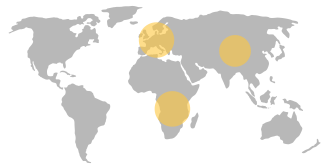
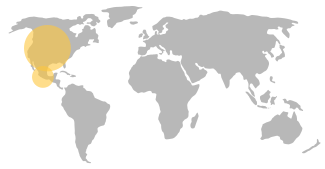
The Common Cuckoo and the Mourning Dove exhibit distinct behaviors and ecological preferences. The Cuckoo, known for its "cuck-oo" call, practices brood parasitism, laying its eggs in other birds' nests, while the Dove builds its own flimsy nest in trees or shrubs, often in open habitats. Cuckoos are insectivores, primarily feeding on caterpillars and beetles, whereas Mourning Doves mainly consume seeds, storing massive quantities in their crop. The Cuckoo inhabits open woodlands and migrates to Africa in winter, in contrast to the Dove's preference for temperate North American open and semi-open areas. The Cuckoo male attracts mates with calls and displays, but shows no parental care, whereas Dove pairs share nesting duties and feed chicks with "crop milk." Both species exhibit different migratory and feeding behaviors reflective of their ecological niches.
Still not sure? Here are more lookalikes!
Common Cuckoo vs Blue Jay

Common Cuckoo vs Chipping Sparrow
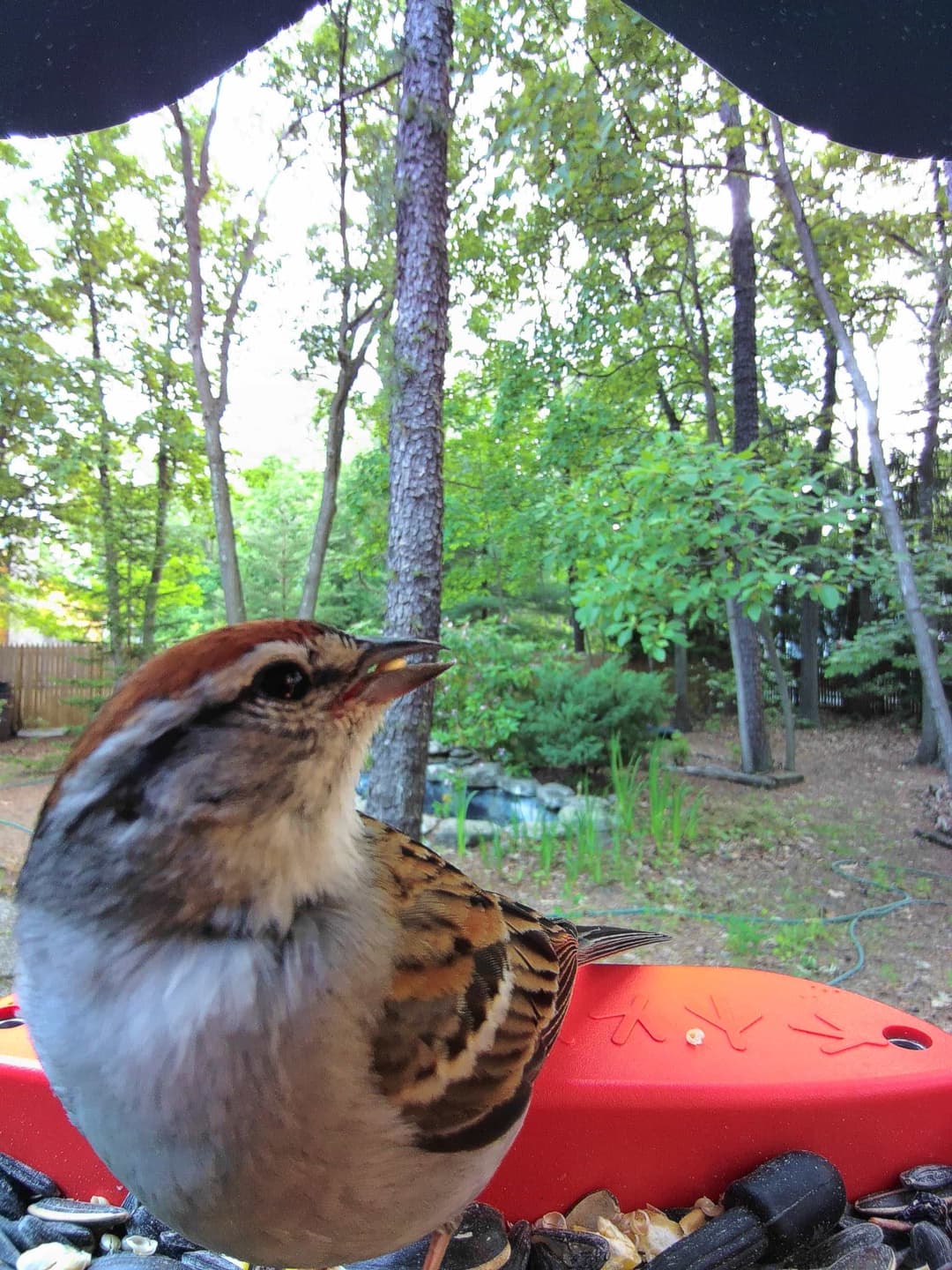
Mourning Dove vs Eurasian Collared Dove

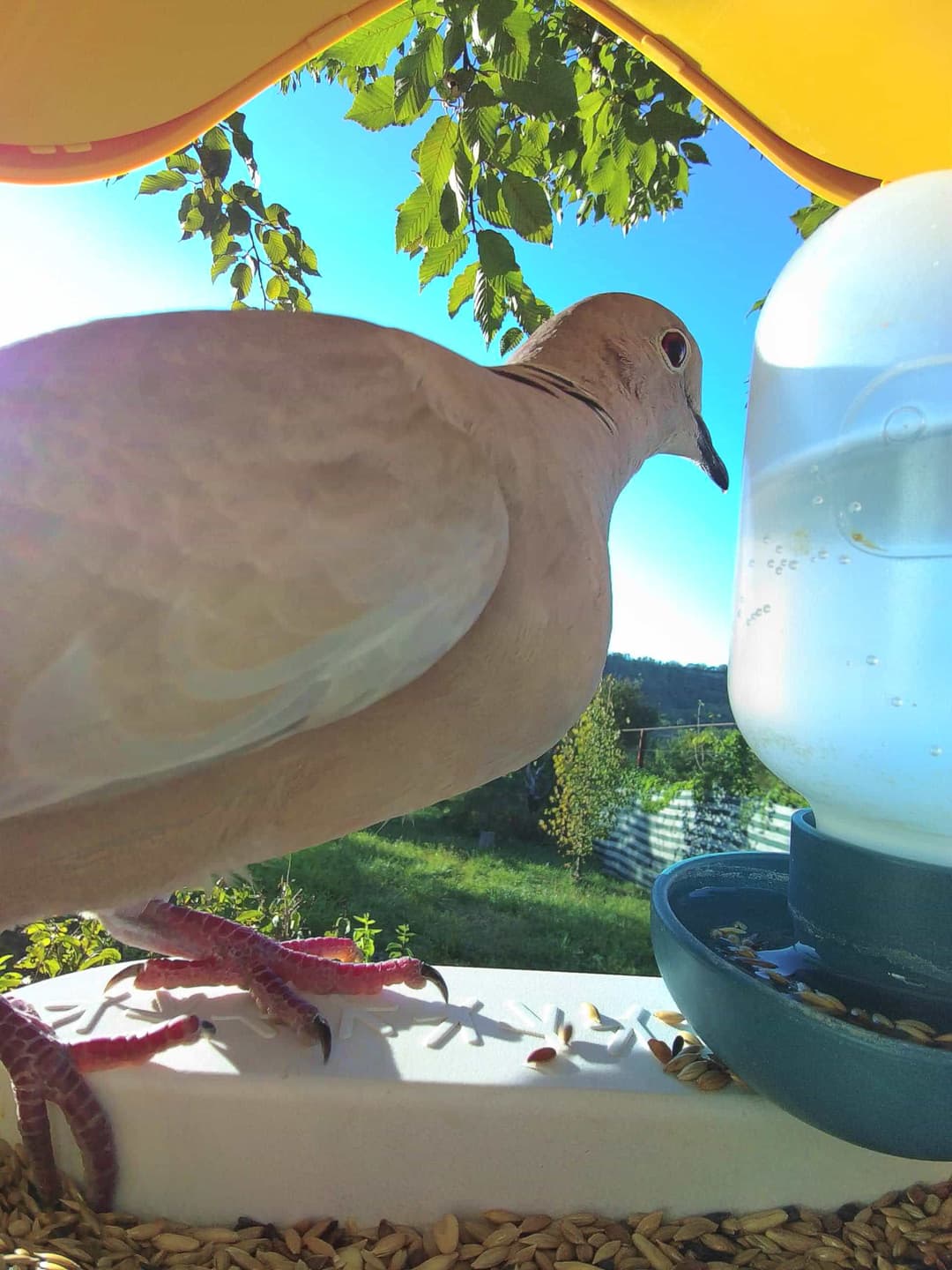
Mourning Dove vs White-Winged Dove
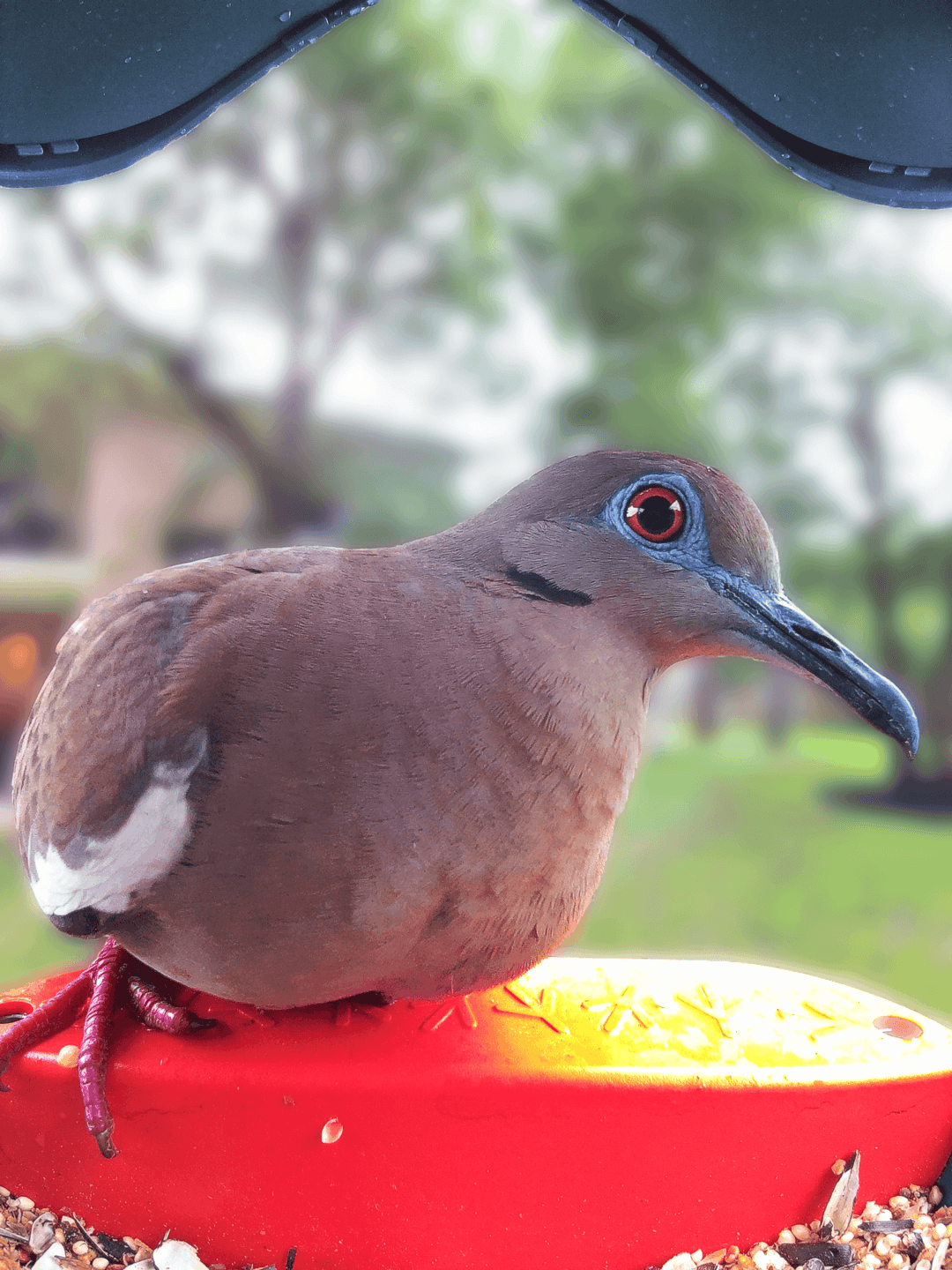
Mourning Dove vs Band-Tailed Pigeon
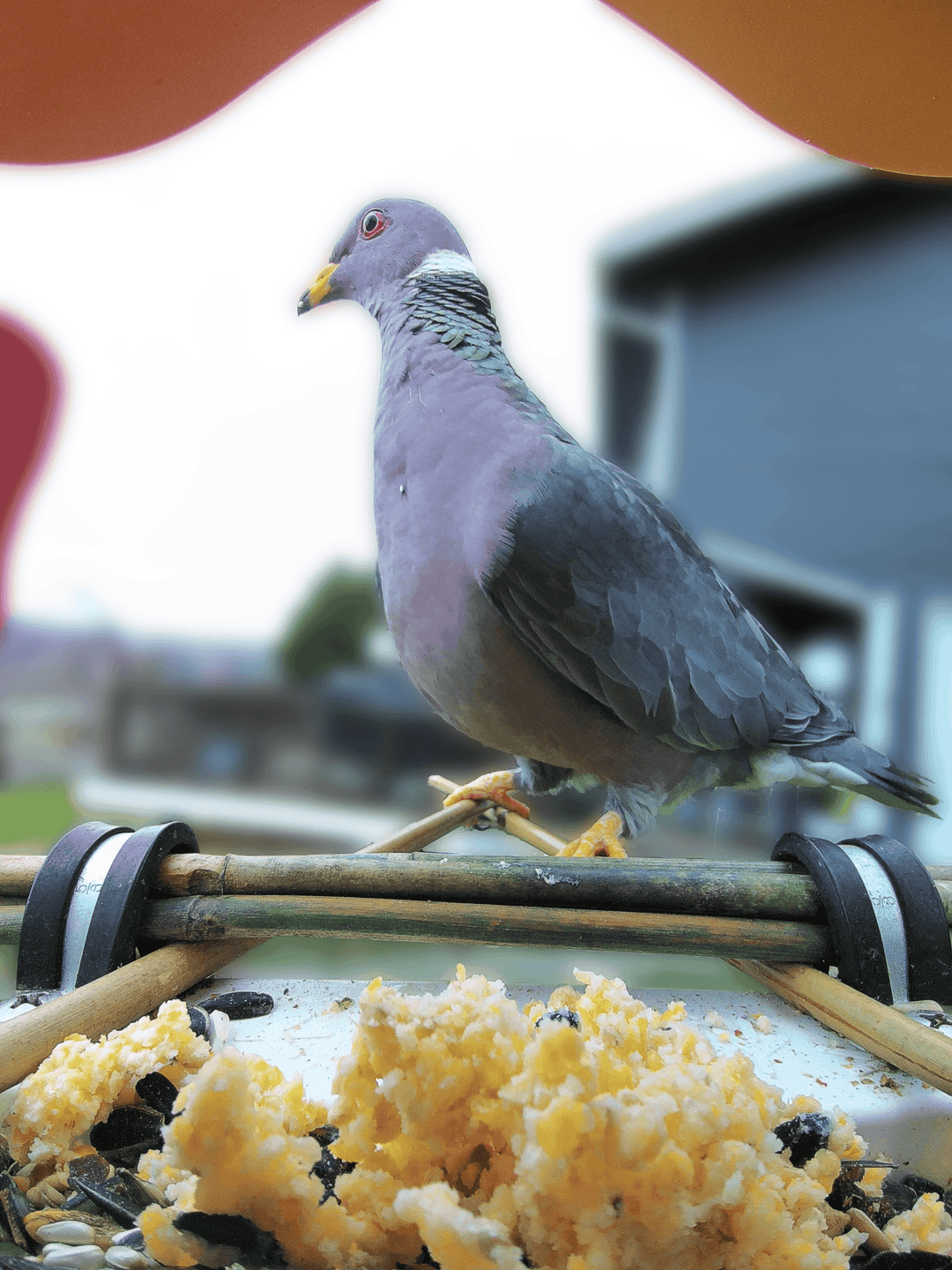
Mourning Dove vs White-Tipped Dove
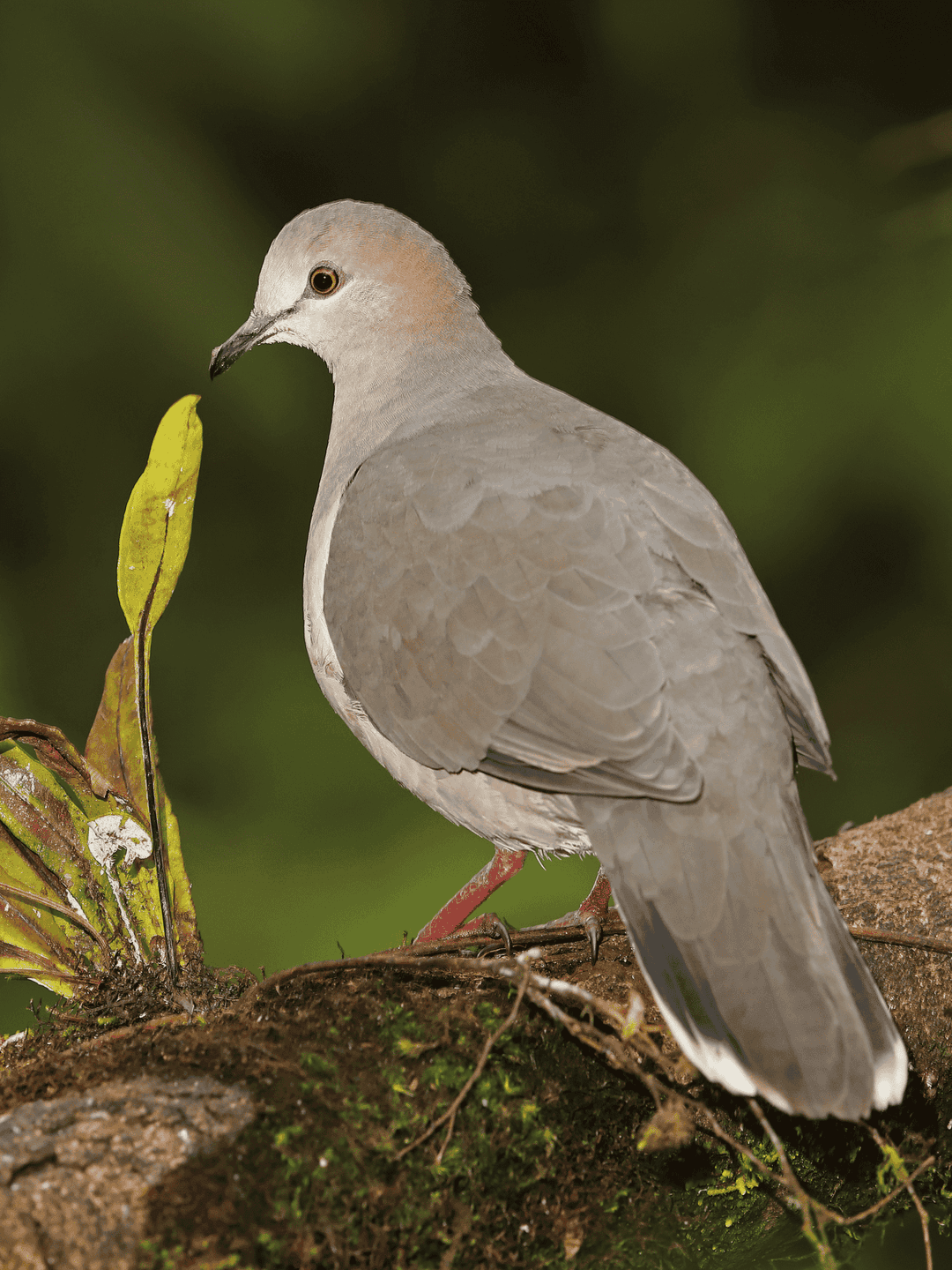
Mourning Dove vs Common Ground-Dove
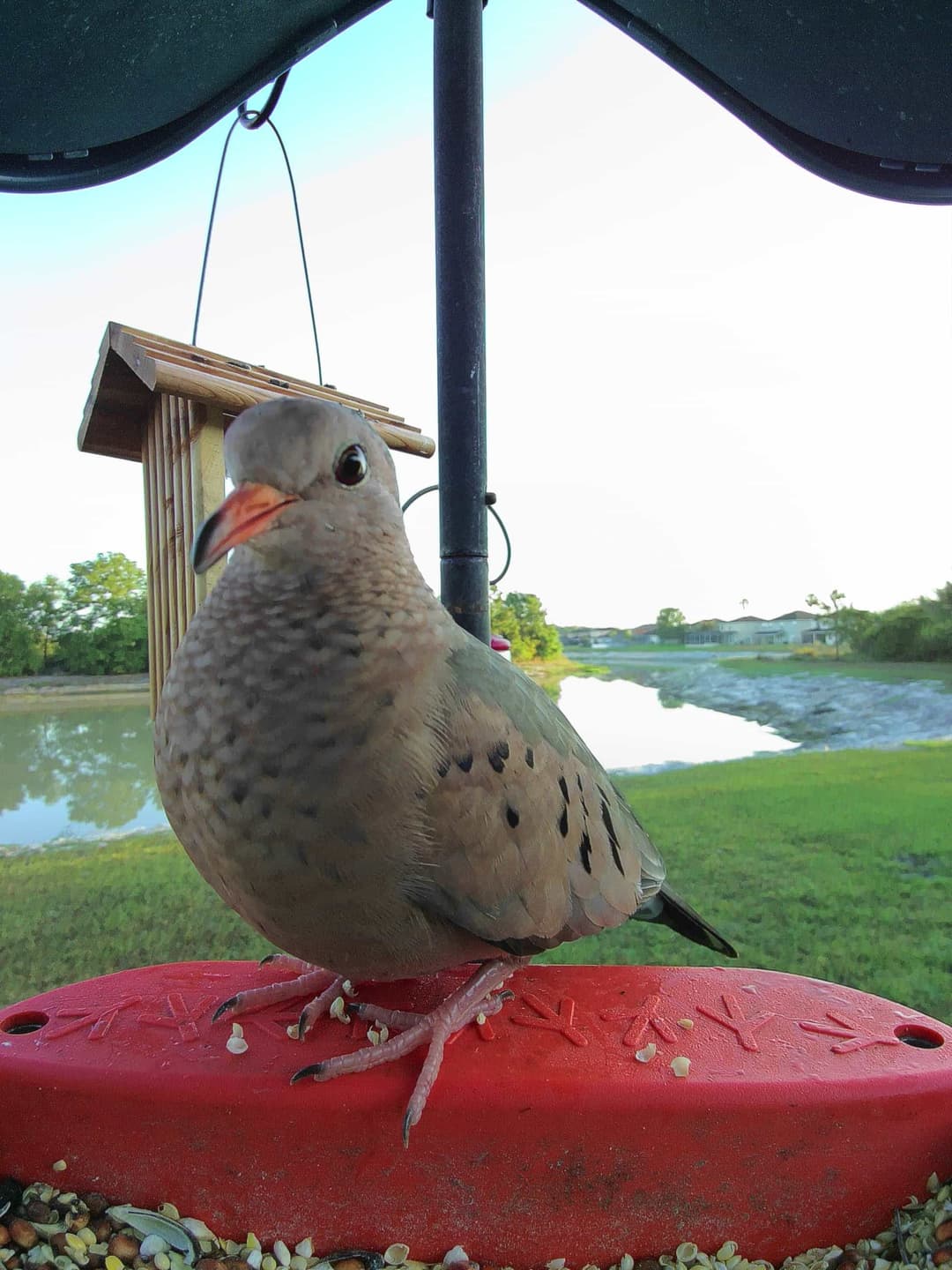
Mourning Dove vs Inca Dove
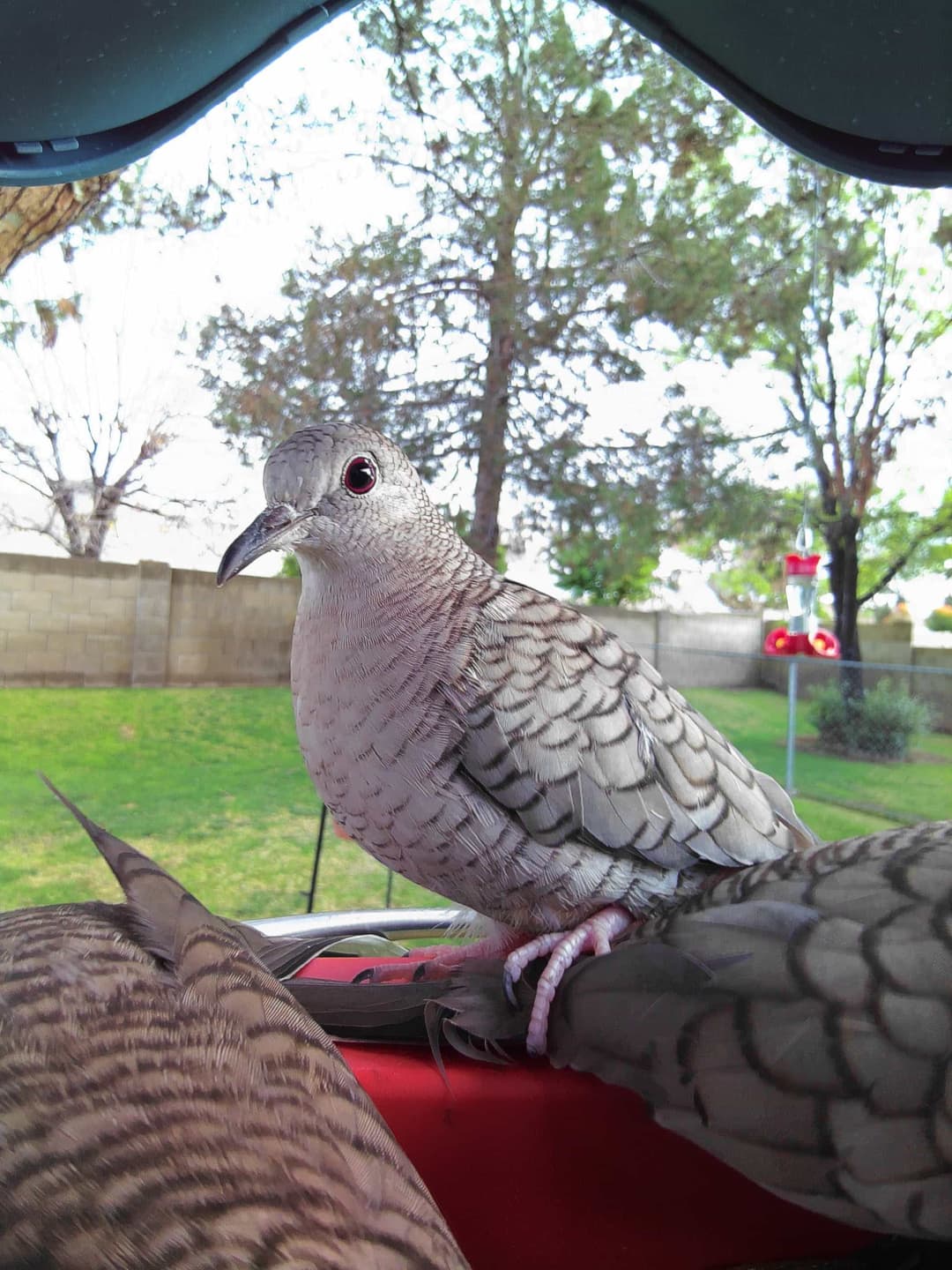
Common Cuckoo vs [Select a bird]

[Select a bird]
Pick a bird to compare
Mourning Dove vs [Select a bird]
[Select a bird]
Pick a bird to compare