Common Cuckoo or Blue Jay?
Here's how to tell the difference
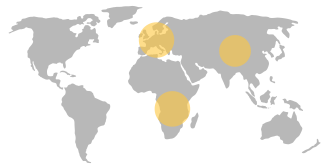


Common Cuckoo
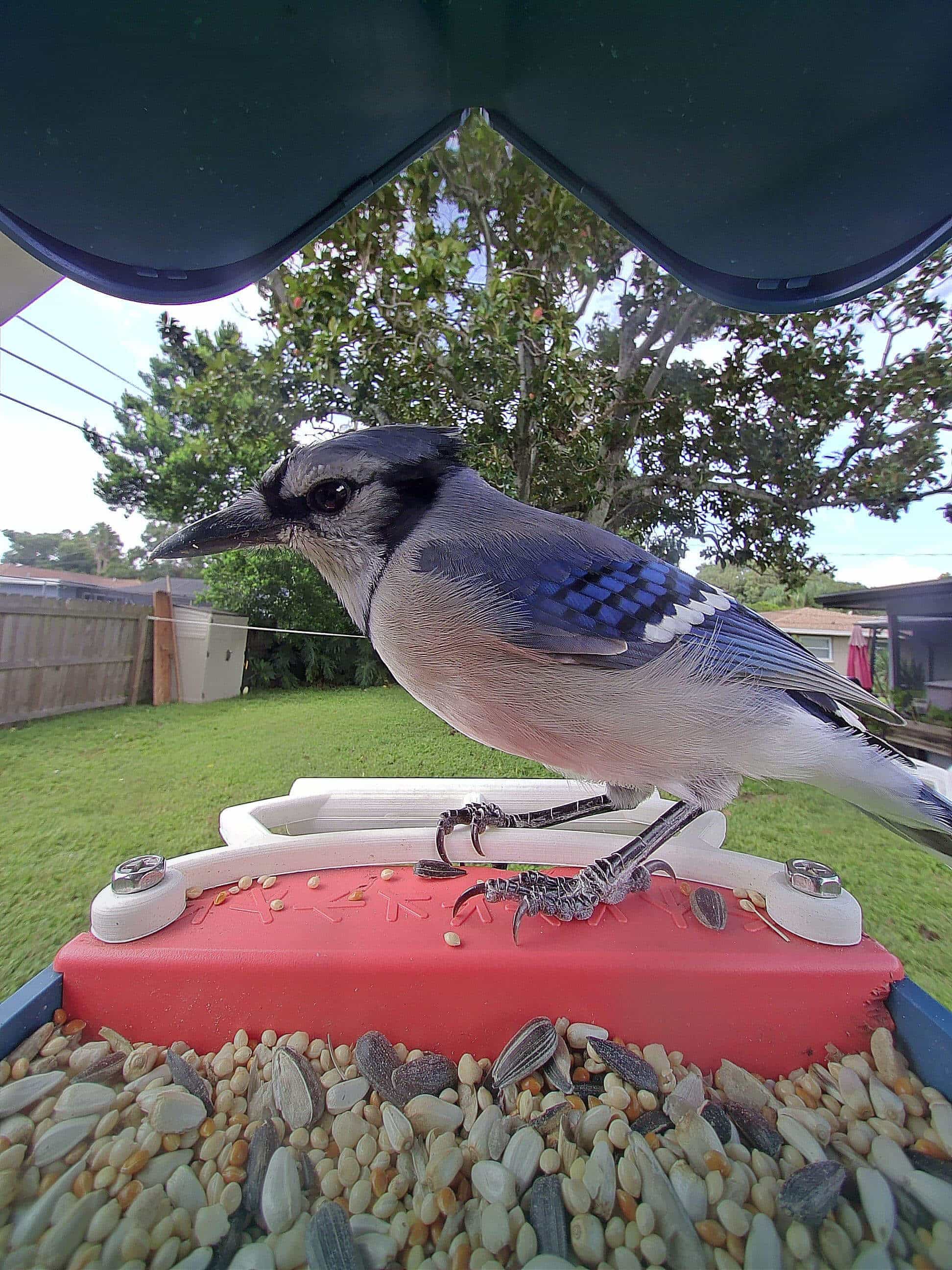


Blue Jay
Common Cuckoo
Cuculus canorus
Common Cuckoo Identification Guide
The Common Cuckoo is a medium-sized bird recognized for its distinct appearance. This bird's general coloration is predominantly gray with a slightly bluish tinge on the back and wings. Its underparts are light colored with distinctive dark barring, giving the lower body a striped appearance. The cuckoo's long tail, edged with white and tipped with a fine barring pattern, is another striking feature that aids identification. Its slender body and pointed wings support strong flight capability, and the bird's posture often appears streamlined and graceful. Both males and females of the Common Cuckoo species are quite similar in appearance, making it difficult to tell them apart at a glance. However, females sometimes display a rufous morph, where the plumage takes on a more reddish-brown hue rather than the typical bluish gray. During the breeding season, discerning between the two sexes may be slightly easier due to subtle behavioral differences rather than distinct physical characteristics. Juvenile Common Cuckoos differ distinctly from adults, featuring a much browner overall plumage with pale fringed feathers and a buff eyebrow stripe above their eyes. This plumage provides better camouflage and protection from predators, fading as they mature to the adult coloration.
Size
12.6 - 13.4 in/3.9 - 4.6 oz
There's more to learn about Common Cuckoo
View full detailsBlue Jay
Cyanocitta cristata
General appearance
Blue Jays have a distinctive appearance with a size similar to a crow. Their dull blue-gray back contrasts with their bright blue wings and tail. They have a prominent crest, a black necklace and white patterns on their wing-bars and tail corners. The bird's wings are broad, fingered and rounded, possessing a long, rounded and wedge-shaped tail.
Male vs female
Interestingly, there is little to no difference in the physical appearance between male and female Blue Jays. Both sexes exhibit the same coloration and patterns. Any differences are minimal and often indistinguishable to the untrained eye.
Juvenile
Juvenile Blue Jays are similar in appearance to adults but may be slightly duller in color. They also lack the full crest of adult birds until they mature. Still, their inherent blue hue combined with gray, black and white patterns provides a good marker for identification.
Size
9.8 - 11.8 in/2.5 - 3.5 oz
There's more to learn about Blue Jay
View full detailsHow to tell the Common Cuckoo from the Blue Jay
Visual differences
The Common Cuckoo is larger, measuring 12.6-13.4 inches in length and weighing 3.9-4.6 ounces, while the Blue Jay is smaller, at 9.8-11.8 inches and 2.5-3.5 ounces. The cuckoo has a grayish, sparrowhawk-like appearance with a slender, slightly curved beak, while the Blue Jay is bright blue with a distinctive crest, black necklace, and white wing patterns. The Blue Jay's beak is more robust and straight. These differences in size, coloration, and beak shape are key visual identifiers between the two birds.
Key differences and behavior
The Common Cuckoo and Blue Jay exhibit distinct behaviors and ecological preferences. The cuckoo is a brood parasite, laying up to 22 eggs in other birds' nests, while Blue Jays construct their own, using twig-based nests in trees. Cuckoos are insectivores, primarily consuming insects like caterpillars, while Blue Jays are omnivorous, with diets rich in acorns and other plant matter. Cuckoos inhabit open woodlands and migrate from Europe/Asia to Africa, whereas Blue Jays thrive in North American deciduous forests, adapting to urban environments. During mating, cuckoos use distinctive calls without forming strong pair bonds, contrasting with Blue Jays' bond-strengthening behaviors, like the male feeding the female. In terms of size, cuckoos are heavier (about 3.9-4.6 oz) and longer (about 12.6-13.4 in) compared to Blue Jays (2.5-3.5 oz, 9.8-11.8 in).
Still not sure? Here are more lookalikes!
Common Cuckoo vs Mourning Dove


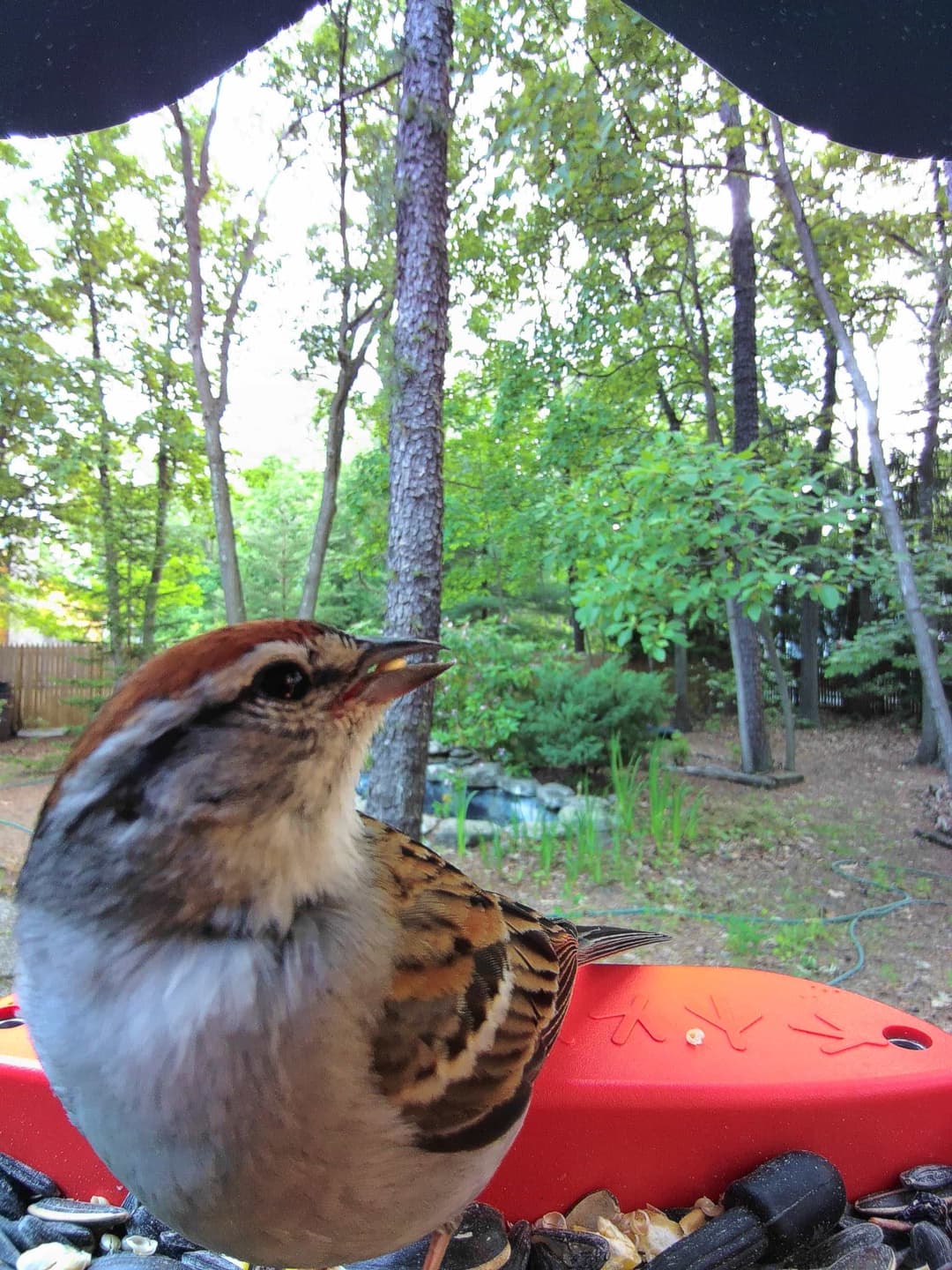
Common Cuckoo vs Chipping Sparrow
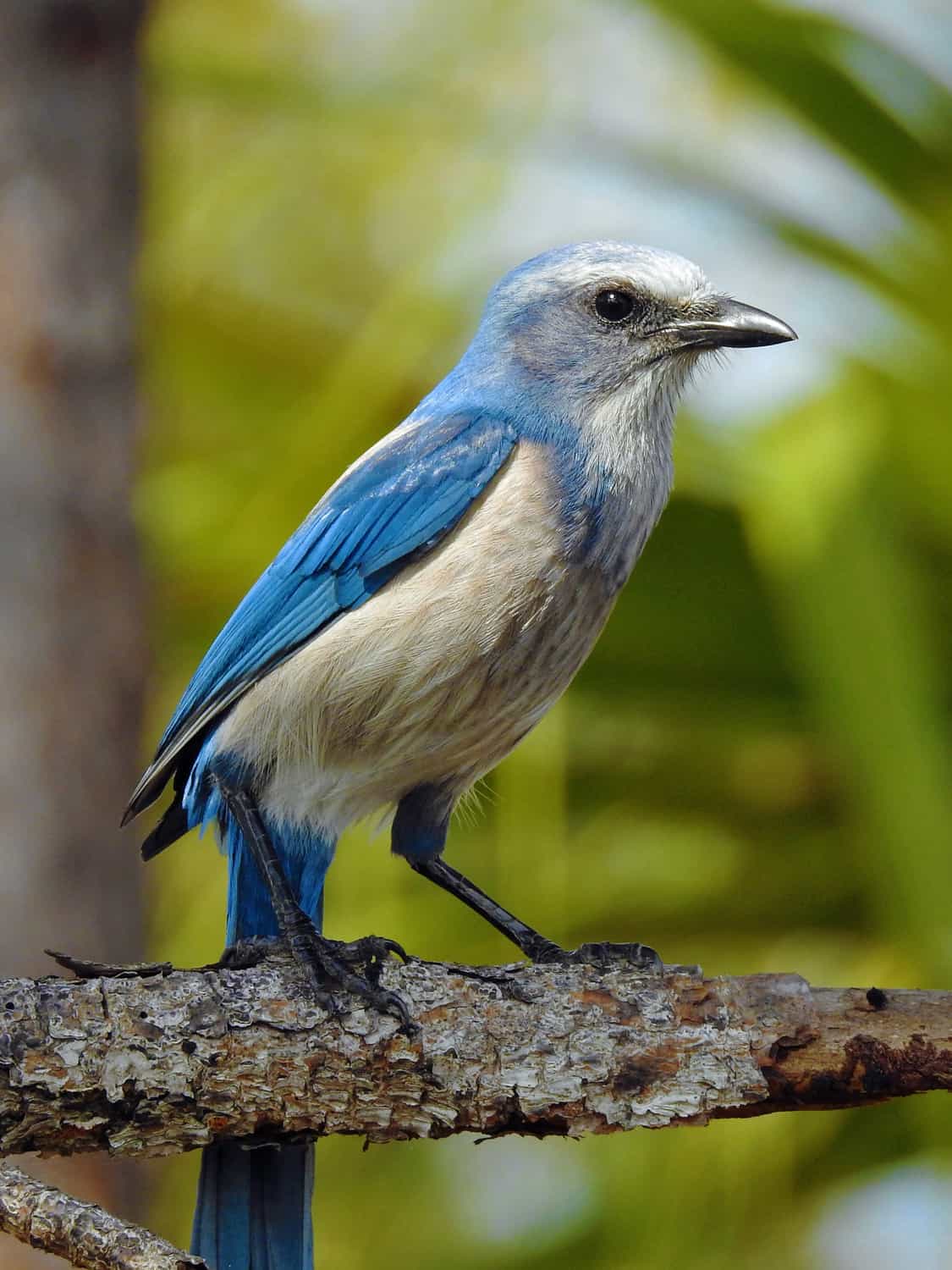
Blue Jay vs Florida Scrub-Jay
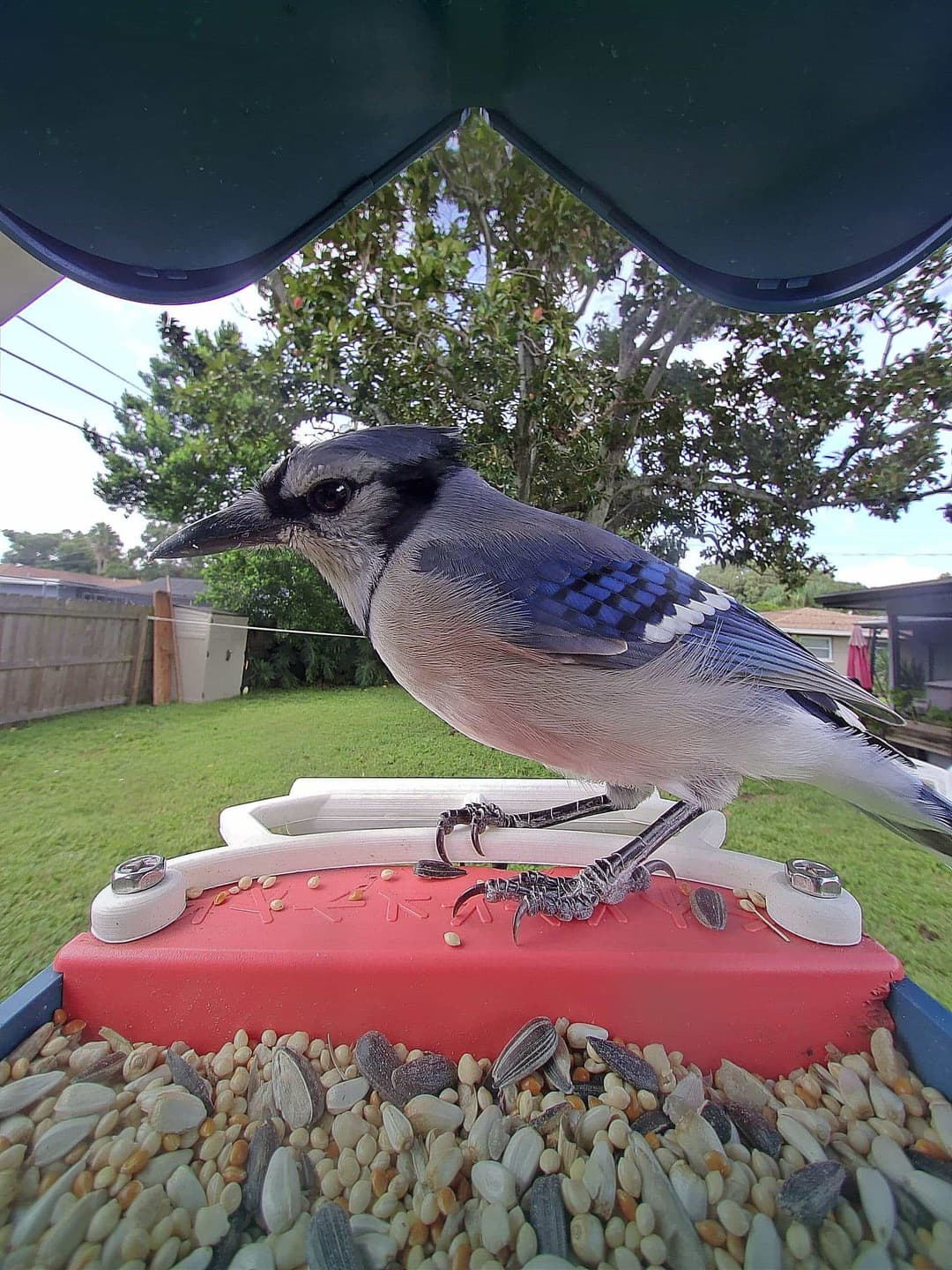
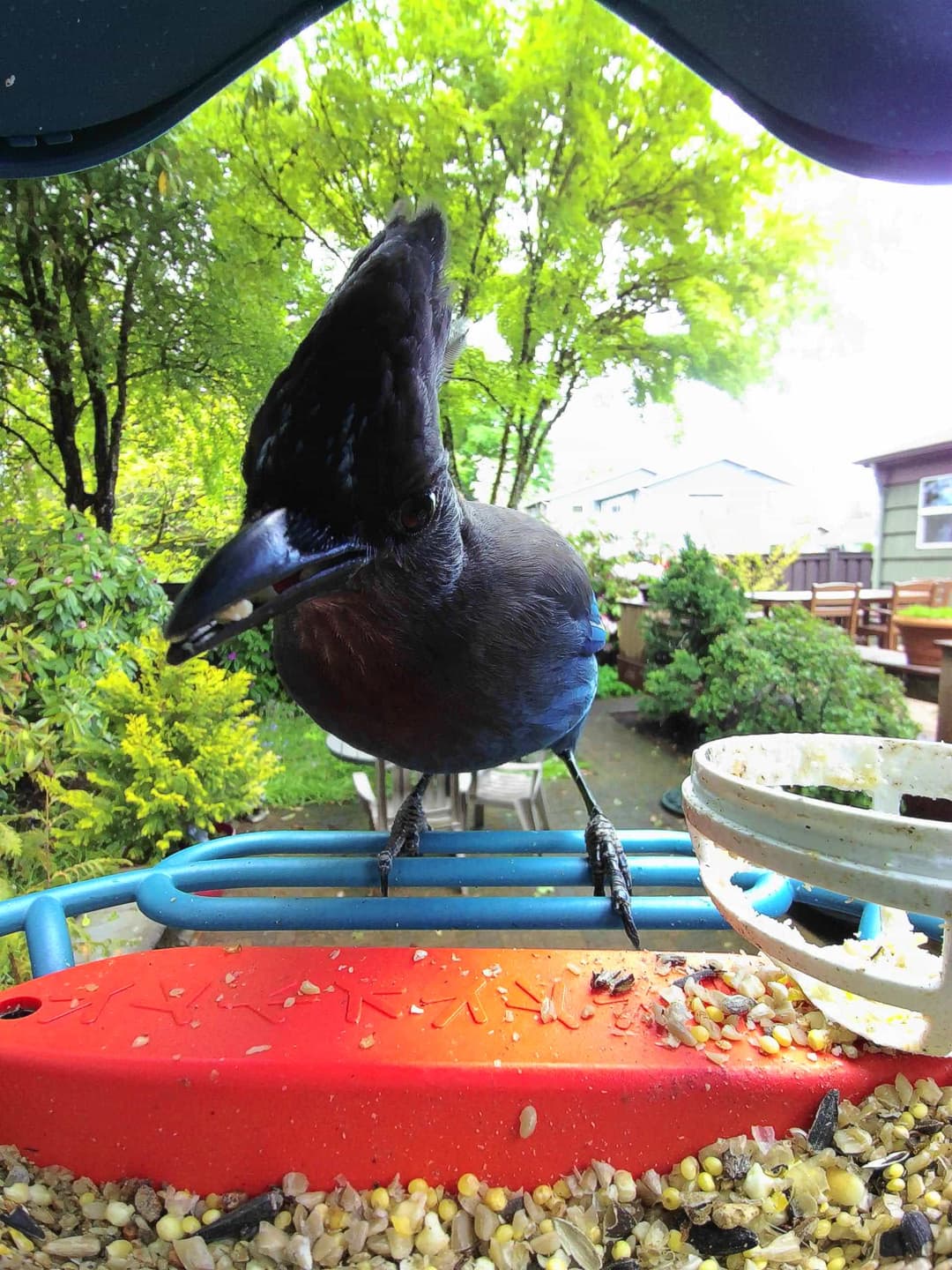
Blue Jay vs Steller’s Jay
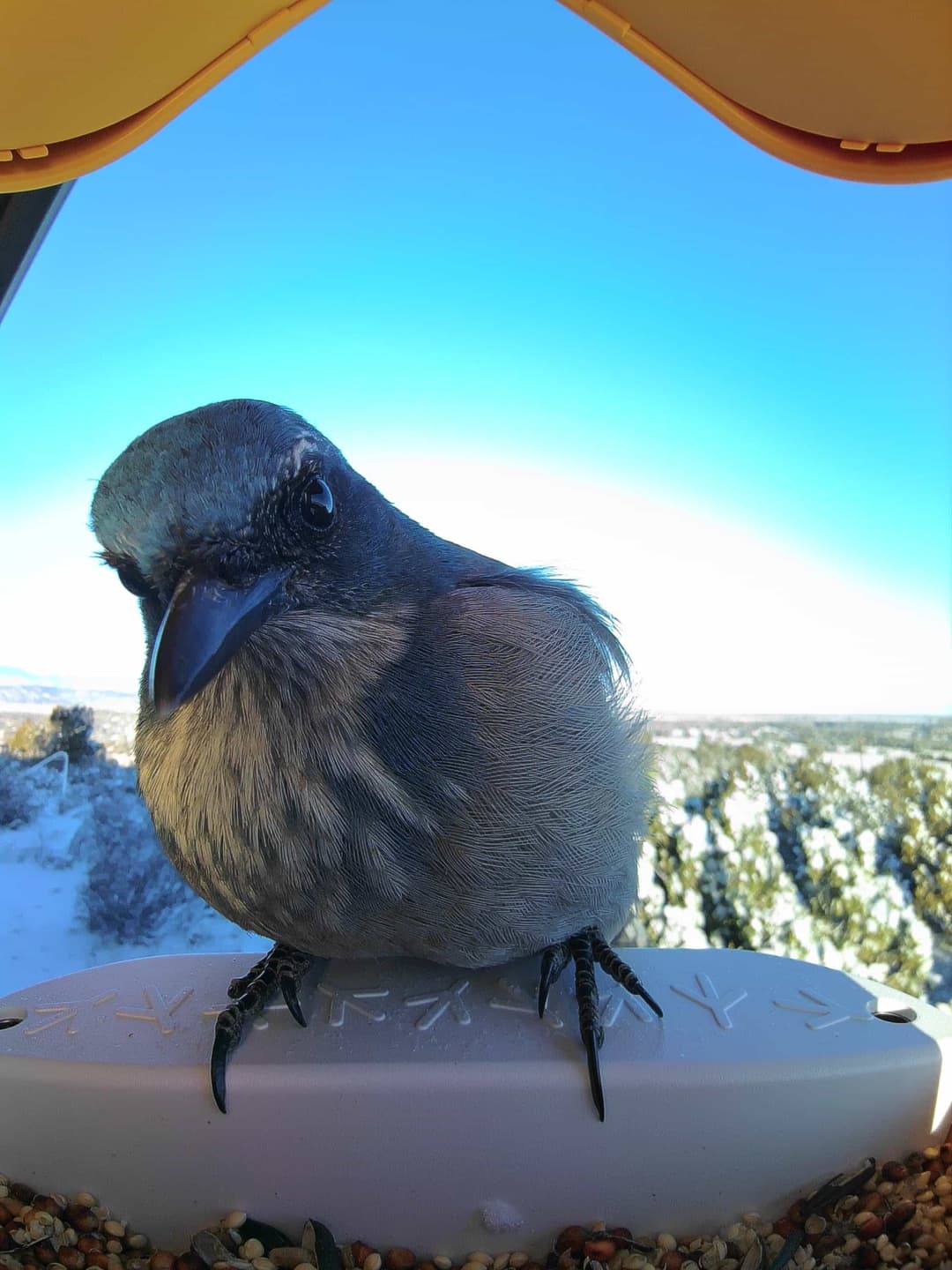
Blue Jay vs Woodhouse’s Scrub-Jay
Blue Jay vs California Scrub-Jay

Common Cuckoo vs [Select a bird]

[Select a bird]
Pick a bird to compare
Blue Jay vs [Select a bird]
[Select a bird]
Pick a bird to compare