Mountain Bulbul or Himalayan Bulbul?
Here's how to tell the difference
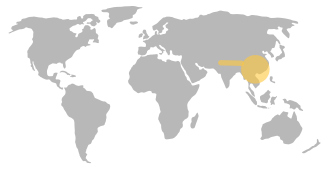


Mountain Bulbul


Himalayan Bulbul
Mountain Bulbul
Ixos mcclellandii
Also known as: Green-Winged Bulbul, McClelland's Bulbul, McClelland's Rufous-Bellied Bulbul, Mountain Streaked Bulbul, Rufous-Bellied Bulbul
General appearance
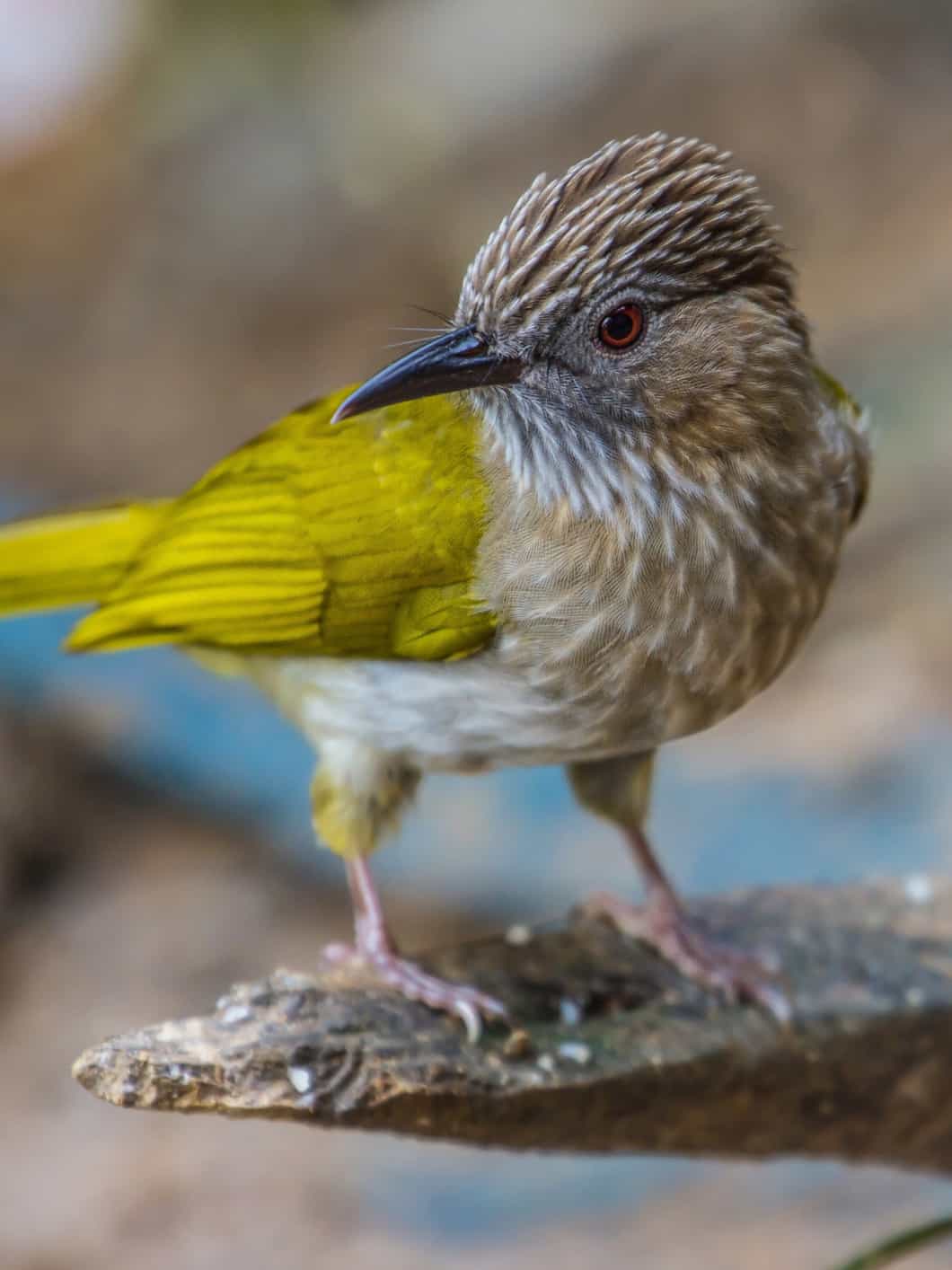
Mountain bulbuls are medium-sized birds averaging 20 cm in length. They possess distinct black and olive feathers, with their underparts a light yellow and white chin. The bird has a sturdy, hefty beak that is black, and their feet are also black. They have a distinct characteristic square-ended tail with white tips.
Male vs female
There is little sexual dimorphism in the Mountain Bulbul species, which means males and females have similar appearances. Both sexes have the same coloration and size, making it difficult to differentiate between genders based on physical traits alone. Any distinction usually occurs in subtle behavioral differences.
Juvenile
Juvenile Mountain Bulbuls have the same basic coloration as adults, but their feathers may appear duller compared to adult bulbuls. The lighter underparts of juveniles can often be a streaked brown compared to the strong yellow in adults. Juveniles also possess a lesser-developed white tip at the end of the tail, which becomes more prominent as they mature.
Size
8.3 - 9.4 in/1.0 - 1.4 oz
There's more to learn about Mountain Bulbul
View full detailsHimalayan Bulbul
Pycnonotus leucogenys
Also known as: White-Cheeked Bulbul
General appearance
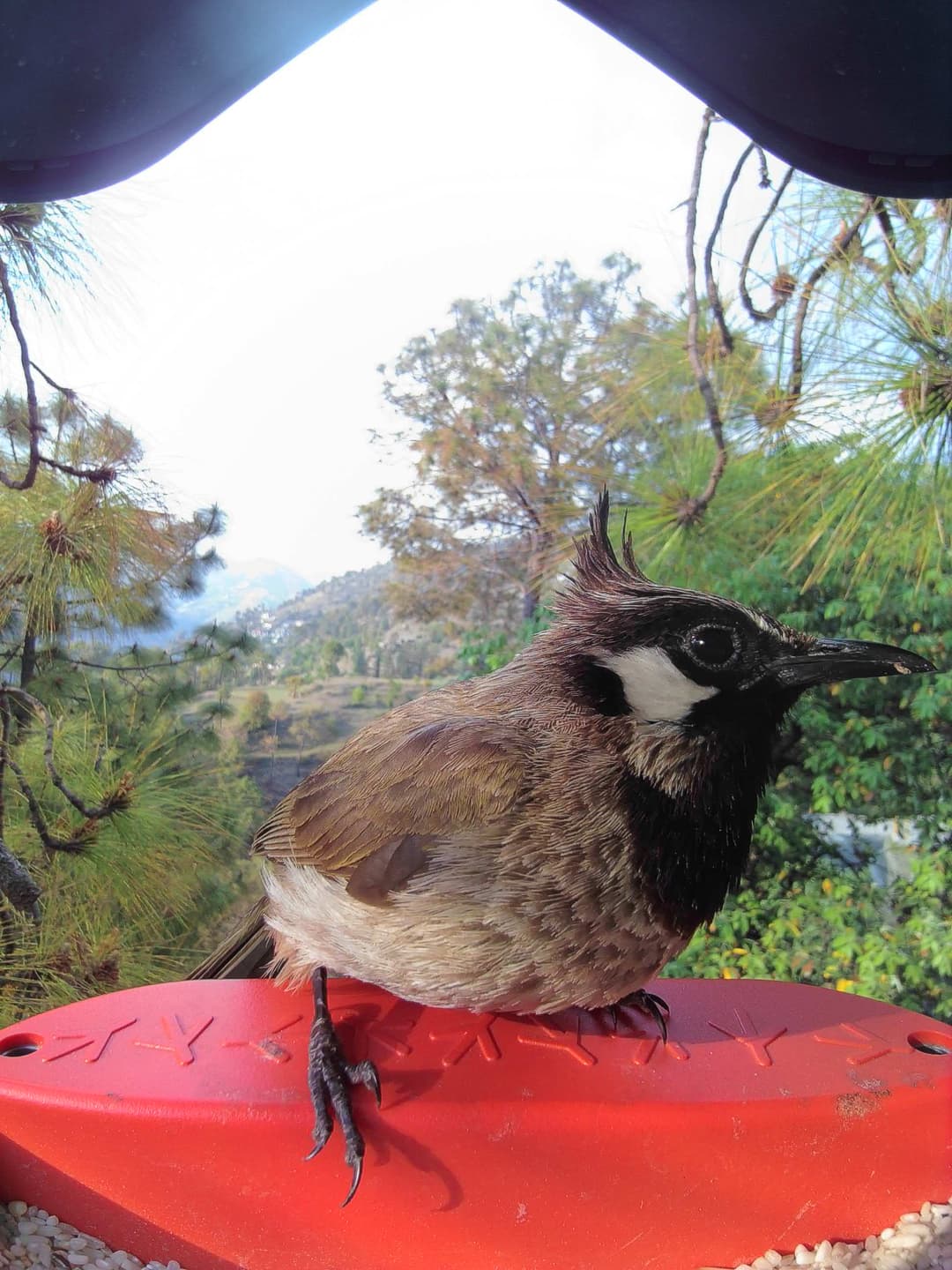
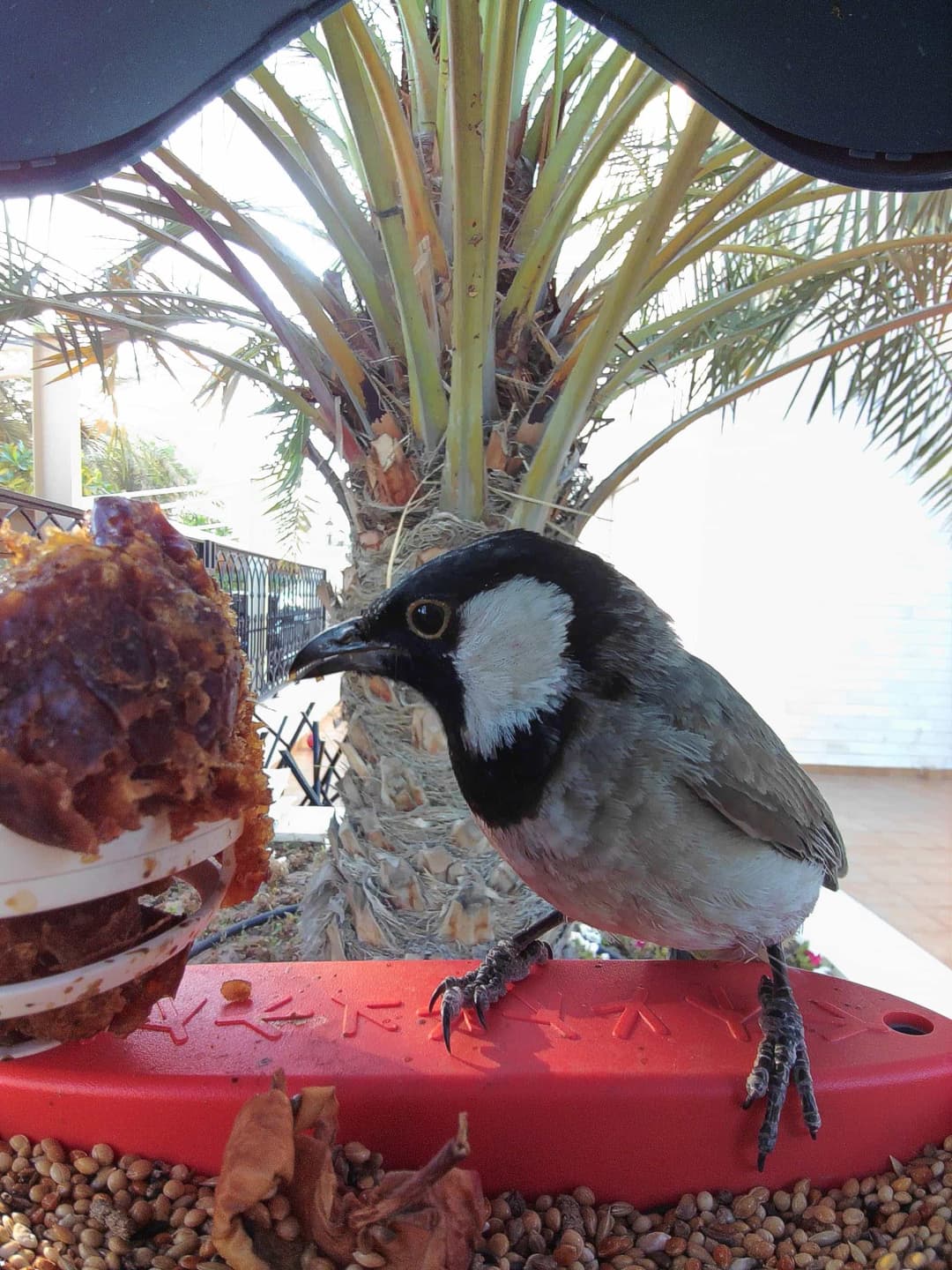
The Himalayan bulbul, or white-cheeked bulbul, is a species of songbird with a distinctive crest on the head. They exhibit a dove grey above with whitish underparts, a black crest, and white patches on the cheek and underside of the tail. They have a medium size, averaging around 20 cm long, and are known for their melodious song.
Male vs female
For the Himalayan bulbul, sexual dimorphism is not significantly pronounced, and both males and females have similar physical appearances. Both genders exhibit the same colorations and physical traits, making it difficult to distinguish between them based on appearance.
Juvenile
Juveniles exhibit similar body shape to adults, though their coloration may be duller. The signature crest is shorter and their cheek patches are not as starkly white. As they grow, they gradually attain the more distinctive adult coloration.
Size
7.5 - 7.9 in/1.2 - 1.3 oz
There's more to learn about Himalayan Bulbul
View full detailsHow to tell the Mountain Bulbul from the Himalayan Bulbul
Visual differences
Mountain Bulbuls are 8.3-9.4 inches long and have a black and olive plumage with light yellow underparts and a square-ended tail with white tips. Their beak is sturdy and black. Himalayan Bulbuls are slightly smaller, averaging 7.5-7.9 inches, with dove grey above, whitish underparts, and distinctive white cheek patches. They feature a prominent black crest and have a medium black beak. Both species have minimal sexual dimorphism, and juveniles present duller versions of these colorations. The distinctive white tail tips of the Mountain Bulbul contrast with the Himalayan Bulbul's bold white facial patches.
Key differences and behavior
The Mountain Bulbul and Himalayan Bulbul differ notably in behavior and habitat. The Mountain Bulbul (Ixos mcclellandii) is generally shy and prefers subtropical or tropical moist montane forests, ranging from 2,624 to 8,497 feet, whereas the Himalayan Bulbul (Pycnonotus leucogenys) prefers subtropical and temperate forests, favoring altitudes between 2,625 and 9,843 feet. Mountain Bulbuls are sociable in flocks, vocal and active foragers high in forest canopies. Himalayan Bulbuls exhibit acrobatic flight and are most vocal with melodious songs during early mornings. Both species share similar breeding habits with cup-shaped nests, though Himalayan Bulbuls engage in complex song displays. Both feed on fruits and insects, but Himalayan Bulbuls also adapt to urban gardens and are drawn to seeds and suet at feeders.
Still not sure? Here are more lookalikes!
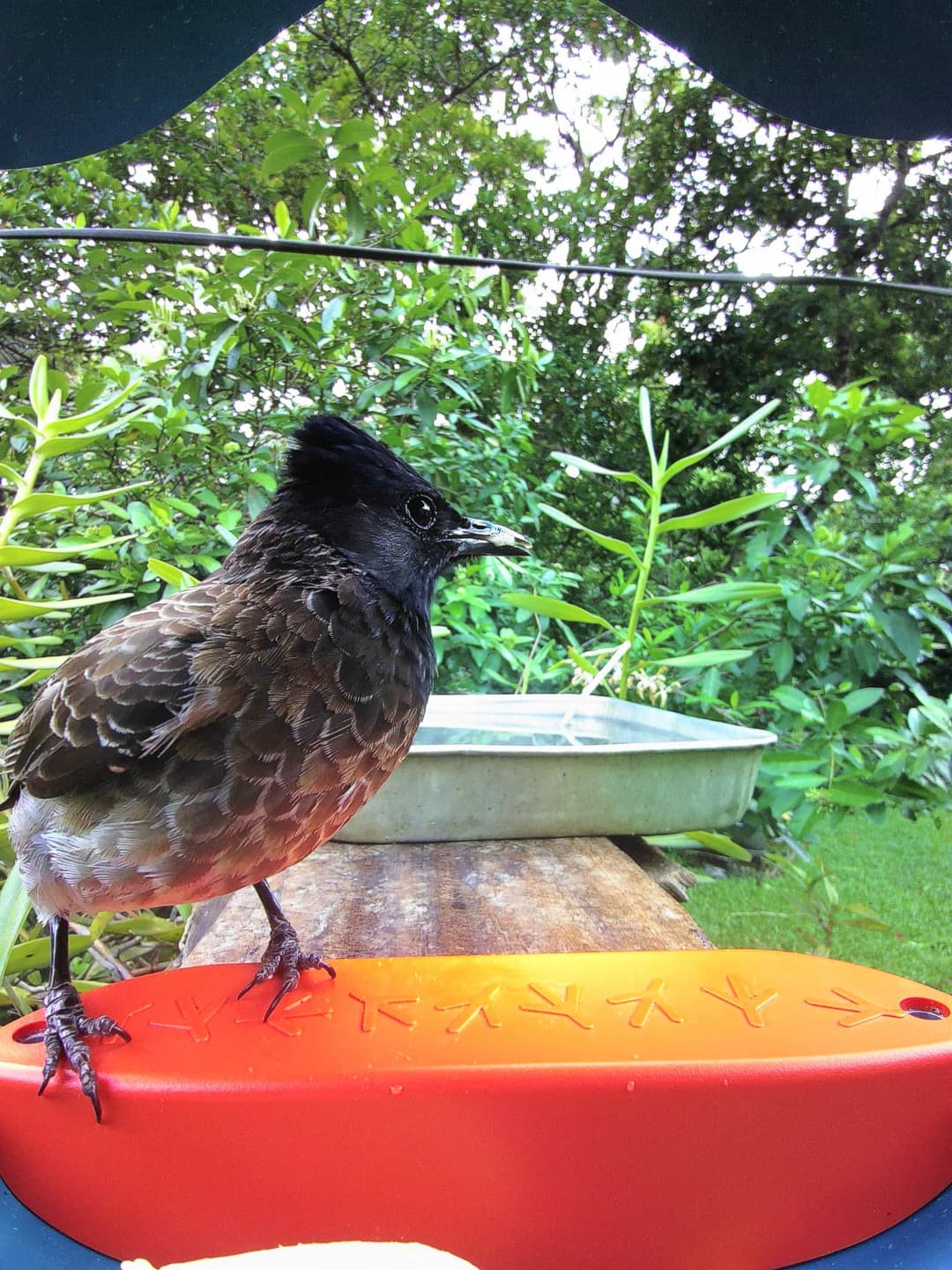
Himalayan Bulbul vs Red-Vented Bulbul
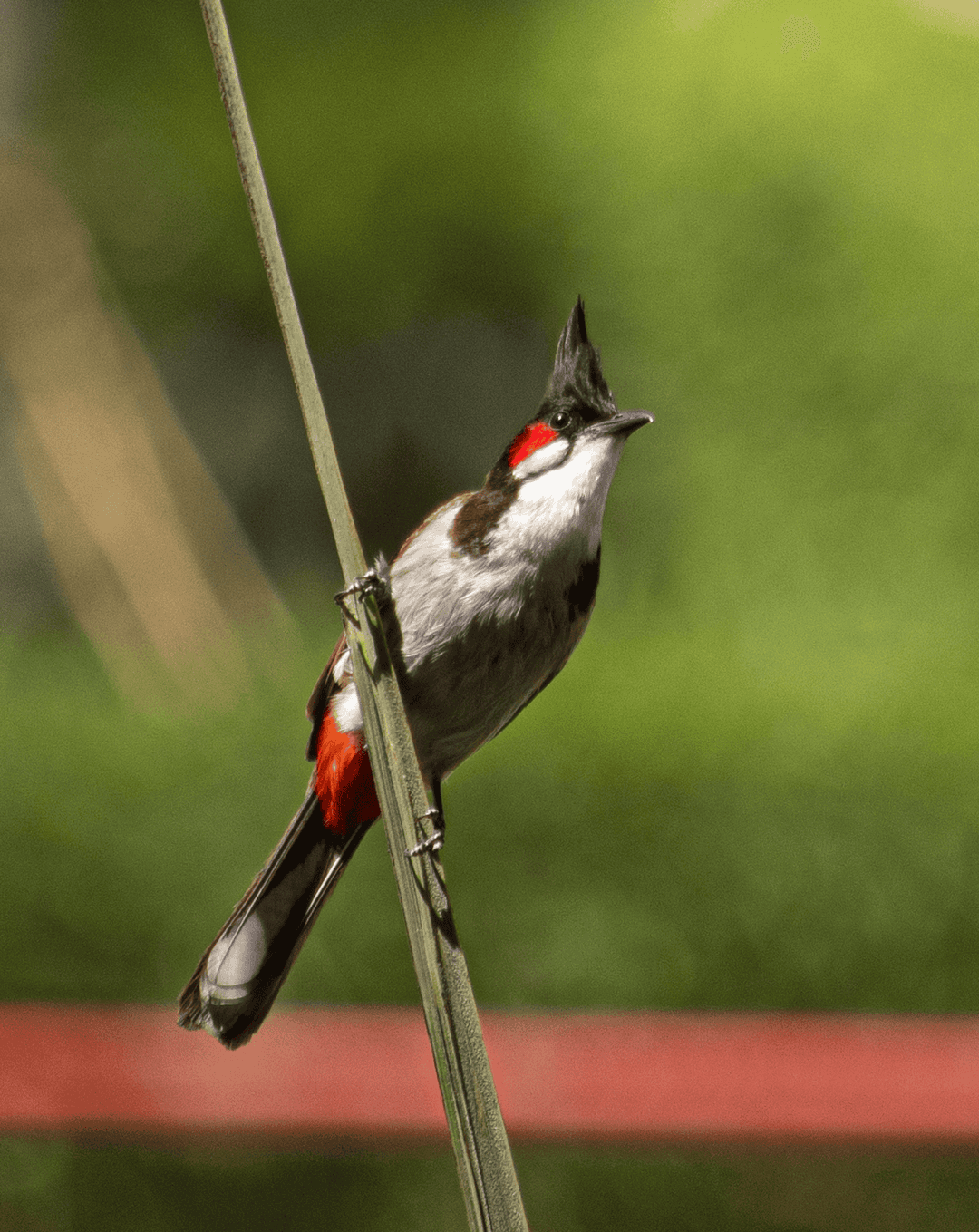
Himalayan Bulbul vs Red-Whiskered Bulbul
Himalayan Bulbul vs White-Eared Bulbul
Mountain Bulbul vs [Select a bird]

[Select a bird]
Pick a bird to compare
Himalayan Bulbul vs [Select a bird]
[Select a bird]
Pick a bird to compare