Zenaida Dove or Mourning Dove?
Here's how to tell the difference
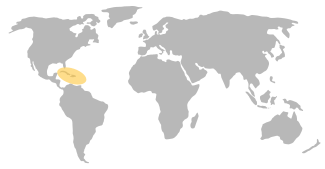

Zenaida Dove
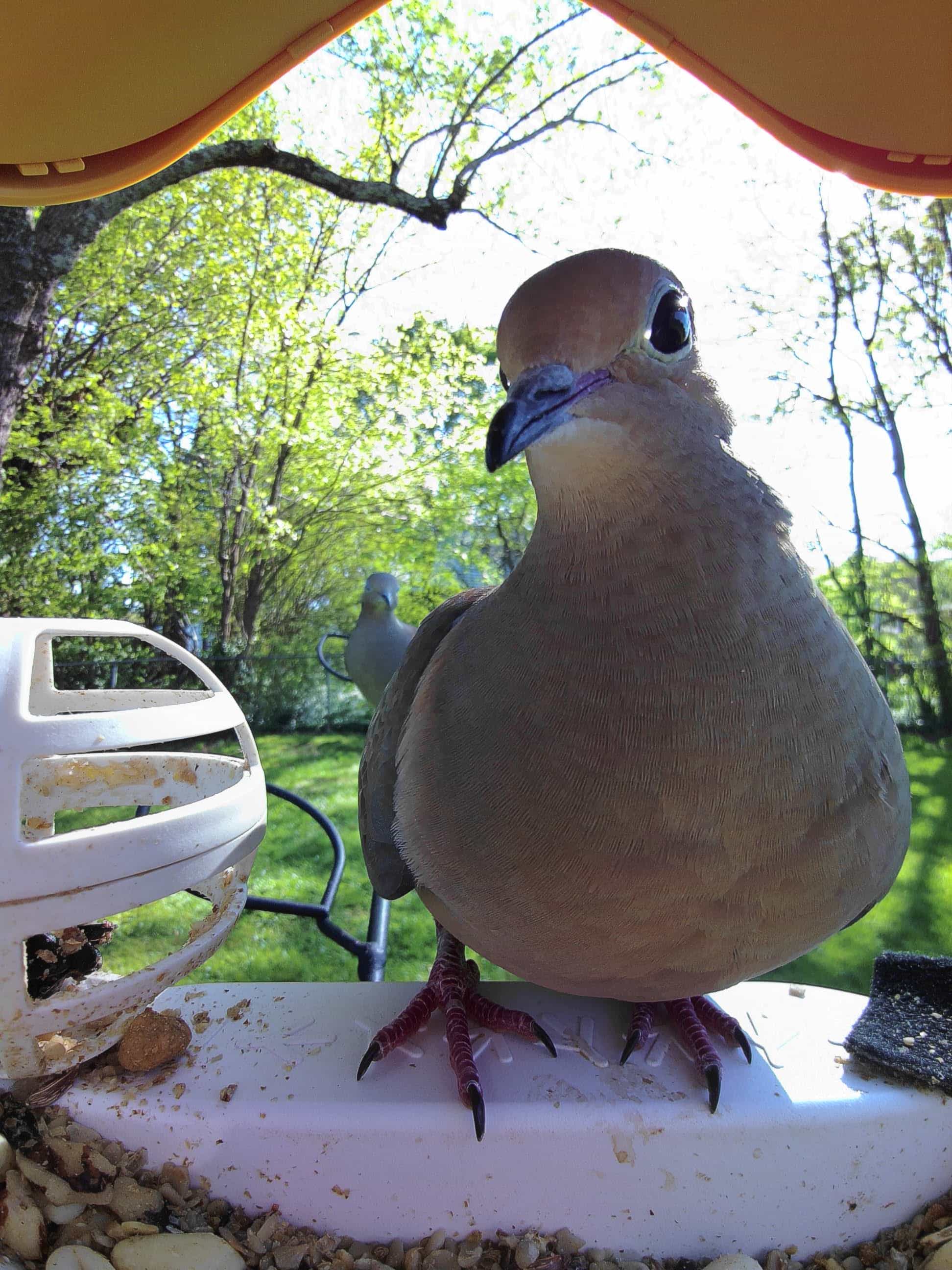


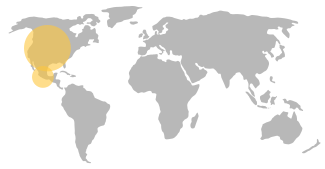
Mourning Dove
Zenaida Dove
Zenaida aurita
Also known as: Turtle Dove
General Appearance
The Zenaida Dove is a medium-sized bird characterized by its plump body and small head. It has a muted coloration with a light brown or tan overall plumage coupled with a distinctive pink hue on the chest. The wings display a notable blue-grey color with black markings visible during flight. Its long tail is marked with white edges, providing contrast to the more subdued body tones.
Male vs Female
Male and female Zenaida Doves are quite similar in appearance, making sex differentiation challenging. Both exhibit the same coloration and pattern, with no significant differences in plumage or size. Occasionally, during the breeding season, males may appear slightly more vibrant in color due to enhanced hormones impacting their feather hues. Despite these traits, visual identification of gender requires expert observation.
Juvenile
Juvenile Zenaida Doves differ from adults in a few subtle ways. Their overall plumage tends to be duller and more muted compared to the brighter adults. Young doves often show less distinction in the pink breast area and might possess more brownish tones, especially in the tail feathers. As they mature, their colors gradually shift to mirror the adults. Juveniles might also display less iridescence on the neck and wings until full maturity.
Size
11.0 - 12.0 in/3.4 - 6.8 oz
There's more to learn about Zenaida Dove
View full detailsMourning Dove
Zenaida macroura
Also known as: American Mourning Dove, Rain Dove, Turtle Dove, Carolina Pigeon, Carolina Turtledove
General appearance
The mourning dove is roughly the size of a crow, bearing characteristics of a long, pointed tail which is about 12', or 30 cm long. This tail displays white spots along its edge while in flight. The bird’s wings are adorned with black spots and its overall coloration exhibits hues of black, brown, gray, pink, tan, and white. The dove has a pointed, wedge-shaped tail.
Male vs female
The sexes of mourning doves can be distinguished by their coloration. Adult males generally have a pinkish tinge on their chests and a blue-gray tone on their crowns. However, the female doves are more dull and plain, predominantly appearing in a shade of brown.
Juvenile
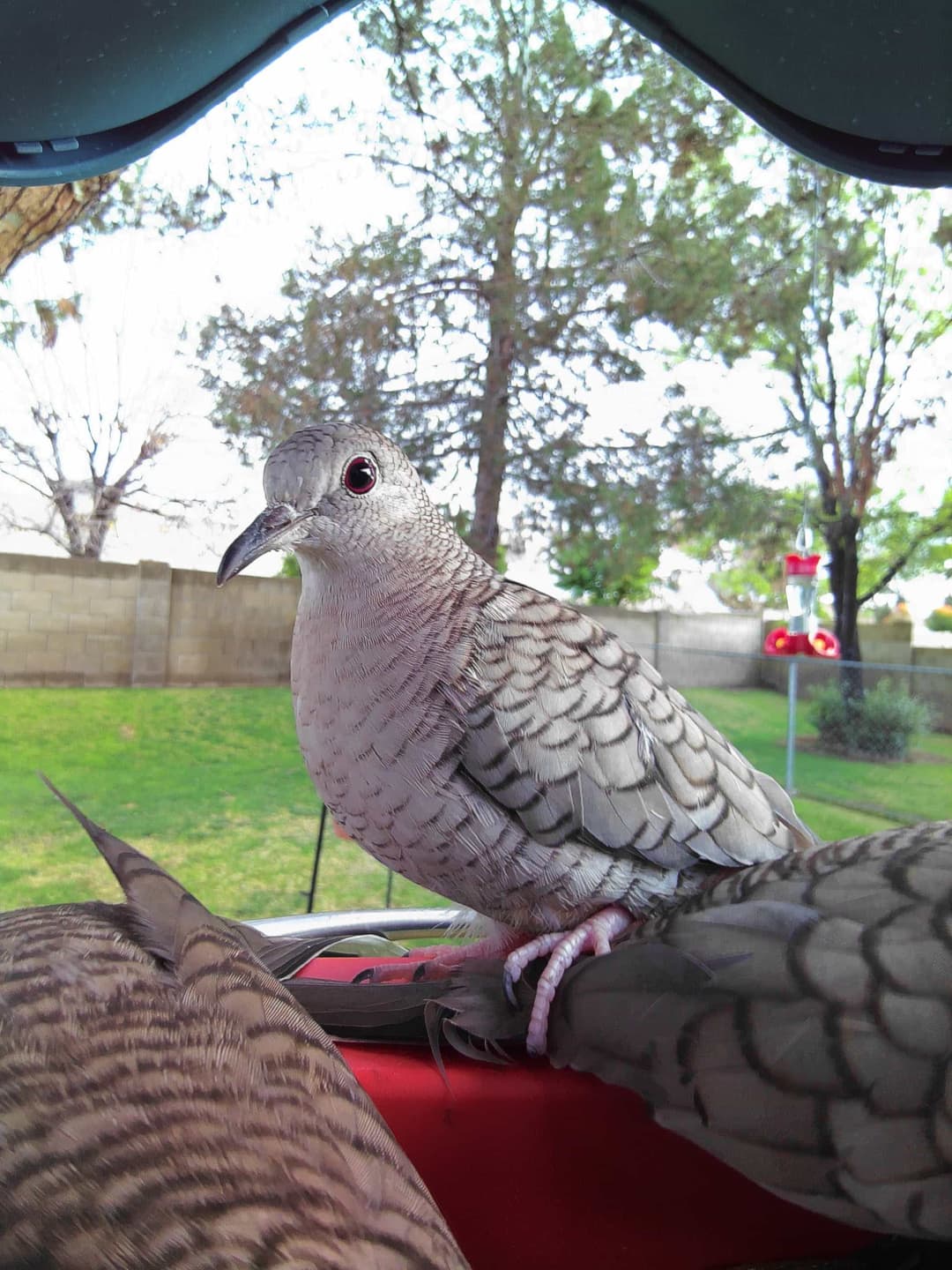
Young mourning doves have a unique scaly appearance that can lead them to be confused with the Inca Dove or the Common Ground Dove. They do not possess the vivid coloring of the adults and generally appear more muted in color.
Size
9.1 - 13.4 in/3.0 - 6.0 oz
There's more to learn about Mourning Dove
View full detailsHow to tell the Zenaida Dove from the Mourning Dove
Visual differences
Zenaida Doves and Mourning Doves can be told apart by their size and plumage. Zenaida Doves typically measure 11-12 inches in length and weigh 3.35-6.85 ounces, featuring a pinker breast and less iridescence. Mourning Doves, 9-13.5 inches long and 3.03-6 ounces, have a distinctive long, pointed tail with white edges, black spots on wings, and a more grayish-brown overall color. Zenaida Doves have a chunkier build, while Mourning Doves display a streamlined body. Both have different tail shapes, with Mourning Doves showing a wedge-shaped tail.
Key differences and behavior
Zenaida Doves and Mourning Doves exhibit distinct behaviors despite sharing the genus Zenaida. Zenaida Doves, native to the Caribbean, prefer subtropical and tropical coastal forests, whereas Mourning Doves inhabit temperate North American open areas. Zenaidas engage in gentle courtship with soft coos and head bobbing, forming lifelong monogamous bonds, while Mourning Doves involve elaborate aerial displays during courtship. In diet, Zenaida Doves consume a diverse mix of seeds, fruits, and some insects, additionally utilizing gravel and salt for digestion and reproduction. Mourning Doves are seed specialists, with cultivated grains making up 99% of their diet. Both species construct flimsy twig nests, but Zenaidas choose densely foliated locations, while Mourning Doves opt for more varied nesting sites, including urban ledges. Zenaida Doves occasionally venture into gardens, but Mourning Doves are more commonly seen at bird feeders.
Still not sure? Here are more lookalikes!
Zenaida Dove vs White-Winged Dove

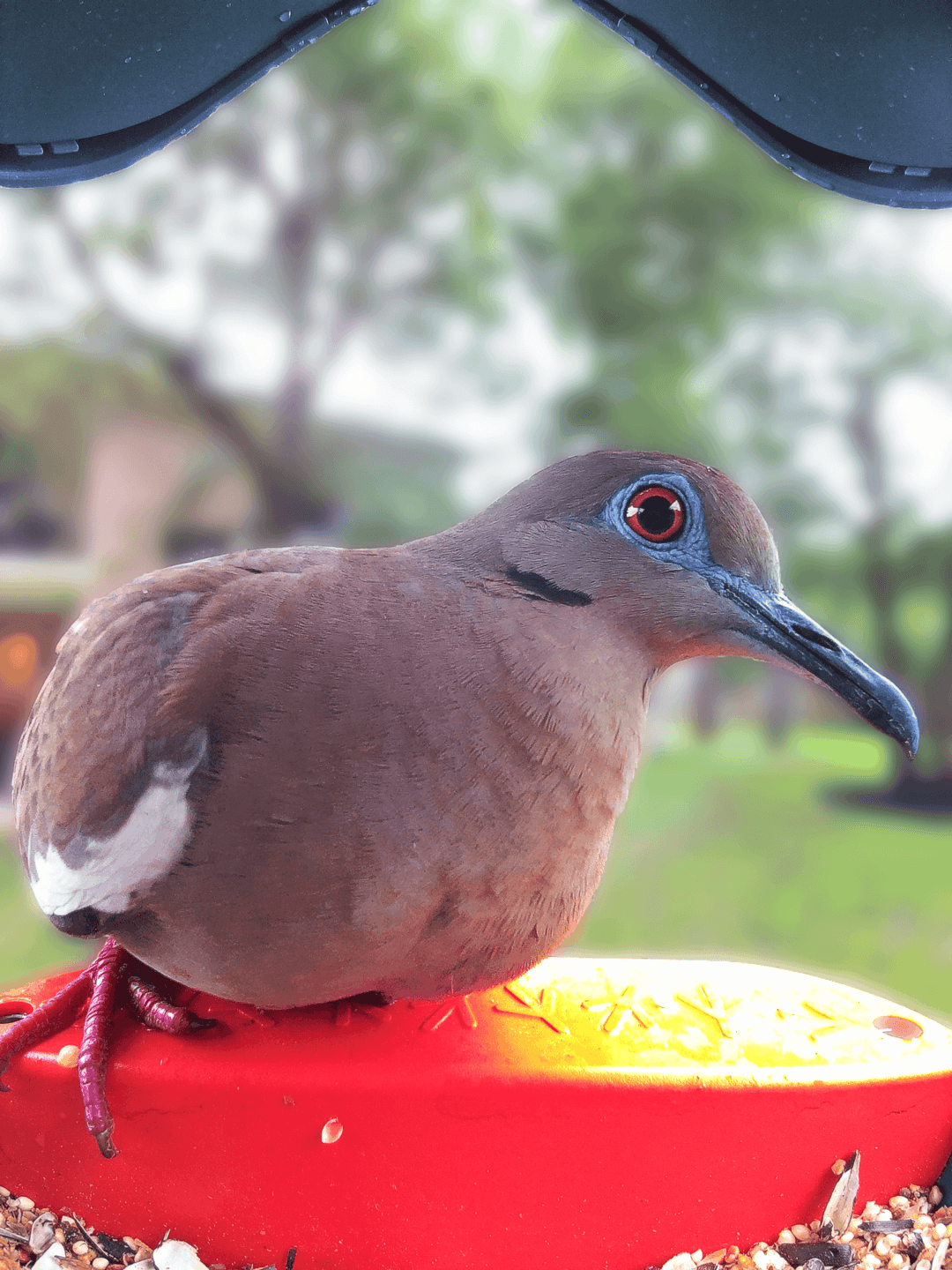
Mourning Dove vs Eurasian Collared Dove

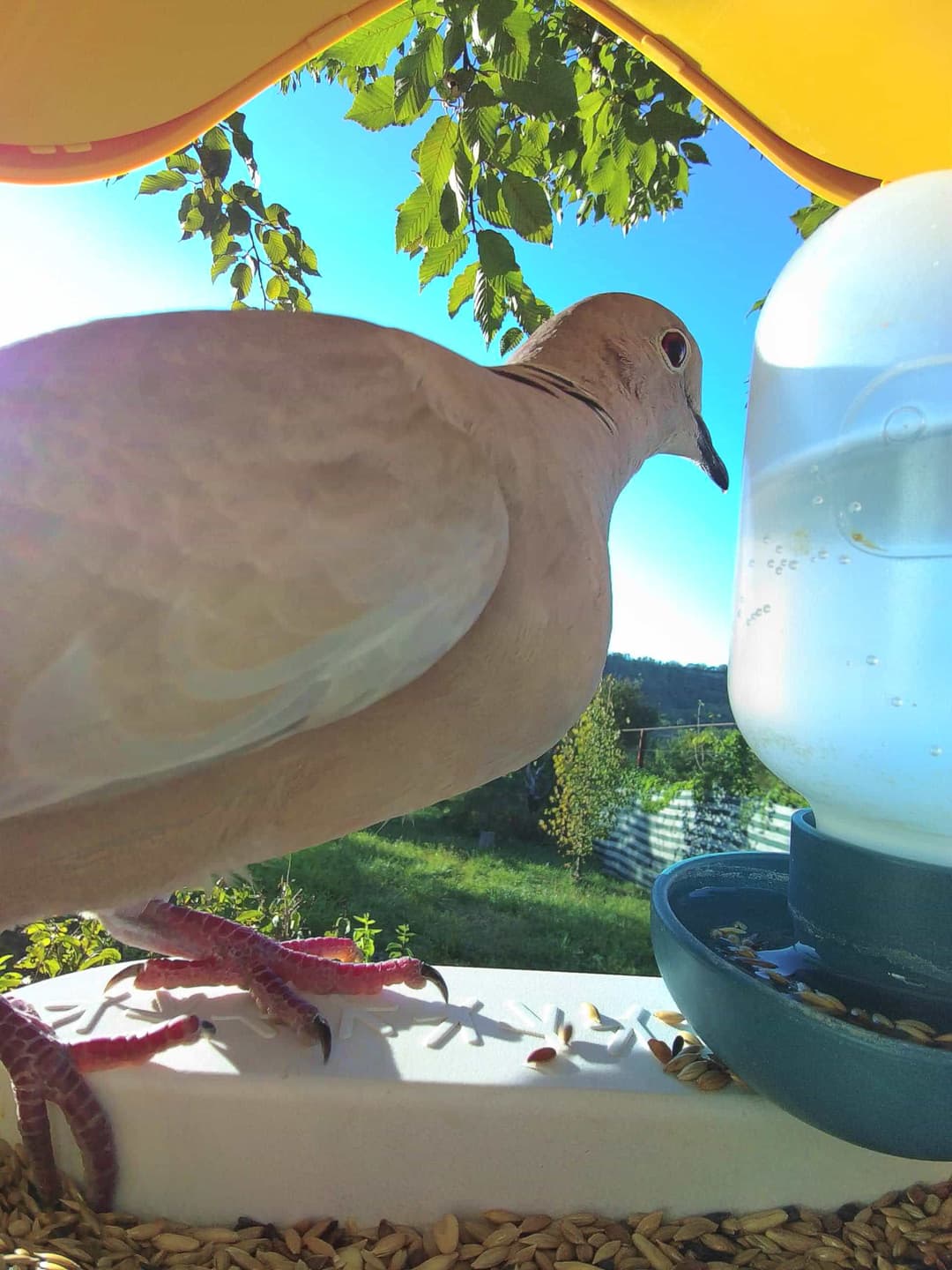
Mourning Dove vs White-Winged Dove
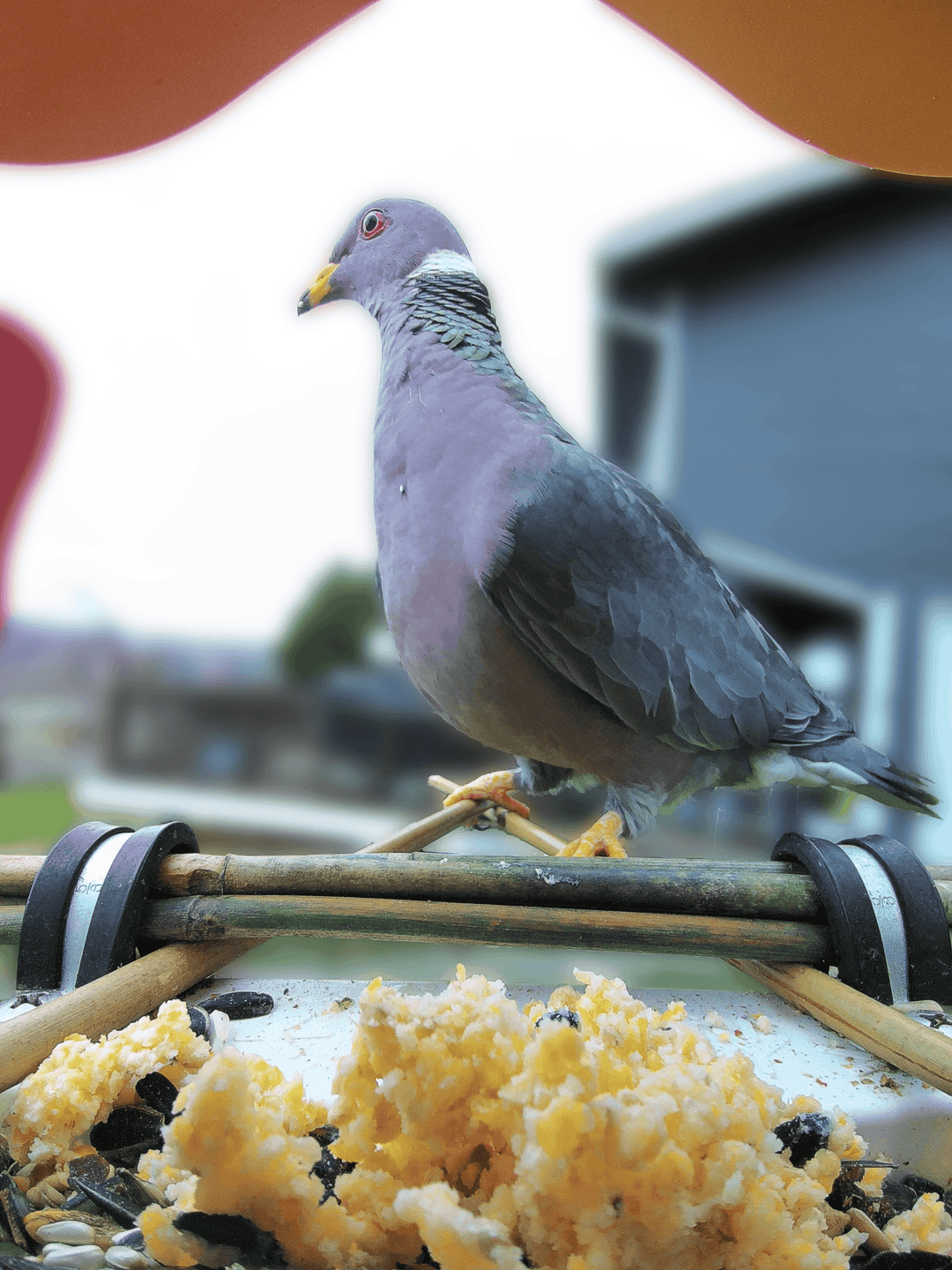
Mourning Dove vs Band-Tailed Pigeon
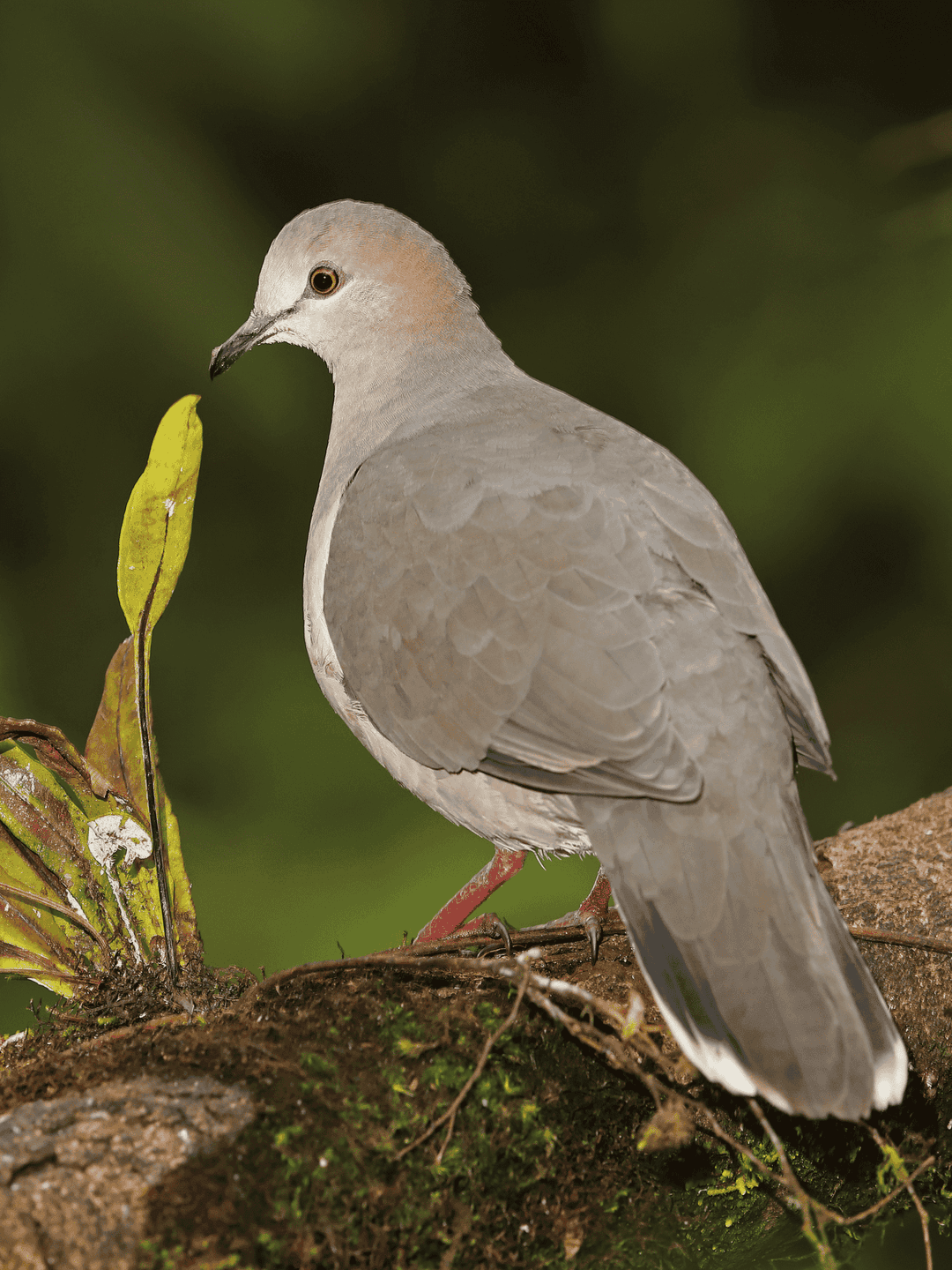
Mourning Dove vs White-Tipped Dove
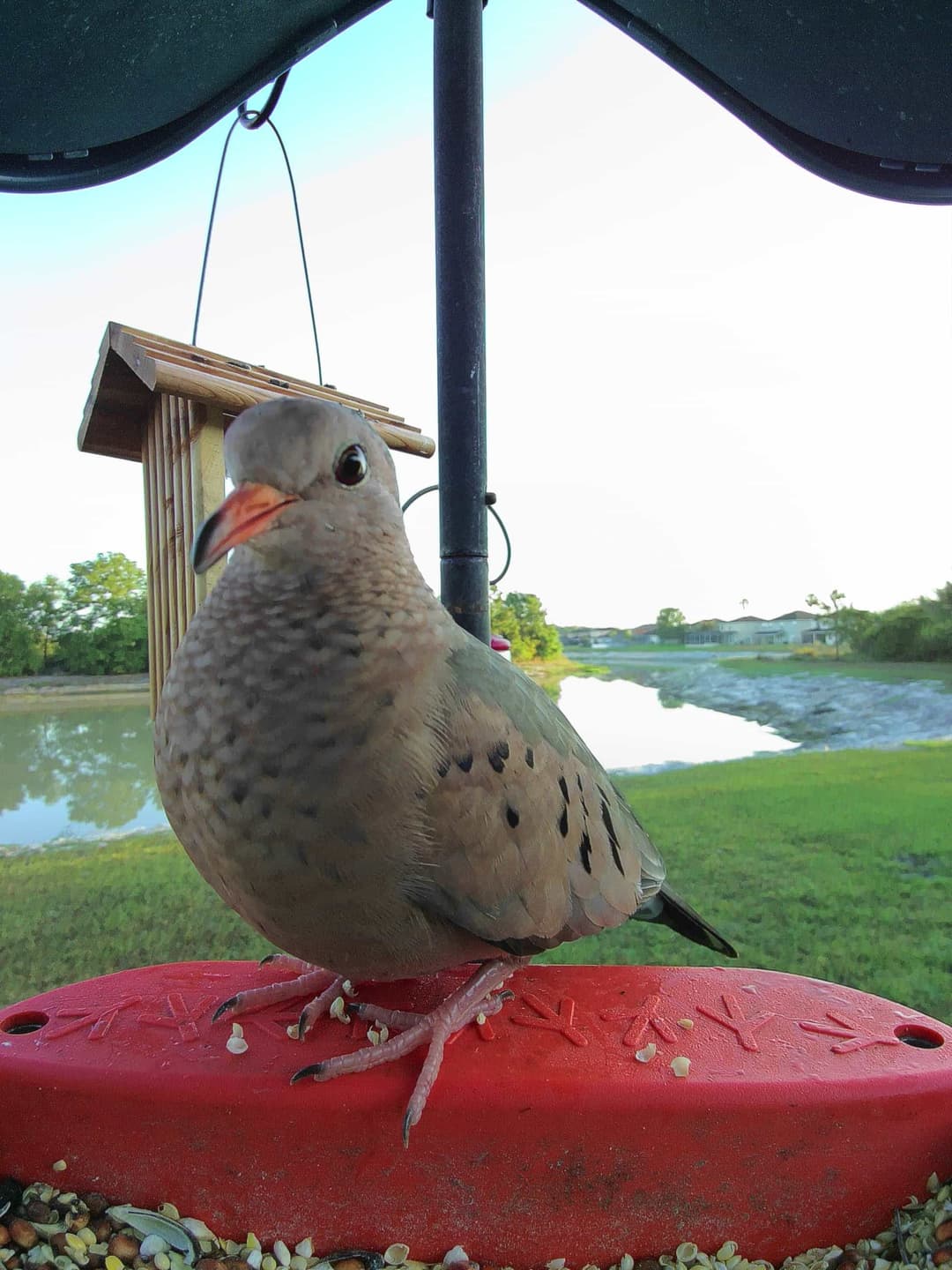
Mourning Dove vs Common Ground-Dove
Mourning Dove vs Inca Dove
Zenaida Dove vs [Select a bird]

[Select a bird]
Pick a bird to compare
Mourning Dove vs [Select a bird]
[Select a bird]
Pick a bird to compare