Torresian Crow or Collared Crow?
Here's how to tell the difference
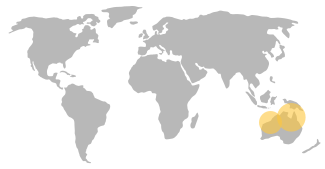

Torresian Crow

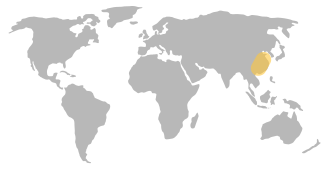
Collared Crow
Torresian Crow
Corvus orru
Also known as: Australian Crow, Papuan Crow
General appearance
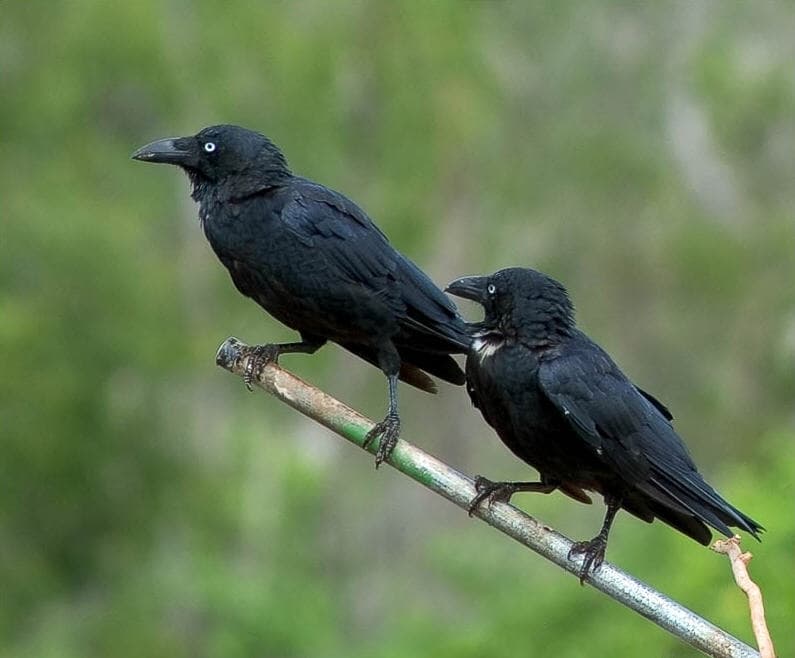
The Torresian Crow (Corvus orru) is a large black bird with a slightly curved bill and black feathers that may display a bluish-purple sheen in direct sunlight. Its eyes are stark white or grey, surrounded by a ring of bare skin, a prominent feature. They are approximately 50-55cm in length, with a wingspan of around 1 metre.
Male vs female
There is little sexual dimorphism within the Torresian Crow species. However, males are typically slightly larger than females, but this difference is subtle and can be difficult to discern in the wild.
Juvenile
Juvenile Torresian Crows resemble adults but their eyes are blue-grey at the initial stage. The plumage is slightly duller and lacks the adult's sheen. The bill of a juvenile crow is typically shorter and the bare skin around their eyes develops as they mature.
Size
18.9 - 20.9 in/15.2 - 24.7 oz
There's more to learn about Torresian Crow
View full detailsCollared Crow
Corvus torquatus
Also known as: Ring-Necked Crow, White-Collared Crow
General appearance
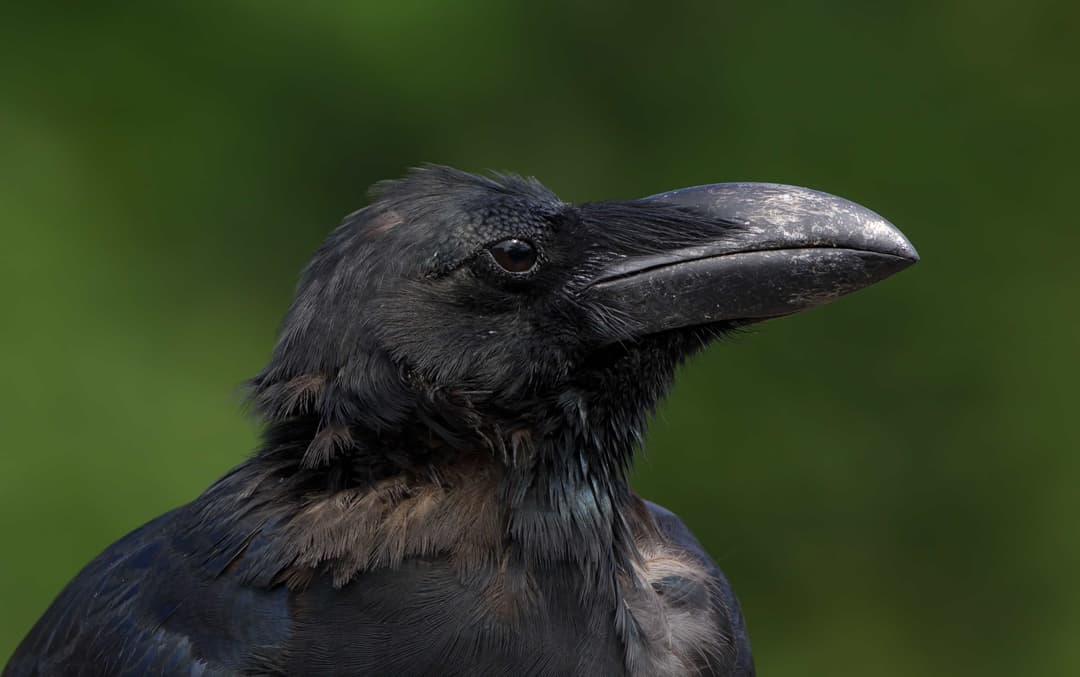
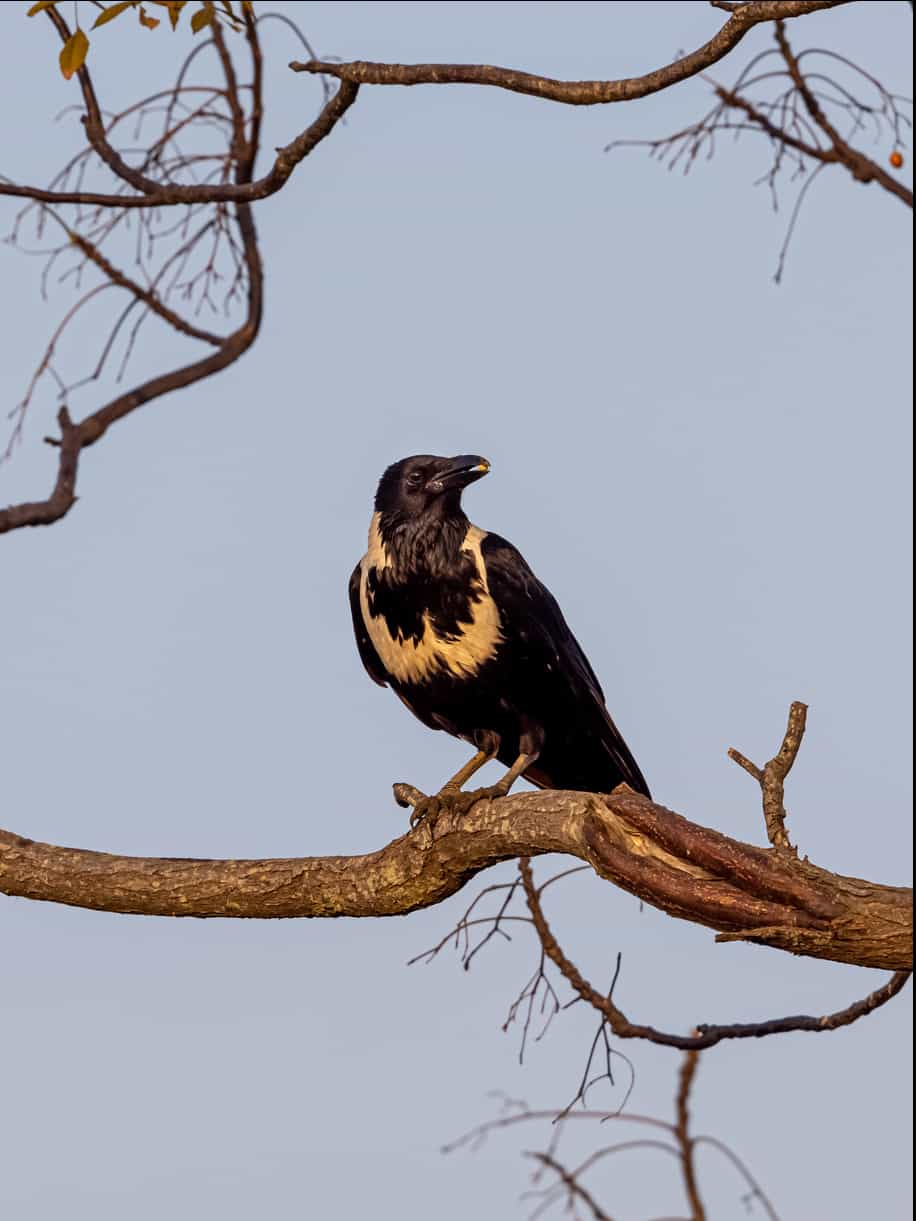
The Collared Crow is a large bird with a body length of about 50cm. Its body is predominantly black with striking white plumage found on its neck (forming a 'collar'), chest, and abdomen regions. It also displays a white wing bar that is visible when the wings are folded. This crow exhibits a sleek black beak, robust legs and a relatively flat head.
Male vs female
Both male and female Collared Crows look alike, exhibiting similar black and white coloration and sizes. They are monomorphic which means there is no visible distinction between males and females. Males might be slightly larger than females, but this difference is barely noticeable.
Juvenile
Juvenile Collared Crows have coloration similar to that of adults, although their colors may be slightly duller, especially the white part. The plumage becomes brighter and sleek as they grow into adults. Another noticeable feature in juveniles is a less defined 'collar' and the beak may be slightly lighter in color.
Size
19.7 - 21.7 in/12.2 - 18.1 oz
There's more to learn about Collared Crow
View full detailsHow to tell the Torresian Crow from the Collared Crow
Visual differences
The Torresian Crow, at 19-21 inches, is glossy black with a slightly curved bill and distinctive white or grey eyes surrounded by bare skin. It appears larger and heavier (0.95-1.54 lbs) compared to the Collared Crow. The Collared Crow, similar in length at 19-21 inches but lighter (0.76-1.13 lbs), features a striking 'collar' of white on the neck, chest, and abdomen, with a white wing bar visible when wings are folded. Its beak is sleek and its head relatively flat, contrasting with the uniform black of the Torresian Crow.
Key differences and behavior
The Torresian Crow and Collared Crow share several behavioral similarities, yet also exhibit distinct differences. Both are intelligent, engaging in complex courtship and maintaining long-term monogamous bonds. They nest in tall trees and participate equally in raising offspring, with young fledging around 4-5 weeks. However, Torresian Crows are more social, cooperating in groups to obtain food, while Collared Crows prefer solitude, avoiding neighbors for nesting. Habitat-wise, Torresian Crows thrive in diverse climates across Northern and Eastern Australia, adapting well to urban areas. In contrast, Collared Crows are native to East Asia, favoring warm, subtropical climates. Both are omnivorous, scavenging human food, but the Torresian tends to forage on the ground and is less frequent at bird feeders. In essence, Torresian Crows exhibit more social and versatile feeding behavior, while Collared Crows are more secluded and consistent in habitat preference.
Still not sure? Here are more lookalikes!



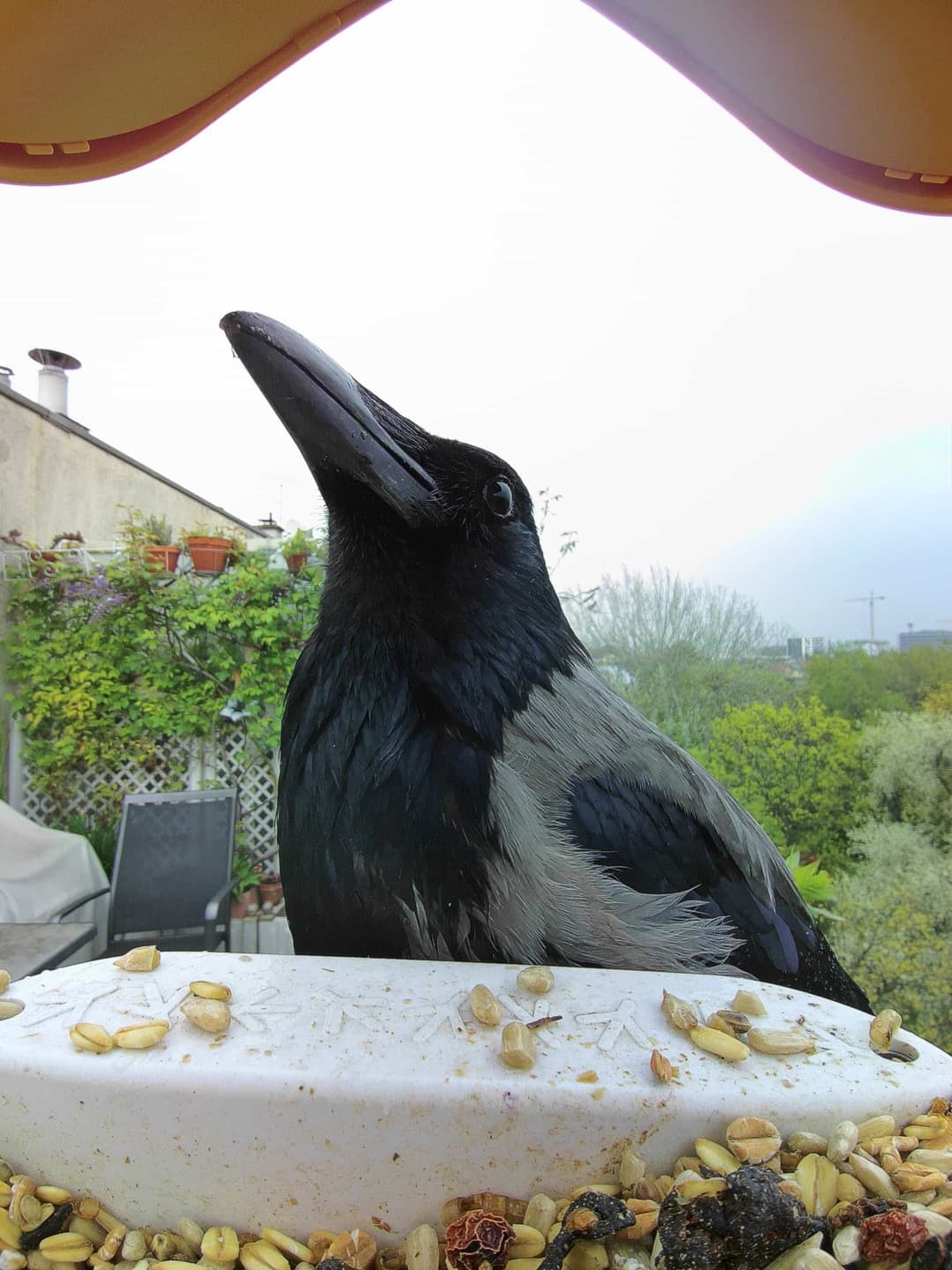
Collared Crow vs Western Jackdaw
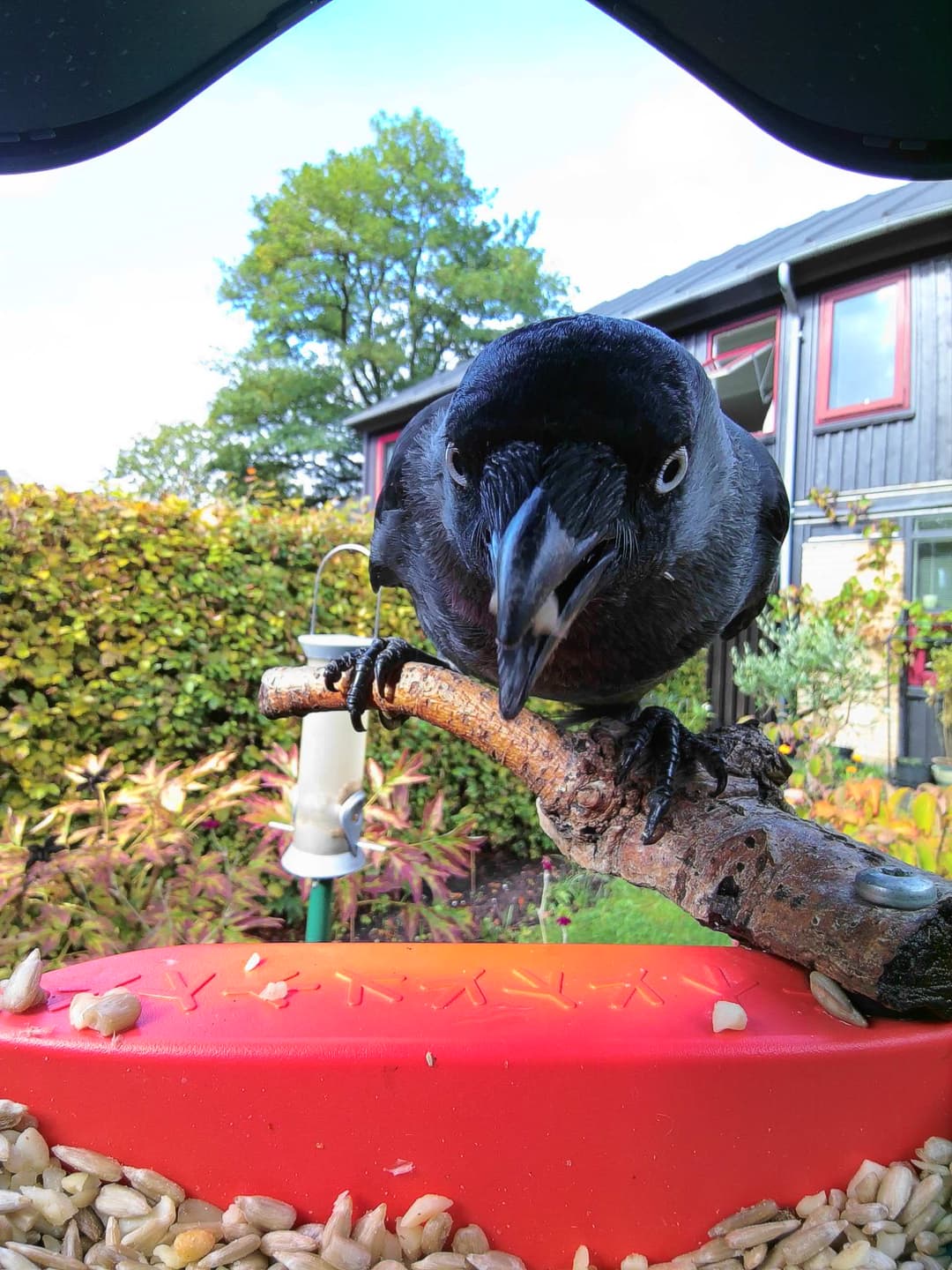
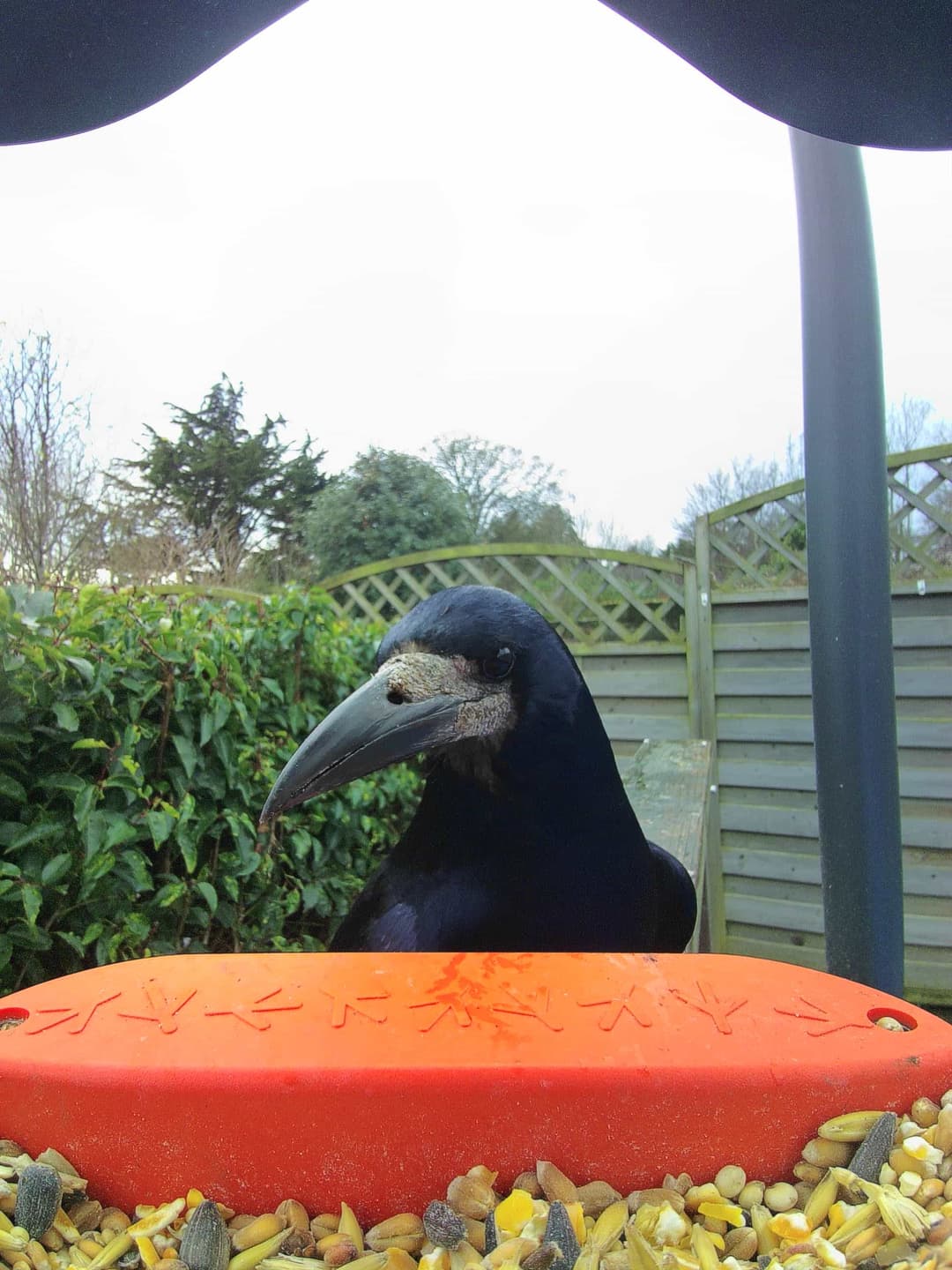
Torresian Crow vs [Select a bird]

[Select a bird]
Pick a bird to compare
Collared Crow vs [Select a bird]
[Select a bird]
Pick a bird to compare