
Collared Crow
Collared Crow
Also known as: Ring-Necked Crow, White-Collared Crow
Corvus torquatus
Quick Identification guide
Quick Identification guide
Male
- •
black plumage with a distinctive white collar around the neck
- •
A medium-sized, stocky body typical of crows
- •
strong, thick black beak that is slightly curved downward
Female
- •
black plumage similar to the male, with a prominent white neck collar
- •
Same medium-sized, robust structure as the male
- •
Features a sturdy, curved black beak
Description
When choosing where to build their nest, collared crows prefer not to have any neighbours. They also like their nest to be nice and roomy. Comfort is important, after all. Especially since these birds form monogamous, long-term pairs and stay in the same spot all year-round.
The collared crow can weigh between 347to512grams and be from50to55centimeters tall.
The Collared Crow typically has a lifespan reaching up to 20 years. This is comparatively longer than some related species such as the American Crow and Carrion Crow, which live around 7-8 years and up to 14 years respectively. However, other species like the Common Raven can live for over 20 years, similar to the Collared Crow.
Did you know?
Most popular questions about collared crow
How to recognise a collared crow?
General appearance
The Collared Crow is a large bird with a body length of about 50cm. Its body is predominantly black with striking white plumage found on its neck (forming a 'collar'), chest, and abdomen regions. It also displays a white wing bar that is visible when the wings are folded. This crow exhibits a sleek black beak, robust legs and a relatively flat head.
Male vs female
Both male and female Collared Crows look alike, exhibiting similar black and white coloration and sizes. They are monomorphic which means there is no visible distinction between males and females. Males might be slightly larger than females, but this difference is barely noticeable.
Juvenile
Juvenile Collared Crows have coloration similar to that of adults, although their colors may be slightly duller, especially the white part. The plumage becomes brighter and sleek as they grow into adults. Another noticeable feature in juveniles is a less defined 'collar' and the beak may be slightly lighter in color.
Often mistaken for
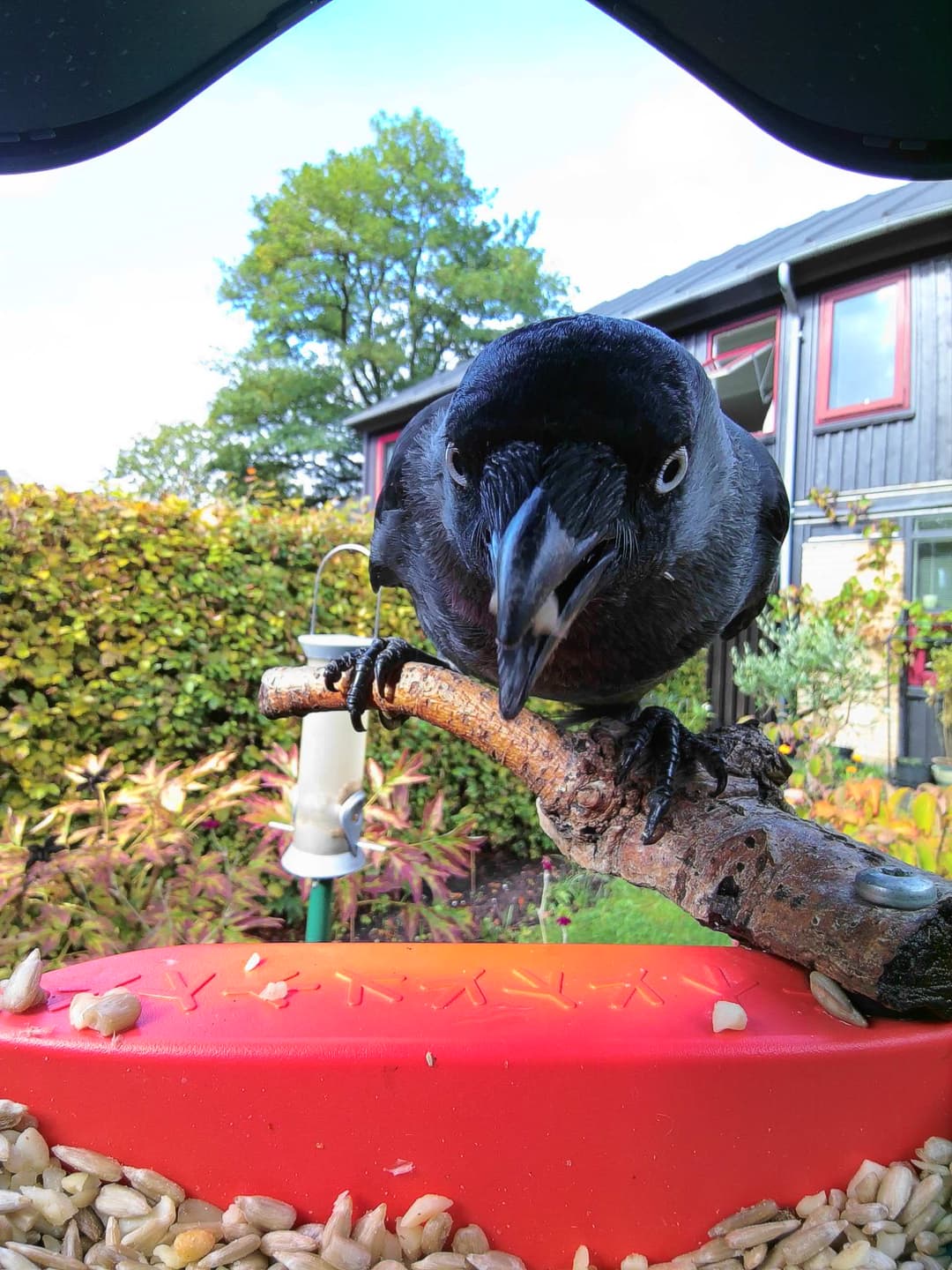
Western Jackdaw vs Collared Crow
The Western Jackdaw is smaller and has a grey nape and sides of the head compared to the Collared Crow's all-black plumage.
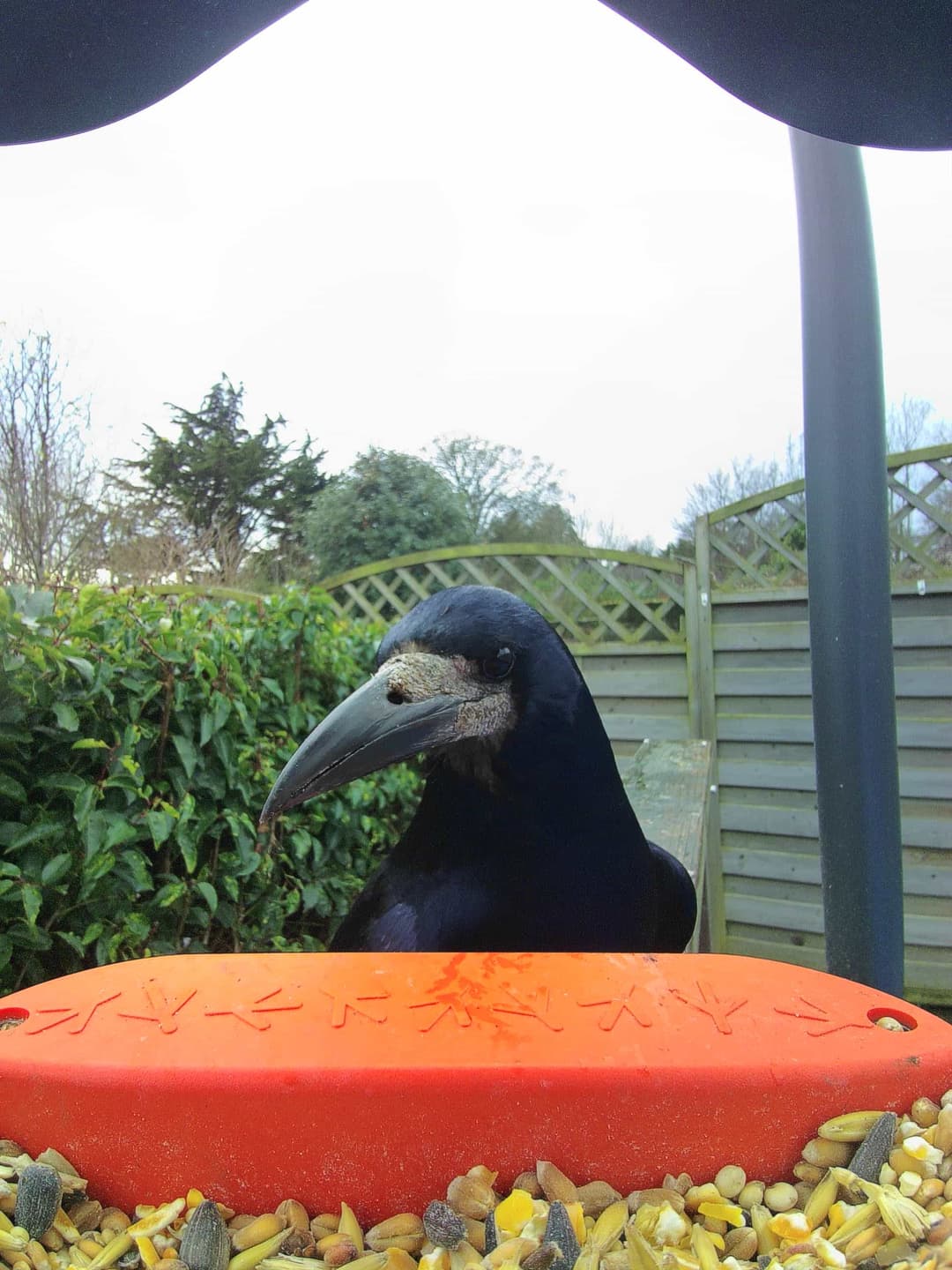
Rook vs Collared Crow
The Rook has a thinner bill and a more uniformly black plumage without a distinctive white collar found in the Collared Crow.
Carrion Crow vs Collared Crow
The Carrion Crow lacks the white collar characteristic of the Collared Crow and generally has a glossier black plumage.

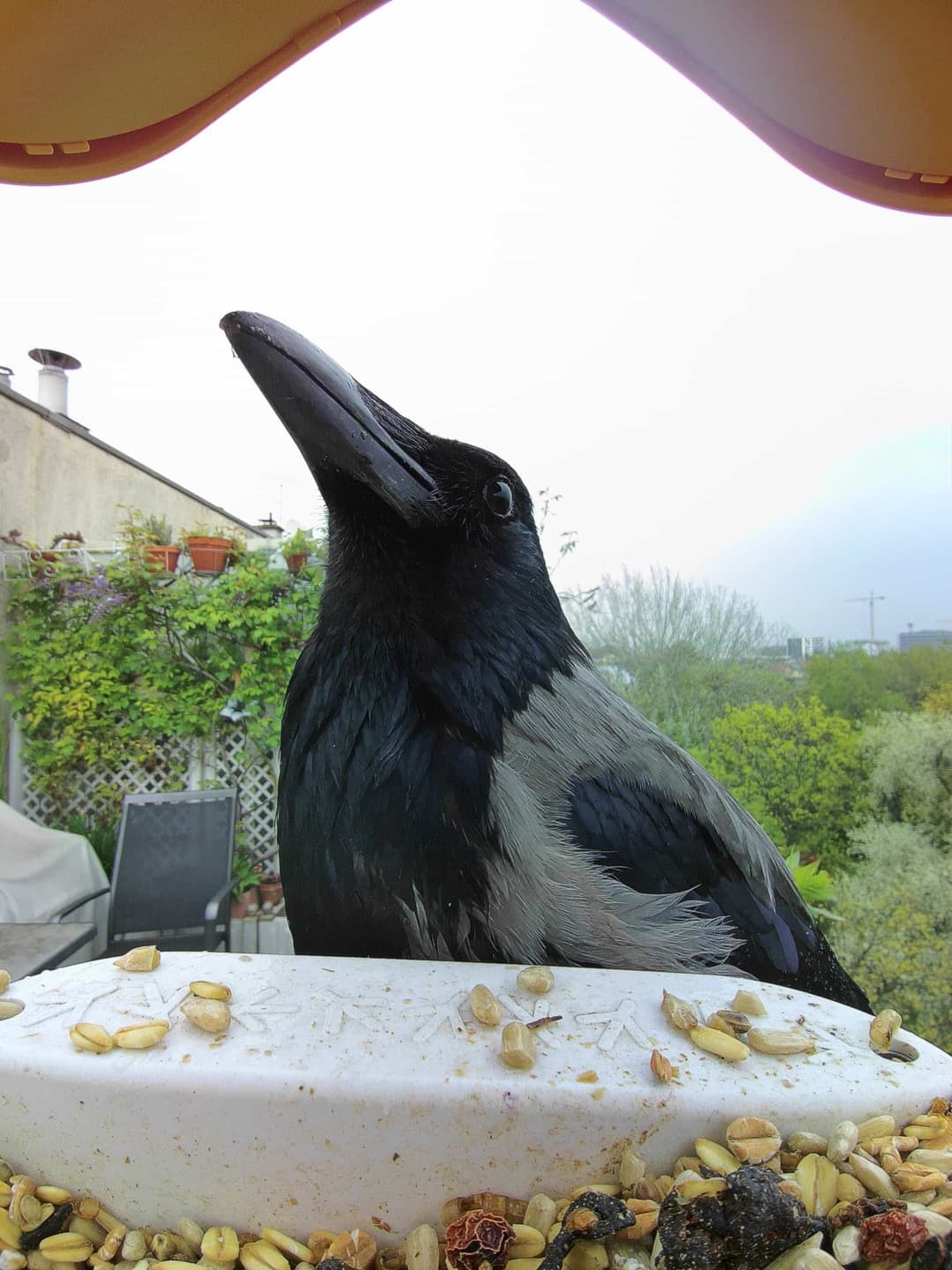
Hooded Crow vs Collared Crow
The Hooded Crow has grey body with black wings and head, unlike the all-black Collared Crow with a distinctive white collar.
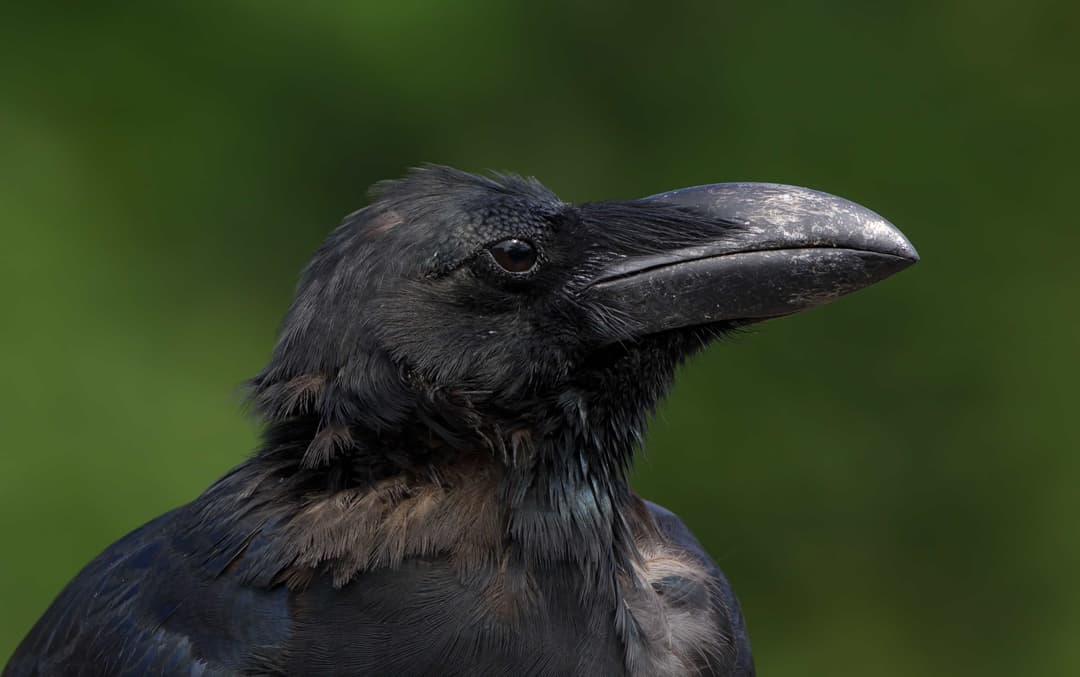
Large-Billed Crow vs Collared Crow
The Large-Billed Crow is entirely black and does not have the white collar seen in Collared Crow.
Breeding and nesting habits of the collared crow
Mating behaviors
Collared crows engage in elaborate courtship displays including vocalizations and aerial maneuvers to attract mates. Interactions often involve mutual preening and food sharing to strengthen pair bonds.
Nesting details
Collared crows typically build nests in tall trees, occasionally in large shrubs or on utility poles. Nests are made from twigs, leaves, and grasses. The species may nest in large gardens with suitable tree cover.
Eggs and chick-rearing
Clutches typically contain 3-5 eggs. Both parents participate in incubating eggs and feeding hatchlings. Chicks fledge after 4-5 weeks but continue to receive parental care for several weeks post-fledging.
What does a collared crow like to eat?
Crustaceans
Insects
Scraps
Seeds
Snails
Spiders
Natural diet
The collared crow primarily feeds on insects, small mammals, and various invertebrates found in its natural habitat. It also consumes seeds, fruits, and agricultural crops, making it an opportunistic feeder. Additionally, this bird is known to scavenge, taking advantage of carrion and human food waste when available.
Bird feeders
At bird feeders, the collared crow often consumes a variety of seeds and nuts. It is particularly attracted to sunflower seeds and peanuts. Occasionally, it may consume suet and other high-energy foods intended for smaller bird species. The crow's adaptability allows it to thrive in areas where bird feeders are common.
Invite collared crows with their favorite snacks
Collared crows have a preference for eating insects, small animals, and seeds. Providing a variety of these foods will surely attract them. A great choice for seeds is Bird Buddy, which are designed by experts and adapted for each season, making them ideal for collared crows.
Select the right feeder type
Collared crows are pretty sizable birds, so you'll need a sturdy, large feeder. A platform or ground feeder could be a good choice as these provide easy access for crows to their food. Make sure to place it in an open and safe location for the crows to feel comfortable.
Fun tricks to encourage crows to visit
Crows are known for their intelligence and curiosity. Adding a bit of shiny objects around your feeder may pique their interest. You could also play some soft bird sounds or music to make them stay longer for a sing-along. Remember, be patient as crows are also known for their wary nature.
Where can you find collared crows?
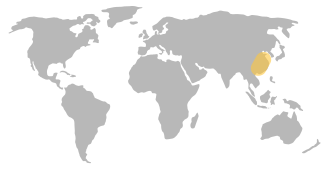
Primary habitat
The Collared Crow is native to East Asia, primarily found in China and Vietnam. It prefers warm, subtropical climates.
Additional range
While they typically inhabit farmland and open woodland, these crows can also be found in urban environments and coastal regions.
Do they migrate?
The collared crow is primarily a resident bird and does not typically migrate. It is found mainly in parts of southern and eastern China, as well as Hong Kong, and occasionally in northern Vietnam. This species is known for its sedentary behavior, generally staying in the same geographic areas year-round. Its habitat includes open country, farmland, and sometimes suburban areas. The collared crow typically roosts in groups and may exhibit some local movements in response to food availability, but these are not considered migrations in the traditional sense. Instead of migrating, they adapt to local seasonal changes and resource availability within their general home range. Since the collared crow does not migrate, there is no migratory route, timing, or key location information available for this species. Conservation efforts for the collared crow focus more on habitat preservation and addressing threats like habitat destruction and human conflict, rather than dealing with migratory challenges.
What is the role of collared crows in nature and how to protect them?
Conservation status
The collared crow is classified as "Vulnerable" due to its declining population. Habitat loss, primarily from agricultural expansion and urban development, is the main threat to the species. Additionally, hunting and persecution further contribute to its decline. Conservation efforts focus on habitat preservation and legal protection in key regions in China and Southeast Asia. Establishing protected areas and raising awareness about the species' plight are crucial to mitigating threats and promoting population recovery.
Ecological role of collared crows
Its role in the ecosystem
The collared crow, primarily found in parts of China, plays an essential role in controlling the ecosystem. As omnivorous birds, they help in pest control limiting the spread of diseases by feeding on insects and pest species, thereby keeping the population of these pests in check. Crows like these also function as scavengers, feeding on carrion and dead matter, playing a crucial role in the decomposition process. Moreover, the collared crow assists in seed dispersal, contributing to the biodiversity of the ecosystem. When they eat fruits and inadvertently carry the seeds, these seeds are then dispersed in new locations through their droppings, facilitating growth of new plants, and expansion of vegetative cover. Besides these ecological impacts, their alarm calls and flocking behavior also signify predator presence, aiding other animals to respond promptly to threats.
How to help protect collared crows
Preservation tips
Habitat preservation strategies
Encourage and participate in programs that protect and restore the natural habitats of the collared crow, which mainly include wetlands, farmlands, and coastal areas. This can involve clearing up pollutants in these areas, preventing deforestation, and lobbying against construction projects that might damage these habitats. Also, discourage hunting and encourage tree-planting projects to cultivate more places for them to build nests.
Community science initiatives
Promote community-led initiatives to monitor collared crow populations. Use apps and platforms which allow citizen-scientists to log sightings and provide data about collared crow habitats. Engagement with educational institutions can help facilitate these initiatives. Raise awareness about the conservation status of collared crows through seminars, workshops, and social media campaigns to foster wider community involvement. Lastly, support scientific research into understanding behavioral patterns of collared crows, as this can help in developing effective conservation strategies.