
Australian Crow
Australian Crow
Corvus
Quick Identification guide
Quick Identification guide
Male
- •
Uniform glossy black plumage with a slight metallic sheen in bright light
- •
A stout, all black beak that is slightly curved
- •
Broad wings and a long, rounded tail which is slightly tapered
Female
- •
Similar glossy black plumage as the male but with less sheen
- •
Shares the stout black beak, maintaining the same curved shape
- •
Slightly more slender, with a similarly long, rounded tail
Description
Did you know the collective name for a group of crows is a murder? But don't be scared; they are delightful creatures! In fact, crows have been observed playing! Aside from being adorable, it is also a mark of intelligence. They are social birds that know how to problem-solve: for example, when searching for food, they have the habit of following other animals! Fun fact about Australian crows: they all have light-coloured eyes!
The Australian crow can weigh between 282to820grams and be from43to54centimeters tall.
The average lifespan of the Australian crow, a member of the Corvidae family, is about 20 years. While this is significant, it's less than the North American crow species which often live up to 30 years in the wild. In captivity, their lifespan can extend beyond these averages, typically 20-25 years for Australian crows and 30-40 years for North American species.
Did you know?
Most popular questions about Australian crow
How to recognise an Australian crow?
General appearance
Australian crows are large, robust birds, often mistaken for ravens due to their pitch-black feathers which display a slightly glossy sheen. White patches of feathers are rare but can occur. They have solid muscular legs and stout black beaks.
Male vs female
There is little sexual dimorphism in the Australian crow species making it hard to differentiate between males and females. Size tends not to be a reliable indicator of sex, as both are generally of similar size. However, vocalizations can be a good hint since females generally have higher-pitched calls than males.
Juvenile
Juvenile Australian crows resemble adults in their dark feather coloration yet are slightly smaller in size. Their eyes gradually change color from blue or grey in fledglings to the adult crow's characteristic white as they mature.
Often mistaken for
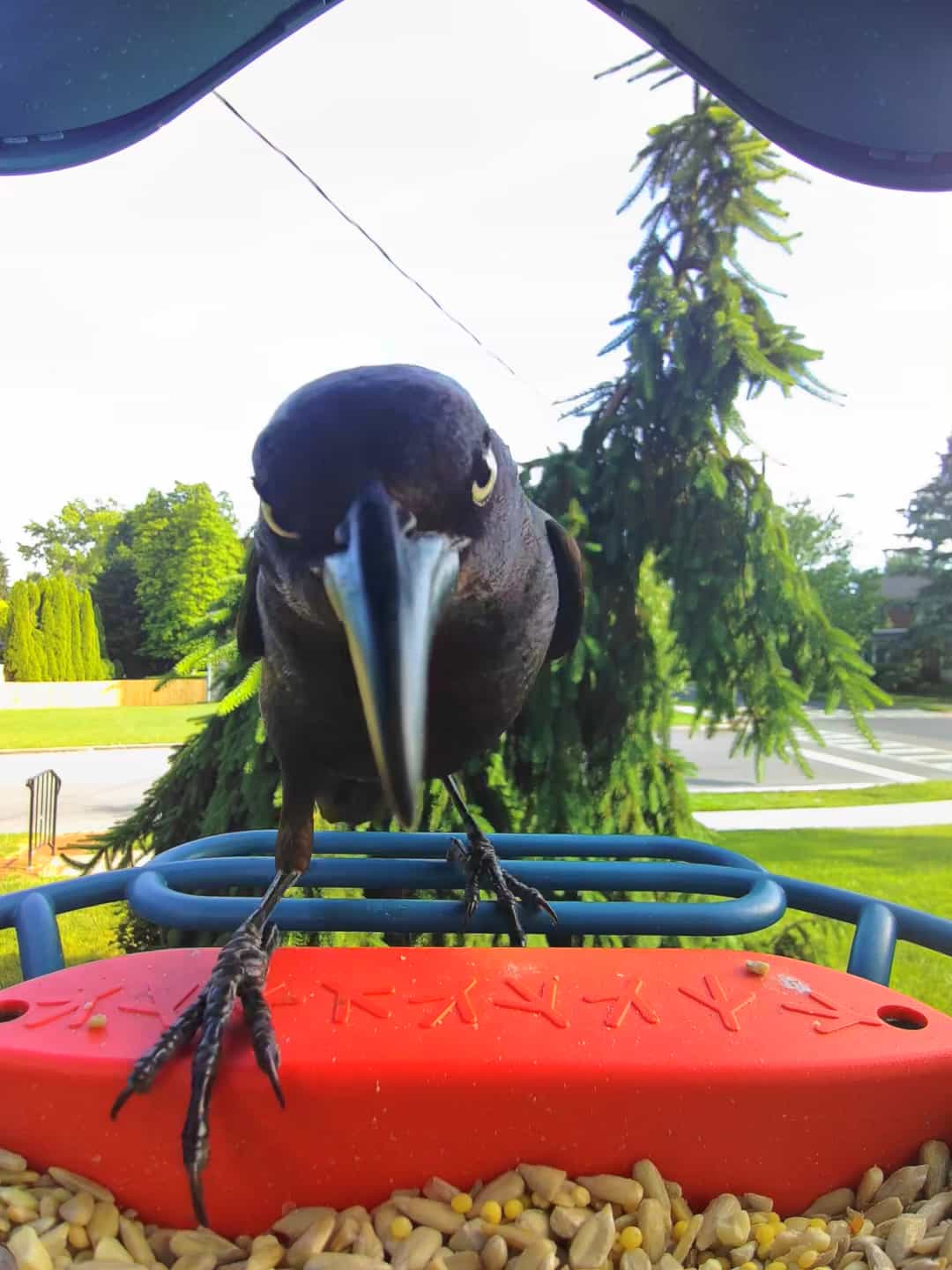
Common Grackle vs Australian Crow
The Common Grackle can be mistaken for the Australian Crow due to its black plumage. However, the Grackle has a more iridescent sheen and a longer tail.
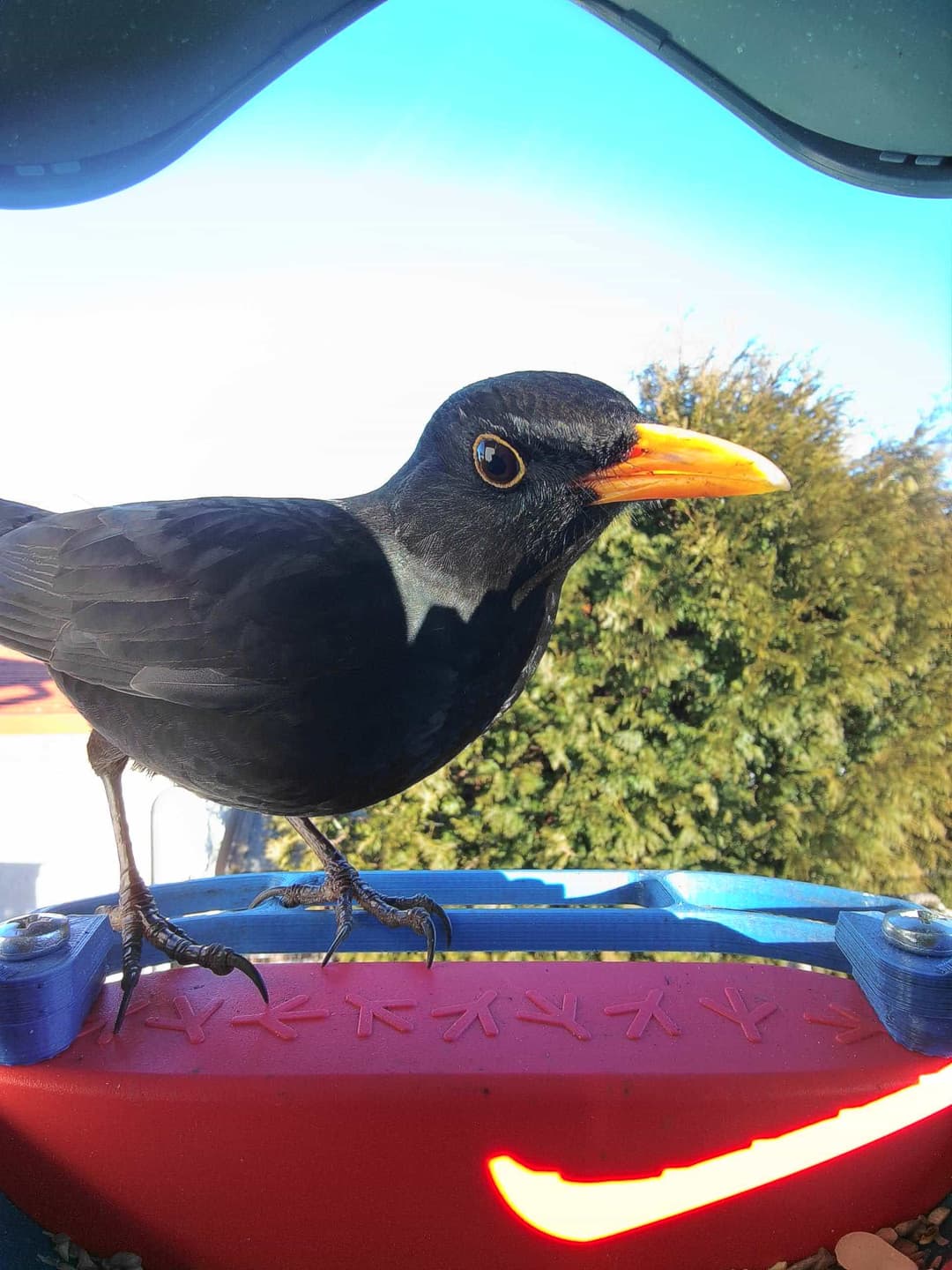
Common Blackbird vs Australian Crow
The Common Blackbird resembles the Australian Crow but is smaller and features a bright yellow eye-ring and a varied diet that includes more fruits.
Carrion Crow vs Australian Crow
This species shares visual similarities with the Australian Crow, but has a chunkier build and is primarily found in Europe and Asia.

Common Raven vs Australian Crow
The Common Raven is often mistaken for the Australian Crow due to its black color. It is larger, with a heavier bill and wedge-shaped tail.

Chihuahuan Raven vs Australian Crow
While looking similar to the Australian Crow, the Chihuahuan Raven has a nasal opening covered with bristles and a slightly more arched bill.
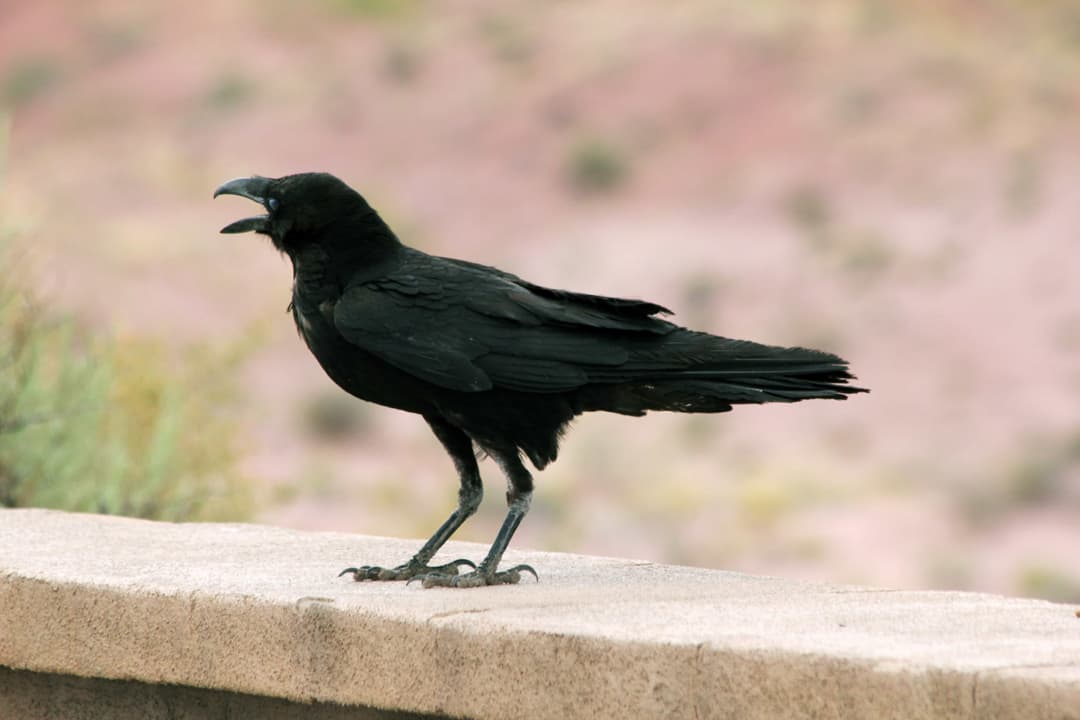
House Crow vs Australian Crow
Visible similarities exist between the House Crow and the Australian Crow, though the House Crow is medium-sized with a distinctive caw.

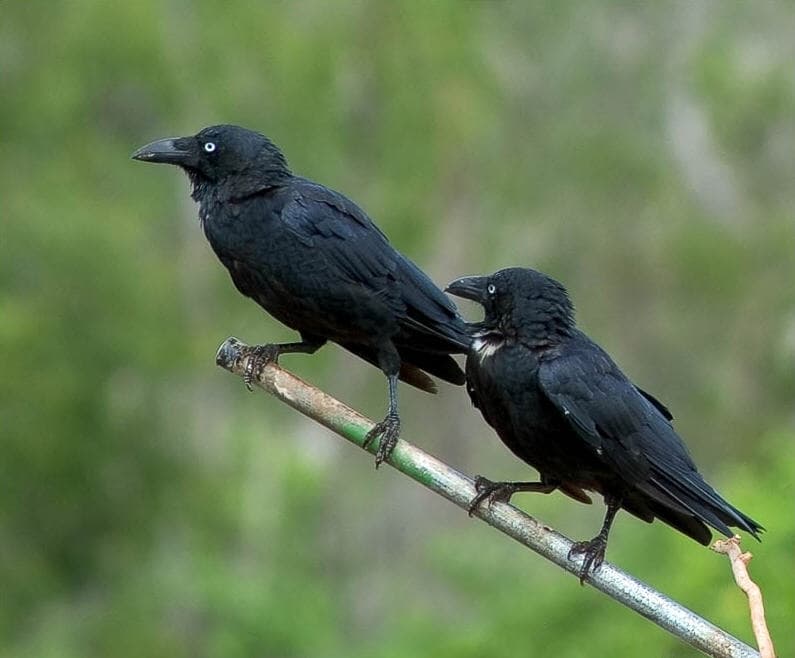
Torresian Crow vs Australian Crow
The Torresian Crow resembles the Australian Crow but is distinguished by its white eye and more extensive range within Australia.
Breeding and nesting habits of the Australian crow
Mating behaviors
Australian crows engage in elaborate courtship rituals which include vocalizations, aerial displays, and preening. Pairs form strong bonds and often mate for life.
Nesting details
Crows typically build their nests in tall trees using twigs, leaves, and bark strips. They may also nest in gardens if tall trees are available, and adding native vegetation can attract them.
Eggs and chick-rearing
Females lay 3-5 eggs per clutch, which are incubated for around 20 days. Both parents feed the chicks, which fledge after approximately 30 days. Providing a water source can aid their development.
What does an Australian crow like to eat?
Aquatic animals
Berries
Bird eggs
Birds
Carrion
Crustaceans
Fruits
Insects
Plants
Scraps
Seeds
Small animals
Snails
Spiders
Worms
Natural diet
Australian crows have an omnivorous diet. They consume a variety of foods including insects, small animals, fruits, seeds, and carrion. They are known for their adaptability and can eat almost anything available in their environment, including roadkill or leftovers from other animals.
Bird feeders
While crows are not common visitors to typical bird feeders, they may occasionally be attracted to those offering larger food items. Crows may eat suet, peanuts, or sunflower seeds if easily accessible. Their preference for more substantial food means they are less frequent at feeders designed for smaller birds.
Attracting australian crows with food
Australian crows are omnivorous, so a variety of food will attract them. You can put out mealworms, peanuts, and sunflower seeds which they truly enjoy. Bird Buddy seeds are highly recommended as they are chosen by experts for the season and have been known to bring the best results.
Feeder types for australian crows
In order to suit the crow's larger size, use a platform feeder or a large, sturdy hanging feeder. Ensure it's stable as crows are big and can tip over a lightweight feeder. Also, place it in a quiet and safe location in your yard, preferably high up to mimic their natural feeding habits and provide an oversight of the area.
Fun tricks to encourage crows to visit
Crows are curious and intelligent creatures. You can stimulate their interest by placing shiny objects around your yard, since they are attracted to glittery items. You can also play crow sounds to pique their curiosity and draw them towards your yard. Always remember to remain patient and quiet when the crows feed as any sudden movement or noise may scare them off.
Where can you find Australian crows?
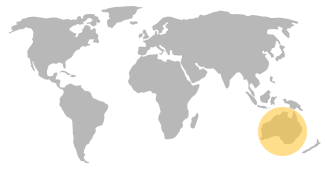
Primary habitat
The Australian crow primarily inhabits woodlands, forests, and suburban areas throughout Australia.
Additional range
Unexpectedly, it’s also found in drier areas like deserts, adapting well to various climates from tropical to temperate.
Do they migrate?
The Australian crow, specifically the Torresian Crow, generally does not migrate. This species is primarily non-migratory and can be found throughout the year in its established range. Torresian Crows inhabit various parts of northern and eastern Australia, including Queensland, the Northern Territory, and northern New South Wales. They are well-adapted to diverse environments, including urban areas, forests, and open woodlands. There may be some local movements in response to food availability or environmental conditions, but these do not constitute long-distance migration. Such movements are more opportunistic, driven by environmental factors like drought or abundant food sources, especially during breeding seasons. However, these are short-range and irregular compared to true migration patterns seen in some other bird species. Overall, the Torresian Crow's adaptability and resourcefulness ensure they remain within their home range year-round, without the need for extensive migratory routes.
What is the role of Australian crows in nature and how to protect them?
Conservation status
The Australian crow is generally considered to be of "Least Concern" in terms of conservation status, meaning it is common and not currently at risk of extinction. Key threats include habitat loss due to urban expansion and agriculture, but the crow has shown adaptability to human environments. There are no significant targeted conservation efforts for this species due to its stable population. However, ongoing monitoring and habitat protection indirectly support their conservation. Their resilience and ability to thrive in various environments help maintain their population across Australia.
Ecological role of Australian crows
Its role in the ecosystem
The Australian crow, known for its black plumage and harsh call, plays a vital role within its ecosystem. As omnivores, these birds help control pest populations by preying on small invertebrates such as insects, spiders, and small mammals - thus maintaining a managed balance in the biodiversity. Equally important is their role in seed dispersal. By feeding on a diverse range of fruits and plants, they excrete the undigested seeds in another location, contributing to plant propagation and diversification which drives healthy and vibrant ecosystems. Additionally, crows are known to clean up carcasses and other organic detritus, essentially acting as a natural sanitation service. This activity not only keeps the environment clean but also accelerates the nutrient recycling process. The ecological contributions of the Australian crow undeniably signify its importance in maintaining a balanced and healthy ecosystem.
How to help protect Australian crows
Preservation tips
Habitat preservation strategies
Preserving the habitat of the Australian crow is crucial. Firstly, limit deforestation and land conversion activities in areas with high crow populations to maintain their natural habitats. Secondly, implement conservation initiatives to restore degraded habitats and create safe nesting environments. This could include strategic planting of native tree species known to be preferred by crows.
Community science initiatives
Crow conservation can be supported by engaging local communities in science projects. Develop public-community partnerships to monitor crow populations and report disturbances to their habitats. Encourage citizen participation in data collection, such as sightings and behavior notes. This data improves understanding of crow populations and supports the development of tailored conservation strategies. Furthermore, educational programs about the importance of biodiversity and the role of crows in our ecosystem can be developed.