
Torresian Crow
Torresian Crow
Also known as: Australian Crow, Papuan Crow
Corvus orru
Quick Identification guide
Quick Identification guide
- •
Entirely black plumage with a glossy purple sheen that stands out in sunlight
- •
Features a stout, strong beak that is entirely black, complementing its overall monochrome appearance
- •
Notable for its pale white eye, which contrasts starkly with its dark feathers
What does a Torresian crow sound like?
The Torresian crow, a common Australian bird, has a deep, resonant "ark-ark-ark" or "aw-aw-aw" call that’s distinctive and can go on for several seconds. These crows are clever mimics and their vocalizations may also include a range of noises, including human speech, if trained. Their songs, however, aren't as melodious and typically consist of longer sequences of the same raspy caw, often used to communicate with each other over distance.
Description
Torresian crows are, like all corvids, incredibly smart birds. They know how to work as a team and use that know-how to gang up and steal food from larger birds. Creatures of habit, they like to return to the same territories every year. After all, if you find a great home away from home, why change it?
The Torresian crow can weigh between 430to700grams and be from48to53centimeters tall.
The Torresian crow typically lives for around 20 years. Relative to related species such as the Australian raven which lives around 22 years, its lifespan is somewhat shorter. However, compared to the American crow that typically lives around 7-8 years in the wild, the lifespan of the Torresian crow is considerably longer.
Did you know?
Most popular questions about Torresian crow
How to recognise a Torresian crow?
General appearance
The Torresian Crow (Corvus orru) is a large black bird with a slightly curved bill and black feathers that may display a bluish-purple sheen in direct sunlight. Its eyes are stark white or grey, surrounded by a ring of bare skin, a prominent feature. They are approximately 50-55cm in length, with a wingspan of around 1 metre.
Male vs female
There is little sexual dimorphism within the Torresian Crow species. However, males are typically slightly larger than females, but this difference is subtle and can be difficult to discern in the wild.
Juvenile
Juvenile Torresian Crows resemble adults but their eyes are blue-grey at the initial stage. The plumage is slightly duller and lacks the adult's sheen. The bill of a juvenile crow is typically shorter and the bare skin around their eyes develops as they mature.
Often mistaken for
American Crow vs Torresian Crow
The American Crow is slightly smaller and has a different call compared to the Torresian Crow. It also has a larger distribution in North America.

Australian Crow vs Torresian Crow
The Australian Crow is similar in appearance but can be distinguished by its call and sometimes a more curved bill than the Torresian Crow.

House Crow vs Torresian Crow
The House Crow has a distinctive gray body and a black head and wings, setting it apart from the uniformly black Torresian Crow.

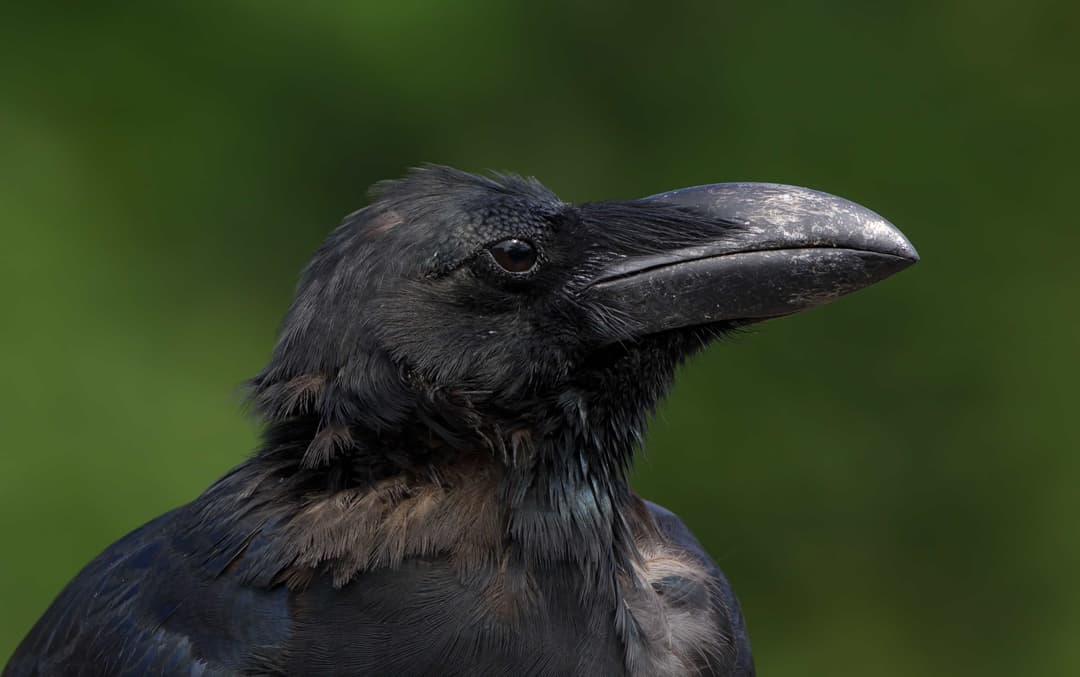
Large-Billed Crow vs Torresian Crow
The Large-Billed Crow is similar in size but can be distinguished by its heftier bill when compared to the Torresian Crow.
Carrion Crow vs Torresian Crow
The Carrion Crow is very similar in appearance but can be distinguished by its different vocalizations and is mostly found in Europe.

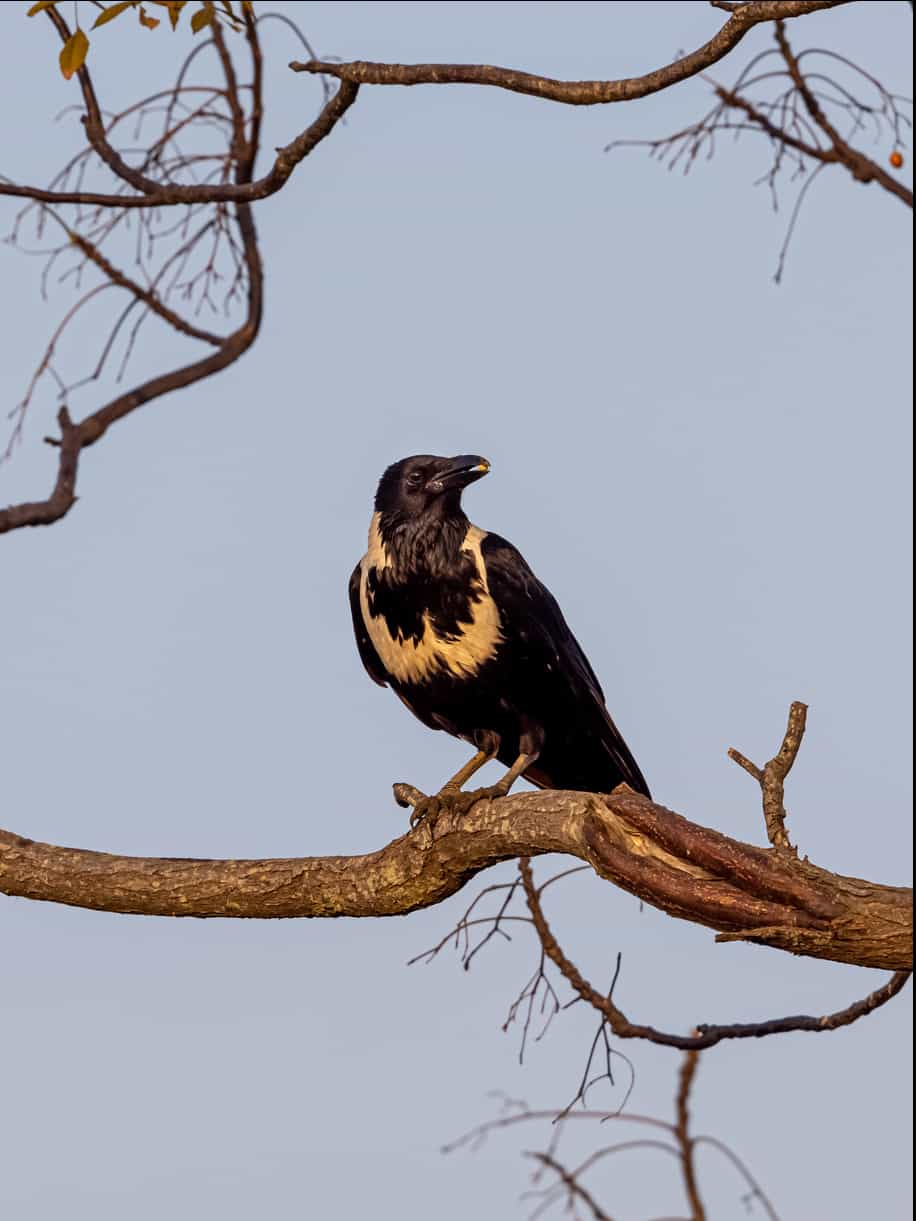
Collared Crow vs Torresian Crow
The Collared Crow has a distinct white collar and a dark body which differentiates it from the all-black Torresian Crow.
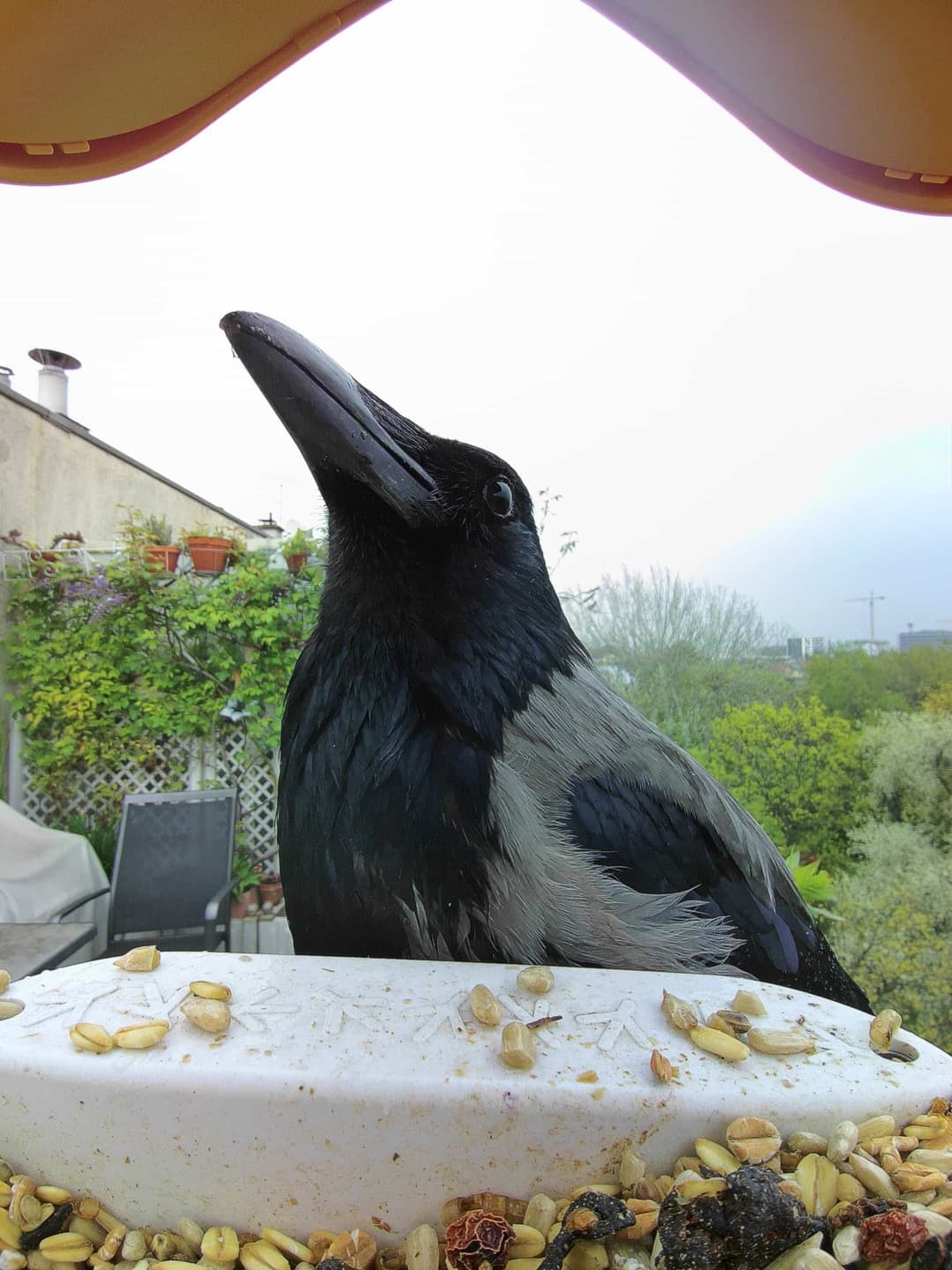
Hooded Crow vs Torresian Crow
The Hooded Crow has a gray body with black wings and head, unlike the uniformly black Torresian Crow.
Breeding and nesting habits of the Torresian crow
Mating behaviors
Torresian crows engage in complex courtship displays involving vocalizations and aerial maneuvers. Pairs form long-term bonds often reaffirmed by cooperative feeding and grooming behaviors.
Nesting details
Nesting typically occurs in tall trees, using branches, twigs, and grasses. They may also adapt to urban environments, including gardens, if trees or tall shrubs are available. Providing native plants and tree cover can encourage nesting.
Eggs and chick-rearing
The female lays 3-5 eggs, incubating them for about 20 days. Both parents participate in feeding and caring for the chicks, which fledge after approximately 4-5 weeks. Ensuring a food source like compost or bird feeders can aid chick development in gardens.
What does a Torresian crow like to eat?
Berries
Bird eggs
Birds
Carrion
Fruits
Insects
Nectar
Plants
Scraps
Seeds
Small animals
Snails
Spiders
Worms
Natural diet
The Torresian crow is an omnivorous bird that includes a wide range of food sources in its natural diet. It primarily feeds on insects, small mammals, and eggs. This crow also consumes a variety of plant matter such as seeds, berries, and fruits. It often forages on the ground for invertebrates, carrion, and discarded human food.
Bird feeders
While the Torresian crow is not a frequent visitor to bird feeders, it may occasionally be attracted to them, particularly if they offer fatty or energy-rich foods. These crows may consume suet, peanuts, and other nuts, as well as any available fruit pieces. Additionally, they might scavenge for various bird seed mixes, although this is less common.
Create a comfortable environment
Firstly, to attract Torresian Crows to your yard, try to mimic their natural habitat. This species thrives in a wide range of environments, so consider incorporating elements such as tall trees, shrubs or grassy areas in your yard. A source of fresh water, like a bird bath, will also welcome these visitors!
Feeding the torresian crow
Torresian Crows are omnivorous, meaning they enjoy a diet of both plants and meat. They particularly like insects, seeds, fruits, and small animals. To attract them to your feeder, try out Bird Buddy seeds. Expertly chosen for the season, these seeds have yielded the best results in attracting Torresian Crows.
Choosing the right feeder
Select a sturdy, platform-style bird feeder. These crows are larger birds, so they'll need plenty of space to land and eat comfortably. Keep the feeder clean and regularly stocked with fresh food.
Fun tricks
Crows are known for their intelligence. You can keep them coming back by regularly changing the food variety and adding in some unpredictability. You could also try a crow-specific bird call or song on a low volume to pique their curiosity and invite them for a sing-along!
Where can you find Torresian crows?
Primary habitat
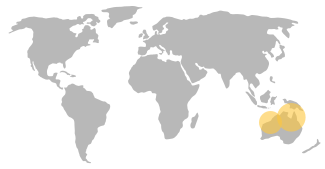
The Torresian crow inhabits a wide range of habitats including forest edges, woodlands, grasslands, and mangroves mainly in Northern and Eastern Australia.
Additional range
This crow species is capable of inhabiting urban areas. It has adapted well to a variety of climates, from the tropics to temperate regions.
Do they migrate?
The Torresian crow (Corvus orru) is predominantly a resident bird, and it generally does not engage in long-distance migrations. Instead, it tends to stay in one place year-round within its range, which includes northern and eastern Australia, New Guinea, and some surrounding islands. These crows are highly adaptable and can thrive in various environments, including urban areas, forests, and coastal regions. While they are largely sedentary, Torresian crows may exhibit some local movements in response to changes in food availability or environmental conditions. These movements are not true migrations but rather short-distance dispersals. They may move nominally in pursuit of resources, particularly during adverse weather or in response to seasonal food shortages. Key locations where Torresian crows are commonly found include cities like Brisbane and Cairns in Australia, as well as natural habitats such as the savannas and woodlands of northern Queensland. Their presence is notable in both urban and rural settings, where they can often be seen foraging for food and interacting with other bird species.
What is the role of Torresian crows in nature and how to protect them?
Conservation status
The Torresian crow is categorized as "Least Concern" on the conservation status spectrum. It is a common species throughout its range in northern and eastern Australia, as well as parts of New Guinea. There are currently no major conservation efforts specifically targeting this bird, as its population is stable. Key threats are minimal, but urban expansion and habitat modification could potentially impact their local environments. The species' adaptability to human-altered landscapes generally allows it to thrive, mitigating any immediate risk of vulnerability or endangerment.
Ecological role of Torresian crows
Its role in the ecosystem
The Torresian Crow, native to Australia, possesses considerable ecological significance. It’s a vital pest controller, preying on harmful insects, and thereby reducing damage to agriculture and the ecosystem. Through feeding on these pests, it helps in maintaining the balance of the ecological chain. Moreover, it demonstrates a key role in seed dispersal, as their omnivorous diet includes fruits and nuts. Ingested seeds are then transported considerable distances before being excreted, assisting in the propagation of plant species by dispersing seeds to new locations where they might thrive. Apart from the aforementioned roles, this bird also helps in nutrient cycling by breaking down animal matter. Hence, the Torresian Crow contributes to biodiversity, pest control, nutrient cycling, and plant distribution which uphold the health and function of ecosystems.
How to help protect Torresian crows
Preservation tips
Habitat preservation strategies
Support Torresian crow conservation by protecting its natural habitats primarily composed of open woodlands and forests. Advance land-use policies that limit deforestation and urban expansion. Encourage restoration initiatives which involve afforestation and natural resource conservation. Endorse intelligent agricultural practices that are compatible with Torresian crow conservation, such as intercropping and agroforestry.
Community science initiatives
Promote community science initiatives enabling individuals to monitor local Torresian crow populations and their behaviors. Emphasize data collection regarding feeding habits, breeding cycles, and human interactions. Utilize these data to identify potential threats and to develop effective conservation strategies. Conduct public education campaigns to increase awareness about the importance of contributing to the conservation of the Torresian crow, while discouraging activities that harm these birds such as use of harmful pesticides and trapping.