
Rook
Rook
Corvus frugilegus


Quick Identification guide
Quick Identification guide
- •
Recognizable by its glossy black plumage with a purple or blue sheen, particularly noticeable in sunlight
- •
Features a bare, whitish facial patch around the bill, setting it apart from similar species
- •
Equipped with a long, pointed beak and a sleek, streamlined body, perfect for foraging
What does a rook sound like?
The rook, a member of the crow family, is known for its sharp, piercing calls that might sound like "kaah-kaah". Frequently vocal, rooks often communicate using a variety of different sounds, including loud clicks, chuckles, and the chopped "caw" notes they are best known for. They do not have a typical song, as their sound repertoire primarily consists of diverse calls which they use for social bonding, territorial disputes, or alarm signaling.


Description
Did you know that rooks most likely helped originate the term rookery? A rookery is a colony of breeding animals that are usually birds but not necessarily just rooks. These guys certainly do love company and always nest together in colonies of up to 20 or 30 nests.
The rook can weigh between 325to571grams and be from44to46centimeters tall.
Rooks, a type of crow, typically have a lifespan of 5-10 years in the wild, though they have been known to live up to 15 years in ideal conditions. Compared to other Corvidae species, their lifespan is relatively shorter; crows and ravens can live up to 20 years and magpies up to 25 years in the wild. Factors affecting rook lifespan include predation, disease, and food availability.
Did you know?
Most popular questions about rook
How to recognise a rook?
General appearance
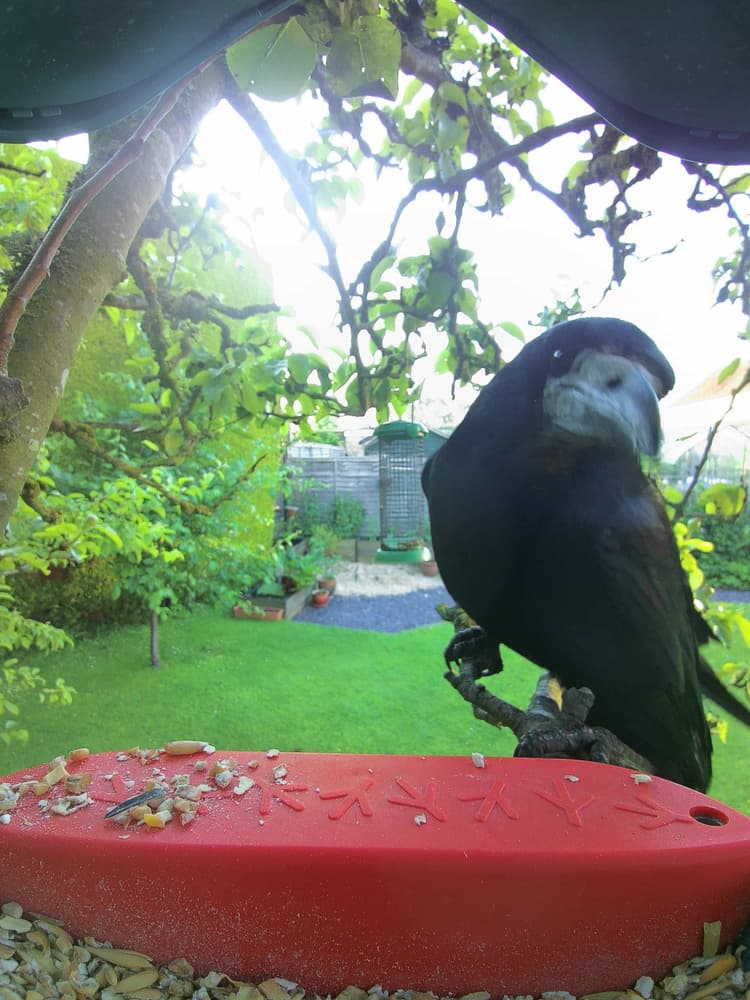
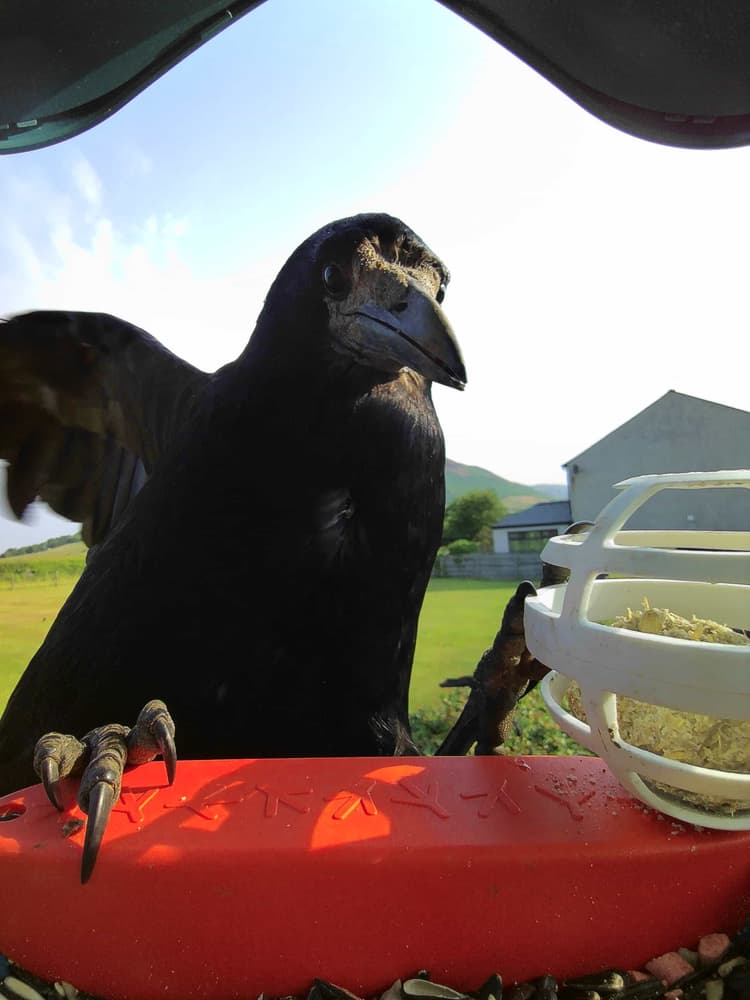
Rooks are generally about 45-47 cm in length, with dark feathery coloration, often appearing black with a purple or blue sheen in sunlight. They exhibit a prominent bare area around the base of their beak and on their face, which is grey-white in color. The bird also has uniquely fringed thigh feathers, long pointed wings, and a wedge-shaped tail.
Male vs female
Sexual dimorphism is not significant in rooks, making it difficult to distinguish males from females by appearance alone. Both genders share the same coloration and size. Behavioral observations during the breeding season may provide clues, as males tend to display more assertive posturing and are known to engage in aerial shows of acrobatics to attract mates.
Juvenile
Juveniles are similar in size to adults, but they can be distinguished by their fully feathered faces. This feature differentiates them from mature rooks, who have developed the distinctive bare patch. Juveniles may also exhibit lighter, more brownish feather coloration, transitioning to the adult's glossier black as they mature.
Often mistaken for
Common Raven vs Rook
The Common Raven resembles the Rook but can be distinguished by its larger size, wedge-shaped tail, and thicker beak.

Carrion Crow vs Rook
The Carrion Crow looks similar to the Rook but lacks the Rook's bare, greyish-white skin at the base of the beak, which is a distinguishing feature.

Hooded Crow vs Rook
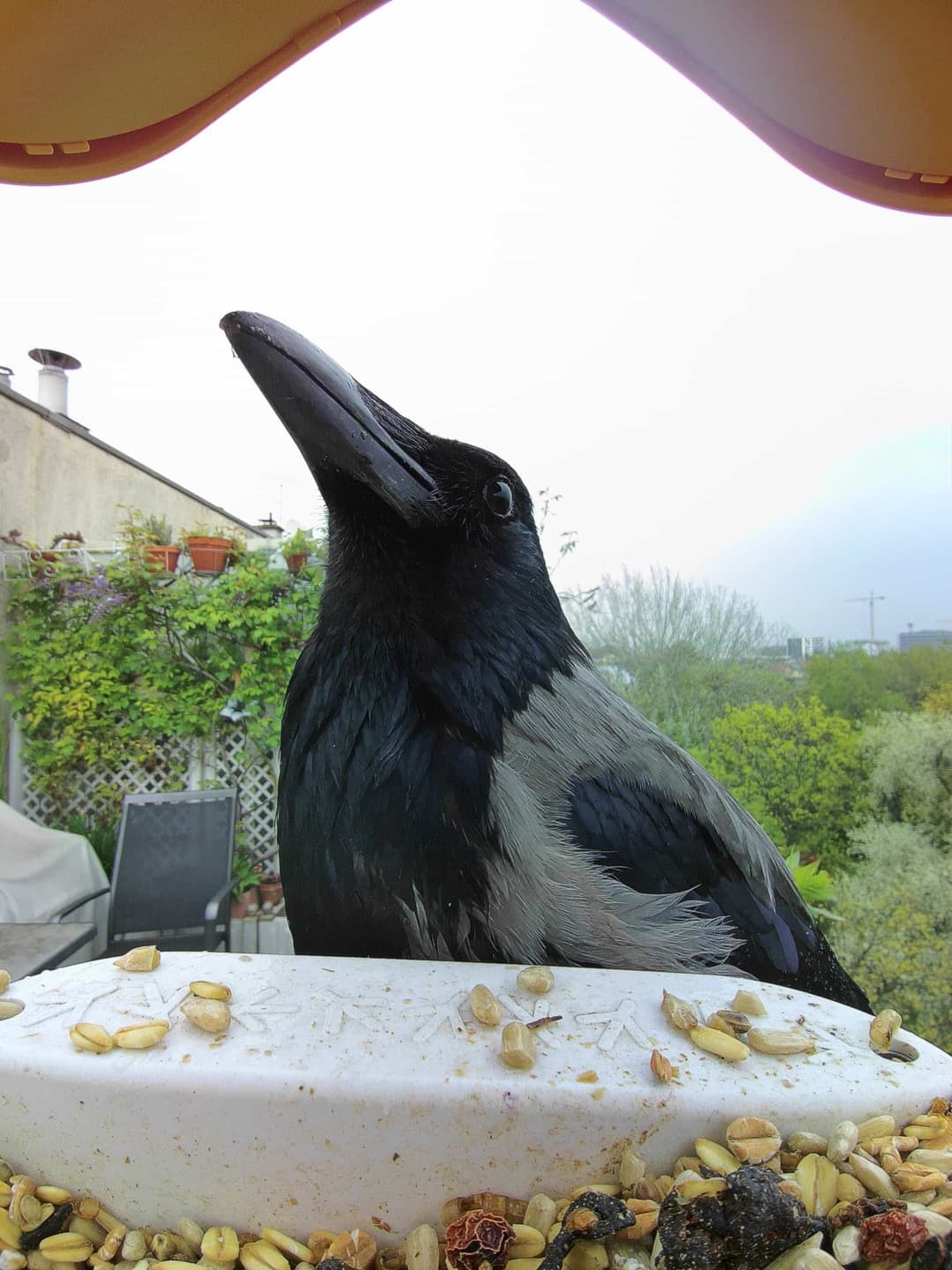
The Hooded Crow might be mistaken for a Rook but has a distinctive grey body contrasted with black wings, tail, and head.
American Crow vs Rook
The American Crow resembles the Rook but is generally smaller with a proportionally larger beak and a uniformly black appearance without the Rook’s bare facial skin.

Breeding and nesting habits of the rook
Mating behaviors
Rooks are monogamous, forming long-term pairs during the breeding season. Courtship involves males performing aerial displays to attract females, which include acrobatic flights and vocal calls.
Nesting details
Rooks nest in colonies known as rookeries, typically in tall trees in woodlands or urban areas. Nests are bulky structures made of twigs, leaves, and various plant materials. They may also use human-made items like string.
Eggs and chick-rearing
Females lay 3 to 5 eggs, incubating them for about 16-18 days. Both parents participate in feeding the chicks, which fledge around 32 days after hatching. Parental care continues with feeding and protection until fledglings are independent.
What does a rook like to eat?
Bird eggs
Carrion
Fruits
Insects
Nuts
Seeds
Small animals
Snails
Spiders
Worms
Natural diet
Rooks are omnivorous birds that have a diverse natural diet. They primarily consume insects, earthworms, and other invertebrates, which they find by probing the ground with their beaks. Additionally, they eat plant matter, including grains, seeds, and fruits, particularly those from cereal crops. Occasionally, rooks may also consume small vertebrates, bird eggs, and carrion, which provides them with necessary nutrients.
Bird feeders
At bird feeders, rooks are known to consume a variety of offerings. They are attracted to peanuts, sunflower seeds, and suet. They also enjoy kitchen scraps, such as pieces of bread, cheese, and leftover meat. Rooks, being adaptable foragers, take advantage of the easy availability of food provided in residential areas, making them frequent visitors to people’s gardens and feeders.
Attract rooks with the right feeds
Feeding rooks with quality seeds can really tempt them to visit your yard or feeder. Bird Buddy seeds are chosen by experts for the season, which is why they deliver the best results. Make sure you select the seeds they prefer, such as corn, wheat, and oats, to create a tempting meal pick.
Choosing the right feeder
Rooks are large birds, so you will need to consider the size of your feeder. A platform or tray feeder is often recommended as rooks find these easy to access. Place the feeder in a quiet place with a good view around to make them feel safe while feeding.
Get playful with tricks and songs
Encourage rooks to your yard with playful tactics. Rooks are curious creatures and enjoy interaction. You can jingle bells or create soft music to interest them. Or copy their call softly to intrigue them. Eventually you might even get a rook to stay for a sing-along.
Where can you find rooks?

Primary habitat
Rooks typically inhabit open or semi-open landscapes in the rural areas of Europe, western Asia and northern Africa.
Additional range
They are adaptable and can also be found in suburban and urban environments, and are more tolerant of colder climates than most other bird species.
Do they migrate?
The rook, a member of the crow family, exhibits partial migratory behavior, which varies by geographical location. In Western Europe, rooks tend to be largely sedentary, residing in the same areas year-round. However, populations in Eastern Europe and parts of Asia display migratory behavior. Migratory rooks typically breed in northern regions such as Russia, Ukraine, and parts of Central Asia. As winter approaches, they migrate southwards to seek milder climates, moving into areas such as southern Europe, the Middle East, and southwest Asia during the non-breeding season. The migration usually begins in late September to early October as they move away from colder climates. Their return journey to breeding grounds occurs in February and March. Key locations in their wintering grounds often include agricultural areas, where they can forage for grains and invertebrates, and temperate regions that offer milder conditions. These migrations reflect both a combination of natural seasonal instincts and the need to access resources unavailable during harsh winter months in their breeding territories. The specific route and timing can vary depending on local environmental conditions and food availability.
What is the role of rooks in nature and how to protect them?
Conservation status
The rook is classified as a species of "Least Concern" due to its wide distribution and stable population. It is common in Europe and parts of Asia. However, in some regions, its numbers have declined due to habitat loss and changes in agricultural practices. Conservation efforts focus on preserving its natural habitats and promoting environmentally friendly farming practices. Major threats include pesticide use and land-use changes. Despite regional declines, the overall population remains robust.
Ecological role of rooks
Its role in the ecosystem
The rook, a species of crow found across Eurasia, is an integral part of many ecosystems. With a diet primarily consisting of invertebrates, the rook plays a key role in pest control by naturally moderating the populations of harmful insects, worms and small rodents. These birds forage for food both on the ground and in trees, often pulling insect larvae from the soil. The rook's feeding habits also contribute to seed dispersal. This is because they eat a variety of plants and fruits, and their droppings can transport seeds over large distances. Hence, these birds inadvertently play a role in plant reproduction and biodiversity. Additionally, as prey for larger predators, rooks also feed into the food chain. However, their habit of nesting in colonies in treetops can sometimes lead to local deforestation due to their destructive foraging behavior. Despite this drawback, rooks generally contribute positively to the balance of their environments.
How to help protect rooks
Preservation tips
Habitat preservation strategies
Rooks flourish in mixed landscapes of farmlands, parks and woodlands. To aid their conservation, efforts should focus on preserving these habitats. Reduce the use of pesticides which impact rooks' food sources, maintain old trees and hedgerows where rooks nest, and consider creating new nesting sites. Land managers should be encouraged to leave some fields uncultivated after harvest, providing a food source during winter.
Community science initiatives
Community involvement in rook conservation includes reporting rookery locations and sizes, and any behaviors of interest to local biodiversity networks or online platforms like eBird. Encourage community members to partake in citizen science bird count initiatives - these help gather valuable data on rook populations. Education programs in schools and local communities about rooks and their ecological role can foster appreciation and stewardship for these birds.