
Hooded Crow
Hooded Crow
Also known as: Hoodie, Scotch Crow, Danish Crow, Gray Crow
Corvus cornix


Quick Identification guide
Quick Identification guide
Male
- •
Grayish body with black head, throat, and wings
- •
Sturdy, straight, black bill
- •
Broad, rounded wings and a straight tail
Female
- •
Grayish body and a black hood, wings, and tail similar to male
- •
Strong, black beak matching the male's structure
- •
Rounded wings and square-tipped tail, mirroring the male
What does a hooded crow sound like?
The hooded crow is known for its range of vocalizations, including caws, coos, and rattles. It primarily uses two distinct calls: the familiar “kraa” sound with various pitches and rhythms, typically used in territorial displays or to alert others, and a quieter “knocking” sound for close interactions. These birds do not have a melodious song, but rather a series of calls exchanged in a cawing dialogue. Other sounds include harsh screeches and mimicry of other bird species. Their vocal complexity is said to reflect their high level of intelligence.


Description
Did you know that an old Scottish name for empty sea urchin shells used to be crow's cups? That's because before eating molluscs and crabs, these resourceful birds drop them from the air to break them open! These known scavengers are famed for stashing food for later. However, they also sometimes spy on other crows and steal their stash! Hey, you can never have too much food, right?
The hooded crow can weigh between 396to602grams and be from48to54centimeters tall.
The average hooded crow lives for 6-10 years. In contrast, parrots can outlive them by easily reaching 50-60 years! Remarkably, some tough featherball crows have been spotted living up to 21 years if conditions are kind. But certainly, none of them can beat a certain sulphur-crested cockatoo named Fred, who's said to be 100 years old. Talk about eating your bird seed properly!
Did you know?
Most popular questions about hooded crow
How to recognise a hooded crow?
General appearance
Meet the hooded crow! A dazzling avian species with an absolutely enchanting appearance. Recognizable by a dark grey body contrasted with a glossy black head, throat, wings, and tail. The hooded crow flaunts a gorgeous plumage that shines in varying hues under the sunlight. They're medium-sized birds, standing tall at around 48cm with a wingspan up to 100cm - impossible to miss in the wild!
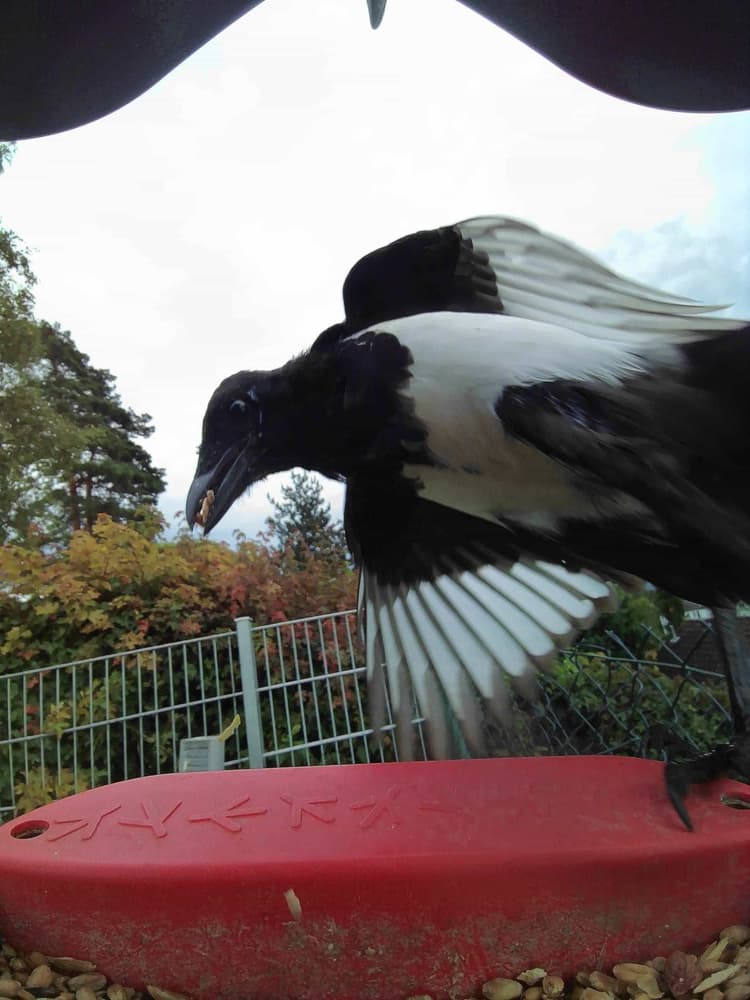
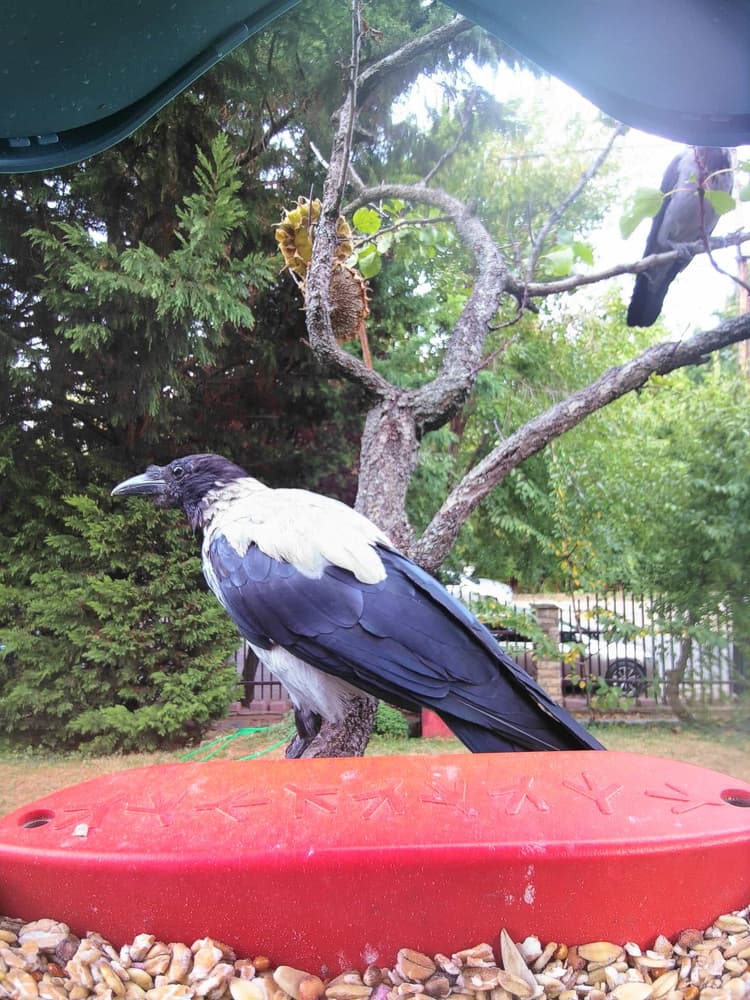
Male vs female
Moving on to the tricky task of distinguishing between males and females- it's quite a challenge! You see, there are no visual differences between the sexes! Both male and female hooded crows exhibit the same majestic blend of grey and black plumage. In fact, the only surefire way to tell them apart is during the breeding season when only females will be seen incubating eggs.
Juvenile
Onto the adorable juveniles, which start out with a rather duller color palette. Their plumage lacks the striking glossy finish of the adults, appearing more sooty black than glossy. Juveniles also host blue eyes instead of the brown seen in adults. But don't fret, with time, they grow into their stunning adult colors and truly become a sight to behold!
Often mistaken for
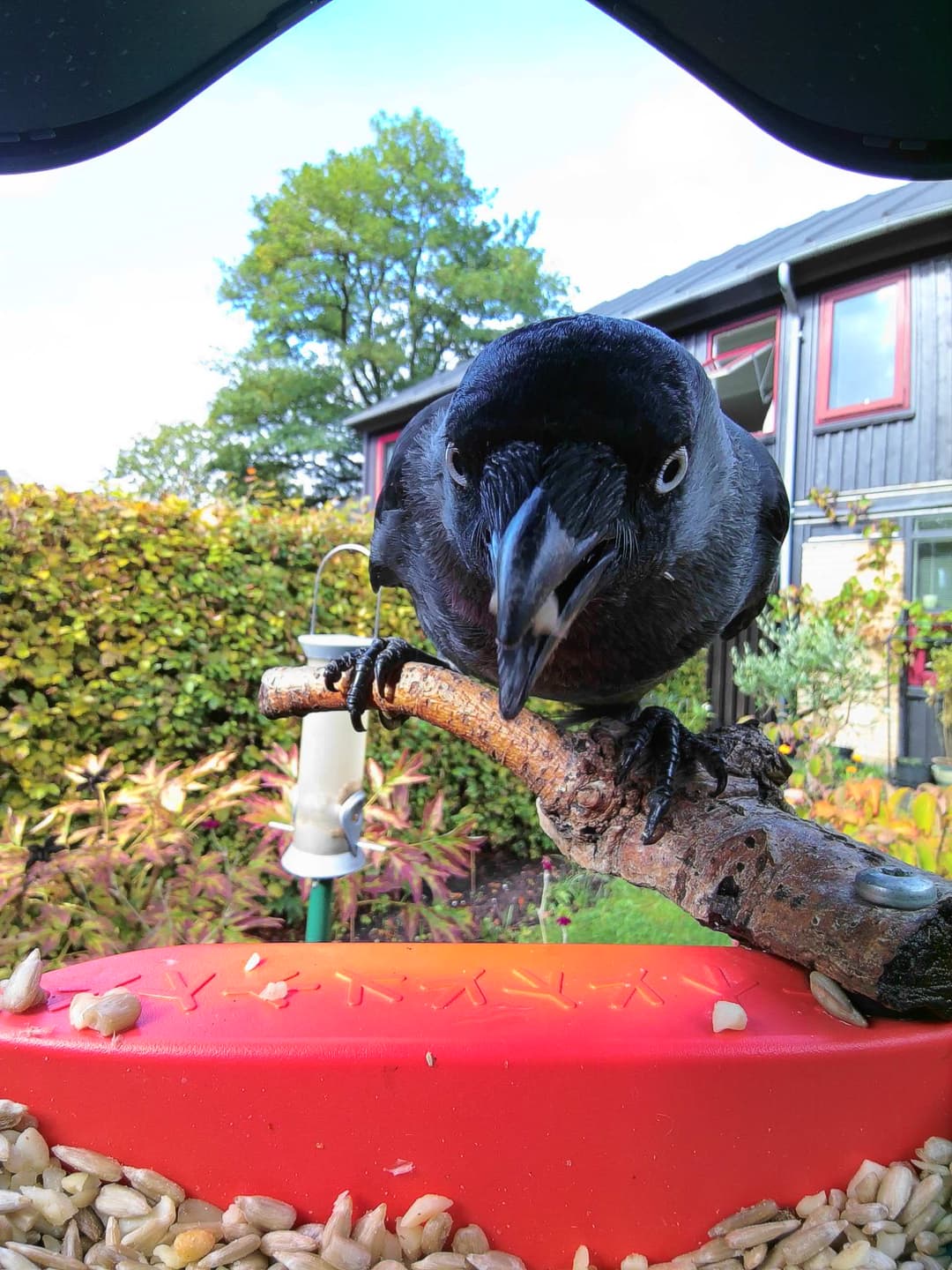
Western Jackdaw vs Hooded Crow
The Western Jackdaw is smaller, with a black cap and distinctive pale eyes. Unlike the Hooded Crow, which has a gray body and black head, wings, and tail.
Carrion Crow vs Hooded Crow
The Carrion Crow is similar in size and shape to the Hooded Crow but is entirely black, lacking the Hooded Crow's gray plumage.

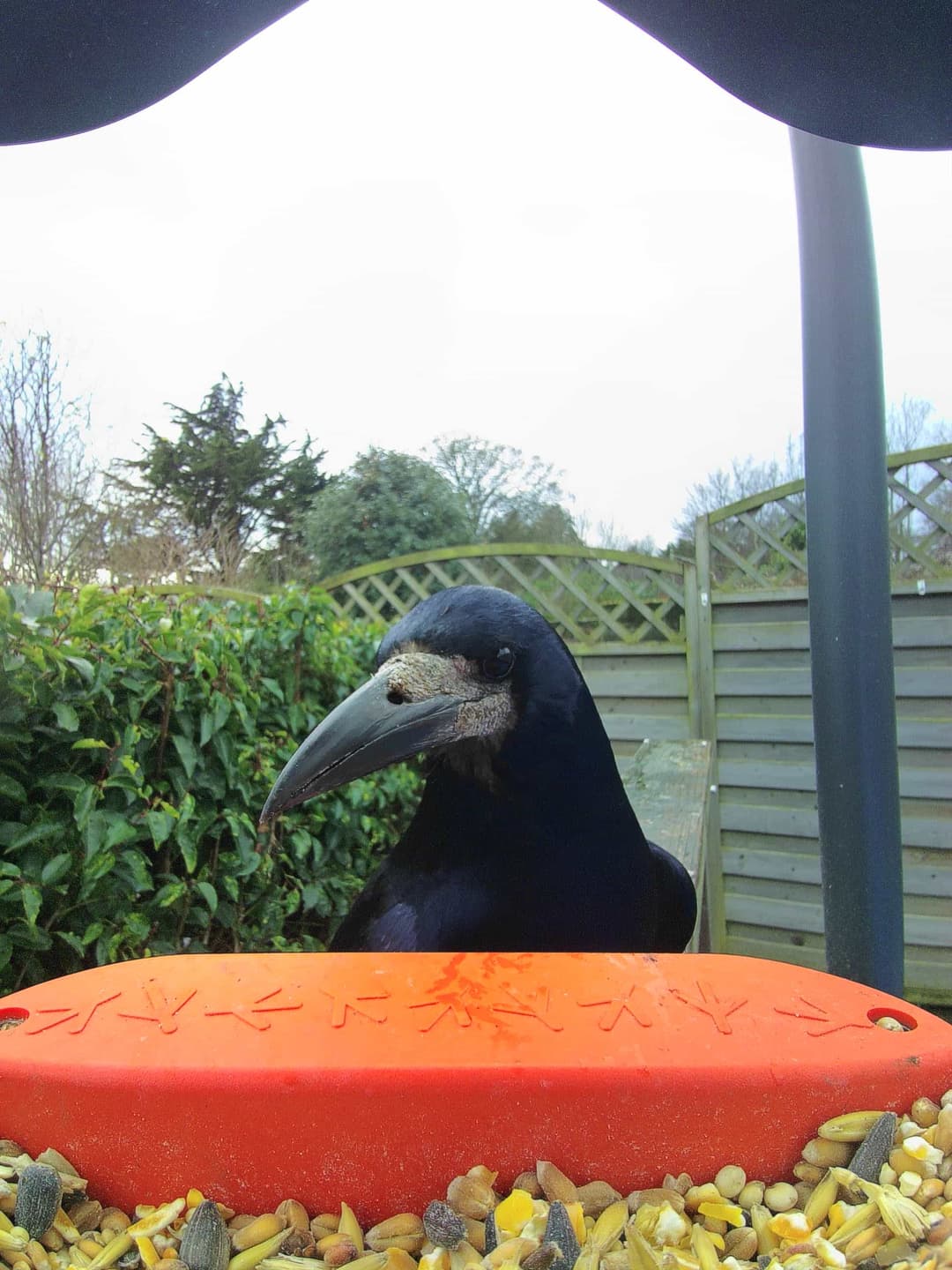
Rook vs Hooded Crow
Rooks have a more prominent bare grayish-white patch at the base of their slender bill, which is not seen in Hooded Crows.
American Crow vs Hooded Crow
The American Crow is entirely black and slightly smaller, with a shinier appearance compared to the gray and black Hooded Crow.

Large-Billed Crow vs Hooded Crow
The Large-Billed Crow is fully black and, as the name suggests, has a larger bill compared to the Hooded Crow.
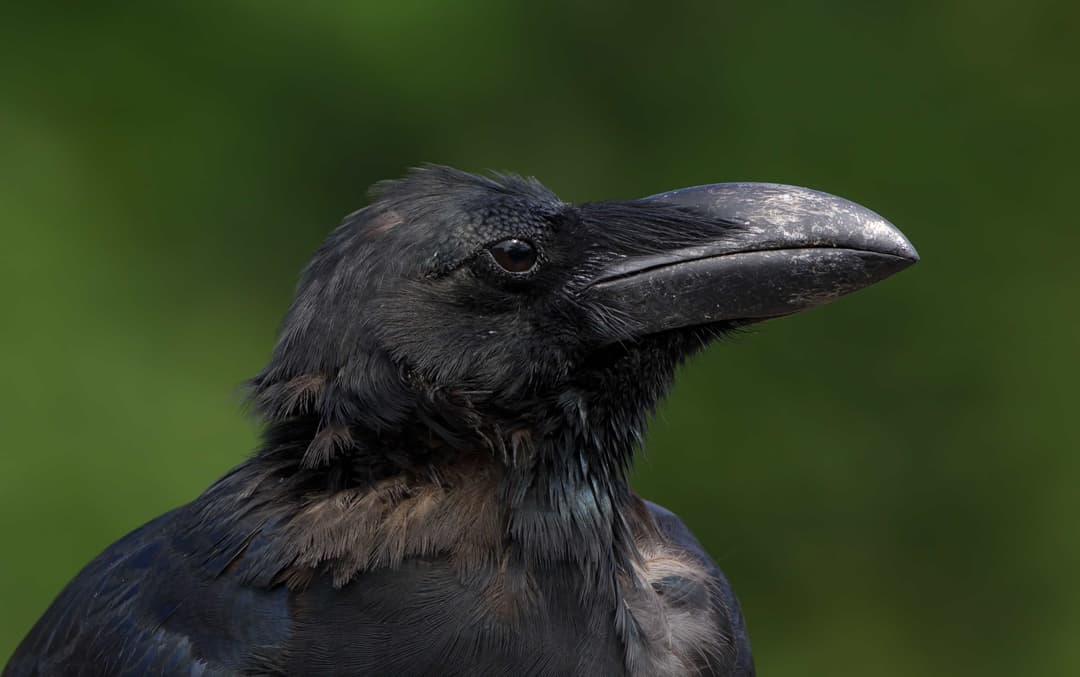
House Crow vs Hooded Crow
The House Crow is slightly smaller and has a more slender body and wingspan. It has a distinctive pale neck and breast, unlike the gray and black pattern of the Hooded Crow.

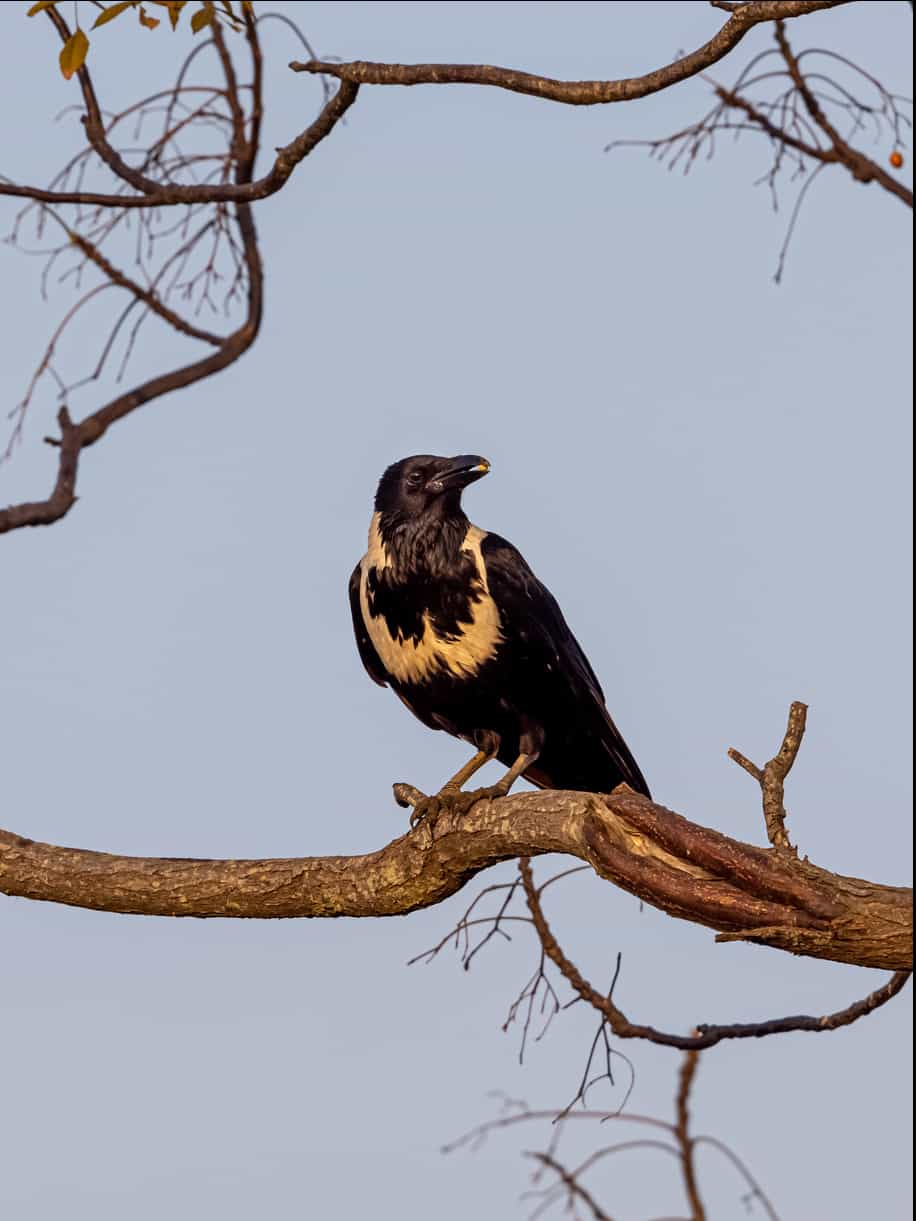
Collared Crow vs Hooded Crow
The Collared Crow has a distinctive white 'collar' around its neck, setting it apart from the Hooded Crow's gray body.
Breeding and nesting habits of the hooded crow
Mating behaviors
Hooded crows engage in elaborate courtship displays, including aerial acrobatics and vocalizations. Pairs are often monogamous and may remain together for multiple seasons.
Nesting details
Nests are typically built in tall trees, cliffs, or occasionally in large shrubs. The nests are constructed from twigs, with softer materials like moss and wool lining the interior. In gardens, create a suitable habitat by providing tall trees or structures for nest-building.
Eggs and chick-rearing
Females lay 3-6 eggs per clutch, which are incubated for about 17-19 days. Both parents feed the chicks, which fledge approximately 4-5 weeks after hatching. Providing food sources such as seeds and insects can help support rearing in gardens.
What does a hooded crow like to eat?
Bird eggs
Birds
Carrion
Insects
Scraps
Seeds
Small animals
Worms
Natural diet
The hooded crow is an omnivorous bird with a diverse diet. In its natural habitat, it feeds on small mammals, eggs, and chicks of birds, as well as various invertebrates like insects and worms. Additionally, it consumes fruits, seeds, and grains. Scavenging is another crucial part of its diet, often feeding on carrion and discarded food waste.
Bird feeders
At bird feeders, hooded crows are adaptable and will often consume a variety of offerings. They are attracted to suet, sunflower seeds, and peanuts. Occasionally, they may consume bread scraps and other household leftovers made available by people. Their opportunistic nature allows them to exploit these anthropogenic food sources effectively.
Setting up the right environment
To attract hooded crows to your yard, you'll want to provide plenty of cover to keep them safe and comfortable. This could include trees, tall shrubs, or any sort of raised platform that they can roost in. Additionally, make sure there is ample room for them to fly or hop around as they please.
Choosing the best snacks
Hooded crows are omnivorous birds and will enjoy a range of treats from fruit to grains to meat scraps. However, bird seeds are a particularly irresistible choice. We recommend Bird Buddy seeds, which are expertly chosen for the season and you can expect best results.
Feeder types for hooded crows
While hooded crows have been known to feed from a variety of feeders, they're most attracted to open feeders where they can see the food clearly. Feeders that are easy to access, large enough to hold a good amount of food, and situated near cover are the most tempting for these birds.
Fun tricks to encourage visits
If you fancy a birdy sing-along, try mimicking their calls. Hooded crows have a distinct, raspy 'caw caw' sound. Creating a comfortable environment and consistent food source—preferably Bird Buddy Seeds—will also encourage these social birds to drop by regularly, and might even inspire a song or two!
Where can you find hooded crows?
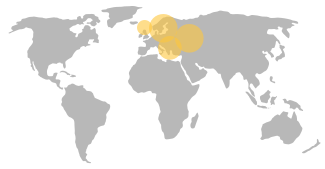
Primary habitat
The Hooded Crow mainly inhabits northern and eastern Europe, and parts of the Middle East. It prefers open and agricultural areas, and thrives in coastal regions.
Additional range
Although unusual, Hooded Crows can also be found in urban areas, adapting to live in parks and gardens.
Do they migrate?
The hooded crow generally demonstrates partial migratory behavior, depending on the population and geographical location. In northern regions, such as Scandinavia and parts of Russia, hooded crows are migratory. They typically travel short to medium distances, moving to milder areas in Western Europe during the winter months. This movement usually begins in late autumn, around October and November. Their primary wintering areas include parts of the British Isles, western and southern Europe, including France, Germany, and the Iberian Peninsula. Migration routes often involve crossing the North Sea or moving along continental land routes, avoiding long overwater flights when possible. Conversely, in more temperate regions such as Ireland, Great Britain, and parts of central Europe, hooded crows tend to be residents and do not migrate, relying on local resources year-round. This stationary behavior is supported by their adaptability and opportunistic feeding habits, allowing them to thrive in a variety of environments. In summary, hooded crows' migratory behavior varies significantly, with those in colder, northern areas being migratory, while those in milder climates usually remain in one place throughout the year.
What is the role of hooded crows in nature and how to protect them?
Conservation status
The hooded crow is classified as "Least Concern" by the IUCN, indicating it is common and not currently at risk. It thrives across its range in Europe and parts of Asia. Key conservation efforts are minimal due to its stable population. However, habitat changes and urban development can pose threats in localized areas. Adaptability to diverse environments, including urban settings, helps its resilience. Continued habitat preservation and monitoring are essential to ensuring its sustained population despite any emerging threats.
Ecological role of hooded crows
Its role in the ecosystem
The Hooded Crow (Corvus cornix) is a significant representative of the ecological indicator species. It thrives in various habitats and plays diverse roles in an ecosystem. As a scavenger, it contributes significantly to the decomposition of dead organisms. This action not only aids in nutrient cycling but also serves as a form of biological pest control. The Hooded Crow particularly preys on carrion, insects, and smaller animals, thereby keeping their population in check. Furthermore, its omnivorous diet means it partakes in seed dispersal, facilitating plant reproduction and contributing to biodiversity. Through this behavior, the Hooded Crow indirectly supports the survival of numerous plant and animal species. It also serves as a prey species for top predators. Its numerous interactions within the food web underscore the importance of the Hooded Crow to ecosystem health and stability.
How to help protect hooded crows
Preservation tips
Habitat preservation strategies
Preserve and maintain the hooded crow's natural habitats such as forests, farmlands, and cities by enforcing laws against deforestation and indiscriminate urban expansion. Implement zoning regulations to mitigate human-induced disturbances. Also, promote initiatives for the establishment and preservation of urban green spaces like parks to provide undisrupted habitats.
Community science initiatives
Engage the community in crow conservation through citizen science initiatives. Encourage them to participate in birdwatching activities and report sightings. Citizens can also contribute by putting up bird feeders and keeping a clean environment to reduce health risks for the crows. Schools can include in their syllabi education about their local biodiversity, particularly the hooded crow and its ecological importance.