Bulbul or White-Eared Bulbul?
Here's how to tell the difference
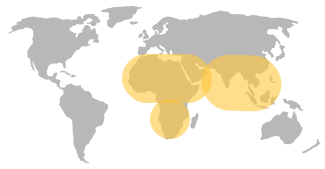

Bulbul


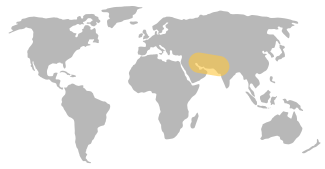
White-Eared Bulbul
Bulbul
Pycnonotus
Also known as: Nightingale
General appearance
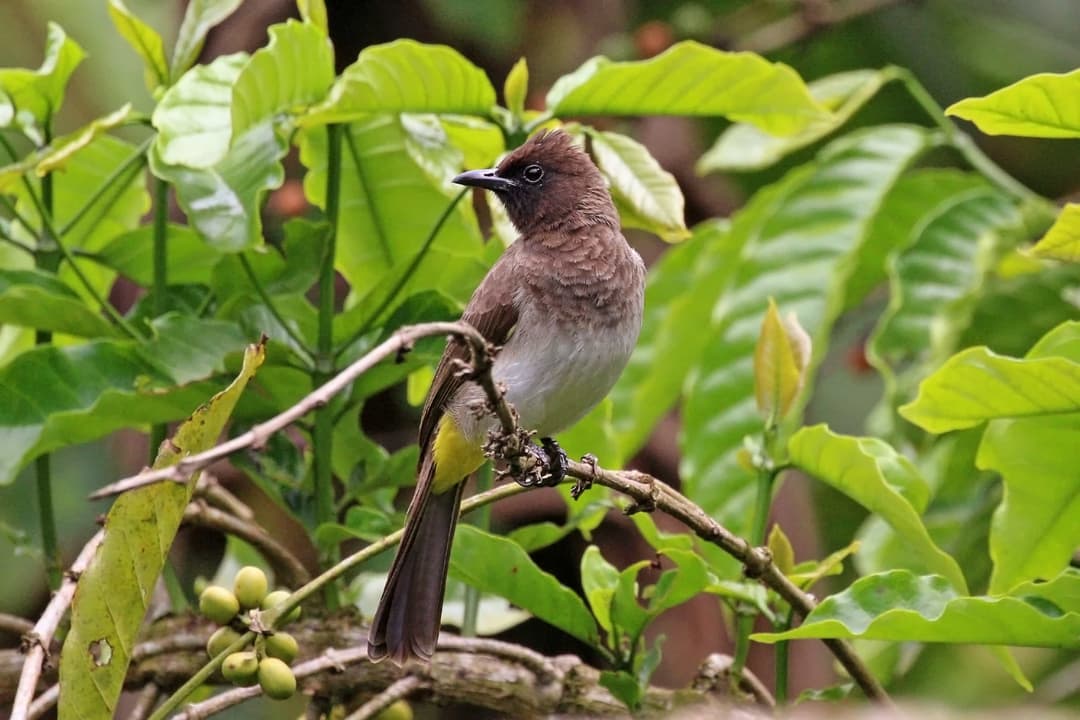
Bulbuls are small to medium-sized songbirds, often distinguished by a unique crest atop their heads. The coloration of their plumage varies greatly among species, but the common colors seen are brown, grey, or white, often with distinctive markings on the chest and belly. They have short necks, long tails, and relatively short and slender bills.
Male vs female
There are no significant differences in coloration or size between males and females of the bulbul species. Both sexes usually have similar plumage. Any difference, when present, can be subtle and often needs careful observation for detection. Furthermore, the mating pairs of bulbuls are often seen foraging together, which can make it challenging to separate the genders visually.
Juvenile
Juvenile bulbuls typically have a more subdued coloration than adults and may lack the crest seen in mature birds. They are often seen in the company of adults and can be distinguished by their earnest, yet less polished, song attempts. As they mature, juveniles will gradually acquire the coloration and distinguishing characteristics of adult birds.
Size
5.9 - 11.4 in/0.6 - 3.3 oz
There's more to learn about Bulbul
View full detailsWhite-Eared Bulbul
Pycnonotus leucotis
Also known as: White-Cheeked Bulbul, Iraqi Bulbul
General appearance
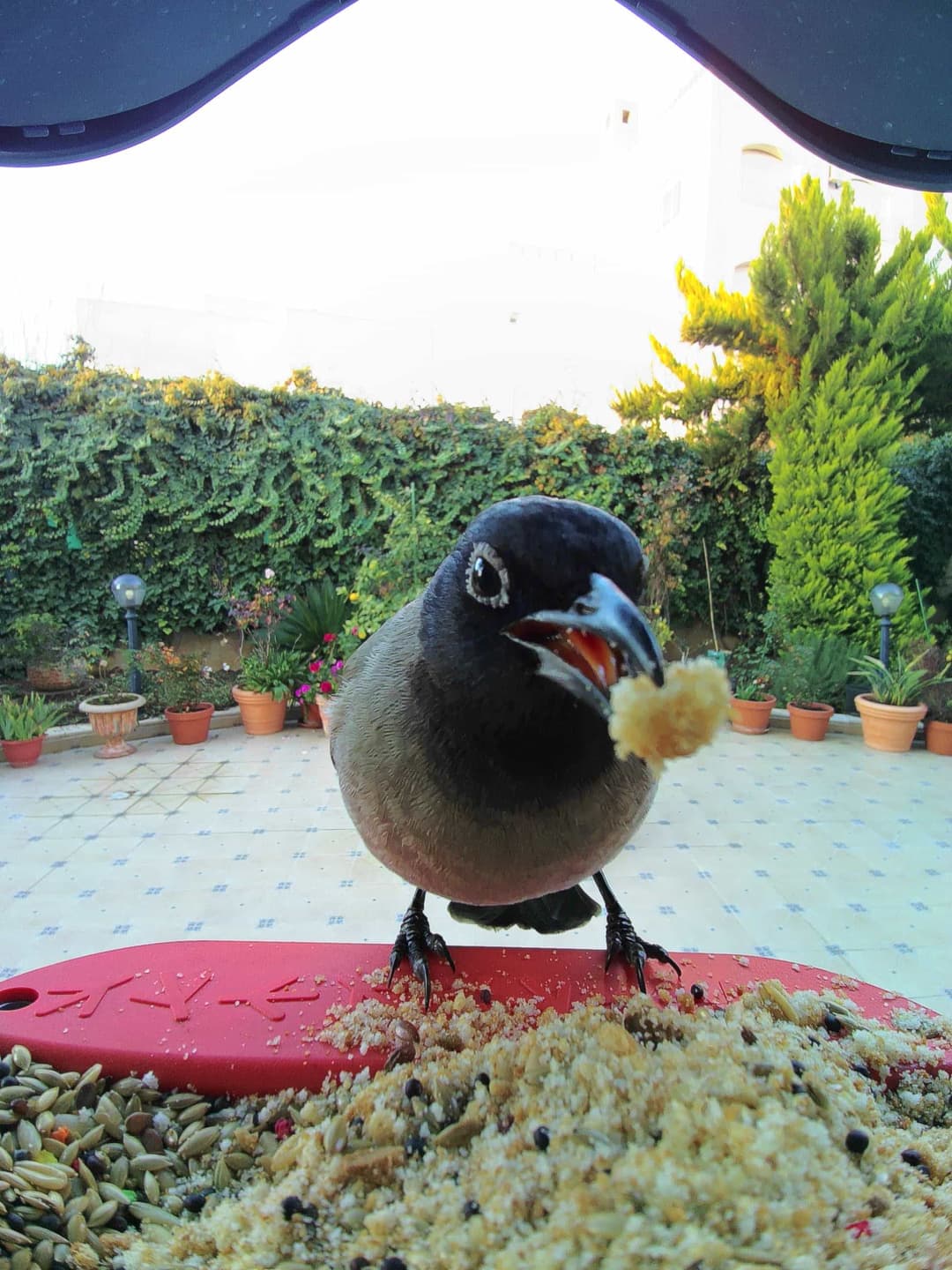
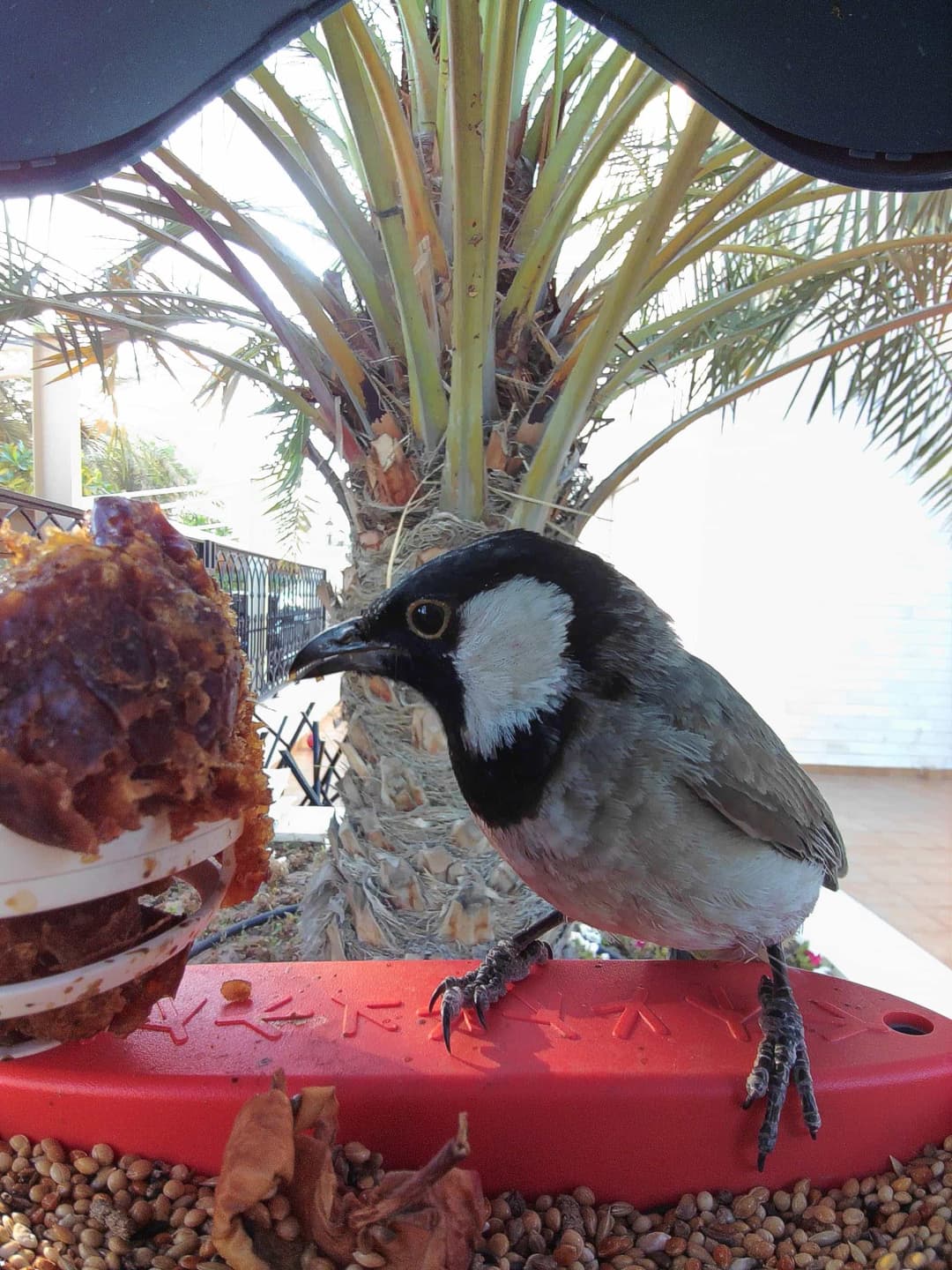
The white-eared bulbul, identifiable by a white patch around its ear, has a predominantly dark grey body, with a light underbelly. The bird has a white-tipped tail, and a lighter colored tuft of feathers on its throat with a sharp, pointed beak, typical of bulbul species.
Male vs female
Males and females of the white-eared bulbul species are similar in appearance, exhibiting little sexual dimorphism. Both have similar coloration and physical traits; key differences are difficult to discern without closer observation or expert knowledge.
Juvenile
Juvenile bulbuls resemble adults but have a more subdued color scheme. The distinctive white patch around the ear is less prominent compared to adults and develops gradually as they mature.
Size
6.9 - 7.5 in/0.6 - 1.2 oz
There's more to learn about White-Eared Bulbul
View full detailsHow to tell the Bulbul from the White-Eared Bulbul
Visual differences
The Bulbul can weigh between 0.56 and 3.3 oz and range from 6 to 11.4 inches in length, showcasing a variety of plumage colors like brown, grey, and white, with distinctive chest and belly markings. They feature a unique crest on their heads with long tails and short bills. In contrast, the White-Eared Bulbul, weighing 0.63 to 1.23 oz and measuring 6.9 to 7.5 inches, sports a dark grey body with a lighter underbelly, a prominent white ear patch, and a white-tipped tail. Both genders in each species look similar, making sex identification challenging.
Key differences and behavior
Bulbuls (Pycnonotus) are often found in pairs or small groups, with males singing prominently from high perches, while White-Eared Bulbuls (Pycnonotus leucotis) gather in larger flocks outside breeding season, often seen in trios during breeding. Both exhibit similar male and female appearances, though White-Eared Bulbuls are more social in urban environments. Both species inhabit varied climates, with Bulbuls adapting to colder regions, and White-Eared Bulbuls favoring semi-deserts and urban parks. Diets are similar, with a preference for fruits and insects, but White-Eared Bulbuls adapt to seeds and human-provided foods more readily. Nesting habits are alike, with cup-shaped nests and cooperative parental care, although White-Eared Bulbuls often nest near human activity.
Still not sure? Here are more lookalikes!
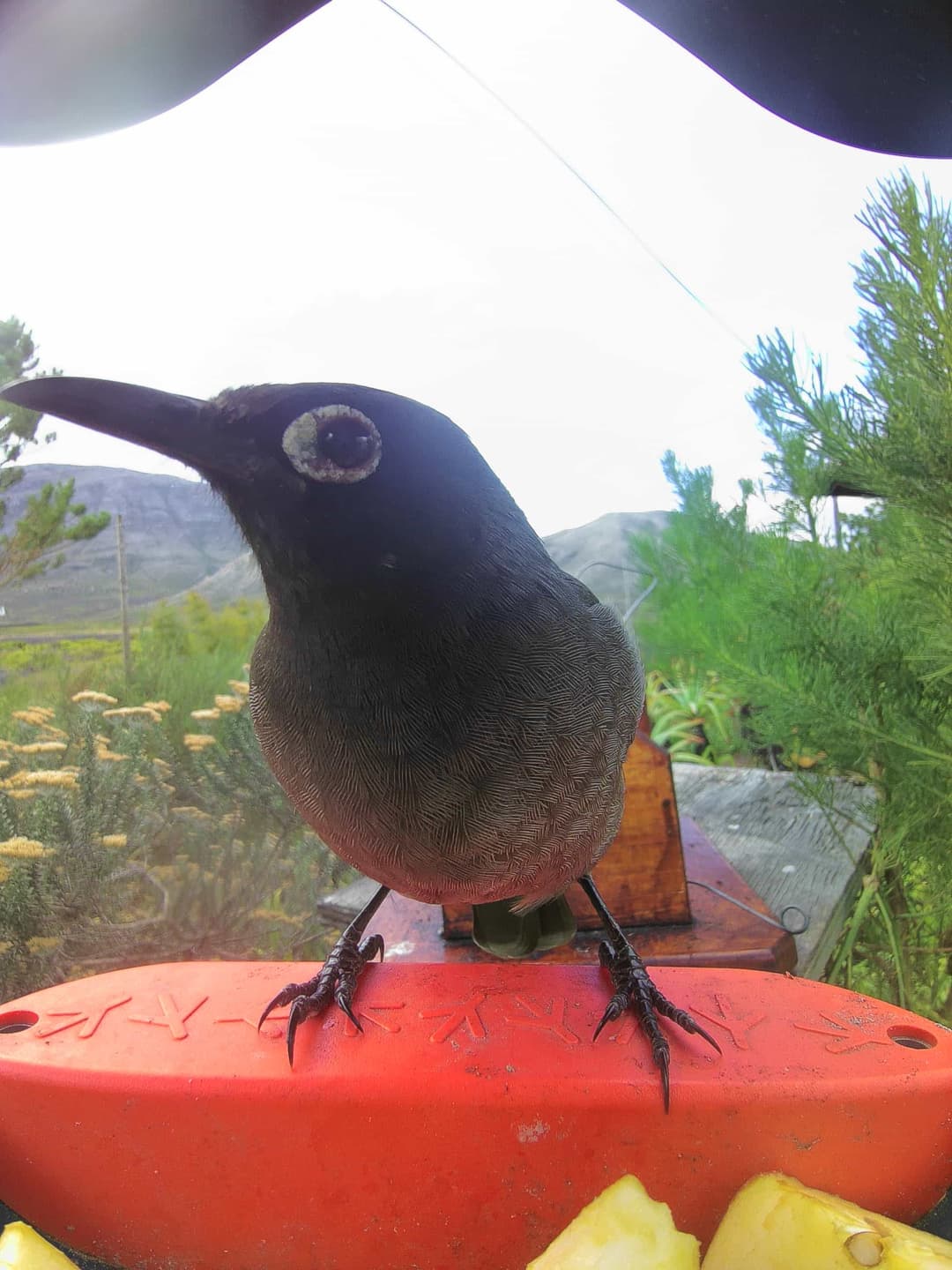
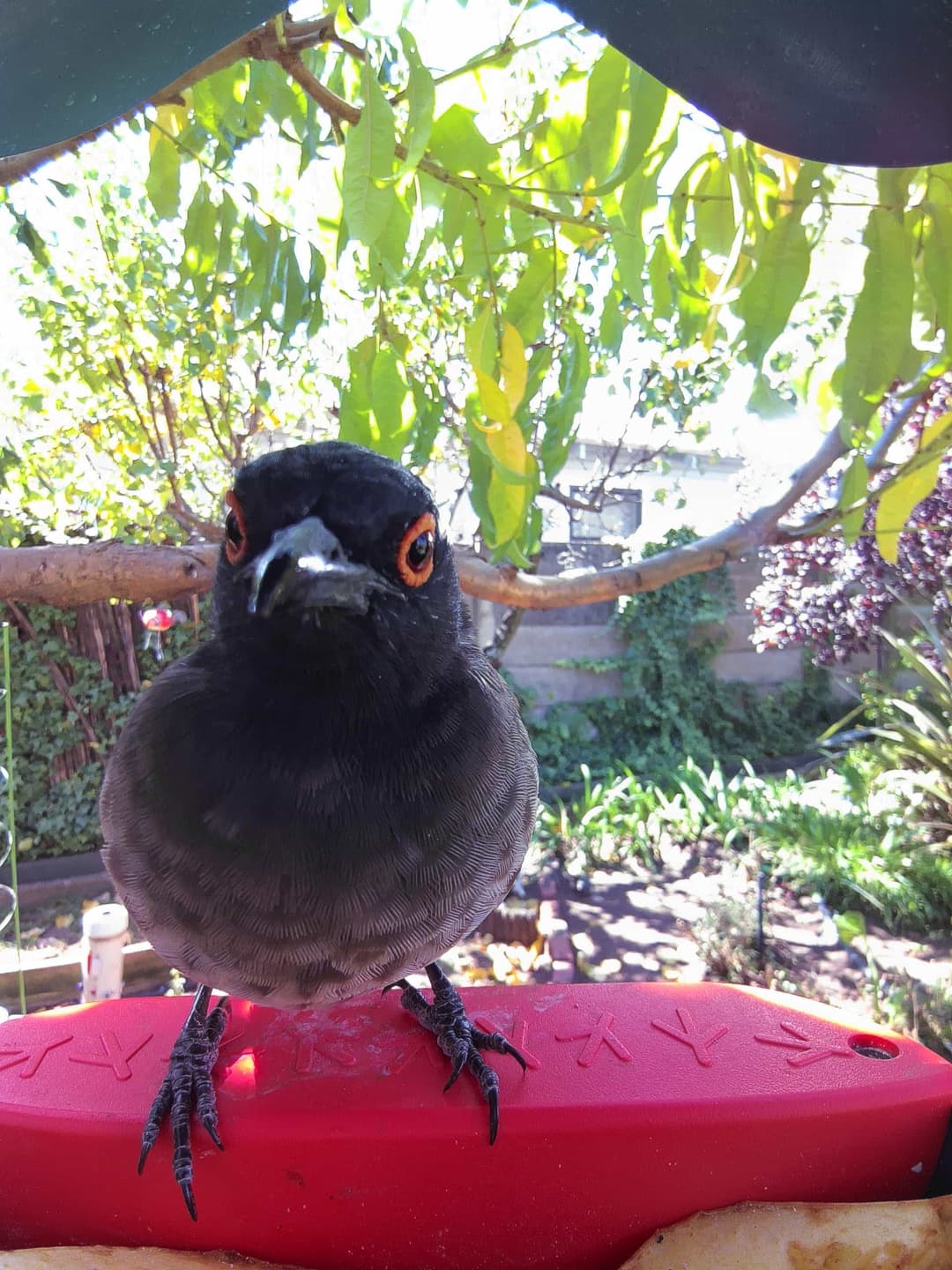
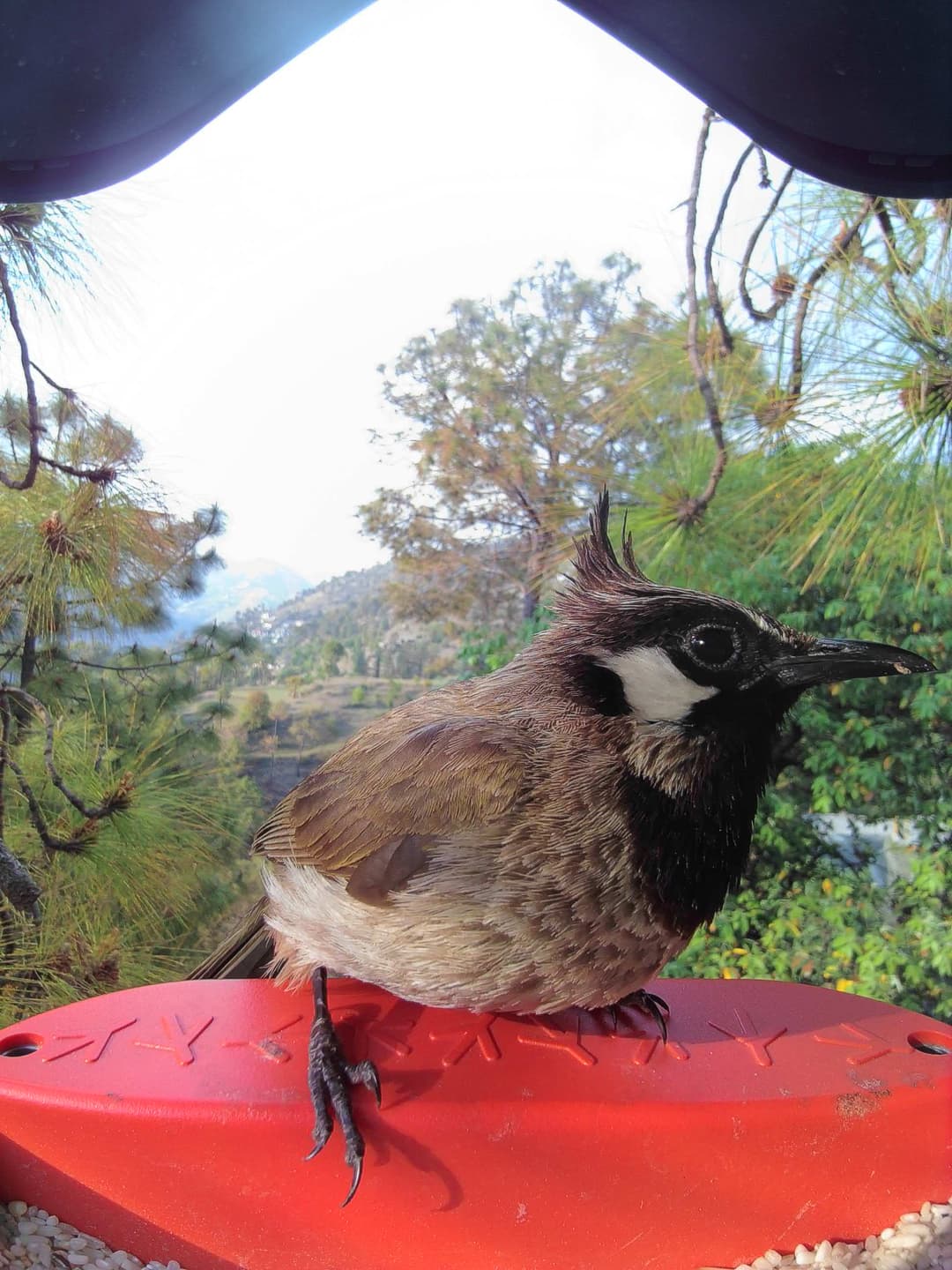
Bulbul vs Himalayan Bulbul
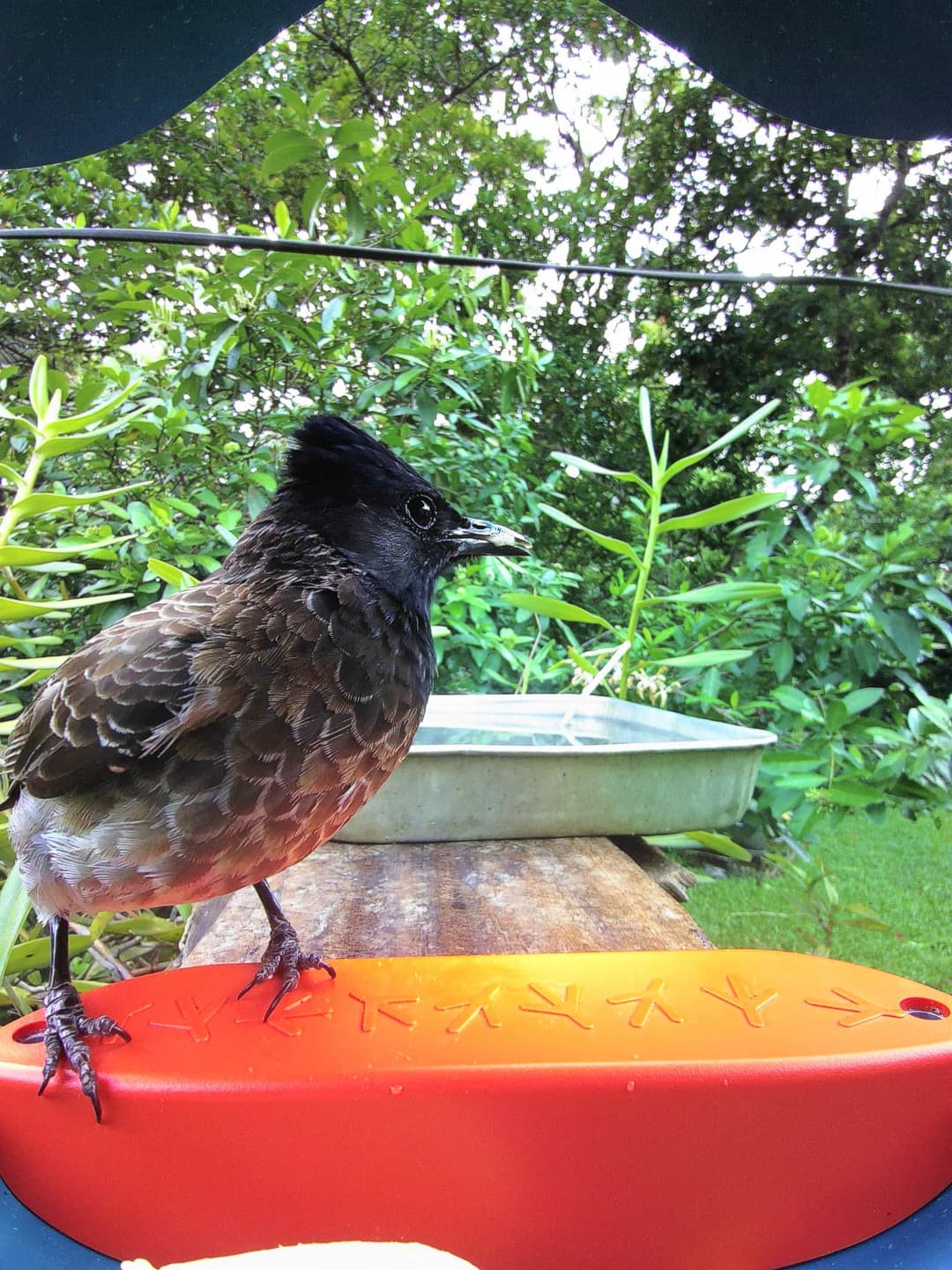
White-Eared Bulbul vs African Red-Eyed Bulbul
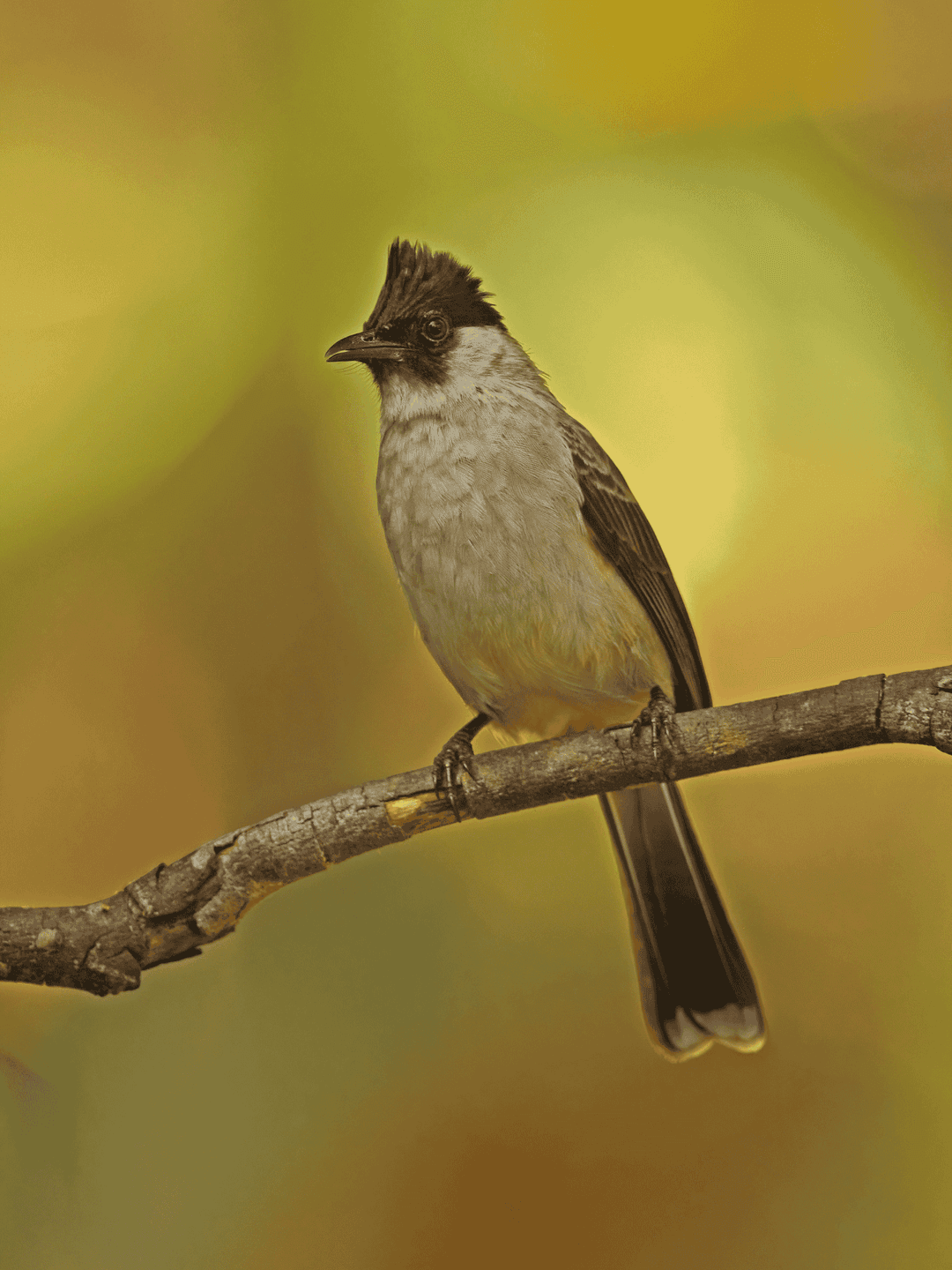
White-Eared Bulbul vs Light-Vented Bulbul
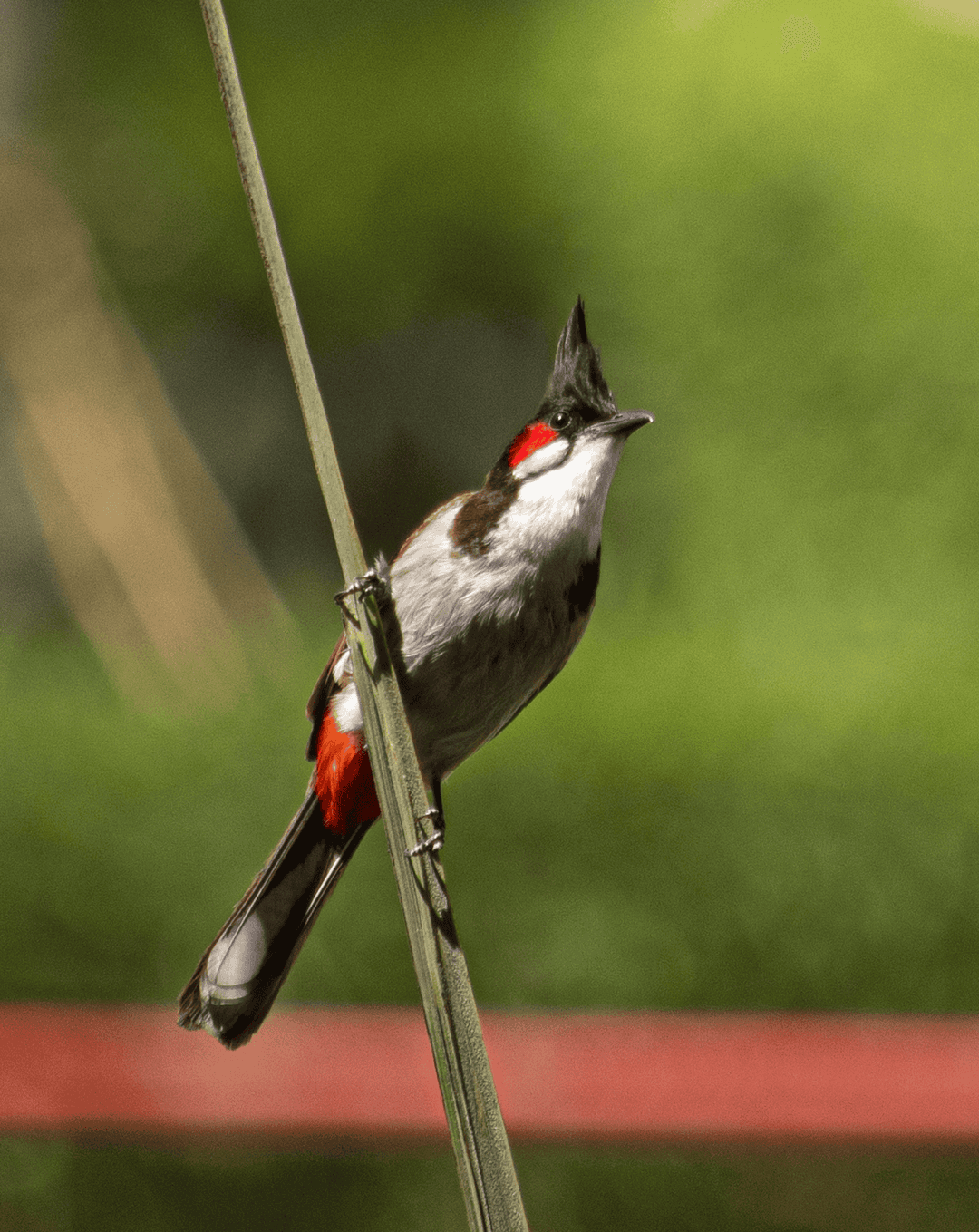
White-Eared Bulbul vs Red-Whiskered Bulbul
White-Eared Bulbul vs White-Spectacled Bulbul
Bulbul vs [Select a bird]

[Select a bird]
Pick a bird to compare
White-Eared Bulbul vs [Select a bird]
[Select a bird]
Pick a bird to compare