White-Eared Bulbul or Dark-Capped Bulbul?
Here's how to tell the difference
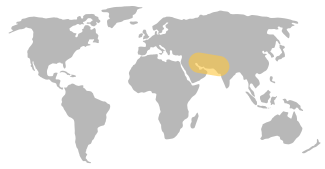


White-Eared Bulbul

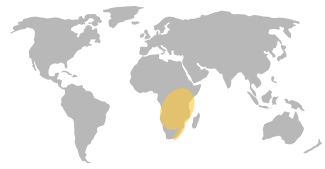
Dark-Capped Bulbul
White-Eared Bulbul
Pycnonotus leucotis
Also known as: White-Cheeked Bulbul, Iraqi Bulbul
General appearance
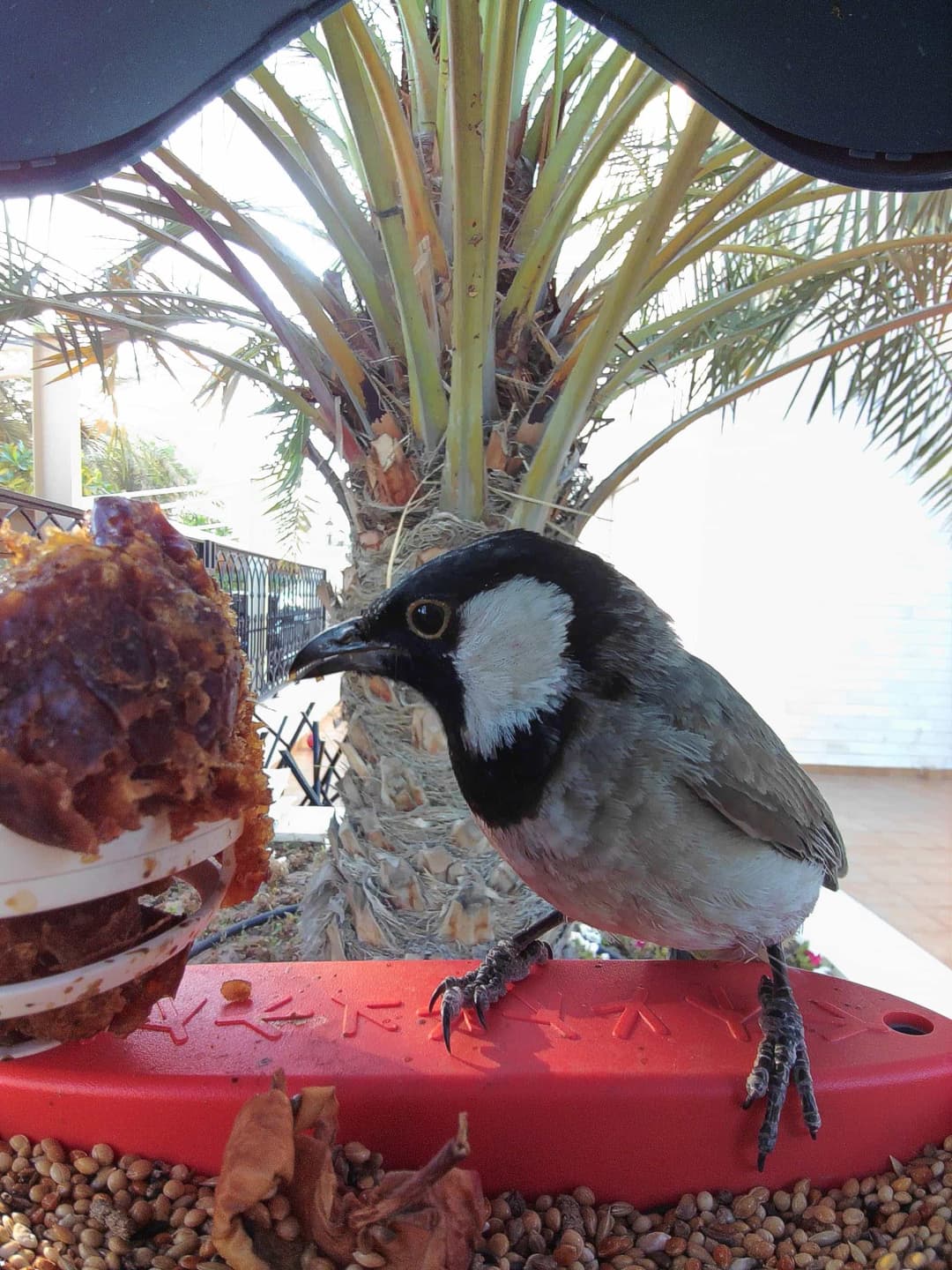
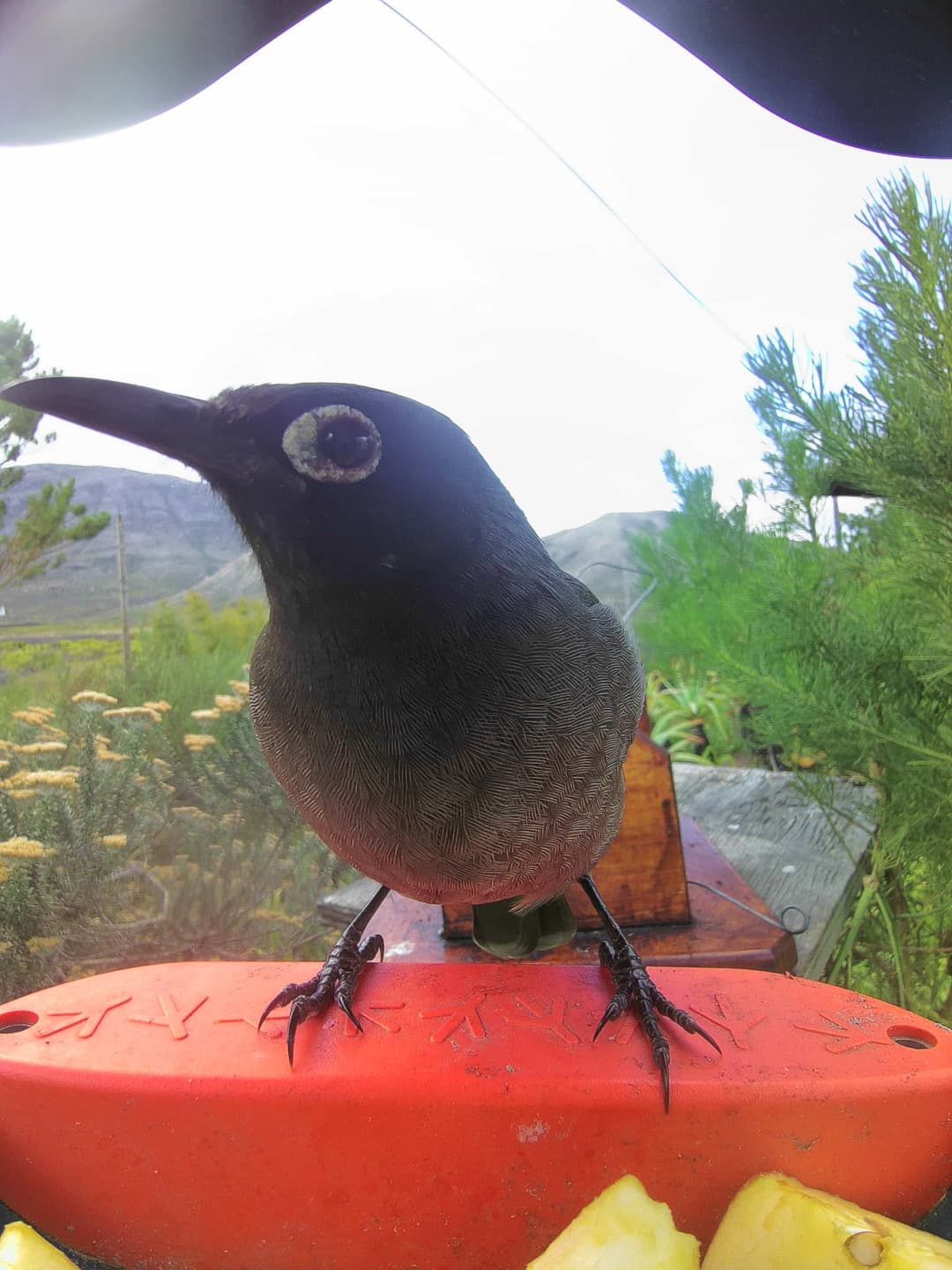
The white-eared bulbul, identifiable by a white patch around its ear, has a predominantly dark grey body, with a light underbelly. The bird has a white-tipped tail, and a lighter colored tuft of feathers on its throat with a sharp, pointed beak, typical of bulbul species.
Male vs female
Males and females of the white-eared bulbul species are similar in appearance, exhibiting little sexual dimorphism. Both have similar coloration and physical traits; key differences are difficult to discern without closer observation or expert knowledge.
Juvenile
Juvenile bulbuls resemble adults but have a more subdued color scheme. The distinctive white patch around the ear is less prominent compared to adults and develops gradually as they mature.
Size
6.9 - 7.5 in/0.6 - 1.2 oz
There's more to learn about White-Eared Bulbul
View full detailsDark-Capped Bulbul
Pycnonotus tricolor
Also known as: Tricolored Bulbul
General appearance
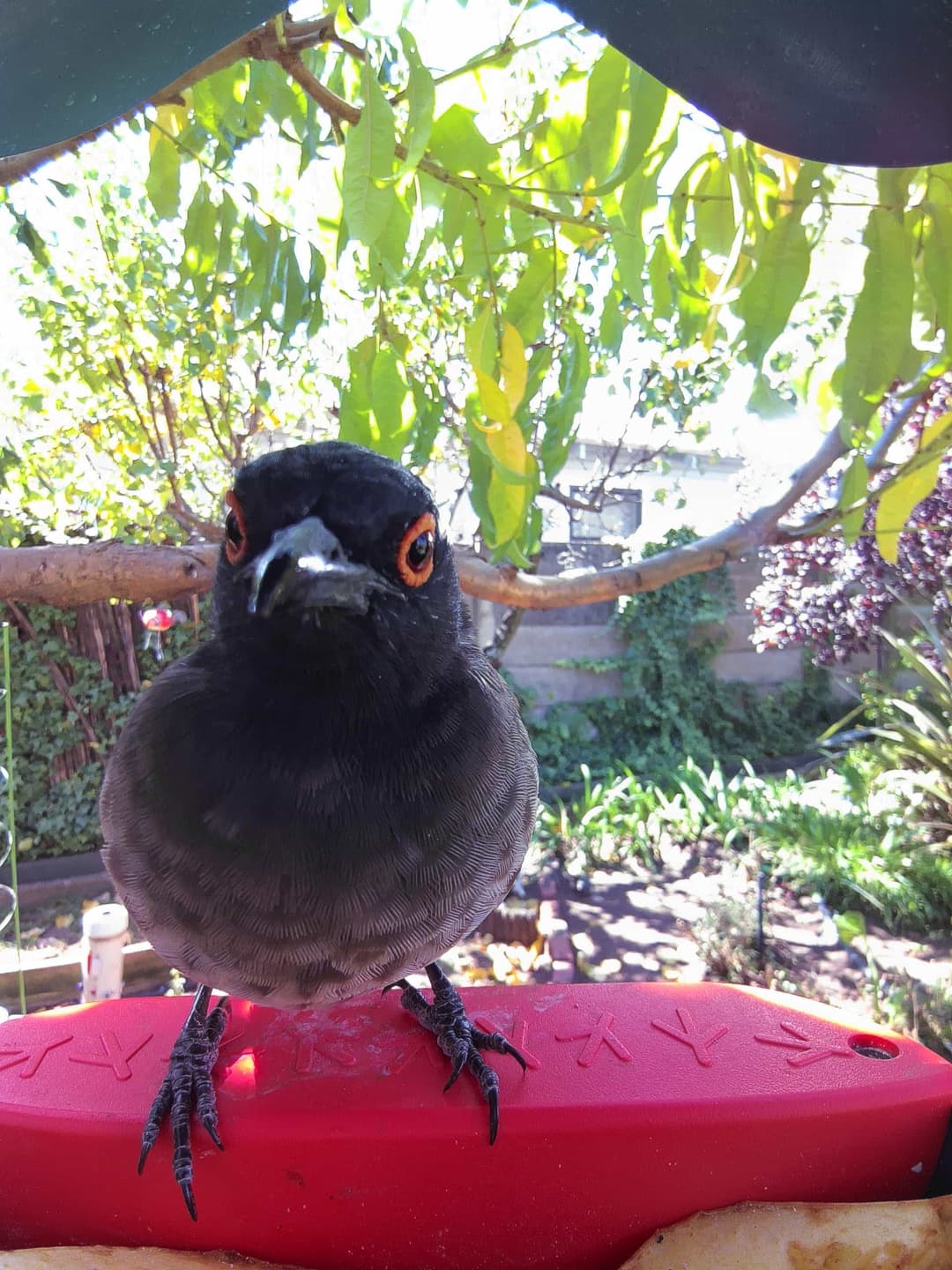
Dark-capped bulbuls have a blackish-brown upper body and light-grayish underparts. Their tails and wings are brown, while their heads bear a pronounced dark cap. They boast a distinctive red undertail, and sharp yellow eyes with an elegant black eye ring. They are generally medium-sized, averaging about 20cm in length.
Male vs female
Male and females Dark-capped bulbuls exhibit no noticeable sexual dimorphism in their physical appearance. Both sexes share the same distinct coloration and size. Thus, it's challenging to identify the sex visually in the wild.
Juvenile
Juvenile dark-capped bulbuls are similar to adults albeit a more modest and less contrasting coloration. Their caps are more brown than black, and their underparts are more whitish. Additionally, their eyes are brownish before maturing to the adult's distinctive yellow. Juveniles also lack the crimson-red undertail seen in adults.
Size
5.9 - 7.9 in/1.0 - 1.7 oz
There's more to learn about Dark-Capped Bulbul
View full detailsHow to tell the White-Eared Bulbul from the Dark-Capped Bulbul
Visual differences
The White-Eared Bulbul is 6.9-7.5 inches long, with a predominately dark gray body, light underbelly, and a distinct white ear patch. It has a white-tipped tail and a sharp beak. The Dark-Capped Bulbul, slightly larger at 7.9 inches, features a blackish-brown upper body, light-gray underparts, a pronounced dark cap, and distinctive red undertail. It has brown wings and tail, with sharp yellow eyes encircled by an elegant black eye ring. Both species show little sexual dimorphism, making gender identification visually challenging.
Key differences and behavior
The White-Eared Bulbul, adaptable to urban environments in South Asia, often forms flocks and engages in trio breeding behaviors, while the Dark-Capped Bulbul, preferring woodland edges in southeastern Africa, is more solitary and frequently near water. Both species enjoy fruits and insects, but the White-Eared Bulbul is notably flexible, thriving in cities and exploiting human food sources, unlike the Dark-Capped, who occasionally drinks sugar water. White-Eared Bulbuls engage in courtship with food offerings, whereas Dark-Capped Bulbuls rely heavily on vocal displays. Nests for both species are cup-shaped in shrubs or trees, with both parents sharing incubation and feeding duties. The White-Eared Bulbul's breeding focus in semi-deserts contrasts with the more moisture-favoring habitats of the Dark-Capped Bulbul.
Still not sure? Here are more lookalikes!
White-Eared Bulbul vs African Red-Eyed Bulbul
White-Eared Bulbul vs Light-Vented Bulbul

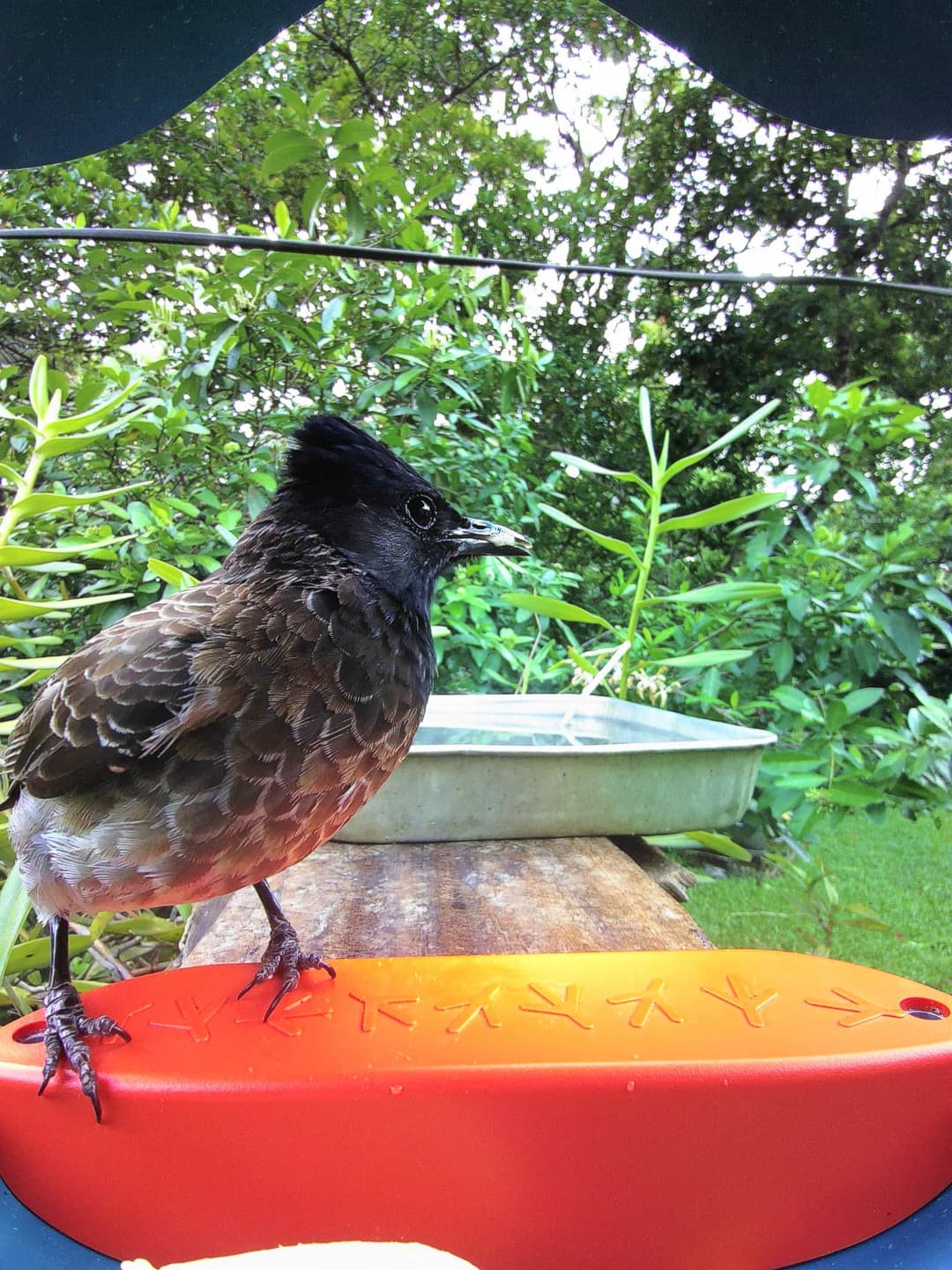
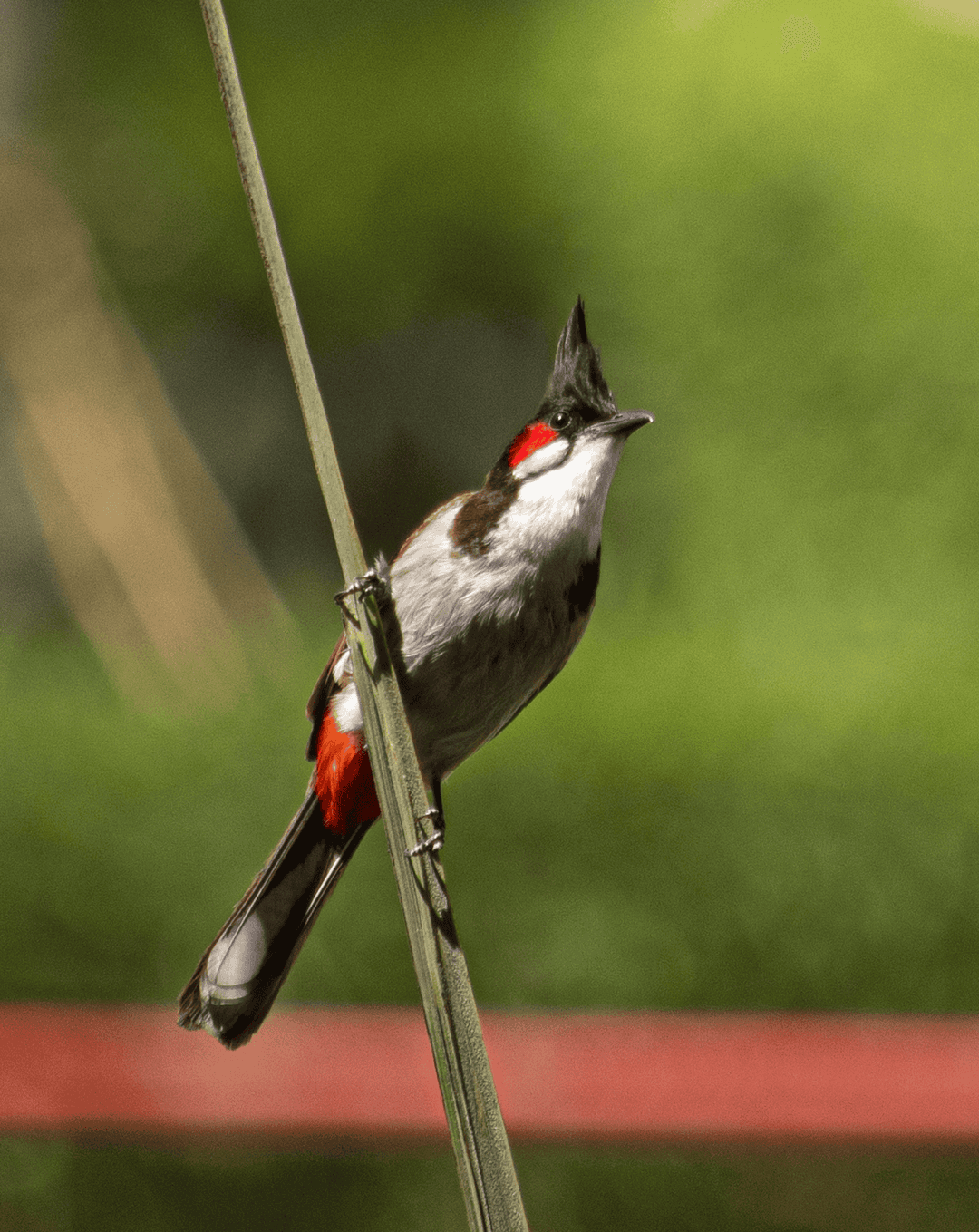
White-Eared Bulbul vs Red-Whiskered Bulbul
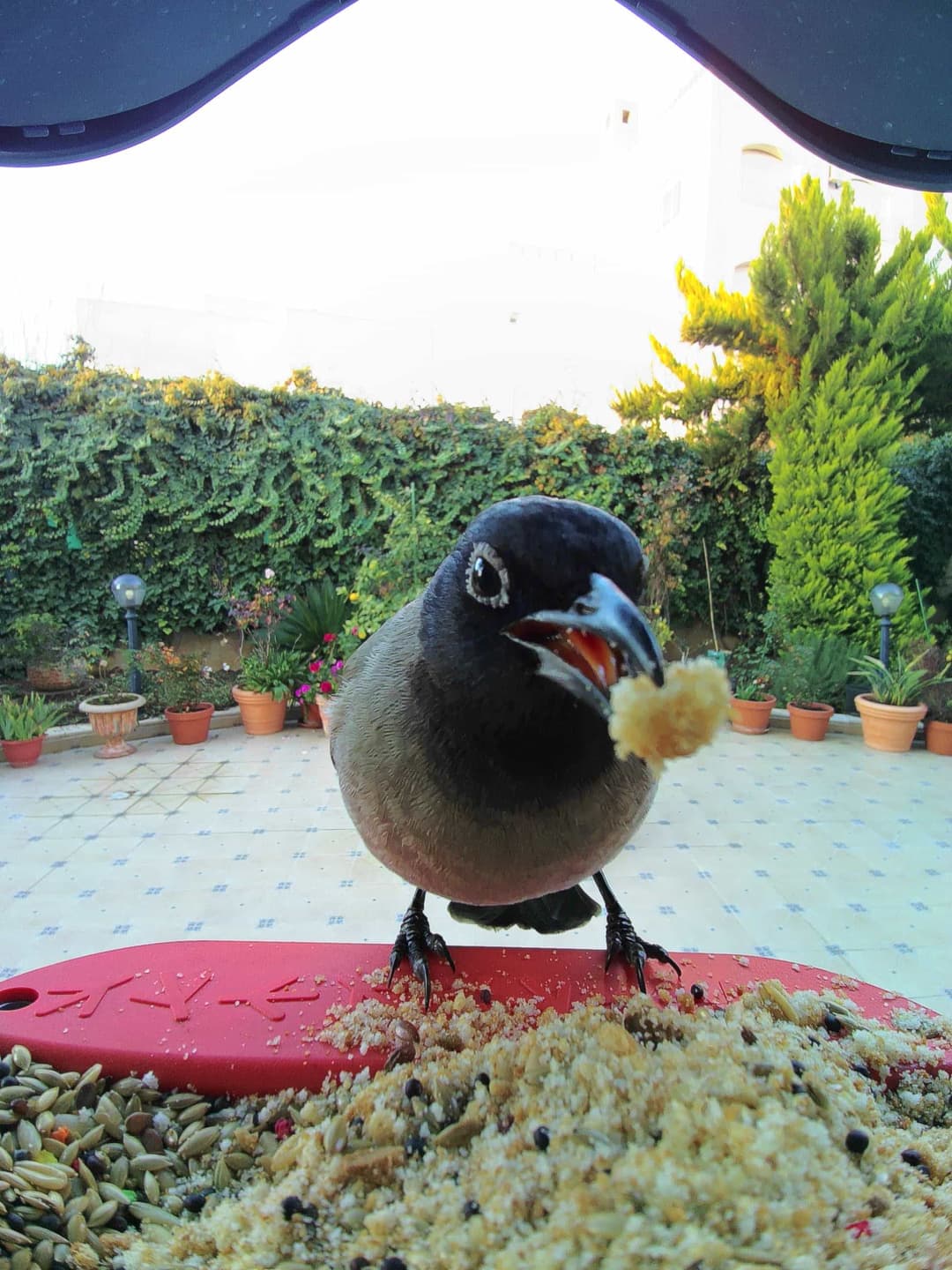
White-Eared Bulbul vs White-Spectacled Bulbul
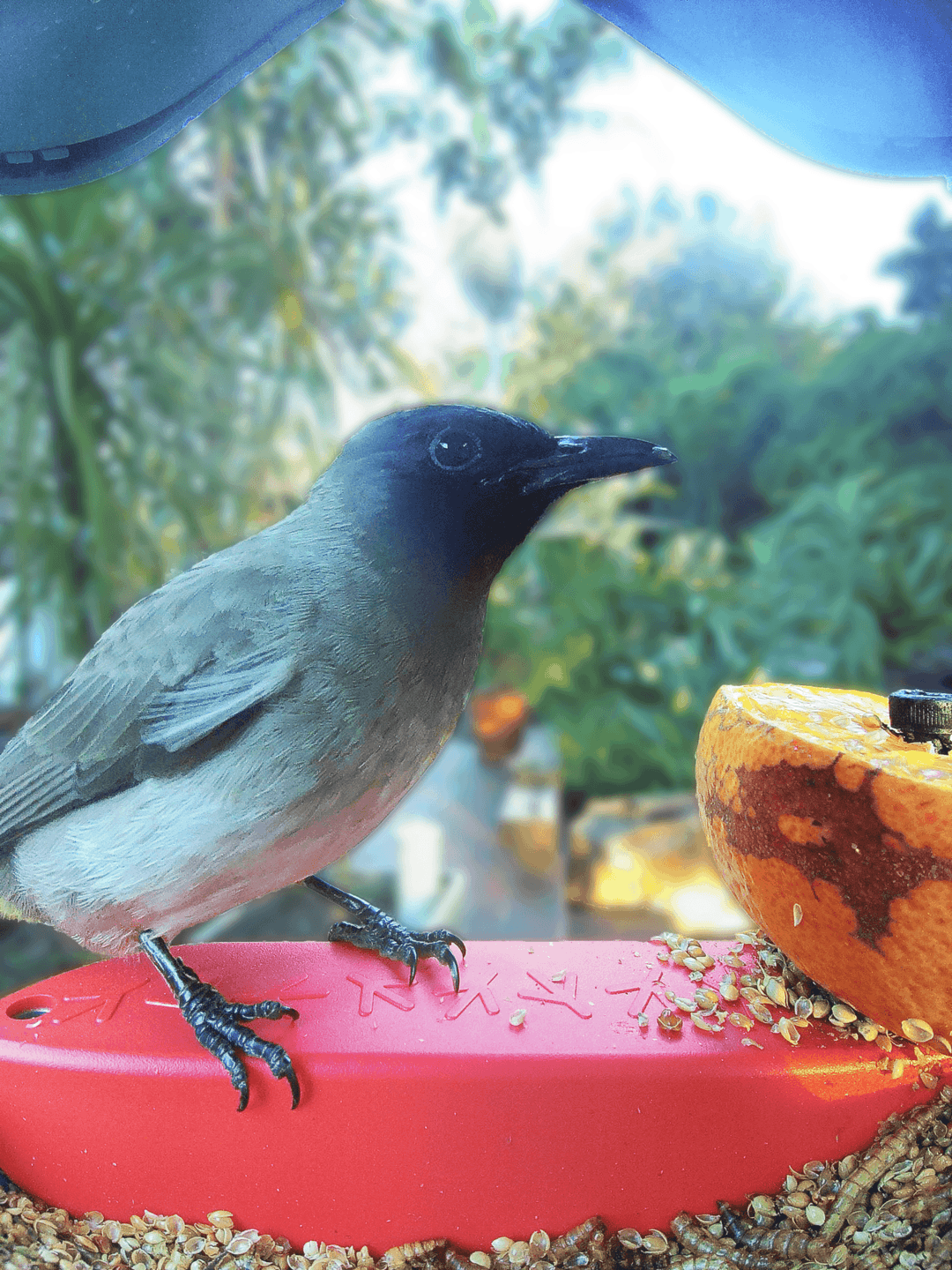
Dark-Capped Bulbul vs Himalayan Bulbul


Dark-Capped Bulbul vs African Red-Eyed Bulbul
White-Eared Bulbul vs [Select a bird]

[Select a bird]
Pick a bird to compare
Dark-Capped Bulbul vs [Select a bird]
[Select a bird]
Pick a bird to compare