Bulbul or Sooty-Headed Bulbul?
Here's how to tell the difference
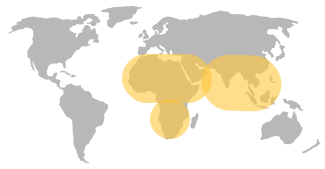


Bulbul

Sooty-Headed Bulbul
Bulbul
Pycnonotus
Also known as: Nightingale
General appearance
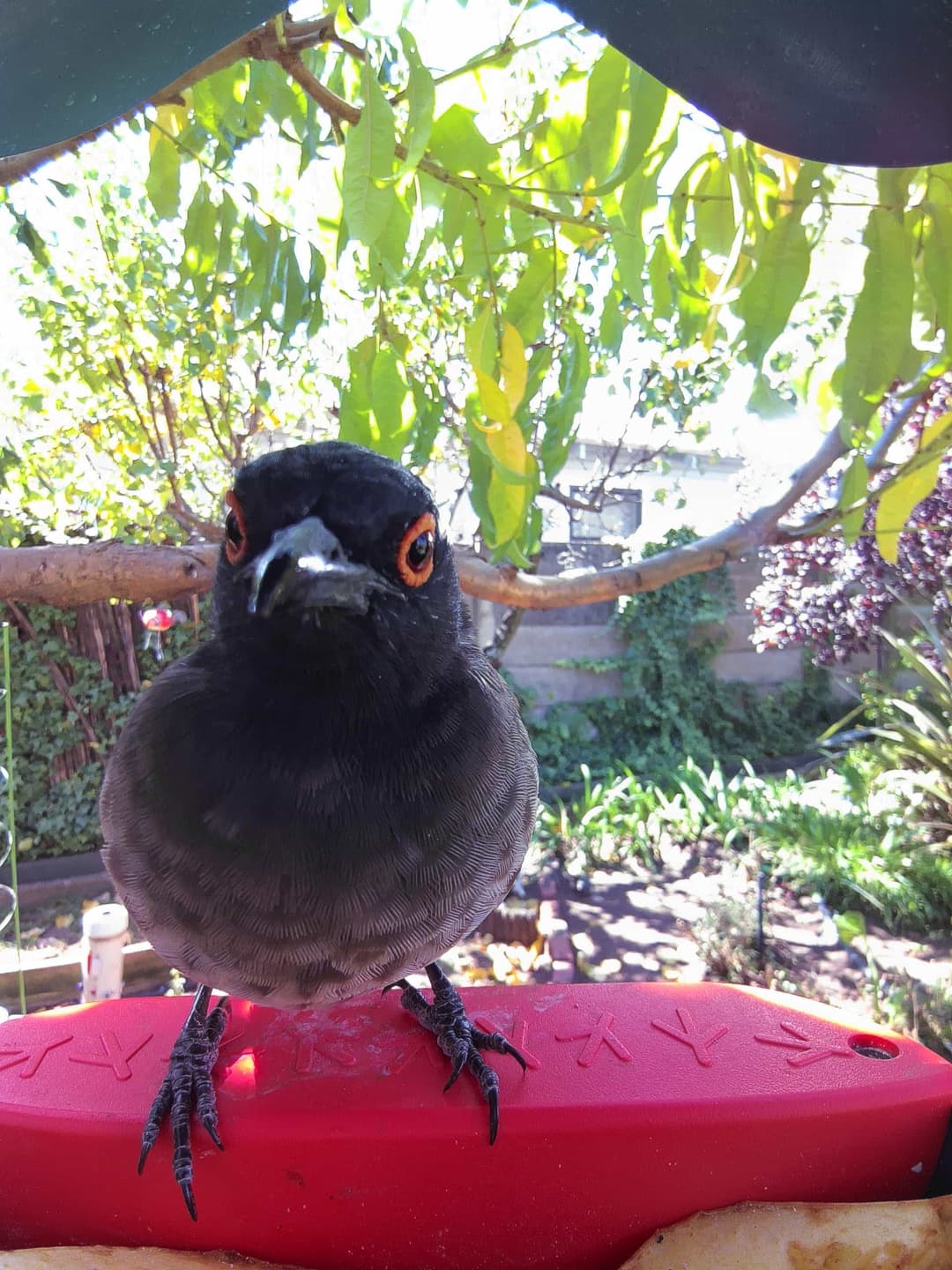
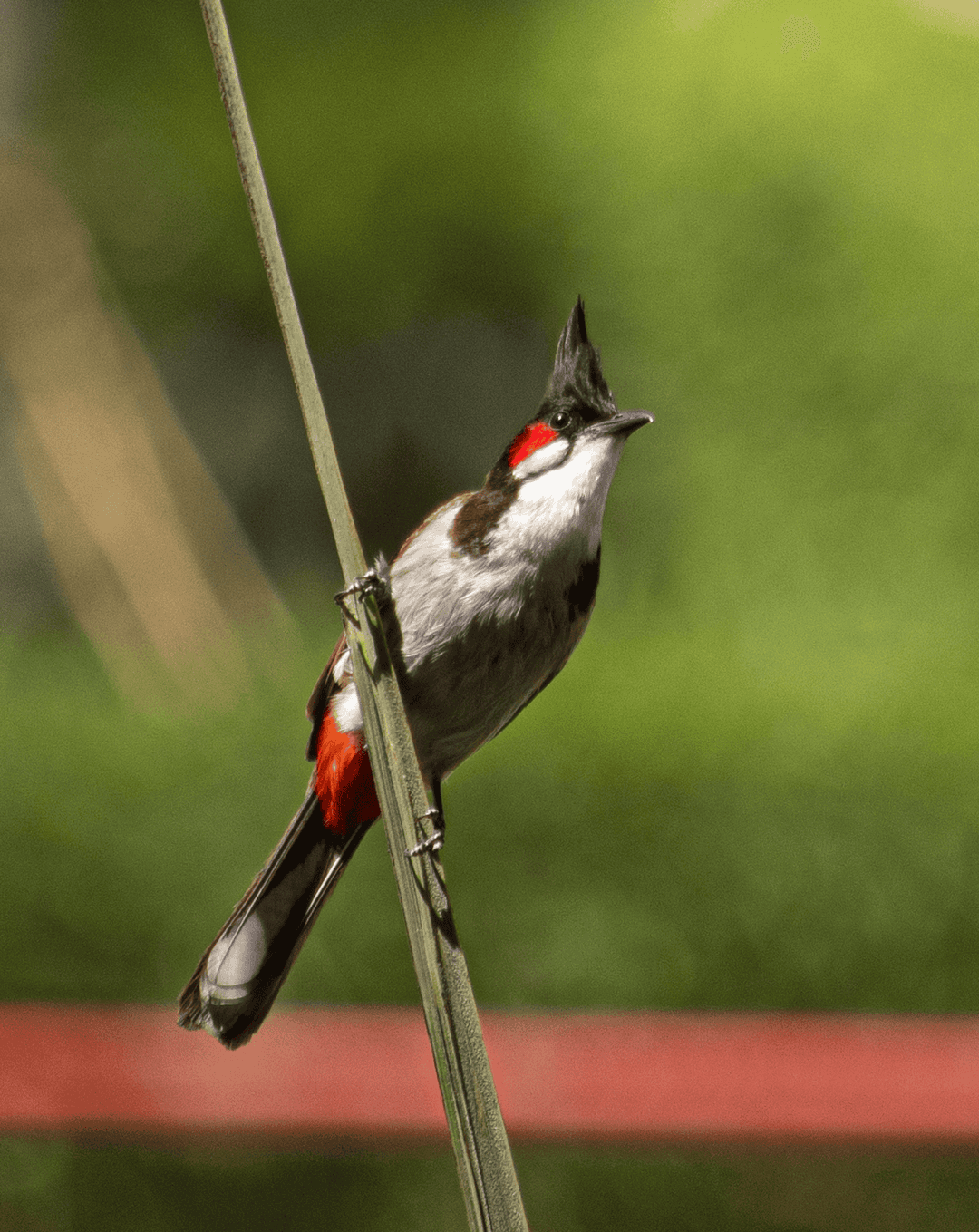
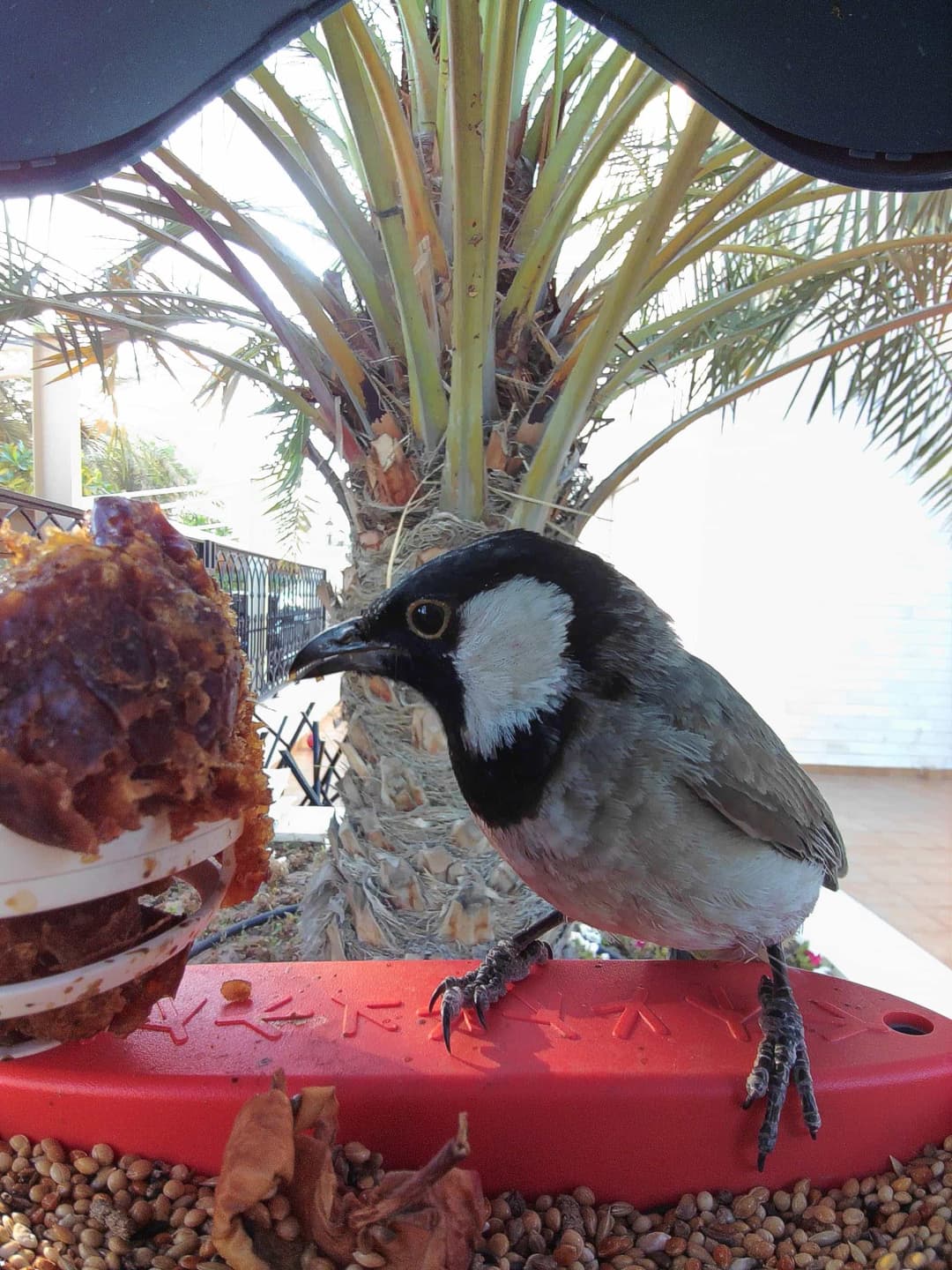
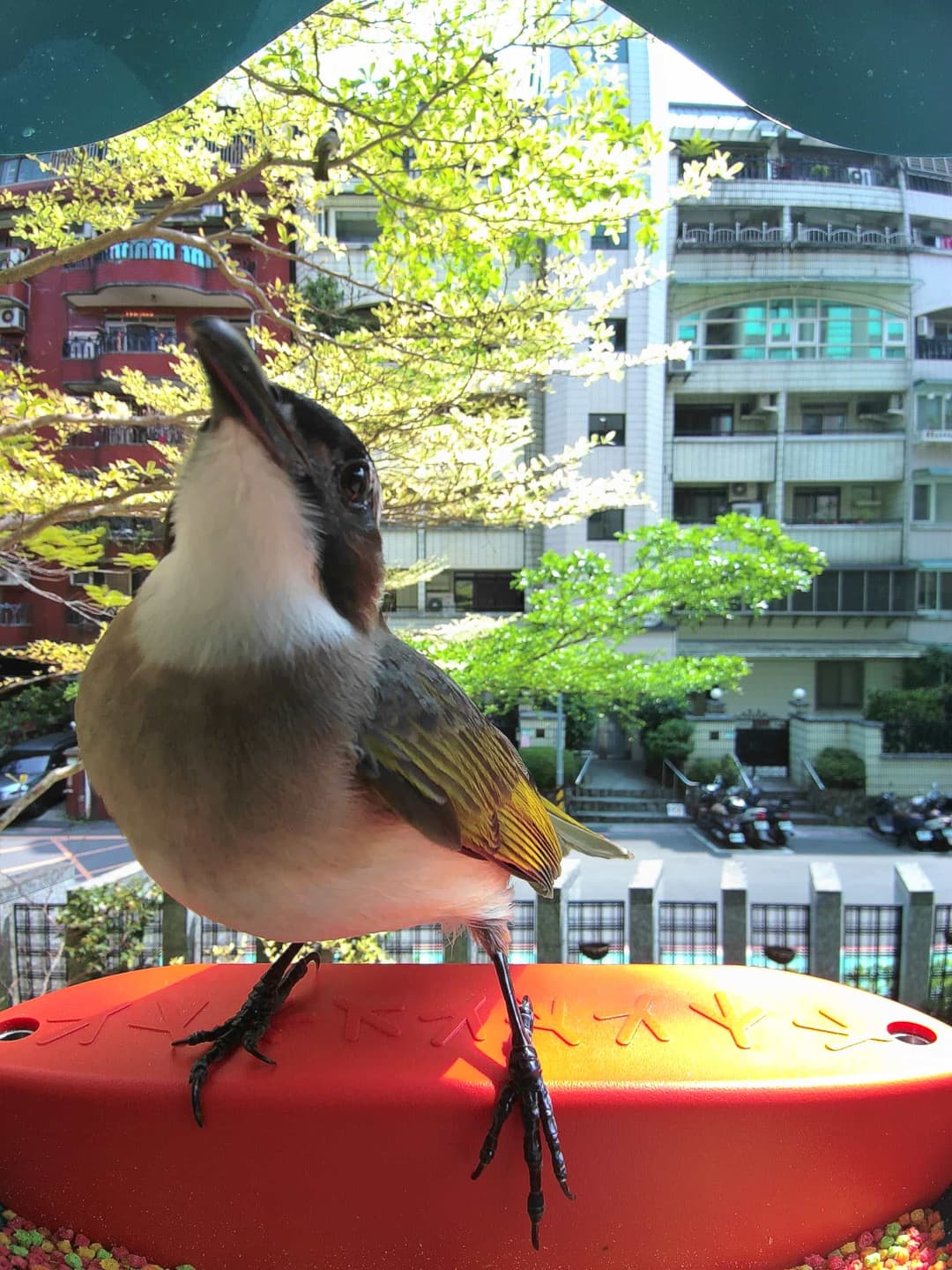
Bulbuls are small to medium-sized songbirds, often distinguished by a unique crest atop their heads. The coloration of their plumage varies greatly among species, but the common colors seen are brown, grey, or white, often with distinctive markings on the chest and belly. They have short necks, long tails, and relatively short and slender bills.
Male vs female
There are no significant differences in coloration or size between males and females of the bulbul species. Both sexes usually have similar plumage. Any difference, when present, can be subtle and often needs careful observation for detection. Furthermore, the mating pairs of bulbuls are often seen foraging together, which can make it challenging to separate the genders visually.
Juvenile
Juvenile bulbuls typically have a more subdued coloration than adults and may lack the crest seen in mature birds. They are often seen in the company of adults and can be distinguished by their earnest, yet less polished, song attempts. As they mature, juveniles will gradually acquire the coloration and distinguishing characteristics of adult birds.
Size
5.9 - 11.4 in/0.6 - 3.3 oz
There's more to learn about Bulbul
View full detailsSooty-Headed Bulbul
Pycnonotus aurigaster
General appearance
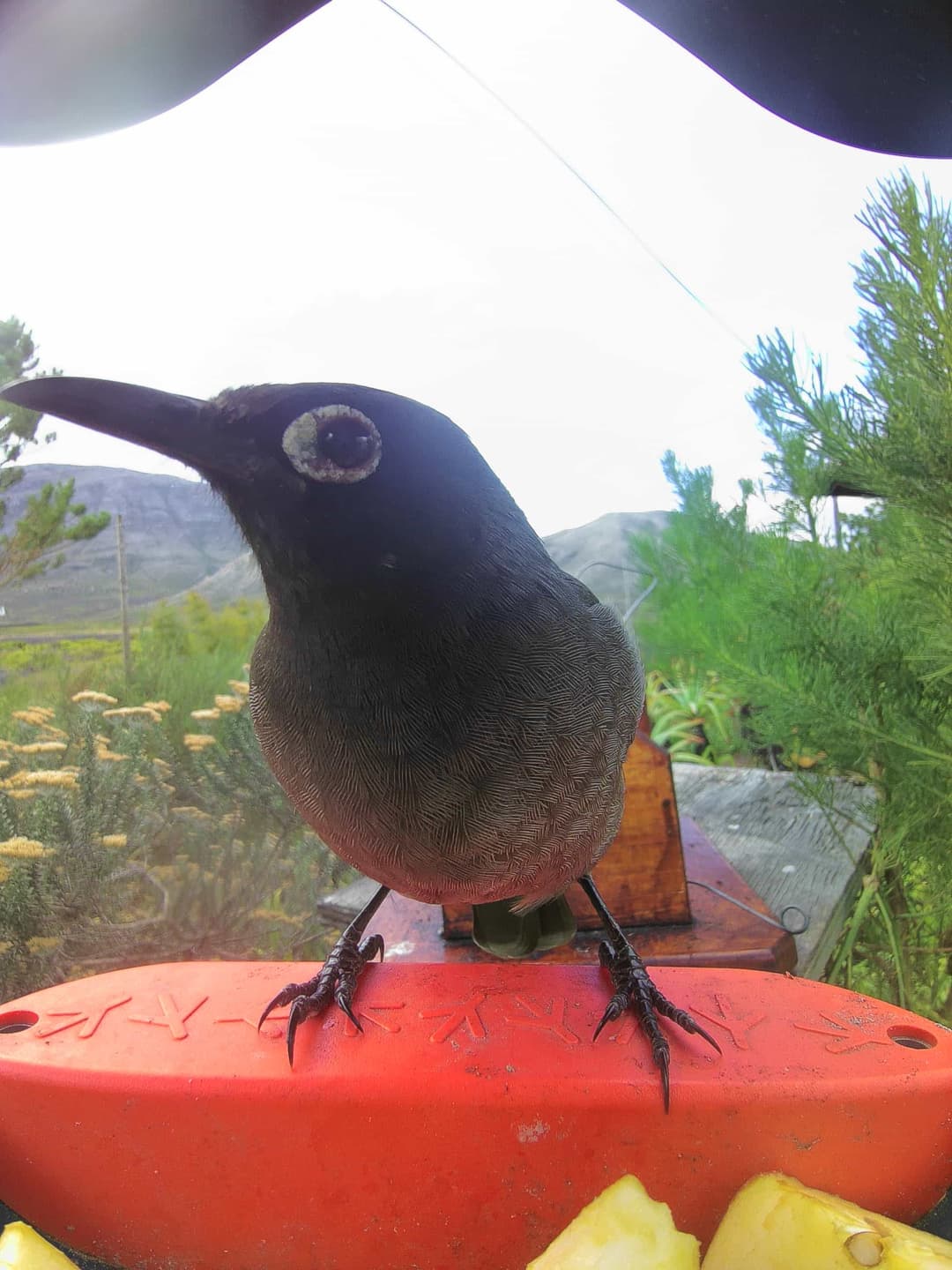
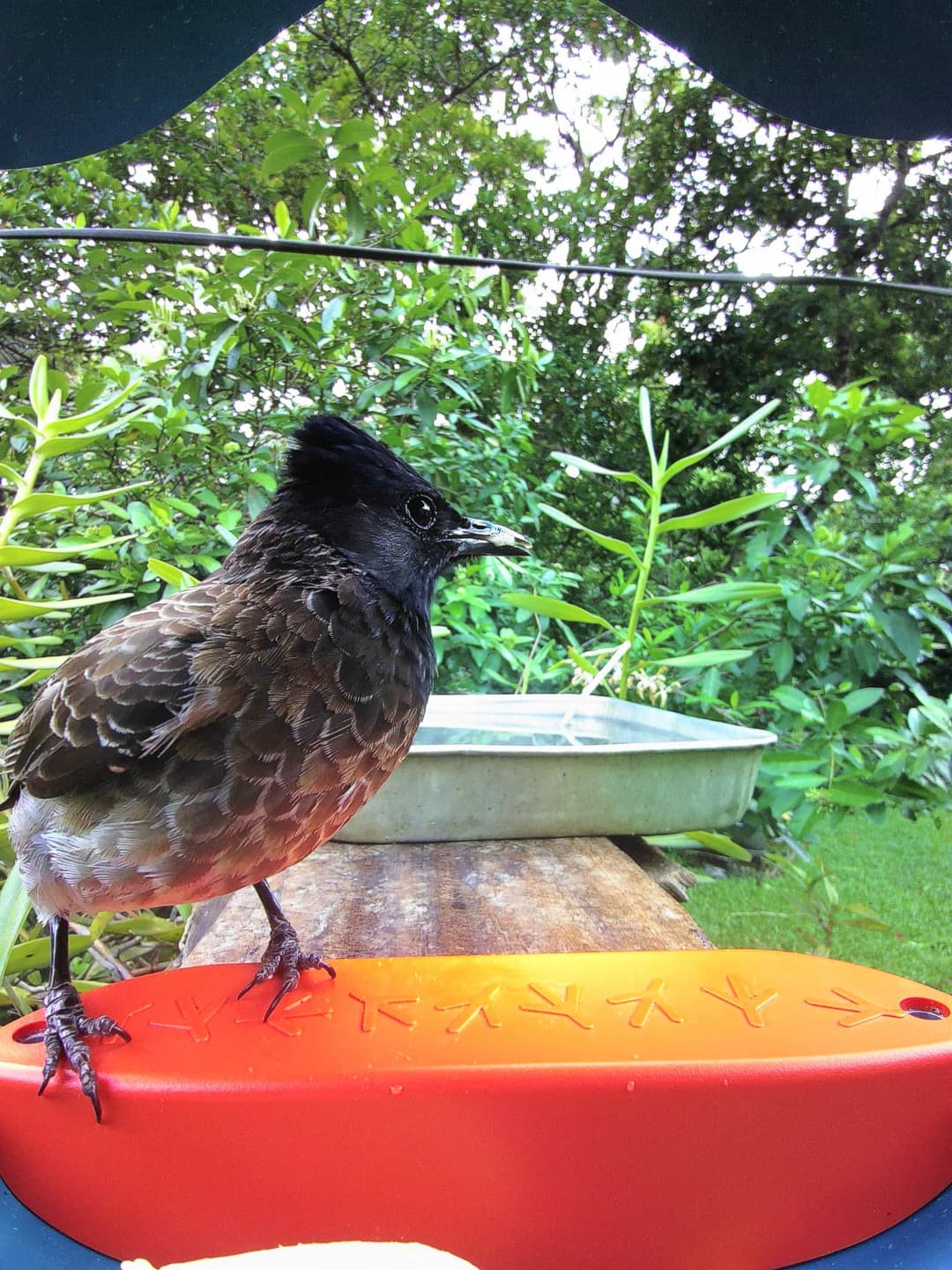
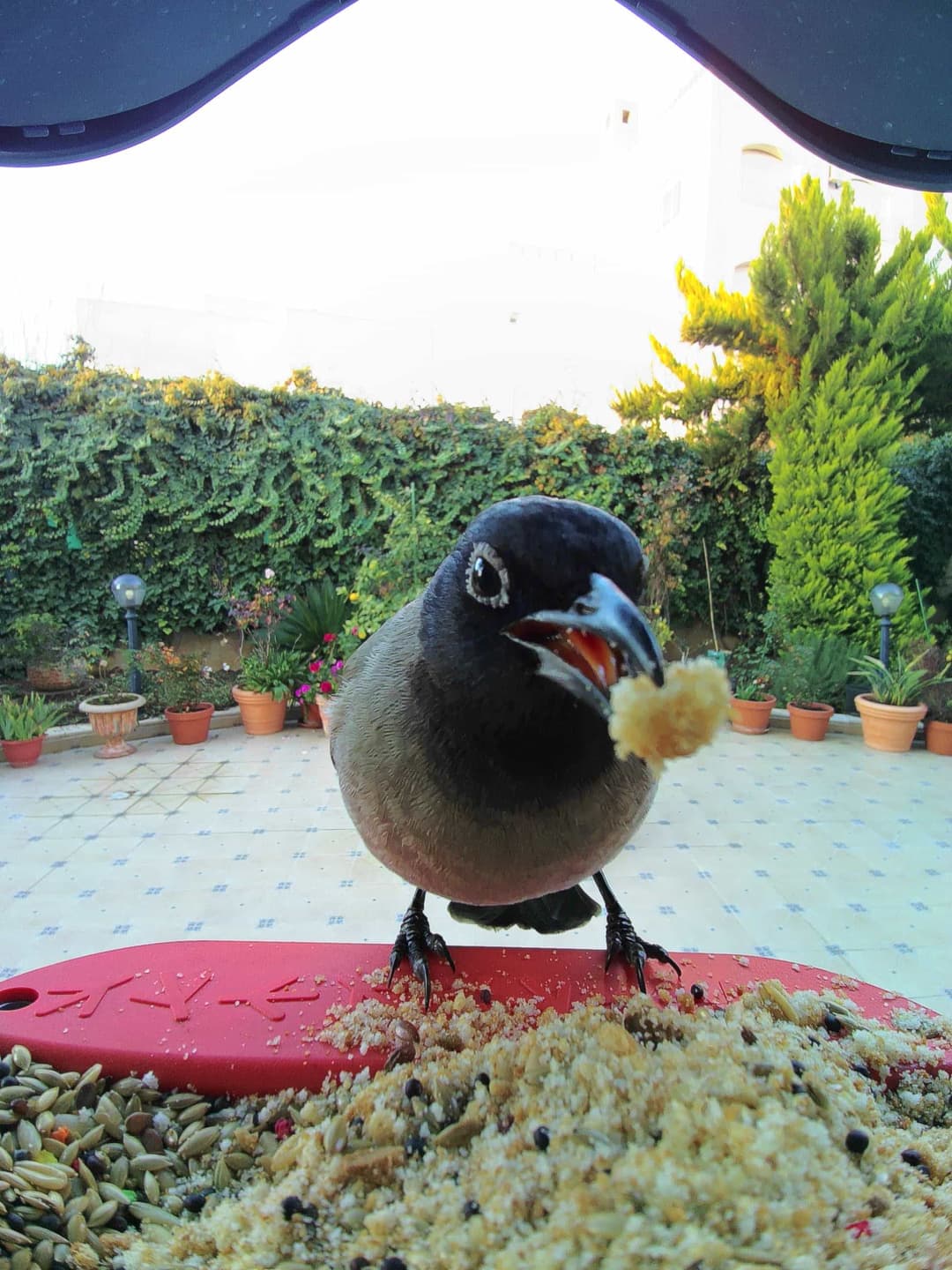
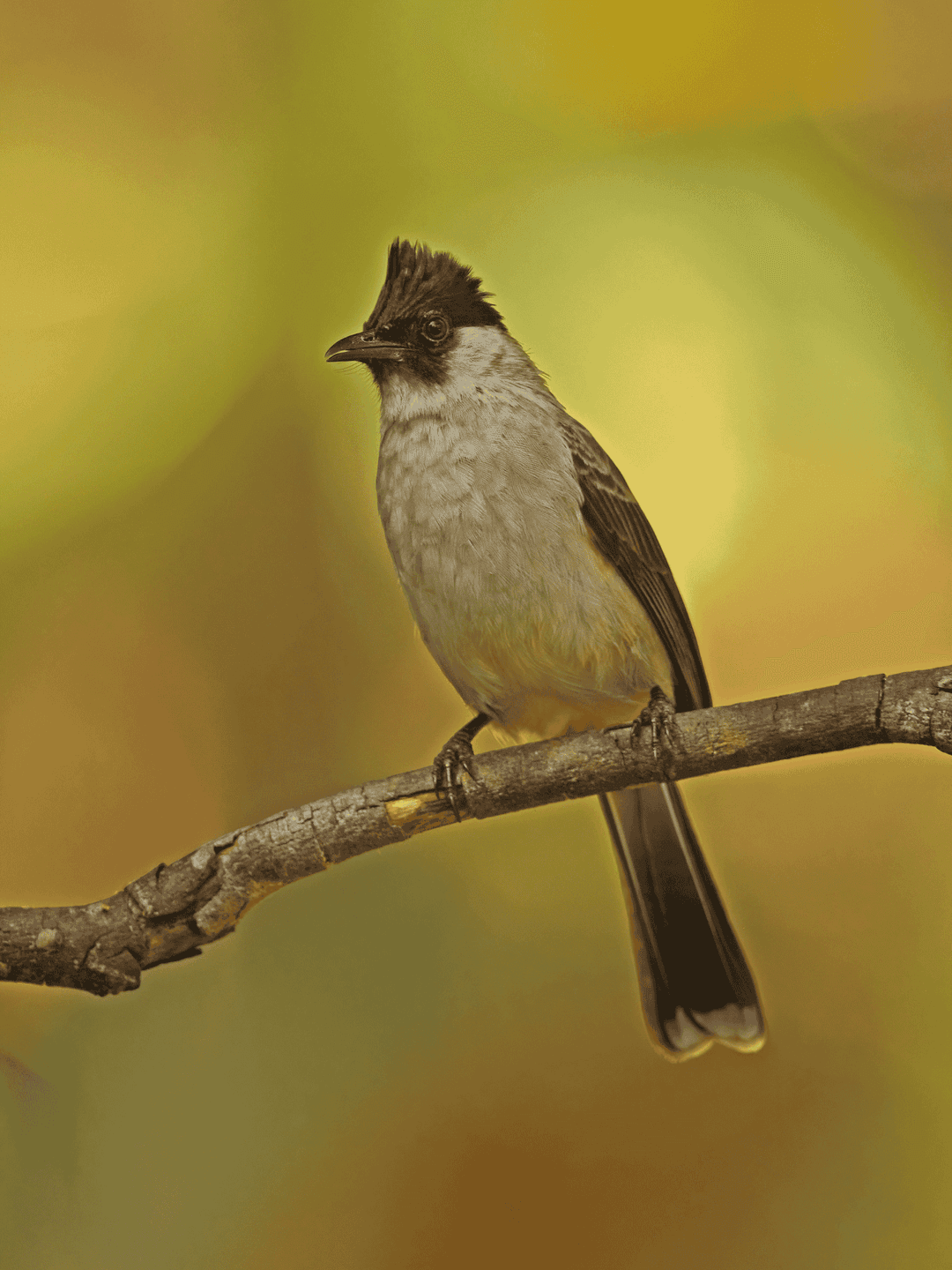
The Sooty-Headed Bulbul is a medium-sized bird, approximately 20 cm in length. The principal characteristic of the specie is its black-colored head, leading towards the nape. The color gradually transforms into a smoky grey down the back, while the underparts, including the chest, belly, and undertail, are creamy-white. The specie has a pointed black crest, a conspicuous white iris around the eyes, and stout, medium length, black bill. There are no distinct seasonal variations in the appearance.
Male vs female
Both males and females look almost identical, making it particularly challenging to distinguish them. Both sexes share the identical characteristic blacks, grays, and whites coloring. The voice might be helpful in distinguishing between the sexes, as typically males have a louder and more varied song than females.
Juvenile
Juvenile Sooty-Headed Bulbuls are discernable thanks to their more muted coloring. They exhibit duller hues, lacking the sharp contrast between the black, grey and white seen in adults. They don’t have the pointy crest feature until they attain maturity. Their iris is brownish as compared to the stark white in adults.
Size
7.5 - 8.3 in/1.4 - 1.8 oz
There's more to learn about Sooty-Headed Bulbul
View full detailsHow to tell the Bulbul from the Sooty-Headed Bulbul
Visual differences
Bulbuls have varying plumage colors, often brown, grey, or white with distinctive chest and belly markings, while Sooty-Headed Bulbuls have a consistent black head leading to a grey back and creamy-white underparts. The Sooty-Headed has a black crest and white iris, in contrast to the various crests of other bulbuls. In size, bulbuls range from 6 to 11 inches, while Sooty-Heads measure around 7.5 to 8 inches. Both have medium-length bills, but the Sooty-Headed's bill is stout and black.
Key differences and behavior
The Bulbul and Sooty-Headed Bulbul display distinct behaviors and preferences. Typically found in Africa, Asia, and Oceania, Bulbuls are highly adaptable, residing in both tropical and altered habitats, including urban areas. They are often observed in duos or small groups, with males prominently singing from high perches. Sooty-Headed Bulbuls, native to Southeast Asia and South Asia, thrive in lowland forests and urban environments. Both species are frugivorous, but they supplement with insects, especially for chicks. Their courtship includes vocal and physical displays; however, Sooty-Headed males present food to court mates. Both species nest using similar materials, with shared parental duties. Notably, Sooty-Headed Bulbuls are more gregarious and known for their cheerful songs in urban landscapes. Bulbuls, while preferring bush tops, adapt better to colder climates.
Still not sure? Here are more lookalikes!
Bulbul vs Himalayan Bulbul
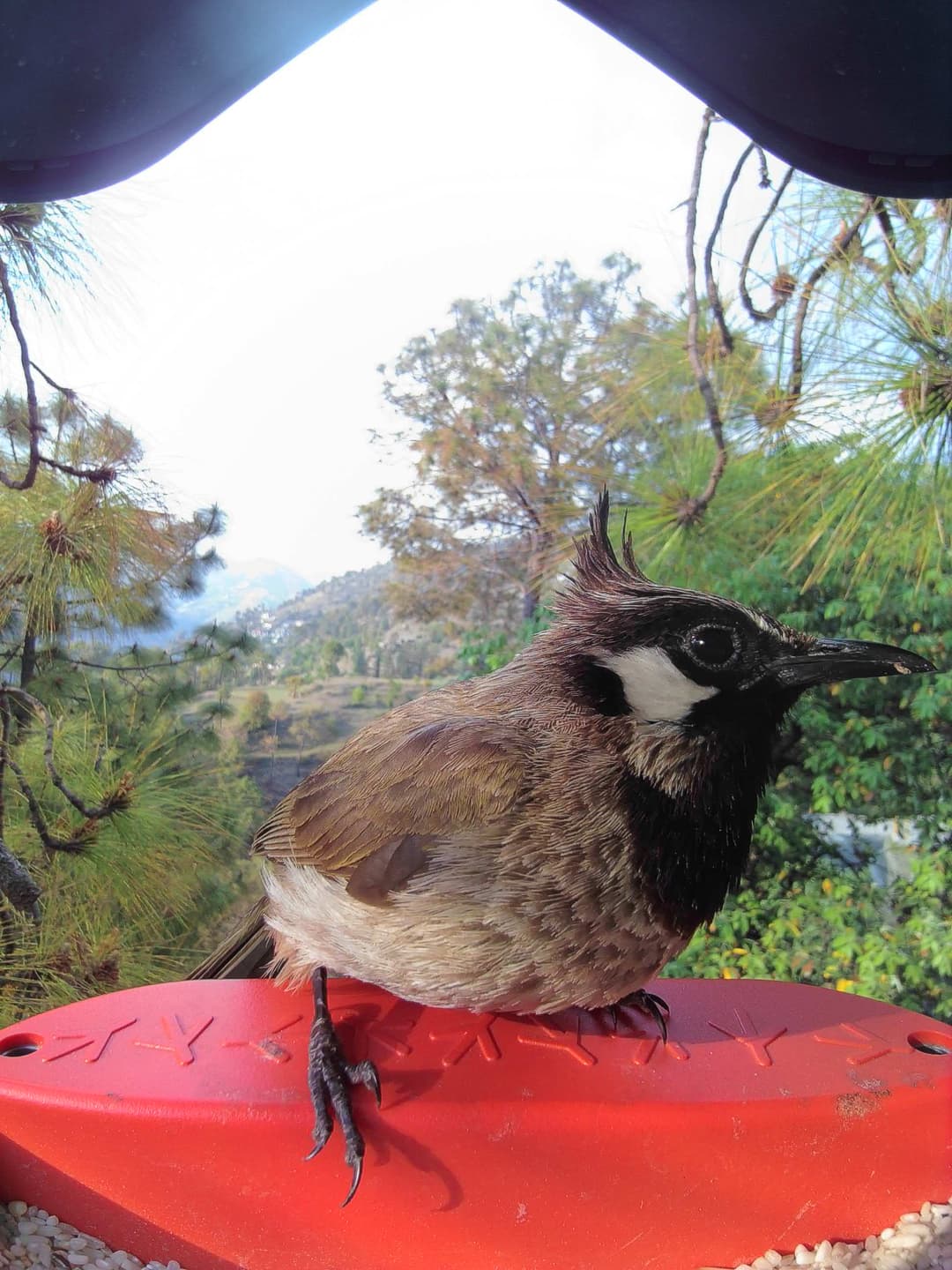
Sooty-Headed Bulbul vs Himalayan Bulbul
Sooty-Headed Bulbul vs Red-Whiskered Bulbul
Sooty-Headed Bulbul vs Light-Vented Bulbul
Bulbul vs [Select a bird]

[Select a bird]
Pick a bird to compare
Sooty-Headed Bulbul vs [Select a bird]
[Select a bird]
Pick a bird to compare