
Bulbul
Bulbul
Also known as: Nightingale
Pycnonotus
Quick Identification guide
Quick Identification guide
Male
- •
dark brown or black head with a contrasting vividly colored throat patch
- •
medium-sized slender body with short rounded wings
- •
A slightly hooked beak and long tail with white tips
Female
- •
Generally softer brown or grey tones overall
- •
Shares the medium-sized slender body and short rounded wings of the male
- •
Short crested head with undertone marking less prominent than the male
Description
Bulbuls are not afraid of a little spotlight and males will often sing from a perch at the very top of a bush. They are typically found in pairs or small groups. Male? Female? Who's to say, as adult members of these species all look alike!
The bulbul can weigh between 16to93grams and be from15to29centimeters tall.
Bulbuls typically have a lifespan of about 11.5 years in the wild, though this can vary depending on species and environmental factors. Relative to other passerine birds like sparrows or finches, which live for approximately 4-8 years, bulbuls have a significantly longer lifespan. Like most birds, captive bulbuls can live longer, with cases recorded of up to 15 years.
Did you know?
Most popular questions about bulbul
How to recognise a bulbul?
General appearance
Bulbuls are small to medium-sized songbirds, often distinguished by a unique crest atop their heads. The coloration of their plumage varies greatly among species, but the common colors seen are brown, grey, or white, often with distinctive markings on the chest and belly. They have short necks, long tails, and relatively short and slender bills.
Male vs female
There are no significant differences in coloration or size between males and females of the bulbul species. Both sexes usually have similar plumage. Any difference, when present, can be subtle and often needs careful observation for detection. Furthermore, the mating pairs of bulbuls are often seen foraging together, which can make it challenging to separate the genders visually.
Juvenile
Juvenile bulbuls typically have a more subdued coloration than adults and may lack the crest seen in mature birds. They are often seen in the company of adults and can be distinguished by their earnest, yet less polished, song attempts. As they mature, juveniles will gradually acquire the coloration and distinguishing characteristics of adult birds.
Often mistaken for
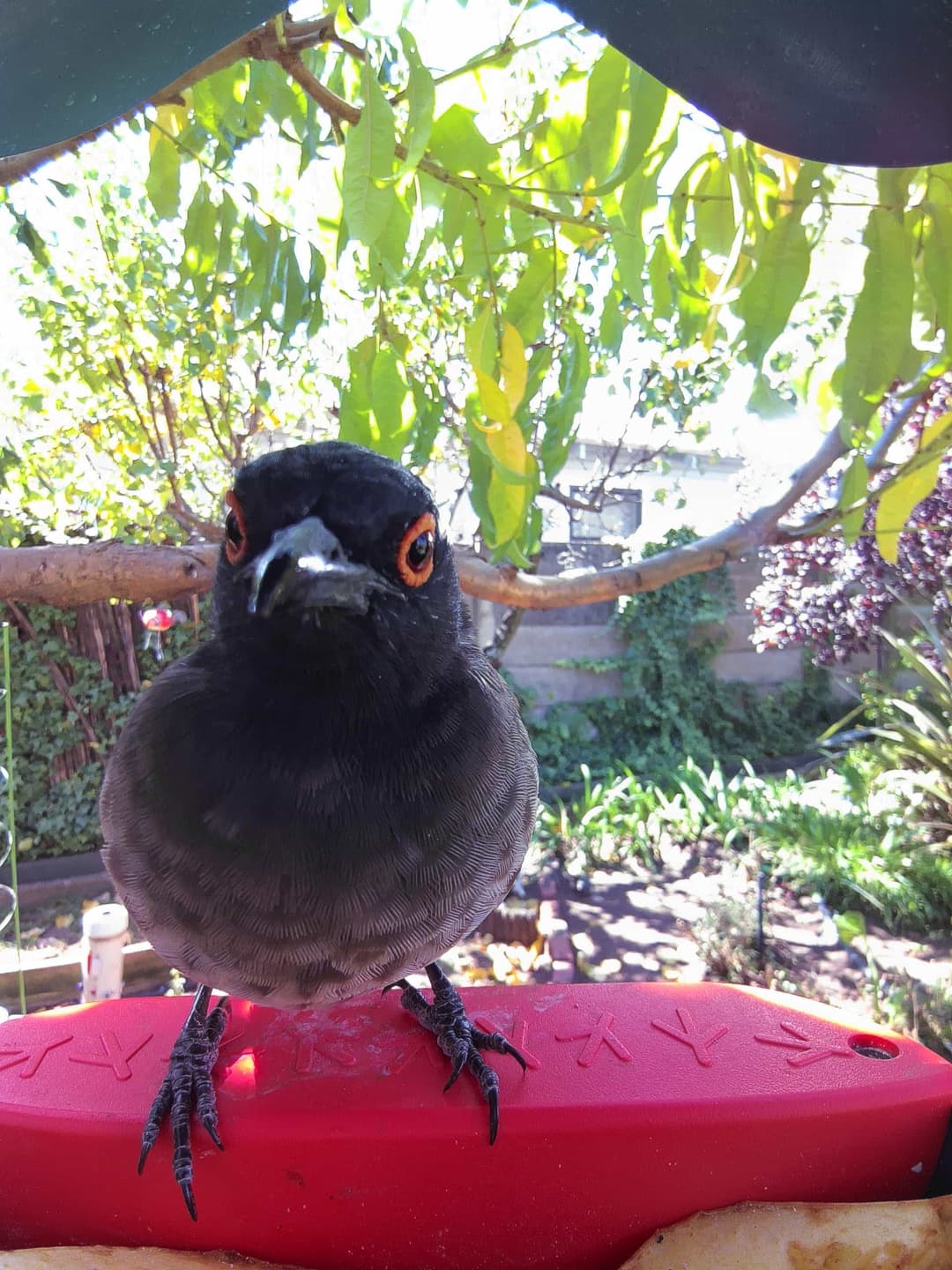
African Red-Eyed Bulbul vs Bulbul
African Red-Eyed Bulbul can be distinguished by its reddish eye-ring and more pronounced black cap, while typical bulbuls may have different facial markings.
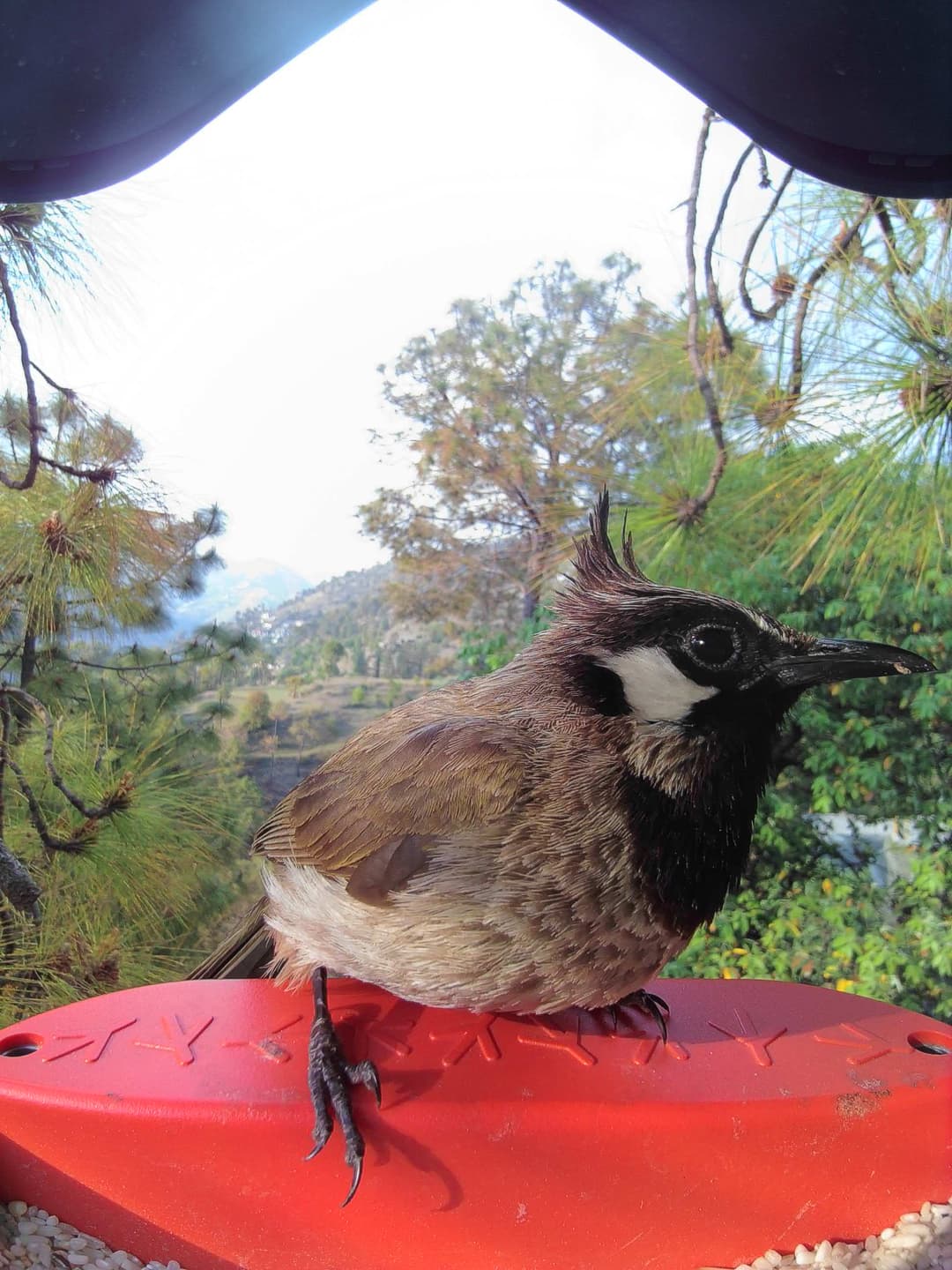
Himalayan Bulbul vs Bulbul
The Himalayan Bulbul has a distinctive black crest and white cheek patches which sets it apart from other bulbul species.
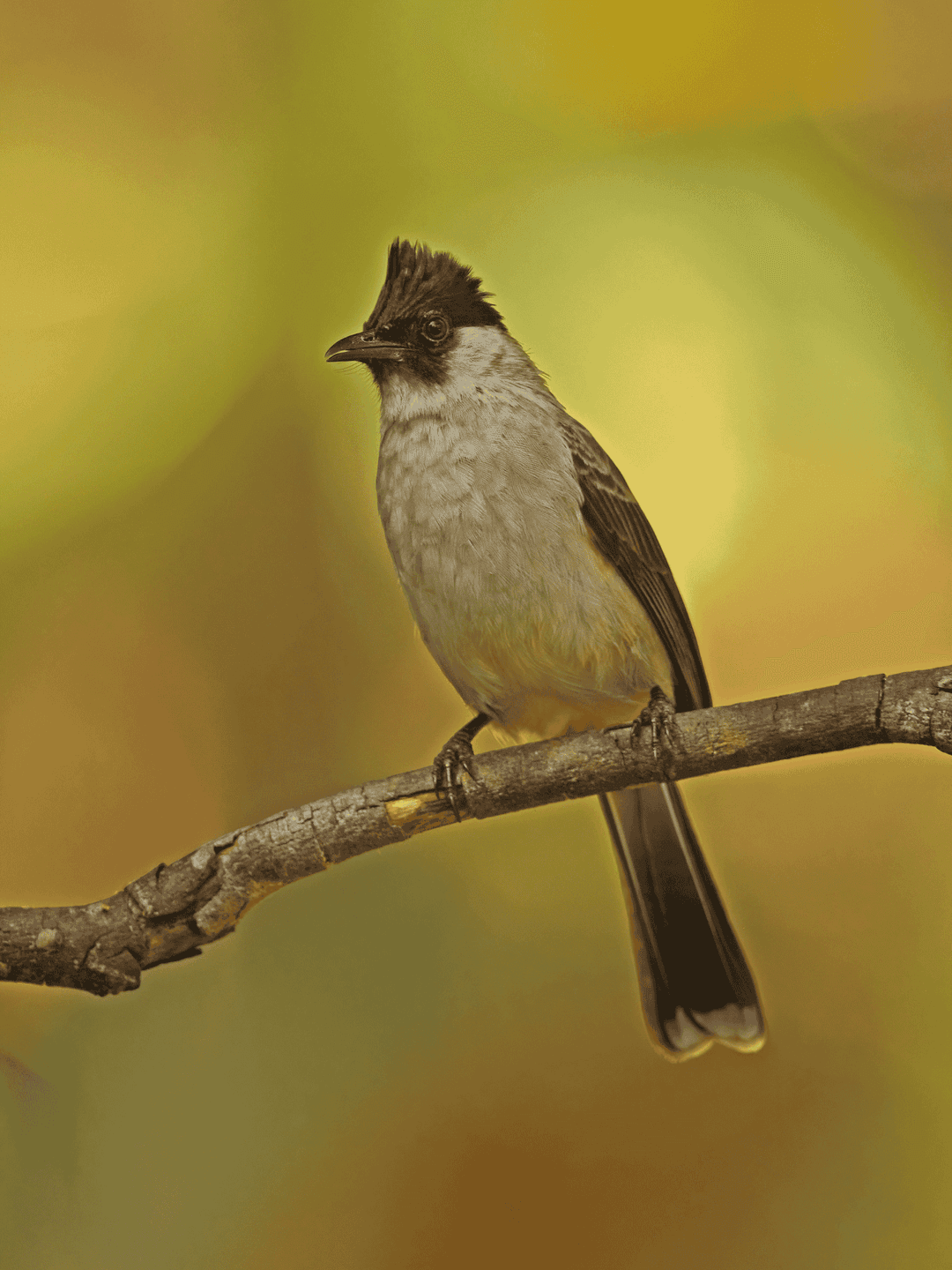
Sooty-Headed Bulbul vs Bulbul
Sooty-Headed Bulbul features a black cap and white throat, which can help differentiate it from other bulbul species.
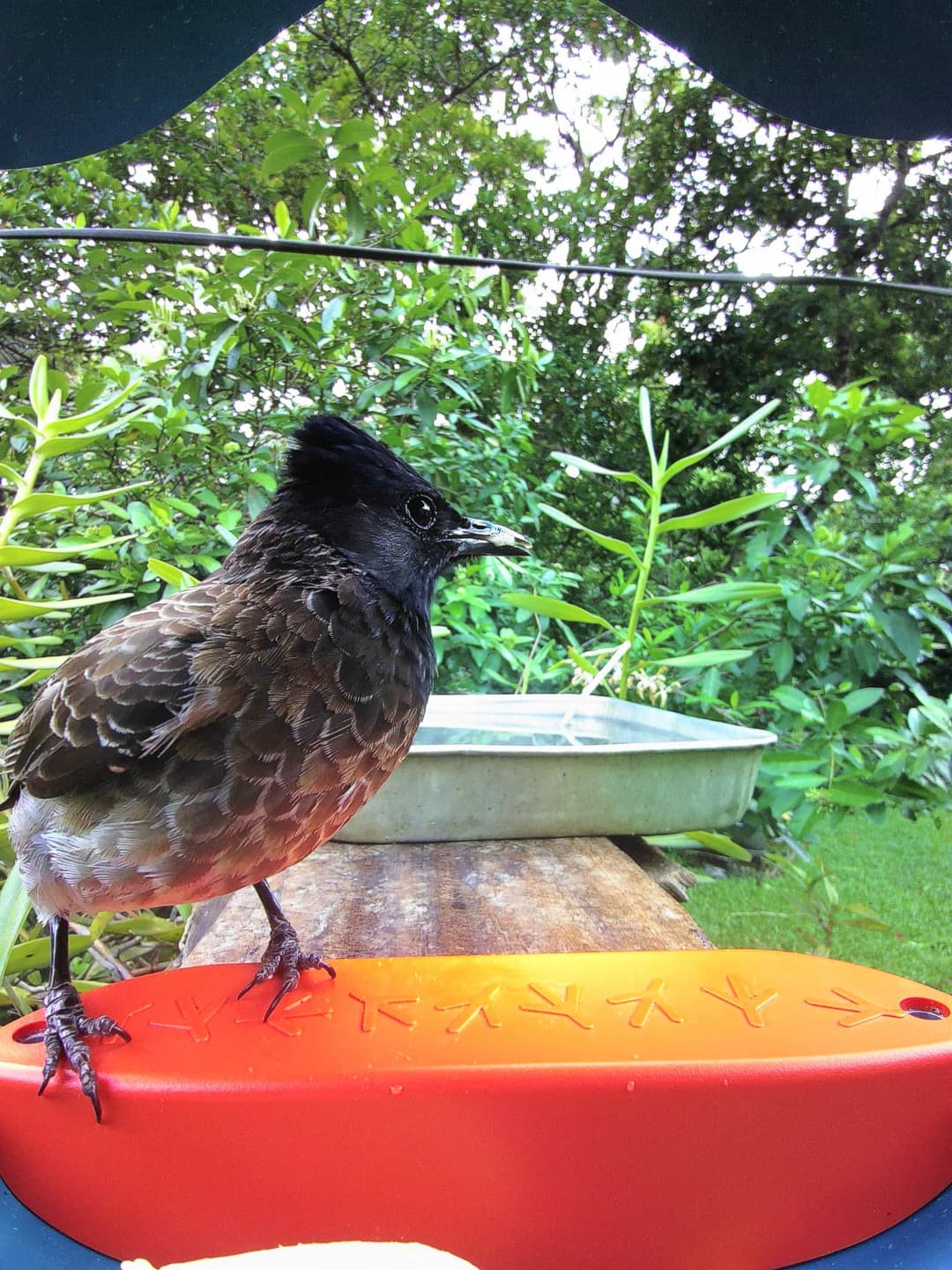
Red-Vented Bulbul vs Bulbul
Red-Vented Bulbul is recognizable by its black crest and red vent. It usually has a sooty brown color compared to other bulbuls.
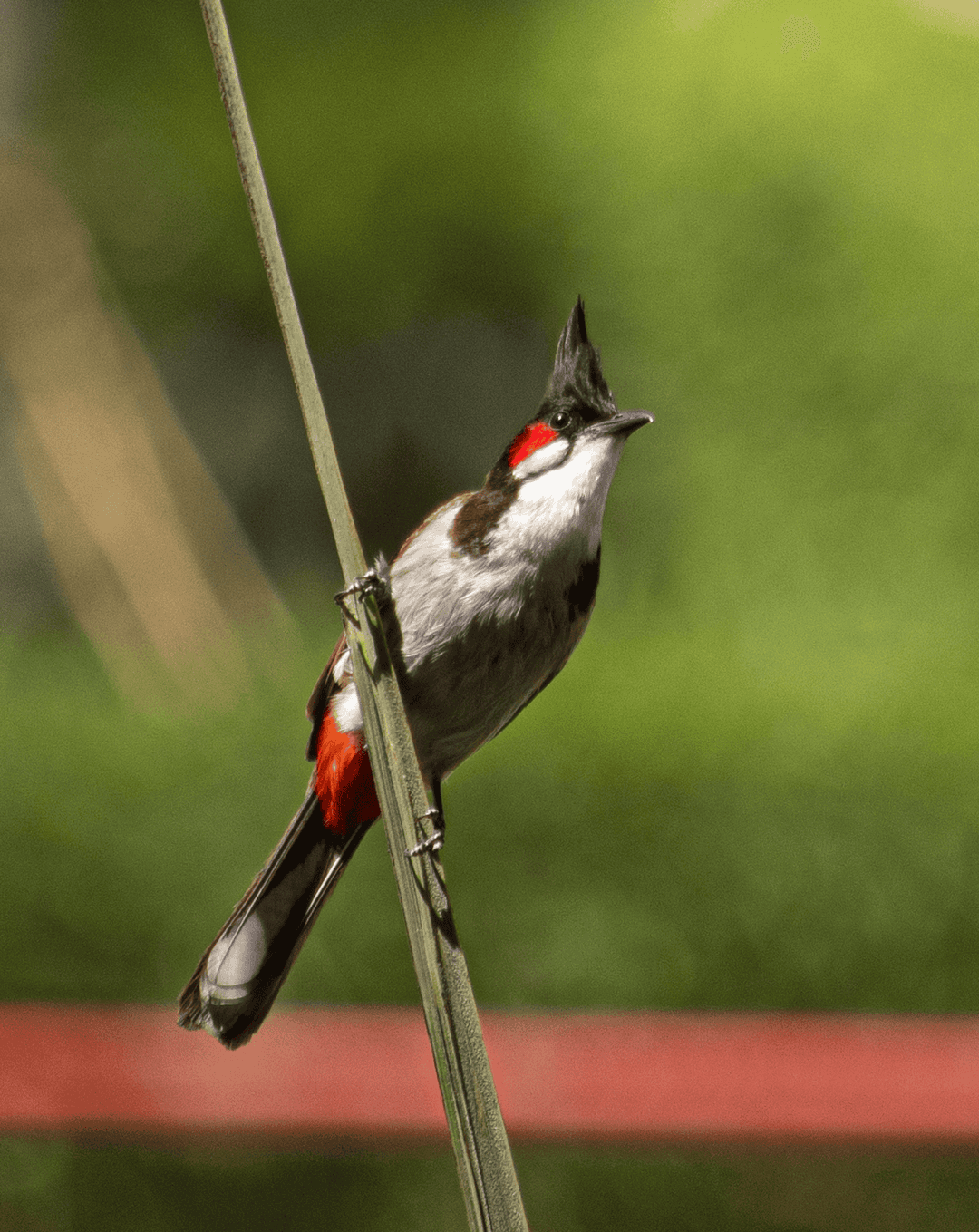
Red-Whiskered Bulbul vs Bulbul
The Red-Whiskered Bulbul is distinguished by its red ear-coverts and a prominent black crest above a white throat.
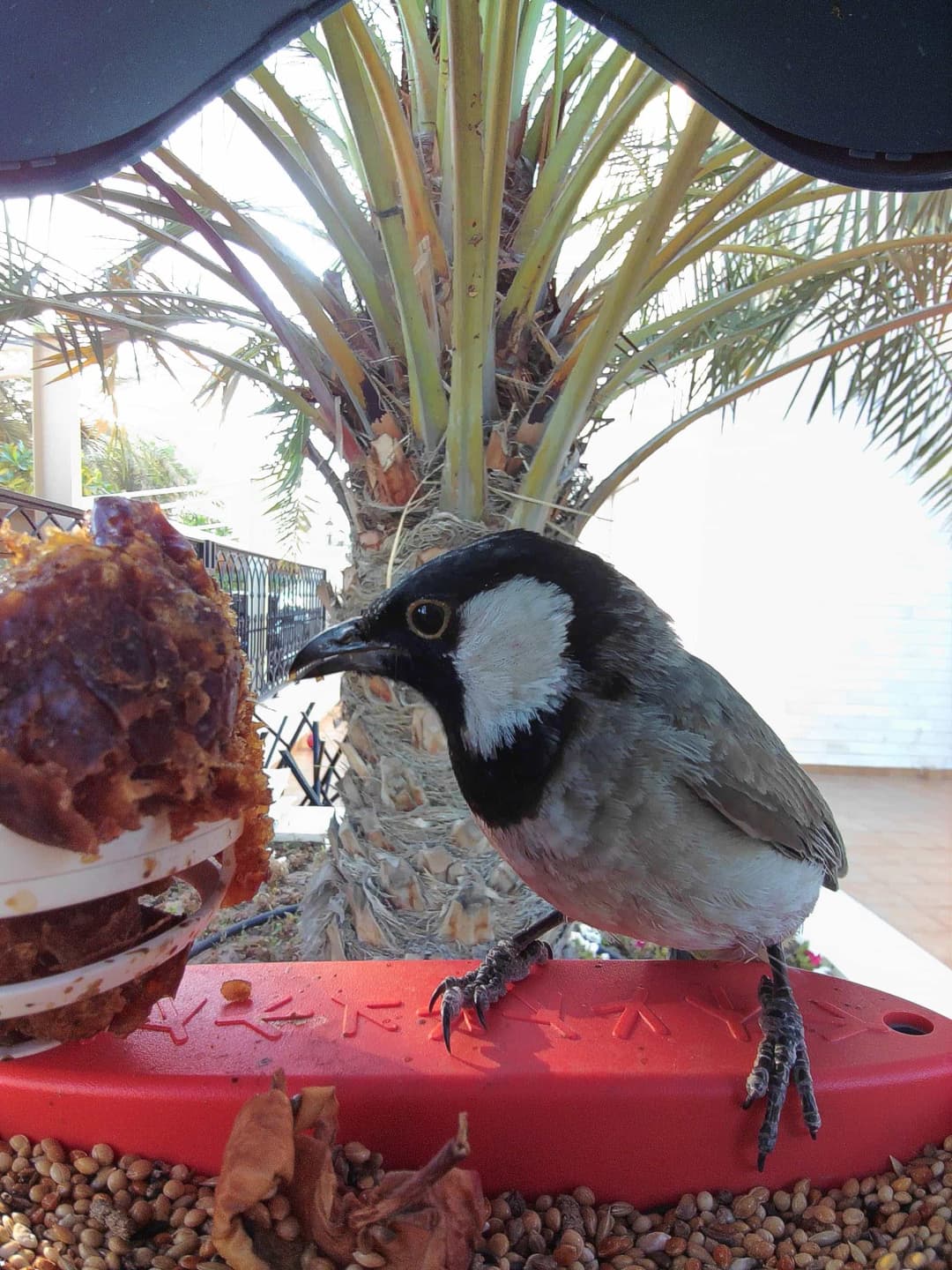
White-Eared Bulbul vs Bulbul
The White-Eared Bulbul has a distinct white patch on its cheek and a larger black cap which differentiates it from general bulbul appearances.
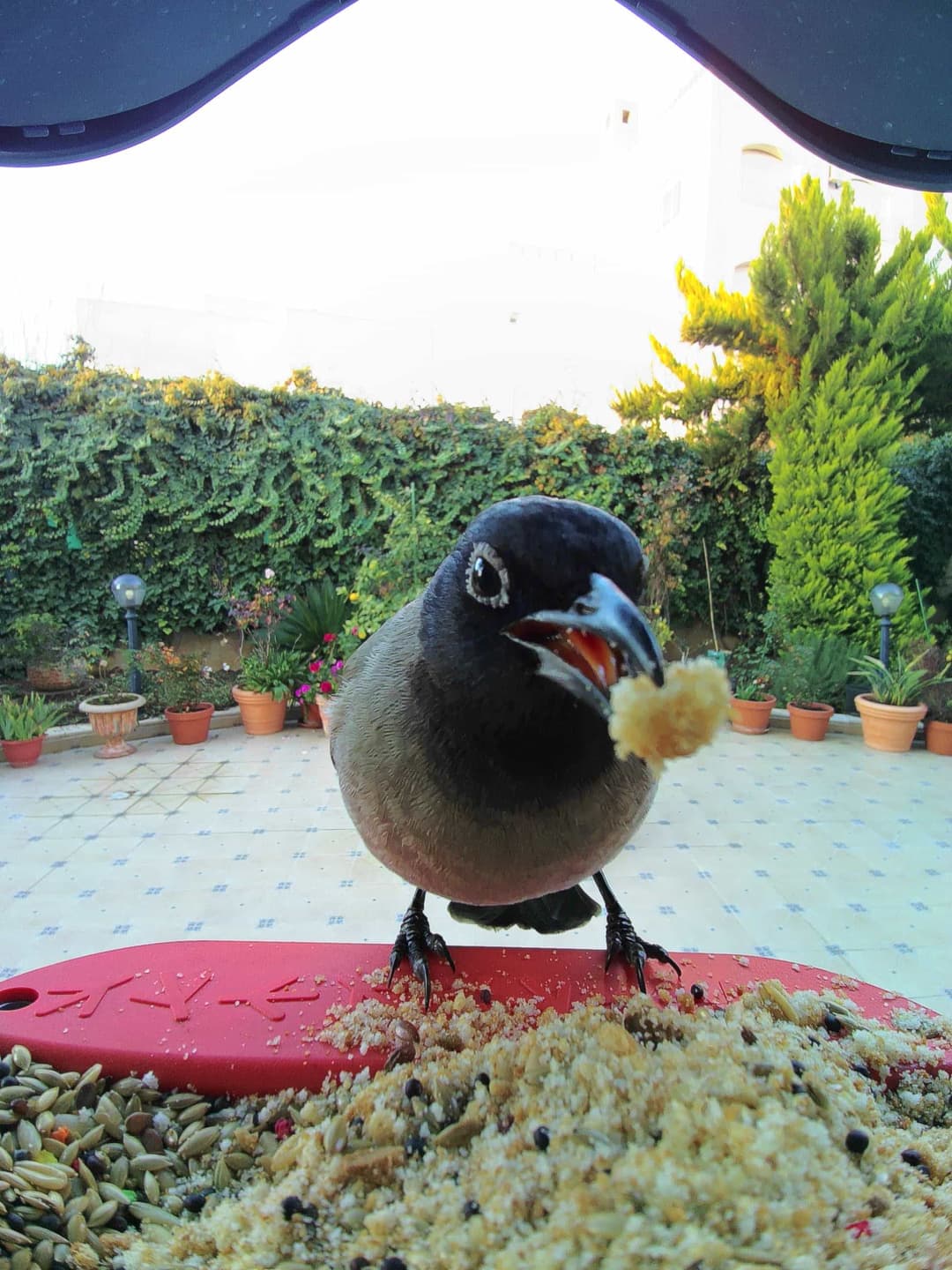
White-Spectacled Bulbul vs Bulbul
White-Spectacled Bulbul can be identified by its yellow vent and the unique white spectacle markings around the eyes.
Breeding and nesting habits of the bulbul
Mating behaviors
Bulbuls engage in courtship displays through vocal songs and physical displays such as wing flicking. These behaviors help attract mates by showcasing their suitability and fitness.
Nesting details
Bulbuls typically build cup-shaped nests in shrubs, trees, and sometimes in gardens. They use materials like twigs, leaves, and grasses. Gardeners can support bulbul nesting by ensuring ample vegetation and providing natural materials for nest building.
Eggs and chick-rearing
Female bulbuls usually lay 2-4 eggs per clutch. Both parents participate in incubation and feeding. Chicks are altricial, requiring parental care until they fledge. A garden habitat with protective cover can help keep chicks safe from predators.
What does a bulbul like to eat?
Berries
Flowers
Fruits
Insects
Nectar
Nuts
Plants
Seeds
Small animals
Snails
Spiders
Natural diet
Bulbuls are primarily frugivorous, feeding on a variety of fruits, berries, and figs. They also consume insects, such as beetles and caterpillars, especially when feeding their young. Some species of bulbuls are known to eat nectar and seeds, supplementing their diet depending on availability.
Bird feeders
At bird feeders, bulbuls are attracted to offerings like fruit slices, especially apples, grapes, or bananas. They may also consume suet or sugar water, although their primary interest remains in sweet and fruit-based food. Providing chopped fruits and berries can effectively attract bulbuls to garden feeders.
Setting up the right environment
Firstly, ensure your garden or yard provides a comfortable environment for bulbul. They are fond of thick shrubbery and trees, so a garden with plenty of these would be your best bet. Also, bulbuls often nest in bushes or trees and therefore prefer places that are safe and away from predators. Maintain a quiet, peaceful environment as bulbuls may not visit places that are too noisy or crowded.
Supplying the preferred snacks
Bulbuls are quite acrobatic and enjoy berries, insects, fruits, and nectar. So, try to include these in your garden. You can also set up a bird feeder filled with their faves. A fun trick to attract them is to cut fruits like apples and bananas into halves and place them on the feeder. We recommend using Bird Buddy seeds because they are specifically chosen by experts for the season.
Choosing the right feeder
An ideal feeder for bulbuls is one that is easy to access. Consider getting a hanging feeder as bulbuls are agile birds and enjoy fluttering around. Additionally, see through feeders allow you to know when a refil is necessary.
Consider a bird bath
Install a bird bath in your garden. Bulbuls love to bathe, preen and refresh themselves with water, especially during hot seasons. This will give bulbuls a place to cool down and may become a regular spot for them.
Attract them with their songs
Bulbuls are known for their melodic songs. You can use a bulbul bird call or song from a bird song CD or app to attract them. But remember, don't play the songs too often, as it may disturb them or prevent them from singing.
Where can you find bulbuls?
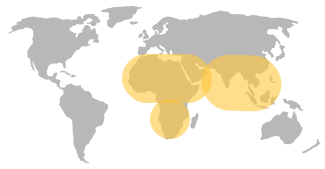
Primary habitat
Bulbuls typically inhabit warm regions, preferentially occupying tropical and subtropical zones. They mostly range in Africa, Asia, and Oceania.
Additional range
Unexpectedly, some species can adapt to colder climates and altered habitats such as urban landscapes.
Do they migrate?
Bulbuls are a diverse group of songbirds belonging to the family Pycnonotidae, with varying migratory behaviors depending on the species. Most bulbuls are generally sedentary, residing in their habitats year-round. These non-migratory bulbuls are found in regions such as tropical Africa, the Indian subcontinent, Southeast Asia, and parts of the Middle East, where the climate remains relatively stable throughout the year. However, a few species exhibit migratory behavior. The most notable is the Black-capped Bulbul found in the Indian subcontinent, which may undertake short-distance seasonal movements in response to food availability or climatic changes. These movements are typically altitudinal, moving from higher elevations to lower ones during colder months, rather than long-distance migrations. In contrast, species like the Olive-winged Bulbul and Yellow-vented Bulbul are mostly sedentary, adapting to local environmental conditions. The lack of extensive migratory behavior among bulbuls is largely due to their adaptability and the availability of resources in their native regions throughout the year. Overall, while some individual or partial movements occur, bulbuls are not considered true long-distance migratory birds.
What is the role of bulbuls in nature and how to protect them?
Conservation status
The bulbul family includes numerous species with varied conservation statuses. Generally, many bulbul species are common and widespread, facing no immediate threats. However, some species are vulnerable or endangered due to habitat loss, deforestation, and urbanization. Key conservation efforts focus on habitat preservation, reforestation, and establishing protected areas. Species in specific regions, like the Southeast Asian bulbuls, are particularly at risk, mainly due to illegal pet trade. Conservation organizations aim to enhance habitat protection and combat illegal wildlife trade to safeguard these vulnerable bulbul populations.
Ecological role of bulbuls
Its role in the ecosystem
Bulbuls, a group of passerine birds, play an important role in maintaining ecological balance due to their omnivorous diet. They feed on insects, fruits, and nectar, thereby acting as efficient pest controllers. Birds such as bulbuls help limit the population of pests, reducing the need for harmful insecticides. On the other hand, bulbuls are also significant in the process of seed dispersal. When they consume fruits, they indirectly aid in the spreading of seeds in various areas through their droppings. This not only triggers plant growth and regeneration in different regions but also contributes to the diversification of plant species. In addition, some species of bulbuls also consume nectar, contributing to the pollination process similar to bees and butterflies. Pollination is fundamental to the survival of certain plant species and maintaining biodiversity. Thus, bulbuls contribute significantly to pest control, seed dispersal, pollination, and overall ecosystem balance.
How to help protect bulbuls
Preservation tips
Habitat preservation strategies for bulbuls
Firstly, local communities must be educated about the ecological importance of bulbuls to encourage habitat preservation. Legislation should be enacted and enforced to protect the natural habitats of bulbuls from deforestation and urban development. Secondly, restoration of degraded habitats can also be undertaken to provide bulbuls with more suitable habitats. Native plants that bulbuls depend on for food and nesting materials should be prioritized in these efforts.
Community science initiatives for bulbuls conservation
Including local communities in bulbul conservation actions is pivotal. Launch community science projects to monitor bulbul populations and their habitats. This could involve identifying and counting bulbuls or documenting behaviors. Data gathered can then be used to identify threats and devise effective conservation strategies. Raising awareness and getting financial sponsorship for these kinds of initiatives is also crucial. Collaborations with schools to involve students in these projects can make this a part of educational curriculums, introducing the importance of conservation at an early age.