Australian Crow or Common Grackle?
Here's how to tell the difference
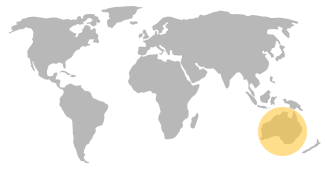

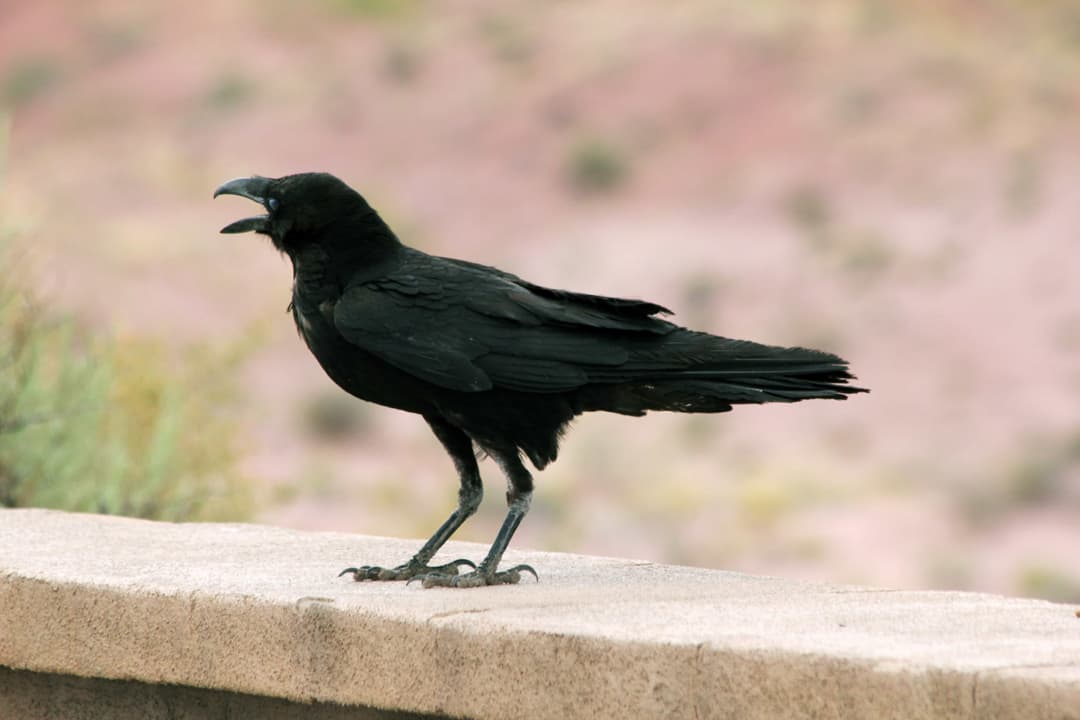
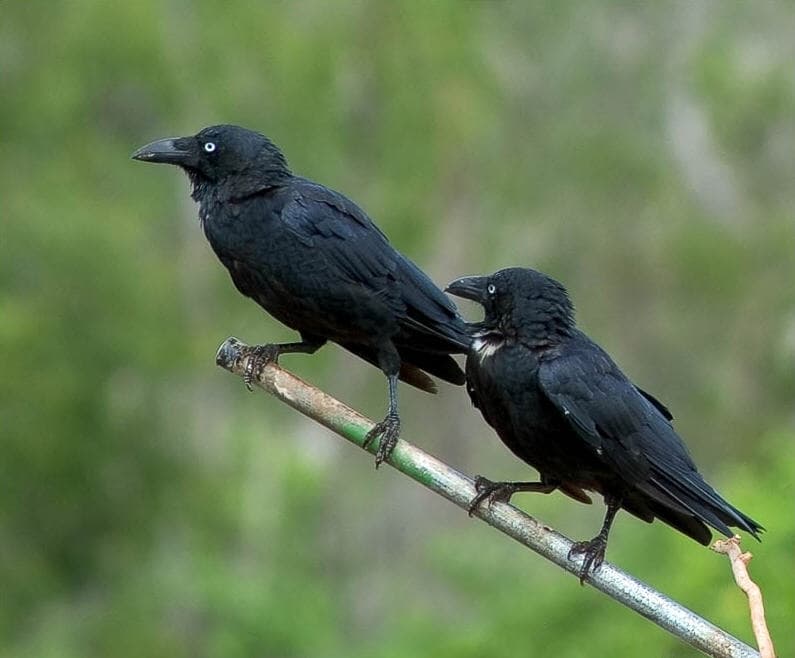
Australian Crow
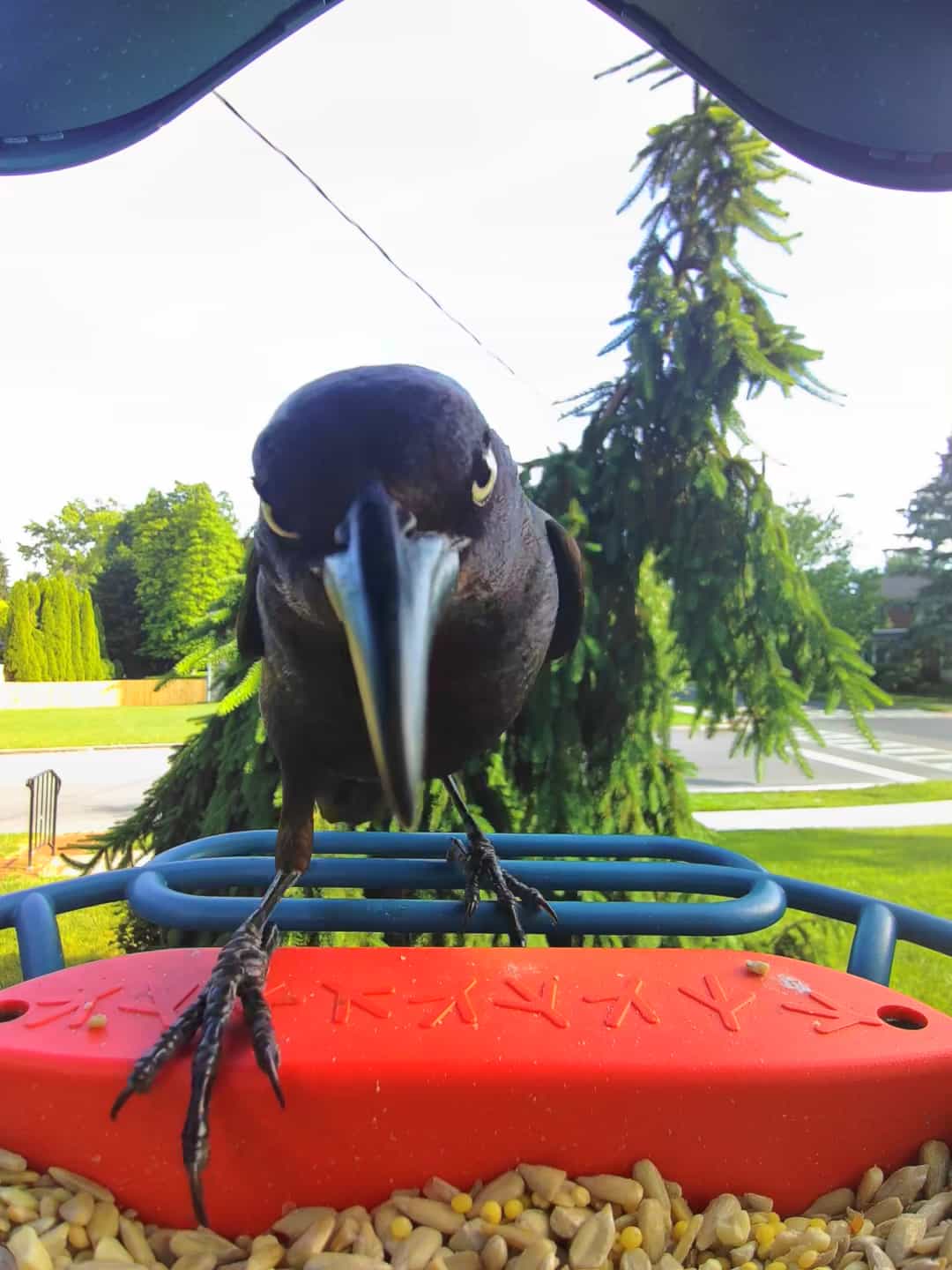


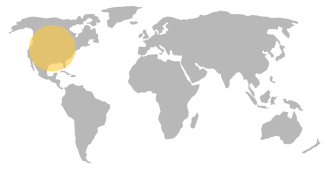
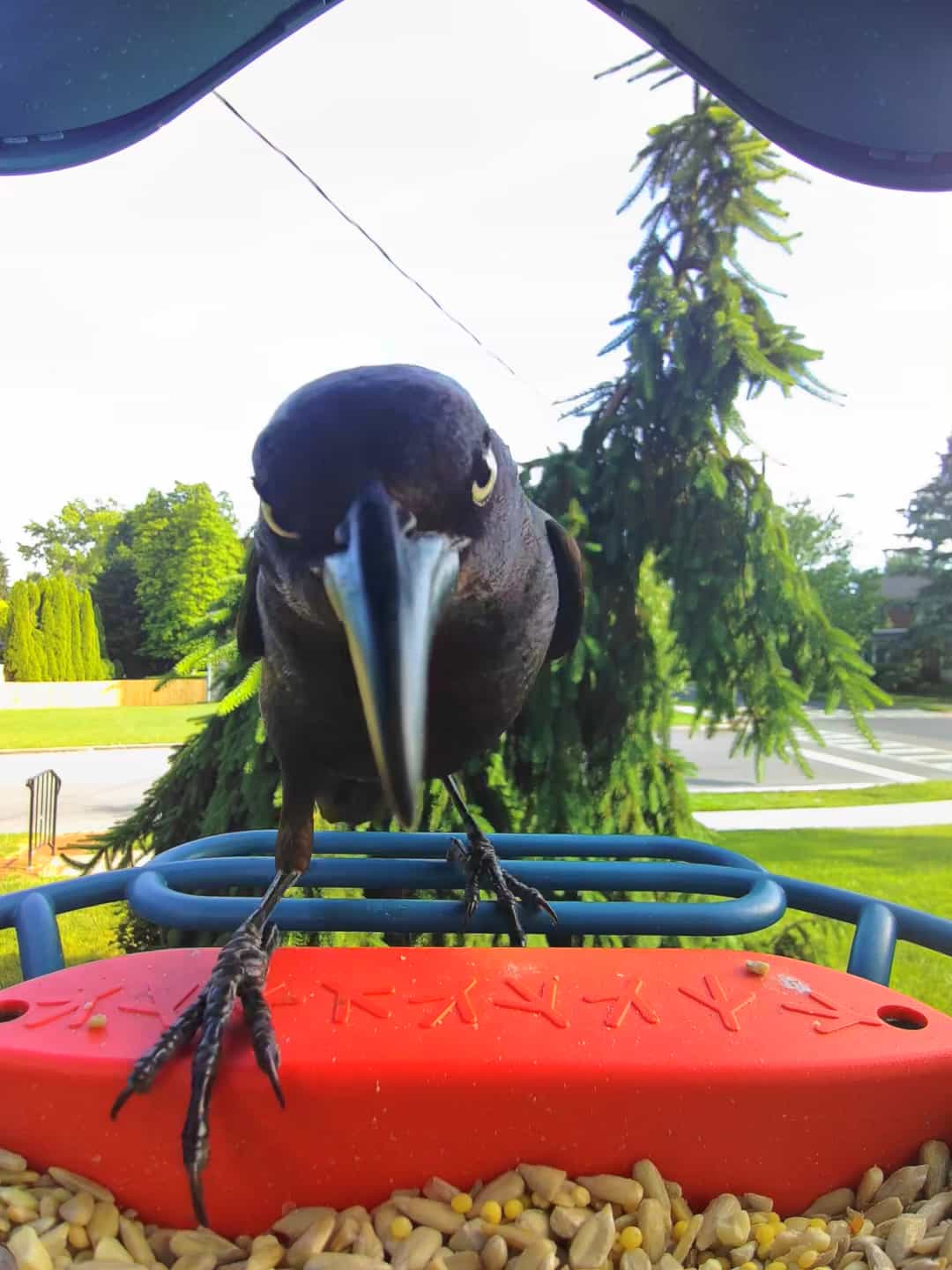
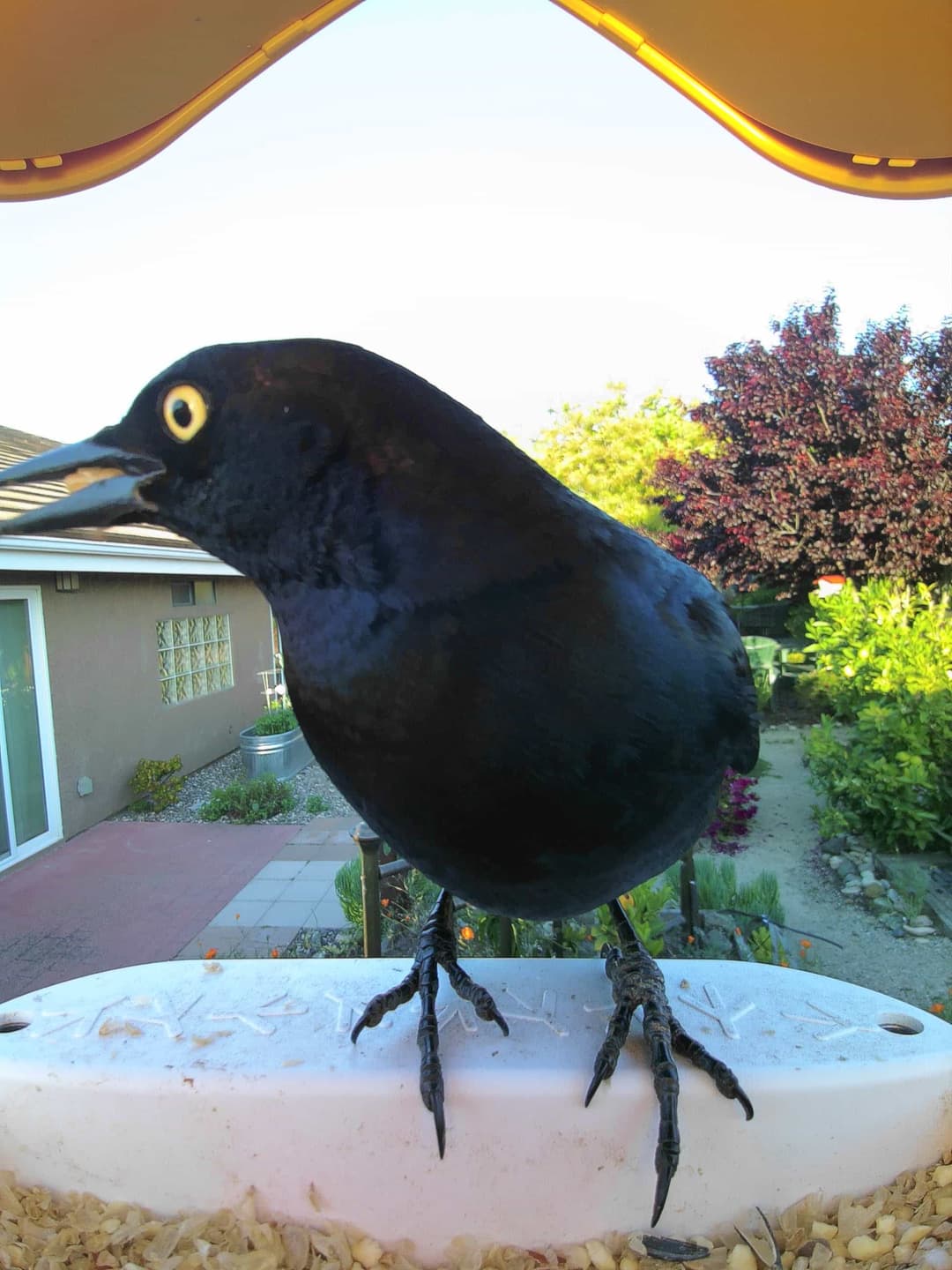
Common Grackle
Australian Crow
Corvus
General appearance
Australian crows are large, robust birds, often mistaken for ravens due to their pitch-black feathers which display a slightly glossy sheen. White patches of feathers are rare but can occur. They have solid muscular legs and stout black beaks.
Male vs female
There is little sexual dimorphism in the Australian crow species making it hard to differentiate between males and females. Size tends not to be a reliable indicator of sex, as both are generally of similar size. However, vocalizations can be a good hint since females generally have higher-pitched calls than males.
Juvenile
Juvenile Australian crows resemble adults in their dark feather coloration yet are slightly smaller in size. Their eyes gradually change color from blue or grey in fledglings to the adult crow's characteristic white as they mature.
Size
16.9 - 21.3 in/9.9 - 28.9 oz
There's more to learn about Australian Crow
View full detailsCommon Grackle
Quiscalus quiscula
Also known as: Blackbird
General appearance
The common grackle is about the size of a crow, bearing a distinctive long tail with a crease down the middle. Coloring varies with two forms presented, namely, the 'Bronzed Grackle' and the 'Purple Grackle.' The former spots a bronzy body offset by a blue-black head while the latter shines with glosses of purple and green, offering less contrast.
Male vs female
Physical variations between the sexes are not explicitly stated. However, based on the Bronzed and Purple forms noted, it could be inferred that some slight difference in color intensity and gloss may exist.
Juvenile
Juvenile grackles present dark eyes in contrast to the whitish-yellow eye color observed in adults. Molting, a period prevalent in late summer, results in these younger birds having short or fragmented tails.
Size
11.0 - 13.4 in/2.6 - 5.0 oz
There's more to learn about Common Grackle
View full detailsHow to tell the Australian Crow from the Common Grackle
Visual differences
The Australian Crow is larger, weighing 10-29 oz and measuring 17-21 inches, with entirely glossy black plumage and bright white eyes. It has stout black legs and a robust black beak. The Common Grackle is smaller, at 2.6-5 oz and 11-13 inches long, with a long tail and iridescent plumage that varies between bronzy, purple, and green. Grackles have yellow eyes and a slender, more tapered beak. Juvenile crows have dark eyes, while juvenile grackles have dark eyes that contrast with adults’ yellow.
Key differences and behavior
The Australian Crow and Common Grackle, while similar in size, exhibit distinct behavioral differences. The Australian Crow, inhabiting diverse environments from forests to deserts, is highly adaptable and forms lifelong pair bonds with strong parental care, both parents defending and feeding their young. Their diet is omnivorous, often consuming carrion and human food waste. In contrast, Common Grackles thrive in open and semi-open landscapes with a preference for areas near water. They display in small colonies with elaborate courtship rituals, where males demonstrate through distinctive displays. Grackles are aggressive foragers at feeders, consuming a wide range of animal and plant matter. Notably, grackles participate in "anting" behavior for pest control, a practice not observed in Australian Crows. These behaviors help distinguish these species in the field despite some superficial similarities in appearance.
Still not sure? Here are more lookalikes!
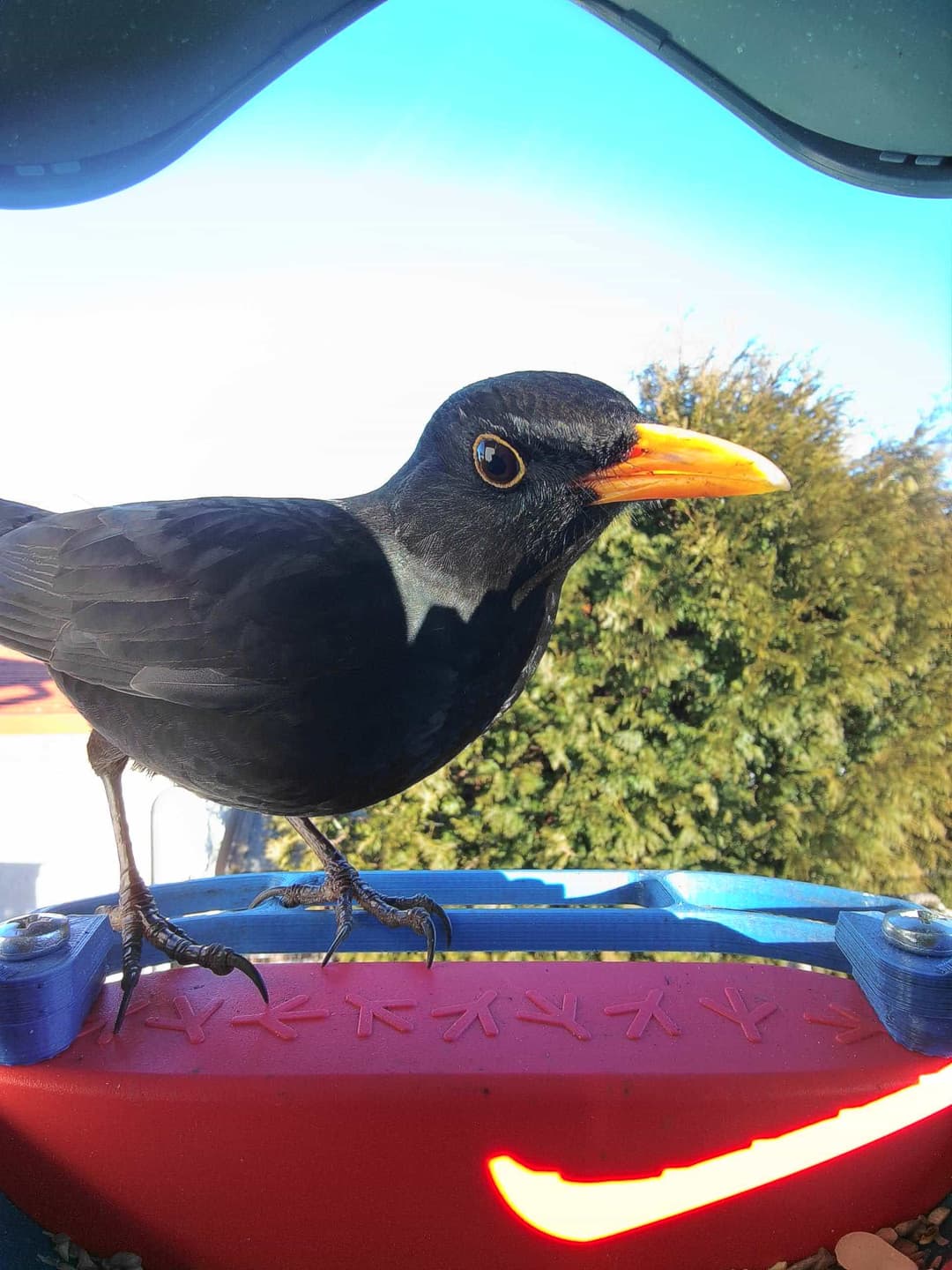
Australian Crow vs Common Blackbird




Common Grackle vs Great-Tailed Grackle
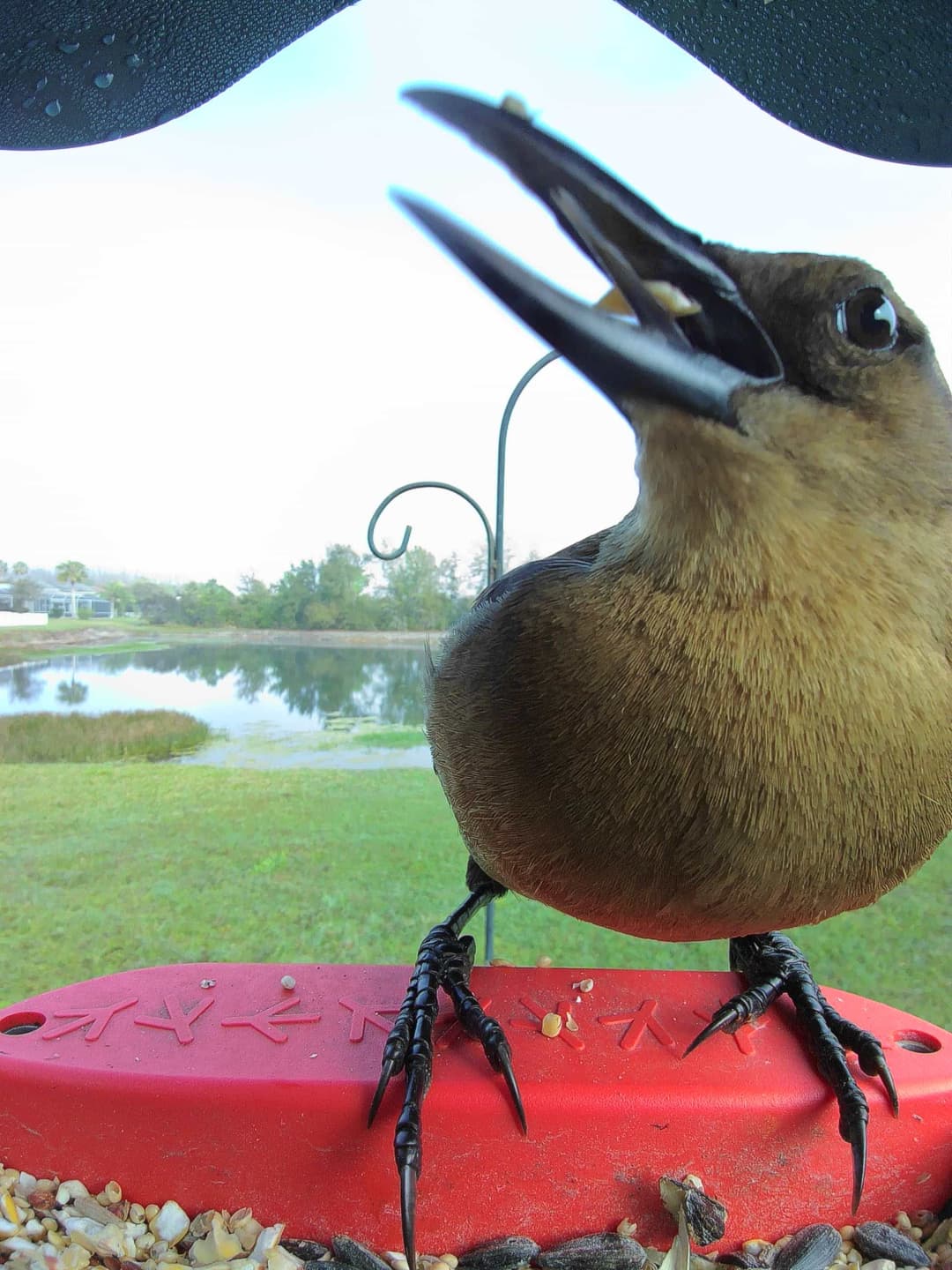
Common Grackle vs Boat-Tailed Grackle
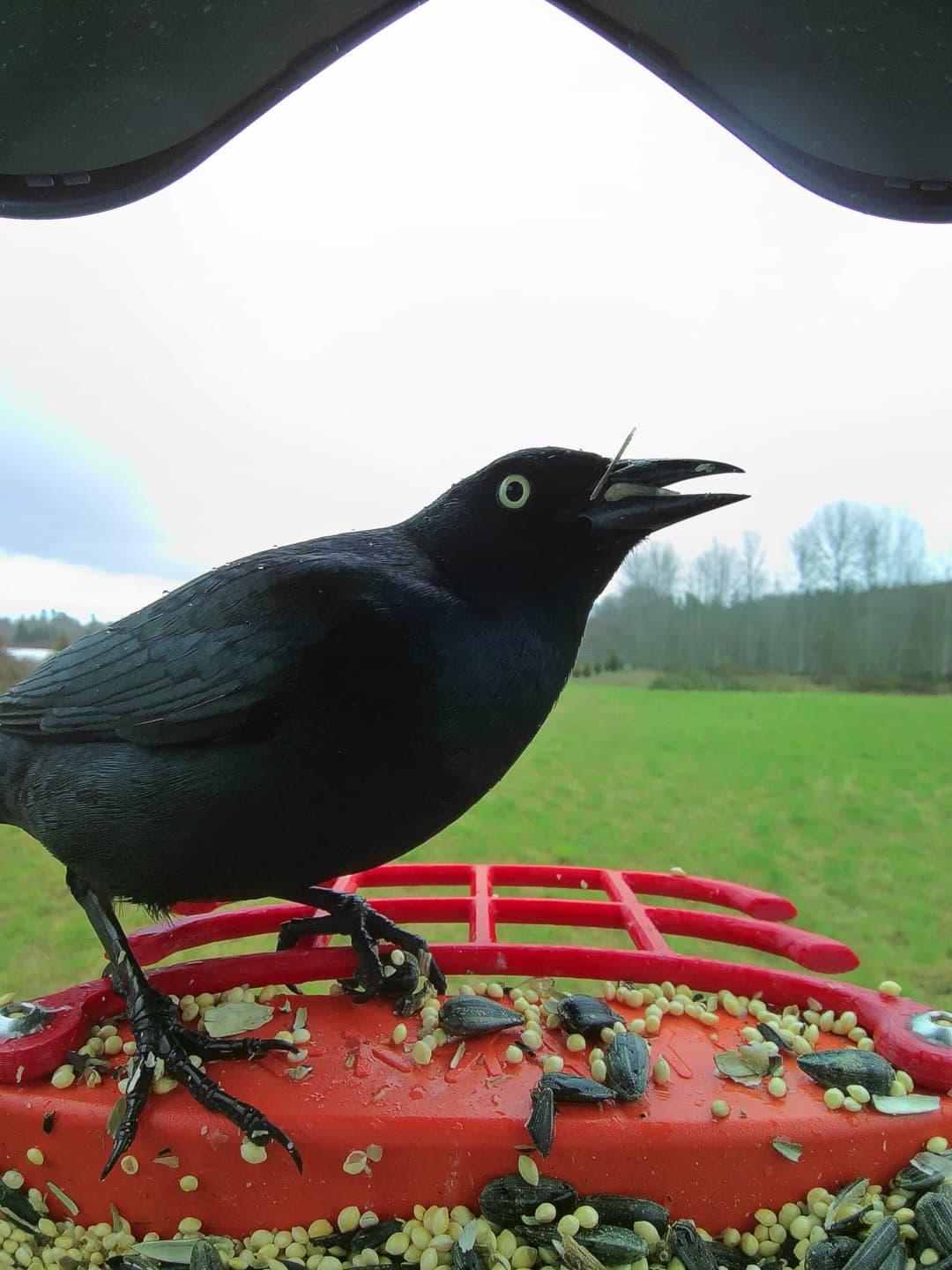
Common Grackle vs Brewer’s Blackbird
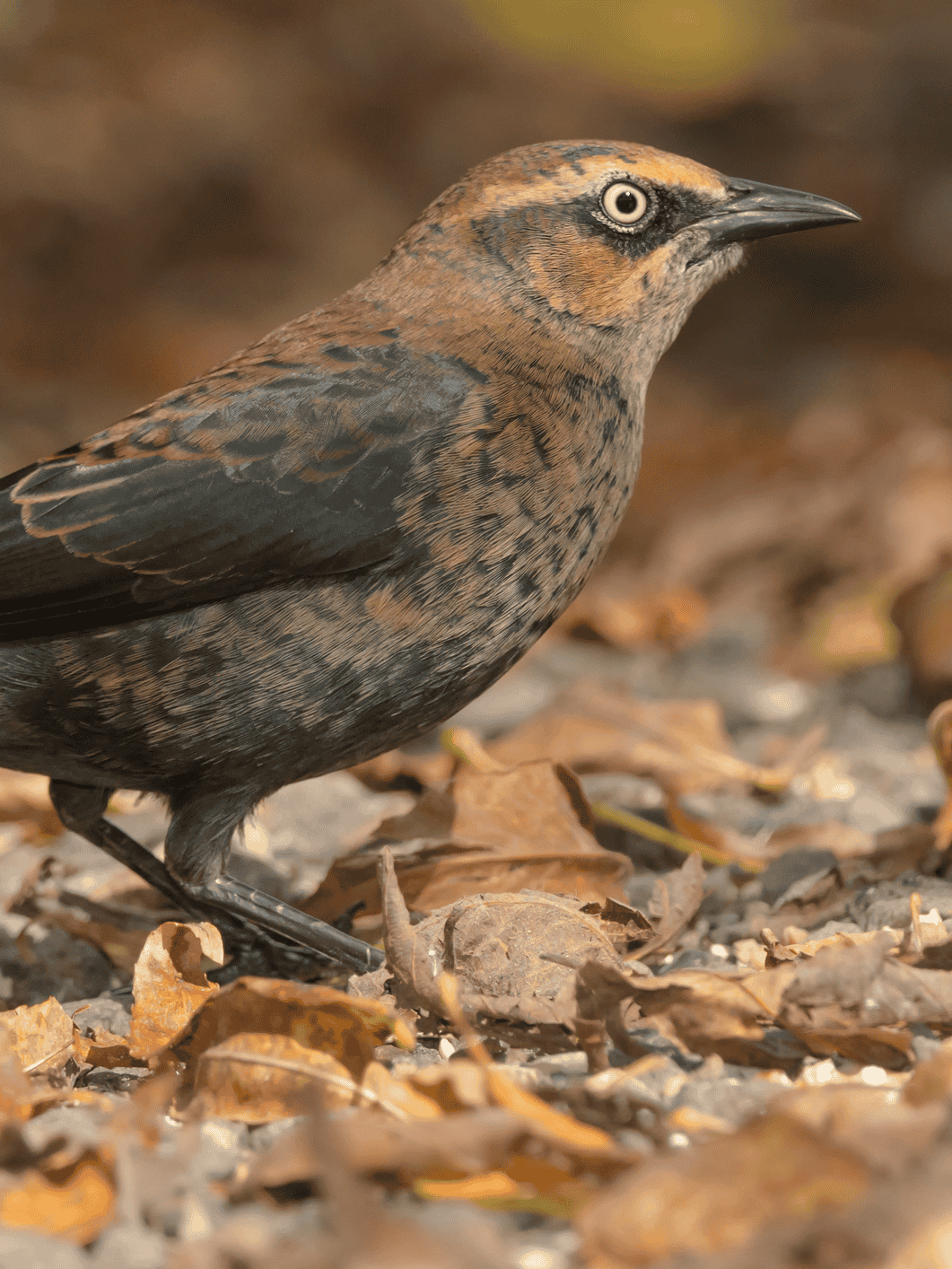
Common Grackle vs Rusty Blackbird
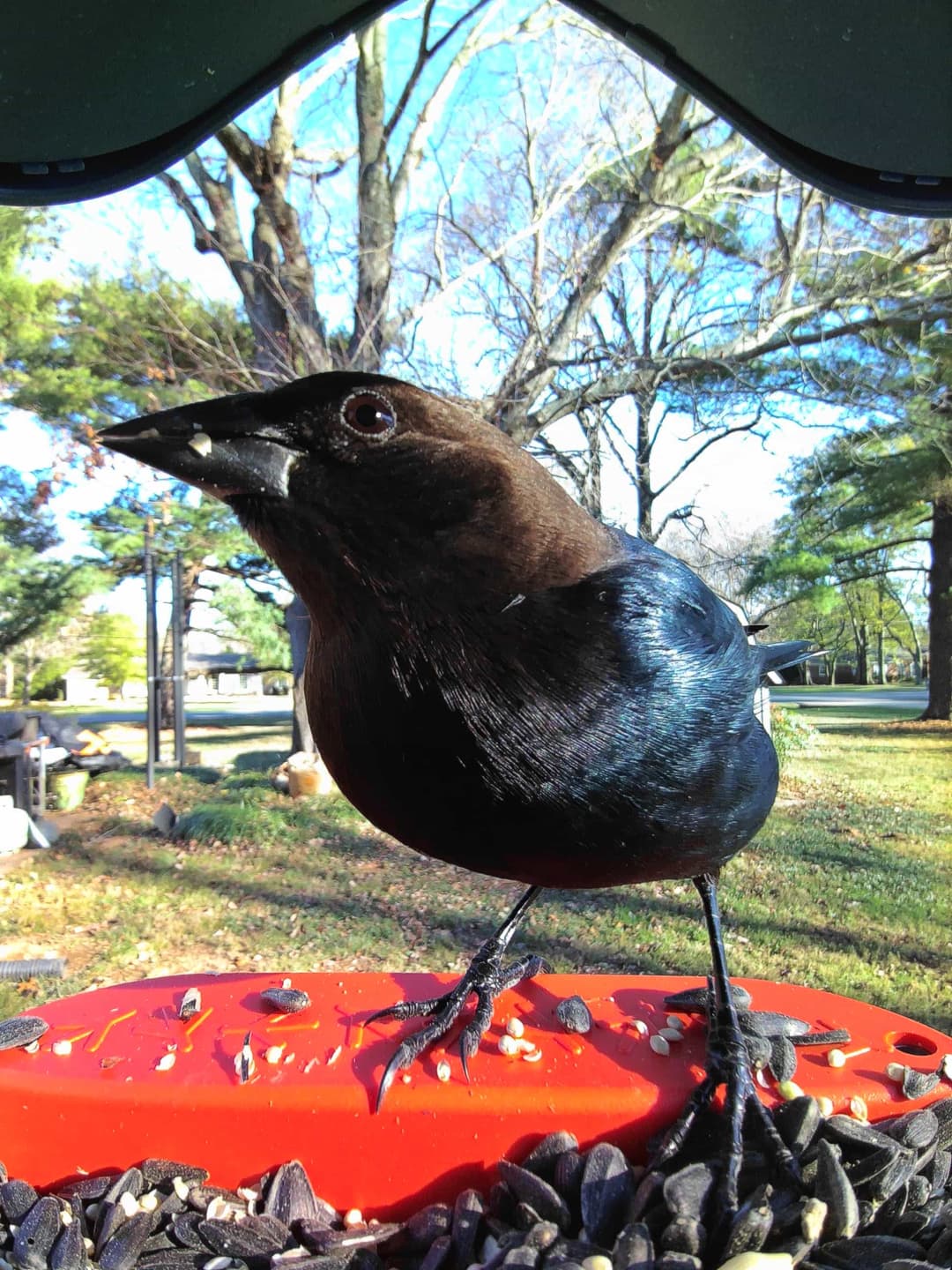
Common Grackle vs Brown-Headed Cowbird
Australian Crow vs [Select a bird]

[Select a bird]
Pick a bird to compare
Common Grackle vs [Select a bird]
[Select a bird]
Pick a bird to compare