Common Grackle or Great-Tailed Grackle?
Here's how to tell the difference
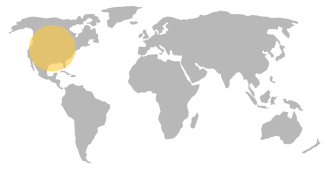
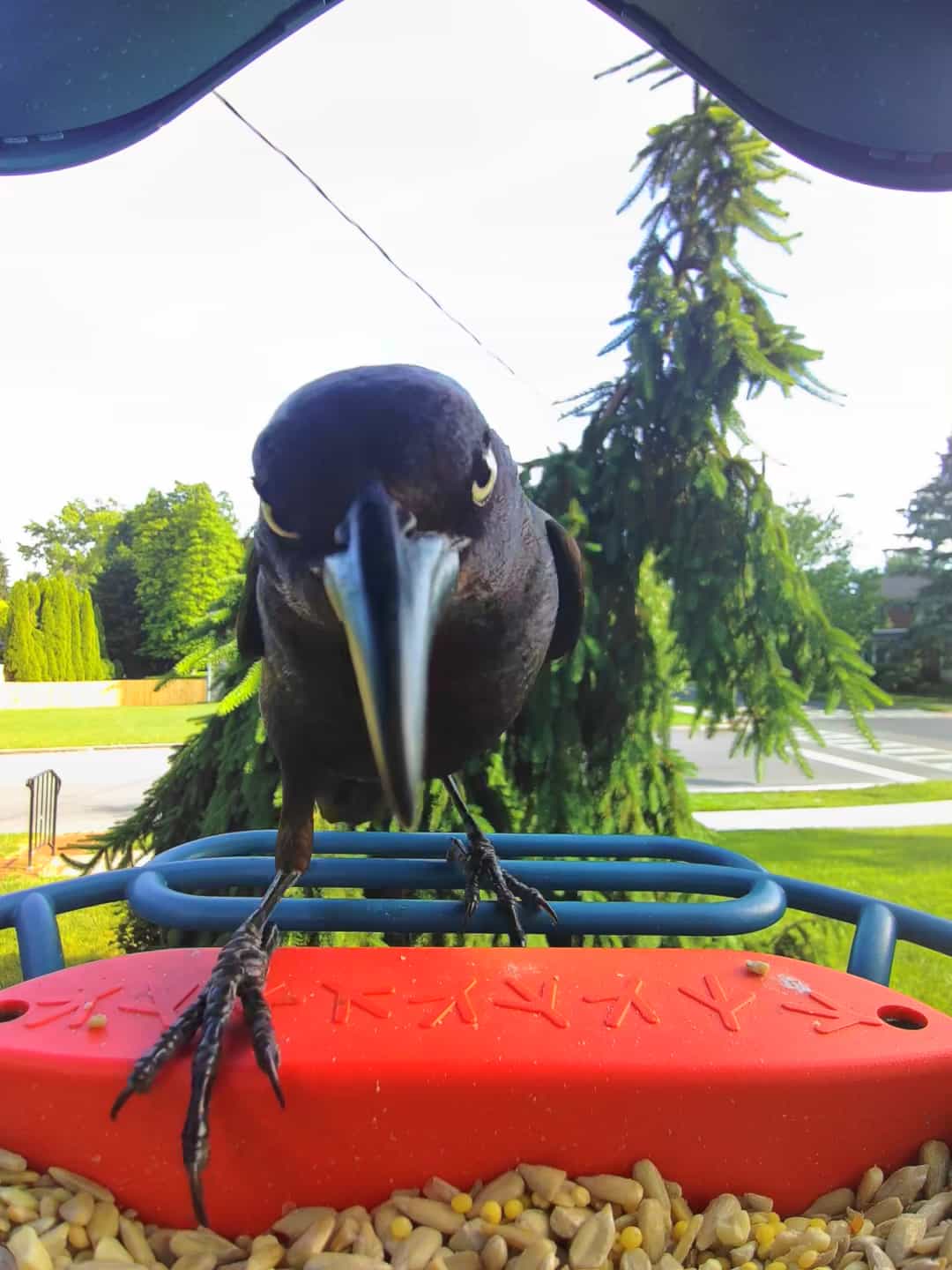


Common Grackle
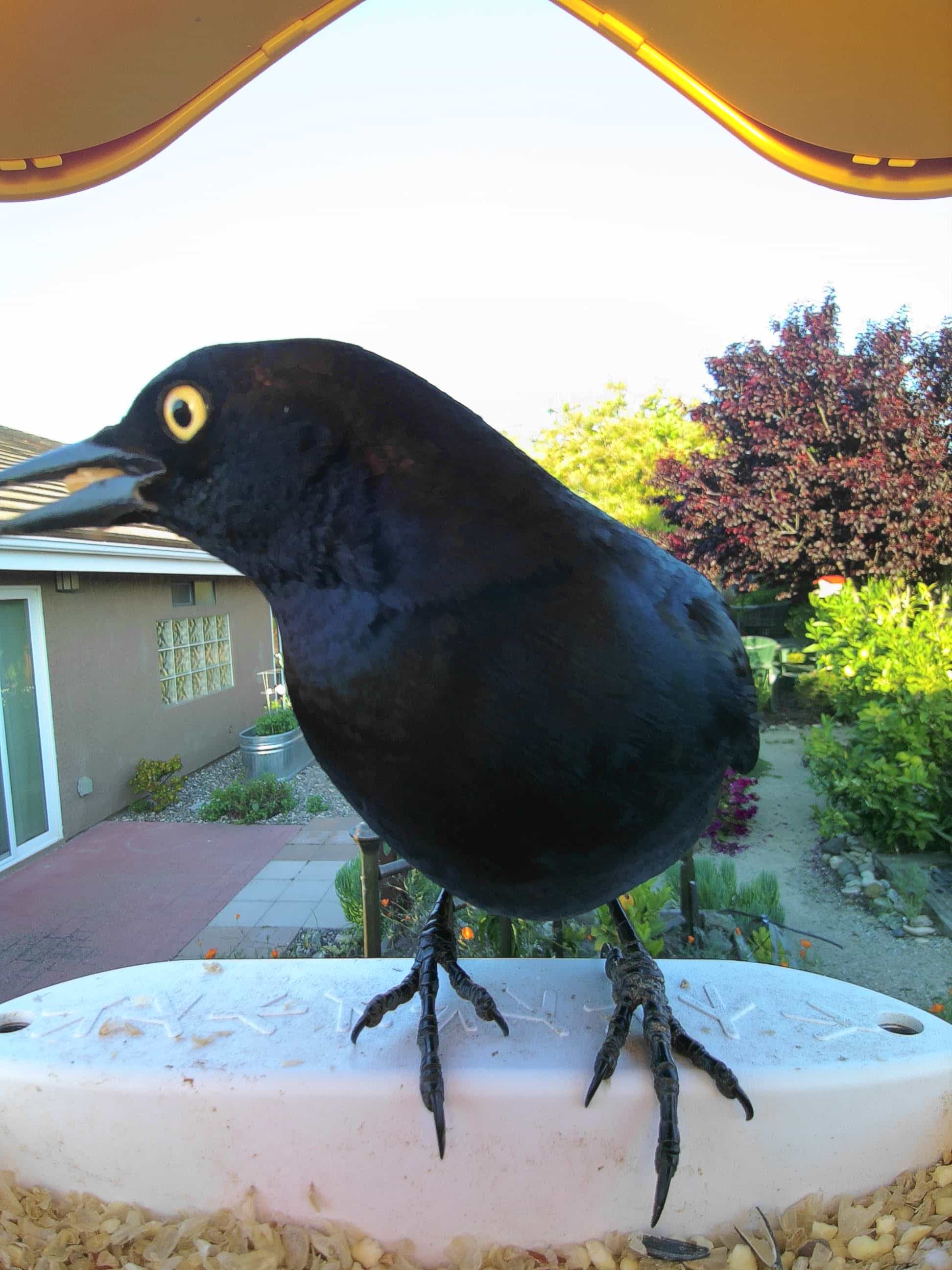


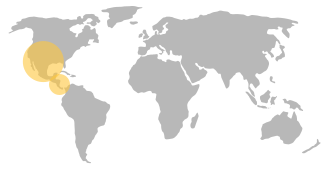
Great-Tailed Grackle
Common Grackle
Quiscalus quiscula
Also known as: Blackbird
General appearance
The common grackle is about the size of a crow, bearing a distinctive long tail with a crease down the middle. Coloring varies with two forms presented, namely, the 'Bronzed Grackle' and the 'Purple Grackle.' The former spots a bronzy body offset by a blue-black head while the latter shines with glosses of purple and green, offering less contrast.
Male vs female
Physical variations between the sexes are not explicitly stated. However, based on the Bronzed and Purple forms noted, it could be inferred that some slight difference in color intensity and gloss may exist.
Juvenile
Juvenile grackles present dark eyes in contrast to the whitish-yellow eye color observed in adults. Molting, a period prevalent in late summer, results in these younger birds having short or fragmented tails.
Size
11.0 - 13.4 in/2.6 - 5.0 oz
There's more to learn about Common Grackle
View full detailsGreat-Tailed Grackle
Quiscalus mexicanus
Also known as: Mexican Grackle
General appearance
The great-tailed grackle is a large, lanky bird with long legs and an iridescent plumage. It has a distinct wedge-shaped tail and a strong, pointed bill. Its coloration ranges from glossy black to purplish-blue in good light, and it often emits loud, varied calls that echo in open areas.
Male vs female
Males are larger with predominantly glossy black feathers and striking iridescence, mainly purplish-blue on the head and body. Females are smaller, predominantly brown, with lighter underparts and less iridescence. Males have longer tails which contribute to their distinctive silhouette.
Juvenile
Juvenile great-tailed grackles resemble adult females but have a more muted coloration and slightly shorter tails. As they mature, their plumage transitions to match their respective adult coloration, either glossy black for males or dark brown for females.
Size
15.0 - 18.1 in/4.1 - 9.3 oz
There's more to learn about Great-Tailed Grackle
View full detailsHow to tell the Common Grackle from the Great-Tailed Grackle
Visual differences
Common Grackles (11-13 inches, 2.6-5 ounces) are smaller with a long tail featuring a central crease; males exhibit bronzed or purple-green glossy plumage. Great-Tailed Grackles (15-18 inches, 4-9.3 ounces) are larger with long wedge-shaped tails and strong, pointed bills. Males are glossy black to purplish-blue, while females are brown with lighter underparts. Iridescence defines both, but Great-Tailed males have more pronounced purple-blue hues. Juveniles of both species resemble females but with varying coloration and tail lengths.
Key differences and behavior
Common and Great-Tailed Grackles both occupy open and semi-open environments, but the Great-Tailed Grackle is more adaptable, even thriving in varied terrains from farmlands to suburban areas, except true deserts. While both species nest in colonies, Great-Tailed Grackles are known for their enormous winter roosts and adaptable nesting sites. Both species are omnivorous, feeding on insects, seeds, and small animals, but Great-Tailed Grackles have a more varied diet, including adult birds occasionally. Socially, Common Grackles tend to steal food from other birds, while Great-Tailed Grackles display intense vocalizations, even identifying familiar threats like researchers. For breeding, both species use similar courtship displays, but Great-Tailed Grackles are often polygamous, with both sexes participating in feeding the young. In winter, Common Grackles exhibit flocking behaviors, while Great-Tailed Grackles form massive roosts.
Still not sure? Here are more lookalikes!
Common Grackle vs Boat-Tailed Grackle
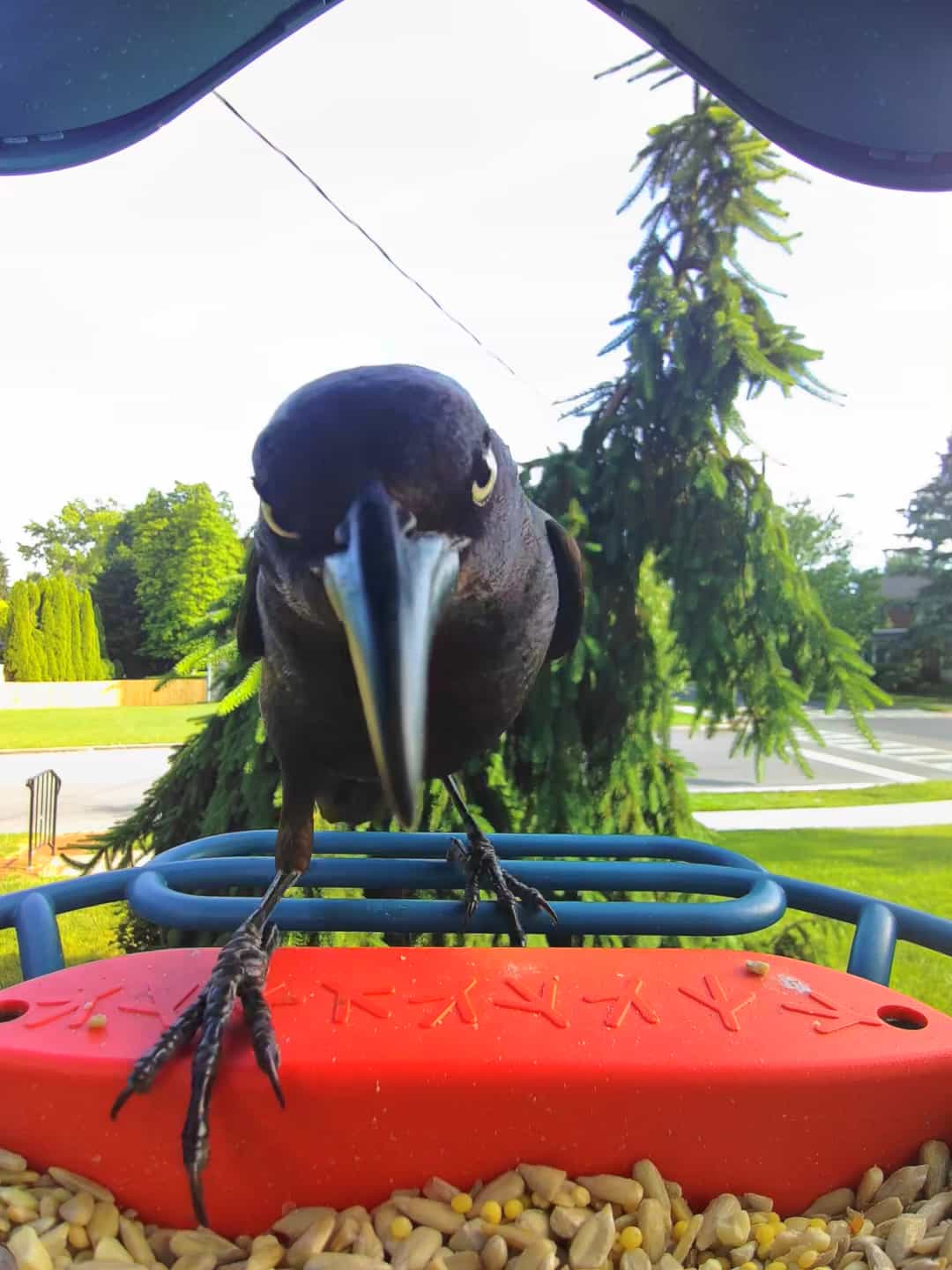
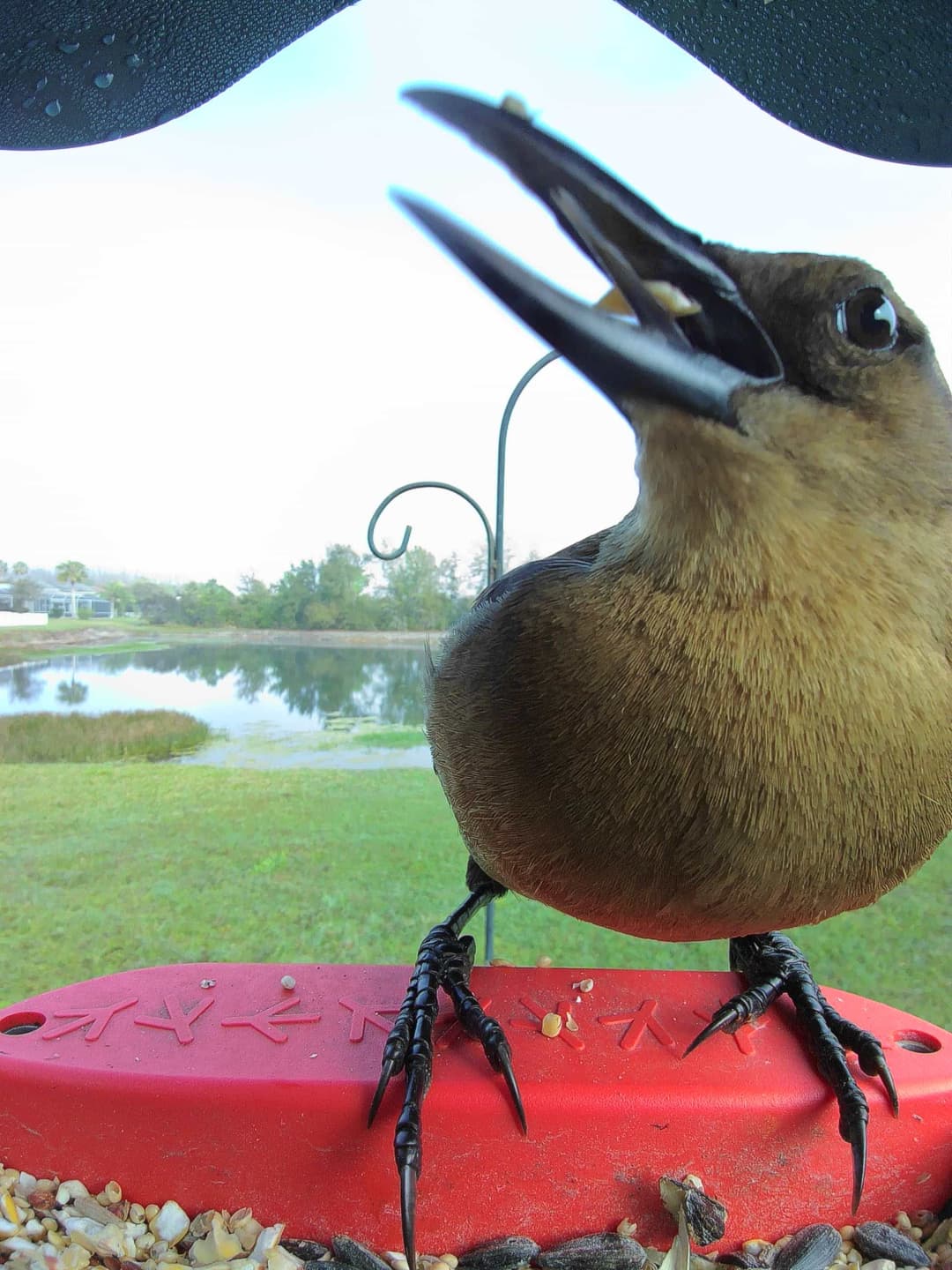
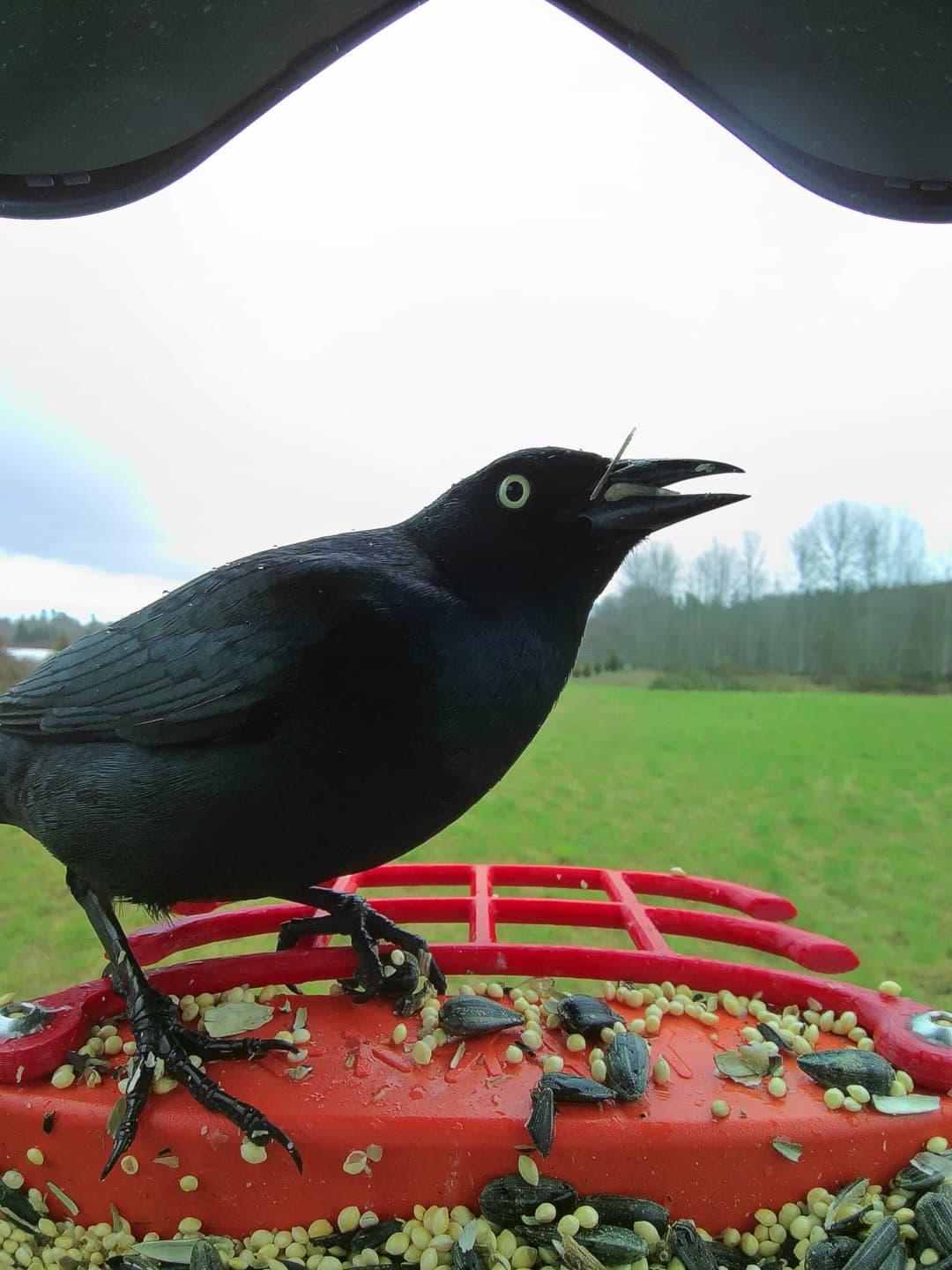
Common Grackle vs Brewer’s Blackbird
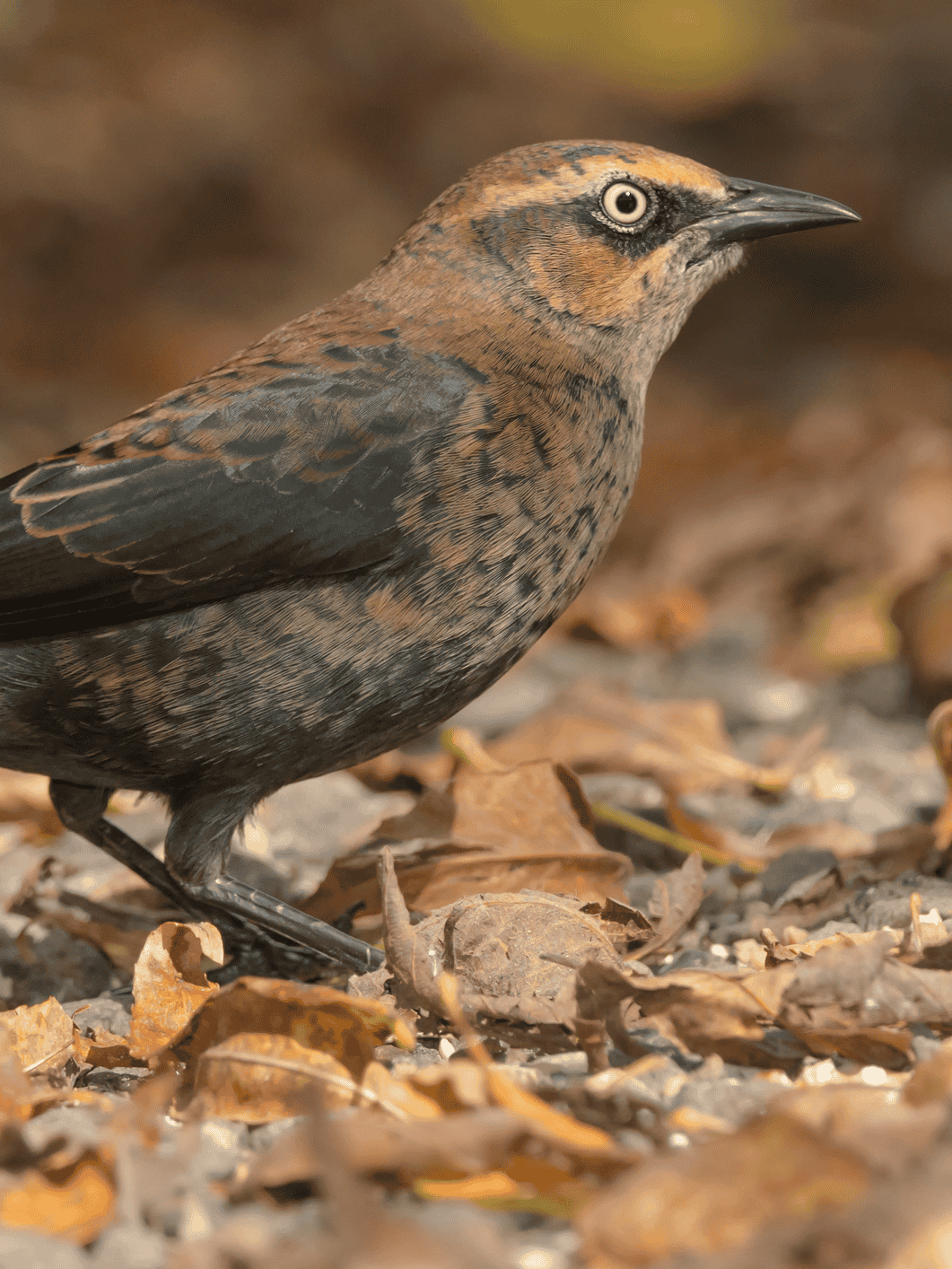
Common Grackle vs Rusty Blackbird
Common Grackle vs Brown-Headed Cowbird
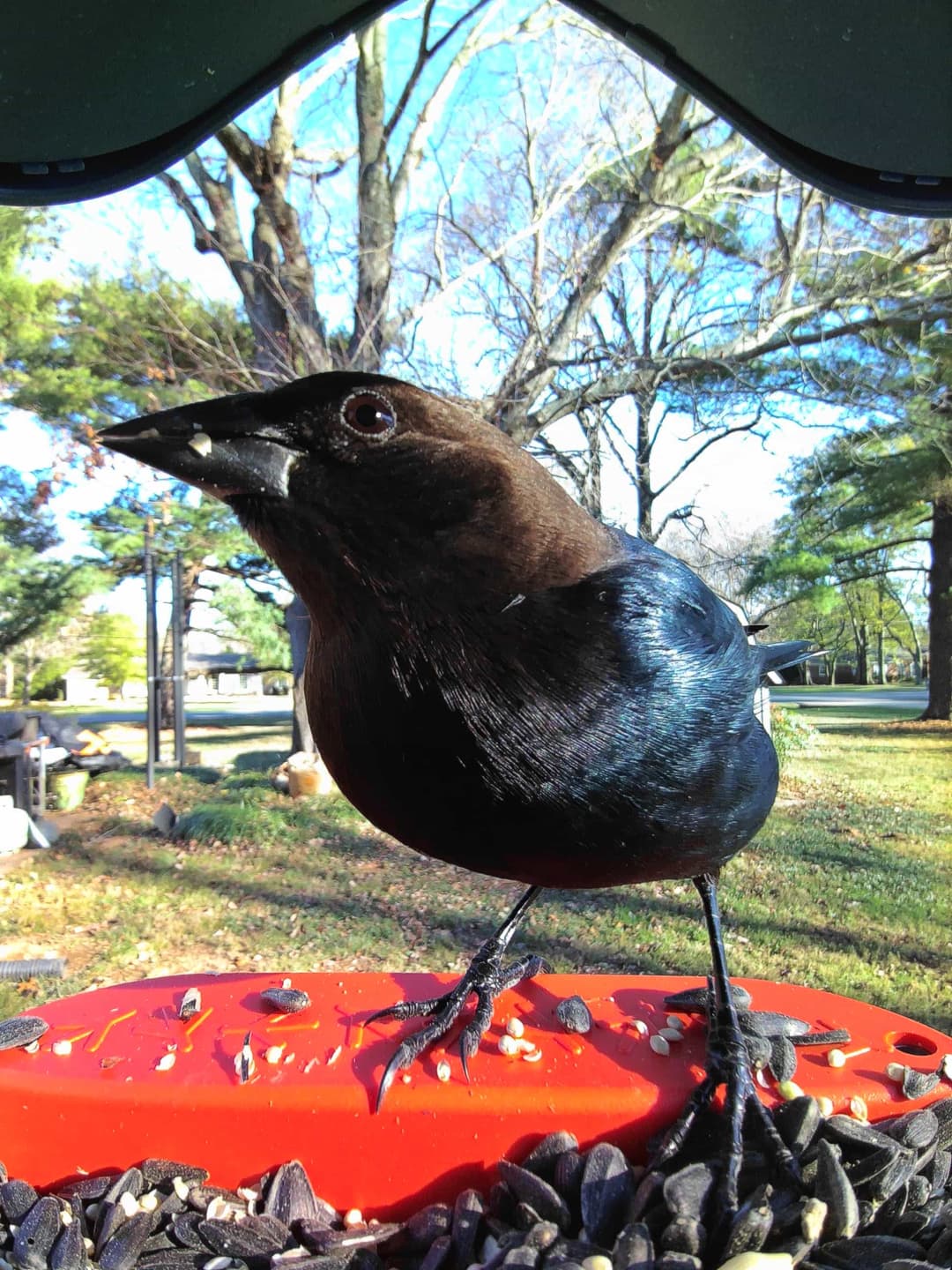
Great-Tailed Grackle vs Boat-Tailed Grackle
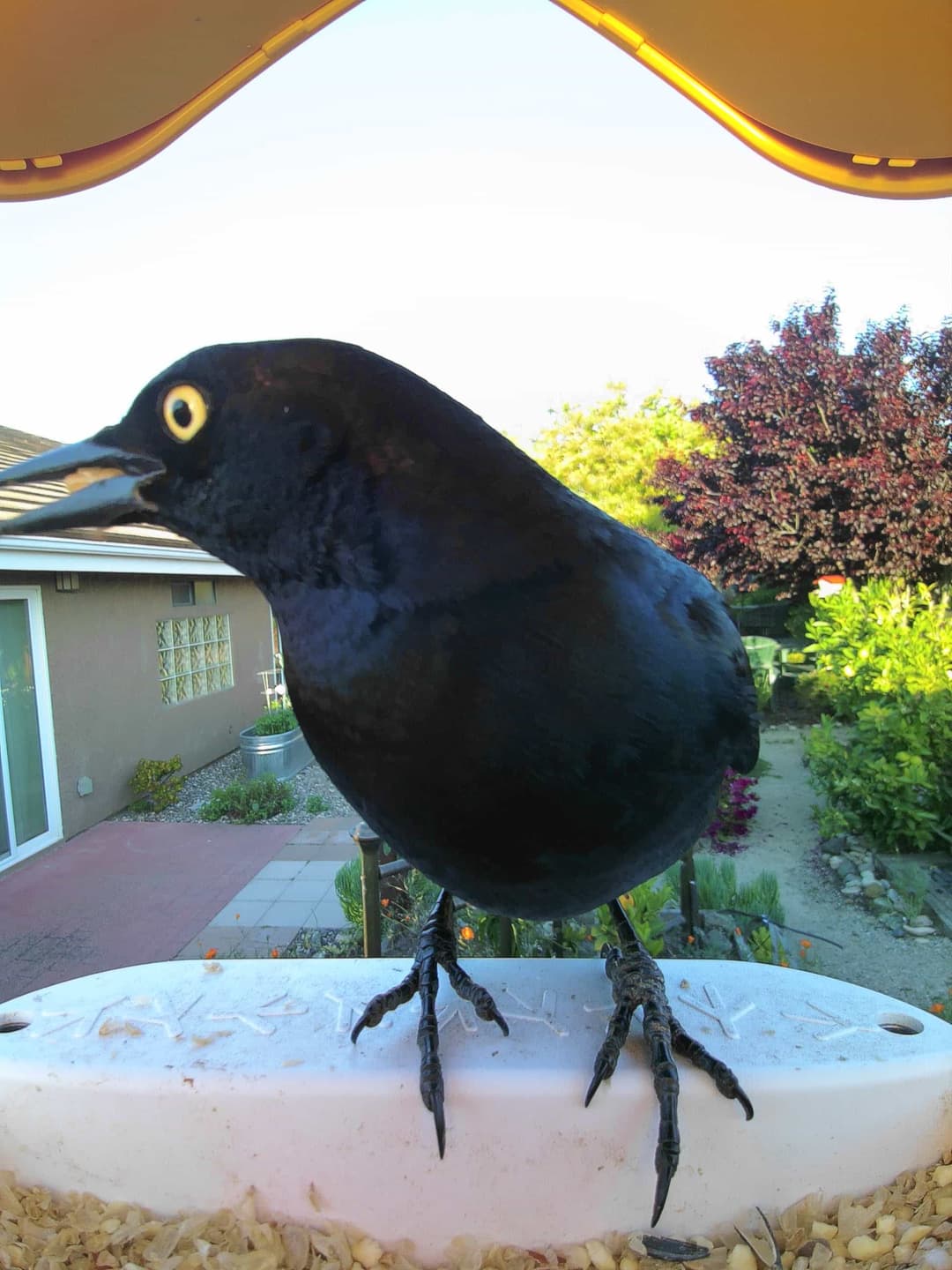
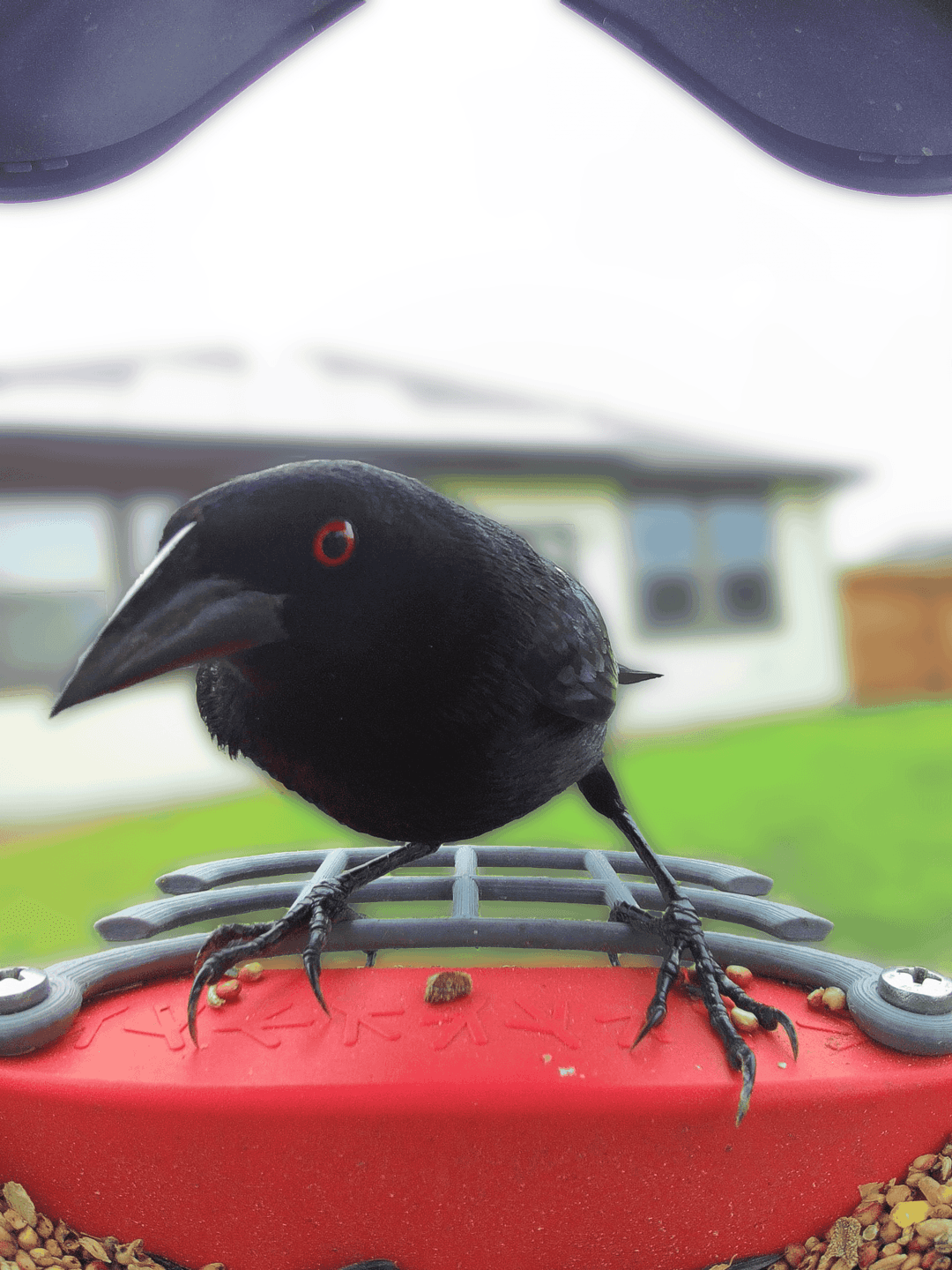
Great-Tailed Grackle vs Brewer’s Blackbird
Common Grackle vs [Select a bird]

[Select a bird]
Pick a bird to compare
Great-Tailed Grackle vs [Select a bird]
[Select a bird]
Pick a bird to compare