House Sparrow or Song Sparrow?
Here's how to tell the difference


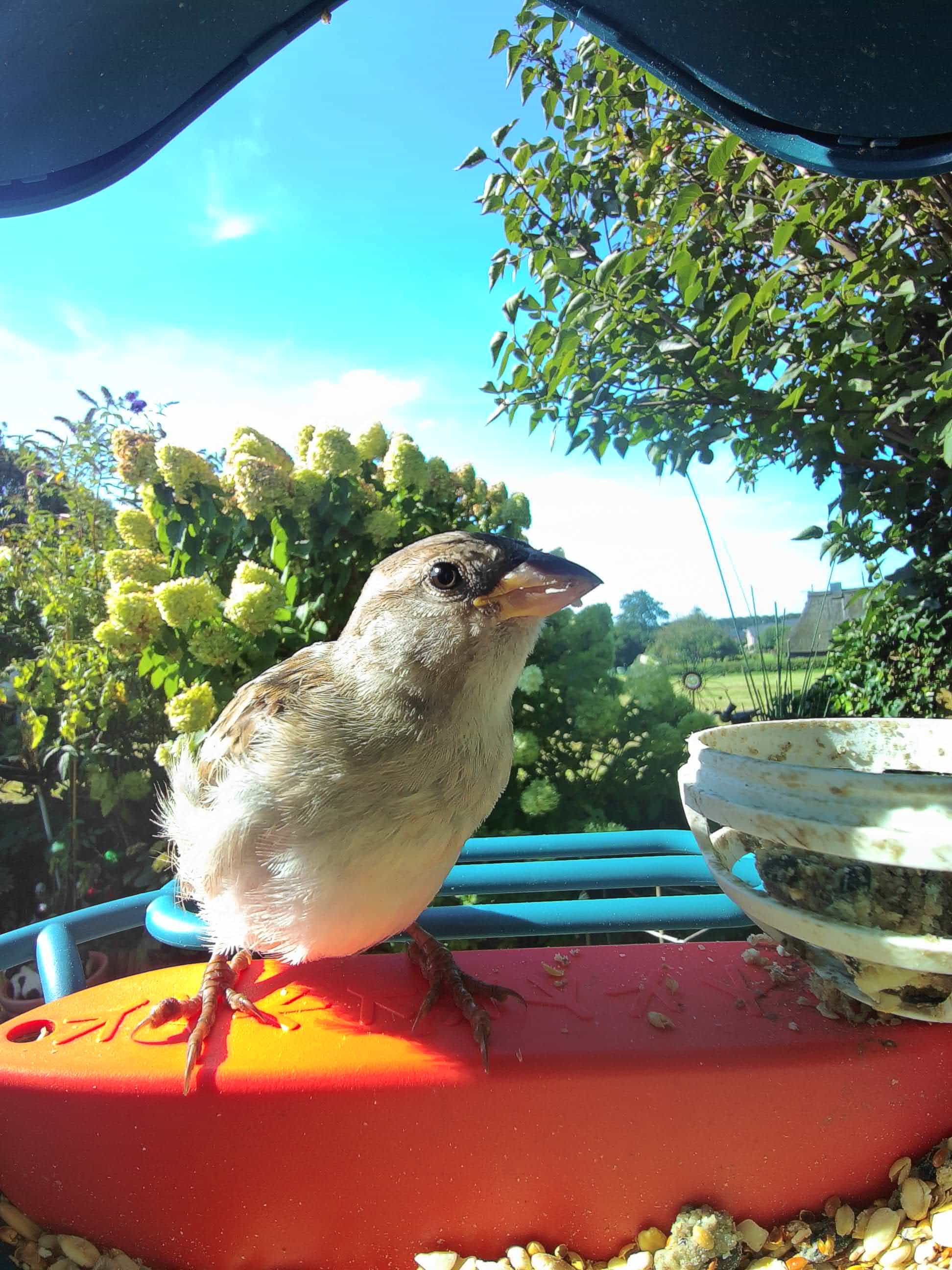


House Sparrow
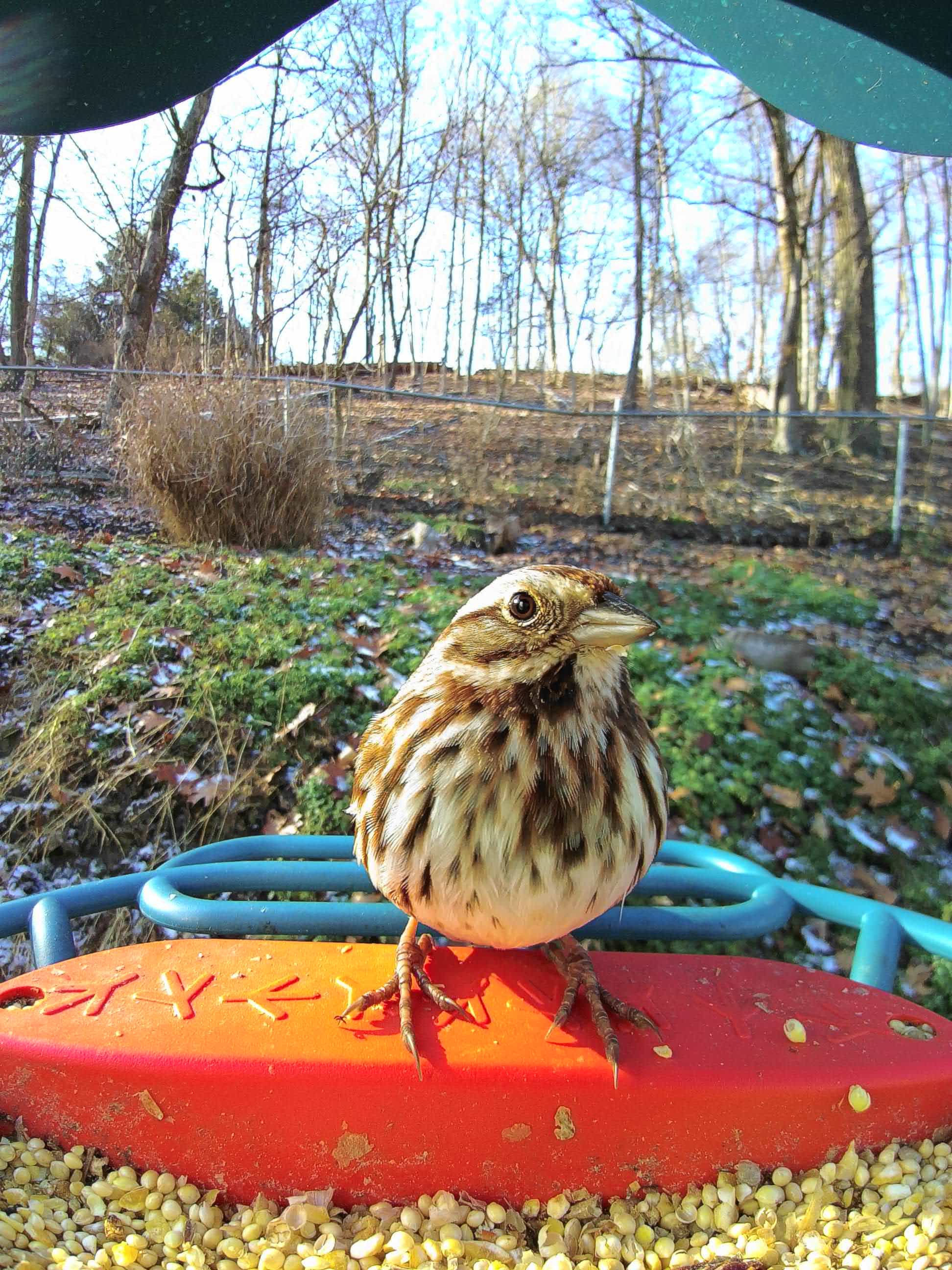


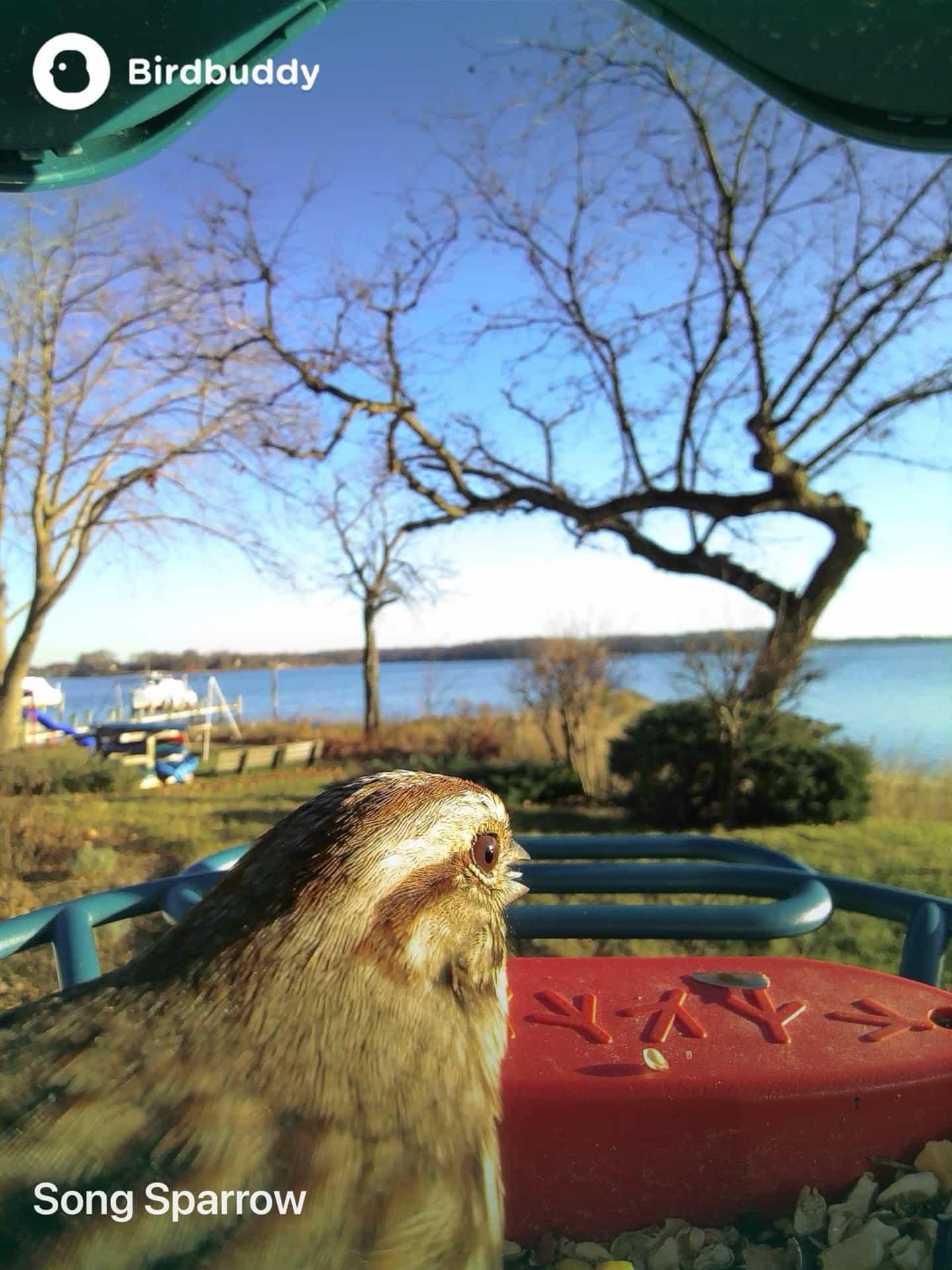

Song Sparrow
House Sparrow
Passer domesticus
General appearance
House sparrows are small, stocky birds measuring about 16 cm in length. They have a short tail and a stout bill. Their plumage is predominantly brown, with black streaks on their back and wings. This common bird has a distinctive, somewhat rounded head and a smooth body shape that helps in identifying it in urban and rural areas alike.
Male vs female
Male house sparrows are more vibrant with a gray crown, a chestnut-brown nape, and white cheeks. They have a distinctive black bib on their throat, which can vary in size seasonally. In contrast, females are duller with a more uniform brown coloration, lacking the bold markings of males. Their underparts are a plain grayish-brown, and they have a more pronounced eye stripe behind the eye.
Juvenile
Juvenile house sparrows resemble females but are even paler, with grayish-brown plumage and softer streaks. They lack the developed throat patch and bright head pattern found in adults. Juveniles gradually acquire adult coloration through moulting, becoming distinguishable by their more uniform brown appearance and subtler facial markings.
Size
5.9 - 6.7 in/1.0 - 1.1 oz
There's more to learn about House Sparrow
View full detailsSong Sparrow
Melospiza melodia
General appearance
A song sparrow is the size of a robin, with a fairly long tail. Its distinctive markings include a striped face and streaks on its chest, often merging into a central blotch. The bird displays a range of colors, including black, brown, gray, red, and white. Its wings are broad and its tail can be notched, rounded, or square-tipped. It is often seen in open fields.
Male vs female
Both male and female song sparrows have similar appearances, making it difficult to tell them apart by sight alone. Both genders share the same size, coloration, and physical traits, such as their striped faces, long tails, and chest markings.
Juvenile
Juvenile song sparrows have similarly colored plumage to adults but typically appear more muted. Their chest streaks may not be as prominent and can take some time to fully develop. As they mature, they grow into their characteristic markings and colorations.
Size
4.7 - 6.7 in/0.4 - 1.9 oz
There's more to learn about Song Sparrow
View full detailsHow to tell the House Sparrow from the Song Sparrow
Visual differences
House Sparrows are stocky with a length of 6-6.7 inches and have a stout bill and predominantly brown plumage with black streaks. Males display a gray crown and black bib, whereas females are duller. Song Sparrows are similar in length (4.7-6.7 inches) but differ with their long tails and a distinctive striped face and chest, which often merges into a central blotch. Their plumage includes black, brown, gray, red, and white, while both genders exhibit similar patterns. House Sparrows have a more uniform body and distinct head markings, unlike the more varied Song Sparrow.
Key differences and behavior
House Sparrows and Song Sparrows differ notably in behavior and habitat. House Sparrows, weighing 0.95-1.06 oz, are highly social, often seen in human-dominated environments, and participate in communal singing and dust-bathing. They primarily consume seeds, occasionally insects, and frequent bird feeders. Nesting in urban niches, they often breed in small colonies. In contrast, Song Sparrows, weighing 0.42-1.87 oz, are solitary singers with varied melodies, preferring natural habitats such as thickets and marshes. They consume insects and seeds, and their nests, built mainly by females, are typically ground-level or low. Territorial males perform fluttering courtship flights. While both frequent feeders, their dietary focus and social behaviors aid field distinction.
Still not sure? Here are more lookalikes!
House Sparrow vs Chipping Sparrow
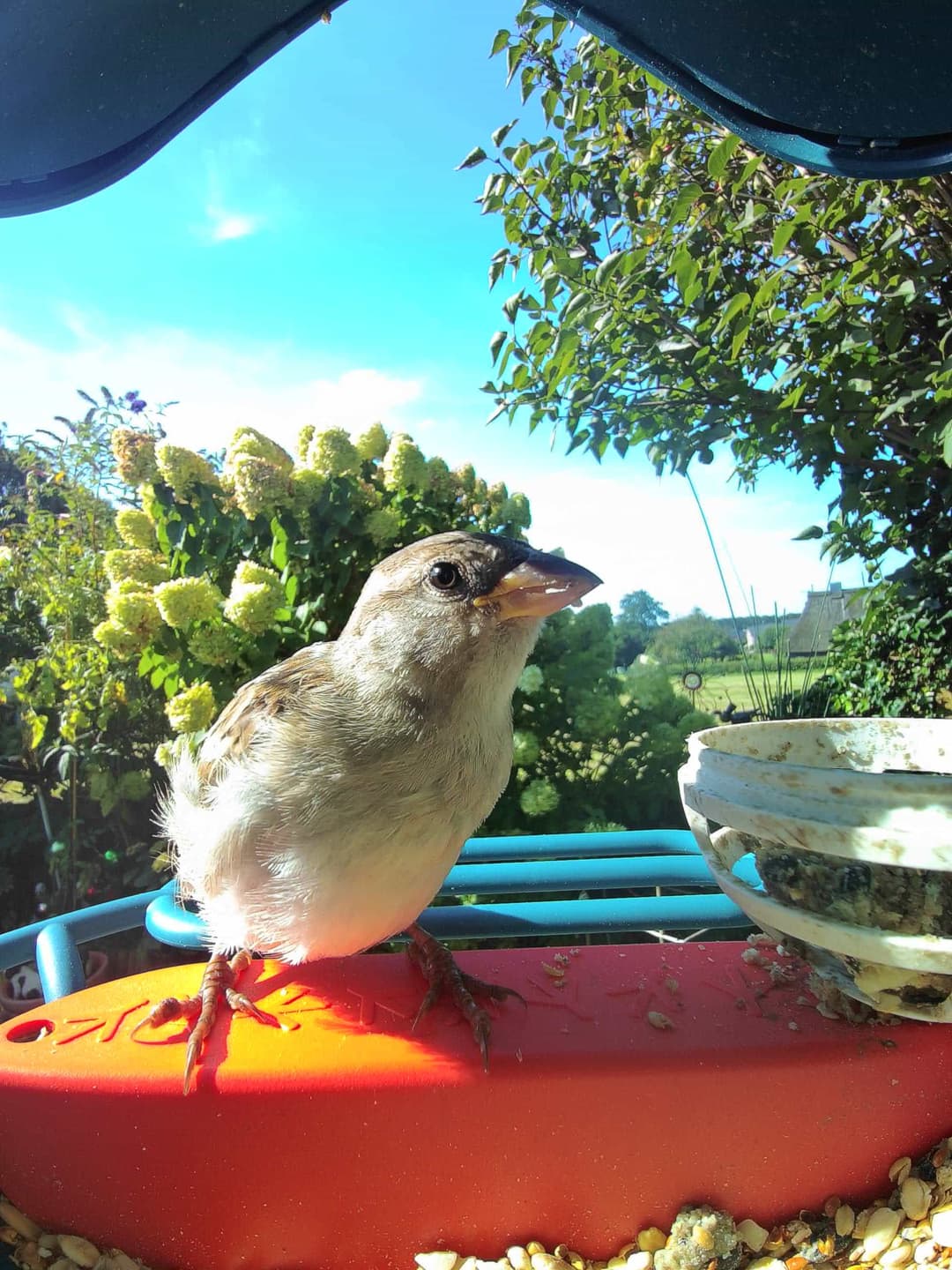
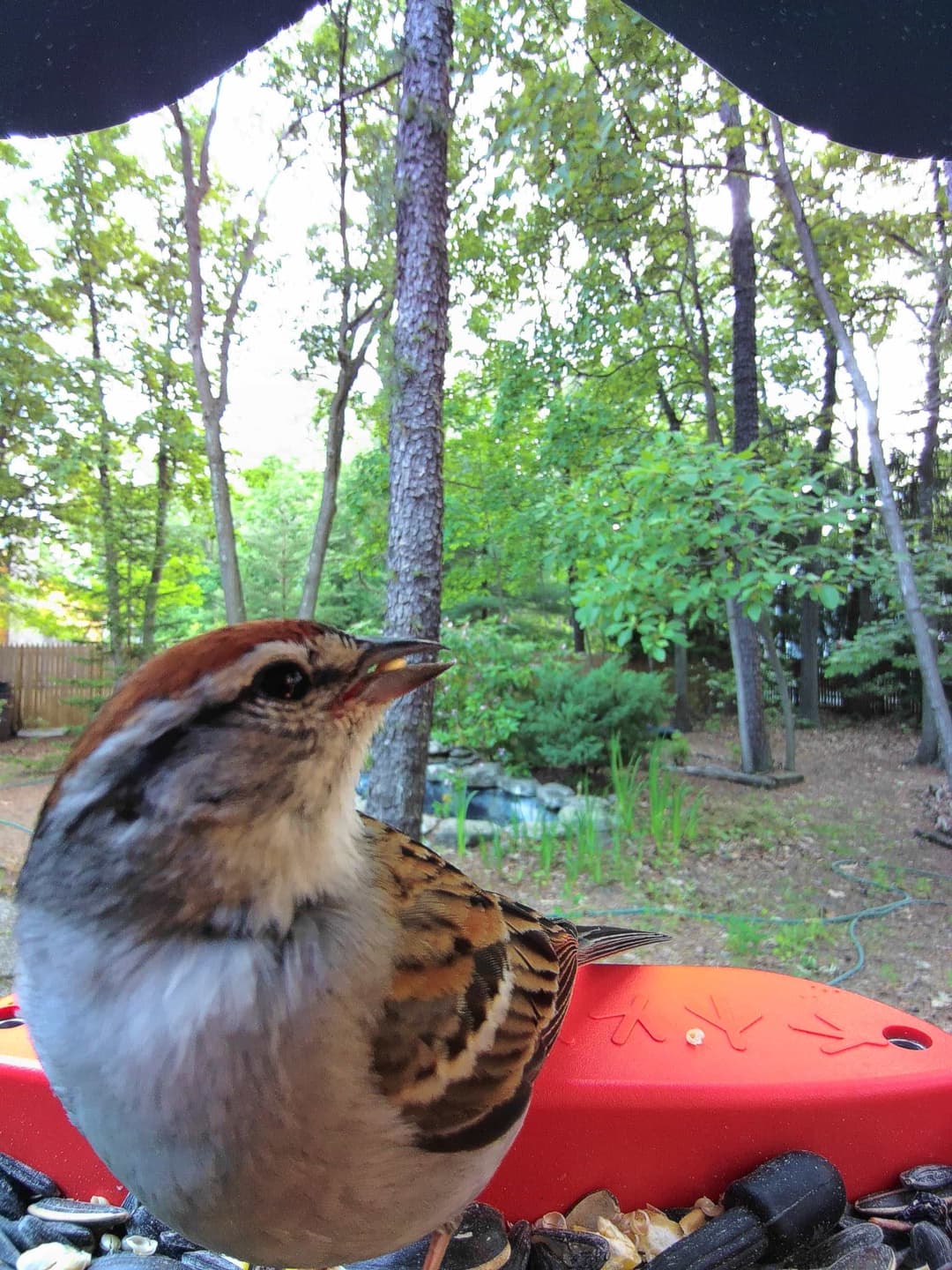
House Sparrow vs Eurasian Tree Sparrow
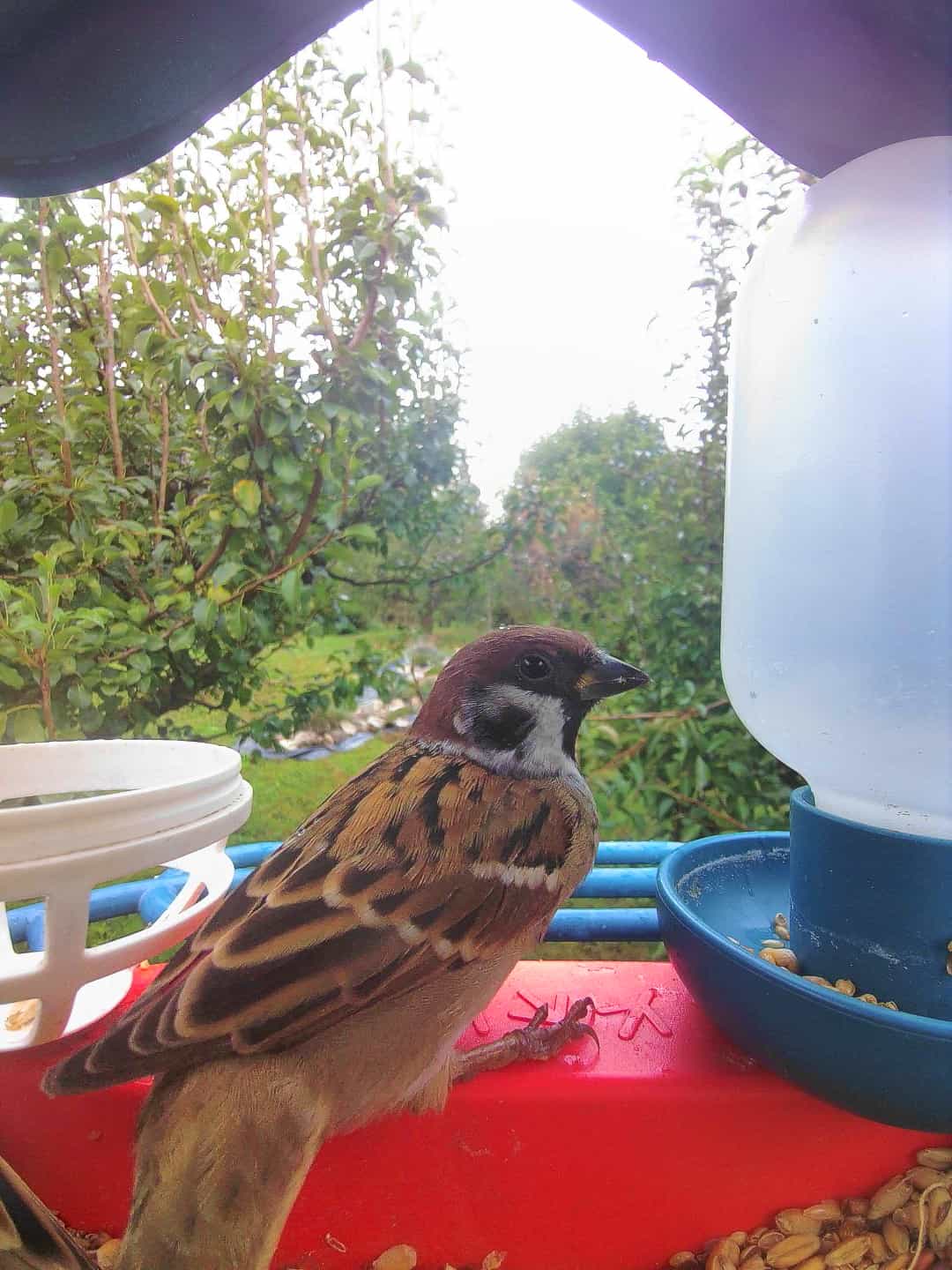
House Sparrow vs American Tree Sparrow
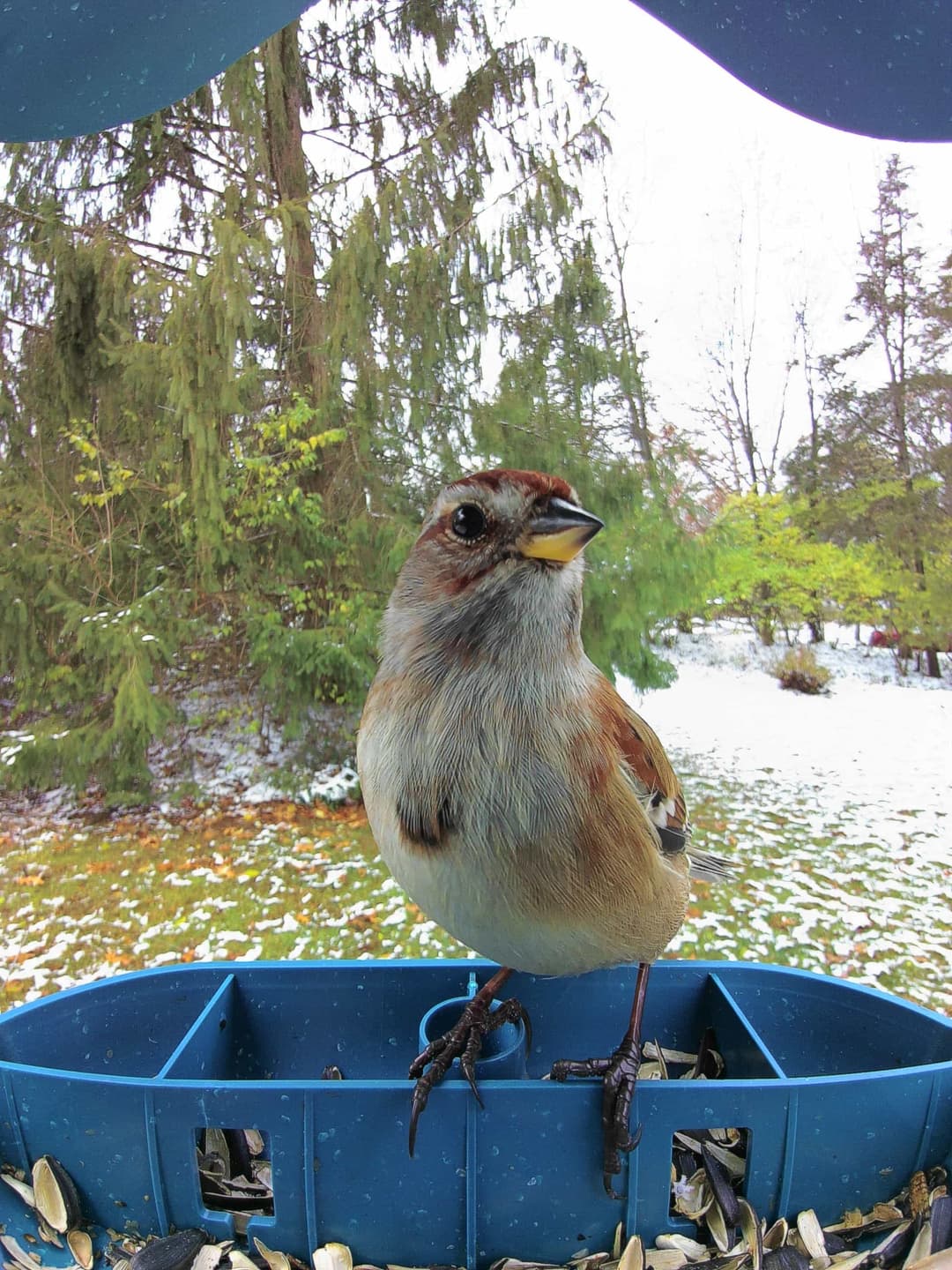
House Sparrow vs White-Crowned Sparrow

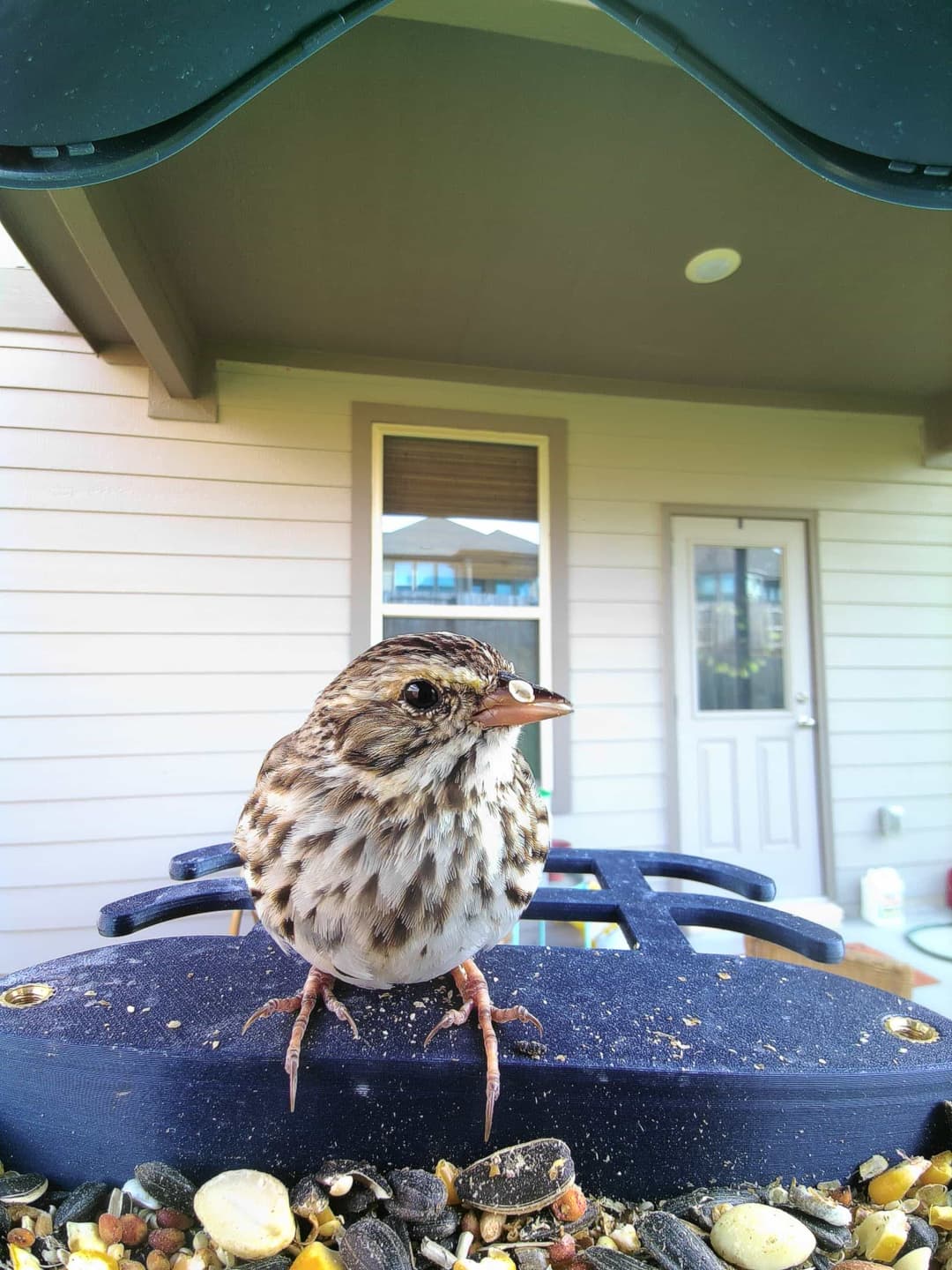
Song Sparrow vs Savannah Sparrow
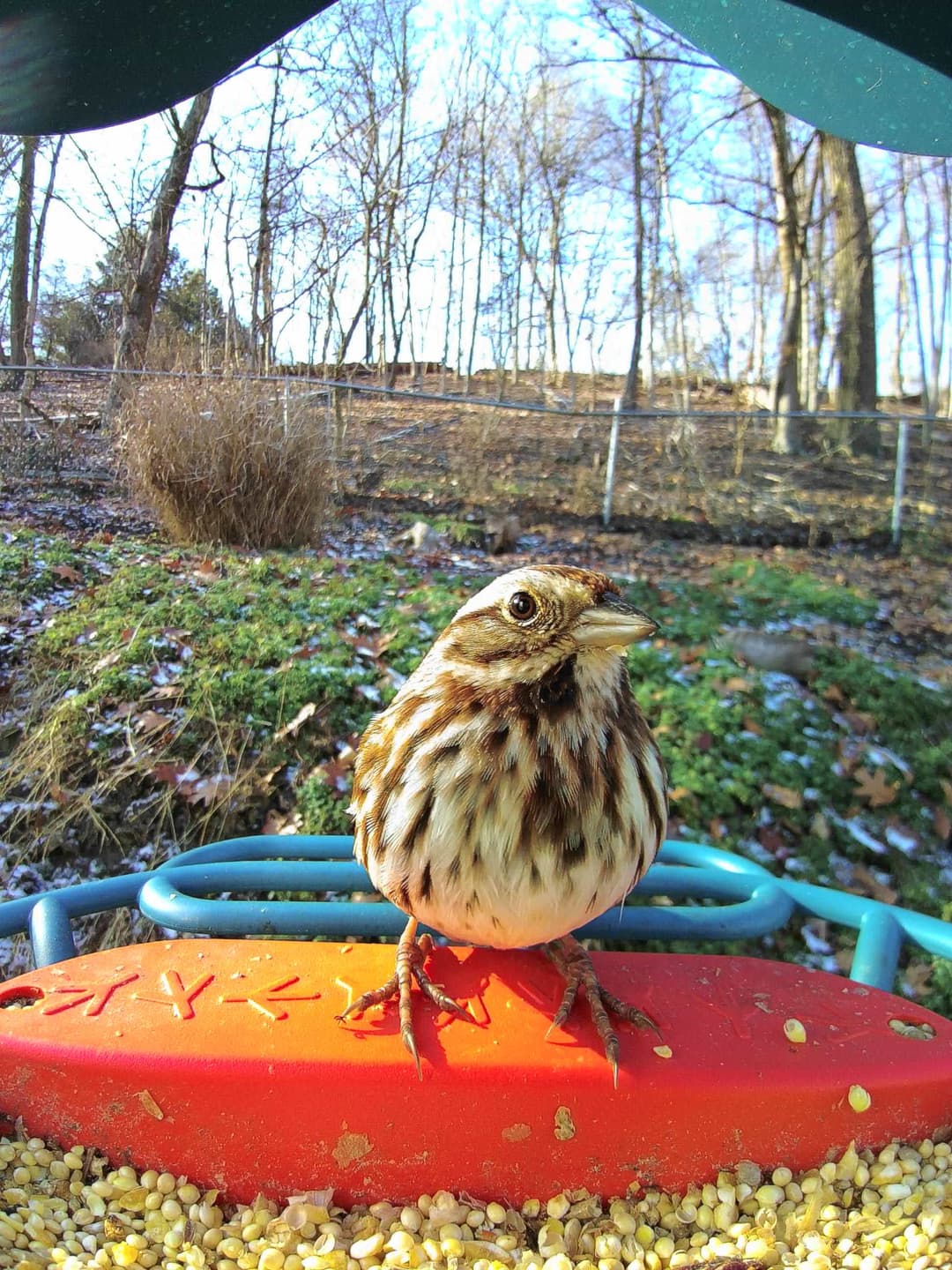
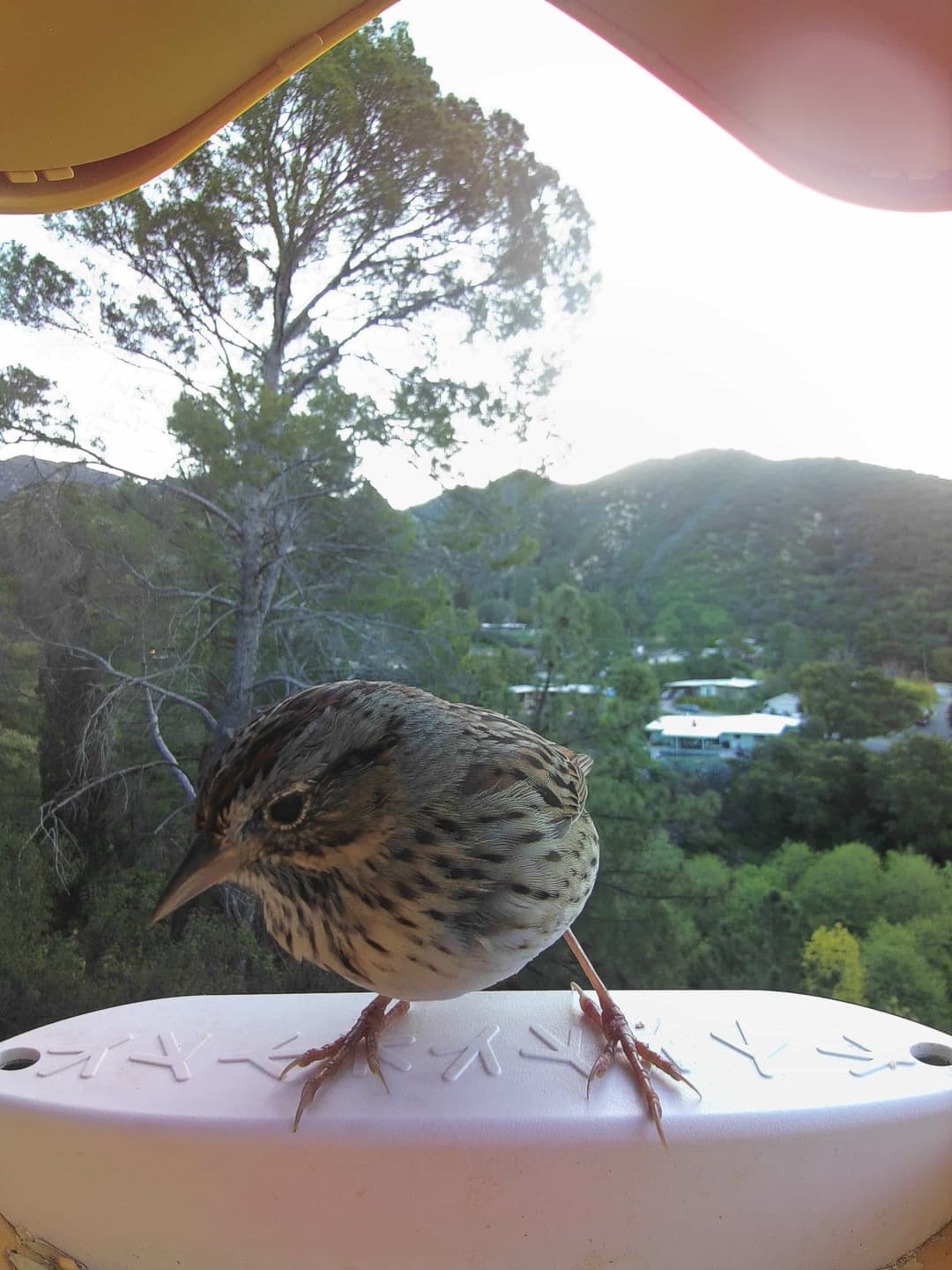
Song Sparrow vs Lincoln’s Sparrow
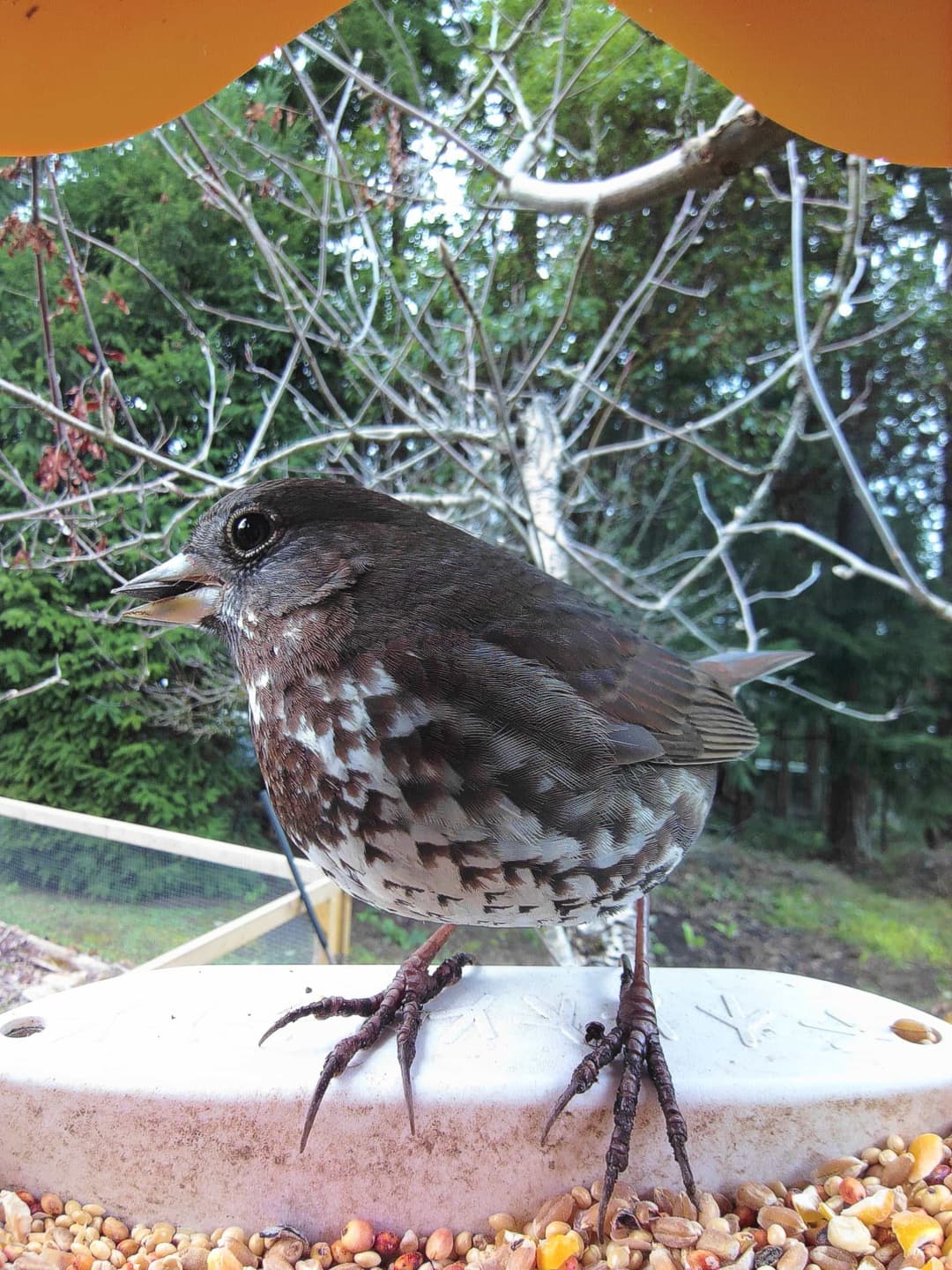
Song Sparrow vs Fox Sparrow
Song Sparrow vs Vesper Sparrow

House Sparrow vs [Select a bird]

[Select a bird]
Pick a bird to compare
Song Sparrow vs [Select a bird]
[Select a bird]
Pick a bird to compare