House Sparrow or Chipping Sparrow?
Here's how to tell the difference



House Sparrow


Chipping Sparrow
House Sparrow
Passer domesticus
General appearance
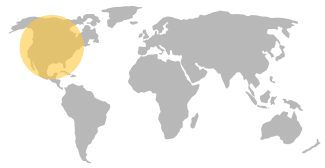
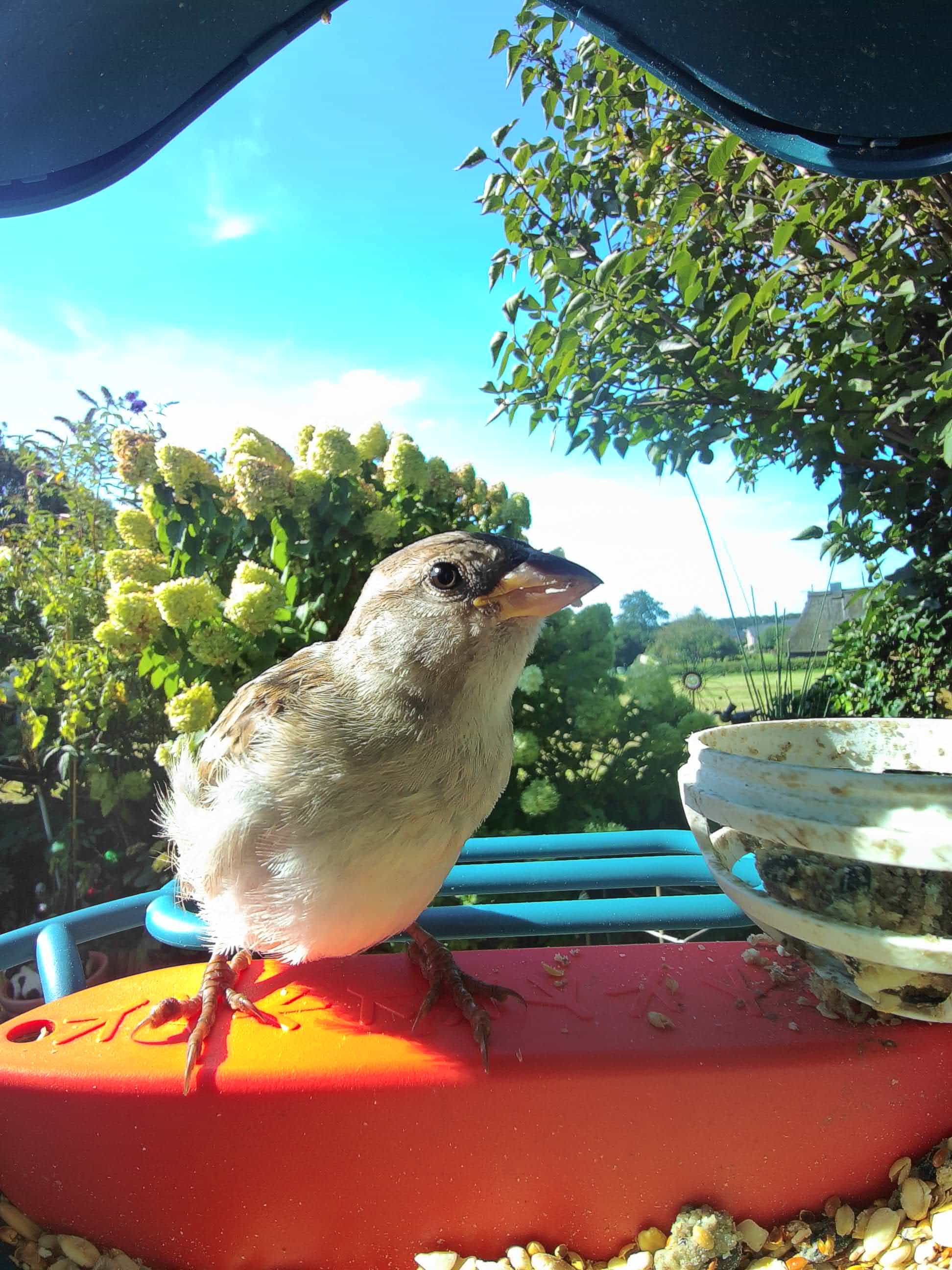
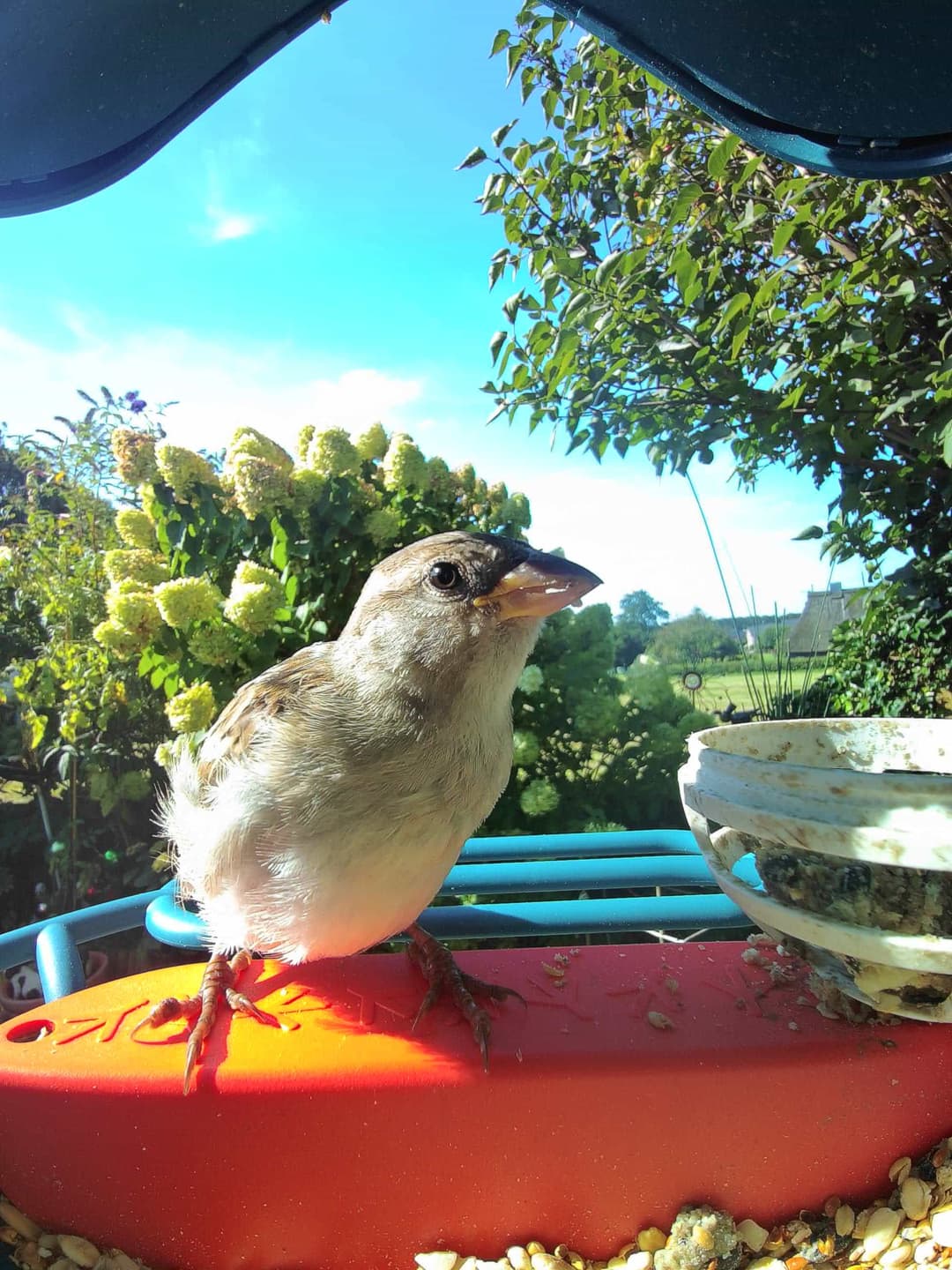
House sparrows are small, stocky birds measuring about 16 cm in length. They have a short tail and a stout bill. Their plumage is predominantly brown, with black streaks on their back and wings. This common bird has a distinctive, somewhat rounded head and a smooth body shape that helps in identifying it in urban and rural areas alike.
Male vs female
Male house sparrows are more vibrant with a gray crown, a chestnut-brown nape, and white cheeks. They have a distinctive black bib on their throat, which can vary in size seasonally. In contrast, females are duller with a more uniform brown coloration, lacking the bold markings of males. Their underparts are a plain grayish-brown, and they have a more pronounced eye stripe behind the eye.
Juvenile
Juvenile house sparrows resemble females but are even paler, with grayish-brown plumage and softer streaks. They lack the developed throat patch and bright head pattern found in adults. Juveniles gradually acquire adult coloration through moulting, becoming distinguishable by their more uniform brown appearance and subtler facial markings.
Size
5.9 - 6.7 in/1.0 - 1.1 oz
There's more to learn about House Sparrow
View full detailsChipping Sparrow
Spizella passerina
General appearance
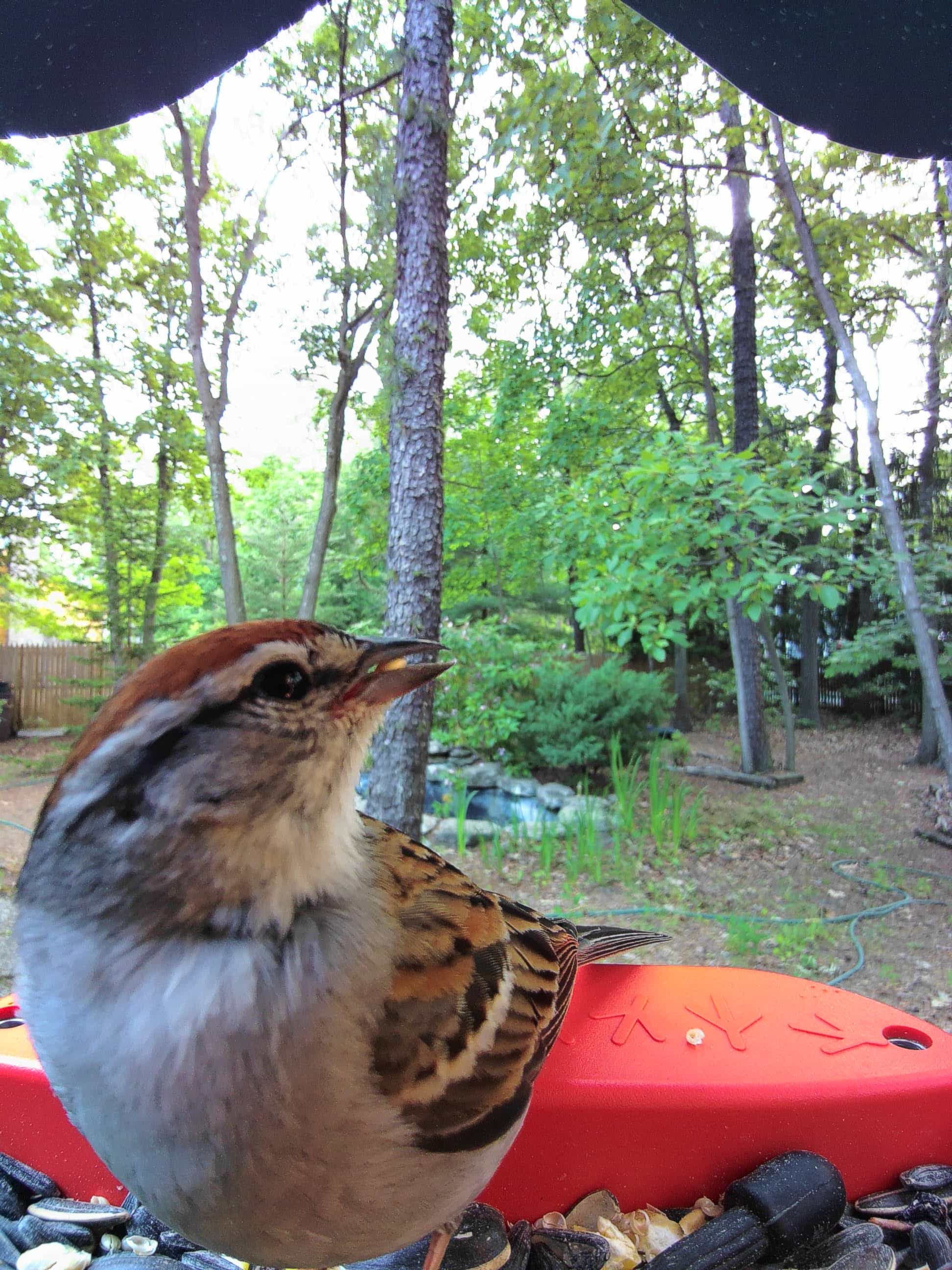
The Chipping Sparrow is a small 5-5 1/2 inch bird, equivalent to 13-14 cm. Sporting a blend of black, brown, gray, red, and white colors, it has a distinctive chestnut cap, white eyebrow, and black eyeline. Its wings are broad and the tail shape varies from notched, rounded to square-tipped. The bird's rump is gray, distinguishing it from Clay-Colored and Brewer's Sparrows that have brown rumps.
Male vs female
The Chipping Sparrow doesn't exhibit significant sexual dimorphism, meaning males and females have similar appearance. They both have less contrast in winter with their chestnut color partly obscured.
Juvenile
Young Chipping Sparrows are initially streaky and retain some of these streaks into fall. Dull fall juveniles can suggest Clay-Colored Sparrow and Brewer's Sparrow, but the gray rump identifies them as Chipping Sparrows. As they age, they acquire the characteristic colors and patterns of adult Chipping Sparrows.
Size
4.7 - 5.9 in/0.4 - 0.6 oz
There's more to learn about Chipping Sparrow
View full detailsHow to tell the House Sparrow from the Chipping Sparrow
Visual differences
The House Sparrow (6.3 inches, 1.0-1.1 oz) is larger and stockier than the Chipping Sparrow (5-5.5 inches, 0.4-0.6 oz). House Sparrows have a stout bill and predominantly brown plumage with a gray crown and black bib in males. Chipping Sparrows sport a distinctive chestnut cap, white eyebrow, and black eyeline. Both genders of Chipping Sparrows look similar, while male House Sparrows are more vibrant than females. Notably, House Sparrows have a rounded tail and short tail, whereas Chipping Sparrows have a varying tail shape and gray rump.
Key differences and behavior
House Sparrows and Chipping Sparrows exhibit distinct behaviors and habitat preferences. House Sparrows thrive near human developments, nesting in urban structures and forming social groups. They predominantly eat seeds and insects in farms and cities. In contrast, Chipping Sparrows prefer open woods, parks, and suburban areas, adapting to various environments. They display polygamous behaviors, with nests usually in conifers and built by females. Their diet consists largely of insects in summer and seeds in winter. Additionally, House Sparrows are more social, engaging in group singing and dust baths, whereas Chipping Sparrows showcase less social behaviors. Both species are attracted to bird feeders, but Chipping Sparrows also favor trees and shrubs for nesting cover.
Still not sure? Here are more lookalikes!
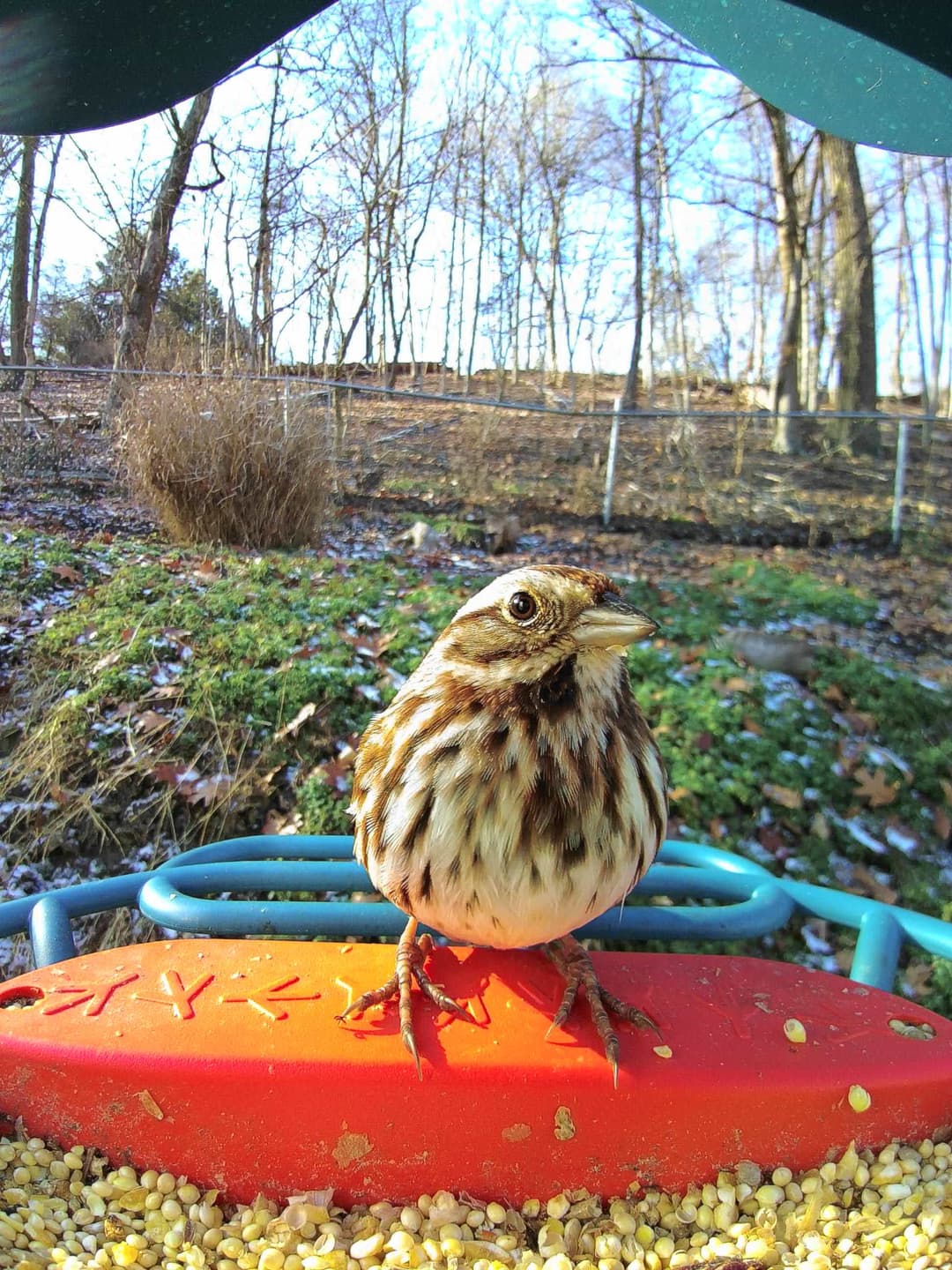
House Sparrow vs Song Sparrow
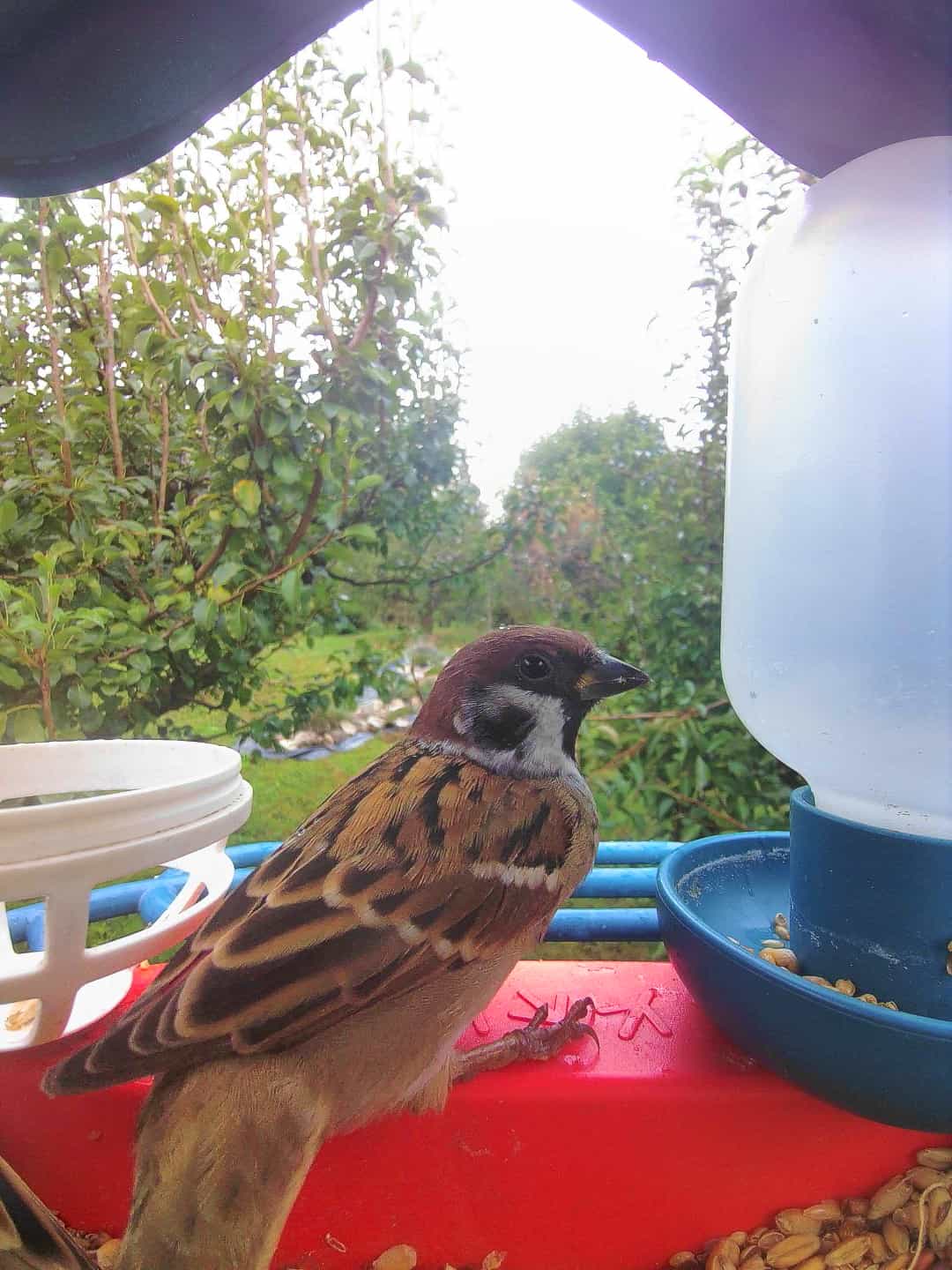
House Sparrow vs Eurasian Tree Sparrow
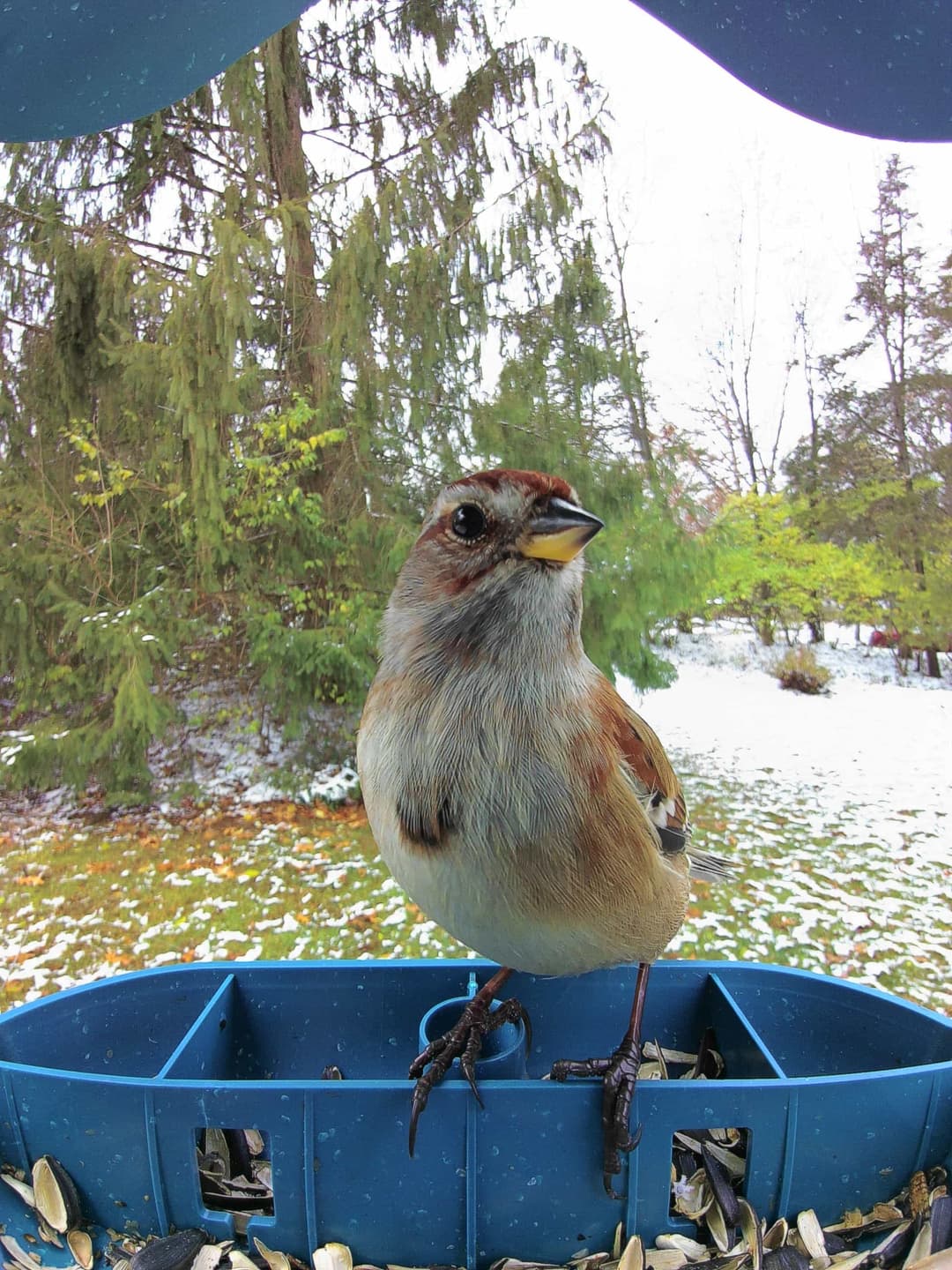
House Sparrow vs American Tree Sparrow
House Sparrow vs White-Crowned Sparrow

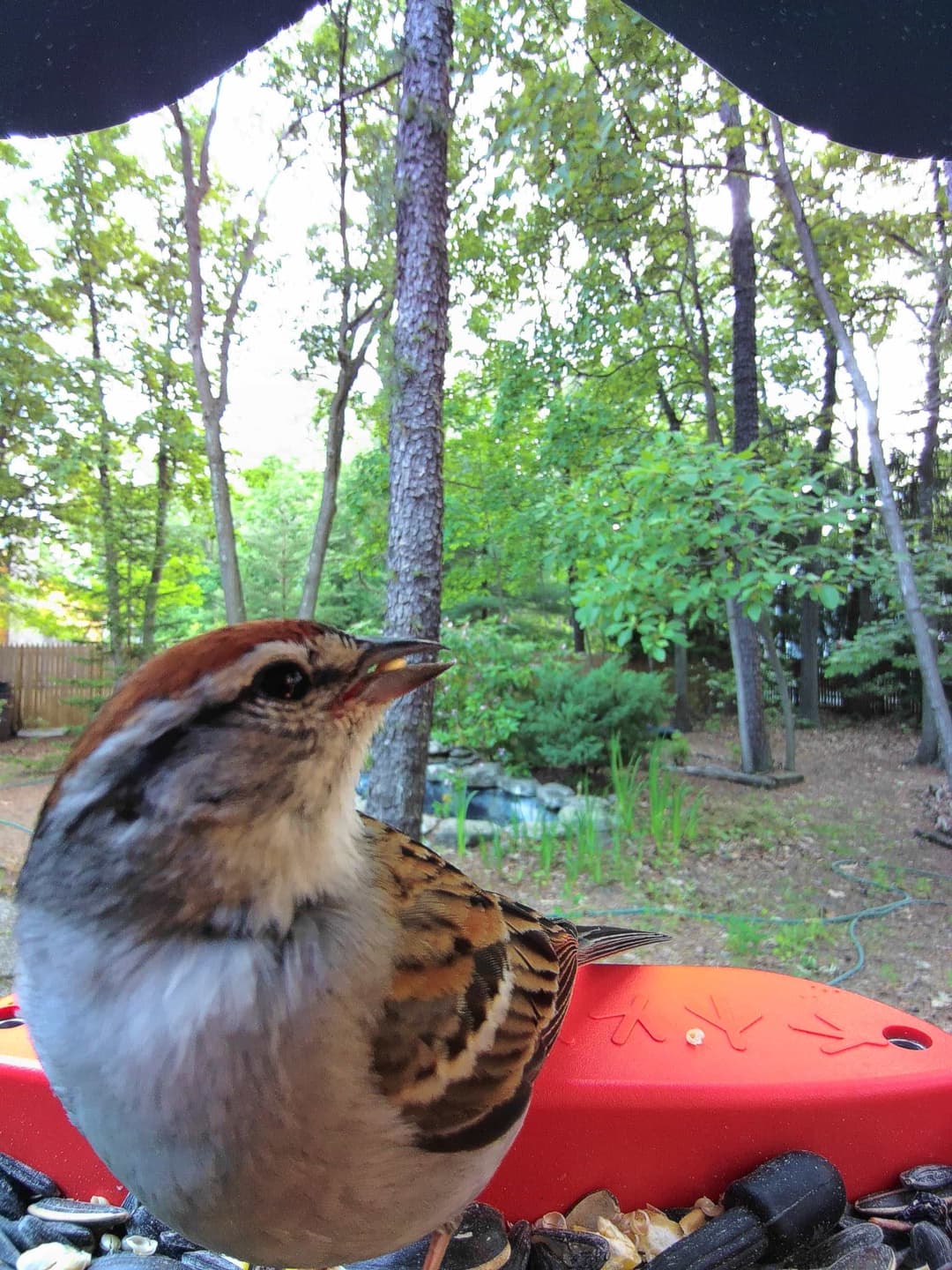
Chipping Sparrow vs American Tree Sparrow
Chipping Sparrow vs Field Sparrow
House Sparrow vs [Select a bird]

[Select a bird]
Pick a bird to compare
Chipping Sparrow vs [Select a bird]
[Select a bird]
Pick a bird to compare