Corn Bunting or House Sparrow?
Here's how to tell the difference
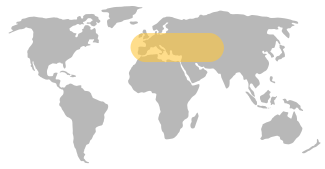
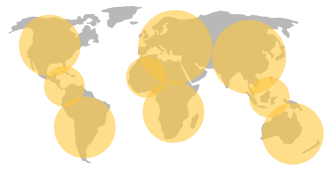


Corn Bunting
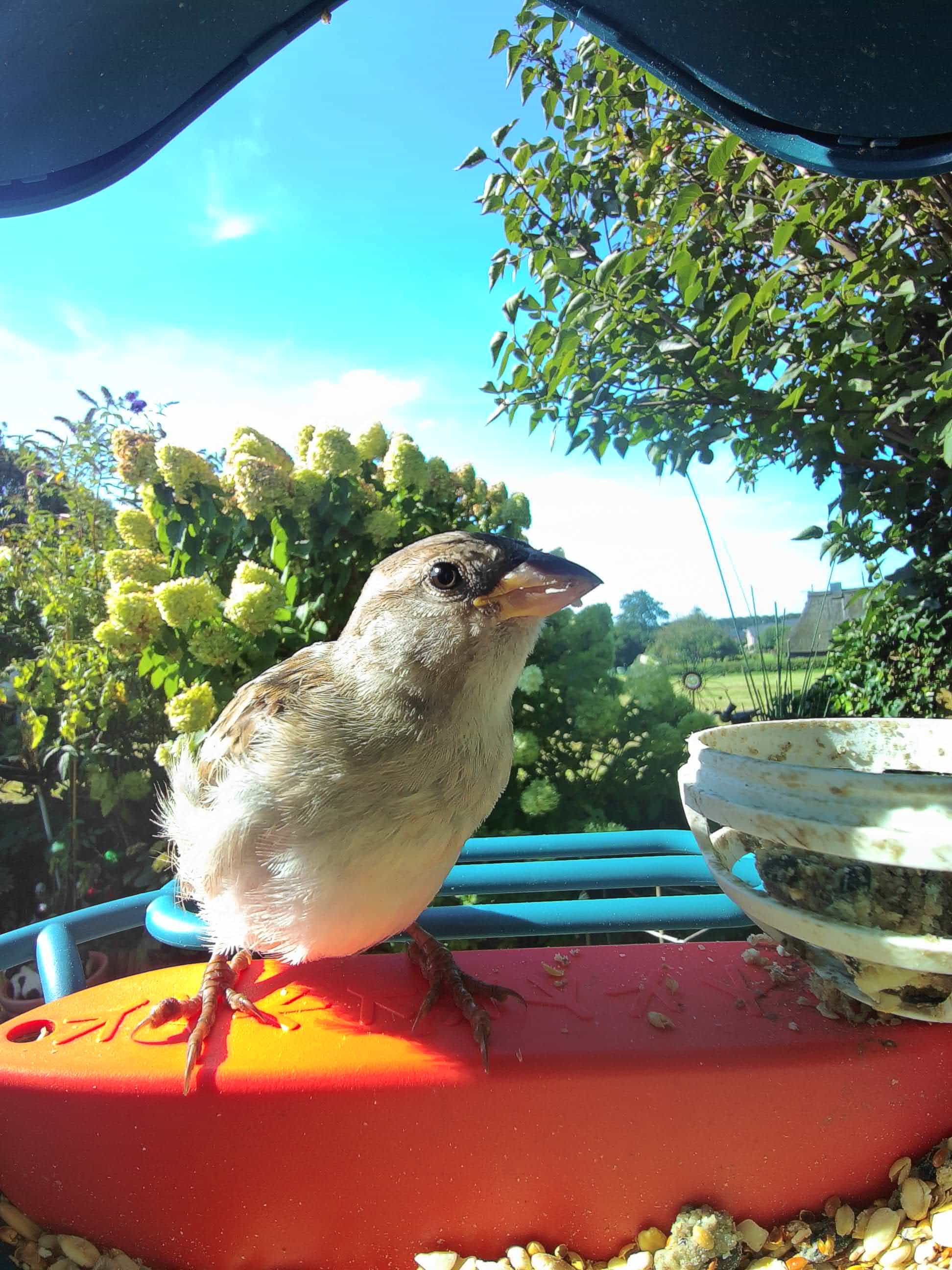


House Sparrow
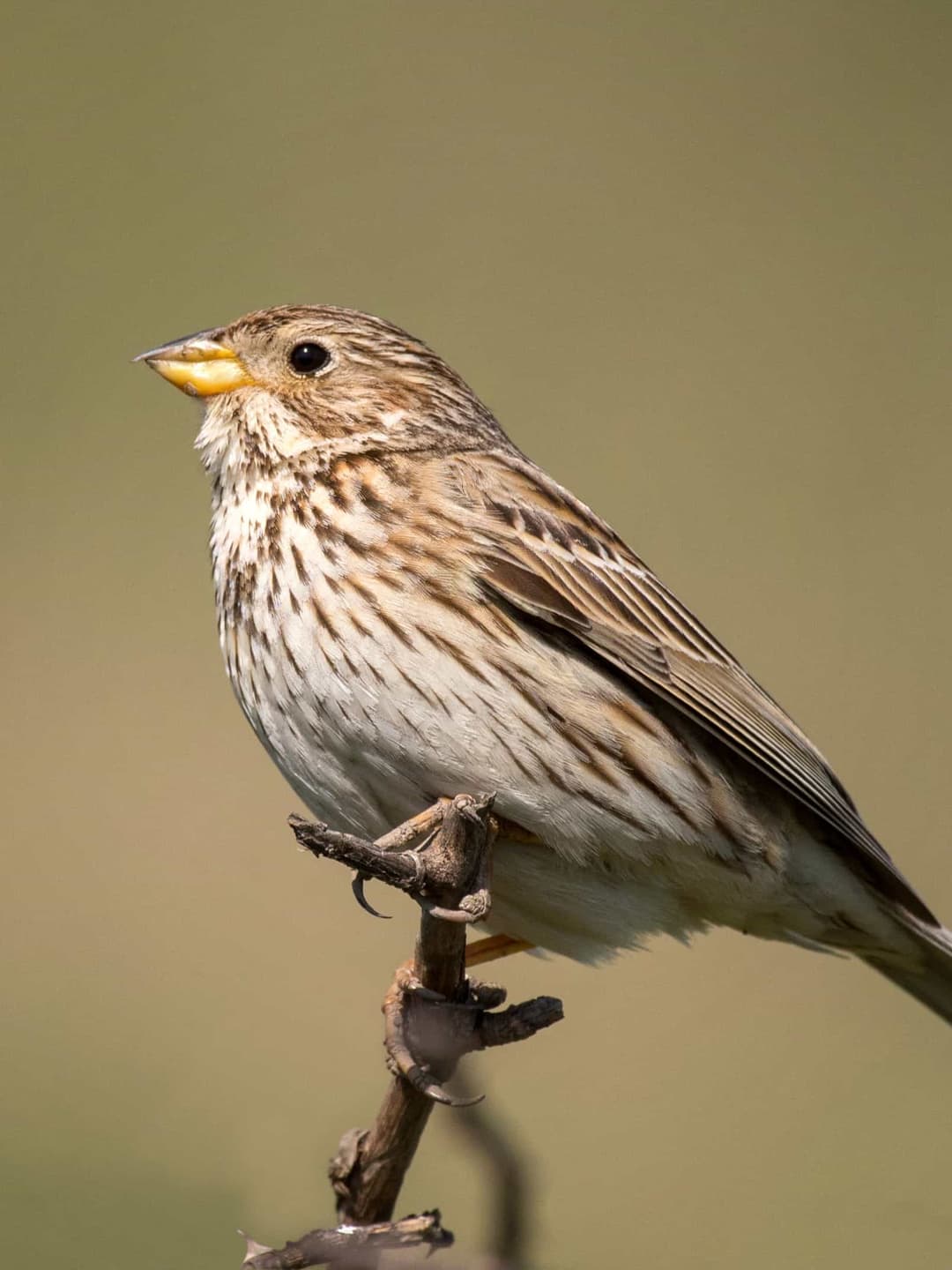
Corn Bunting
Emberiza calandra
General appearance
The corn bunting is a robust bird measuring approximately 16-19 cm in length. It possesses a distinctively stout, yellowish bill and a thick neck. The plumage boasts a brownish coloration interspersed with darker streaks and its underparts possess a whitish hue. The torso appears somewhat bulged, with rounded wings and a rather blunt tail. During flight, their short wings flutter quickly.
Male vs female
Male and female corn buntings are virtually indistinguishable by physical appearance alone as both sexes possess similar plumage coloring and size. However, behavioral differences can be used to tell them apart. Males are known for their unique song which sounds like jangling keys, used primarily for mating calls. Males are also territorial during breeding season.
Juvenile
Juvenile corn buntings resemble adults in size, but their plumage has a more ruffled appearance and is slightly paler. They lack the darker streaking seen in adults until they mature. Juvenile birds also lack the bold territorial and vocal behaviors of adult males until they reach sexual maturity.
Size
6.7 - 7.5 in/1.1 - 2.4 oz
There's more to learn about Corn Bunting
View full detailsHouse Sparrow
Passer domesticus
General appearance
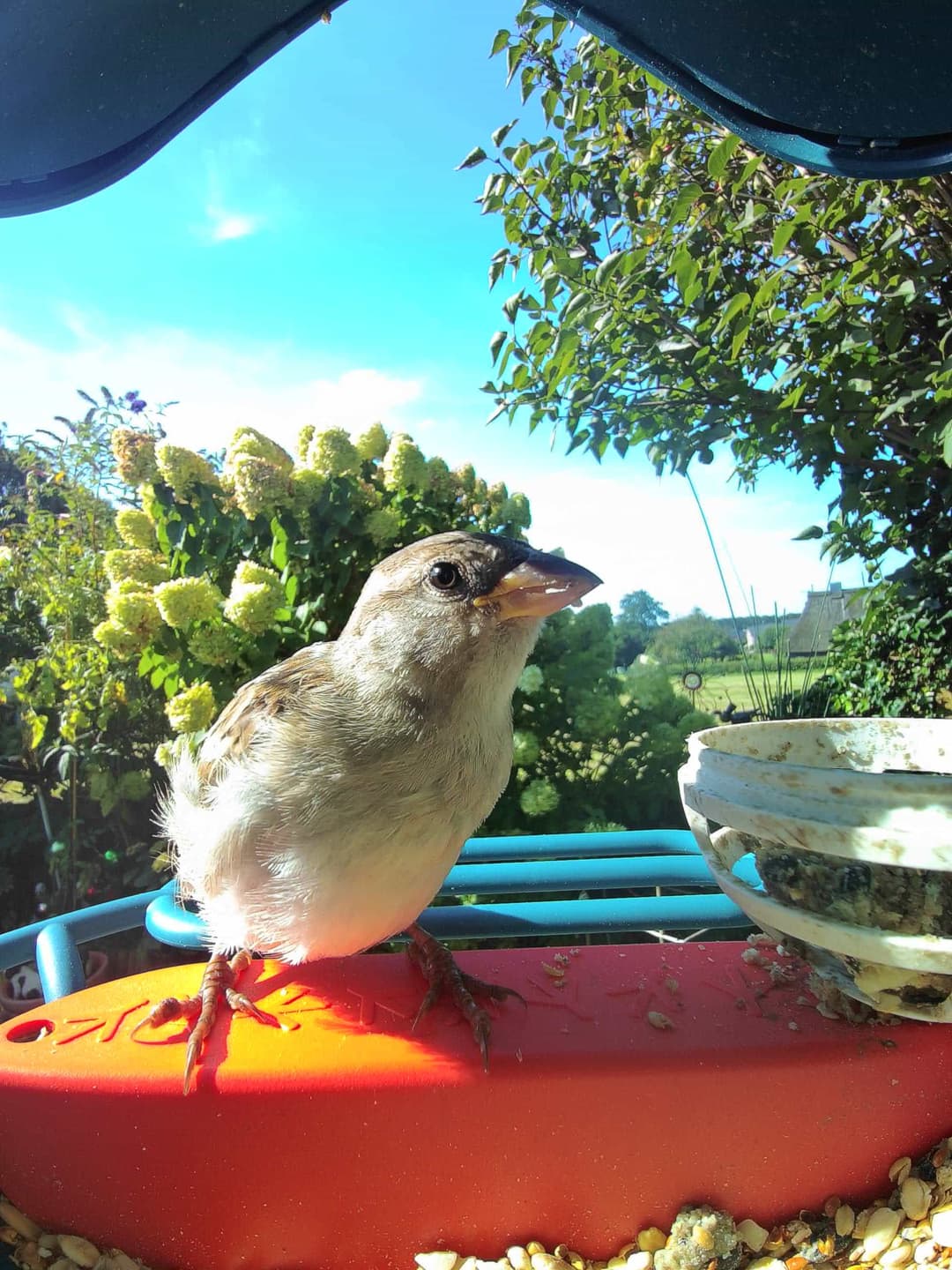
House sparrows are small, stocky birds measuring about 16 cm in length. They have a short tail and a stout bill. Their plumage is predominantly brown, with black streaks on their back and wings. This common bird has a distinctive, somewhat rounded head and a smooth body shape that helps in identifying it in urban and rural areas alike.
Male vs female
Male house sparrows are more vibrant with a gray crown, a chestnut-brown nape, and white cheeks. They have a distinctive black bib on their throat, which can vary in size seasonally. In contrast, females are duller with a more uniform brown coloration, lacking the bold markings of males. Their underparts are a plain grayish-brown, and they have a more pronounced eye stripe behind the eye.
Juvenile
Juvenile house sparrows resemble females but are even paler, with grayish-brown plumage and softer streaks. They lack the developed throat patch and bright head pattern found in adults. Juveniles gradually acquire adult coloration through moulting, becoming distinguishable by their more uniform brown appearance and subtler facial markings.
Size
5.9 - 6.7 in/1.0 - 1.1 oz
There's more to learn about House Sparrow
View full detailsHow to tell the Corn Bunting from the House Sparrow
Visual differences
The Corn Bunting is 6.7-7.5 inches long with a robust, yellowish bill, thick neck, and distinctive brown streaked plumage with whitish underparts. Its wings are rounded, and its tail blunt. In contrast, the House Sparrow measures about 6.3 inches with a stout bill and predominantly brown plumage with black streaks. Males have a gray crown, chestnut nape, and black bib; females are plainer. Corn Buntings appear bulkier with a bulged torso, while House Sparrows have a more compact, smooth body.
Key differences and behavior
Corn Buntings and House Sparrows exhibit distinct behaviors and habitat preferences. Corn Buntings favor open farmland and grasslands in Eurasia, singing territorial jangling melodies, especially during breeding season, often perched on open fields. They nest on or near the ground, using natural materials and feed on seeds and insects. House Sparrows, sociable and adaptable, thrive near human settlements globally, including urban areas. They form communal roosts, exhibit social singing, and perform dust baths for cleanliness. Their nests are often in crevices or man-made structures, using varied materials. Sparrows have a diverse diet, including human leftovers. Buntings primarily eat wild seeds and crops. Both are territorial during nesting, but sparrows are more visible in human environments.
Still not sure? Here are more lookalikes!
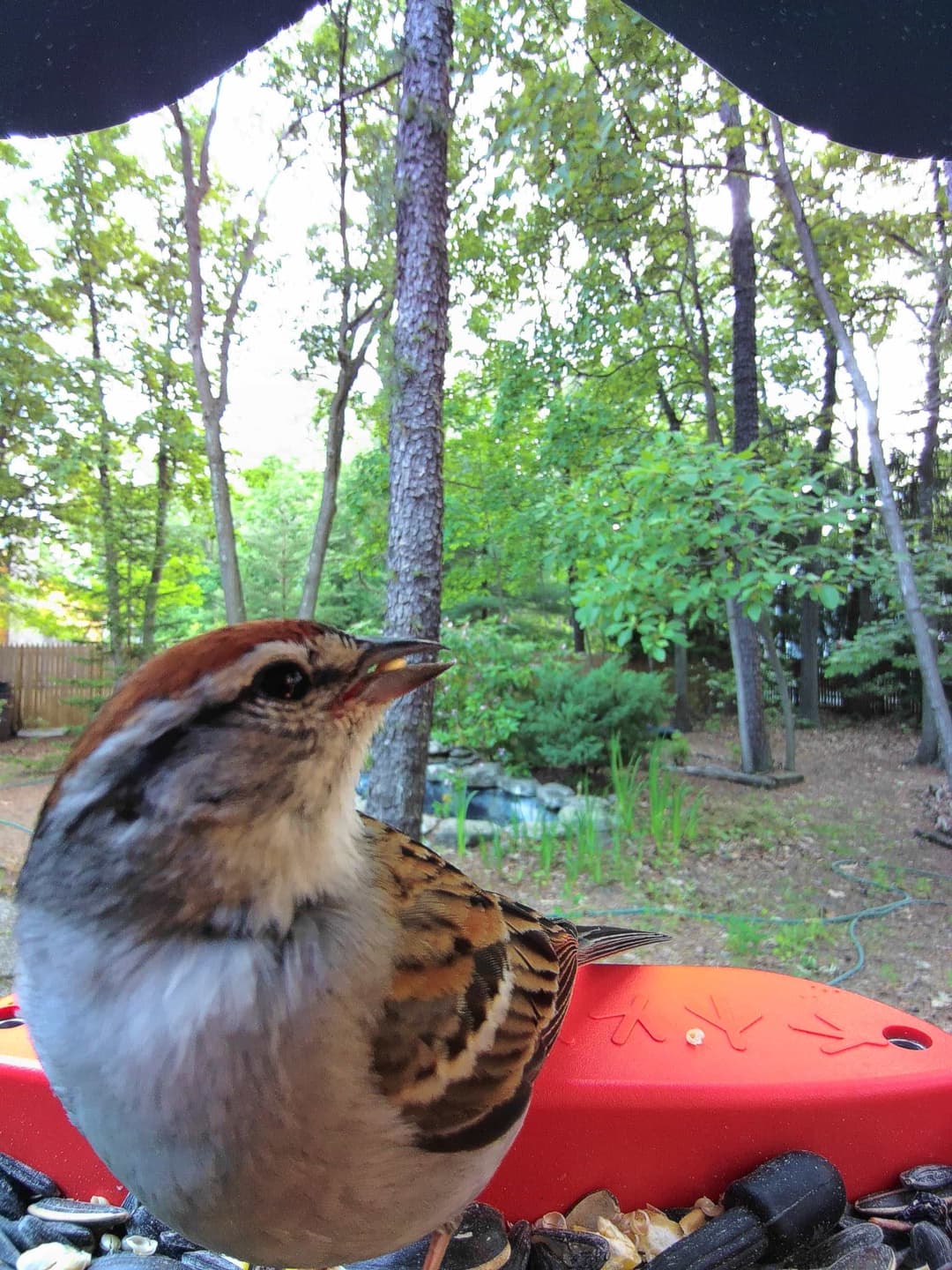
Corn Bunting vs Chipping Sparrow
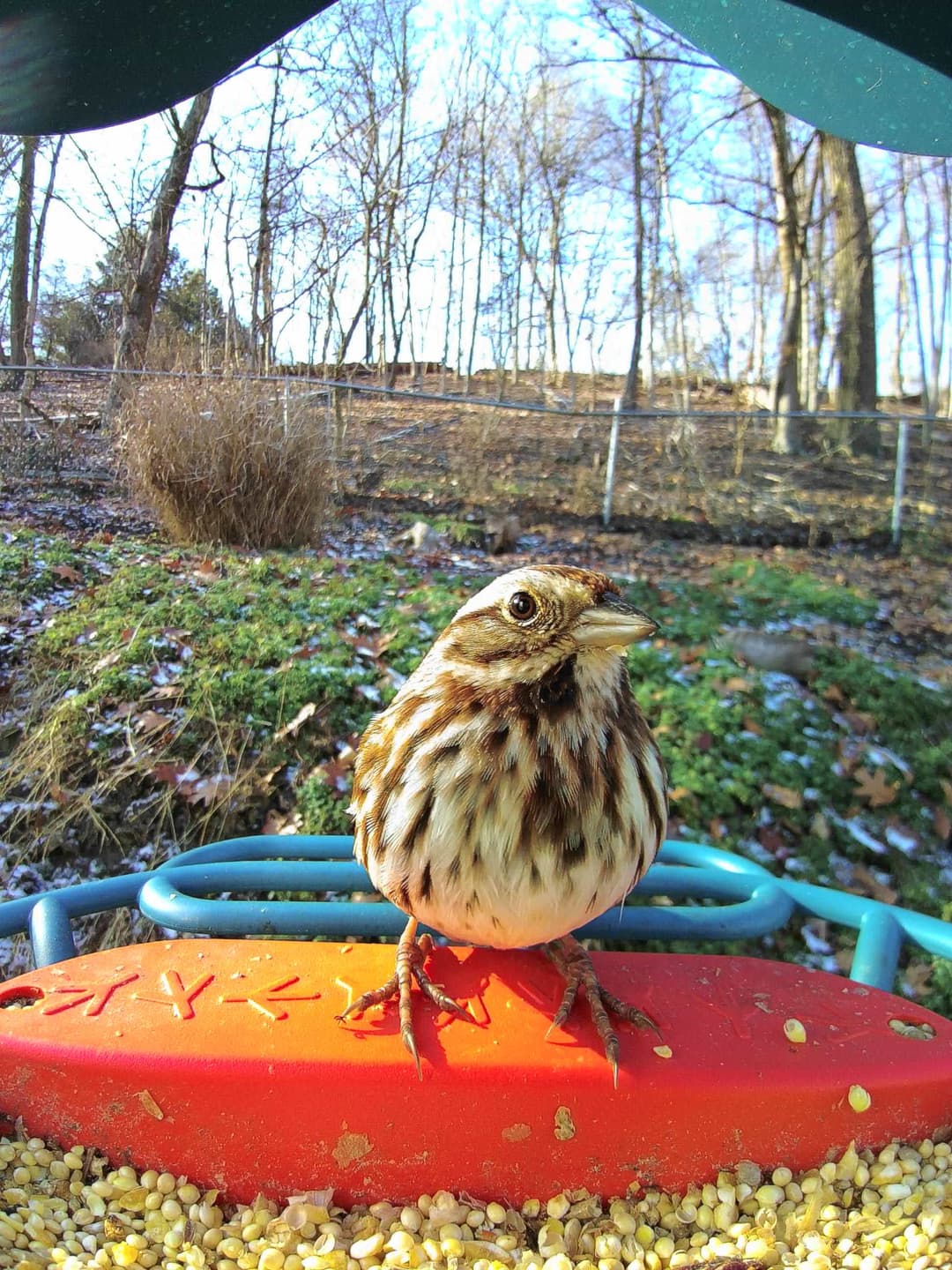
Corn Bunting vs Song Sparrow
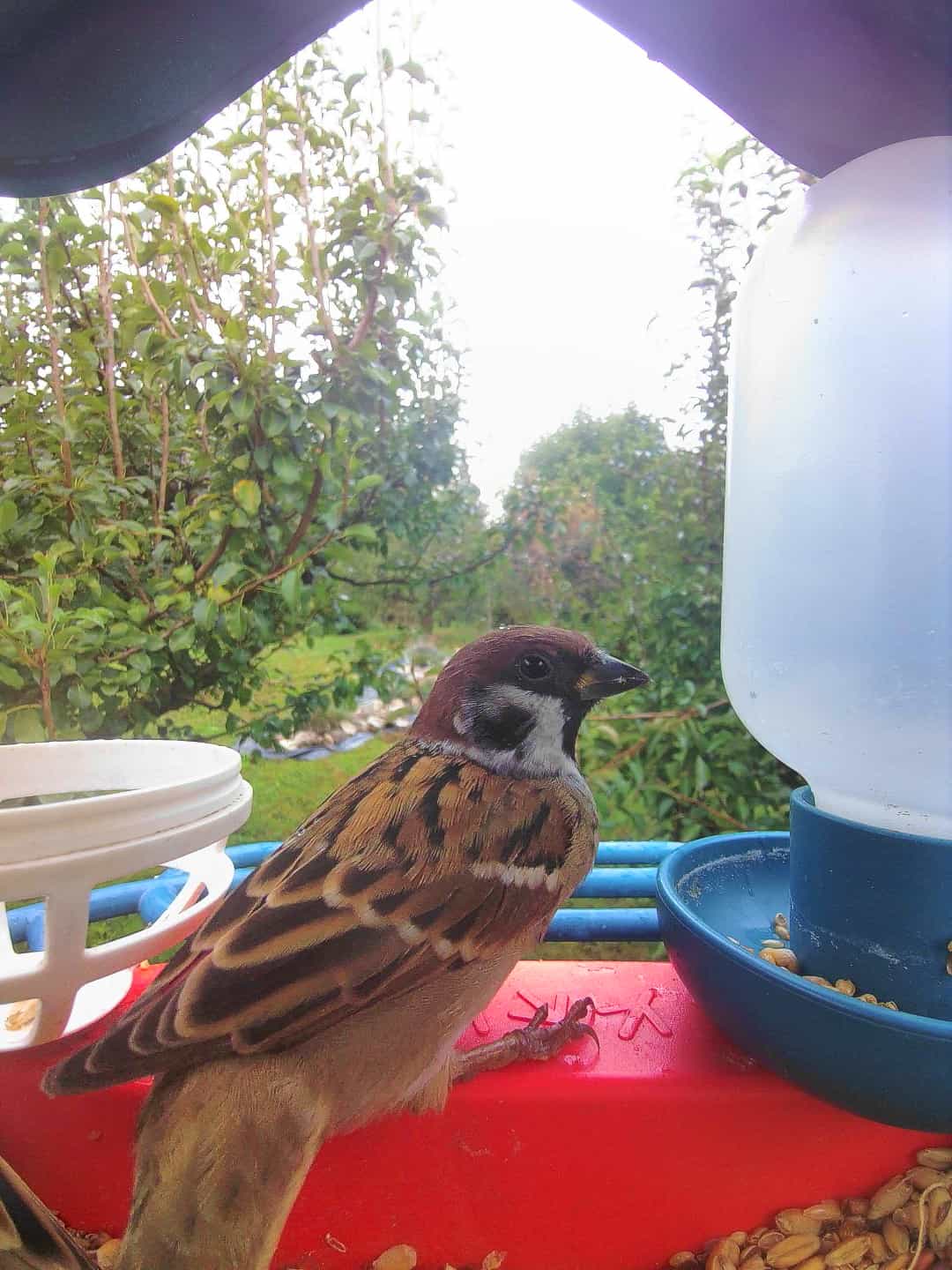
Corn Bunting vs Eurasian Tree Sparrow
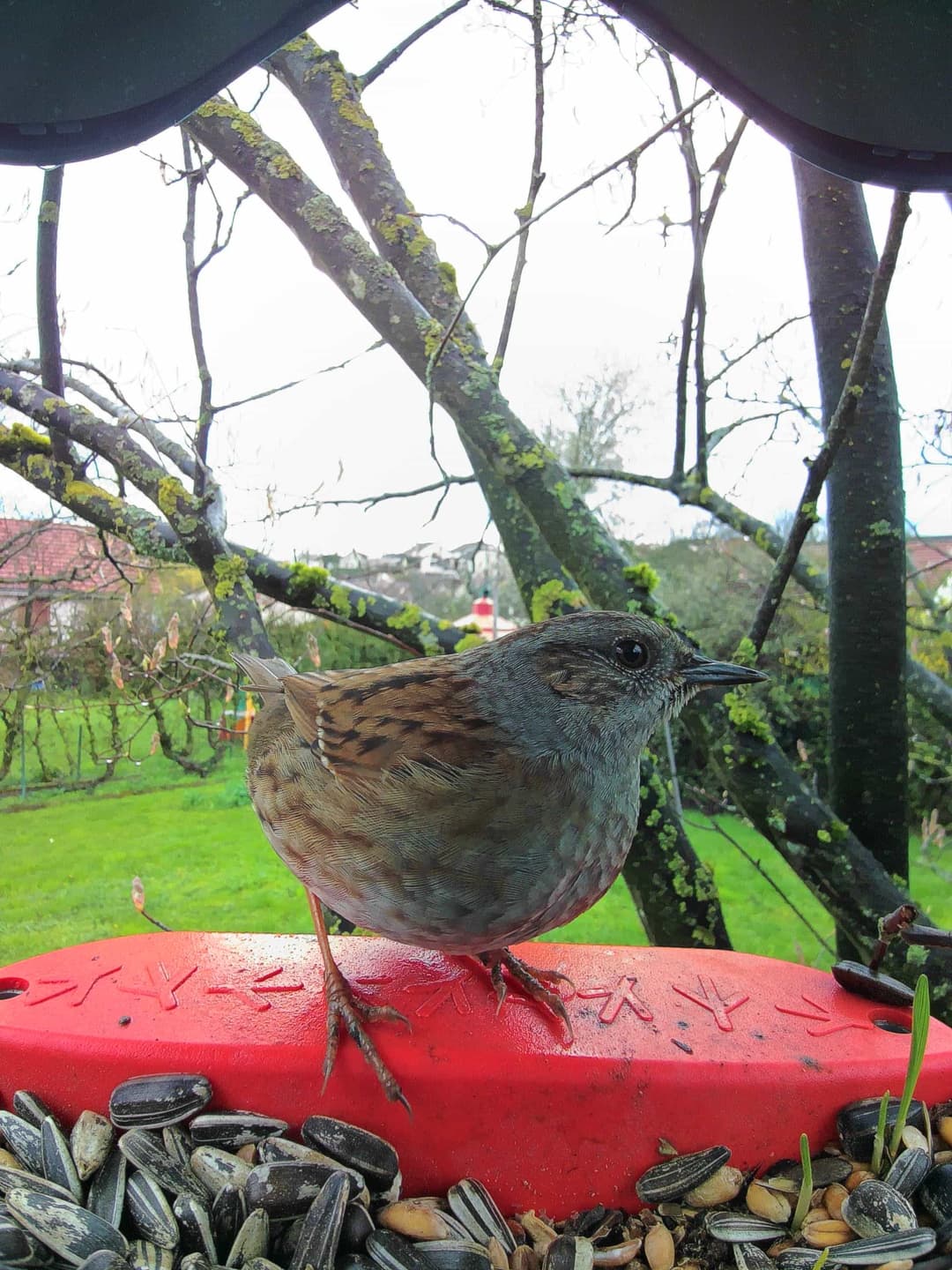
House Sparrow vs Chipping Sparrow
House Sparrow vs Song Sparrow
House Sparrow vs Eurasian Tree Sparrow
House Sparrow vs American Tree Sparrow

Corn Bunting vs [Select a bird]

[Select a bird]
Pick a bird to compare
House Sparrow vs [Select a bird]
[Select a bird]
Pick a bird to compare