Corn Bunting or Eurasian Tree Sparrow?
Here's how to tell the difference
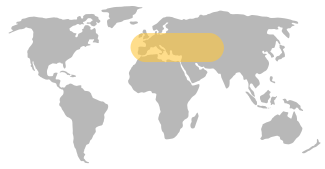


Corn Bunting


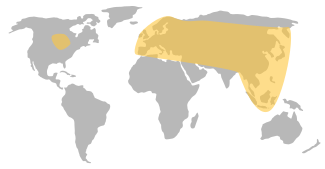
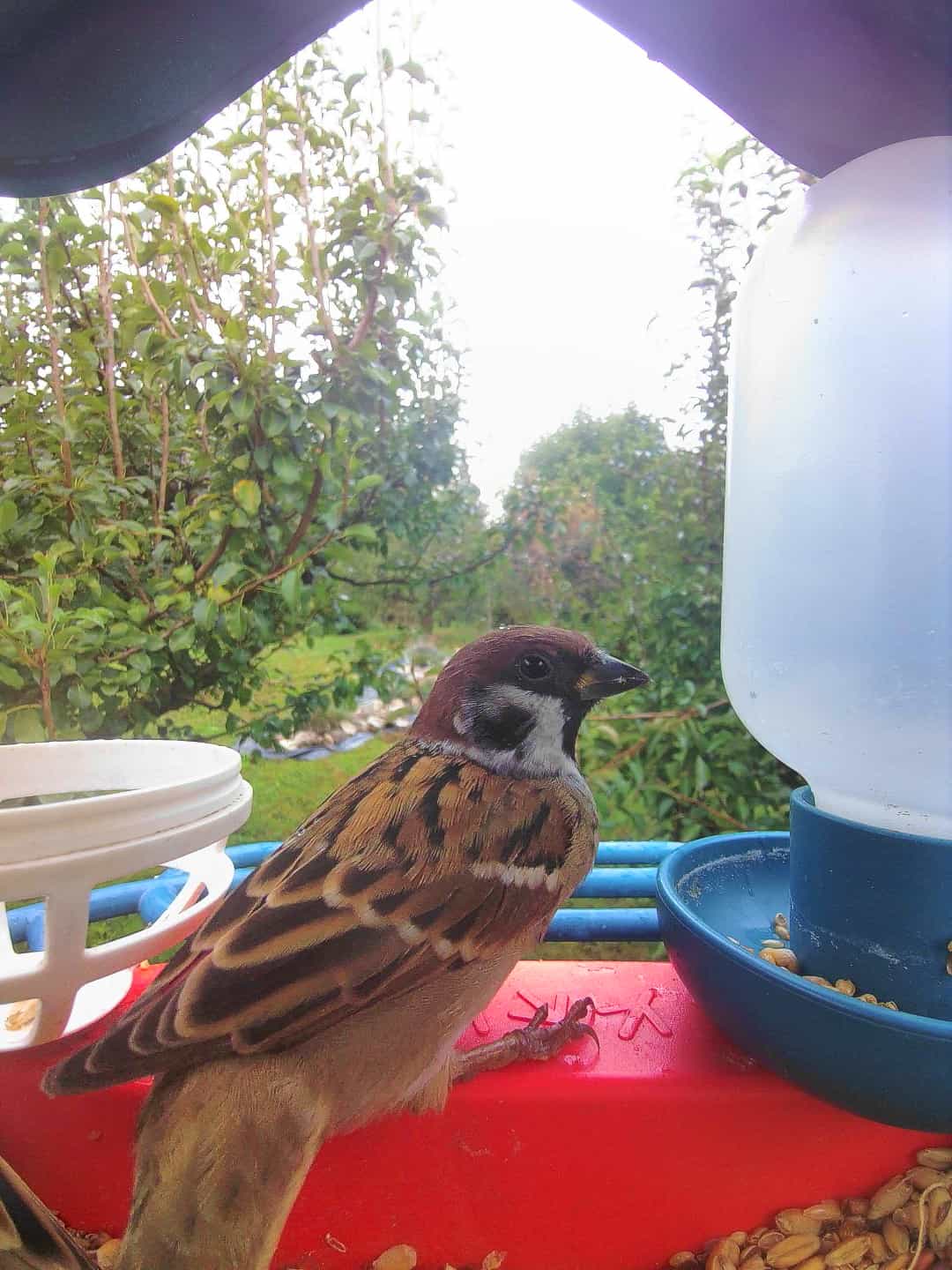
Eurasian Tree Sparrow
Corn Bunting
Emberiza calandra
General appearance
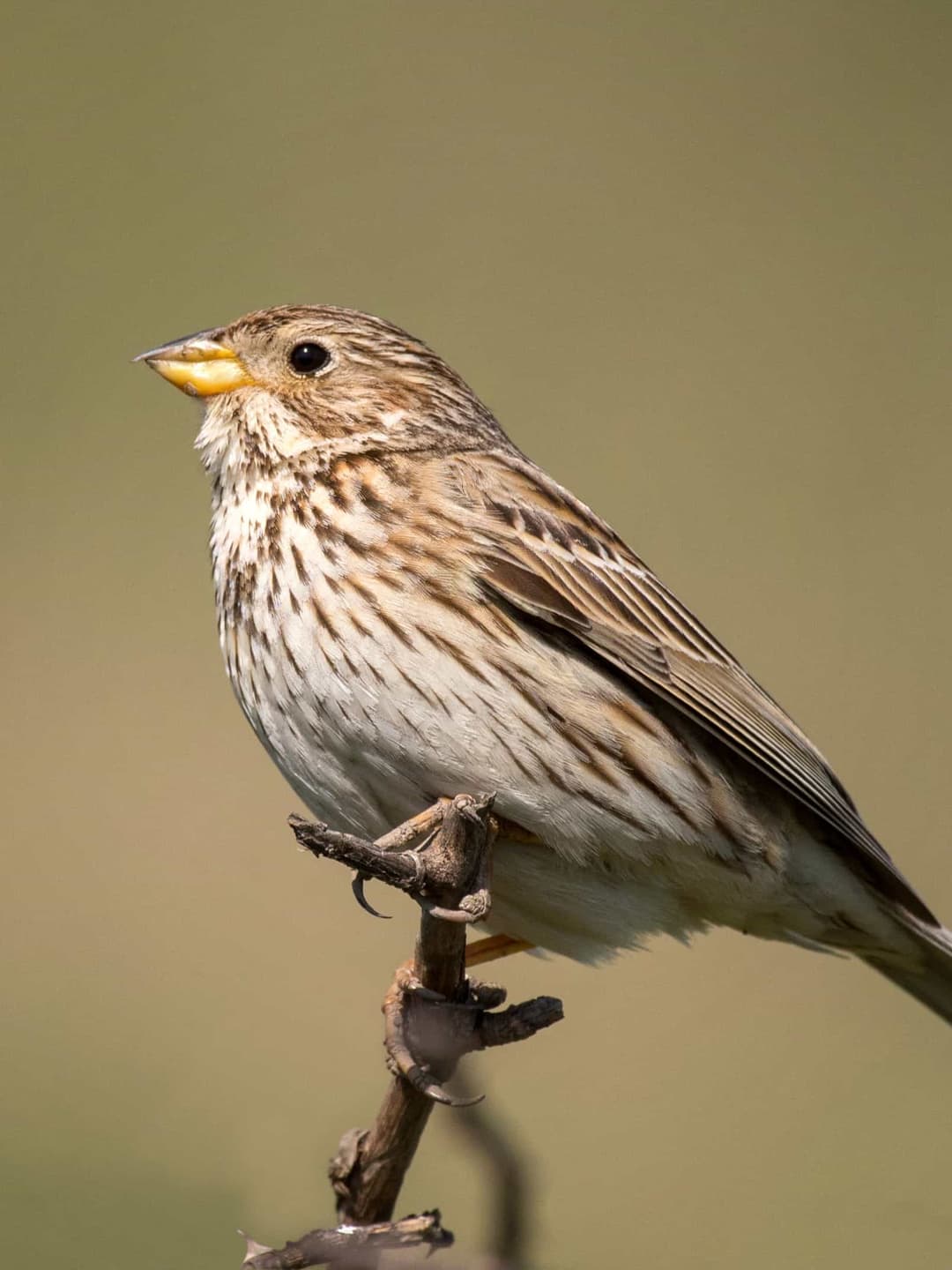
The corn bunting is a robust bird measuring approximately 16-19 cm in length. It possesses a distinctively stout, yellowish bill and a thick neck. The plumage boasts a brownish coloration interspersed with darker streaks and its underparts possess a whitish hue. The torso appears somewhat bulged, with rounded wings and a rather blunt tail. During flight, their short wings flutter quickly.
Male vs female
Male and female corn buntings are virtually indistinguishable by physical appearance alone as both sexes possess similar plumage coloring and size. However, behavioral differences can be used to tell them apart. Males are known for their unique song which sounds like jangling keys, used primarily for mating calls. Males are also territorial during breeding season.
Juvenile
Juvenile corn buntings resemble adults in size, but their plumage has a more ruffled appearance and is slightly paler. They lack the darker streaking seen in adults until they mature. Juvenile birds also lack the bold territorial and vocal behaviors of adult males until they reach sexual maturity.
Size
6.7 - 7.5 in/1.1 - 2.4 oz
There's more to learn about Corn Bunting
View full detailsEurasian Tree Sparrow
Passer montanus
Also known as: German Sparrow, Tree Sparrow
General appearance
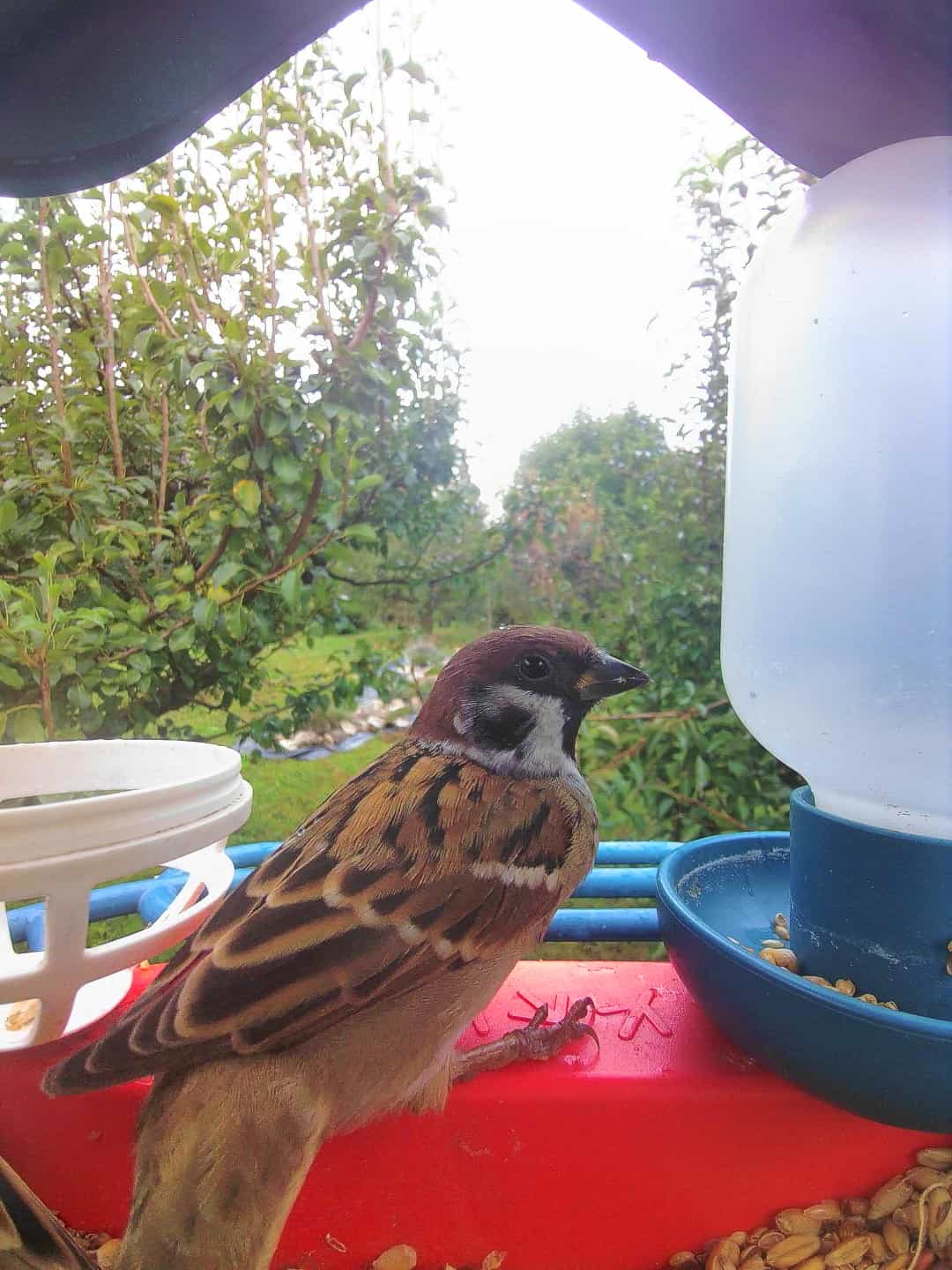
The Eurasian tree sparrow is about the size of a House Sparrow, roughly 15 cm or 6 inches long. Its wing shape is either fingered or rounded and its tail may be notched, rounded, or square-tipped. It has a combination of colors; black, brown, gray, tan, and white. One distinctive feature is the brown crown on its head, differing from the gray crown of the House Sparrow. It also has a black ear spot on a white cheek.
Male vs female
Both male and female Eurasian tree sparrows resemble the male House Sparrow, and there is no notable sexual dimorphism between them. This means that both sexes share similar features such as a brown crown, white cheeks with black ear spot, and usually a smaller black bib. This species does not show significant changes in appearance between seasons.
Juvenile
Juvenile Eurasian tree sparrows tend to look like adults but their colors are more muted, making them less conspicuous to predators. As they mature, their colors will become more pronounced. It is noteworthy, however, that size or color variations may occur depending on their diet and habitat condition.
Size
4.9 - 5.5 in/0.6 - 1.0 oz
There's more to learn about Eurasian Tree Sparrow
View full detailsHow to tell the Corn Bunting from the Eurasian Tree Sparrow
Visual differences
The Corn Bunting is larger at 6.7-7.5 inches (17-19 cm), with a robust body, stout yellowish bill, brown-streaked plumage, and a whitish underside. It has a thick neck and blunt tail. The Eurasian Tree Sparrow is smaller at about 6 inches (15 cm), with a distinct brown crown, black ear spot, white cheeks, and a smaller black bib. Its plumage mixes black, brown, gray, tan, and white. The sparrow's finer wing shapes and notched or rounded tail contrast with the Corn Bunting's rounded wings and blunt tail.
Key differences and behavior
Corn Buntings and Eurasian Tree Sparrows display distinct behaviors and habitats. Corn Buntings thrive in open farmlands and grasslands, using song to establish territories and attract mates, particularly during breeding when males are territorial. They forage primarily for seeds and grains but switch to insects during breeding. By contrast, Eurasian Tree Sparrows favor semi-open woodland edges, towns, and farms, often nesting in tree cavities or structures. They form long-term pairs, contrasting with the more seasonal nature of Corn Bunting pairings. Diet-wise, both birds consume seeds and insects, but Tree Sparrows adapt well to bird feeders. Corn Buntings tend to eat from open trays. Behaviorally, Corn Buntings are notably territorial musicians during breeding, while Tree Sparrows maintain consistent pair bonds and are versatile nesters and feeders in diverse environments.
Still not sure? Here are more lookalikes!
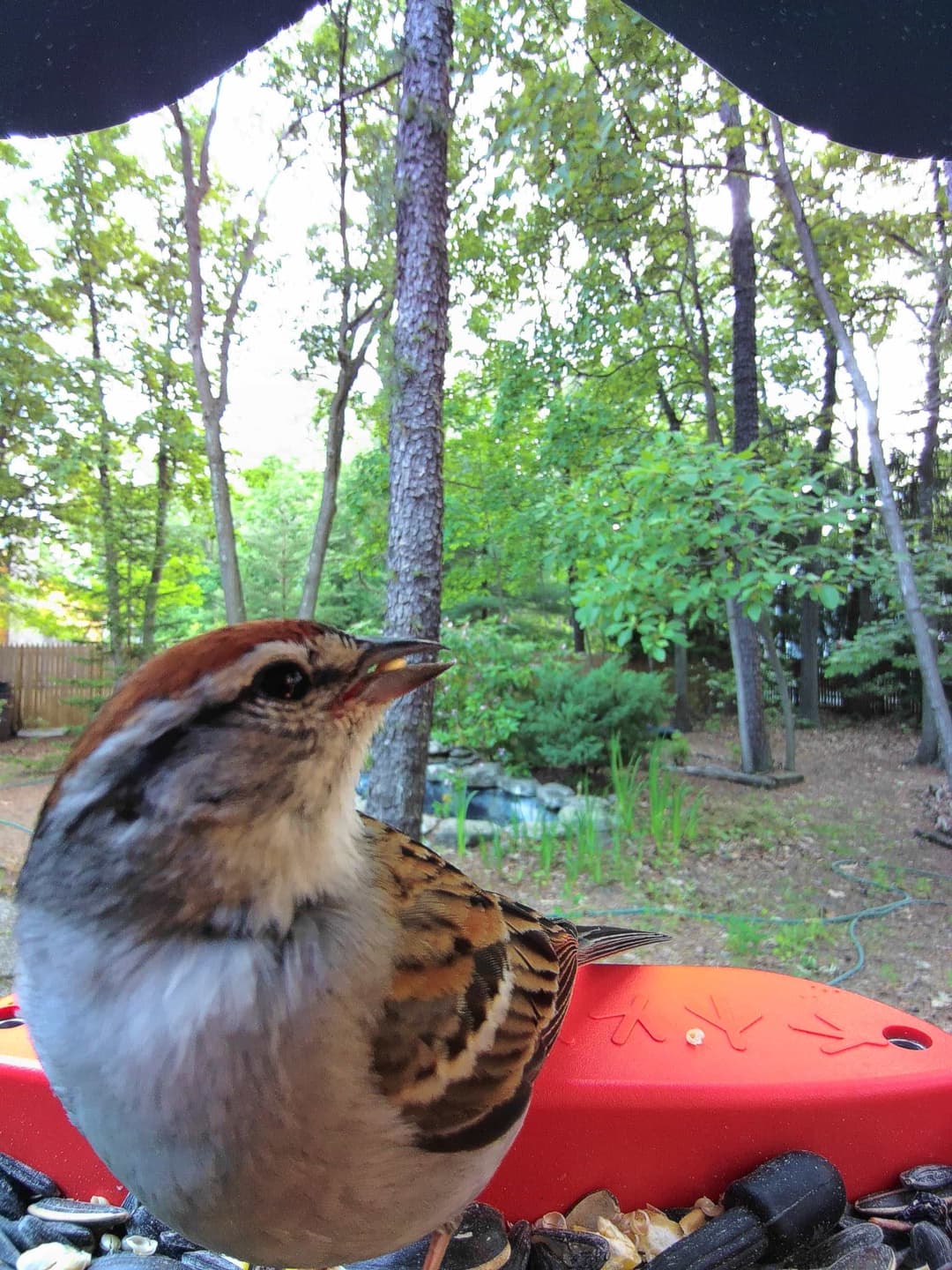
Corn Bunting vs Chipping Sparrow
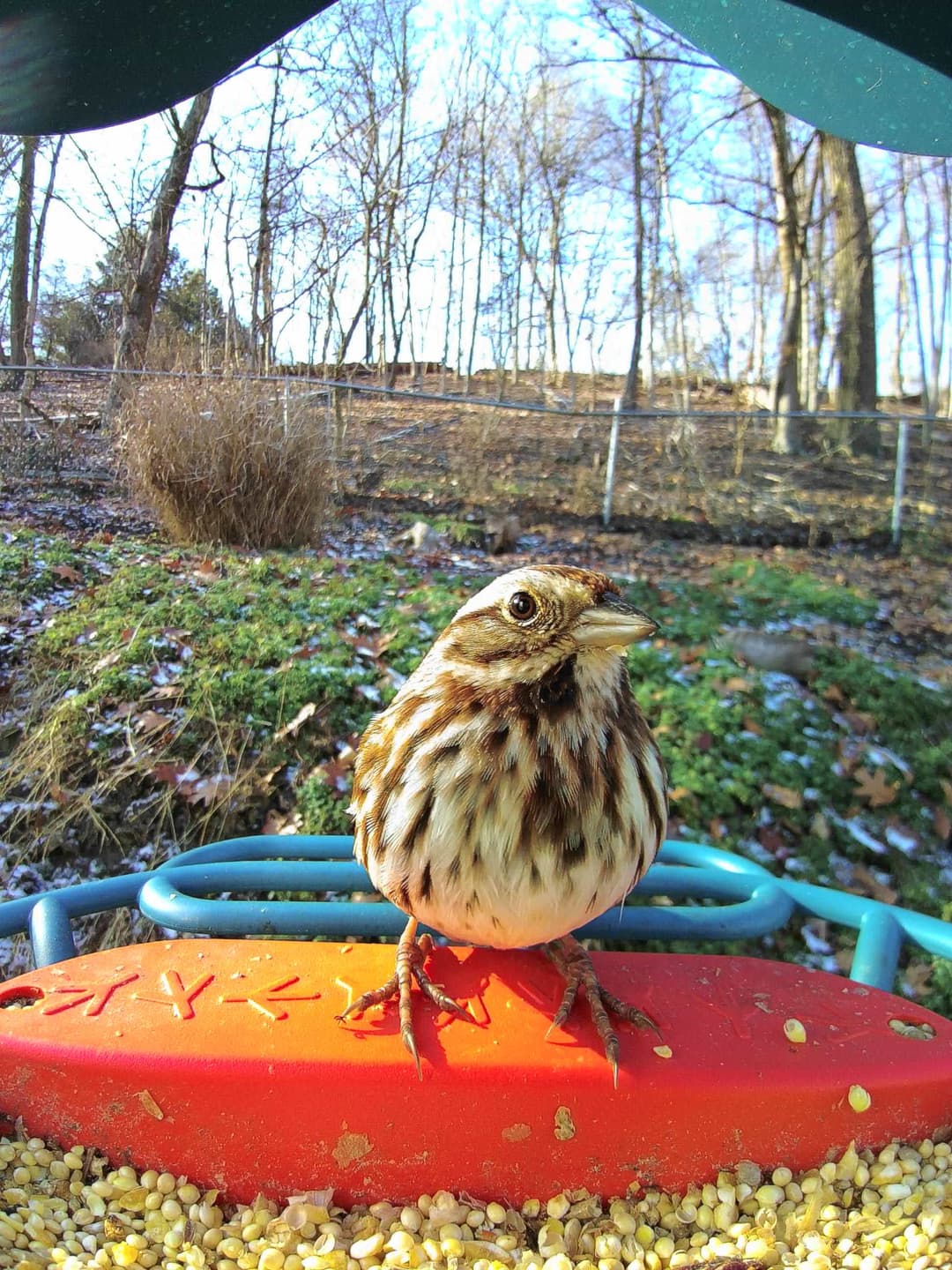
Corn Bunting vs Song Sparrow
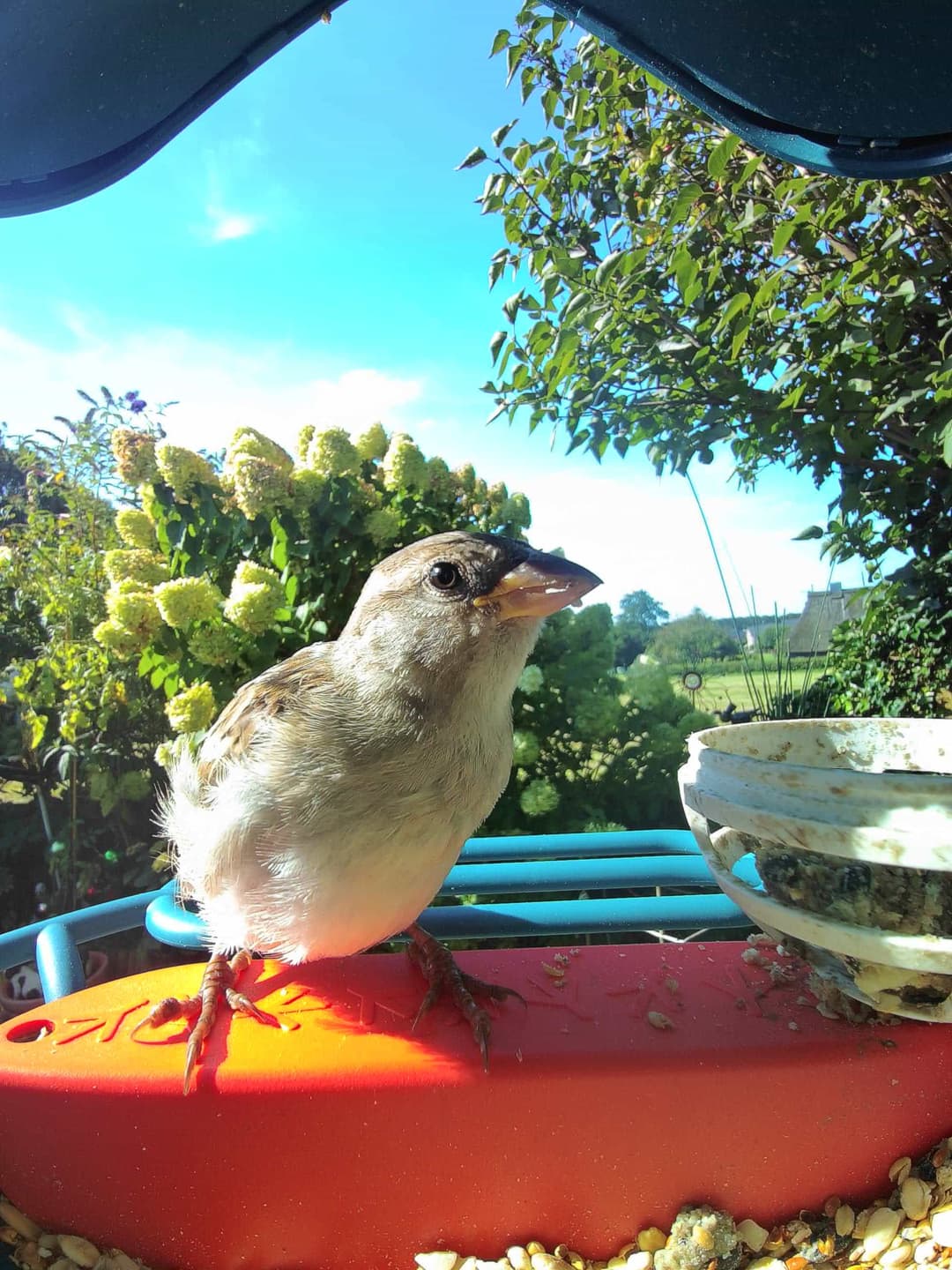
Corn Bunting vs House Sparrow
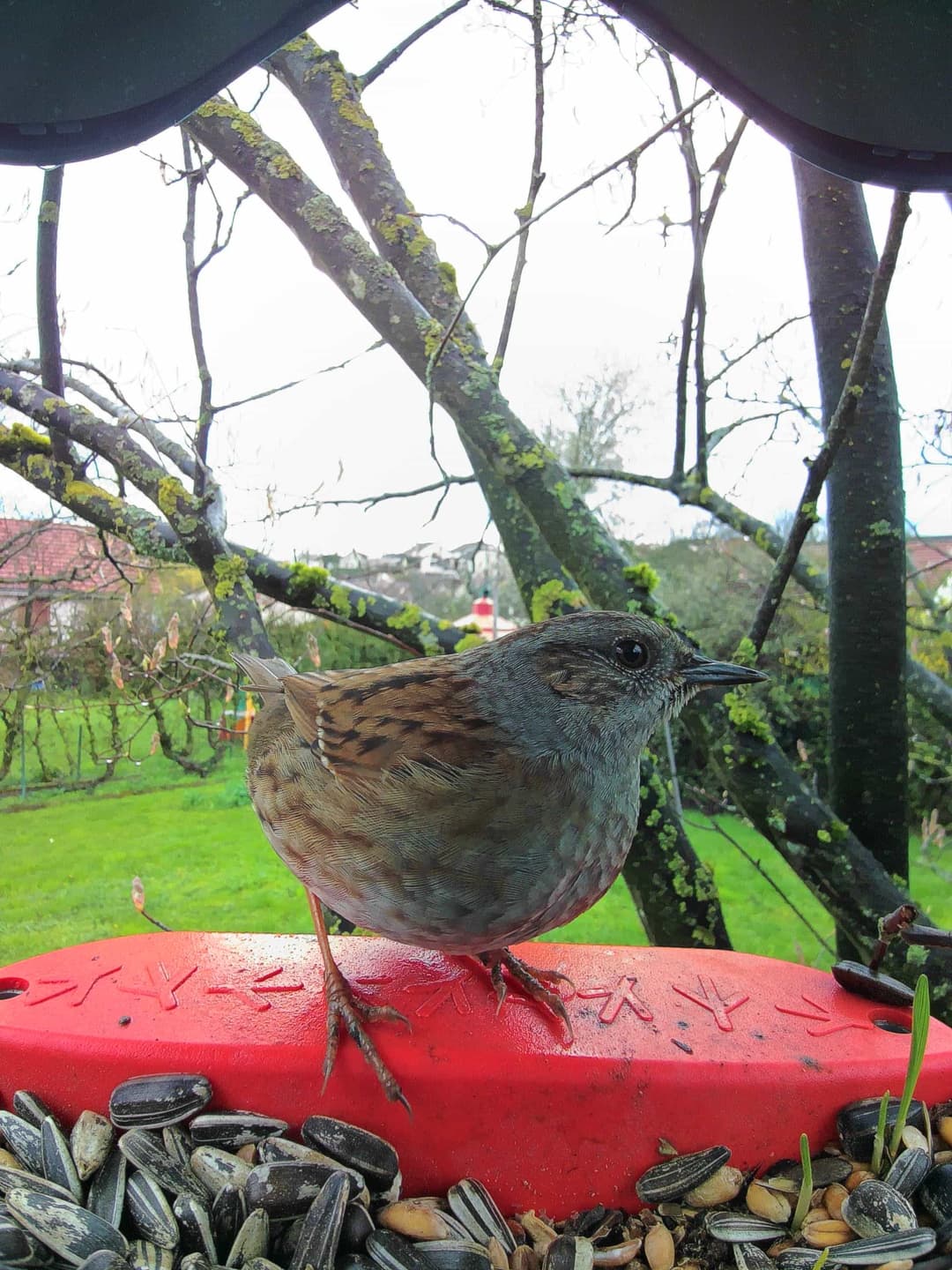
Eurasian Tree Sparrow vs House Sparrow
Eurasian Tree Sparrow vs Chipping Sparrow
Corn Bunting vs [Select a bird]

[Select a bird]
Pick a bird to compare
Eurasian Tree Sparrow vs [Select a bird]
[Select a bird]
Pick a bird to compare