
Corn Bunting
Corn Bunting
Emberiza calandra


Quick Identification guide
Quick Identification guide
- •
The Corn Bunting has a stout, conical beak well-suited for seed-eating
- •
Exhibits a plain brown plumage with streaking across its back and chest, providing a camouflage in agricultural settings
- •
Features a heavy, round body with a relatively flat head and short tail, contributing to its compact appearance
What does a corn bunting sound like?
The Corn Bunting produces a distinctive jangling song, often likened to jingling keys, comprised of repeated phrases with several notes. Its typical call is a sharp 'tik'. This bird is known for mimicking the sounds of other birds and incorporating them into its song. The song is sung from a high perch or in flight and is particularly prominent during the breeding season. The male's song, used to attract females, can last for several minutes. Their vocalizations are less active during winter.


Description
Jingle, jangle, it's a corn bunting! The male's song is said to sound like jangling keys. Only don't come across one of these birds during breeding season because the male will let you have it! These birds used to be a common sight across Wales and Ireland but are now, sadly, extinct there.
The corn bunting can weigh between 32to67grams and be from17to19centimeters tall.
The Corn Bunting typically has a lifespan of 2-3 years. Compared to related species like the Reed Bunting, which lives an average of 2-5 years, the Corn Bunting has a shorter lifespan. Factors such as predation, habitat loss, and disease can influence their survival rate, causing lower average lifespan.
Did you know?
Most popular questions about corn bunting
How to recognise a corn bunting?
General appearance
The corn bunting is a robust bird measuring approximately 16-19 cm in length. It possesses a distinctively stout, yellowish bill and a thick neck. The plumage boasts a brownish coloration interspersed with darker streaks and its underparts possess a whitish hue. The torso appears somewhat bulged, with rounded wings and a rather blunt tail. During flight, their short wings flutter quickly.
Male vs female
Male and female corn buntings are virtually indistinguishable by physical appearance alone as both sexes possess similar plumage coloring and size. However, behavioral differences can be used to tell them apart. Males are known for their unique song which sounds like jangling keys, used primarily for mating calls. Males are also territorial during breeding season.
Juvenile
Juvenile corn buntings resemble adults in size, but their plumage has a more ruffled appearance and is slightly paler. They lack the darker streaking seen in adults until they mature. Juvenile birds also lack the bold territorial and vocal behaviors of adult males until they reach sexual maturity.
Often mistaken for
Chipping Sparrow vs Corn Bunting
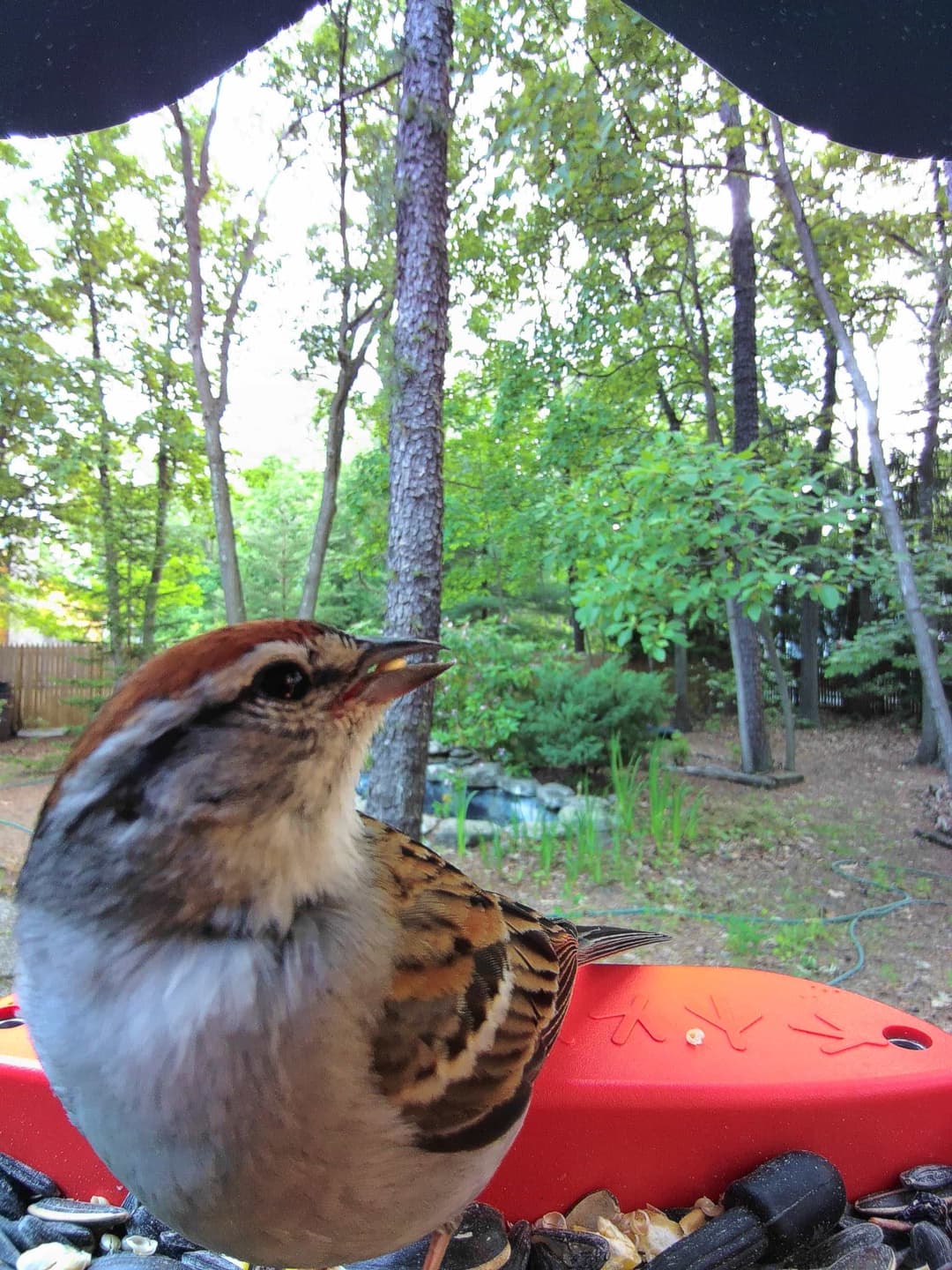
Chipping Sparrows can resemble Corn Buntings due to their similar size and streaked patterns, but Chipping Sparrows have a distinctive rufous cap and white supercilium, while Corn Buntings lack these features and have a more uniform brown coloration.
Song Sparrow vs Corn Bunting
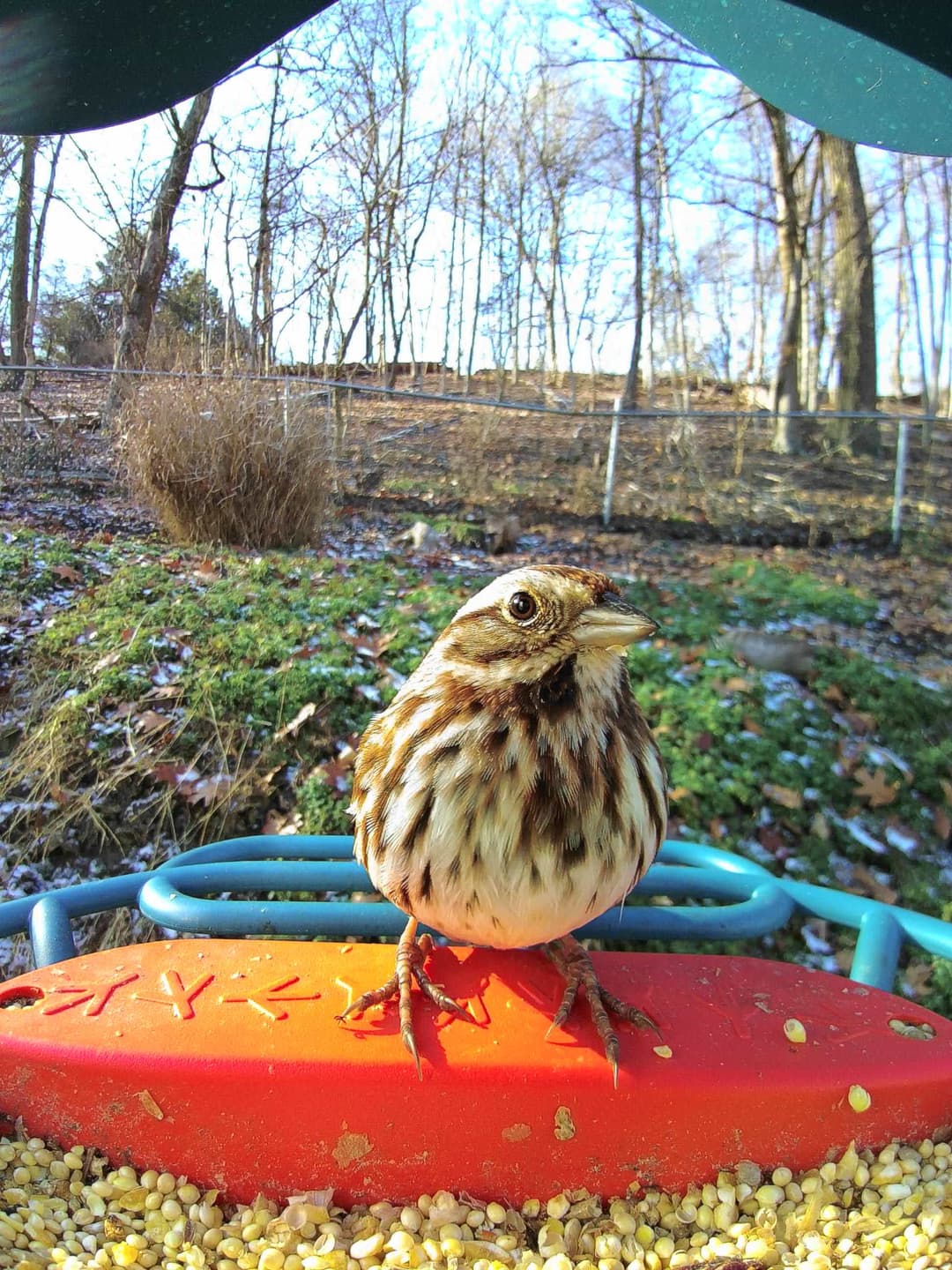
Song Sparrows are similar in general markings to Corn Buntings with streaked underparts but have a more pronounced and varied pattern, including a central breast spot and more defined markings on the face.
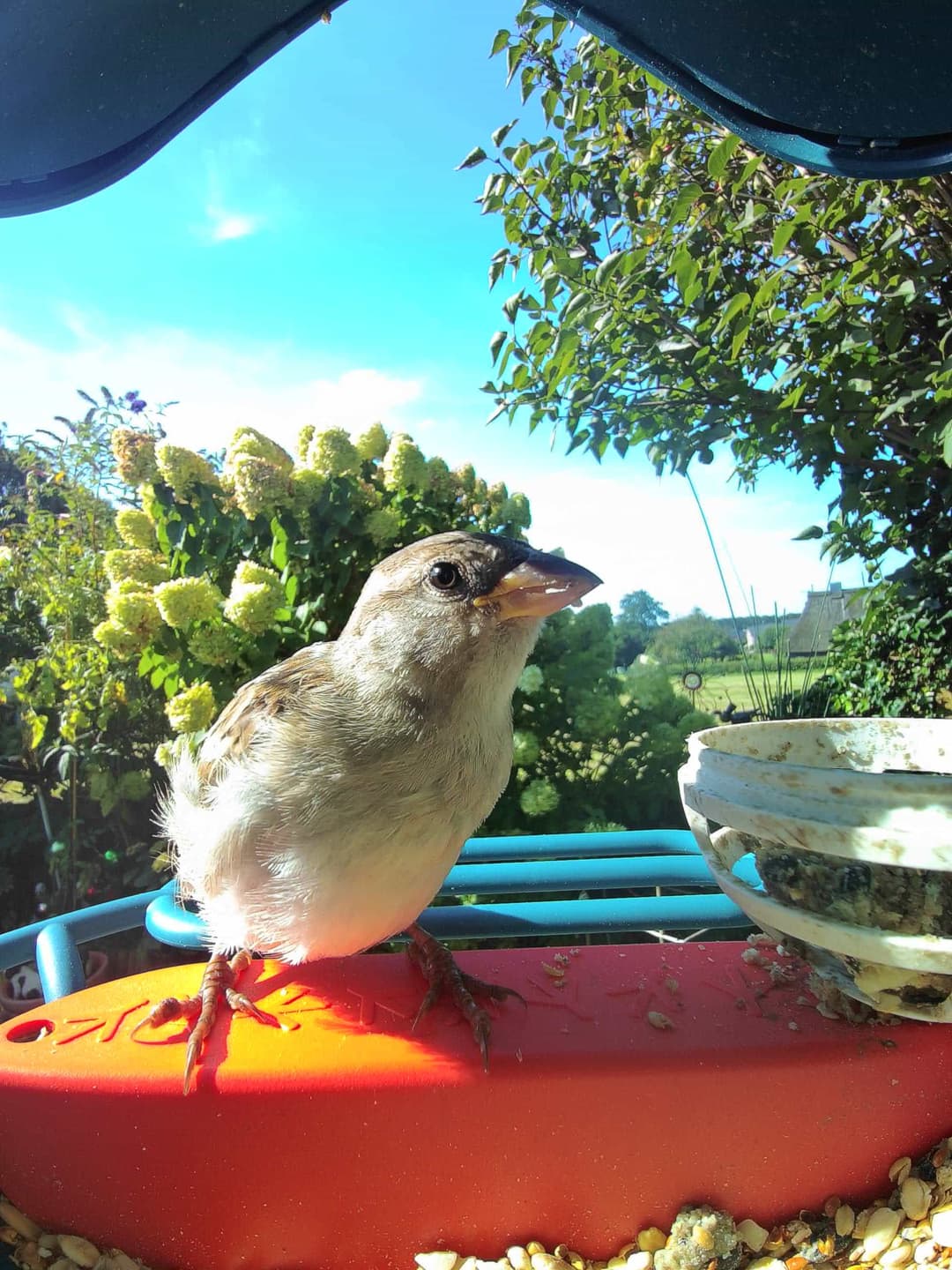
House Sparrow vs Corn Bunting
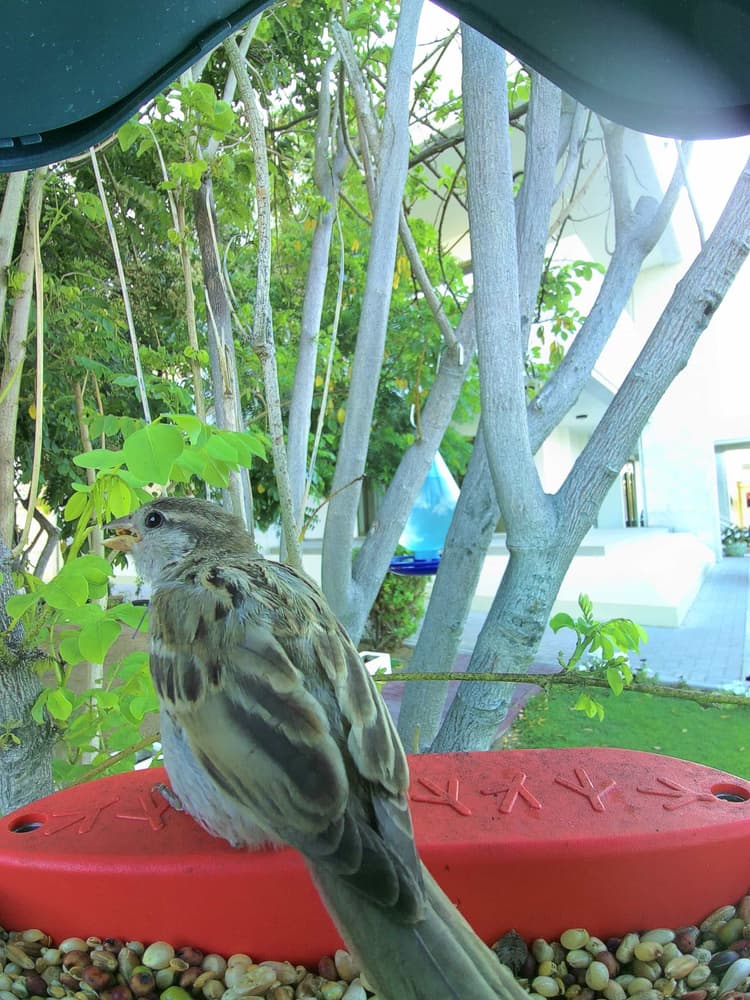
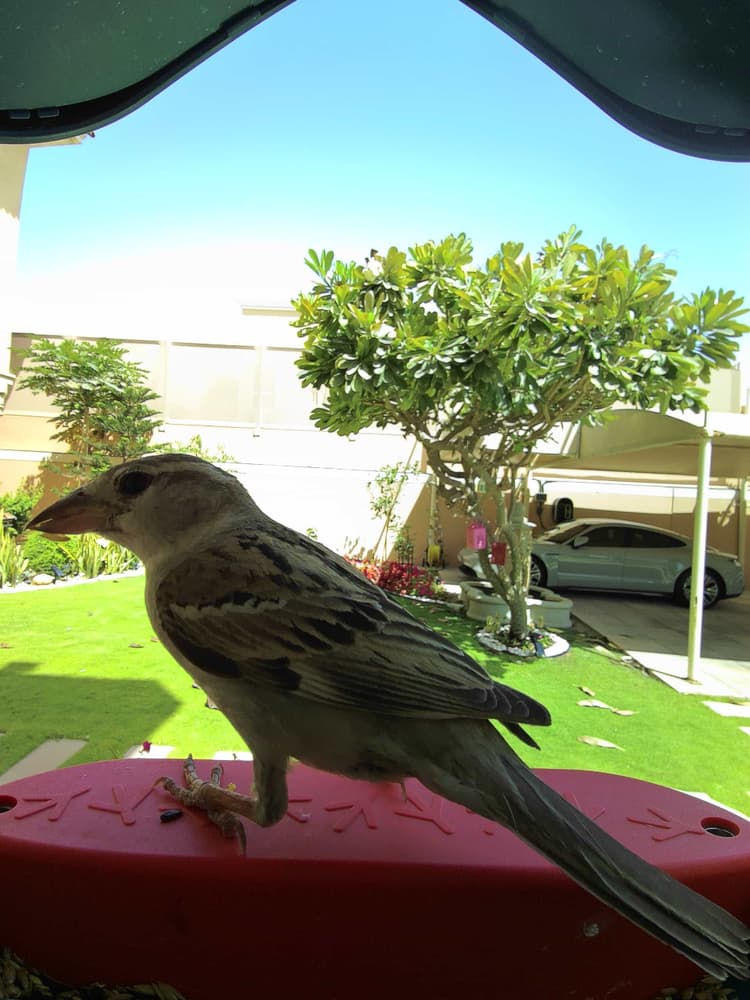
House Sparrows can be confused with Corn Buntings due to their brownish coloration, but House Sparrows are smaller, with a distinctive black bib in males and grey head, unlike the more uniform and drab appearance of Corn Buntings.
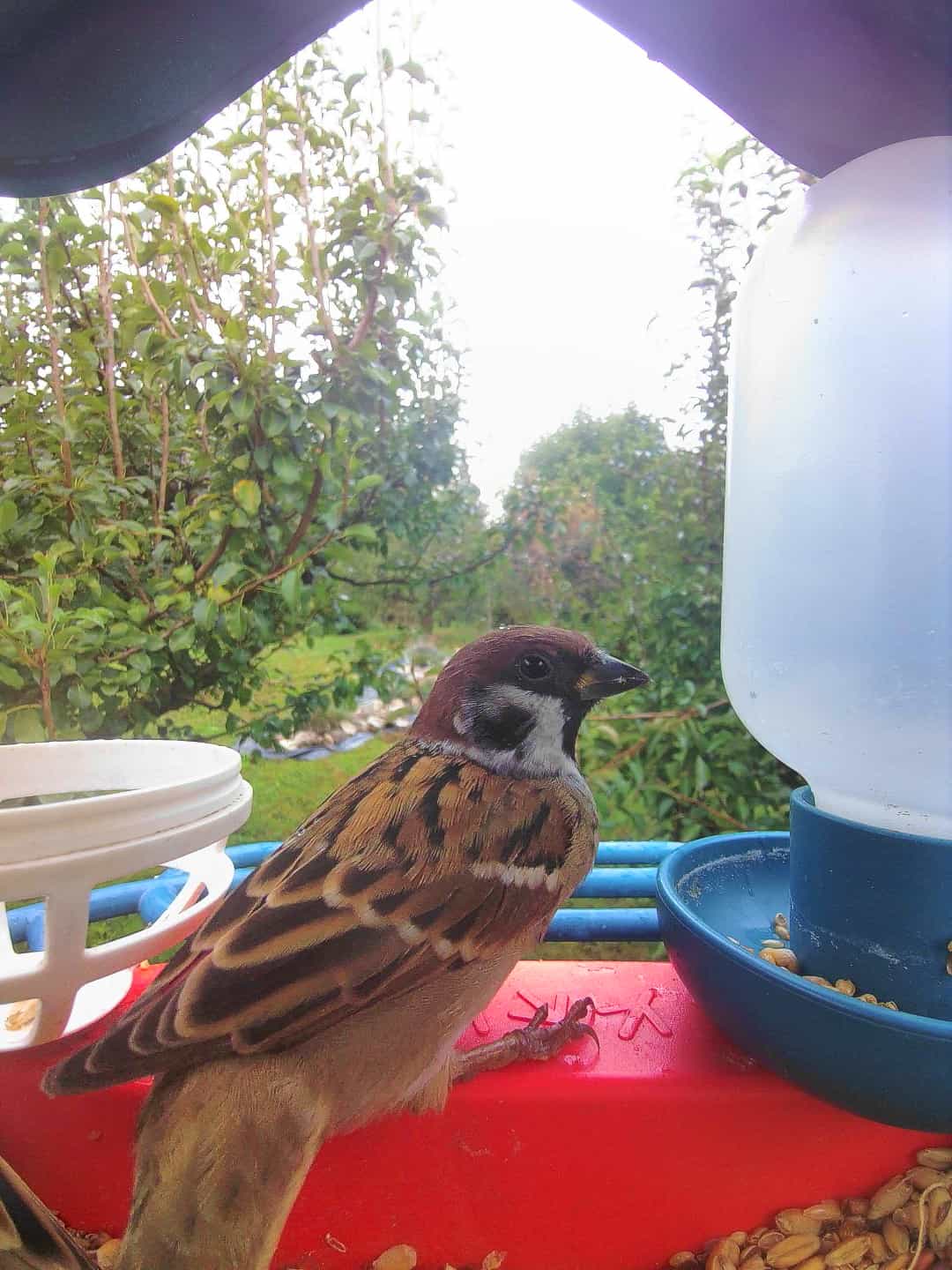
Eurasian Tree Sparrow vs Corn Bunting
The Eurasian Tree Sparrow may resemble the Corn Bunting in coloration but has a distinctive black cheek spot and smaller size. Corn Buntings are larger with a more robust body shape.
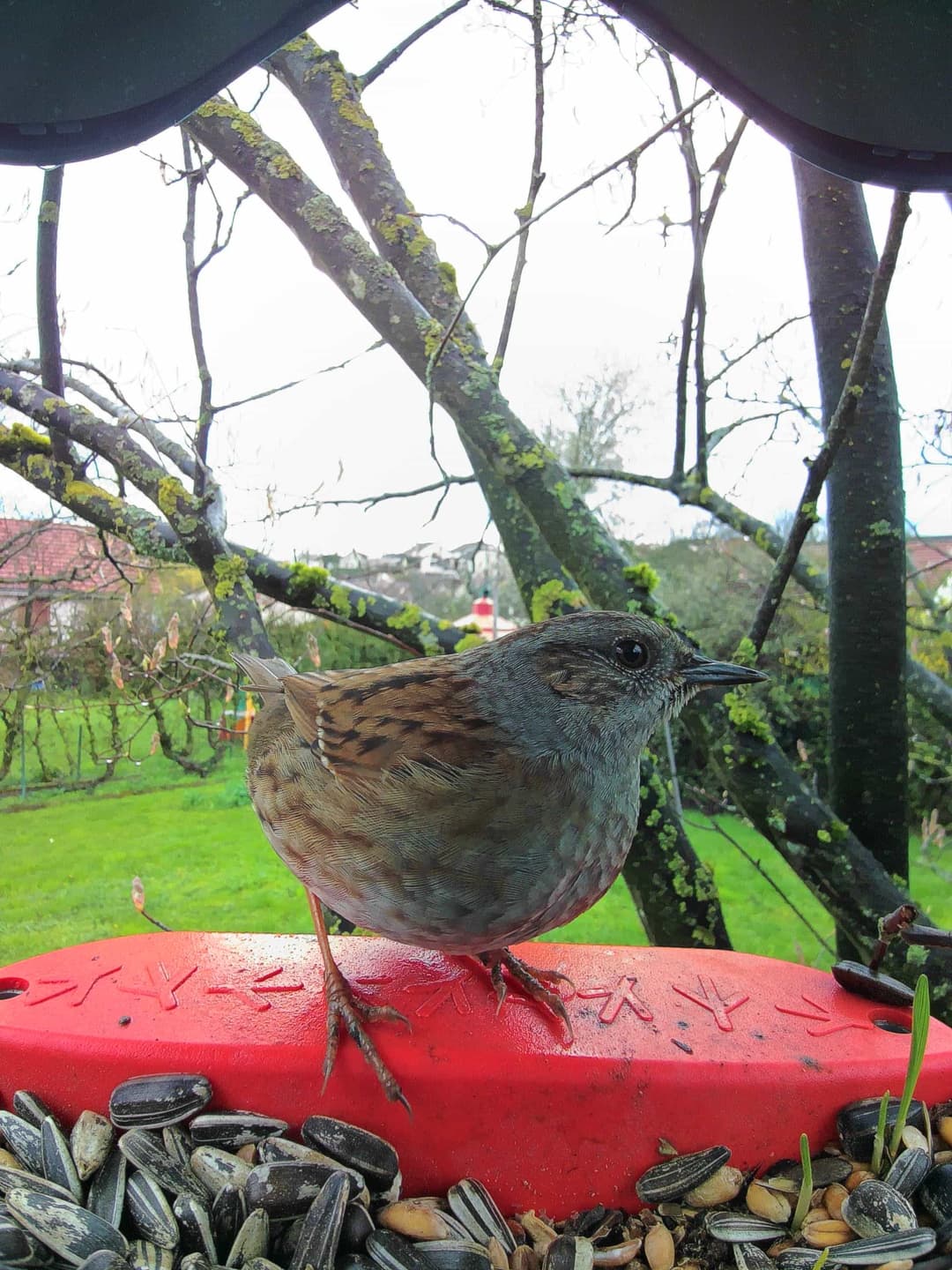
Dunnock vs Corn Bunting
Dunnocks may look similar to Corn Buntings due to their brown streaky appearance, but Dunnocks are much smaller with a more slender build and have a distinctive blue-grey coloring on the head and breast.
Breeding and nesting habits of the corn bunting
Mating behaviors
Corn buntings engage in courtship through singing and display flights. Males often sing from perches to establish territory and attract females. The song is a series of trills and jangling notes.
Nesting details
Corn buntings prefer to nest in open grasslands and agricultural fields. Nests are built on the ground or in low vegetation using grass, leaves, and stems. The female selects the site, often choosing areas with dense cover for protection.
Eggs and chick-rearing
Females lay 3-5 eggs per clutch, with incubation lasting about 12-14 days. The female incubates the eggs and tends the chicks, which fledge about 10-13 days after hatching. Both parents may help feed the young, primarily providing insects and seeds.
What does a corn bunting like to eat?
Insects
Seeds
Snails
Spiders
Worms
Natural diet
Corn buntings primarily consume seeds and grains from various grasses and cereal crops like wheat and oats. Additionally, they feed on insects, especially during the breeding season, to provide necessary protein. Common insects in their diet include beetles, caterpillars, and grasshoppers.
Bird feeders
While corn buntings do not frequently visit bird feeders, they may occasionally eat common offerings such as millet, cracked corn, and mixed bird seed provided in open tray feeders, which mimic their natural foraging habits.
Tempting corn bunting to your yard
To lure corn buntings to your yard, you'll first need to understand what these birds crave. They are typically ground feeders and have an appetite for seeds and insects. Bird Buddy seeds, in particular, prove to be very successful as they are picked by experts for the different seasons. Scatter these in your garden and watch these birds flock to your yard. They also enjoy corn, oats, and barley, so remember to mix these into their feed as well.
Choosing effective feeders
Corn buntings prefer feeding off the ground, therefore, a low platform feeder will serve them best. These feeders allow them to easily peck at their food while feeling safe. You can place these near your windows for friendly viewing or even photographing these lovely birds. Occasionally, sprinkle some Bird Buddy seeds to keep them coming back.
Fun ways to ensure a corn bunting visit
Corn Buntings love clean and safe spaces. Regularly replenishing their feed and maintaining an inviting feeding spot can greatly improve the chances of a visit. Additionally, providing warm water in a birdbath can make your yard more attractive to them, especially during the winter months. If you're lucky, you might even get to hear their delightful 'jingling' song. It's almost like their own little sing-along!
Where can you find corn buntings?
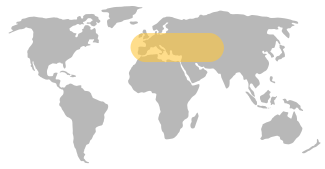
Primary habitat
Corn buntings primarily inhabit open farmland and rugged grasslands across Eurasia. They prefer cereals crops, margins of fields, and pastureland for nesting.
Additional range
In unexpected environments, corn buntings may be found in shrublands, woodlands or even sandy coasts. They are adaptable to a temperate maritime climate as observed in Scotland and Northern Europe.
Do they migrate?
The corn bunting is primarily a resident and partial migrant bird. Its migratory behavior depends on the geographical region. In Western Europe, corn buntings generally remain in their territories year-round, exhibiting only local movements in response to food availability during winter. However, populations in Eastern Europe and Asia exhibit more defined migratory patterns. These birds typically migrate short distances to the south during the autumn. Their migration route involves moving from breeding territories in northern and central Europe and parts of Asia to wintering grounds in southern Europe, North Africa, and the Middle East. Migration timing varies by region. Eastern European populations begin their southward migration from September to October, arriving at wintering sites by November. They generally return to breeding areas in March or April. Key locations for wintering include parts of Spain, Italy, southern France, and the coastal Mediterranean regions, along with non-breeding grounds in North Africa and parts of the Middle East. Environmental factors, such as food availability and weather conditions, can influence the specifics of their migration route and timing. Overall, corn buntings exhibit a flexible migratory pattern, adapting to local ecological conditions.
What is the role of corn buntings in nature and how to protect them?
Conservation status
The corn bunting is classified as "Vulnerable" in several parts of Europe due to significant population declines, mainly from changes in agricultural practices. Intensification of farming, loss of mixed farming, and increased use of pesticides lead to habitat loss and reduced food availability. Conservation efforts focus on promoting agri-environment schemes that encourage wildlife-friendly farming practices, preservation of natural habitats, and promotion of crop diversity. Protection of breeding grounds and winter habitats is crucial. Despite being relatively common in certain regions, consistent threats necessitate focused conservation to prevent further decline.
Ecological role of corn buntings
Its role in the ecosystem
The Corn Bunting (Emberiza calandra) plays a fundamental role in the ecosystem, especially in pest control and seed dispersal. These birds have hearty appetites and thrive mainly on insects, seeds, and grains which help in natural pest control. They contribute to keeping the insect population in check, reducing the need for artificial pesticides, and thereby supporting organic farming. Besides, Corn Buntings also feed on a variety of seeds and are capable of carrying them over long distances. Once the seeds pass through the digestive system of the bird, they are often deposited in new locations, fostering natural seed dispersal and plant biodiversity. Although often overlooked, the Corn Bunting and similar bird species are integral to maintaining the balance and health of various ecosystems.
How to help protect corn buntings
Preservation tips
Habitat preservation strategies
To conserve the corn bunting, habitat preservation should focus on maintaining and expanding wide open farmland areas with hedgerows and wild flower margins. Delay the mowing of fields until after nesting season to protect chicks. Promote less intensive farming practices that do not involve the use of pesticides, which reduce the availability of insects for buntings to feed on.
Community science initiatives
Community-based monitoring initiatives could be crucial in maintaining corn bunting populations. Encourage local communities to partake in bird watching and recording corn bunting sightings, feeding this data on to professional conservation organizations. Offering community education about the importance and needs of corn buntings helps to generate local support. Furthermore, tree planting initiatives can both restore habitats and act as natural carbon sinks, helping to combat wider environmental impacts such as climate change.