Corn Bunting or Chipping Sparrow?
Here's how to tell the difference
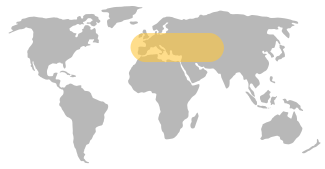


Corn Bunting


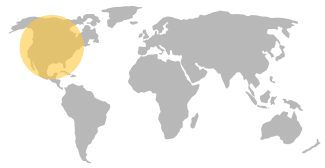
Chipping Sparrow
Corn Bunting
Emberiza calandra
General appearance
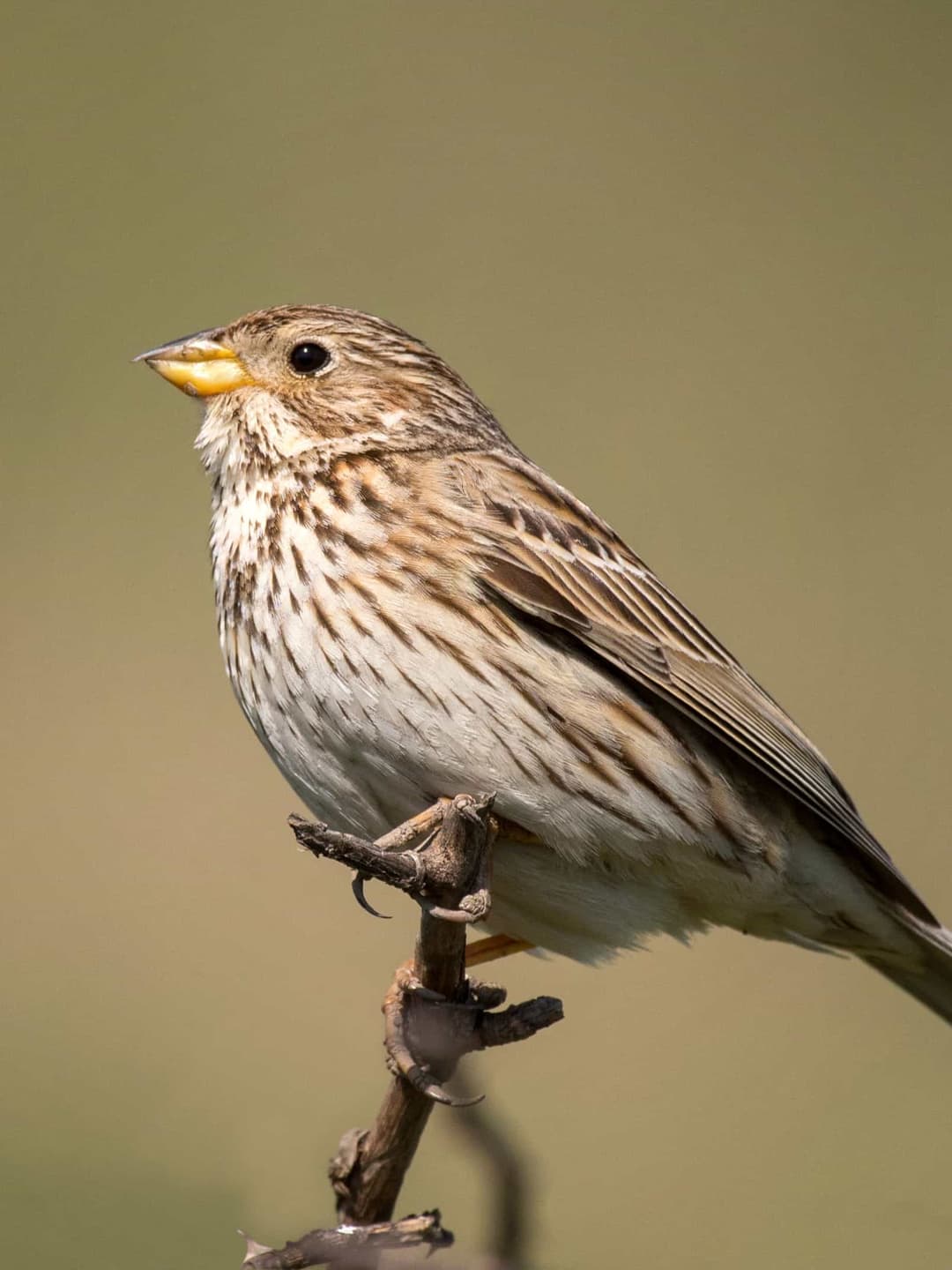
The corn bunting is a robust bird measuring approximately 16-19 cm in length. It possesses a distinctively stout, yellowish bill and a thick neck. The plumage boasts a brownish coloration interspersed with darker streaks and its underparts possess a whitish hue. The torso appears somewhat bulged, with rounded wings and a rather blunt tail. During flight, their short wings flutter quickly.
Male vs female
Male and female corn buntings are virtually indistinguishable by physical appearance alone as both sexes possess similar plumage coloring and size. However, behavioral differences can be used to tell them apart. Males are known for their unique song which sounds like jangling keys, used primarily for mating calls. Males are also territorial during breeding season.
Juvenile
Juvenile corn buntings resemble adults in size, but their plumage has a more ruffled appearance and is slightly paler. They lack the darker streaking seen in adults until they mature. Juvenile birds also lack the bold territorial and vocal behaviors of adult males until they reach sexual maturity.
Size
6.7 - 7.5 in/1.1 - 2.4 oz
There's more to learn about Corn Bunting
View full detailsChipping Sparrow
Spizella passerina
General appearance
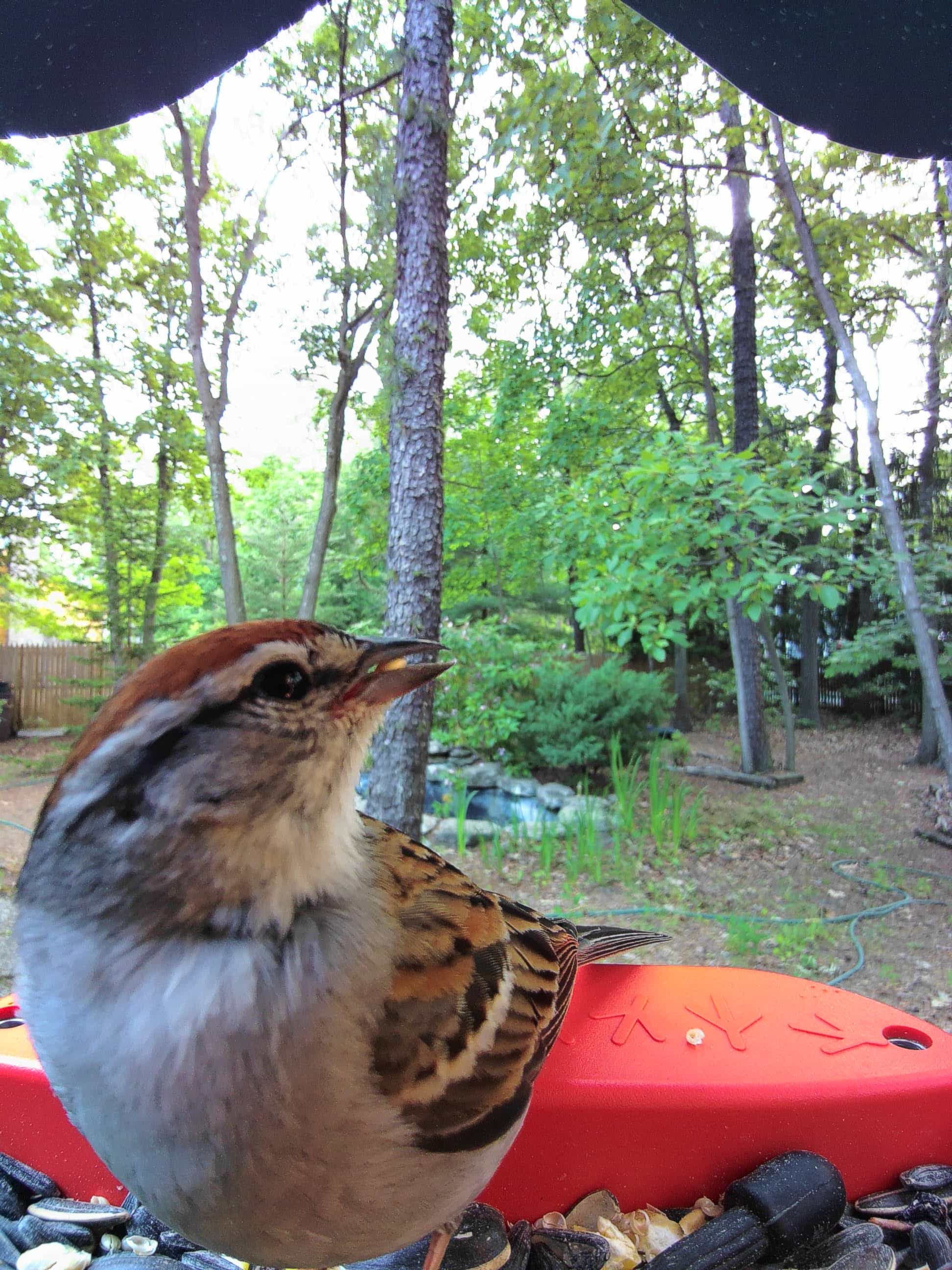
The Chipping Sparrow is a small 5-5 1/2 inch bird, equivalent to 13-14 cm. Sporting a blend of black, brown, gray, red, and white colors, it has a distinctive chestnut cap, white eyebrow, and black eyeline. Its wings are broad and the tail shape varies from notched, rounded to square-tipped. The bird's rump is gray, distinguishing it from Clay-Colored and Brewer's Sparrows that have brown rumps.
Male vs female
The Chipping Sparrow doesn't exhibit significant sexual dimorphism, meaning males and females have similar appearance. They both have less contrast in winter with their chestnut color partly obscured.
Juvenile
Young Chipping Sparrows are initially streaky and retain some of these streaks into fall. Dull fall juveniles can suggest Clay-Colored Sparrow and Brewer's Sparrow, but the gray rump identifies them as Chipping Sparrows. As they age, they acquire the characteristic colors and patterns of adult Chipping Sparrows.
Size
4.7 - 5.9 in/0.4 - 0.6 oz
There's more to learn about Chipping Sparrow
View full detailsHow to tell the Corn Bunting from the Chipping Sparrow
Visual differences
The Corn Bunting (6.7-7.5 inches) is larger and more robust than the Chipping Sparrow (5-5.5 inches). The bunting has a stout yellowish bill, brown plumage with dark streaks, a bulging torso, and rounded wings. In contrast, the sparrow displays a chestnut cap, white eyebrow, black eyeline, gray rump, and a notched to square-tipped tail. The sparrow’s plumage is a mix of black, brown, gray, red, and white. Corn Buntings have a blunt tail, whereas Chipping Sparrows possess more distinctive wing and tail patterns.
Key differences and behavior
Corn Buntings (6.7-7.5 inches, 1.1-2.4 oz) and Chipping Sparrows (5-5.5 inches, 0.4-0.6 oz) differ notably in behavior and habitat preference. Corn Buntings are typical of open farmlands in Eurasia, nest on the ground, and display territorial singing by males during the breeding season. They primarily consume seeds and insects. Conversely, Chipping Sparrows inhabit open woods and urban areas in North America. They exhibit occasional polygamous behavior, building nests in trees or shrubs. Diet-wise, Chipping Sparrows shift from insects in summer to seeds in winter, often visiting bird feeders. Both sexes of both species appear similar, but Corn Bunting males are more vocal and territorial. Corn Buntings are less frequent at feeders than Chipping Sparrows, which adapt well to altered habitats.
Still not sure? Here are more lookalikes!
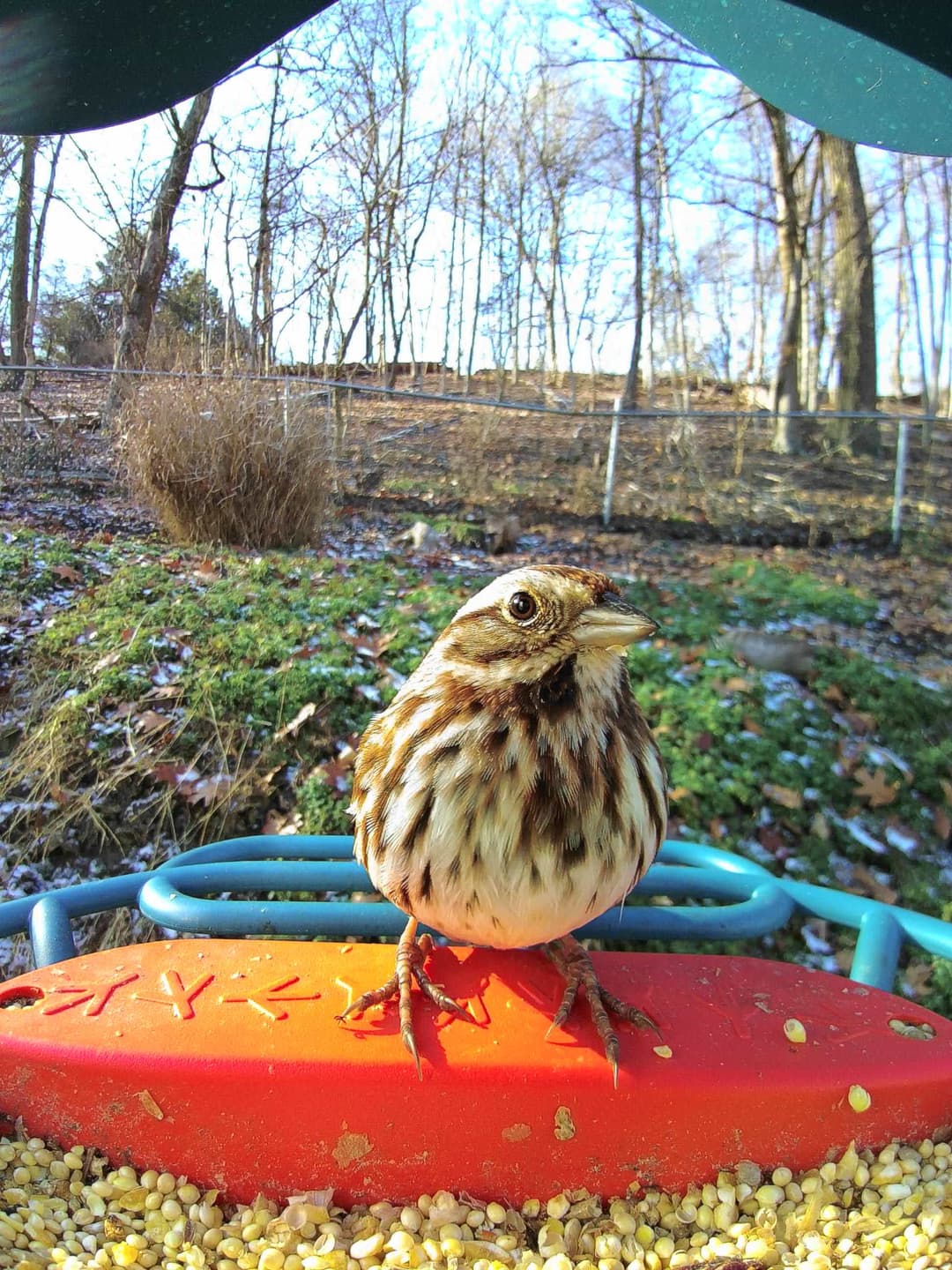
Corn Bunting vs Song Sparrow
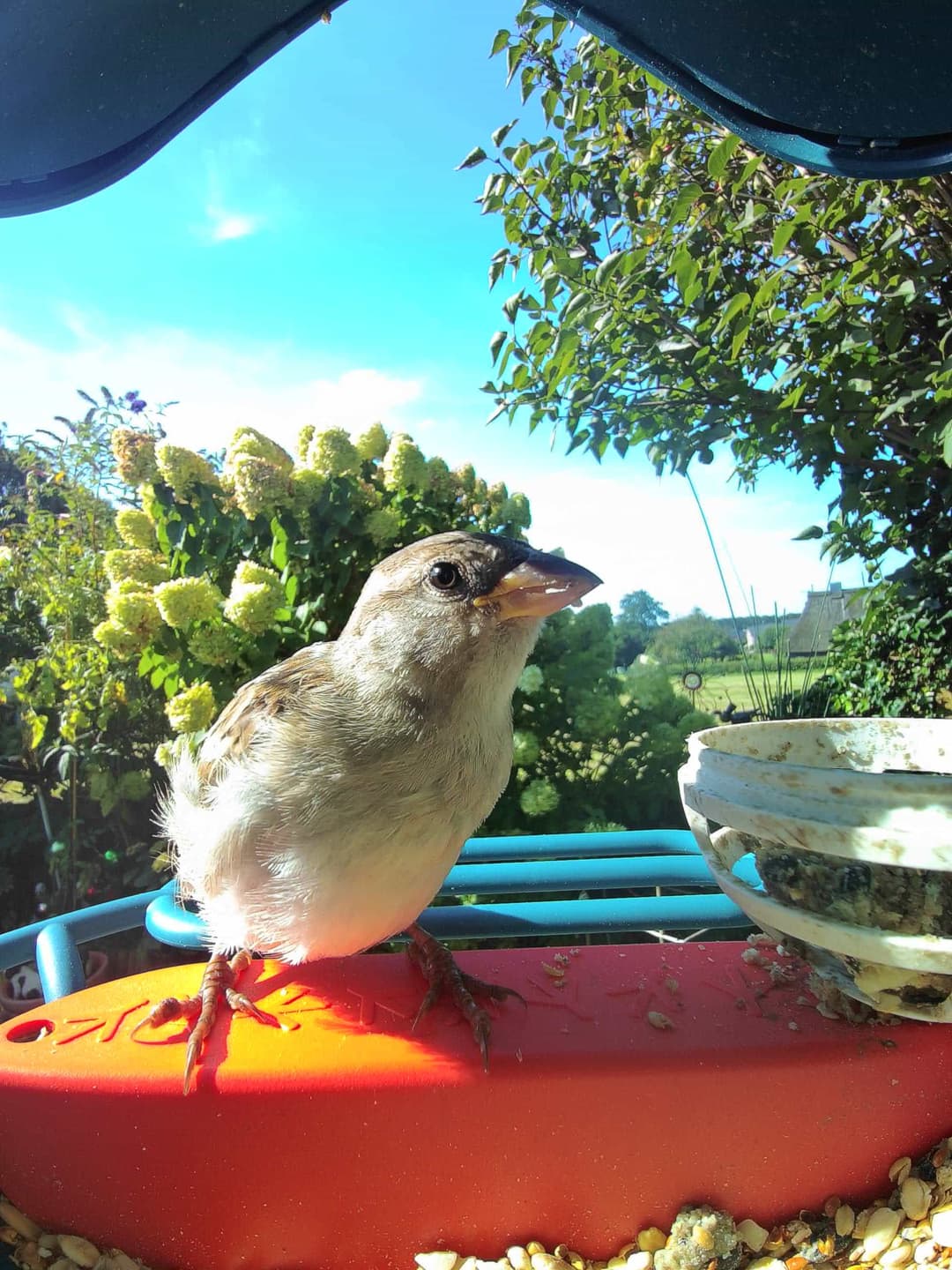
Corn Bunting vs House Sparrow
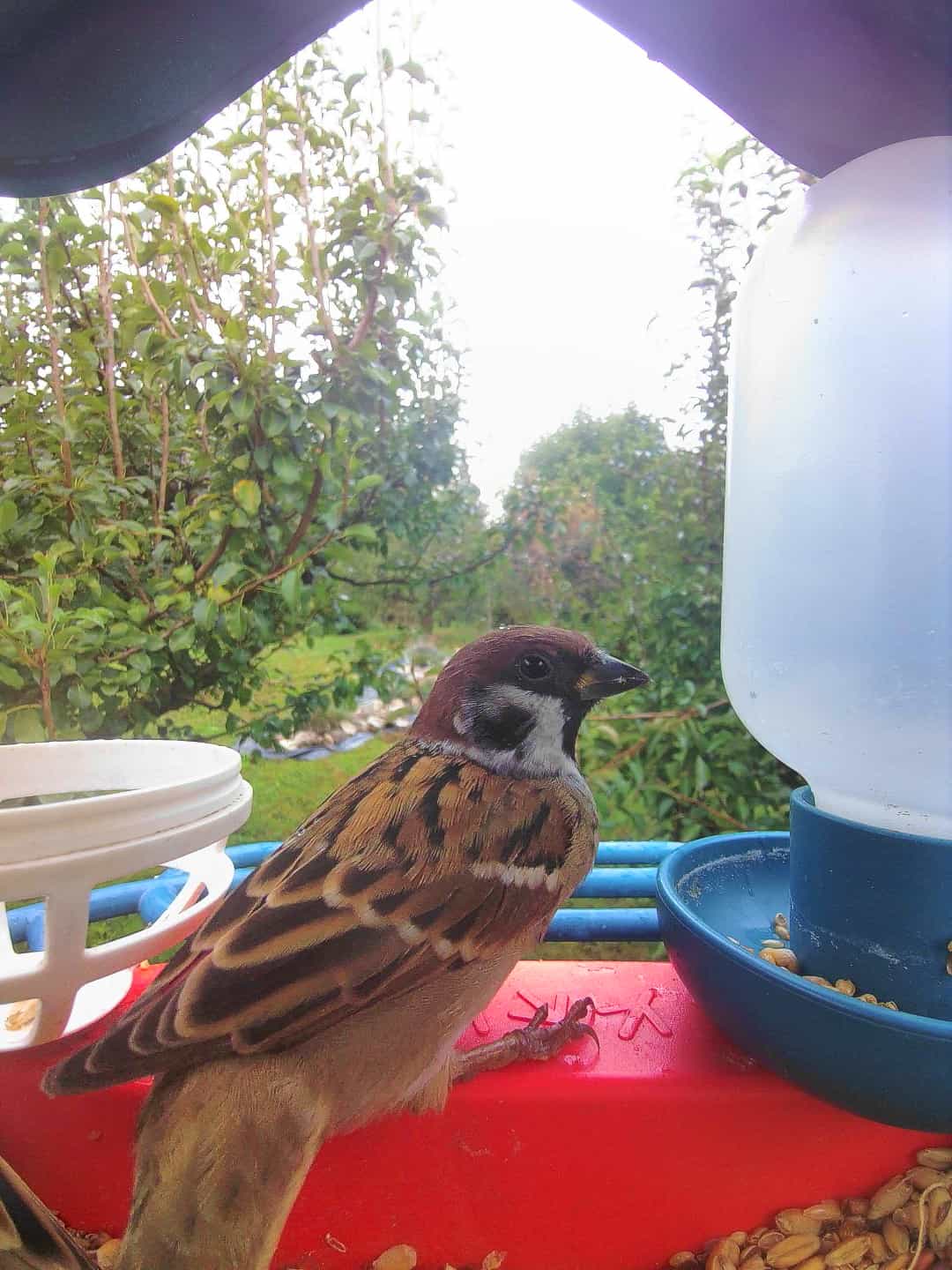
Corn Bunting vs Eurasian Tree Sparrow
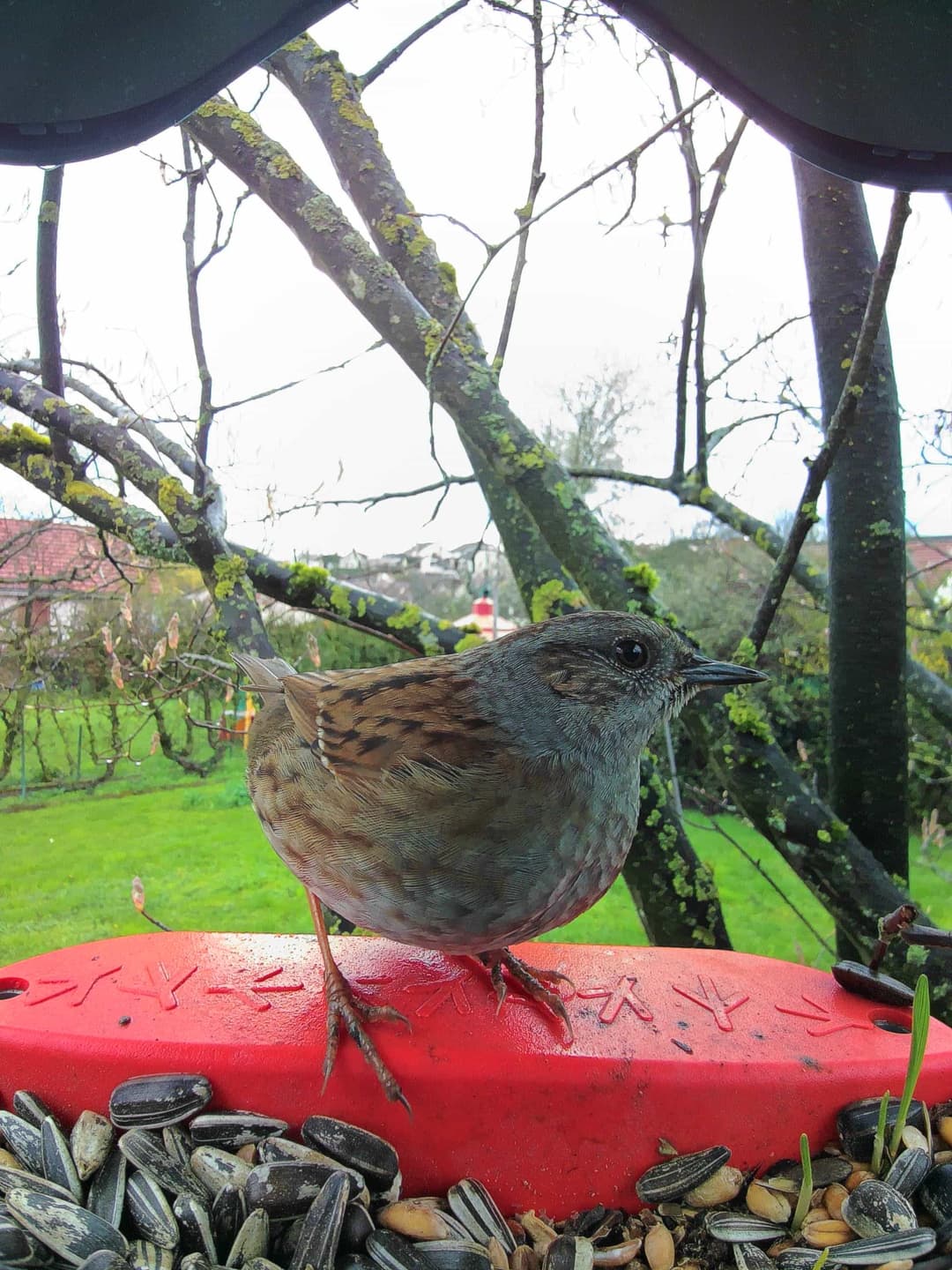
Chipping Sparrow vs American Tree Sparrow
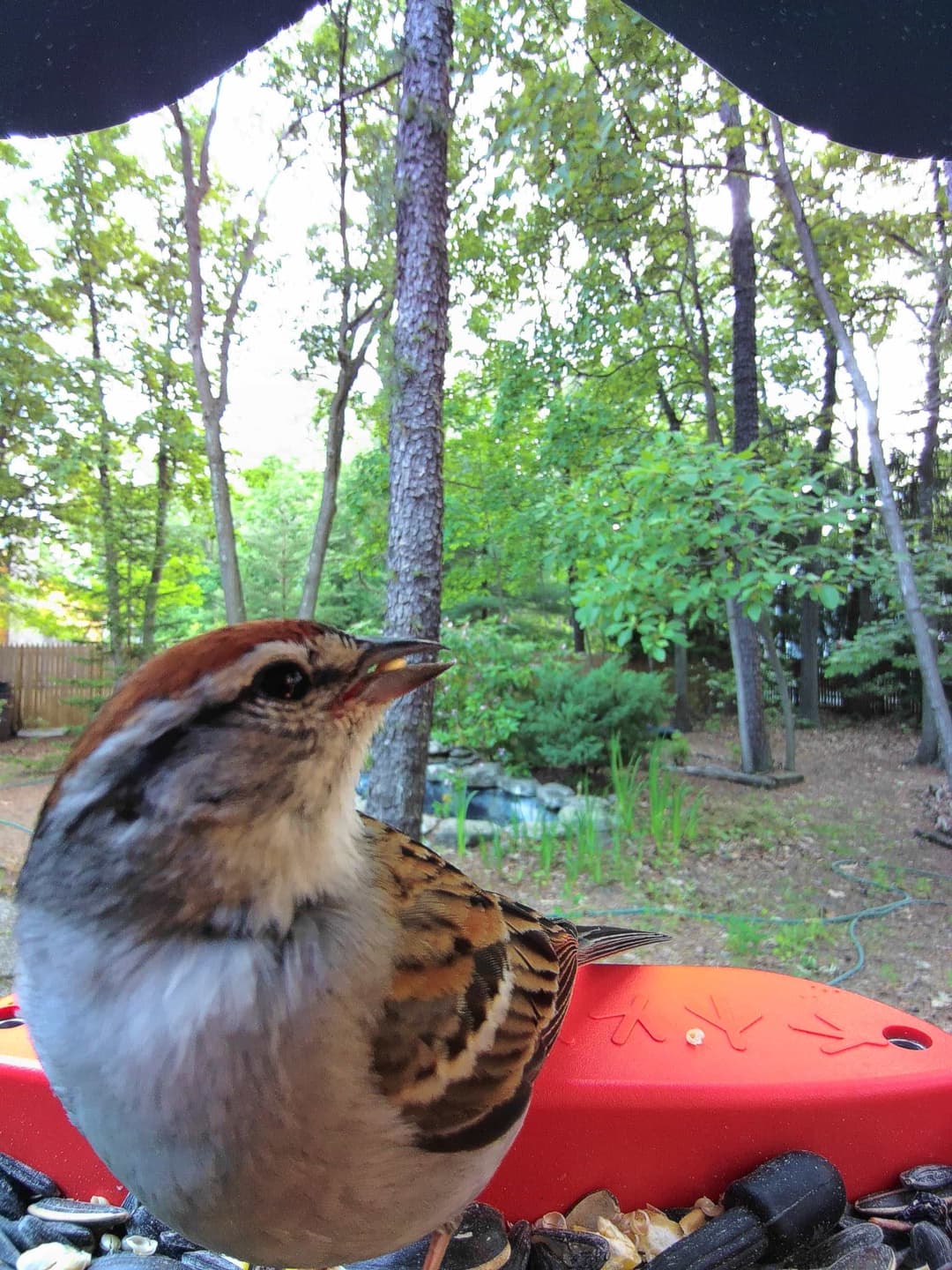
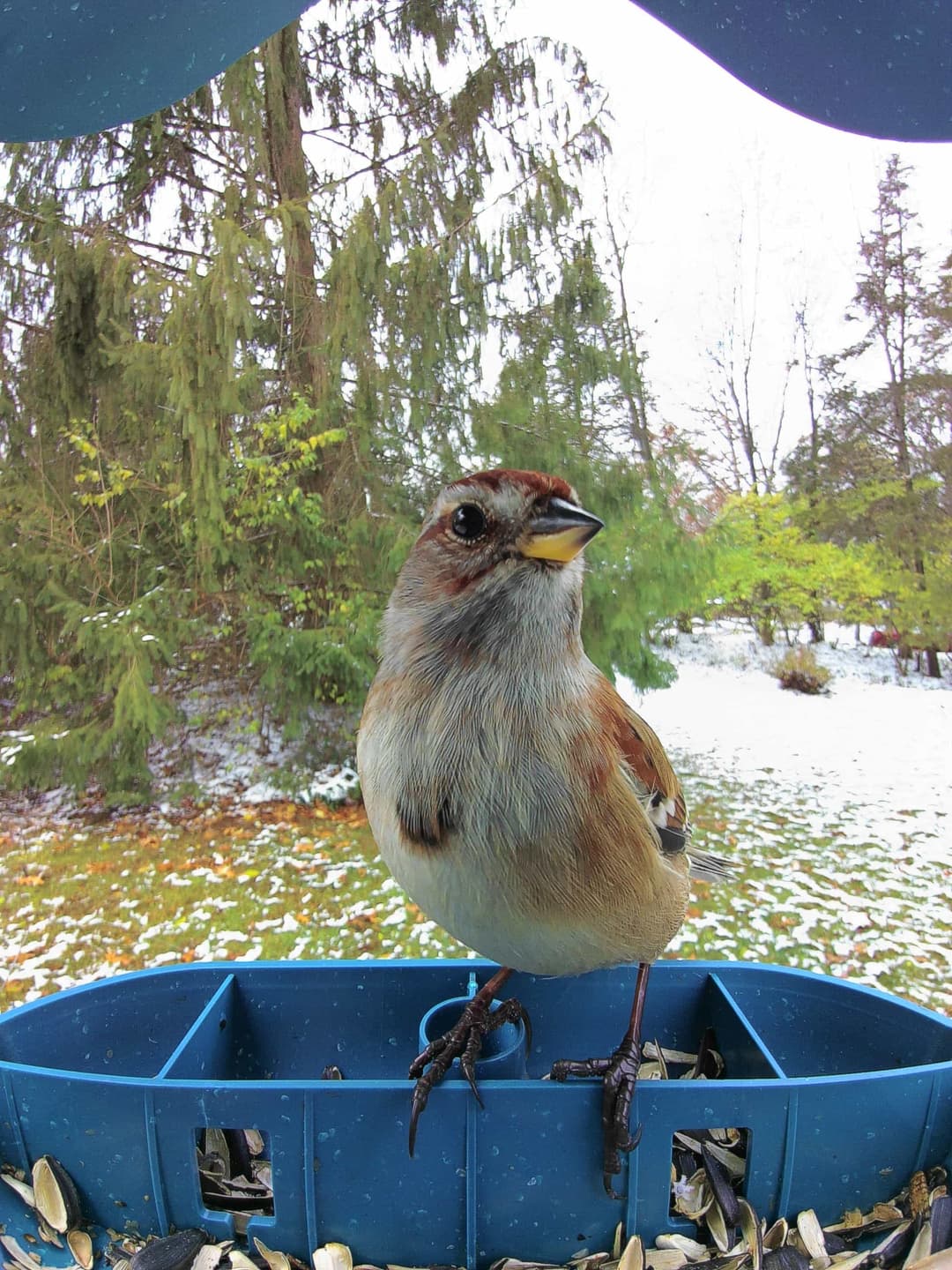
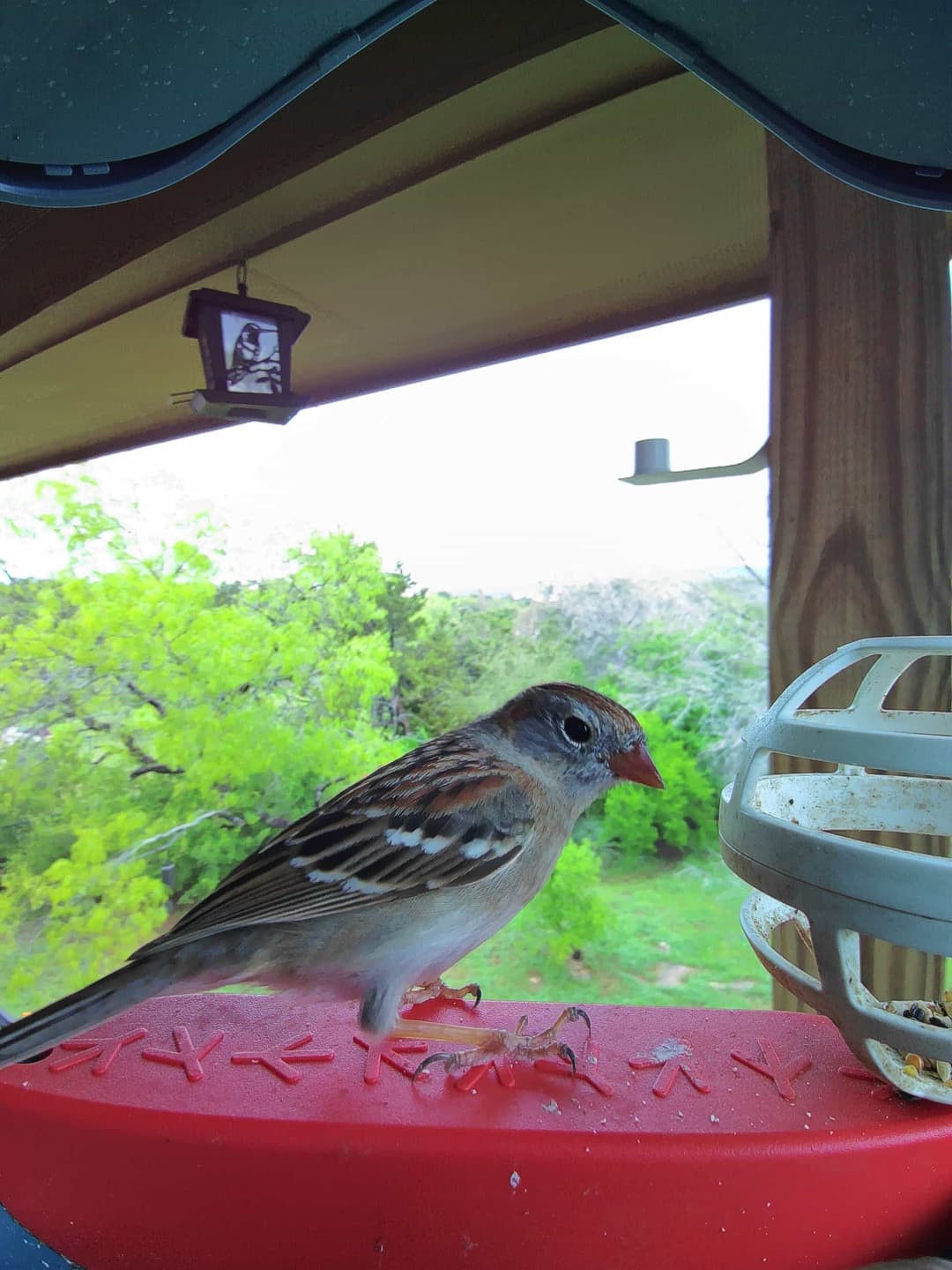
Chipping Sparrow vs Field Sparrow
Corn Bunting vs [Select a bird]

[Select a bird]
Pick a bird to compare
Chipping Sparrow vs [Select a bird]
[Select a bird]
Pick a bird to compare