Cirl Bunting or Corn Bunting?
Here's how to tell the difference
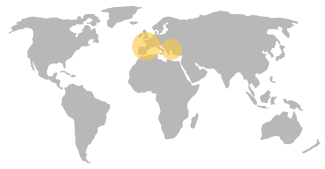
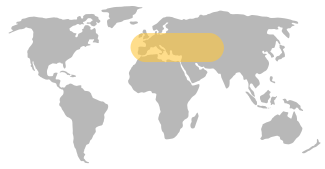


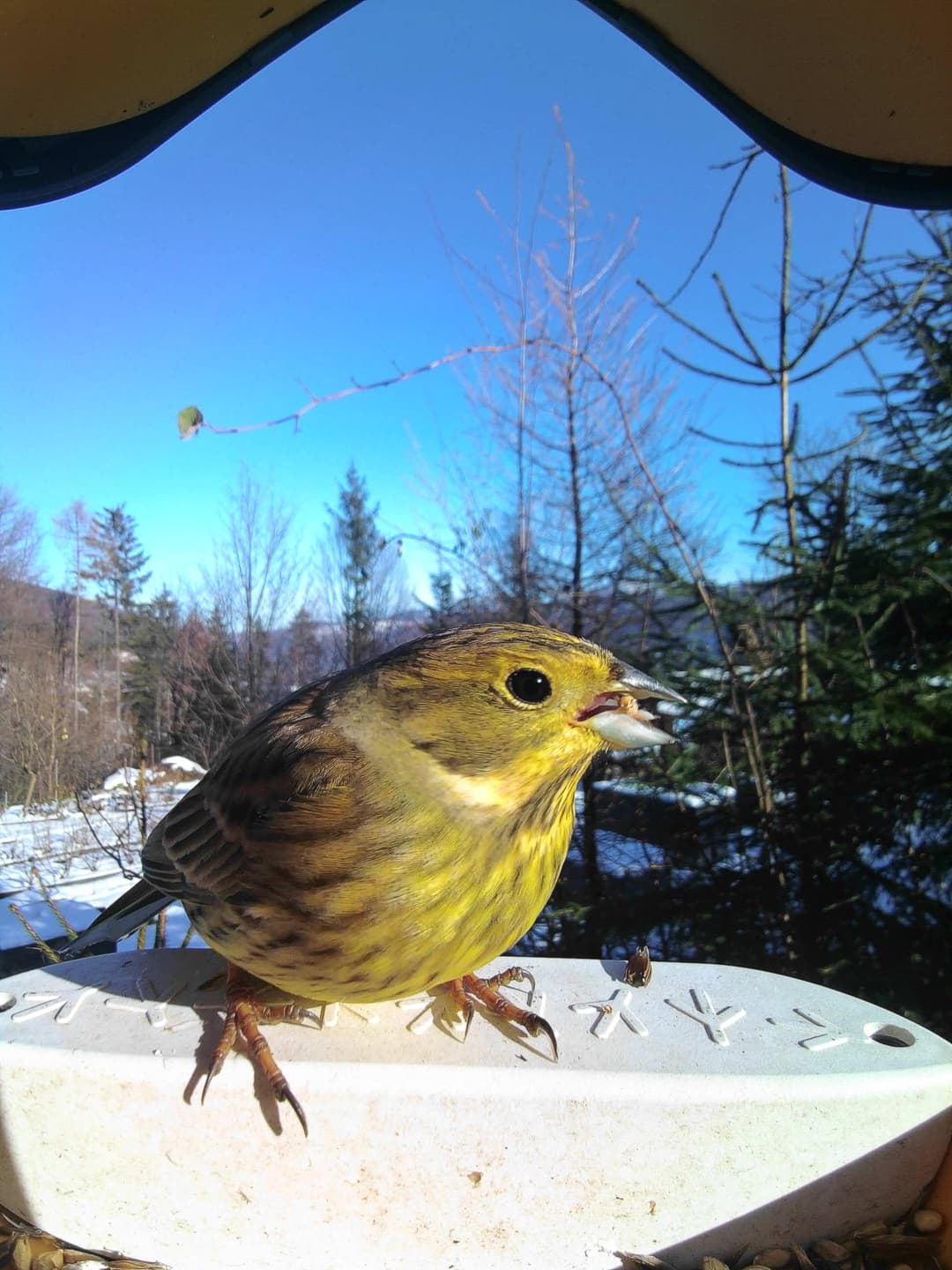
Cirl Bunting


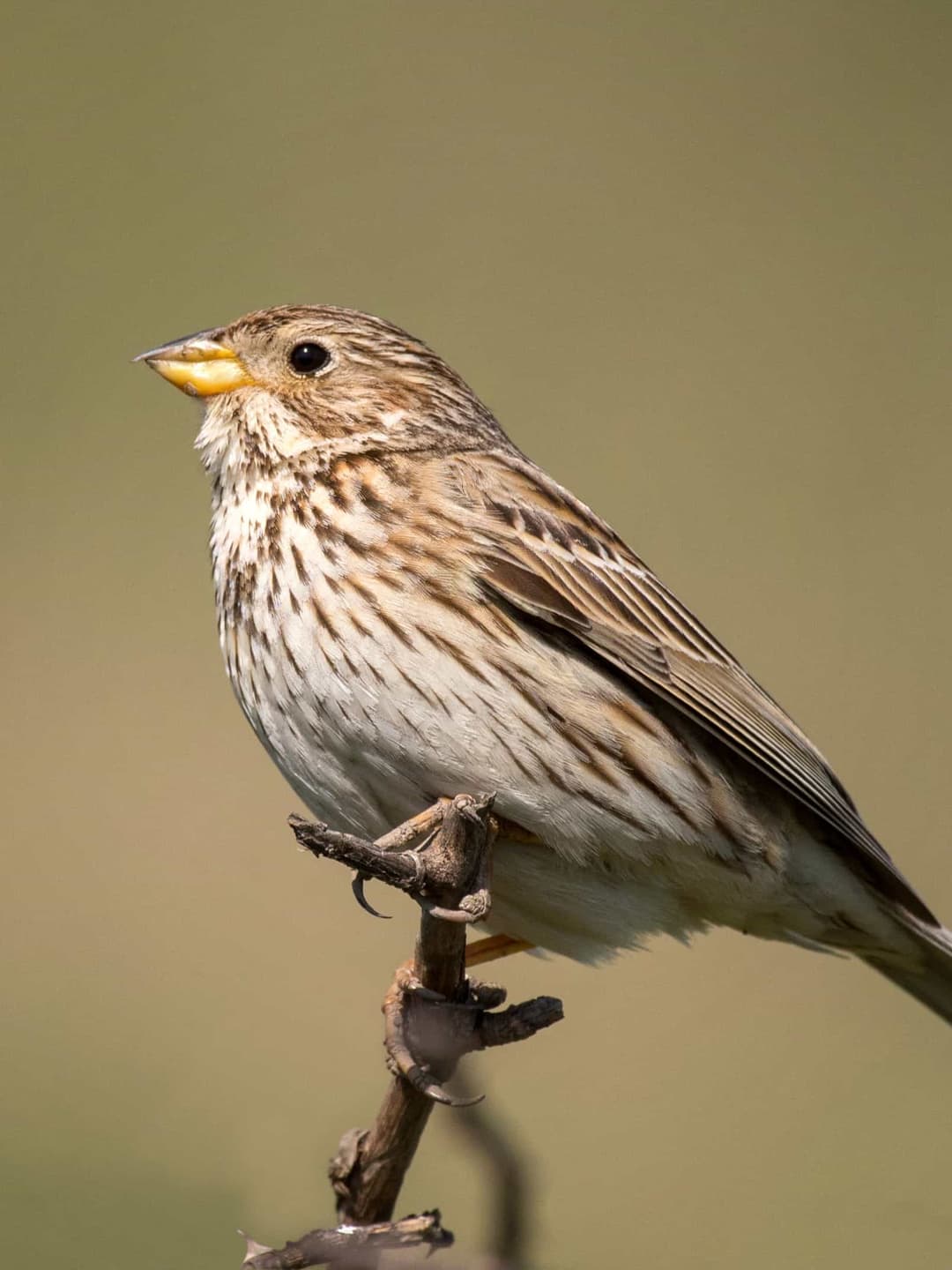
Corn Bunting
Cirl Bunting
Emberiza cirlus
General appearance
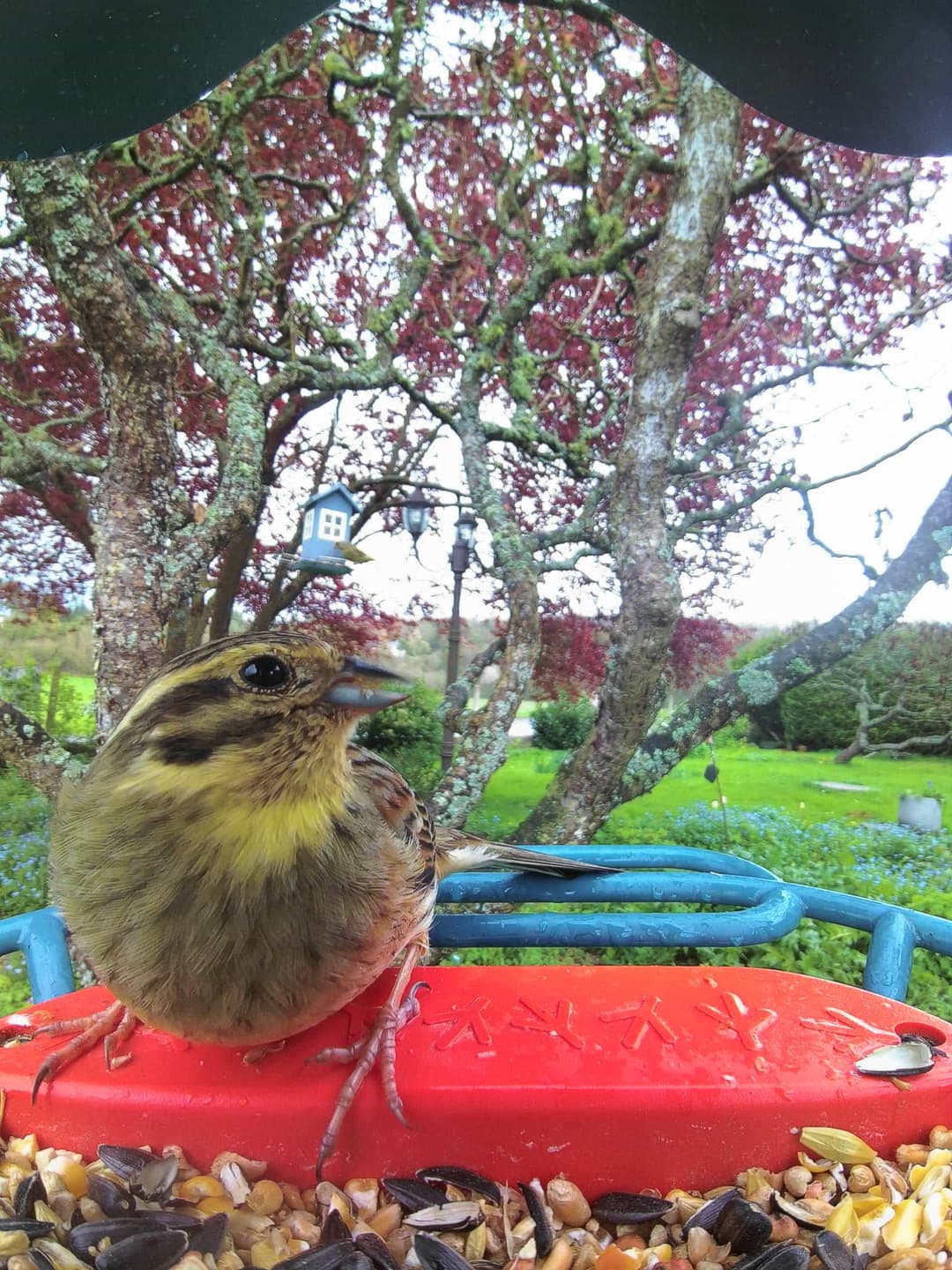
Cirl buntings are small, stout birds, measuring around 15 cm long. They showcase distinct sexual dimorphism and exhibit a yellow and black facial pattern. The species also displays a greenish rump and a streaked brown back.
Male vs female
In cirl buntings, males and females differ in coloration. Males boast a vibrant combination of a black eye stripe and throat, greenish rump, and brightly colored chestnut back. They develop a prominent yellow moustache. In contrast, females and winter males are browner, lacking the vivid yellow and black. They retain the green rump but present a less striking streaked brown back.
Juvenile
Juvenile cirl buntings, similar to females, demonstrate a more subdued color palette. They have brownish chests with dark spotting and streaks which eventually fade to a paler, uniform color as they mature. Their backs and wings are also streaked brown. The young cirl buntings lack the characteristic black and yellow facial patterns seen in adults.
Size
5.9 - 6.5 in/0.7 - 1.0 oz
There's more to learn about Cirl Bunting
View full detailsCorn Bunting
Emberiza calandra
General appearance
The corn bunting is a robust bird measuring approximately 16-19 cm in length. It possesses a distinctively stout, yellowish bill and a thick neck. The plumage boasts a brownish coloration interspersed with darker streaks and its underparts possess a whitish hue. The torso appears somewhat bulged, with rounded wings and a rather blunt tail. During flight, their short wings flutter quickly.
Male vs female
Male and female corn buntings are virtually indistinguishable by physical appearance alone as both sexes possess similar plumage coloring and size. However, behavioral differences can be used to tell them apart. Males are known for their unique song which sounds like jangling keys, used primarily for mating calls. Males are also territorial during breeding season.
Juvenile
Juvenile corn buntings resemble adults in size, but their plumage has a more ruffled appearance and is slightly paler. They lack the darker streaking seen in adults until they mature. Juvenile birds also lack the bold territorial and vocal behaviors of adult males until they reach sexual maturity.
Size
6.7 - 7.5 in/1.1 - 2.4 oz
There's more to learn about Corn Bunting
View full detailsHow to tell the Cirl Bunting from the Corn Bunting
Visual differences
Cirl Buntings are smaller (6-6.5 inches) with a weight of 0.7-1 oz, showcasing bright yellow and black facial patterns (males), a greenish rump, and a chestnut back. They have a slimmer build and a pointed beak. Corn Buntings are larger (6.5-7.5 inches) weighing 1.1-2.4 oz, with a stout, yellowish bill and thick neck. Their plumage is brown with dark streaks and whitish underparts. Both sexes look similar, having a more robust and rounded appearance.
Key differences and behavior
Cirl Buntings and Corn Buntings exhibit distinct behavioral patterns. Cirl Buntings, roughly 6 inches long, are sociable in winter, forming flocks to forage in farmland habitats with hedges, while Corn Buntings, about 7.5 inches long, reside in open farmlands and grasslands. During breeding, male Cirl Buntings sing from perches to attract females, with both parents feeding their young insects and seeds. Corn Bunting males similarly sing to establish territories and attract mates, but they build nests on the ground, with the female primarily tending the eggs. Diet-wise, both eat insects and seeds, but Cirl Buntings adapt to feeders, eating sunflower seeds and mealworms, whereas Corn Buntings infrequently visit feeders. Males of both species are distinguishable by song, with Cirl Buntings whistling and Corn Buntings jangling like keys.
Still not sure? Here are more lookalikes!
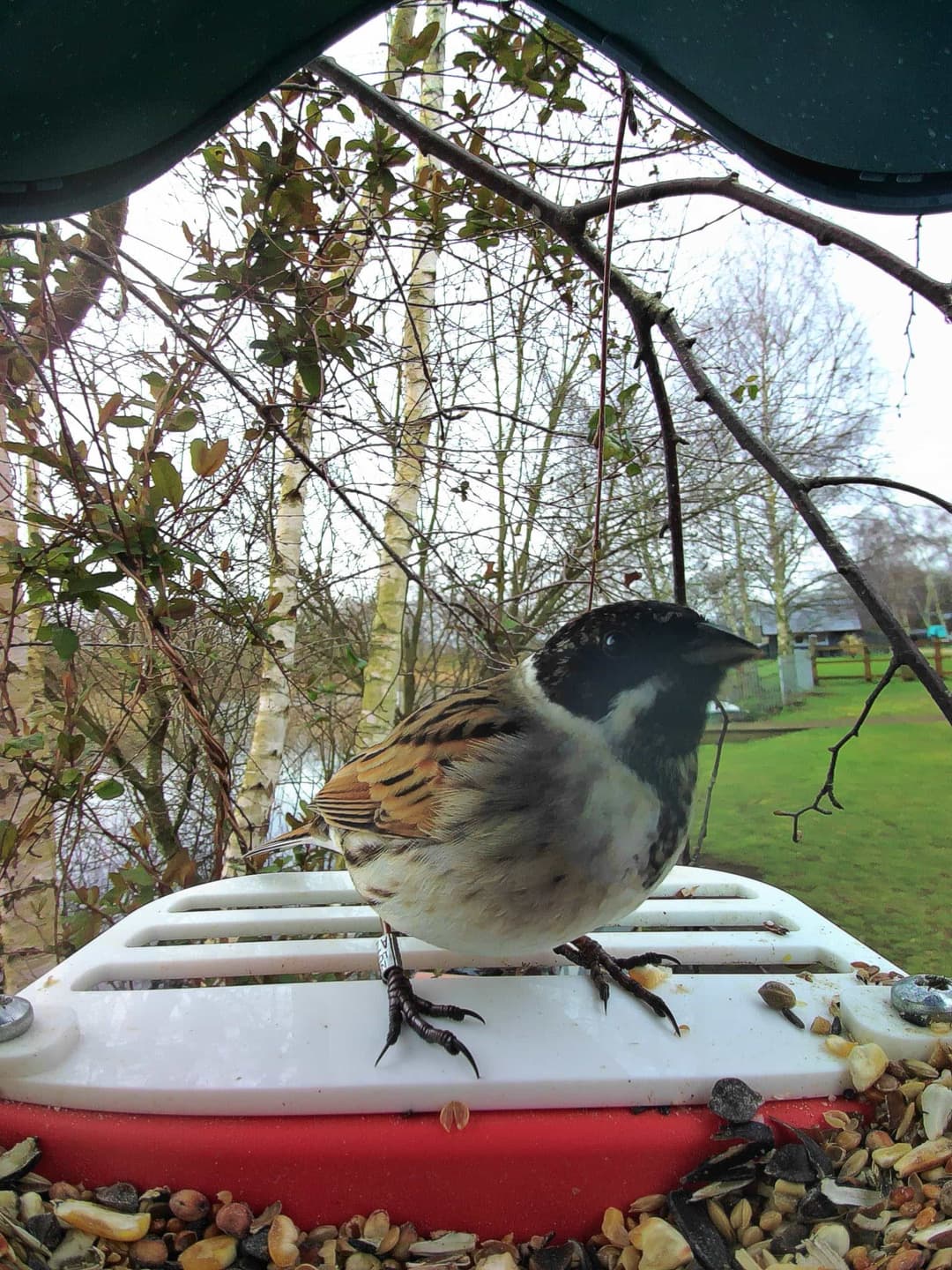
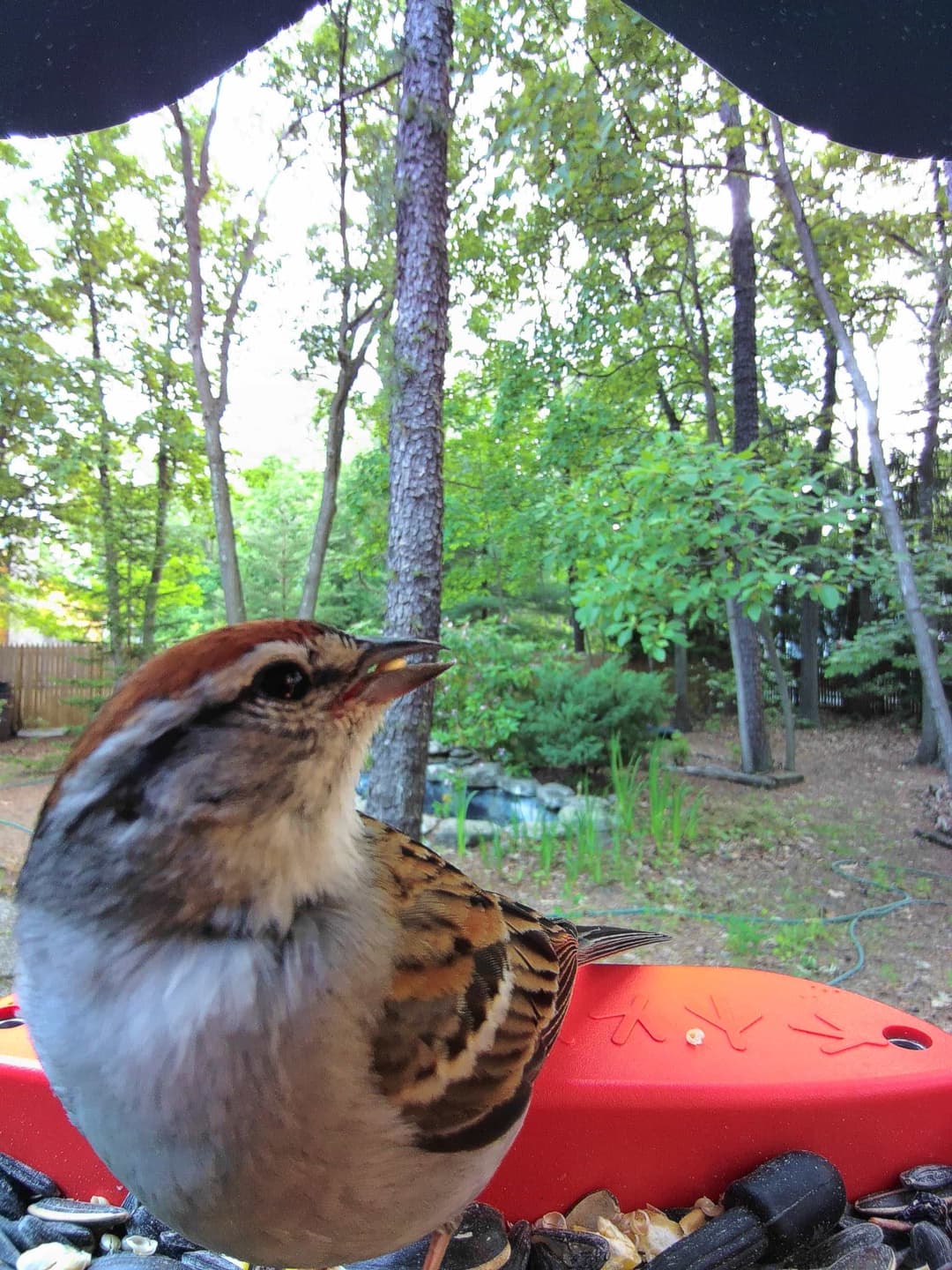
Corn Bunting vs Chipping Sparrow
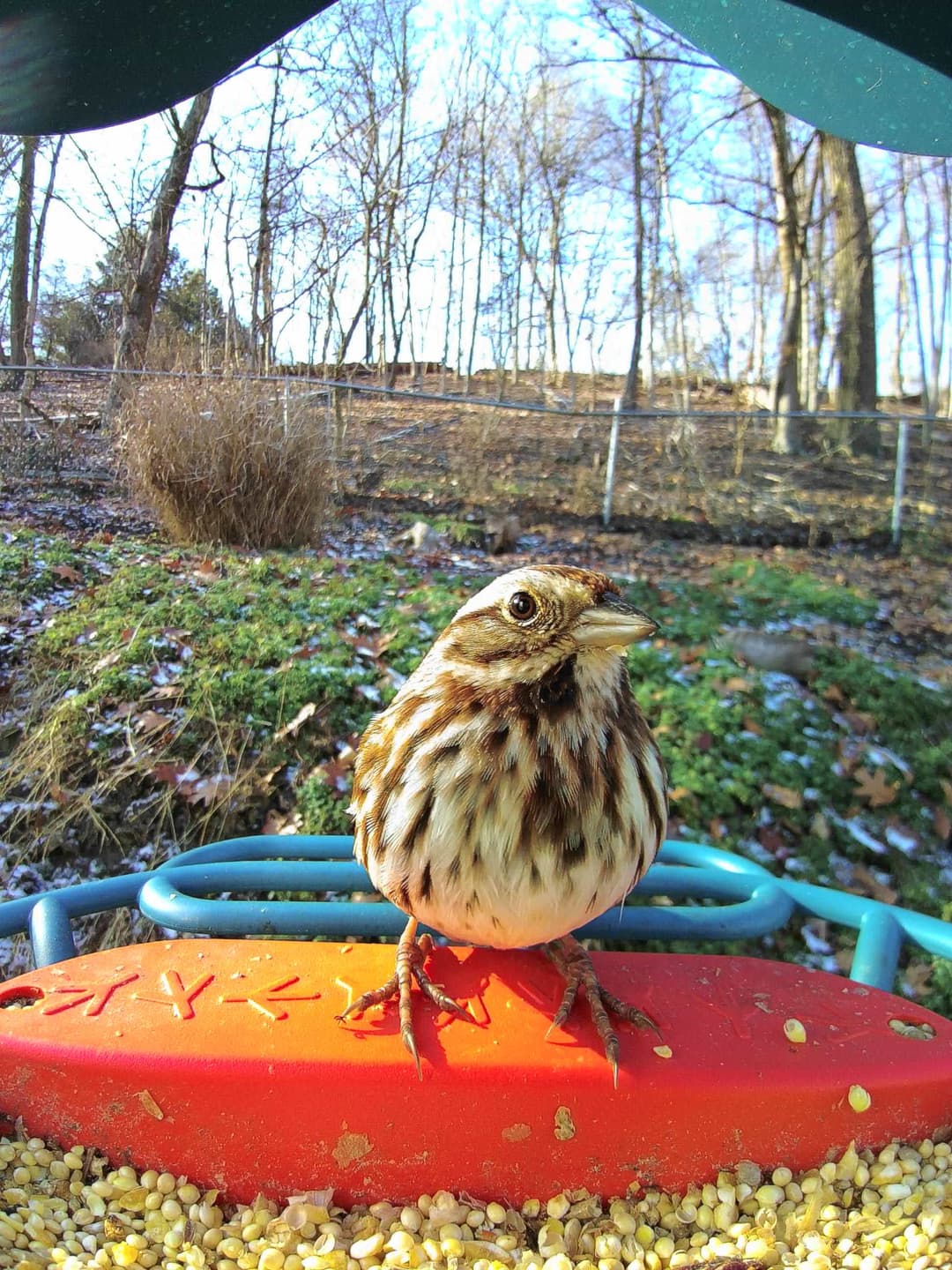
Corn Bunting vs Song Sparrow
Corn Bunting vs House Sparrow
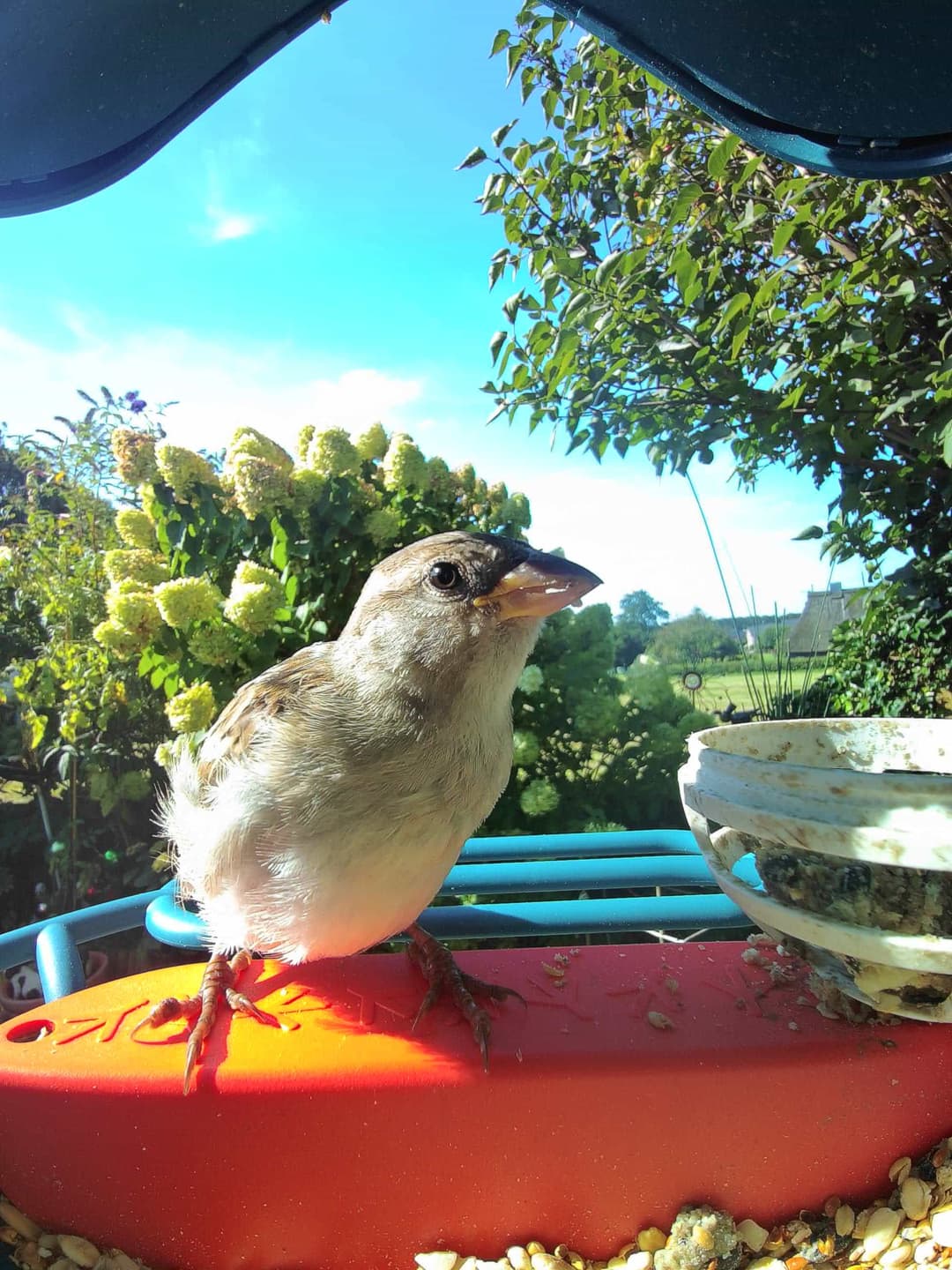
Corn Bunting vs Eurasian Tree Sparrow
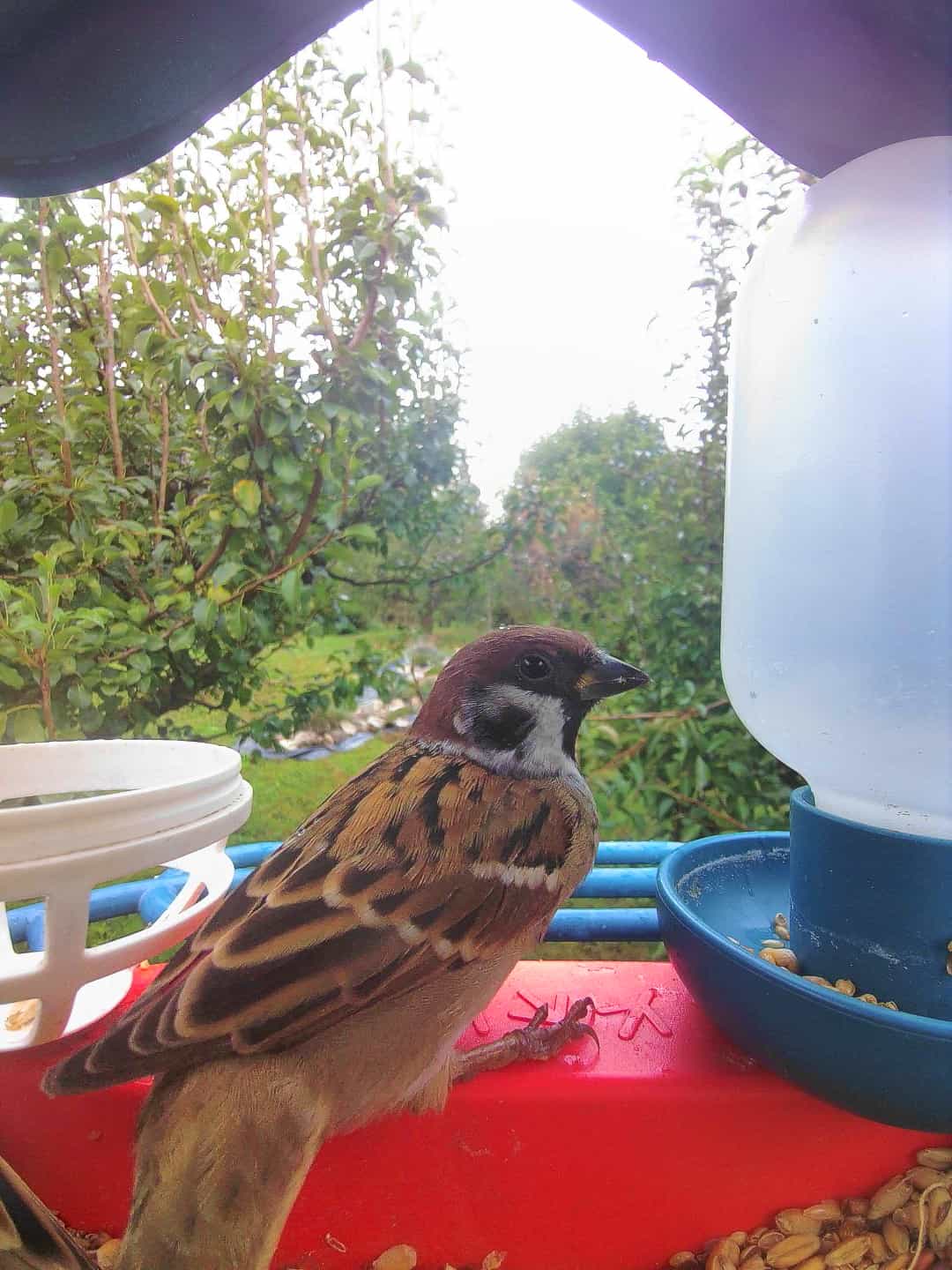
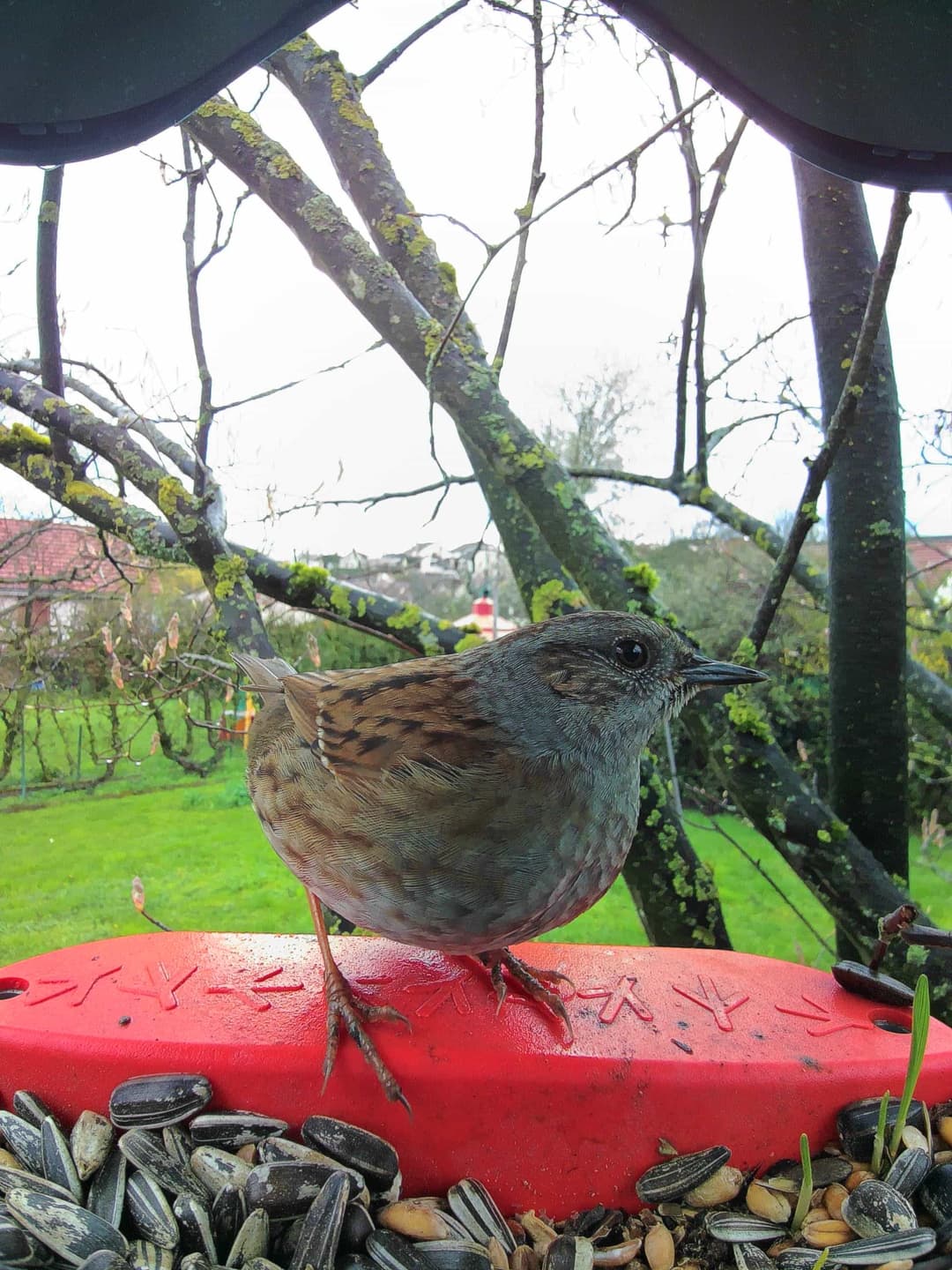
Cirl Bunting vs [Select a bird]

[Select a bird]
Pick a bird to compare
Corn Bunting vs [Select a bird]
[Select a bird]
Pick a bird to compare