
Cirl Bunting
Cirl Bunting
Emberiza cirlus


Quick Identification guide
Quick Identification guide
- •
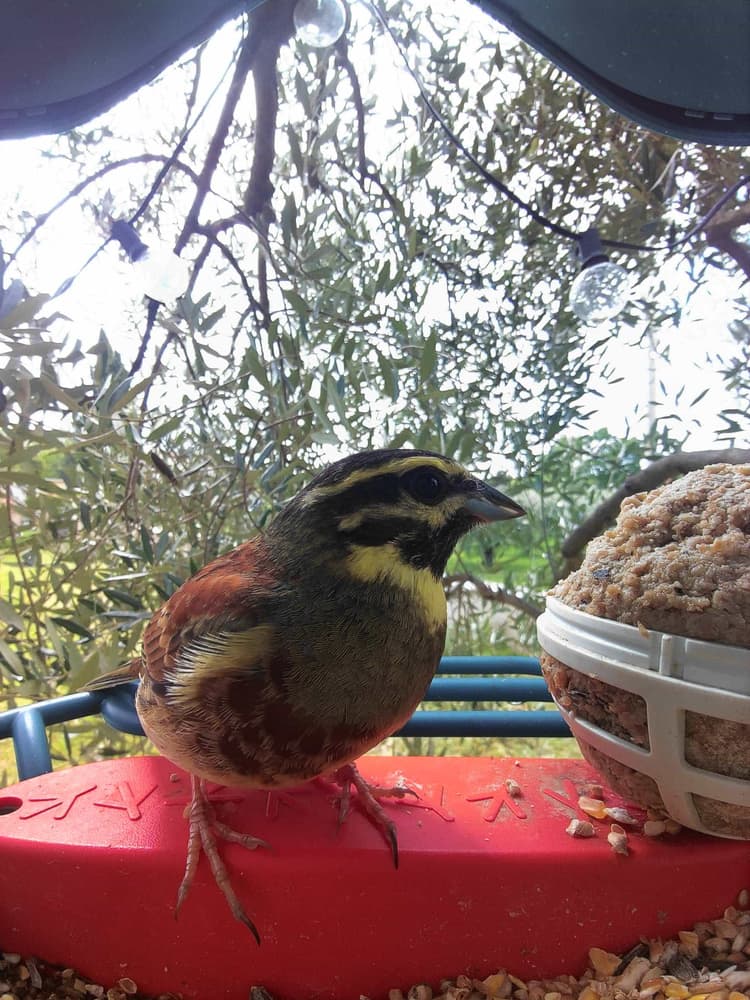
Notable for its olive-brown body with a distinctive yellow stripe above the eye and a prominent black throat patch
- •
Features a stout, conical beak well-suited for seed eating
- •
Males are recognizably colorful with yellow underparts and contrasting black and chestnut facial patterns
What does a cirl bunting sound like?
The Cirl Bunting vocalizes a soft, melodic, and complex song, predominantly comprised of repeated phrases, each lasting 2-3 seconds. The song begins with rapid notes, slows down, and ends abruptly. Its call is an individual double note "pit-pioo" or a sharp "tsip." The song, mainly delivered by males throughout the breeding season, serves both territorial and mating purposes. Females have a simpler, quieter song. Call notes differ slightly between sexes and are used year-round for communication.


Description
The cirl bunting is a songbird about the size of a house sparrow. In winter, you can find them hanging out in flocks in search of food. Chirp, chirp, did you know that cirl comes from zirlare which means to whistle like a songbird?
The cirl bunting can weigh between 20to29grams and be from15to16.5centimeters tall.
The typical lifespan of the cirl bunting, a small bird species, is about 5 years. When compared to related species, this is relatively long - for example, the corn bunting has an average lifespan of 2-3 years. However, other buntings like the yellowhammer can live up to 11 years, showing a significant range within this bird family. The maximum recorded age for a cirl bunting is 8 years.
Did you know?
Most popular questions about cirl bunting
How to recognise a cirl bunting?
General appearance
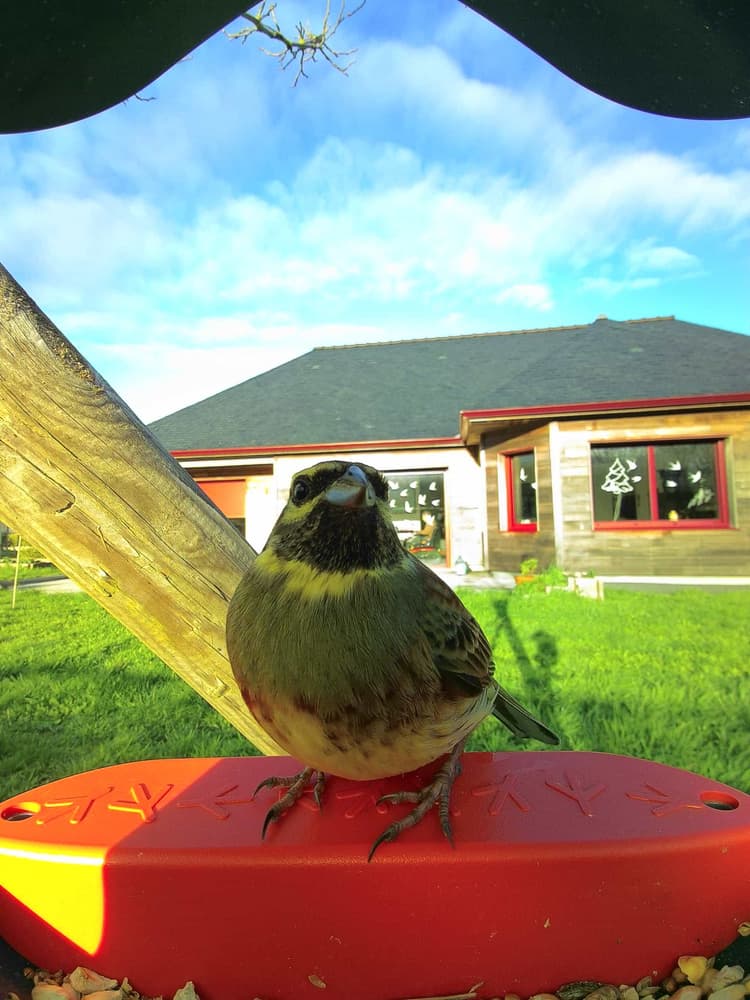
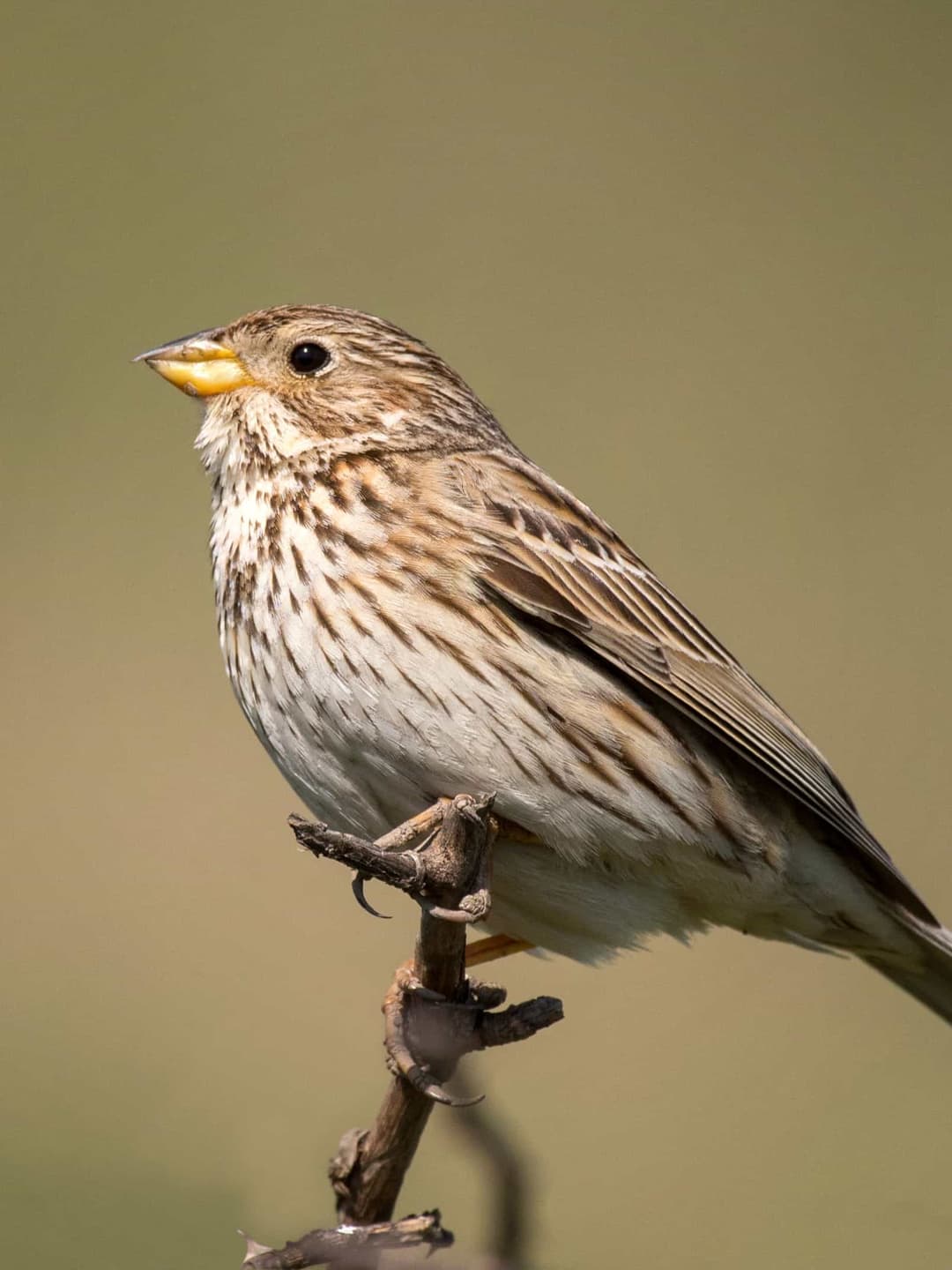
Cirl buntings are small, stout birds, measuring around 15 cm long. They showcase distinct sexual dimorphism and exhibit a yellow and black facial pattern. The species also displays a greenish rump and a streaked brown back.
Male vs female
In cirl buntings, males and females differ in coloration. Males boast a vibrant combination of a black eye stripe and throat, greenish rump, and brightly colored chestnut back. They develop a prominent yellow moustache. In contrast, females and winter males are browner, lacking the vivid yellow and black. They retain the green rump but present a less striking streaked brown back.
Juvenile
Juvenile cirl buntings, similar to females, demonstrate a more subdued color palette. They have brownish chests with dark spotting and streaks which eventually fade to a paler, uniform color as they mature. Their backs and wings are also streaked brown. The young cirl buntings lack the characteristic black and yellow facial patterns seen in adults.
Often mistaken for
Common Reed Bunting vs Cirl Bunting
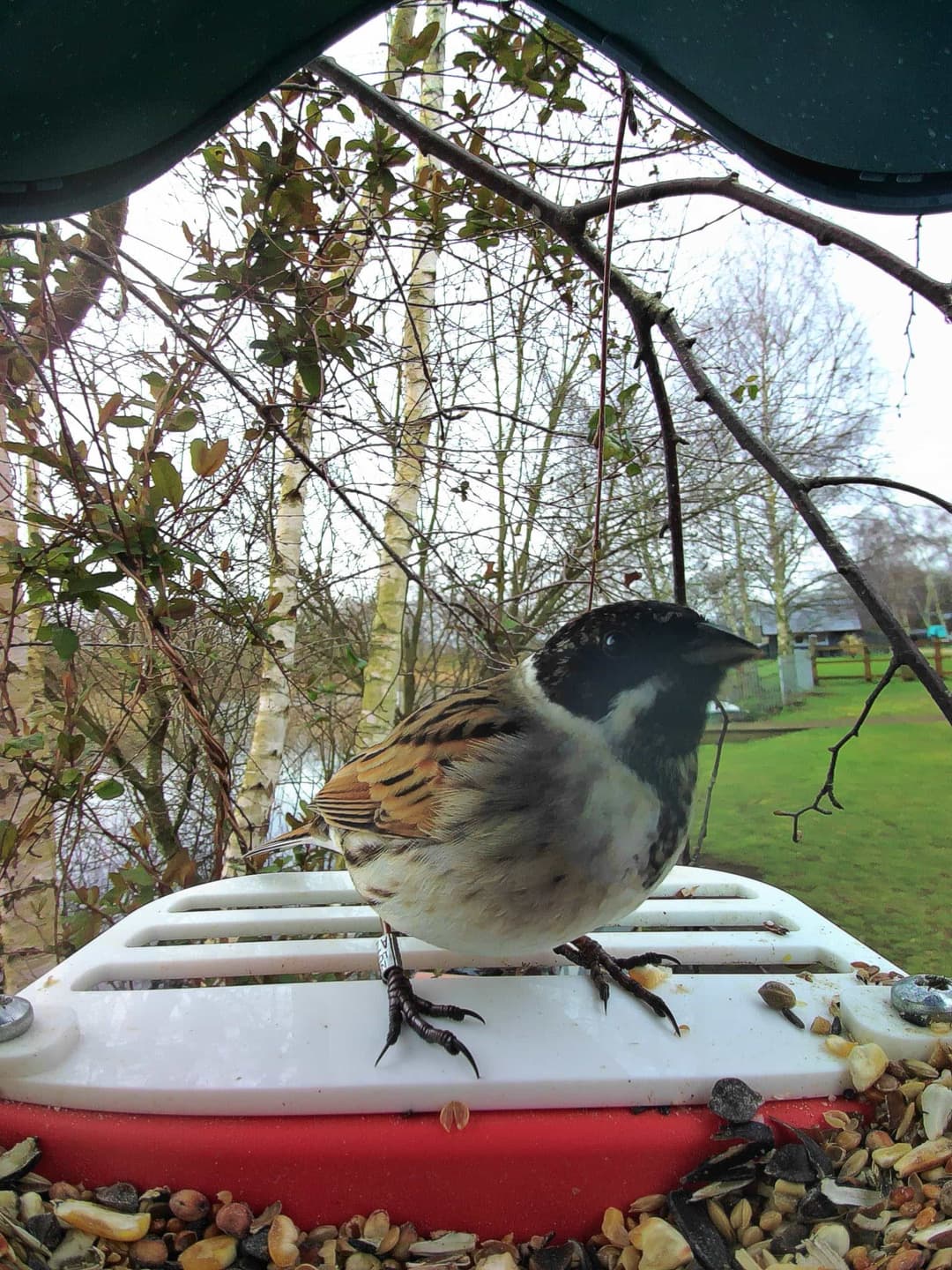
Common Reed Buntings closely resemble Cirl Buntings, especially in their brown and streaky appearance. However, Reed Buntings have a white collar and lack the striking facial markings and the yellow-green tones found in the Cirl Bunting. Additionally, male Reed Buntings have a distinctive black head in the breeding season.
Yellowhammer vs Cirl Bunting
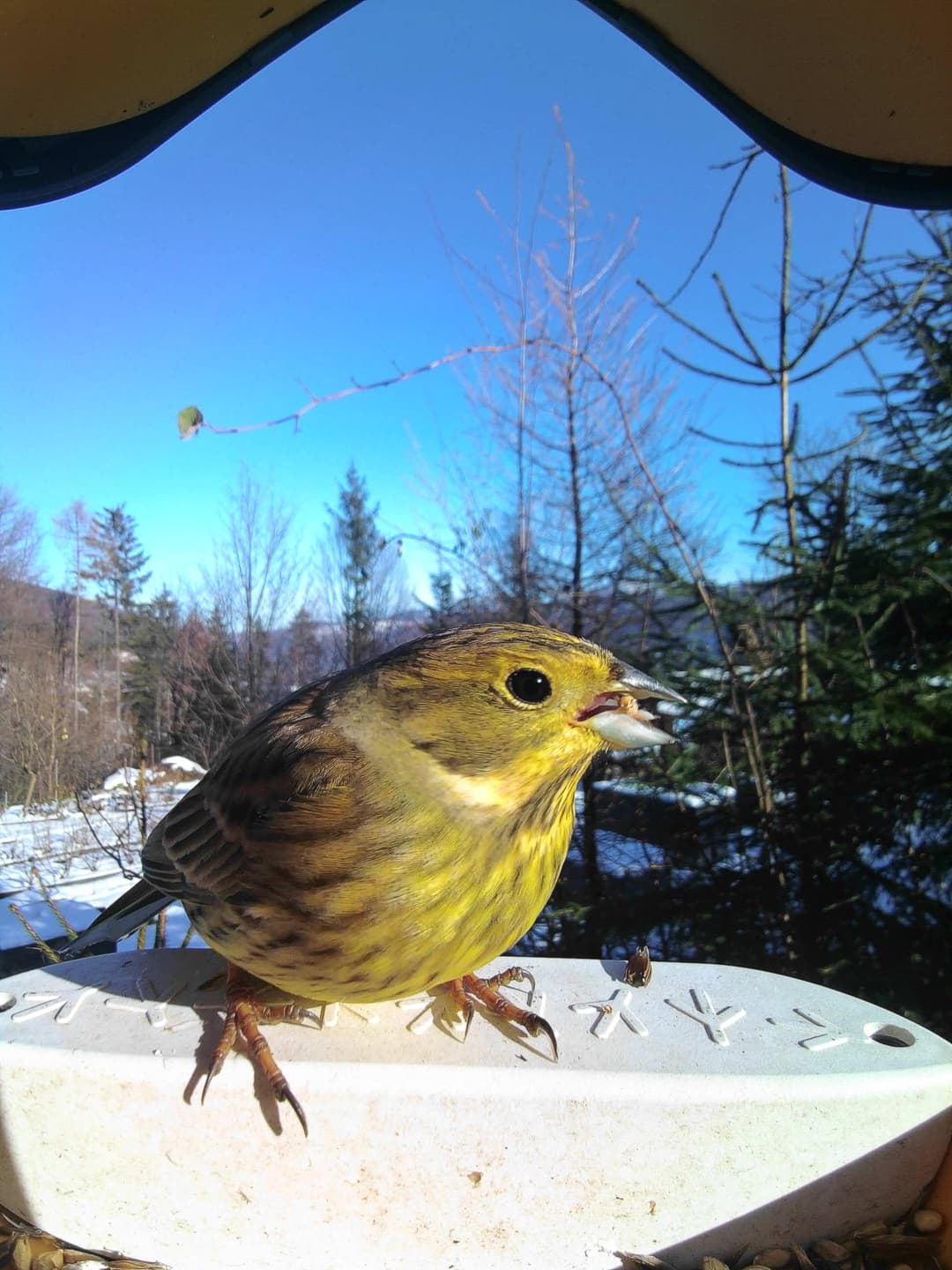
Yellowhammers are similar to Cirl Buntings in their size and shape. They have a similar yellow hue, but Yellowhammers are more uniformly yellow with prominent brown streaking on their sides and back. They lack the distinct facial pattern seen in Cirl Buntings.
Corn Bunting vs Cirl Bunting
Corn Buntings can be mistaken for Cirl Buntings due to their size and brown coloration. However, Corn Buntings are larger, have a heavier bill, and lack the prominent yellow and black head pattern seen in Cirl Buntings.
Breeding and nesting habits of the cirl bunting
Mating behaviors
Cirl buntings exhibit courtship behaviors including singing from prominent perches and aerial displays. Males attract females with songs, which play a crucial role in pair formation.
Nesting details
Cirl buntings prefer to nest in low vegetation, hedgerows, or gardens. Their nests are cup-shaped, woven from grass, roots, and lined with softer materials. Providing dense shrubs and an abundance of nesting materials can encourage nesting in gardens.
Eggs and chick-rearing
Females lay 3-4 eggs per clutch, which are incubated for about two weeks. Both parents feed the chicks with insects and seeds. Parents continue to care for fledglings after they leave the nest to ensure their survival.
What does a cirl bunting like to eat?
Berries
Insects
Seeds
Snails
Spiders
Worms
Natural diet
The cirl bunting's natural diet consists mainly of insects and seeds. During the breeding season, they primarily consume invertebrates such as beetles, caterpillars, and spiders, which are essential for feeding their young. Outside the breeding season, they rely more heavily on seeds from various wild plants like grasses and cereal crops, as well as small invertebrates.
Bird feeders
At bird feeders, cirl buntings are known to consume common offerings such as black oil sunflower seeds, cracked corn, and millet. They may also occasionally eat mealworms or suet if available, which can supplement their natural diet, especially during winter months when natural food sources are scarce.
Cirl bunting friendly feeders
To attract cirl buntings to your yard or feeder, opt for feeders that are easy for them to perch on. Tray or platform feeders which are covered to protect the seeds from rain is optimal. If possible, place the feeder near thick hedges or cover as cirl buntings prefer to feed within a quick escape to cover if needed.
Favorite snacks
This bird species enjoy a diet of seeds, especially in the winter, and insects during breeding season. Some particularly loved seeds are millet and specially selected Bird Buddy seeds. These seeds boast great results as their mixture is expert-selected seasonally. In warmer months, providing a helpful array of insects can help encourage cirl buntings to your yard.
Fun tricks to attract cirl buntings
Try creating a bird-friendly environment in your yard reminiscent of the farmland habitats that cirl buntings love. You can grow native plants which provide abundant seeds and serve as cover. Ensure there's a clean, fresh source of water nearby for them to drink and bathe. Additionally, refrain from using pesticides or other chemicals in your yard that may be harmful to birds.
Sing-along session
Cirl buntings are known for their beautiful, bubbly songs. While you can't exactly invite them for a sing-along, you can certainly enjoy their music. Maintain a quiet and peaceful environment and you might just be rewarded with their melodic twittering.
Where can you find cirl buntings?

Primary habitat
Cirl buntings are mostly found in south and east United Kingdom, preferring farmlands with low-intensity livestock or arable crops. They inhabit areas with hedges, scrub, or woodland edges for nesting.
Additional range
They can tolerate a range of climates from the Mediterranean to temperate Europe. Oddly, they have adapted to some coastal areas in England.
Do they migrate?
The Cirl Bunting is primarily a resident bird and does not engage in long-distance migration like some other buntings. Most populations are sedentary, staying in their breeding territories throughout the year, especially those in Western Europe, such as in the UK and parts of Italy, Spain, and France. However, some populations, particularly those in colder regions in Eastern Europe, may exhibit limited altitudinal or short-distance movements in response to harsh winter conditions. During these times, the birds might move from higher altitudes to lower, more temperate areas or from barren inland regions to the coastlines where conditions are milder and food resources more abundant. In the UK, the Cirl Bunting numbers have seen a recovery after conservation efforts, with significant populations established in Devon. Efforts to enlarge their habitat and food supplies have made their residency more stable. Thus, apart from minimal local movements prompted by environmental factors, the Cirl Bunting does not have a defined migratory route or timing and generally remains in or near its breeding areas year-round.
What is the role of cirl buntings in nature and how to protect them?
Conservation status
The cirl bunting, a small passerine bird, is currently listed as Least Concern by the IUCN, indicating it is relatively common globally. However, in the UK, this species experienced significant declines due to changes in agricultural practices. Conservation efforts, such as habitat management and agri-environment schemes, have helped stabilize and even increase populations in certain areas. Key threats include habitat loss, especially from modern farming techniques that reduce food availability. Continued conservation initiatives are essential to support their populations and ensure long-term stability.
Ecological role of cirl buntings
Its role in the ecosystem
The Cirl Bunting (Emberiza cirlus) is a small farmland bird that has an essential role in maintaining balance within its ecosystem. It contributes significantly to pest control. Feeding primarily on insects during breeding periods, it helps to maintain the populations of pests like caterpillars, beetles, and spiders, supporting a healthier plant environment. In the winter months, its diet shifts to seeds; hence, it aids in seed dispersal, enabling the growth and proliferation of plant species. Moreover, Cirl Buntings themselves are a vital food source for higher predators and contribute to nutrient cycling through their droppings. Overall, Cirl Buntings have a valuable function in supporting biodiversity within their habitats.
How to help protect cirl buntings
Preservation tips
Habitat preservation strategies
Support cirl bunting conservation by protecting and enhancing their habitats. Observe regulations for farming practices, as improper farming can destroy their nesting sites. Preserve traditional pasture systems and manage arable weed populations keenly, as these form the bird's primary diet. Sustainable farming campaigns can be useful in this regard. Additionally, leave headlands in stubble over winter to provide food for bunting.
Community science initiatives
Residents can contribute to cirl bunting conservation through community science initiatives. Get involved in recording cirl bunting populations in your local area for further research and planning. Use your observations to help conservation organizations understand where protection is needed most. Create awareness about the significance of this bird species and the need to protect its habitats, particularly among farmers. Join or support organizations dedicated to the conservation of this bird species.