Cirl Bunting or Yellowhammer?
Here's how to tell the difference
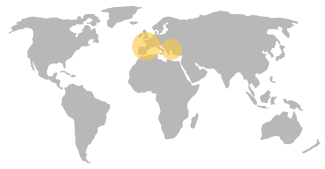


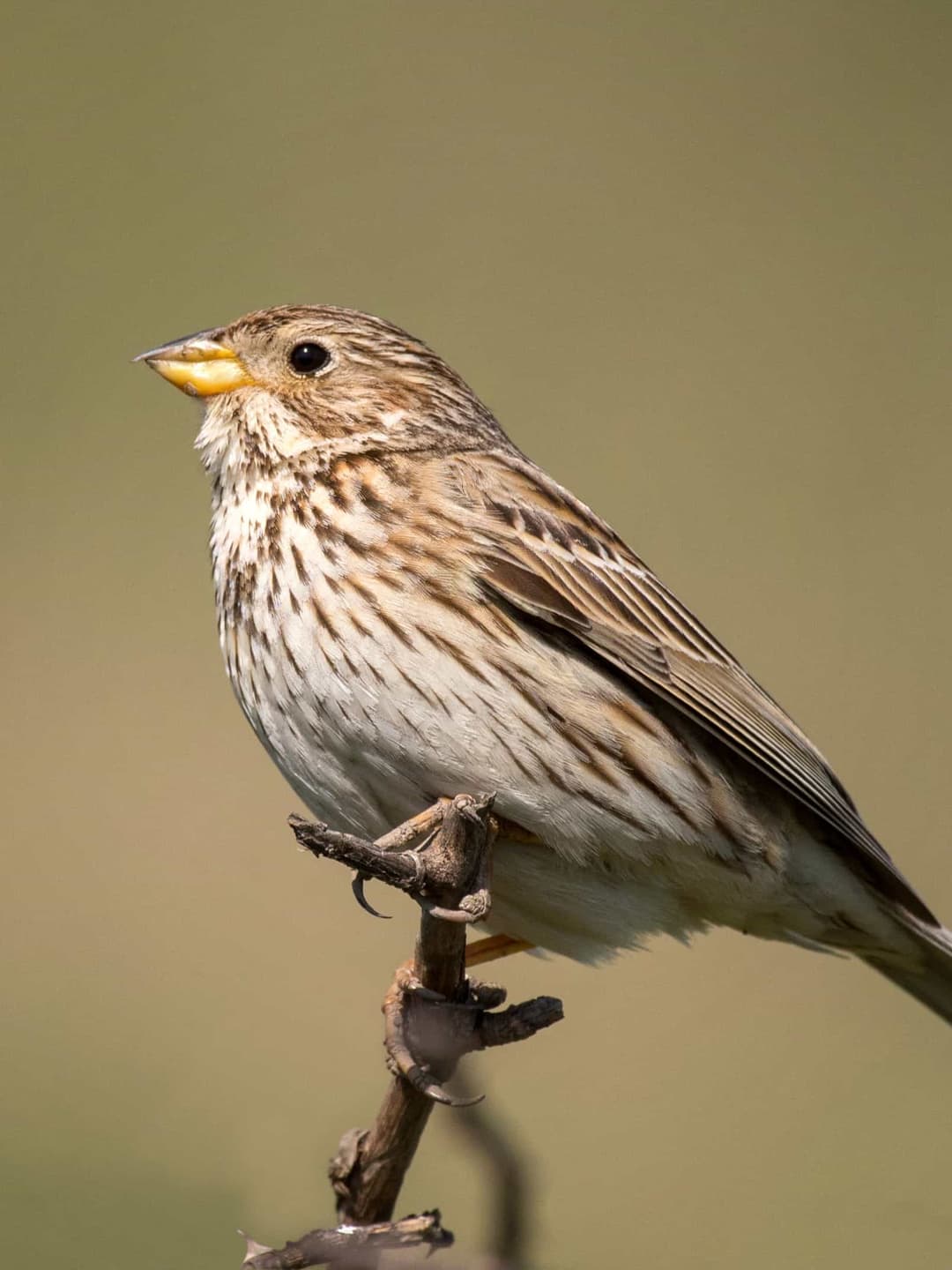
Cirl Bunting


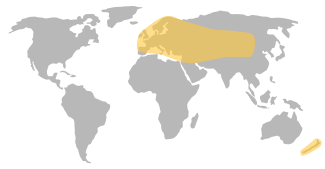
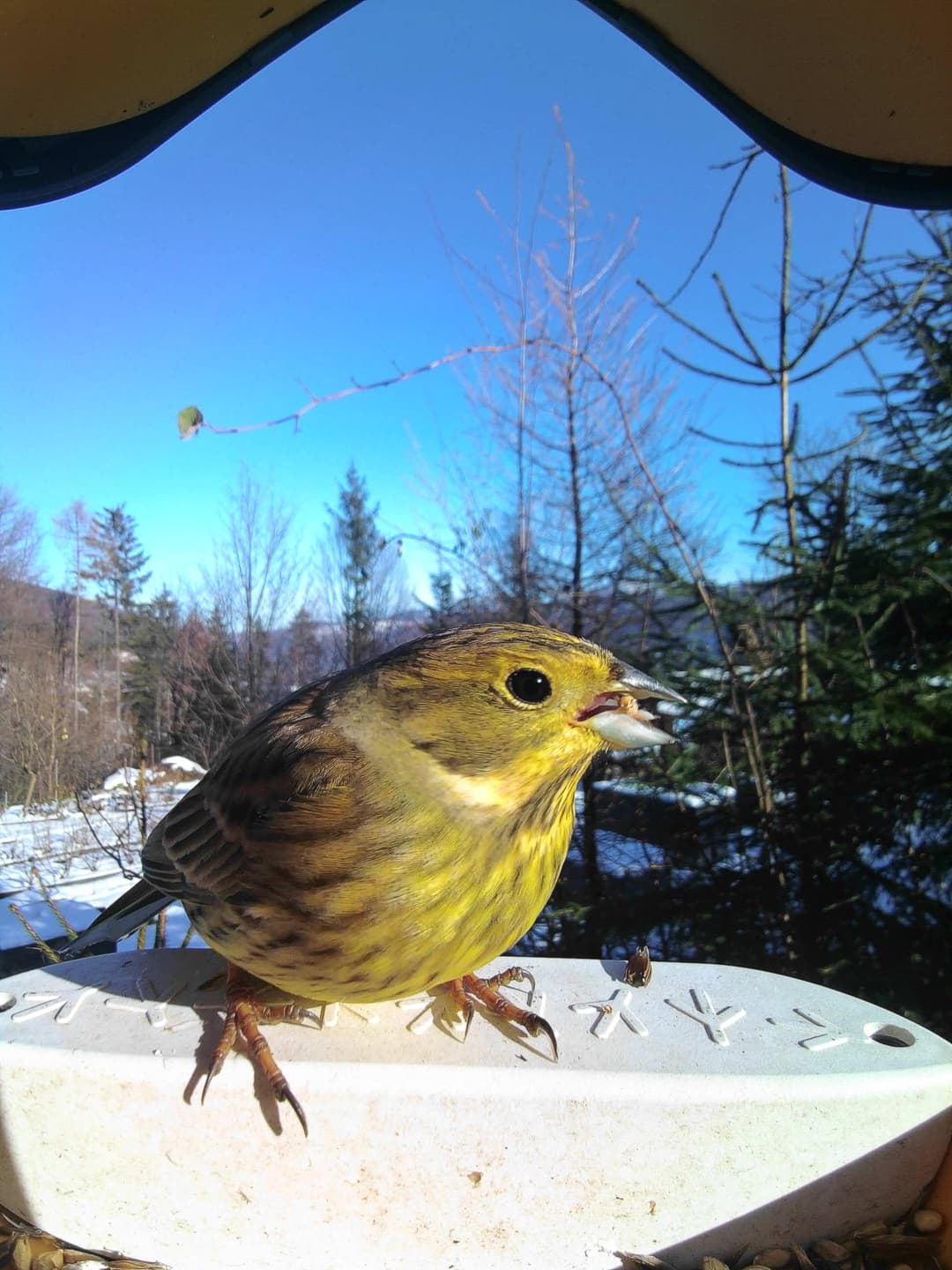
Yellowhammer
Cirl Bunting
Emberiza cirlus
General appearance
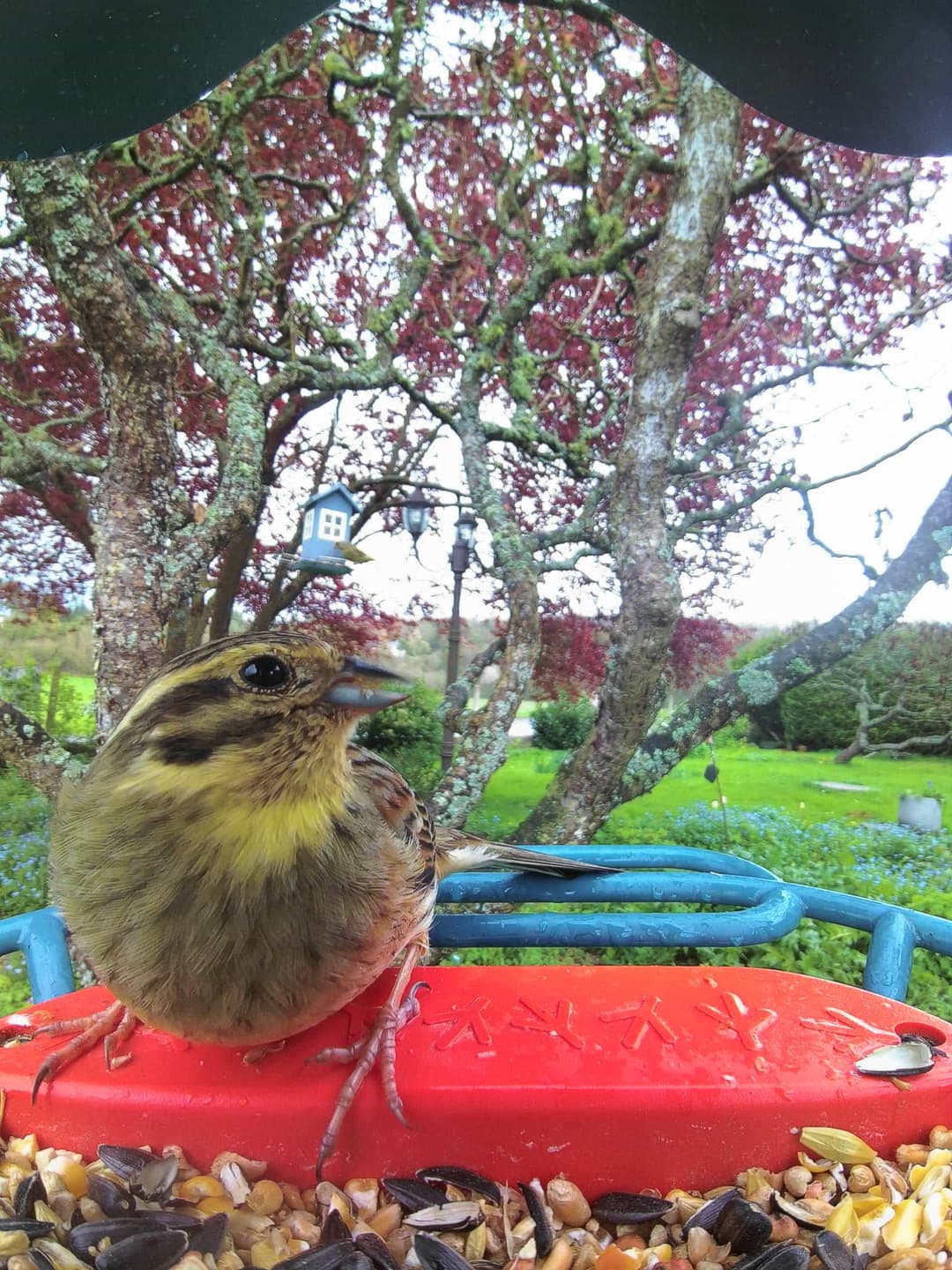
Cirl buntings are small, stout birds, measuring around 15 cm long. They showcase distinct sexual dimorphism and exhibit a yellow and black facial pattern. The species also displays a greenish rump and a streaked brown back.
Male vs female
In cirl buntings, males and females differ in coloration. Males boast a vibrant combination of a black eye stripe and throat, greenish rump, and brightly colored chestnut back. They develop a prominent yellow moustache. In contrast, females and winter males are browner, lacking the vivid yellow and black. They retain the green rump but present a less striking streaked brown back.
Juvenile
Juvenile cirl buntings, similar to females, demonstrate a more subdued color palette. They have brownish chests with dark spotting and streaks which eventually fade to a paler, uniform color as they mature. Their backs and wings are also streaked brown. The young cirl buntings lack the characteristic black and yellow facial patterns seen in adults.
Size
5.9 - 6.5 in/0.7 - 1.0 oz
There's more to learn about Cirl Bunting
View full detailsYellowhammer
Emberiza citrinella
General appearance
Yellowhammers are small, bright-colored birds, predominantly yellow with a bit of brown streaking on its back and a brighter yellow belly. The wings have a sparrow-like pattern with brown, white, and sometimes pink streaks. Females can be similar to males but are generally not as brightly colored.
Male vs female
Male yellowhammers sport a bright yellow head, chest and underparts contrasting with a reddish-brown back. In breeding season, the males display an intense coloration which fades as the season comes to an end. In contrast, females are less colorful with more subdued yellow hues and darker streaks.
Juvenile
Juvenile yellowhammers bear more resemblance to females, being less bright with more brown streaks on their back. Their breast and belly are a dull yellow. They gradually acquire adult plumage over time, with male juveniles attaining their brighter colors after their first summer.
Size
6.3 - 6.7 in/0.7 - 1.3 oz
There's more to learn about Yellowhammer
View full detailsHow to tell the Cirl Bunting from the Yellowhammer
Visual differences
Cirl buntings (6-6.5 inches) are slightly smaller than yellowhammers (6.3-6.7 inches). Male cirl buntings have a black eye stripe, yellow moustache, and greenish rump; females are browner. Yellowhammer males boast a bright yellow head, chest, and underparts with a reddish-brown back; females and juveniles are duller. Both birds have brown streaked backs, but cirl buntings have a greenish tint, while yellowhammers have sparrow-like wing patterns. Yellowhammers are more yellow overall, with prominent yellow heads, emphasizing the distinction.
Key differences and behavior
Cirl Buntings and Yellowhammers exhibit distinct behavioral traits. Cirl Buntings, found mainly in south and east UK, prefer farmlands with hedges for nesting, while Yellowhammers inhabit hedgerows across Europe and Asia, adaptable even in New Zealand. Cirl Buntings form winter flocks, eating insects during breeding and seeds in winter, often seen at feeders. Yellowhammers, too, feed on seeds and insects, with caterpillars and beetles being vital for their young. Both species engage in courtship through songs and aerial displays; Yellowhammers may nest multiple times per season. Cirl Buntings have a coordinated parenting approach with shared feeding duties post-fledging, whereas Yellowhammers' young fledge earlier. Overall, habitat choice and nesting recur patterns are key differentiators, aiding field identification by behavior.
Still not sure? Here are more lookalikes!
Cirl Bunting vs [Select a bird]

[Select a bird]
Pick a bird to compare
Yellowhammer vs [Select a bird]
[Select a bird]
Pick a bird to compare