Cirl Bunting or Common Reed Bunting?
Here's how to tell the difference


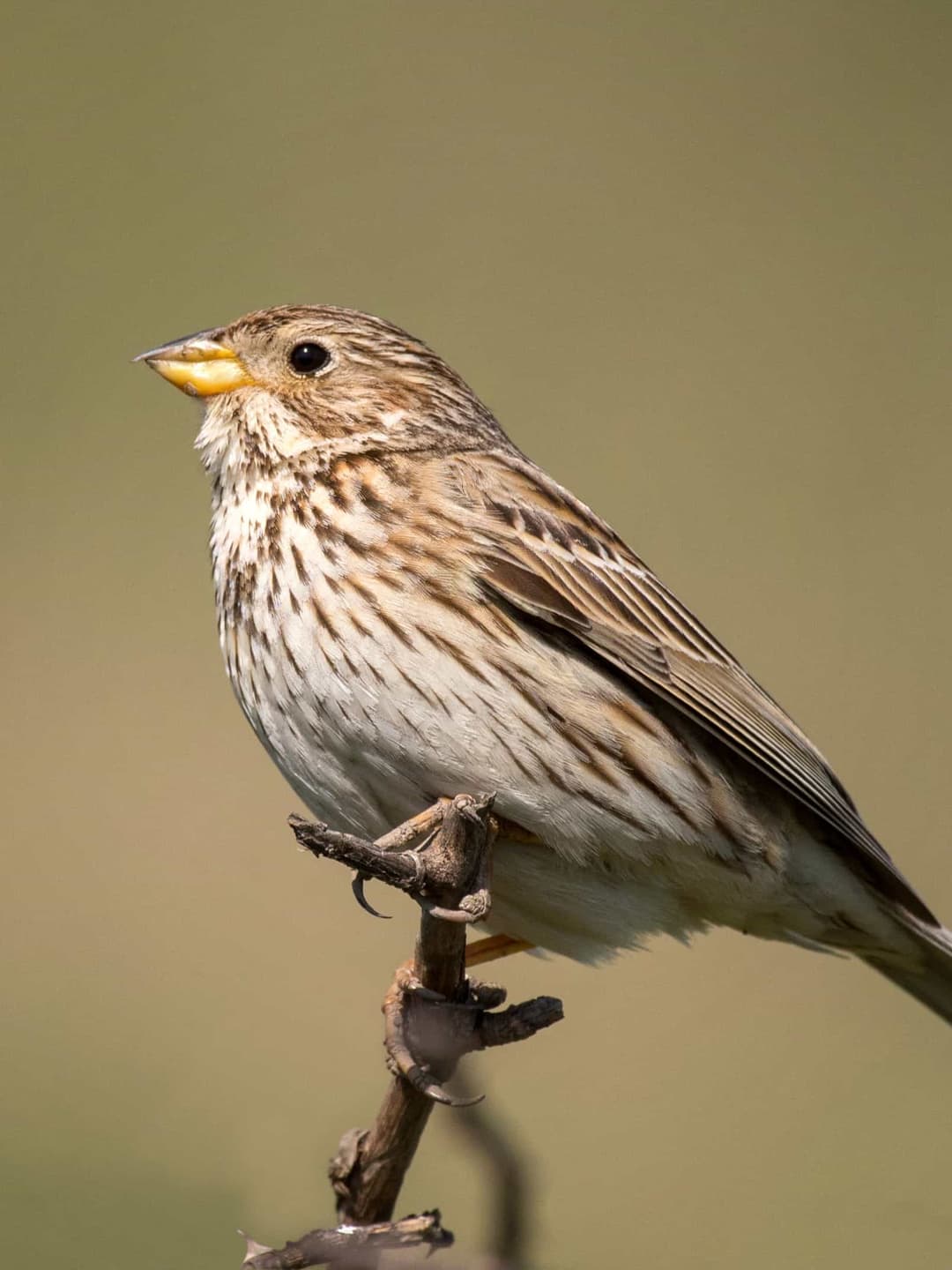
Cirl Bunting


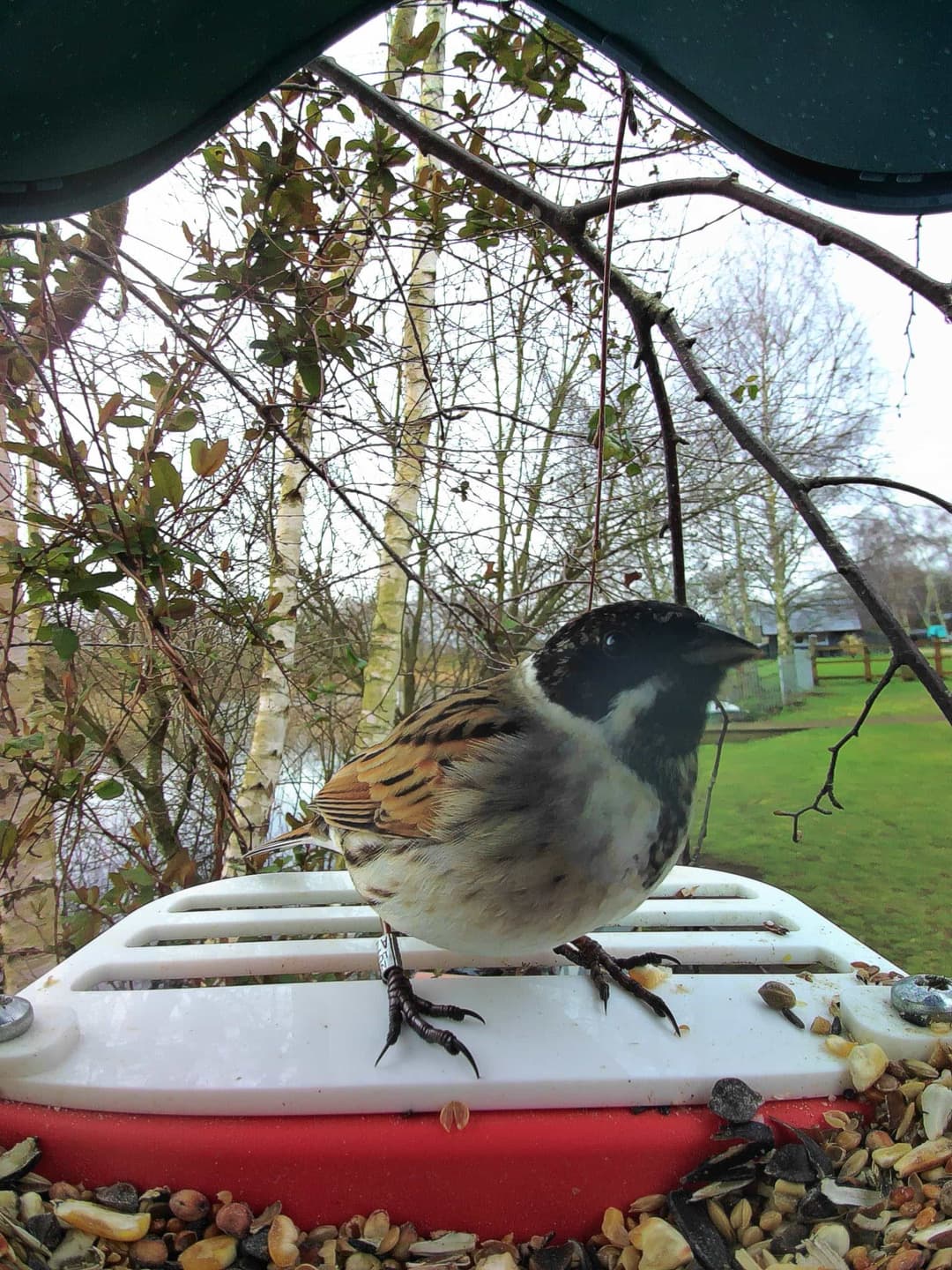
Common Reed Bunting
Cirl Bunting
Emberiza cirlus
General appearance
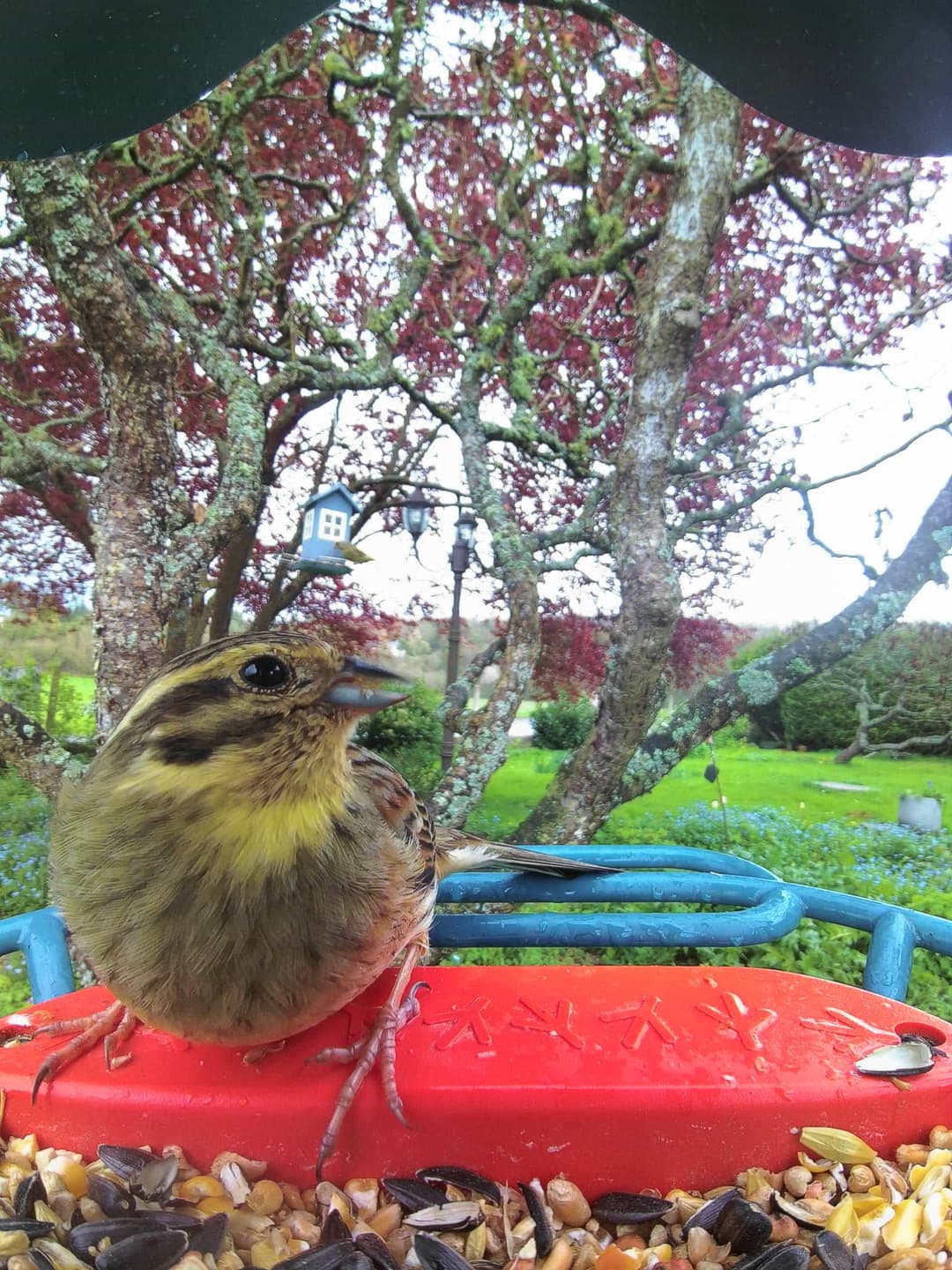
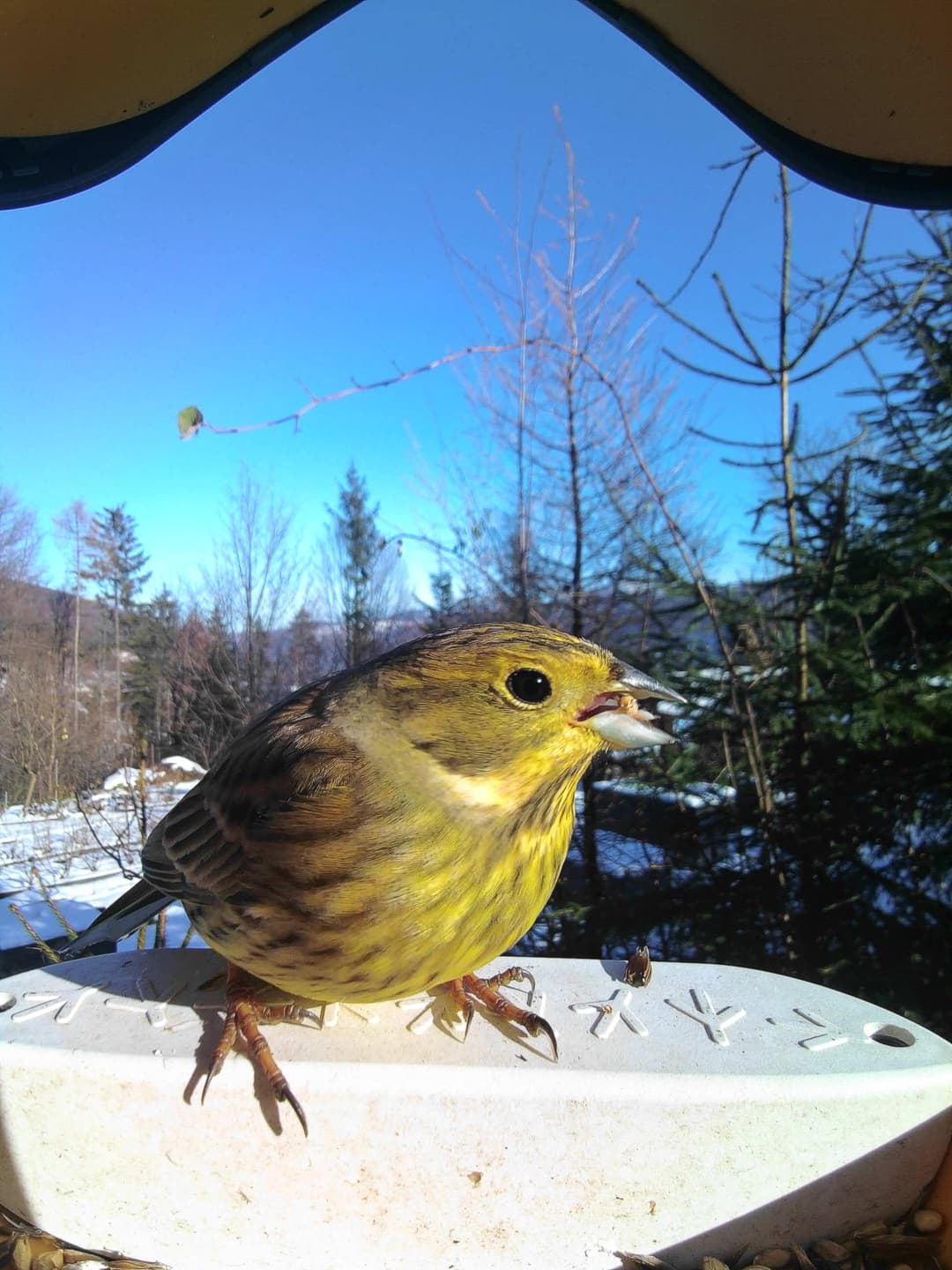
Cirl buntings are small, stout birds, measuring around 15 cm long. They showcase distinct sexual dimorphism and exhibit a yellow and black facial pattern. The species also displays a greenish rump and a streaked brown back.
Male vs female
In cirl buntings, males and females differ in coloration. Males boast a vibrant combination of a black eye stripe and throat, greenish rump, and brightly colored chestnut back. They develop a prominent yellow moustache. In contrast, females and winter males are browner, lacking the vivid yellow and black. They retain the green rump but present a less striking streaked brown back.
Juvenile
Juvenile cirl buntings, similar to females, demonstrate a more subdued color palette. They have brownish chests with dark spotting and streaks which eventually fade to a paler, uniform color as they mature. Their backs and wings are also streaked brown. The young cirl buntings lack the characteristic black and yellow facial patterns seen in adults.
Size
5.9 - 6.5 in/0.7 - 1.0 oz
There's more to learn about Cirl Bunting
View full detailsCommon Reed Bunting
Emberiza schoeniclus
General appearance
The Common Reed Bunting is a small bird species. It has a relatively hefty body, compared to a sparrow, with a sturdy beak. The bird is typically around 13.5-15.5 cm long, sporting a wingspan around 21-26 cm. Key colours are black, white, and a variety of browns. The plumage can be somewhat variable.
Male vs female
Male Reed Buntings tend to be more striking in appearance than their female counterparts. They possess a black head with white collar contrasted against a brown back, while females exhibit a more muted, uniform brown colour all over. The males lose their black colouring after the breeding season and resemble the females until the following spring.
Juvenile
Juvenile Reed Buntings look very similar to adult females. They have a mottled brown and cream appearance overall. Over time, they gradually develop into the more distinctive adult colourations as they mature.
Size
5.5 - 6.5 in/0.4 - 1.0 oz
There's more to learn about Common Reed Bunting
View full detailsHow to tell the Cirl Bunting from the Common Reed Bunting
Visual differences
The Cirl Bunting (6-6.5 inches long) exhibits vibrant yellow and black facial markings with a greenish rump and streaked brown back in males, while females are browner. The Common Reed Bunting (5.3-6.5 inches) has a black head with a white collar in males, contrasting with its brown back, with females and juveniles being more uniformly brown. The Cirl Bunting is slightly more colorful, and the Reed Bunting displays stronger dimorphism during the breeding season, with males losing black coloration afterward. Both species have a similarly stout build and weight range.
Key differences and behavior
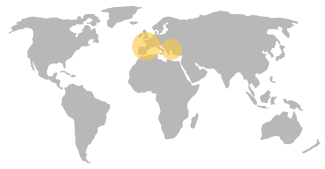
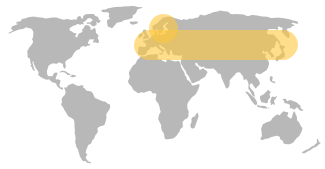
Cirl Buntings and Common Reed Buntings exhibit distinct behavioral and habitat preferences. Cirl Buntings prefer farmlands with hedgerows in southern UK, while Reed Buntings inhabit wetlands across Europe and Asia. Both species shift diet seasonally, relying on insects during breeding—Cirl Buntings consume beetles and caterpillars, whereas Reed Buntings eat wetland insects. In winter, Cirl Buntings often flock, feeding on seeds from wild plants, while Reed Buntings adapt to farmland and urban areas, seeking seeds from reeds and grasses. During courtship, Cirl Buntings sing from perches, whereas Reed Buntings perform display flights. Cirl Bunting nests are in low vegetation, while Reed Buntings nest in reeds near water. Both species visit bird feeders but have distinct habitat and courtship behaviors to observe in the field.
Still not sure? Here are more lookalikes!
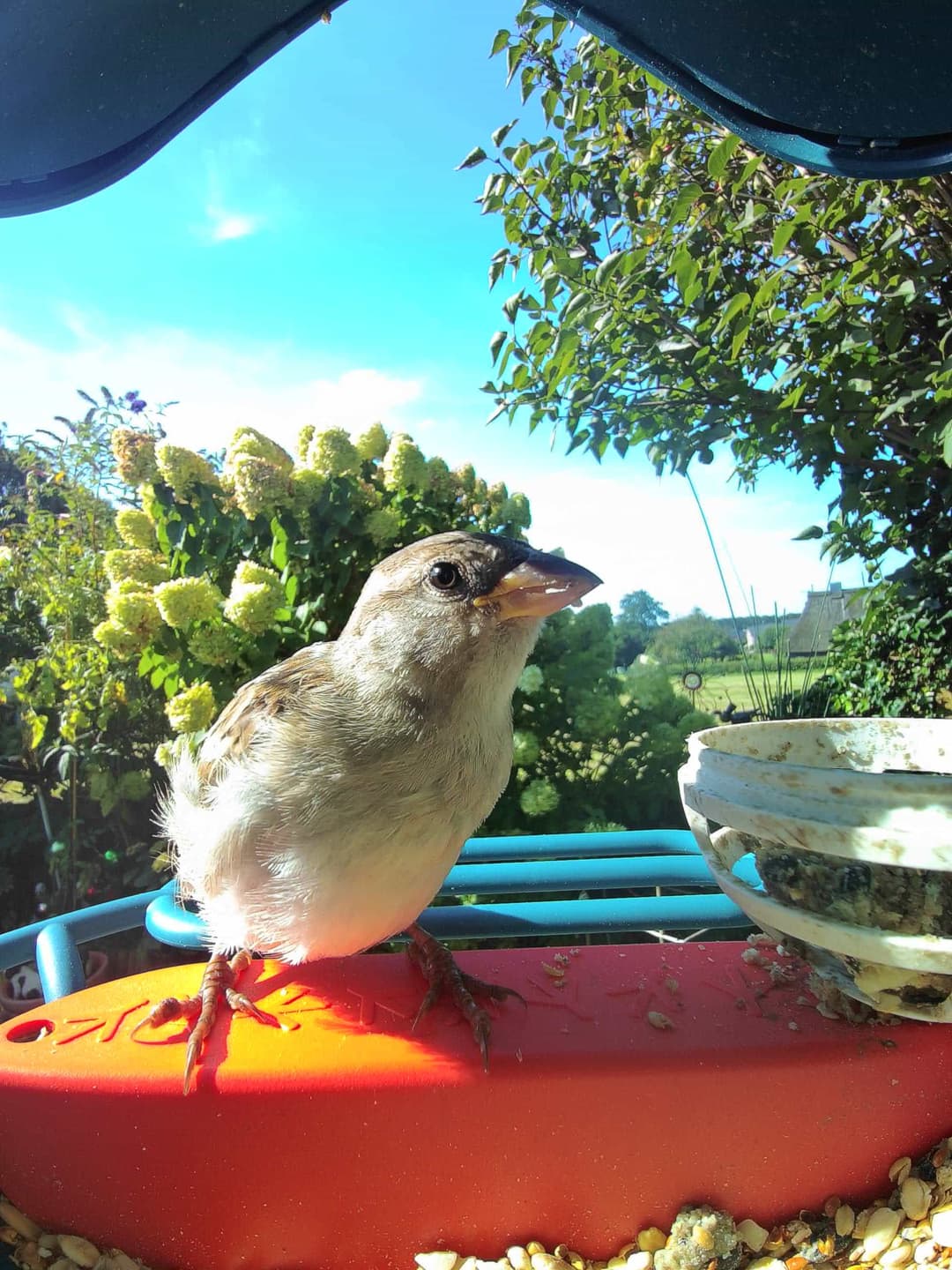
Common Reed Bunting vs House Sparrow
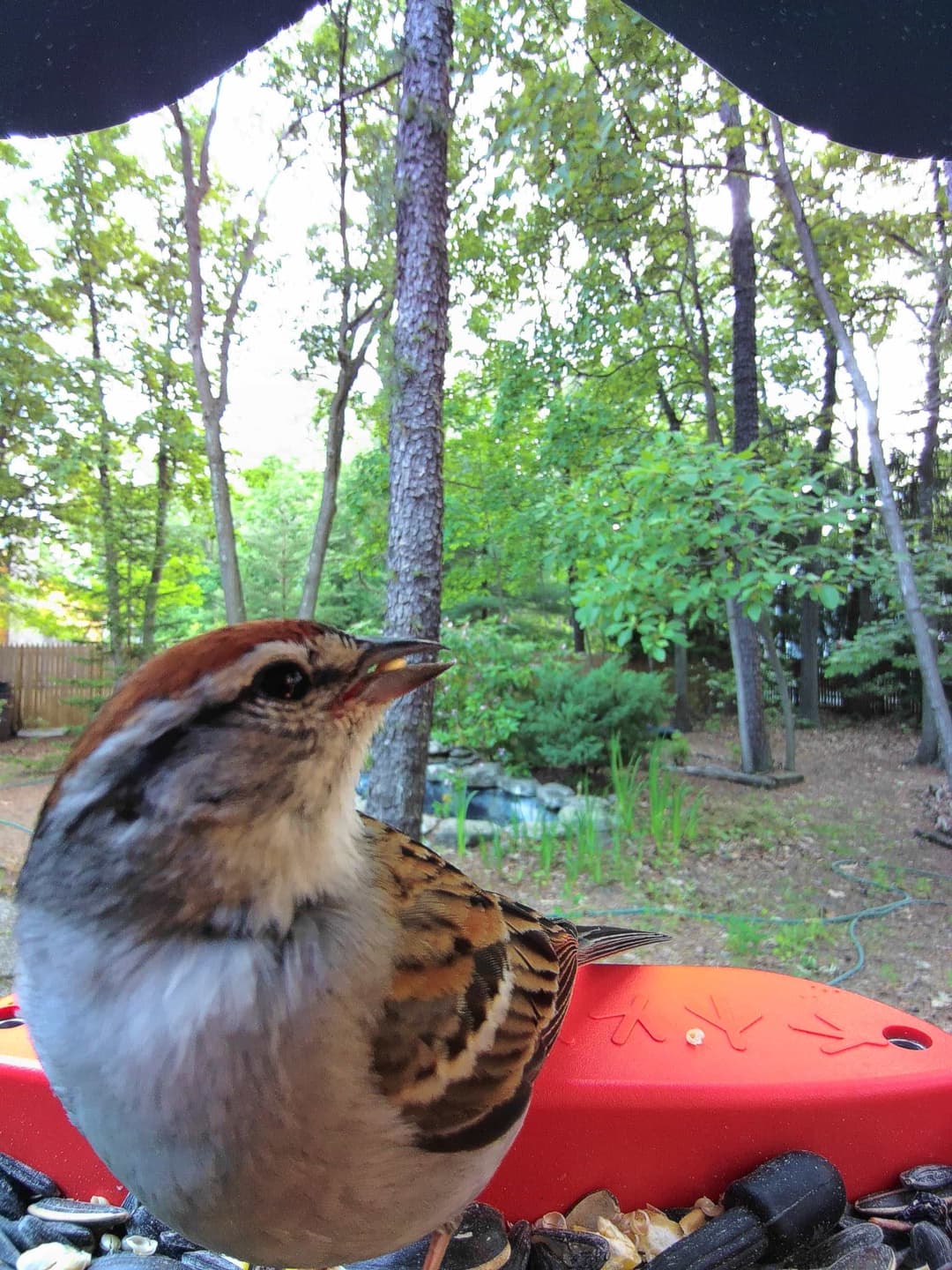
Common Reed Bunting vs Chipping Sparrow
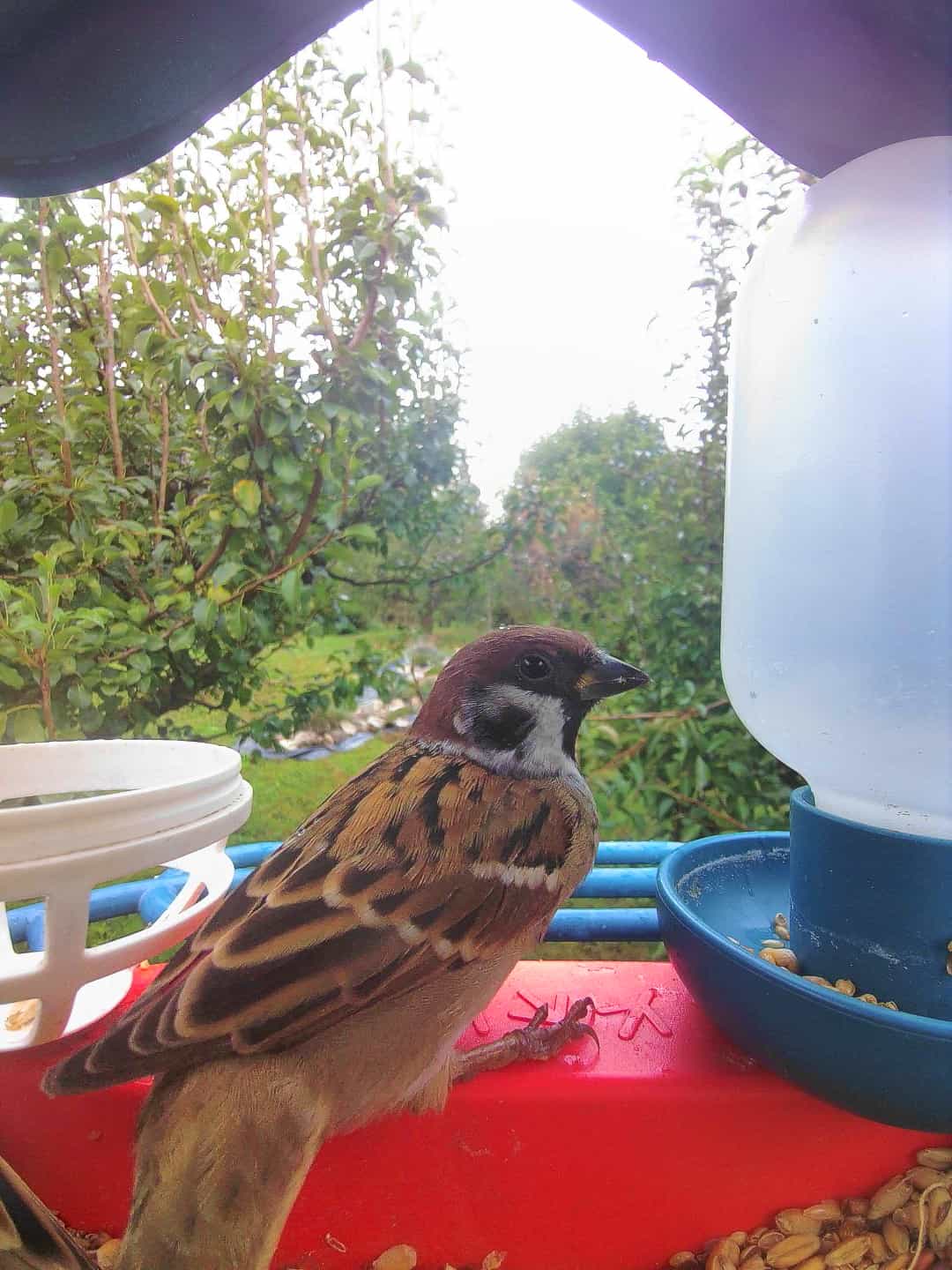
Common Reed Bunting vs Eurasian Tree Sparrow
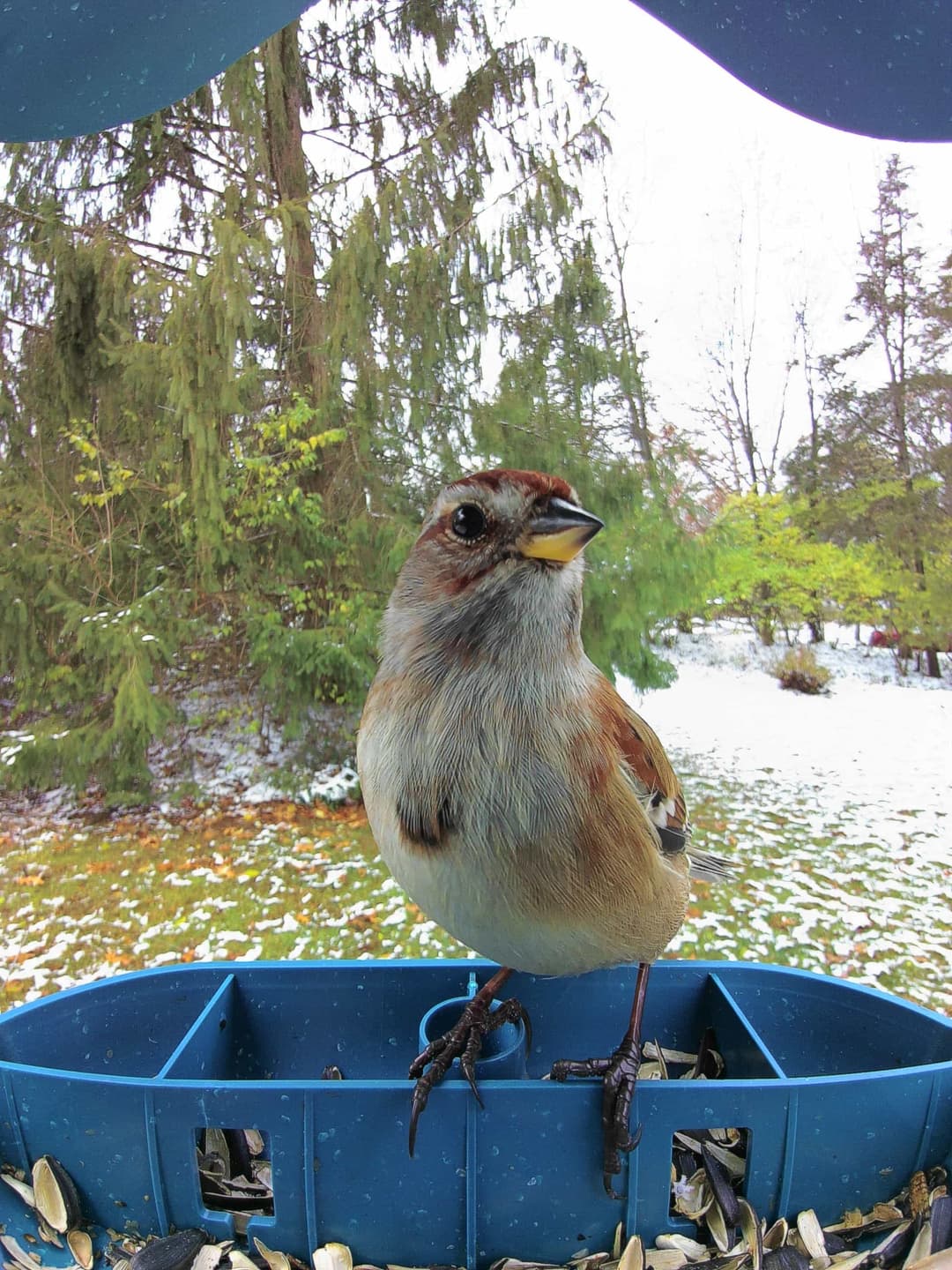
Common Reed Bunting vs American Tree Sparrow
Cirl Bunting vs [Select a bird]

[Select a bird]
Pick a bird to compare
Common Reed Bunting vs [Select a bird]
[Select a bird]
Pick a bird to compare